
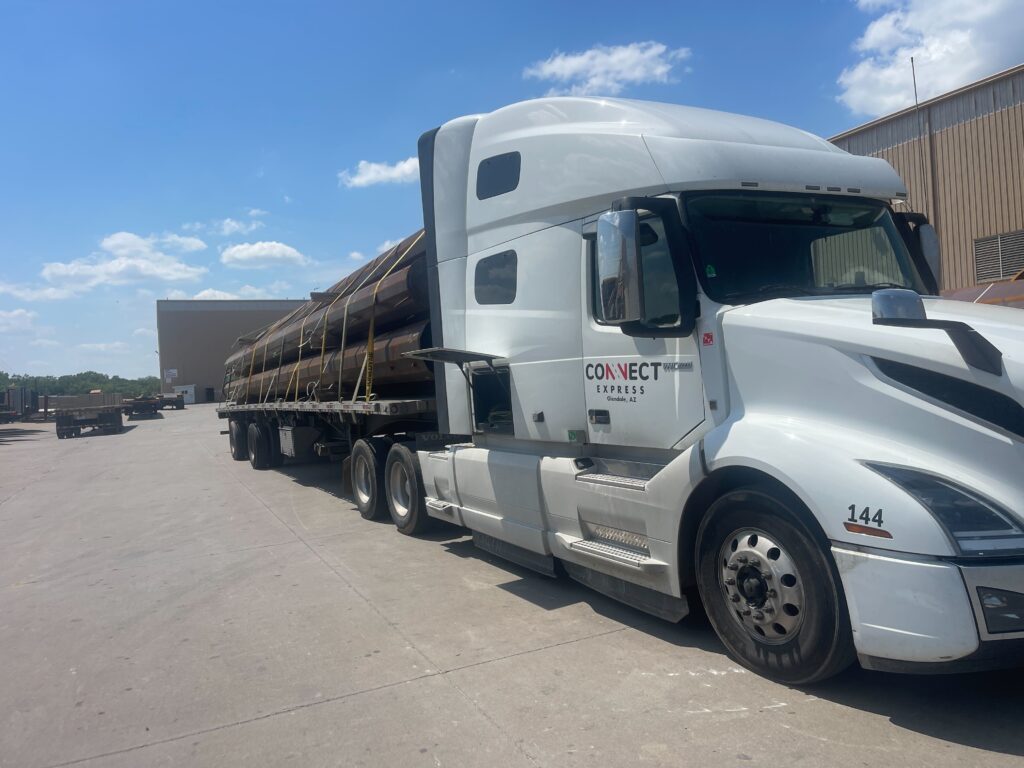
Discover Cost-Effective Freight Shipping Solutions for Your Needs
Table Of Contents:
- Introduction
- Key Takeaways
- Pinpointing Economical Freight Shipping Methods for Your Company
- Securing Lower Rates for Your Business Freight Shipments
- Streamlining Operations for Reduced Freight Expenditure
- Selecting the Right Partners for Affordable Freight Shipping
- Avoiding Hidden Costs in Your Freight Shipping Budget
- Measuring the Success of Your Cost-Effective Freight Shipping Solutions
- Final Thoughts
- Frequently Asked Questions
None
Cost-Effective Freight Shipping Solutions for Your Business
Introduction
Freight shipping costs can significantly impact a company’s bottom line, and finding economical solutions is essential for maintaining competitive pricing and profitability. This article explores methods companies can adopt to reduce freight expenses while ensuring efficient transportation of goods. By focusing on innovative shipping methods, strategic partnerships, and operational improvements, businesses can optimize their shipping performance without compromising on service quality. Transitioning to cost-effective freight solutions not only improves operational efficiency but also contributes to overall supply chain resilience.
Key Takeaways
- Economical freight methods include LTL, intermodal, and partial truckload options.
- Negotiating freight rates and leveraging volume discounts are crucial for lower shipping costs.
- Streamlined operations through optimized packaging, route planning, and technology adoption reduce overheads.
- Selecting the right logistics partners and monitoring key performance indicators ensure long-term savings.
Pinpointing Economical Freight Shipping Methods for Your Company
Economical freight shipping begins with evaluating various transport modes tailored to your shipment size and urgency. Comparing less-than-truckload (LTL) with full truckload (FTL) shipping is an important starting point. LTL generally allows multiple shippers to share the cost of a single truck, reducing per-unit costs, while FTL is more cost-effective for large shipments or when freight is consolidated. Businesses often find the proper balance by assessing the volume and frequency of their shipments.
Assessing intermodal transport as a budget-friendly option can further lower costs. Intermodal shipping, which combines truck, rail, and sometimes sea transport, leverages the strengths of each mode while reducing overall expenses. Utilizing partial truckload options is useful for companies that have smaller shipments that do not fill an entire truck. With partial truckload services, shipping costs are divided among several customers, ensuring efficient use of space. In some cases, when time constraints permit, air freight can emerge as a cost-effective solution, particularly for high-value or light-but-urgent goods. Air cargo, when strategically applied, offers reliable speed without necessarily incurring the high costs usually associated with express air shipping.
Securing Lower Rates for Your Business Freight Shipments
Securing favorable freight shipping rates involves active negotiation and strategic planning. Mastering freight rate negotiation tactics is essential; carriers often have flexibility in pricing and adjustments can be made through bulk commitments or long-term contracts. The advantages of volume discounts are clear when businesses regularly ship large quantities, as higher volumes can lead to better pricing terms from carriers. Obtaining multiple quotes for your freight shipments is another strategy that ensures cost effectiveness; comparing rates from different providers can reveal hidden cost advantages.
Understanding how freight classification affects pricing is equally important. Different types of goods incur various tariffs and handling fees, so proper classification can lead to significant savings. Building strong carrier relationships further contributes to lower shipping rates, as a history of reliable business can lead to preferential treatment and exclusive discounts. By negotiating and leveraging relationships, businesses can secure ongoing savings on their freight shipments.
Streamlining Operations for Reduced Freight Expenditure
Reducing operational expenses in freight shipping is achievable through several targeted strategies. Optimizing packaging to minimize dimensional weight costs ensures that shipments do not incur additional fees based on volume rather than weight. Implementing efficient load consolidation strategies helps fill trucks to capacity, reducing the need for multiple shipments. Reducing detention and demurrage fees by carefully scheduling pick-ups and deliveries prevents costly delays.
Planning routes effectively plays a vital role in saving on fuel and time; companies can use sophisticated route planning tools to optimize delivery paths. Additionally, adopting technology for superior freight management improves transparency and efficiency within the supply chain. Software solutions such as Transportation Management Systems (TMS) provide real-time updates and data analytics to monitor shipment performance, ensuring that operations remain lean and cost-effective.
Selecting the Right Partners for Affordable Freight Shipping
Choosing the proper logistics partner is instrumental in managing freight shipping expenses. Evaluating freight brokers versus asset-based carriers requires careful consideration of reliability, service quality, and cost. Freight brokers can offer extensive market knowledge while asset-based carriers provide direct control over shipping operations. Choosing a third-party logistics (3PL) provider for cost savings can further streamline operations, as these companies manage multiple aspects of transportation and reduce administrative burdens.
Questions to ask potential freight shipping partners include details about their cost structure, service reliability, and technology capabilities. Verifying carrier insurance and authority is also critical to ensuring compliance and protecting shipments against unforeseen liabilities. These factors, combined with transparent pricing and dependable service, help businesses select partnerships that drive long-term cost savings and operational efficiency.
Avoiding Hidden Costs in Your Freight Shipping Budget
Hidden costs can quickly erode the savings from discounted shipping rates. Identifying common accessorial fees, such as loading, unloading, or after-hours service fees, and employing strategies to mitigate them is essential. The financial impact of freight damage and claims adds unplanned expenses; investing in robust packaging and secure loading techniques can reduce these incidents. Understanding fuel surcharges and their fluctuations enables companies to plan and budget more accurately.
The price of inadequate cargo insurance can also be significant. Underinsured shipments that suffer losses create costly out-of-pocket expenses. By carefully analyzing these hidden fees, businesses can implement practices and select partners that offer a transparent cost structure, ensuring overall freight shipping budgets remain within expected limits.
Measuring the Success of Your Cost-Effective Freight Shipping Solutions
Tracking the performance of freight shipping strategies is crucial for ensuring that cost-saving measures remain effective. Key performance indicators (KPIs) for freight cost management include cost per mile, on-time delivery rates, and overall shipment accuracy. Regularly auditing freight invoices for discrepancies reveals potential overcharges and inefficiencies. Adapting your freight strategy to market changes, such as fluctuating fuel prices or seasonal demand, further solidifies cost management.
Continuous improvement in your business freight operations can be achieved by monitoring performance metrics and making iterative adjustments. Investment in analytics and reporting tools helps businesses identify trends and refine strategies to ensure optimal cost and service performance over time. This systematic approach leads to improved efficiencies and sustained savings in freight shipping.
Final Thoughts
Efficient freight shipping is critical for controlling costs and enhancing supply chain reliability. Companies can achieve substantial savings by selecting suitable shipping methods, negotiating rates effectively, and partnering with reliable logistics providers. Streamlined operations and ongoing performance monitoring play major roles in sustaining these improvements. Businesses are encouraged to continuously evaluate and refine their freight strategies to adapt to market dynamics and drive future success.
Frequently Asked Questions
Q: What is less-than-truckload shipping? A: Less-than-truckload (LTL) shipping involves consolidating shipments from multiple customers into one truck, reducing costs on smaller shipments while ensuring efficient freight delivery.
Q: How can intermodal transport reduce shipping expenses? A: Intermodal transport leverages multiple shipping modes, such as rail and truck, to lower overall costs by optimizing each segment for efficiency and reducing reliance on a single, expensive method.
Q: What are common hidden costs in freight shipping? A: Hidden costs include accessorial fees like loading or detention charges, fuel surcharges, and expenses related to freight damage or inadequate insurance coverage.
Q: Why is technology important in freight management? A: Advanced technologies, such as Transportation Management Systems (TMS), provide real-time tracking, route optimization, and data analytics to streamline operations and reduce shipping costs.
Q: How do strategic partnerships affect freight shipping rates? A: Building strong relationships with carriers and logistics partners can lead to preferential rates, volume discounts, and better overall service, ultimately lowering freight shipping expenses.