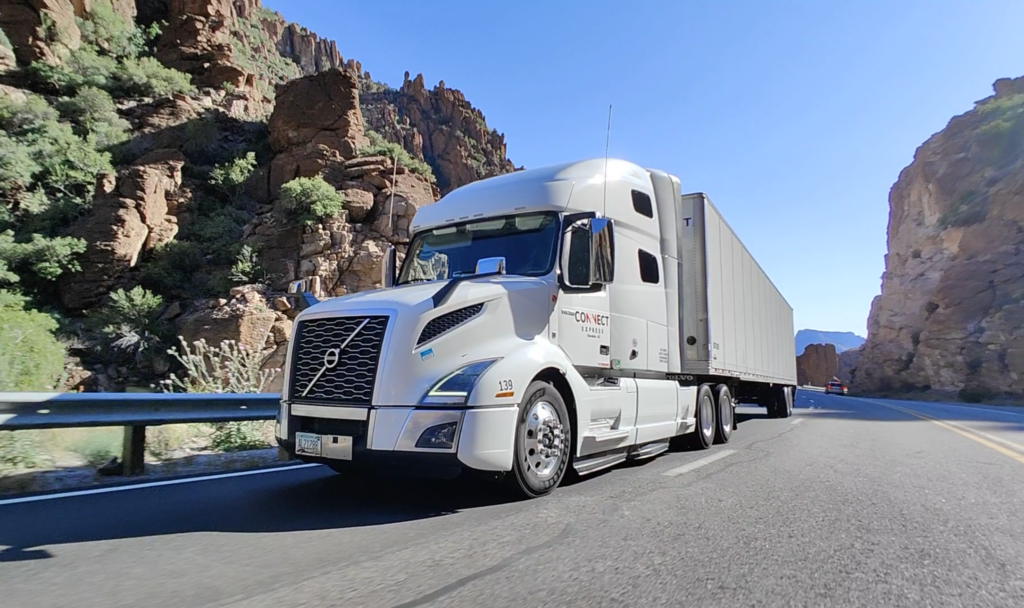
Refrigerated Transport
Effective Fleet Management Strategies for Optimal Performance
Table Of Contents:
- Essential Fleet Management Strategies for Optimal Efficiency
- Key Takeaways
- Implementing Proactive Vehicle Maintenance for Peak Fleet Performance
- Advancing Driver Behavior and Safety Programs as a Key Fleet Management Strategy
- Mastering Fuel Consumption and Route Planning for Maximum Operational Savings
- Incorporating Fleet Technology for Enhanced Oversight and Decision Making
- Streamlining Regulatory Adherence and Risk Mitigation in Fleet Operations
- Utilizing Data Analytics to Continuously Refine Fleet Efficiency Strategies
- Final Thoughts
- Frequently Asked Questions
Essential Fleet Management Strategies for Optimal Efficiency
Effective fleet management is critical for businesses transporting goods, as it directly impacts operational efficiency, cost reduction, and regulatory compliance. Efficient fleet operations minimize downtime, optimize maintenance schedules, and improve driver behavior. This article outlines actionable strategies to enhance fleet performance through proactive maintenance, advanced driver safety programs, fuel consumption oversight, modern technology adoption, strict regulatory adherence, and data analytics. Businesses that implement these strategies can expect increased uptime, better fuel efficiency, and improved overall productivity.
Key Takeaways
- Proactive vehicle maintenance minimizes downtime and reduces unexpected repair costs.
- Enhancing driver behavior through comprehensive training and monitoring is essential for safety.
- Optimized fuel management and route planning significantly lower operational expenses.
- Leveraging fleet technology increases oversight and streamlines decision making.
- Continuous data analytics helps refine fleet strategies and boost efficiency.
Implementing Proactive Vehicle Maintenance for Peak Fleet Performance
Maintaining a fleet involves a proactive and systematic approach to vehicle upkeep that ensures reliability and minimizes costly unscheduled repairs. Regular maintenance schedules stretch vehicle lifespans and enhance safety. Businesses should establish clear preventative maintenance routines that include detailed inspections both before and after trips. For instance, conducting pre-trip and post-trip inspections allows operators to quickly identify and address issues such as fluid leaks or worn-out components before they escalate into major problems.
Establish Regular Preventative Maintenance Schedules
A structured schedule for maintenance helps in planning routine services like oil changes, brake checks, and tire rotations. This routine minimizes unexpected breakdowns and ensures vehicles continuously perform at their peak. Companies benefit from maintaining a detailed record of maintenance activities, which can be crucial during compliance audits while also forecasting future expenditures.
Conduct Thorough Pre-Trip and Post-Trip Inspections
Pre-trip inspections are essential for identifying any potential safety concerns early. Post-trip checks provide feedback on vehicle performance during operations, highlighting wear-and-tear patterns. Together, these inspections contribute significant data towards reducing breakdown risks, thus ensuring uninterrupted service.
Manage Tire Health for Safety and Fuel Economy
Regular tire inspections, proper inflation, and timely rotation prevent premature tire wear and optimize fuel efficiency. Well-maintained tires reduce rolling resistance, which in turn lowers fuel consumption—a critical cost-saving measure in fleet operations.
Address Vehicle Repairs Promptly to Prevent Costly Downtime
Timely repairs are key to preventing minor issues from developing into expensive downtimes. Quick fixes reduce the risk of accidents and further damage, ensuring that vehicles remain operational and available for scheduled trips.
Track Vehicle Lifecycle Costs for Strategic Replacement
Monitoring total lifecycle costs helps in making strategic decisions regarding when to repair versus when to replace vehicles. This approach not only reduces expenditures but also aligns long-term fleet efficiency with the latest technological and safety standards.
Advancing Driver Behavior and Safety Programs as a Key Fleet Management Strategy
Driver behavior significantly influences overall fleet performance. By implementing comprehensive training programs and monitoring driver actions, companies can mitigate risks related to accidents and regulatory violations. Promoting a safety-first culture not only protects assets but also enhances business reputation and driver confidence.
Institute Comprehensive Driver Training and Coaching
Regular training sessions and coaching programs help drivers understand safe driving practices, proper vehicle handling, and the importance of adherence to regulations. Such initiatives reduce incidents of risky behavior and encourage professional growth among drivers.
Monitor Driving Habits to Reduce Risky Behaviors
Utilizing technologies like telematics to track speed, braking patterns, and overall driving behavior provides actionable insights. This data can be used to coach drivers, correct unsafe practices, and subsequently lower accident rates.
Promote a Strong Safety Culture Within the Fleet
A safety-centric culture ensures that drivers prioritize compliance with traffic regulations and best safety practices. Regular safety meetings, clear communication of expectations, and visible management commitment to safety foster this environment.
Manage Driver Hours for Compliance and Alertness
Maintaining strict adherence to driver hours regulations prevents fatigue—a major contributor to accidents. Automated reporting systems assist in monitoring driving times and ensuring drivers take necessary breaks, hence improving alertness on the road.
Recognize and Reward Safe Driving Practices
Incentivizing safe driving through rewards programs boosts morale and encourages adherence to safety protocols. Recognition for consistent safe driving helps build a culture of accountability and continuous improvement.
Mastering Fuel Consumption and Route Planning for Maximum Operational Savings
Fuel consumption and efficient route planning are at the heart of fleet cost management. Effective route optimization minimizes mileage and idling time, directly contributing to fuel savings. Monitoring fuel usage patterns enables companies to implement fuel-efficient driving techniques and select vehicles best suited for specific tasks.
Optimize Routes to Minimize Mileage and Idling Time
Advanced route planning tools help determine the most efficient paths for deliveries, reducing unnecessary mileage and idle periods. This not only lowers fuel consumption but also decreases wear and tear on the vehicles.
Monitor Fuel Usage Patterns Across the Fleet
By analyzing fuel usage data, fleet managers can identify inefficiencies and adjust practices accordingly. Implementing fuel-specific monitoring systems supports quick decision-making regarding fleet performance.
Implement Fuel-Efficient Driving Techniques
Training drivers on eco-friendly driving practices such as gradual acceleration and maintaining steady speeds contributes to reduced fuel consumption and emissions, paving the way for sustainable operations.
Select Fuel-Appropriate Vehicles for Specific Tasks
Not all vehicles perform equally in terms of fuel economy. Choosing the right vehicle for particular routes or cargo types ensures that fuel resources are used efficiently, consistent with operational needs.
Investigate Fuel Card Programs for Better Control and Reporting
Fuel card programs provide detailed transaction data and better control of fuel costs across the fleet. Corporate agreements with fuel providers can offer substantial discounts, further reducing operational expenses.
Incorporating Fleet Technology for Enhanced Oversight and Decision Making
The integration of modern technology into fleet management processes vastly improves operational oversight and decision making. GPS tracking, telematics systems, centralized fleet management software, and dash cams provide real-time data that enhances both vehicle performance and driver accountability.
Utilize GPS Tracking for Real-Time Vehicle Location and Status
GPS technology allows for real-time monitoring of vehicle locations, ensuring that all fleet assets are on track with their delivery schedules. This visibility is crucial for timely interventions and adjustments to routes in case of unforeseen delays.
Employ Telematics Systems to Gather Operational Data
Telematics systems collect a wide range of operational data, including speed, fuel consumption, and engine performance. This information supports proactive maintenance decisions and improves overall fleet efficiency through predictive maintenance practices.
Adopt Fleet Management Software for Centralized Control
Centralized solutions streamline communication and operational control. These platforms consolidate data from various sources, enabling fleet managers to make informed decisions that improve productivity and reduce costs.
Use Dash Cams for Incident Recording and Driver Accountability
Dash cams not only help in documenting incidents but also serve as a deterrent to unsafe driving practices. The added layer of accountability reinforces safe driving habits and aids in incident investigations.
Automate Reporting for Performance Analysis
Automated reporting tools allow for the regular analysis of fleet performance metrics. This data-driven approach helps in identifying trends, benchmarking against industry standards, and making necessary adjustments to improve efficiency.
Streamlining Regulatory Adherence and Risk Mitigation in Fleet Operations
Strict regulatory adherence and risk management are essential components of fleet operations. Maintaining comprehensive records, staying updated with regulatory changes, and developing robust emergency protocols safeguard the fleet against penalties and unforeseen risks.
Maintain Accurate Records for Compliance Mandates
Accurate documentation of maintenance, driving hours, and inspections is essential for regulatory compliance. Detailed records also support audits and claims processing, reducing administrative burdens.
Stay Current With Transportation Regulations and Standards
Keeping abreast of changes in transportation laws ensures that fleet managers can promptly adjust operations to remain compliant. Participation in industry forums and regular training plays a key role in this continuous learning process.
Develop Robust Emergency Response Protocols
Effective emergency protocols mitigate risks associated with accidents or breakdowns. Regular drills and clear escalation procedures ensure that all personnel are prepared to act swiftly during an incident.
Ensure Proper Vehicle Licensing and Permitting
Adhering to vehicle licensing and permit requirements avoids costly fines and operational disruptions. Routine audits help identify and rectify any gaps in compliance.
Conduct Regular Audits of Compliance Procedures
Routine internal audits of compliance procedures shed light on potential risks and gaps in current practices. These audits facilitate timely corrections and reinforce the importance of regulatory adherence within the organization.
Utilizing Data Analytics to Continuously Refine Fleet Efficiency Strategies
Data analytics plays a pivotal role in enhancing fleet efficiency. By systematically identifying key performance indicators and analyzing trends across maintenance, fuel consumption, and driver performance, businesses can fine-tune their fleet operations for maximum efficiency.
Identify Key Performance Indicators for Fleet Operations
Establishing KPIs such as fuel efficiency, downtime incidents, and maintenance costs provides a clear picture of fleet performance. These indicators serve as benchmarks, guiding the overall strategy for continual improvement.
Analyze Trends in Maintenance, Fuel, and Driver Performance
Regular analysis of collected data helps in spotting trends and anomalies. Understanding these patterns facilitates proactive adjustments that mitigate issues before they become costly problems.
Use Data Insights to Inform Strategic Adjustments
Insights derived from data analytics enable fleet managers to make evidence-based decisions. Adjustments such as route changes or revised maintenance schedules are grounded in empirical data, ensuring effectiveness and reliability.
Benchmark Fleet Performance Against Industry Standards
Comparing fleet performance with industry benchmarks identifies areas for improvement. This comparative analysis drives strategic initiatives designed to align operations with leading industry practices.
Foster a Culture of Continuous Improvement Based on Data
Integrating data analytics into everyday operations encourages a culture of accountability and continuous improvement. Employees become engaged in tracking performance metrics and contributing to operational enhancements, which ultimately drives down costs and boosts productivity.
Final Thoughts
Efficient fleet management is a multi-faceted approach that requires proactive maintenance, diligent driver safety programs, effective fuel management, innovative technology adoption, strict regulatory adherence, and the strategic use of data analytics. These strategies work in tandem to provide a clear roadmap toward enhanced operational efficiency, reduced downtime, and lower costs. Businesses that engage with these practices are better positioned for long-term success in the competitive transportation sector. Embracing these strategies ensures that fleet operations remain adaptive and resilient in a dynamic market environment.
Frequently Asked Questions
Q: How does proactive vehicle maintenance benefit fleet operations? A: Proactive maintenance minimizes unexpected breakdowns, reduces repair costs, and extends the lifespan of vehicles, ultimately saving operational expenses and enhancing safety.
Q: Why is driver behavior monitoring essential in fleet management? A: Monitoring driver behavior reduces risky practices, enforces safety standards, and improves overall fleet performance by minimizing accidents and regulatory issues.
Q: How can fuel-efficient driving techniques lower operational costs? A: Implementing fuel-efficient practices like optimized routes and gradual acceleration decreases fuel consumption significantly, leading to lower overall costs.
Q: What role does data analytics play in fleet management? A: Data analytics provides insights into performance trends, helping managers make evidence-based decisions and continuously refine fleet strategies for enhanced efficiency.
Q: How does technology integration improve fleet oversight? A: The use of GPS, telematics, and fleet management software offers real-time visibility, facilitating prompt interventions and better decision making for fleet operations.