

Unlock Efficiency With on-Demand Logistics Services
Table Of Contents:
- Maximize Efficiency With on-Demand Logistics Services
- Key Takeaways
- Understand How on-Demand Logistics Services Drive Operational Improvements
- Identify Key Benefits From on Demand Logistics Service Providers
- Select the Right on Demand Logistics Service Providers for Your Business
- Implement on-Demand Logistics for Streamlined Workflows
- Measure Efficiency Gains Achieved Through on-Demand Logistics
- Future-Proof Your Operations With Advanced on-Demand Logistics Strategies
- Frequently Asked Questions
- Final Thoughts
Maximize Efficiency With on-Demand Logistics Services
In today’s competitive landscape, businesses are constantly seeking innovative ways to streamline operations while cutting unnecessary costs. On-demand logistics services offer a flexible alternative to traditional transportation methods by coupling rapid response with scalable resources. These services are designed for companies that require immediate, reliable, and efficient distribution solutions without the burden of long-term infrastructure investments. By leveraging technology, real-time tracking, and flexible fleet management, on-demand logistics providers enable businesses to meet fluctuating customer demands efficiently. This article explores how these services improve operational efficiency, highlights their key benefits, and provides practical guidance on selecting and implementing the right providers.
Key Takeaways
- On-demand logistics services drive operational improvements by reducing delivery times and optimizing routes.
- These services offer scalable, cost-effective solutions to support inventory management and rapid customer response.
- Choosing the right provider requires careful assessment of reliability, technology integration, and service agreements.
- Successful implementation can lead to significant reductions in transportation costs and overall supply chain improvements.
Understand How on-Demand Logistics Services Drive Operational Improvements
On-demand logistics services are revolutionizing the transportation of goods by enhancing operational efficiency in several key areas. First, these services dramatically accelerate delivery times. By utilizing a responsive network of carriers, companies can ensure that shipments reach their destination faster, ultimately boosting customer satisfaction. For example, advanced routing algorithms allow logistics providers to choose the fastest transit routes based on real-time traffic conditions and weather data.
Accelerate Delivery Times With Responsive Logistics The first operational improvement centers on delivery speed. On-demand providers leverage technology and data analytics to minimize transit times, ensuring responsive service that can adapt to fluctuating demand. This results in timely deliveries, which directly contribute to improved customer satisfaction and retention.
Reduce Wasted Resources Through Optimized Routes Another significant improvement is the reduction of wasted resources. Optimized routing minimizes empty miles and fuel consumption, leading to lower operational costs and a reduced carbon footprint. Such efficiency not only benefits the environment but also translates into savings for businesses that integrate these services into their supply chain.
Improve Inventory Management With Agile Solutions Agile inventory management is another area benefiting from on-demand logistics. The ability to scale transportation and warehouse services in real time allows businesses to manage stock levels more accurately. This agility reduces the risk of overstocking or stockouts, both of which can negatively impact customer experience and revenue streams.
Respond Faster to Fluctuating Customer Demands Finally, the on-demand model enables companies to adjust quickly to sudden changes in the market. Whether dealing with seasonal surges or unexpected orders, businesses can access extra capacity without permanent investments, ensuring that customer needs are consistently met.
Identify Key Benefits From on Demand Logistics Service Providers
Engaging with on-demand logistics service providers brings several tangible benefits that streamline operations and reduce costs.
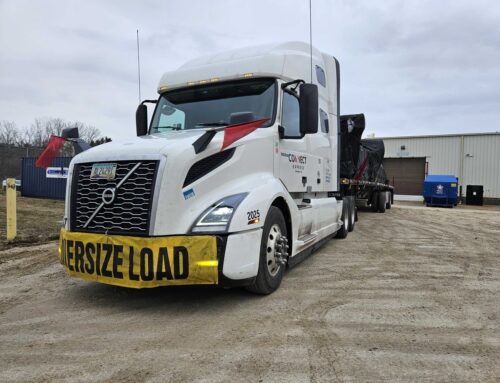
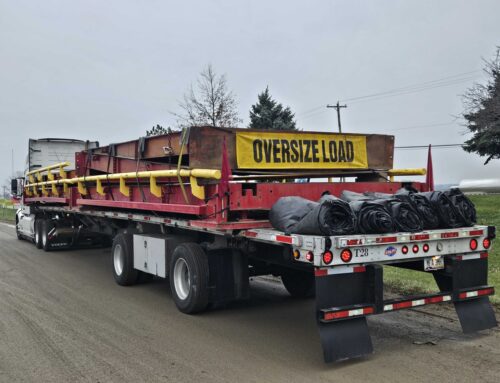
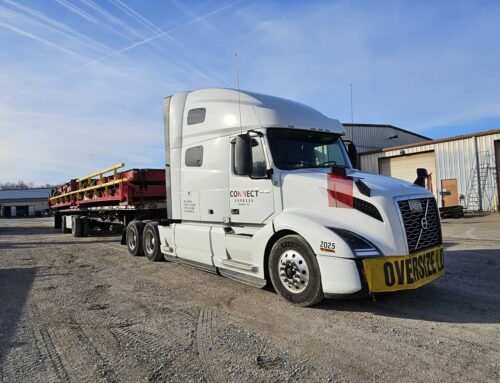
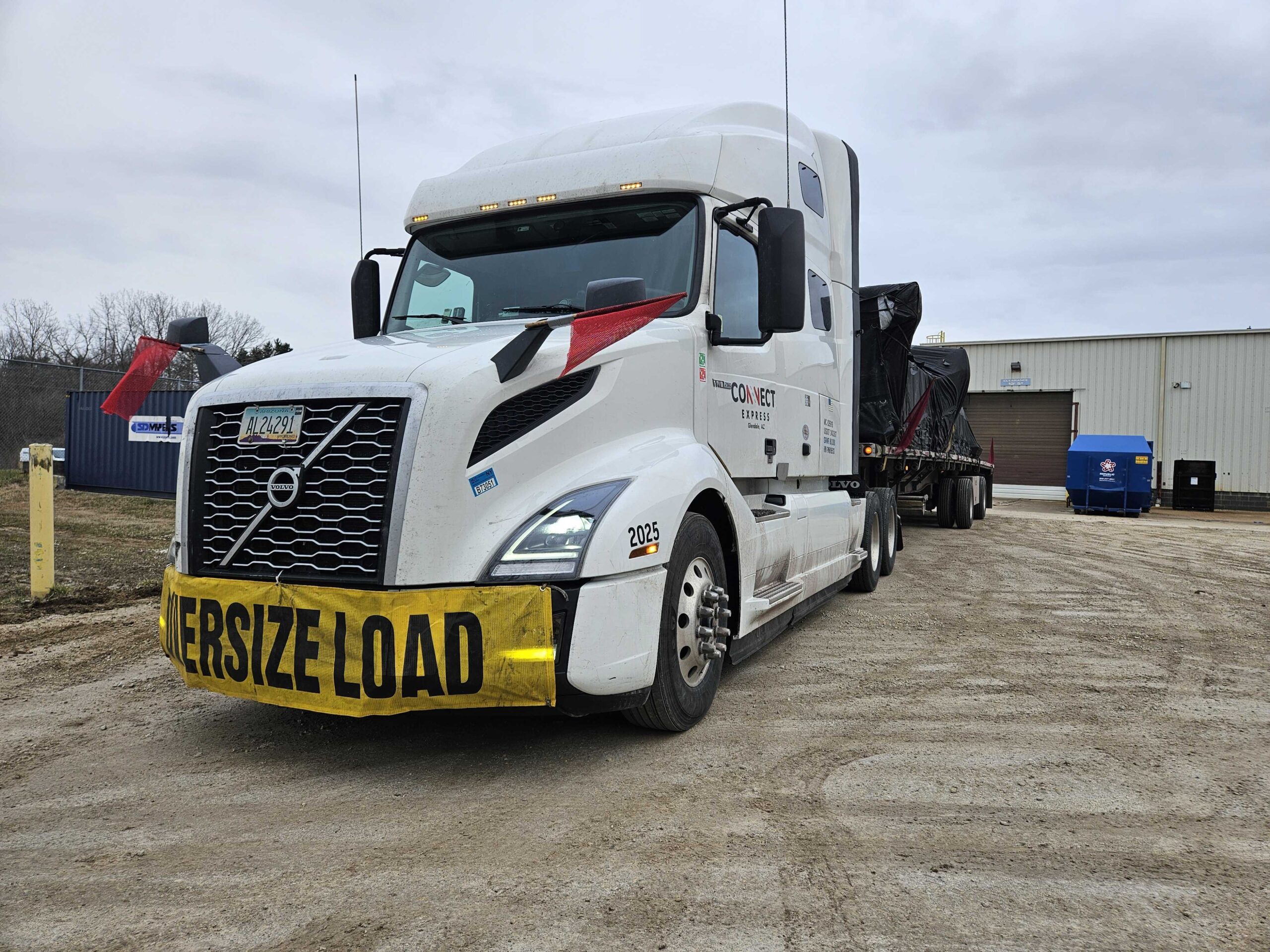
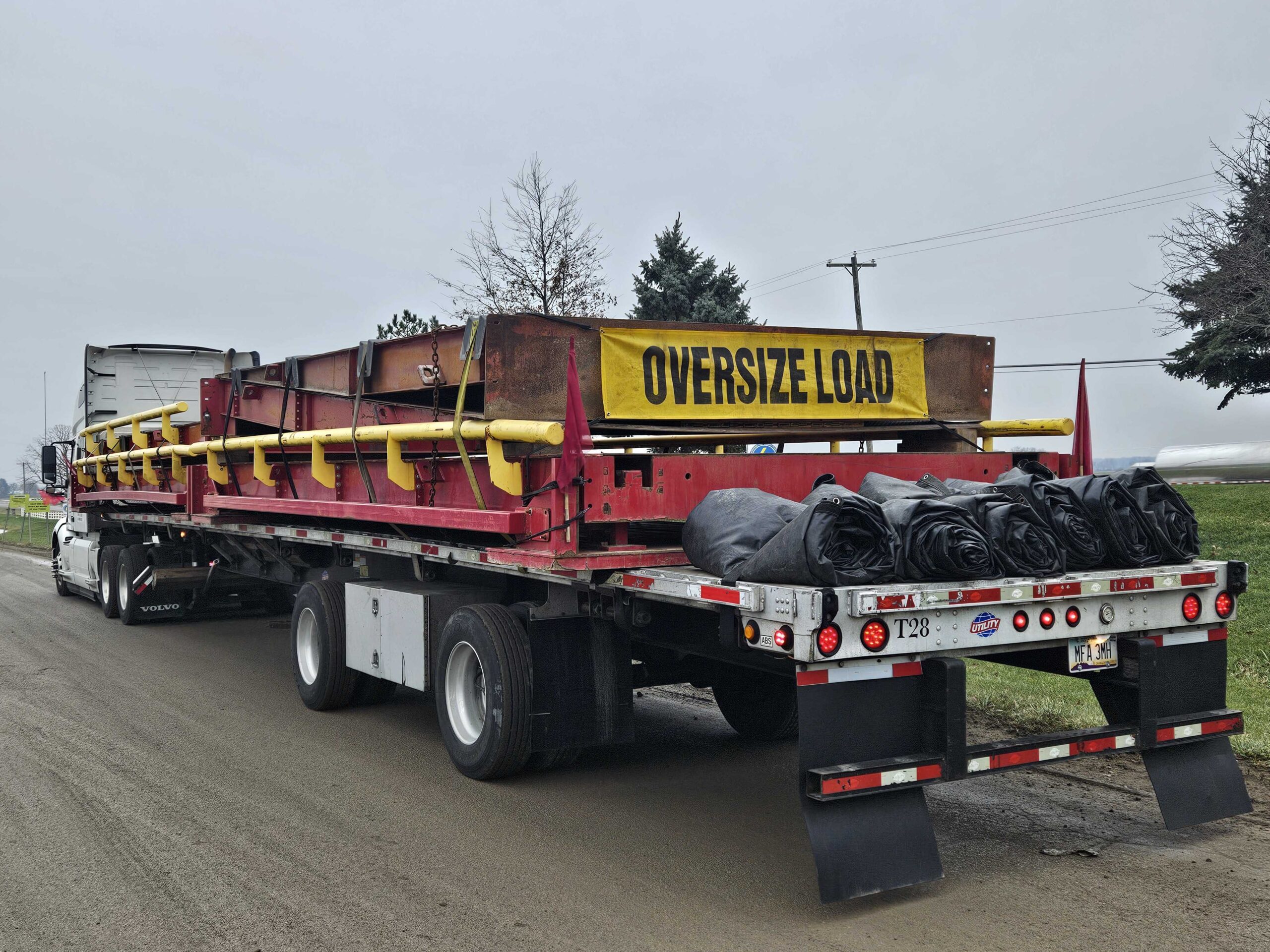
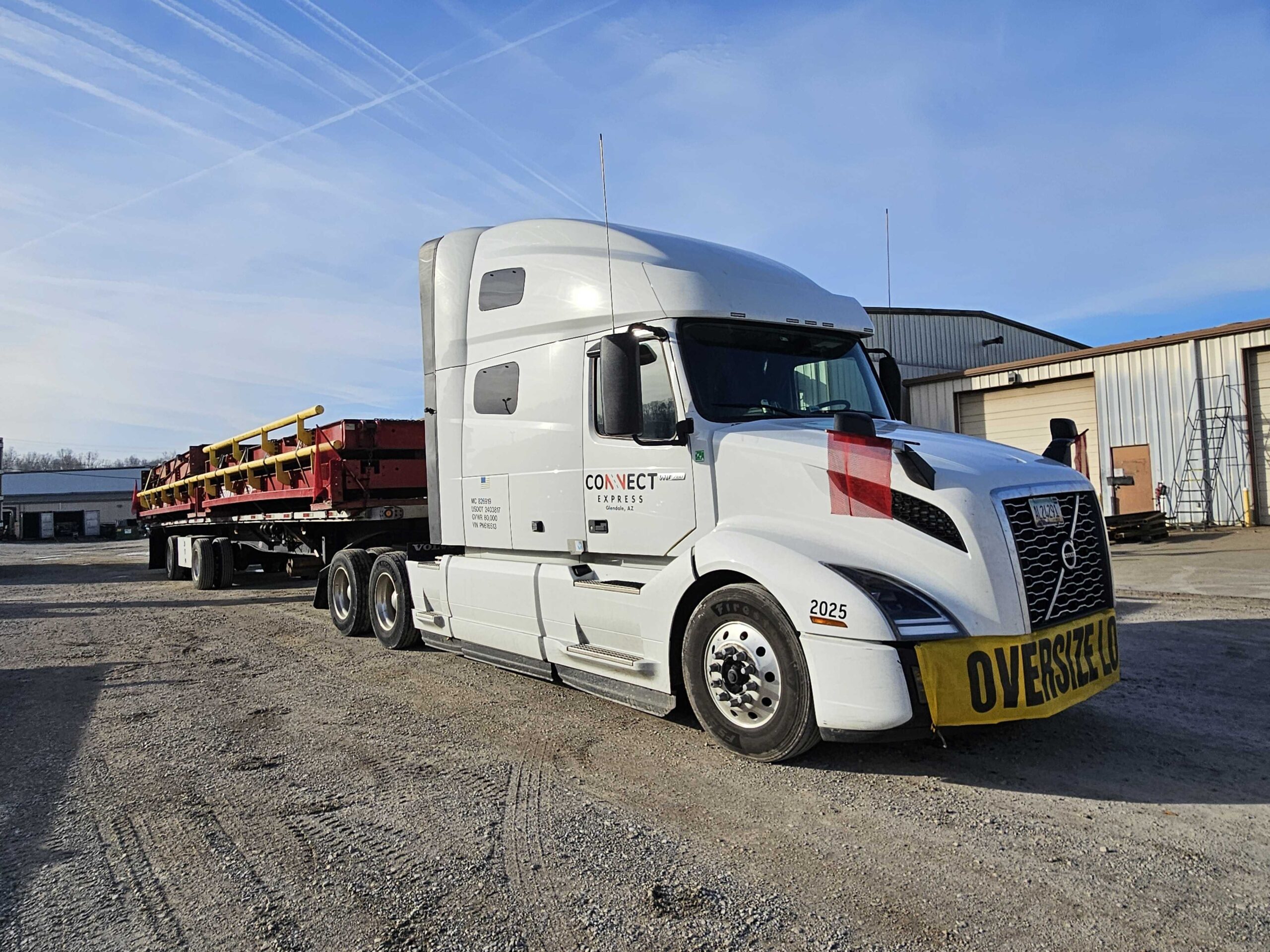
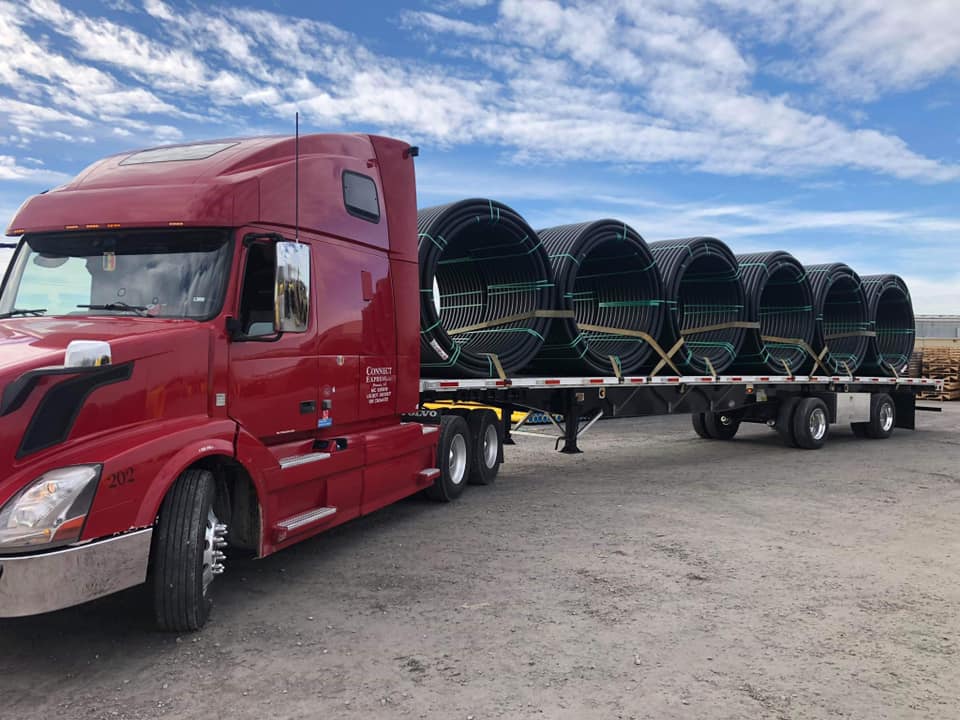
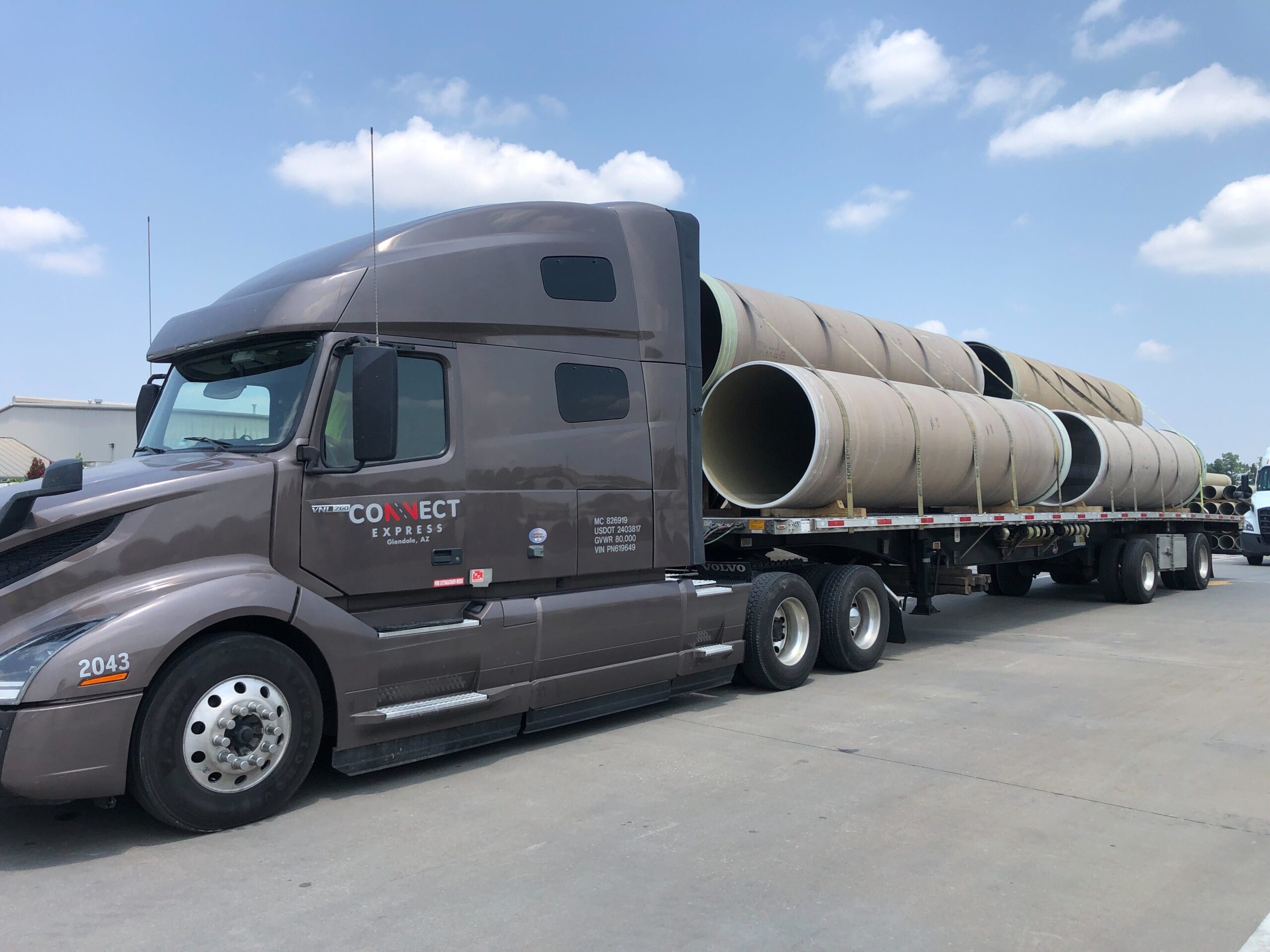
Access Specialized Fleets Without Ownership Costs On-demand providers allow businesses to access specialized fleets without having to invest in vehicles or maintenance. This model frees up capital while ensuring that the correct vehicle type is available for each shipment, whether it involves sensitive or oversized cargo.
Gain Expertise From Experienced Logistics Professionals Another critical benefit is the expertise provided by seasoned logistics professionals. Companies gain access to industry experts who have deep knowledge in supply chain management, regulatory compliance, and cutting-edge transportation trends. This expertise helps fine-tune logistics processes and ensure smooth operations.
Utilize Advanced Technology for Real-Time Shipment Visibility Modern on-demand logistics companies deploy state-of-the-art technology such as mobile apps, cloud-based management systems, and GPS tracking. These tools provide real-time visibility into shipment status, enabling proactive decision-making and enhancing supply chain transparency.
Scale Your Operations Up or Down Seamlessly The inherent scalability of on-demand services allows businesses to adjust their logistics capacity based on current demand. This flexibility is particularly beneficial in times of high volume or unexpected market shifts and ensures that companies only pay for the capacity they use.
Select the Right on Demand Logistics Service Providers for Your Business
Finding the ideal logistics partner involves a careful assessment of multiple factors that can significantly impact operational efficiency.
Assess Provider Reliability and Track Record A provider’s history of meeting deadlines, handling diverse shipping challenges, and maintaining customer satisfaction is essential. Reliable providers offer consistent service quality and a robust track record that reassures clients of their capability.
Compare Service Offerings Against Your Specific Needs Different providers may excel in various aspects, such as cold chain management, expedited shipping, or specialized cargo handling. Evaluating these offerings against business requirements ensures that the selected partner aligns with operational targets.
Evaluate Technology Integration Capabilities Seamless integration with existing systems like warehouse management and ERP solutions is critical. Providers offering robust API integrations and user-friendly platforms can enhance workflow efficiency, thereby reducing manual intervention and errors.
Review Customer Testimonials and Case Studies Customer feedback serves as a valuable indicator of a provider’s performance. Reviewing testimonials and case studies can reveal insights into the challenges they have resolved and the overall effectiveness of their logistics solutions.
Understand Pricing Structures and Service Level Agreements Finally, while cost is a significant factor, the pricing model must balance affordability with service quality. Transparent service level agreements (SLAs) ensure that logistics performance is measurable, building trust between the business and the provider.
Implement on-Demand Logistics for Streamlined Workflows
Integrating on-demand logistics services into your existing operations involves both technology and a cultural shift towards agility and responsiveness.
Integrate on-Demand Platforms With Existing Systems The first step is to ensure that the new logistics platform can work seamlessly with current systems. This prevents disruptions and allows for a unified view of all transportation activities, ensuring optimum operational performance.
Train Your Team to Utilize New Logistics Tools Effectively Employee training is critical, as it empowers teams to fully leverage the technological advantages provided by on-demand services. Tailored training sessions and regular updates keep the workforce competent and agile in handling logistics workflows.
Establish Clear Communication Channels With Providers Strong, direct communication channels are essential for managing last-minute changes and unexpected issues. This frequent dialogue between the business and providers helps resolve potential problems swiftly, reducing downtime.
Monitor Key Performance Indicators for Continuous Refinement Finally, monitoring KPIs such as delivery speed, cost efficiency, and customer satisfaction is crucial. Regular performance reviews help identify areas for improvement and ensure that logistics strategies are continuously refined to meet evolving business needs.
Measure Efficiency Gains Achieved Through on-Demand Logistics
Measuring the impact of on-demand logistics is essential for understanding its value and driving continuous improvements.
Track Reductions in Transportation Expenditures One clear benefit is the reduction in total transportation costs due to optimized routes and resource allocation. With real-time analytics, companies can identify cost-saving opportunities and adjust strategies accordingly.
Analyze Improvements in Delivery Speed and Accuracy Faster and more precise deliveries contribute directly to enhanced customer satisfaction. By comparing historical data with current on-demand performance metrics, businesses can quantify improvements in delivery time and accuracy.
Monitor Customer Satisfaction Levels Post-Implementation Customer feedback is a direct indicator of logistics performance. Regular surveys and performance reviews help track customer satisfaction levels and validate the success of on-demand logistics solutions.
Calculate Return on Investment From Logistics Upgrades Finally, measuring ROI through increased operational efficiency and cost savings demonstrates the tangible benefits achieved by adopting on-demand logistics. Such calculations help justify further investments in logistics enhancements.
Future-Proof Your Operations With Advanced on-Demand Logistics Strategies
Looking ahead, businesses must adopt advanced strategies to ensure their logistics operations remain ahead of industry trends.
Adopt Sustainable Practices With Eco-Friendly Logistics Options Sustainability is becoming a key driver in logistics. Utilizing eco-friendly vehicles and optimizing routes not only decreases environmental impact but also meets the growing expectations of environmentally conscious consumers.
Prepare for Autonomous Delivery and Drone Technology Emerging technologies, such as autonomous trucks and drones, are on the horizon. Preparing your logistics infrastructure for these technologies can give a competitive edge and simplify last-mile delivery challenges.
Utilize Predictive Analytics for Proactive Logistics Planning Predictive analytics empower businesses to forecast demand, anticipate disruptions, and plan logistics activities proactively. This foresight translates into a more resilient and responsive supply chain.
Partner With on Demand Logistics Service Providers Offering Innovative Solutions Finally, forming long-term partnerships with providers known for continuous innovation and technology upgrades ensures that your logistics solutions evolve with market trends. These partnerships facilitate constant adaptation, ensuring that operations remain efficient and customer-centric.
Frequently Asked Questions
Q: What operational improvements can businesses expect from on-demand logistics services? A: Businesses can expect faster delivery times, reduced resource wastage through optimized routing, agile inventory management, and the ability to quickly adapt to market fluctuations—all contributing to enhanced overall efficiency.
Q: How do on-demand logistics service providers ensure real-time shipment visibility? A: Providers use advanced technologies such as GPS tracking, cloud-based management systems, and mobile applications to give businesses accurate, real-time insights into shipment status, enabling proactive decision-making.
Q: What factors should businesses consider when selecting an on-demand logistics provider? A: Key factors include provider reliability, technological integration capabilities, service offerings tailored to industry needs, transparent pricing structures, and positive customer testimonials that validate their expertise.
Q: How does integrating on-demand logistics impact overall supply chain management? A: Integration of on-demand logistics improves supply chain transparency, reduces delivery delays, optimizes costs, and contributes to better customer satisfaction by ensuring that goods are transported effectively and responsively.
Q: Can on-demand logistics services scale operations during peak demand? A: Yes, one of the main advantages of on-demand logistics is the ability to scale operations up or down based on real-time demand, allowing businesses to handle peak periods without incurring permanent costs.
Final Thoughts
On-demand logistics services represent a transformative approach to supply chain management and distribution, offering measurable improvements in delivery times, cost savings, and operational agility. Businesses that embrace these solutions benefit from flexible, technology-driven strategies that address fluctuations in demand without compromising service quality. By selecting the right provider and integrating advanced logistics tools, companies can stay competitive in a fast-evolving market. Ultimately, embracing this modern logistics approach not only drives efficiency but also prepares businesses for future challenges and innovations.