
How Local Fleet Management Services Improve Operations
Table Of Contents:
- Local Fleet Management Services That Boost Efficiency
- Key Takeaways
- Understanding How Localized Fleet Support Improves Operations
- Key Offerings From Local Fleet Management Companies for Peak Performance
- Gaining Operational Uplift With Neighborhood Fleet Management Expertise
- Streamlining Daily Fleet Tasks Through Community-Based Service Solutions
- Measuring the Impact of Local Fleet Services on Your Operational Output
- Selecting the Ideal Local Fleet Management Partner for Your Business Needs
- Final Thoughts
- Frequently Asked Questions
Local Fleet Management Services That Boost Efficiency
Key Takeaways
- Effective localized fleet support improves operations through faster response times and tailored solutions.
- Key offerings include advanced tracking, proactive maintenance, and regulatory compliance assistance.
- Neighborhood expertise reduces downtime, operational costs, and enhances asset utilization.
- Community-based solutions streamline daily tasks and support better business decision-making.
- Selecting the right local partner involves assessing technology, support, and contract terms for optimal outcomes.
Understanding How Localized Fleet Support Improves Operations
Localized fleet management services enhance overall operational efficiency by providing timely and customized support. The proximity of service providers helps fleets receive faster assistance, ultimately reducing downtime and enhancing productivity. Businesses relying on fleet services benefit from quick resolution of issues and minimal disruption to transportation schedules.
The Advantages of Proximity in Fleet Service Response
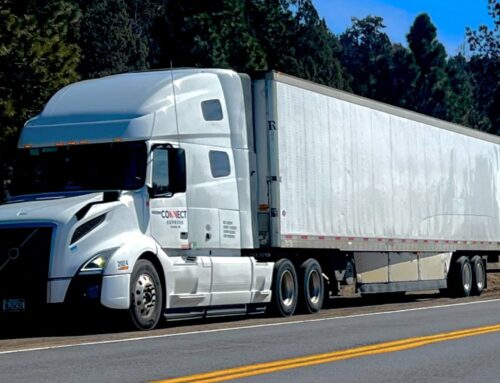
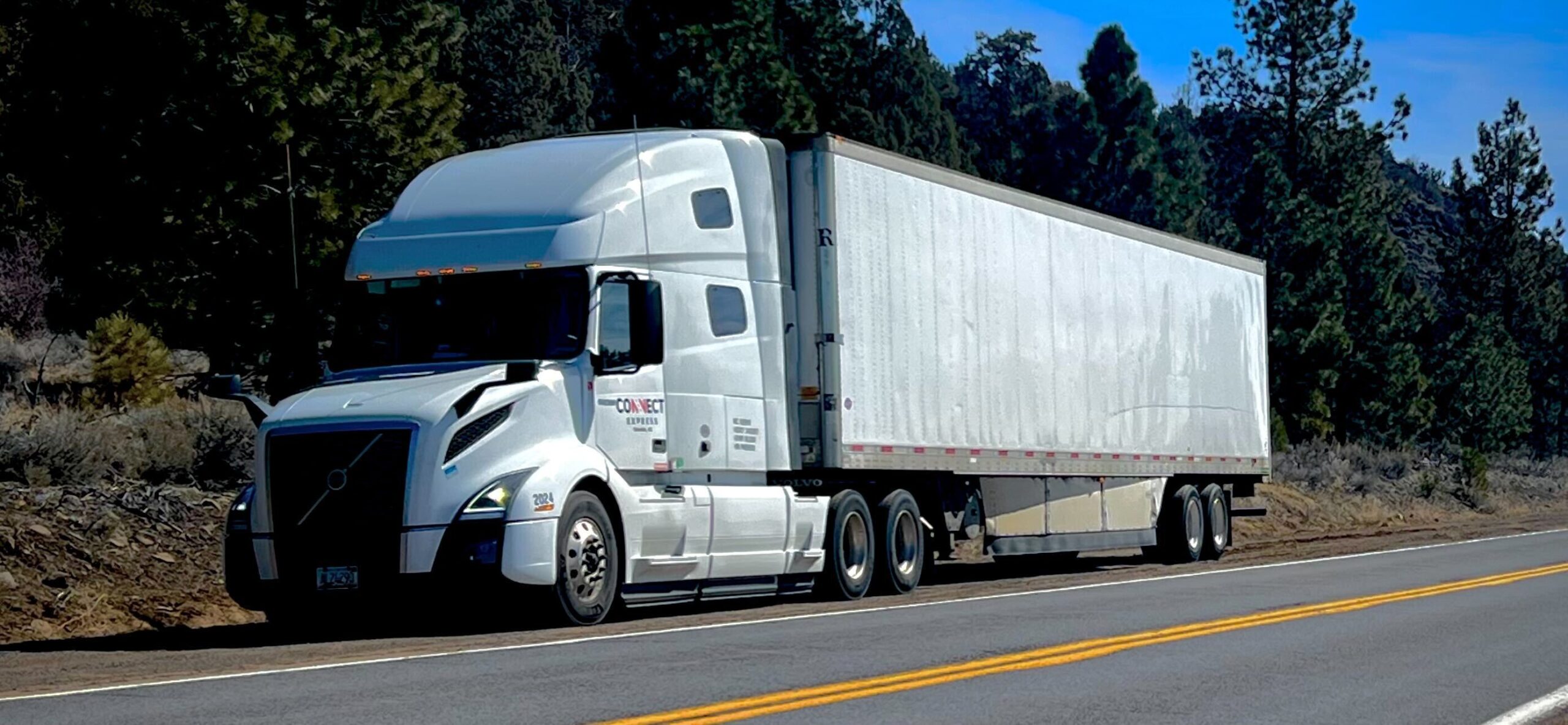
Being local means service teams can promptly attend to urgent needs. For example, roadside breakdowns or vehicle faults are addressed swiftly, thereby minimizing idle time. This quick reaction translates into better asset uptime and ensures routes are consistently serviced without significant delays. That kind of uptime is what keeps scheduled dry van routes running on time.
Tailored Solutions From Nearby Fleet Management Experts
Local fleets experience customized support based on particular regional challenges. Experts close to the business understand specific weather conditions, traffic patterns, and local regulations. As a result, solutions such as preventive maintenance or optimized route adjustments are better aligned with actual operational environments.
Strengthening Community Ties With Local Service Providers
Creating partnerships with local fleet management companies helps build trust and fosters long-term relationships. These local providers often engage with community businesses and understand the unique economic and logistical challenges faced within the region. Such ties encourage collaboration that benefits all parties involved, leading to sustainable operations and improved service quality.
How Regional Fleet Management Services Address Specific Local Challenges
Regional challenges like seasonal weather disruptions and varying traffic densities are best addressed by providers operating within the same area. By monitoring these variables in real time, local fleet managers can reassign resources, recommend route changes, and adjust maintenance schedules accordingly. This nimble approach leads to fewer delays and safer operational practices.
Faster Turnaround Times With Accessible Local Fleet Support
Local support can achieve quicker turnaround times due to reduced travel distance and an in-depth understanding of local infrastructure. Faster repairs, routine check-ups, and even administrative tasks are expedited by local teams. This efficiency is reflected in lower downtime per vehicle and overall improved fleet performance.
Key Offerings From Local Fleet Management Companies for Peak Performance
Local fleet management companies offer a range of services designed to maximize operational performance. These offerings not only keep vehicles in top condition but also optimize the logistical and administrative aspects of fleet operations.
Advanced Vehicle Tracking With Local Fleet Management Services
Real-time tracking technologies, integrated with local service systems, provide precise location data and performance metrics. This advanced vehicle tracking enables managers to monitor fleet movements, optimize routes, and troubleshoot unexpected delays, all contributing to smoother operations.
Proactive Maintenance Scheduling Through Nearby Fleet Systems
Local providers prioritize preventive maintenance by organizing regular servicing schedules tailored to specific fleet needs. Proactive maintenance reduces the likelihood of breakdowns and extends vehicle lifespan. With scheduled check-ups influenced by local road conditions and usage patterns, maintenance becomes less disruptive and more predictable.
Optimizing Fuel Consumption With Regional Fleet Management Insights
Local fleet management companies leverage regional data to offer fuel-saving strategies. By analyzing regional traffic flows and driver behaviors, they recommend optimal routes and driving practices. These insights help minimize fuel wastage, reduce costs, and improve the overall environmental footprint of fleet operations.
Ensuring Regulatory Adherence With Local Fleet Compliance Assistance
Compliance with local and state regulations is critical in fleet management. Local experts ensure that vehicles, cargo, and drivers meet ever-changing legal requirements. From managing inspection schedules to ensuring documentation accuracy, local compliance assistance minimizes legal risks and helps maintain a smooth operational flow.
Driver Behavior Monitoring for Safer, More Efficient Journeys
Monitoring driver performance is an essential safety and efficiency measure. With local fleet management systems, companies can analyze real-time data on driver behavior, such as speeding, idling, and abrupt maneuvers. This assessment aids in training programs and rewards safety, ultimately fostering a more efficient and secure fleet environment.
Gaining Operational Uplift With Neighborhood Fleet Management Expertise
Neighborhood fleet management expertise translates into direct operational improvements. Local companies understand the nuances of the area and can directly influence key performance metrics to uplift overall efficiency.
Reducing Downtime With Swift Local Fleet Maintenance
Local maintenance teams reduce vehicle downtime through immediate service delivery. Regular inspections and quick repairs help minimize disruptions, ensuring the fleet remains operational and ready for any task. This rapid response is critical in maintaining service schedules and overall productivity.
Lowering Operational Costs Through Efficient Local Fleet Strategies
By leveraging local knowledge, fleet managers can implement cost-saving measures that directly affect operational costs. This includes optimized fuel use, efficient scheduling, and reduced travel for maintenance crews. Local expertise leads to more economical operations and longer-term savings.
Improving Asset Utilization via Local Fleet Management Systems
Local fleet management systems provide better oversight of asset usage. Techniques such as predictive analytics and utilization reports help managers understand when and where vehicles are needed most. Improved asset utilization means no resources are wasted, increasing the overall return on investment.
Accessing Dedicated Support From Your Local Fleet Partner
Neighborhood fleet management fosters dedicated customer service. The ease of face-to-face interaction and regular check-ins allows for high-quality, personalized support. This dedication is reflected in quicker resolutions, tailored advice, and an overall higher level of operational support.
Streamlining Daily Fleet Tasks Through Community-Based Service Solutions
Daily fleet management tasks can be streamlined through community-based services that simplify and automate administrative responsibilities. Local providers use technology to handle dispatch, routing, and reporting, reducing manual intervention.
Automating Reporting for Simpler Fleet Administration
Automated reporting systems reduce the time spent on paperwork. Local fleet management providers deploy tools that generate real-time performance reports, track maintenance histories, and monitor fuel usage. This automation ensures accuracy and frees up managerial time for strategic decision-making.
Simplifying Dispatch and Routing With Local Fleet Tools
Local fleet management utilizes specialized dispatch software to optimize driver routing. These tools allow for dynamic route adjustments based on current conditions. Simplified dispatch systems improve response times and overall efficiency by reducing delays in crucial deliveries.
Managing Vehicle Lifecycles Effectively With Area Fleet Services
Effective lifecycle management involves tracking vehicles from acquisition to retirement. Local fleet experts provide recommendations based on usage patterns and maintenance records. This leads to timely renewals or upgrades, ensuring that the fleet operates with the highest efficiency and safety standards.
Integrating Local Fleet Data for Better Business Decisions
Data integration from various local sources provides a comprehensive overview of operational performance. Fleet managers can combine tracking data, maintenance records, and regulatory compliance information to make informed business decisions. This integrative approach supports long-term strategic planning and resource allocation.
Measuring the Impact of Local Fleet Services on Your Operational Output
Measuring the effectiveness of local fleet management involves reviewing key performance indicators (KPIs) and calculating the return on investment (ROI). Local services often bring quantifiable benefits that can be tracked over time.
Key Performance Indicators for Efficient Fleet Operations
KPIs such as vehicle uptime, fuel consumption, and maintenance turnaround times are critical measures. Local fleet management experts use these indicators to gauge overall operational performance. Consistent monitoring leads to actionable insights that drive continual improvements.
Calculating Return on Investment From Local Fleet Management
ROI reviews help demonstrate the cost effectiveness of local solutions. By comparing savings from lower maintenance costs, reduced downtime, and optimized fuel usage against investment expenses, businesses verify that local fleet management is a financially sound decision.
Real Success Stories of Efficiency Gains With Local Providers
Case studies from businesses that switched to local fleet management reveal significant efficiency improvements. Reduced response times and proactive maintenance led to lower overall costs and higher customer satisfaction. These success stories provide tangible evidence of the benefits achieved through localized support.
Benchmarking Your Fleet’s Performance Against Local Standards
Local performance benchmarks allow fleet operators to compare their efficiency against regional standards. This benchmarking process identifies areas for improvement and establishes performance targets. Using these comparisons, companies can set realistic goals and steadily progress toward enhanced operational effectiveness.
Selecting the Ideal Local Fleet Management Partner for Your Business Needs
Choosing the right local partner is crucial for maintaining operational efficiency and driving growth. Businesses must evaluate several factors to ensure their partner aligns with their strategic goals and operational needs.
Assessing the Technology Offered by Local Fleet Management Services
State-of-the-art technologies—like real-time tracking, telematics, and advanced analytics—are essential. Local providers must blend cutting-edge technology with deep local expertise, ensuring that businesses receive both precision and personalized support.
Evaluating the Support Responsiveness of Nearby Fleet Providers
Customer support is a key consideration. Rapid response times and dedicated service teams are critical in handling emergencies and routine tasks alike. Assessing the provider’s communication channels and feedback mechanisms helps in determining their overall responsiveness.
Understanding Contract Terms With Local Fleet Companies
Clear, flexible contract terms ensure that service expectations align with business requirements. Organizations should carefully review renewal clauses, penalty provisions, and service level agreements. Transparent contracts foster mutual trust and secure long-term partnerships.
Requesting Demonstrations From Area Fleet Management Suppliers
Before finalizing decisions, companies should request product demonstrations to see technologies in action. Live demos enable businesses to evaluate the usability of tools, the comprehensiveness of reporting systems, and the overall effectiveness of the local partner’s approach.
Checking References for Local Fleet Management Solutions
Verifying customer references and reviewing case studies offer insights into the provider’s reliability and performance. Testimonials from similar businesses provide context and build confidence in the partner’s ability to deliver on their promises.
Final Thoughts
Local fleet management services provide a distinct advantage by merging industry expertise with proximity-driven responsiveness. They streamline operations through advanced tracking, preventive maintenance, and regulatory adherence while reducing downtime and operational costs. Businesses gain substantial benefits from personalized, community-based solutions, and selecting the right local partner is critical for a sustainable, efficient fleet. Moving forward, companies can optimize their transportation logistics and enhance asset utilization with dedicated local support.
Frequently Asked Questions
Q: How do local fleet management services improve operational efficiency? A: They reduce downtime through faster responses, tailor solutions to local challenges, and streamline daily tasks via automated systems.
Q: What are the key offerings of local fleet management companies? A: Offerings include advanced vehicle tracking, proactive maintenance, fuel consumption optimization, compliance assistance, and driver behavior monitoring.
Q: How can businesses measure the impact of local fleet management? A: By tracking KPIs like vehicle uptime, maintenance turnaround times, fuel usage, and calculating ROI through documented efficiency gains.
Q: What factors should be considered when selecting a local fleet management partner? A: Businesses should review technology, support responsiveness, contract terms, request supplier demonstrations, and check customer references.
Q: Can local fleet management help lower overall operational costs? A: Yes, through efficient maintenance, optimized fuel usage, reduced downtime, and improved asset utilization, overall costs are significantly reduced.