
Missed pickups usually start long before the truck is late. They start when a lane gets treated like a one-off move instead of a repeat operation. If you’re figuring out how to set dedicated lanes, the real job is not just assigning trucks. It is building a lane that can run the same way every week without constant cleanup. Understanding how to set dedicated lanes is crucial for consistency.
For shippers, that means fewer surprises. For carriers, it means better planning, cleaner execution, and drivers who know what they are walking into. A dedicated lane works when both sides know how to set dedicated lanes, the freight, the schedule, the facilities, and the service expectations before the first load moves.
What dedicated lanes actually mean
A dedicated lane is a repeat freight movement between defined pickup and delivery points, usually with consistent volume, schedule patterns, and equipment needs. It does not always mean the same truck every time, but it does mean committed capacity and a repeatable operating plan.
That matters because repeat freight should not be managed like spot freight. If your Phoenix to Dallas dry van load runs every week, you should not be rebuilding the plan from scratch each time. The more repeatable the lane, the more you can remove failure points.
Learning how to set dedicated lanes effectively can help reduce costs and improve service.
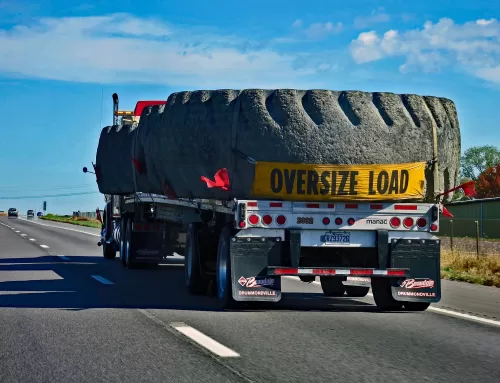
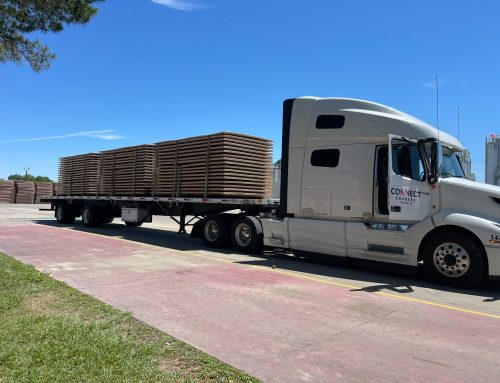
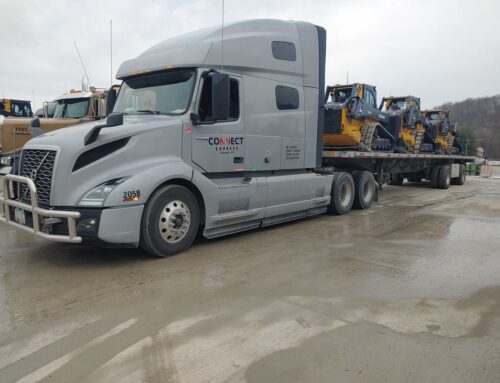
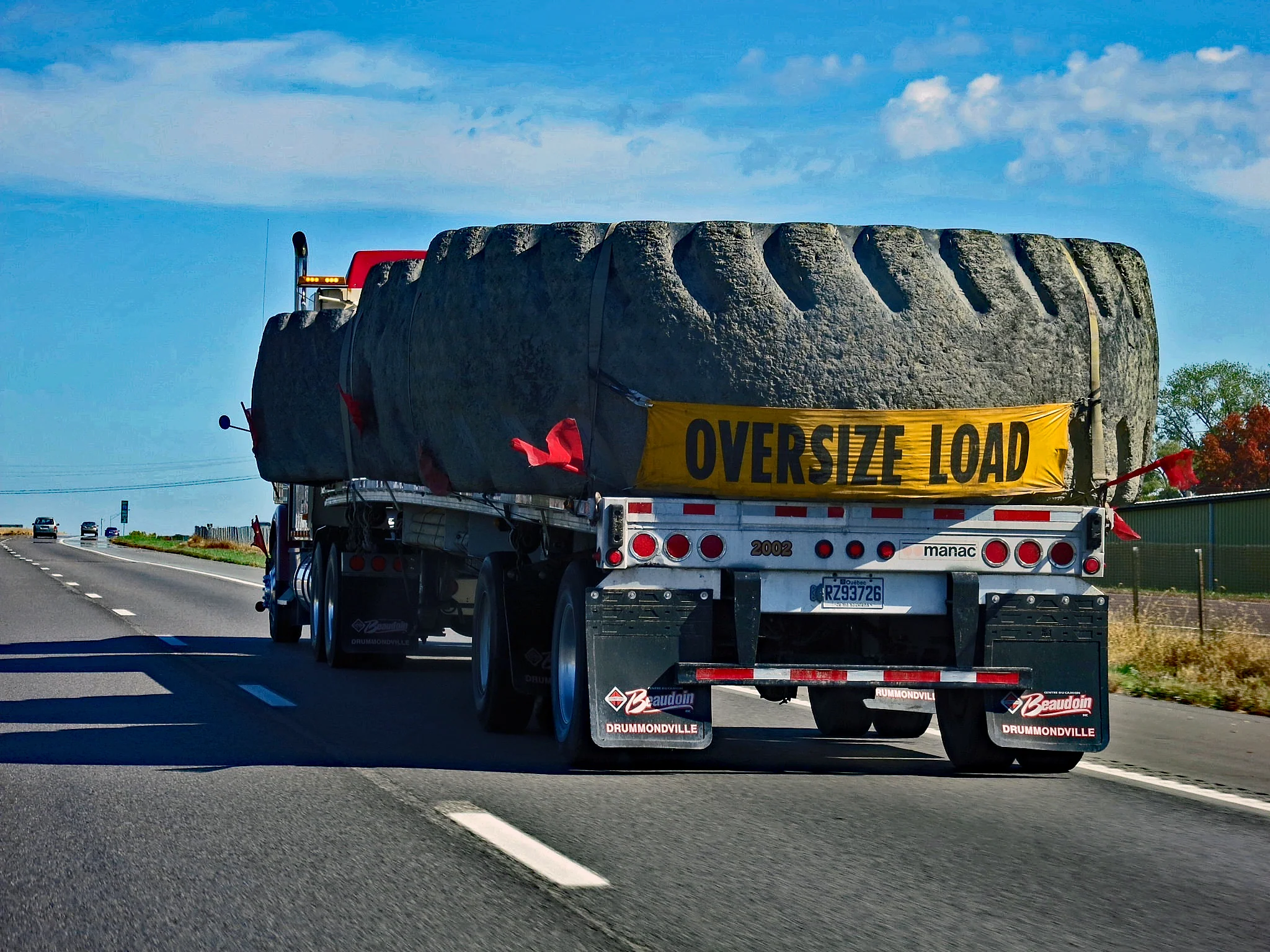
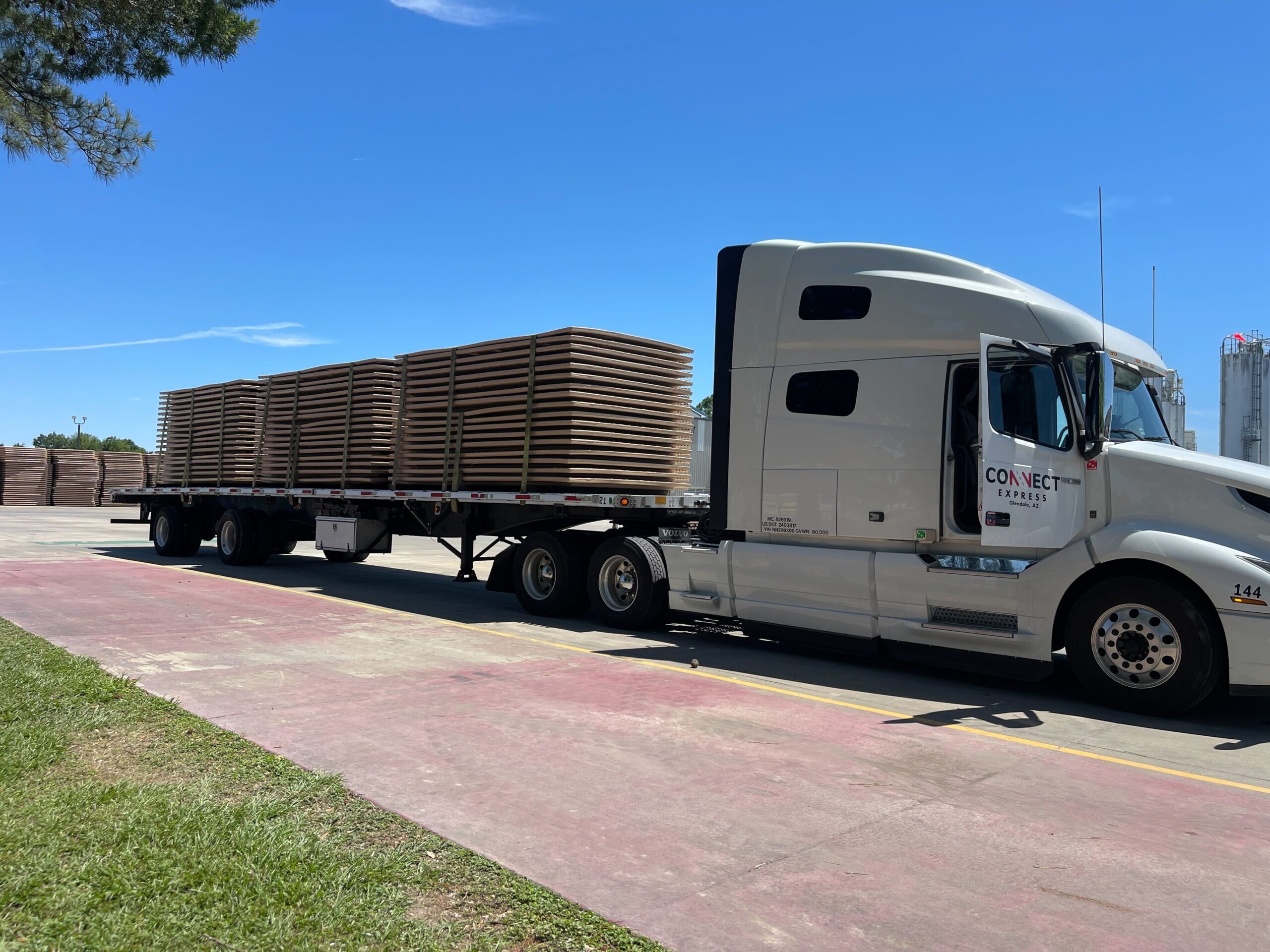
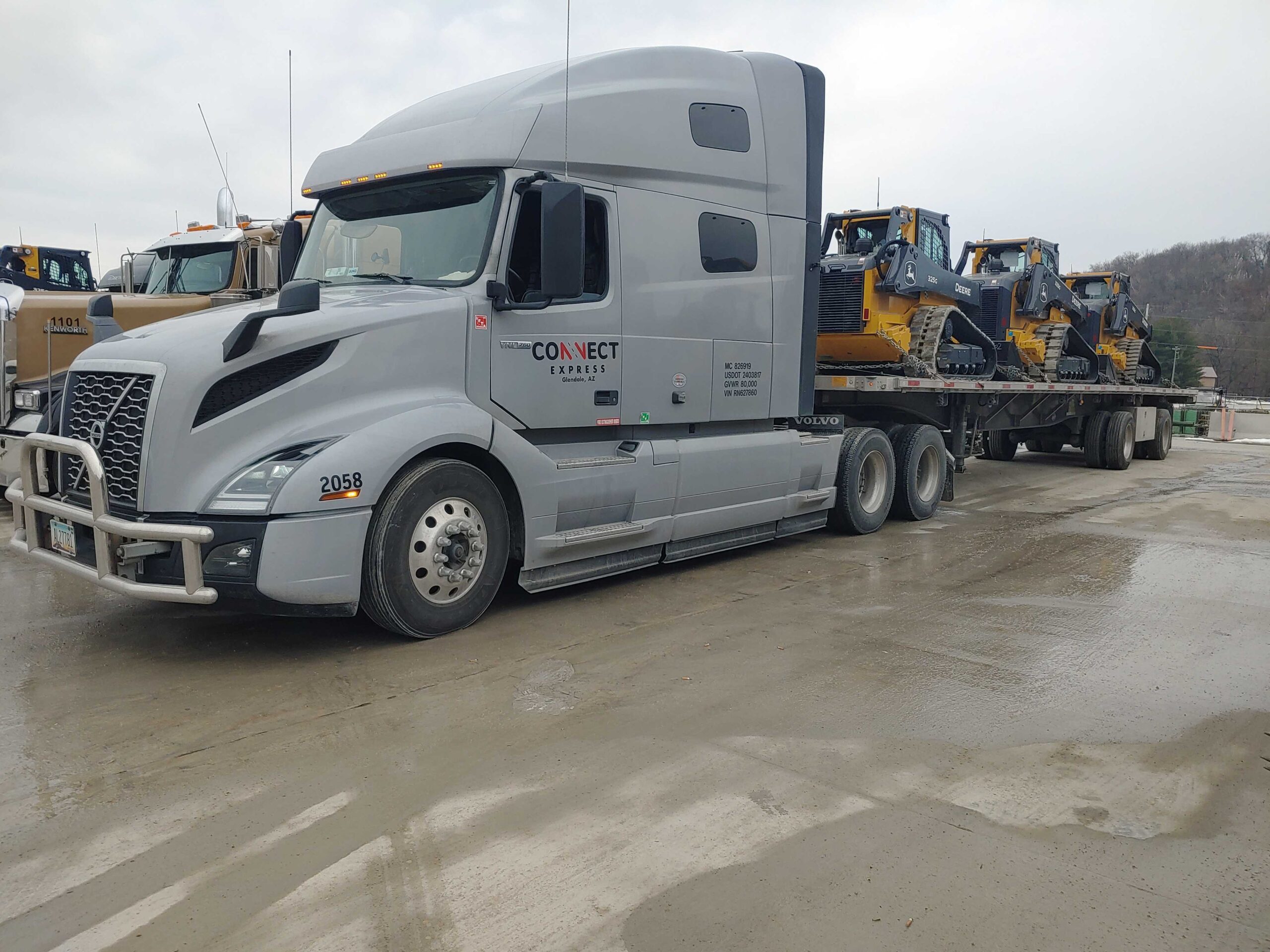
Some lanes are simple. One shipper, one receiver, same appointment windows, same commodity, same trailer type. Others are more demanding. A reefer lane with strict temp ranges, weekend delivery rules, and long detention risk needs tighter controls. Flatbed and oversized lanes can get even more complex because securement, permits, route limits, and loading time all affect whether the lane is actually sustainable.
Start with the freight, not the map
When companies ask how to set dedicated lanes, they often begin with origin and destination. That is part of it, but not enough. Two lanes with the same mileage can perform very differently depending on what is being loaded and how the facilities operate.
When understanding how to set dedicated lanes, it’s essential to analyze the load profile comprehensively.
Start with load profile. Look at the actual freight for at least a few weeks, and preferably a few months. You want to know average weight, pallet count or dimensions, loading method, unload process, appointment flexibility, and whether there are seasonal swings. If the lane needs a reefer, define the temp range, preload expectations, product sensitivity, and claims history. If it needs a flatbed, get clear on dimensions, tie-down requirements, tarping, and whether drivers can safely access the freight.
You also need the truth about shipper and receiver behavior. A lane that looks clean on paper can fall apart if pickups are rarely ready, if receivers take five hours to unload, or if appointment windows are too tight for real road conditions. Dedicated freight only works when the operating conditions match the service promise.
Define the lane with exact operating rules
A dedicated lane needs more than a load tender. It needs a lane playbook.
That playbook should define pickup days, target pickup times, delivery windows, equipment type, driver requirements, paperwork flow, check-in contacts, and escalation procedures. If there are site-specific rules, write them down. If one facility requires load bars and another rejects late arrivals after 3 p.m., that cannot live in somebody’s memory.
This is where many dedicated setups go sideways. The lane gets awarded, trucks start moving, and everyone assumes the details will get worked out along the way. That usually leads to service failures that were avoidable from day one.
How to set dedicated lanes with realistic transit plans
Transit time has to be built around actual conditions, not best-case assumptions. If the route runs through regular congestion, mountain weather, produce season traffic, or strict appointment facilities, build that into the plan. A lane is only dedicated if it can hold up when the week gets messy.
This is especially true on Southwest freight moving through Arizona, California, Nevada, New Mexico, Texas, Utah, or Colorado. Heat, traffic, mountain grades, and appointment density can all affect performance depending on the route and equipment. A dedicated lane should account for those realities before service starts, not after the first failure.
Match equipment and drivers to the lane
The wrong truck on a dedicated lane creates problems fast. So does rotating drivers through a lane they do not know.
Knowing how to set dedicated lanes also involves ensuring the right truck and driver fit for the job.
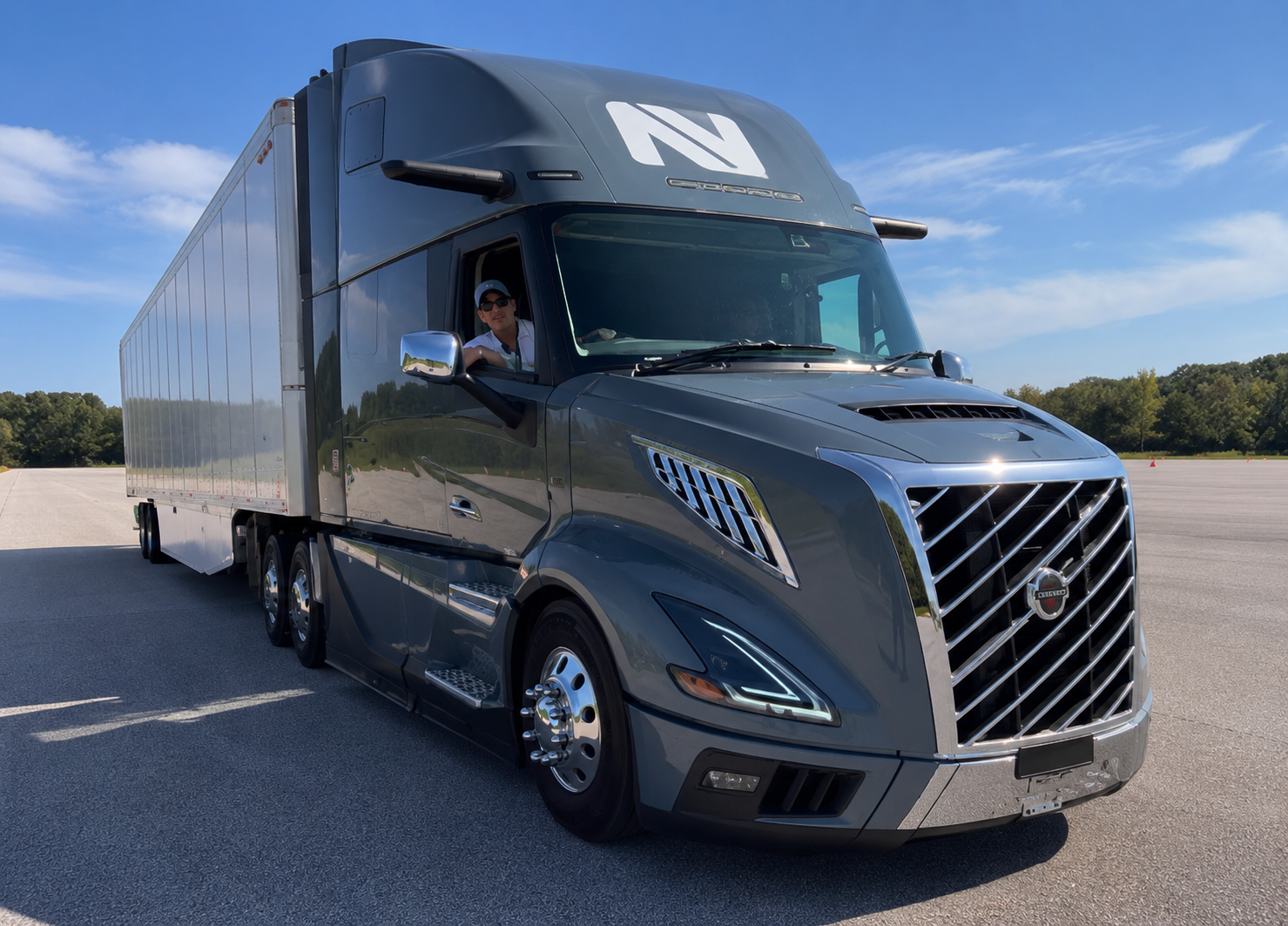
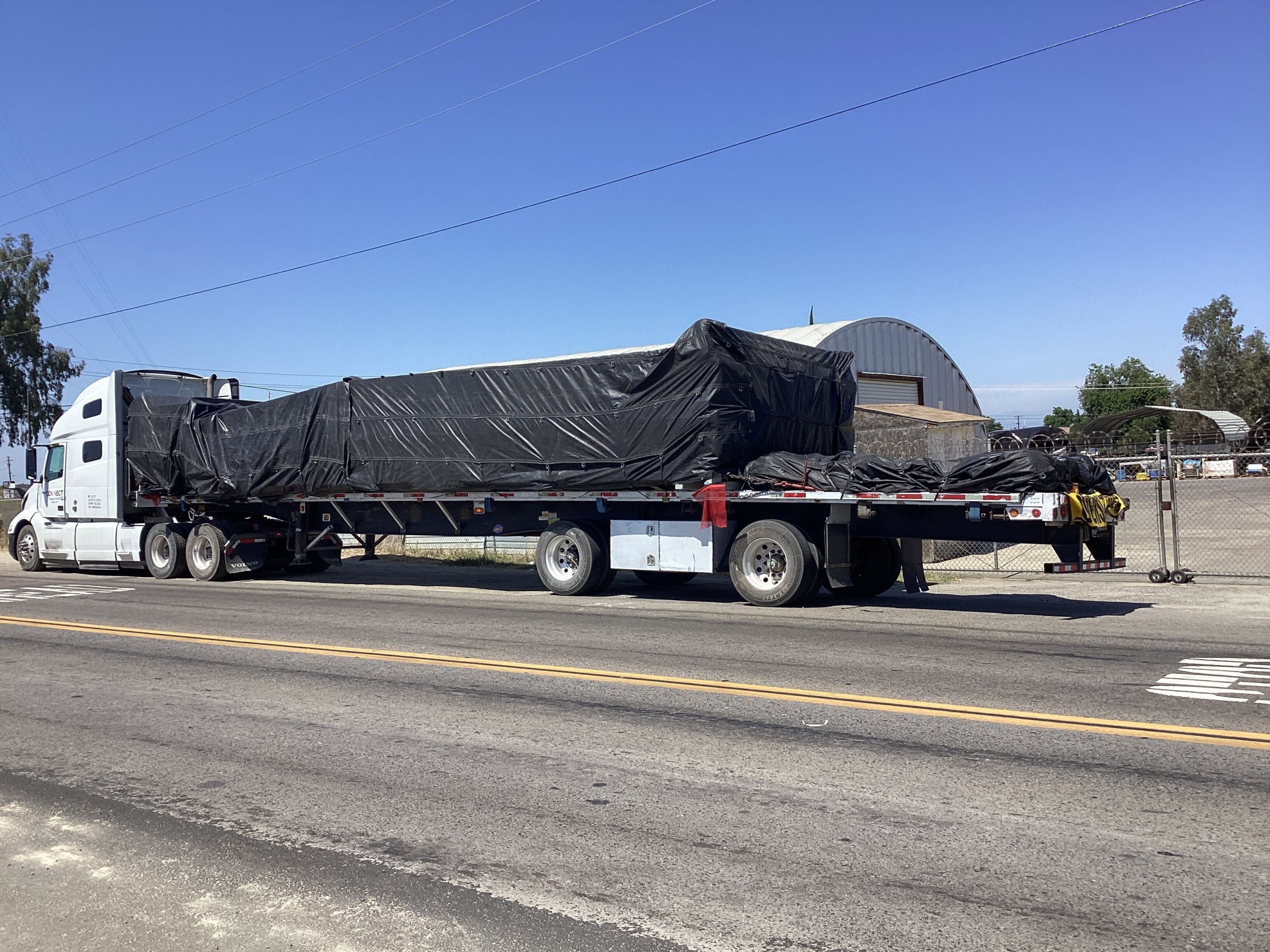
Equipment should match the freight and the schedule. That sounds obvious, but problems start when a lane gets assigned whatever is available instead of what consistently fits. If you need swing doors, liftgate capability, food-grade reefer standards, or specific flatbed securement gear, define it up front. If trailer pools help keep the lane moving, plan for them early.
Each time you assess how to set dedicated lanes, remember that equipment should match the freight type.
Driver fit matters too. A dedicated lane benefits from consistency. Drivers learn the shipper’s yard, receiver habits, traffic patterns, and problem spots. That local knowledge reduces delays and bad handoffs. It also improves communication because the driver knows what normal looks like and can flag issues early.
That does not mean one driver must own the lane forever. It means backup coverage should be built around the same standard. If your primary driver is off, the backup should still know the lane requirements and have access to the same notes, contacts, and expectations.
Build communication before the first load
Establishing how to set dedicated lanes requires a communication strategy before the first load starts.
A dedicated lane should not depend on somebody chasing updates all day. Communication needs structure.
The shipper should know who handles dispatch, who handles after-hours problems, and when updates will be provided. The carrier should know who at shipping and receiving can fix appointment issues, paperwork delays, and product questions. If there is a standing issue – late-ready freight, driver detention, rejected product, seal procedures – agree on how it gets reported and who makes the call.
This is where dedicated freight separates itself from random capacity. You are not just moving loads. You are setting a standard. Real updates matter because shippers need to plan docks, labor, inventory, and customer commitments. No guessing where the load is. No silence until something goes wrong.
Watch the lane for 30 to 60 days before calling it stable
A lane is not proven because the first few loads moved fine. Early success can hide weak points.
Tracking performance over time is vital when evaluating how to set dedicated lanes correctly.
The first month or two should be treated like a live test. Track on-time pickup, on-time delivery, dwell time, tender acceptance, claims, temp compliance if applicable, and communication gaps. You do not need a giant scorecard full of vanity metrics. You need enough operational data to see whether the lane can repeat cleanly.
If problems show up, fix the cause, not the symptom. If drivers are late because appointments are too tight, changing dispatchers will not solve it. If reefer claims happen because product is loaded warm, the issue is at the dock, not on the highway. Dedicated lanes get stronger when both sides are honest about where the failure starts.
How to set dedicated lanes that can scale
When considering how to set dedicated lanes that can scale, planning for growth is essential.
Some lanes begin with a few loads per week and grow into daily freight. Others stay steady for years. Either way, you should decide early whether the lane is meant to stay fixed or expand.
If growth is likely, build the lane so added volume does not break the service. That may mean adding trailer capacity, backup drivers, wider appointment windows, or a stronger handoff process across shifts. If the lane becomes dependent on one dispatcher, one driver, or one narrow pickup window, it is not really scalable. It is just fragile.
It also helps to decide what belongs inside the dedicated lane and what does not. Some shippers try to force extra freight into a dedicated setup that was built for one commodity or one schedule pattern. That can work, but only if the added freight does not disrupt the lane’s core purpose. Dedicated should mean dependable, not overloaded.
Deciding what belongs in your dedicated lane is fundamental when you learn how to set dedicated lanes.
Know when a lane should not be dedicated
Not every repeat move needs dedicated capacity. That is the part people skip.
If volume is inconsistent, facility performance is unstable, or the freight profile changes every week, a dedicated setup can create more friction than value. You may reserve capacity that sits idle or force drivers into a lane that never runs the same way twice. In those cases, a flexible routing plan may be better than calling it dedicated.
Understanding when not to dedicate a lane is just as important as knowing how to set dedicated lanes.
The same goes for lanes where expectations are still unclear. If the shipper has not nailed down production timing, loading procedures, or receiver constraints, it may be smarter to stabilize the operation first. Dedicated lanes work best when the process is repeatable enough to support them.
The lanes that hold up usually look boring
Recognizing the characteristics of successful lanes aids in understanding how to set dedicated lanes effectively.
That is a good thing. They run on a clear schedule. The freight is defined. The facilities know the routine. The carrier knows the lane. Drivers know where delays happen and how to avoid them. When there is a problem, the right people hear about it fast.
That is how dedicated freight should feel. Not dramatic. Not reactive. Just steady.
At ConnectExpress, based in Phoenix, we see the same pattern every time a lane performs well. It is planned carefully, communicated clearly, and run by people who treat repeat freight like an operation, not a guess. If you are working on how to set dedicated lanes, start there. The right lane should make your week quieter, not louder.
Ultimately, a well-planned approach on how to set dedicated lanes is key to operational success.