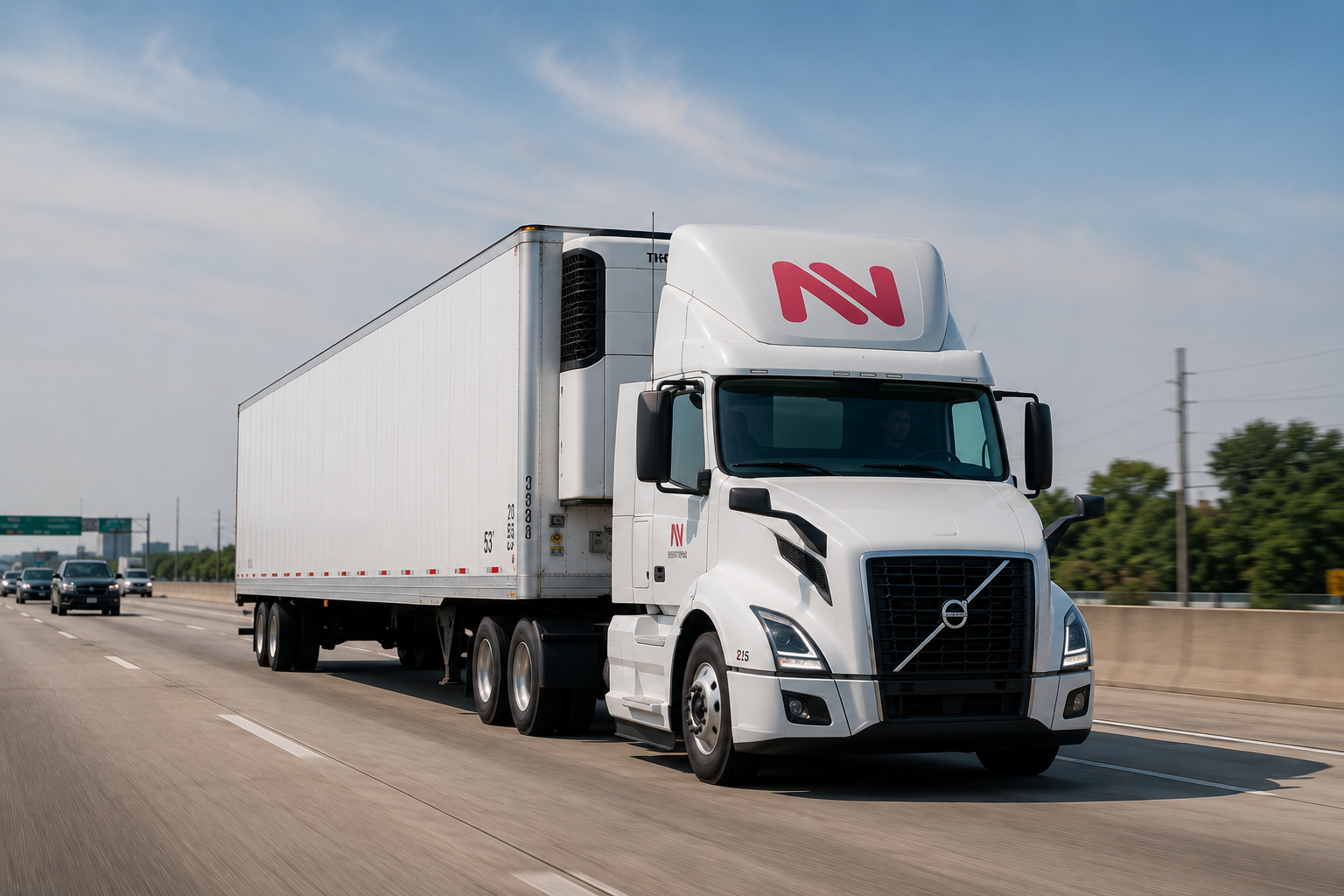

A production line can stay on schedule all week, then lose a full day because one truck showed up late, the wrong trailer was dispatched, or nobody had a straight answer on where the load was. That is why a truckload shipping guide for manufacturers matters. When you ship full truckloads, small mistakes turn into expensive delays fast.
Manufacturers do not need fluff. They need capacity that shows up, freight that is handled right, and updates that mean something. If you ship raw materials in, finished goods out, or both, truckload shipping works best when your plant, your warehouse, and your carrier are all working from the same plan.
When truckload shipping makes sense
Truckload shipping is the right fit when your freight can fill most or all of a trailer, when transit time matters, or when you want less handling between pickup and delivery. Fewer touches usually means less risk of damage, less confusion, and fewer delays caused by terminal transfers.
For manufacturers, that often applies to high-volume outbound orders, plant-to-warehouse moves, dedicated lane freight, and loads with tight delivery appointments. It also makes sense when the product is sensitive to handling, such as palletized goods with fragile packaging, temperature-controlled freight, or long material that needs flatbed securement.
It is not always about weight alone. A light but bulky load can still need a full trailer. So can a shipment that needs to move alone for security, cleanliness, or scheduling reasons.
The truckload shipping guide for manufacturers starts with the freight itself
Bad shipping decisions usually start with bad load details. If the carrier gets incomplete information, everything downstream gets harder. Dispatch plans the wrong equipment. The driver arrives unprepared. The pickup runs long. Then the delivery gets pushed.
Before you schedule a truck, know exactly what is moving. That means piece count, pallet count, dimensions, total weight, commodity, and whether the freight is stackable. You should also know if it needs a dry van, reefer, or flatbed, and whether there are any special handling requirements.
Manufacturers sometimes assume a load is straightforward because it leaves the same dock every week. But small changes matter. If your packaging changed, if the product now overhangs a pallet, or if a load shifted from floor-loaded to palletized, that affects trailer choice and loading time.
The more exact you are up front, the fewer problems you deal with later.
Pick the right trailer, not just the available one
This is where a lot of avoidable issues start. The trailer has to fit the freight, the loading process, and the delivery requirements.
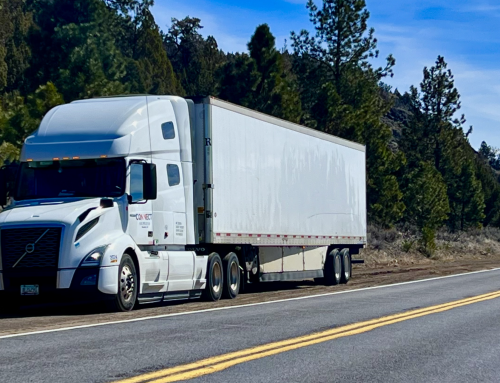
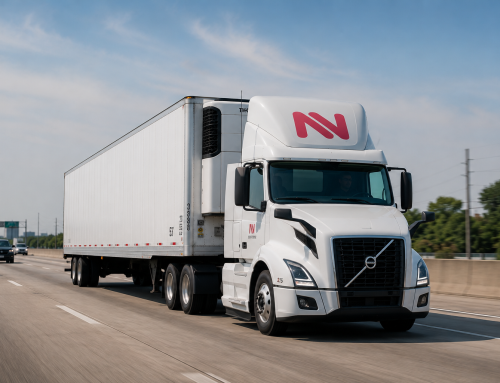
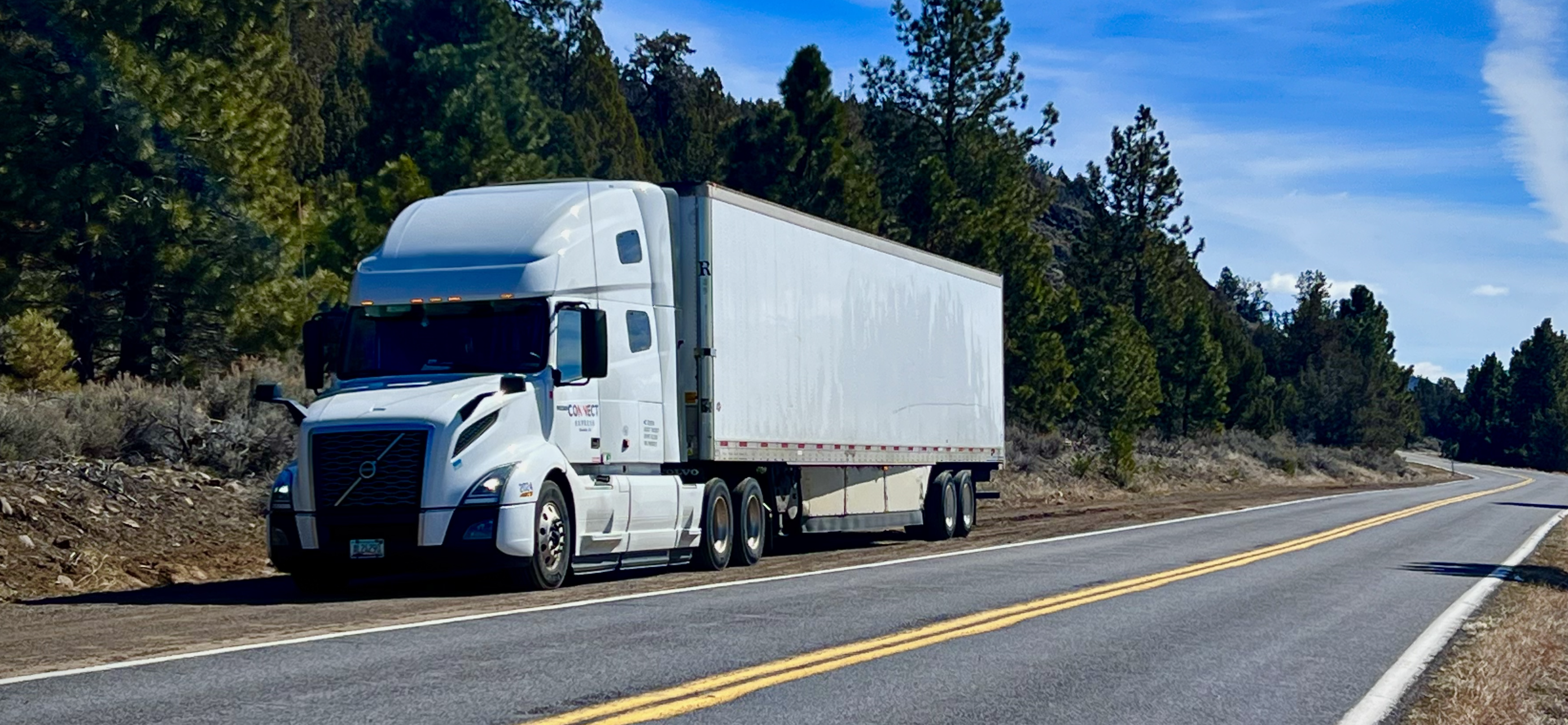
A dry van is the standard choice for palletized freight that needs protection from weather and road exposure. Most manufacturers use it for packaged goods, components, and general freight.
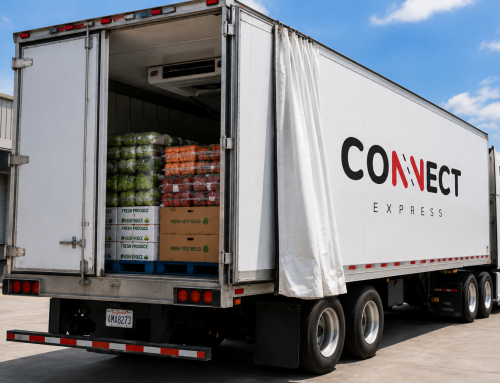
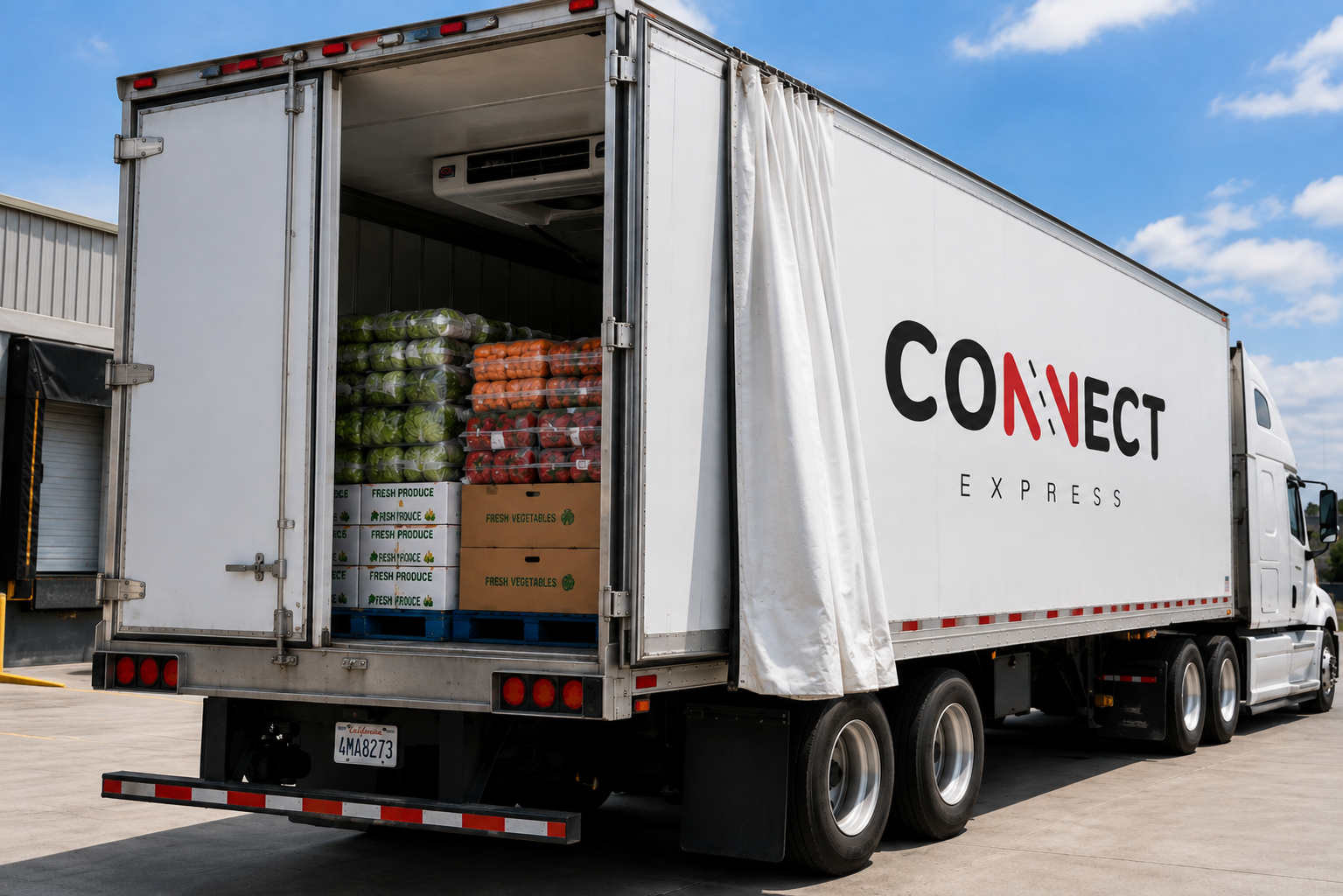
A reefer is not just for frozen or chilled products. It also works for freight that needs temperature protection from heat swings, especially in Arizona, Texas, and across the Southwest. Some products are damaged by excessive heat even if they are not technically perishable.
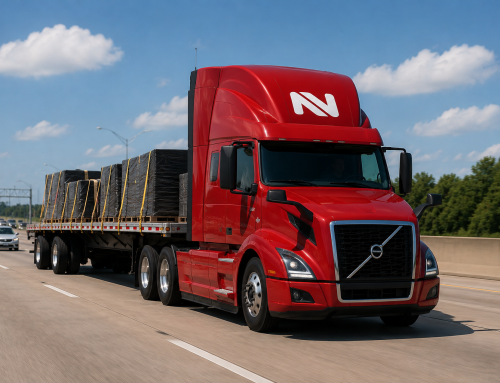
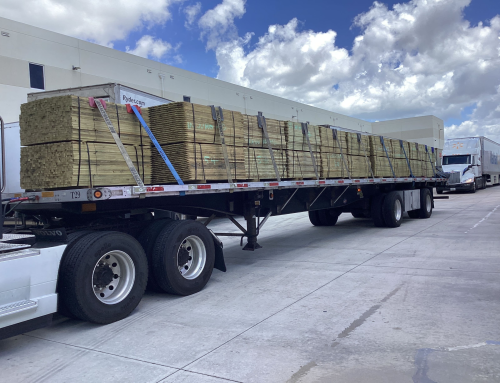
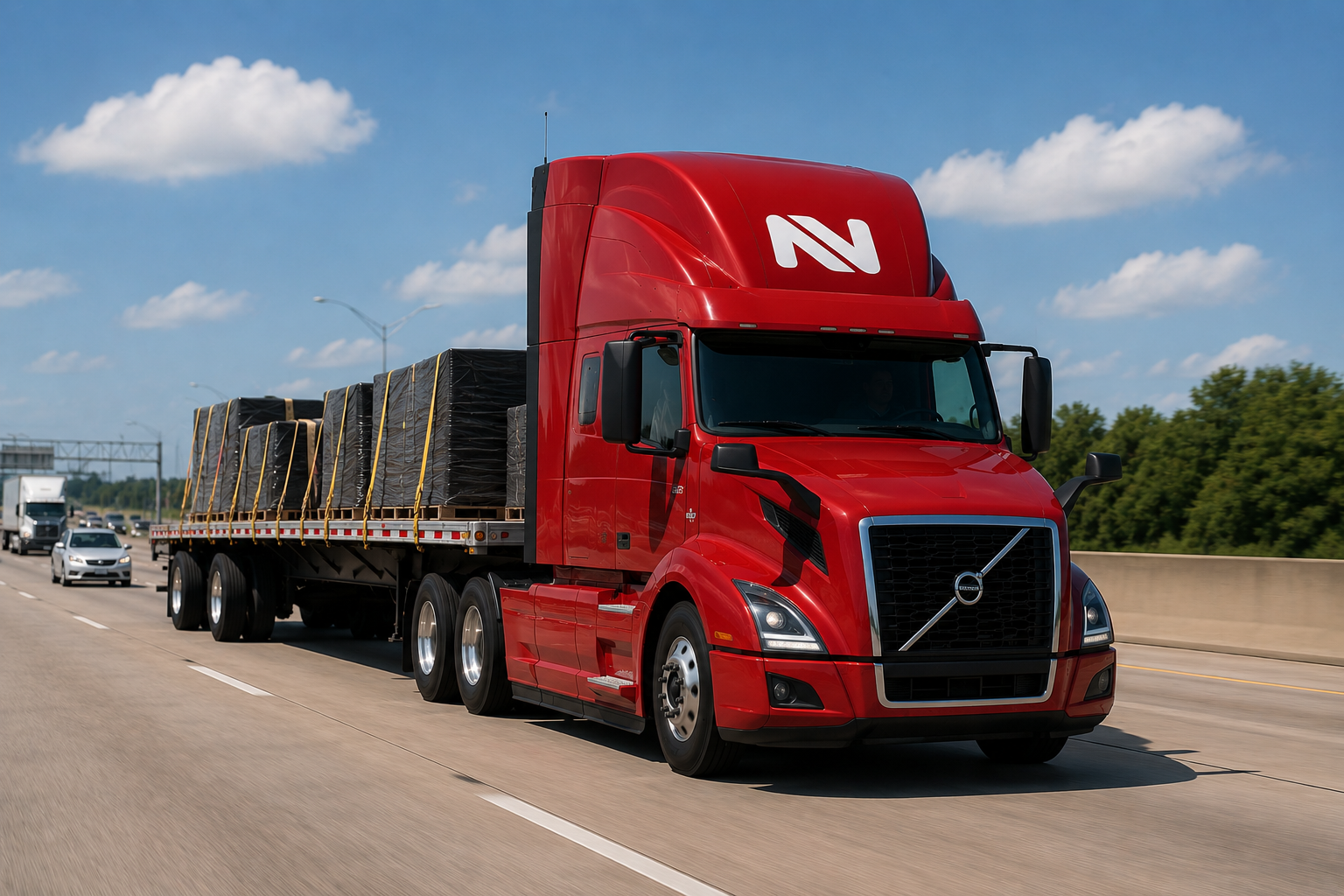
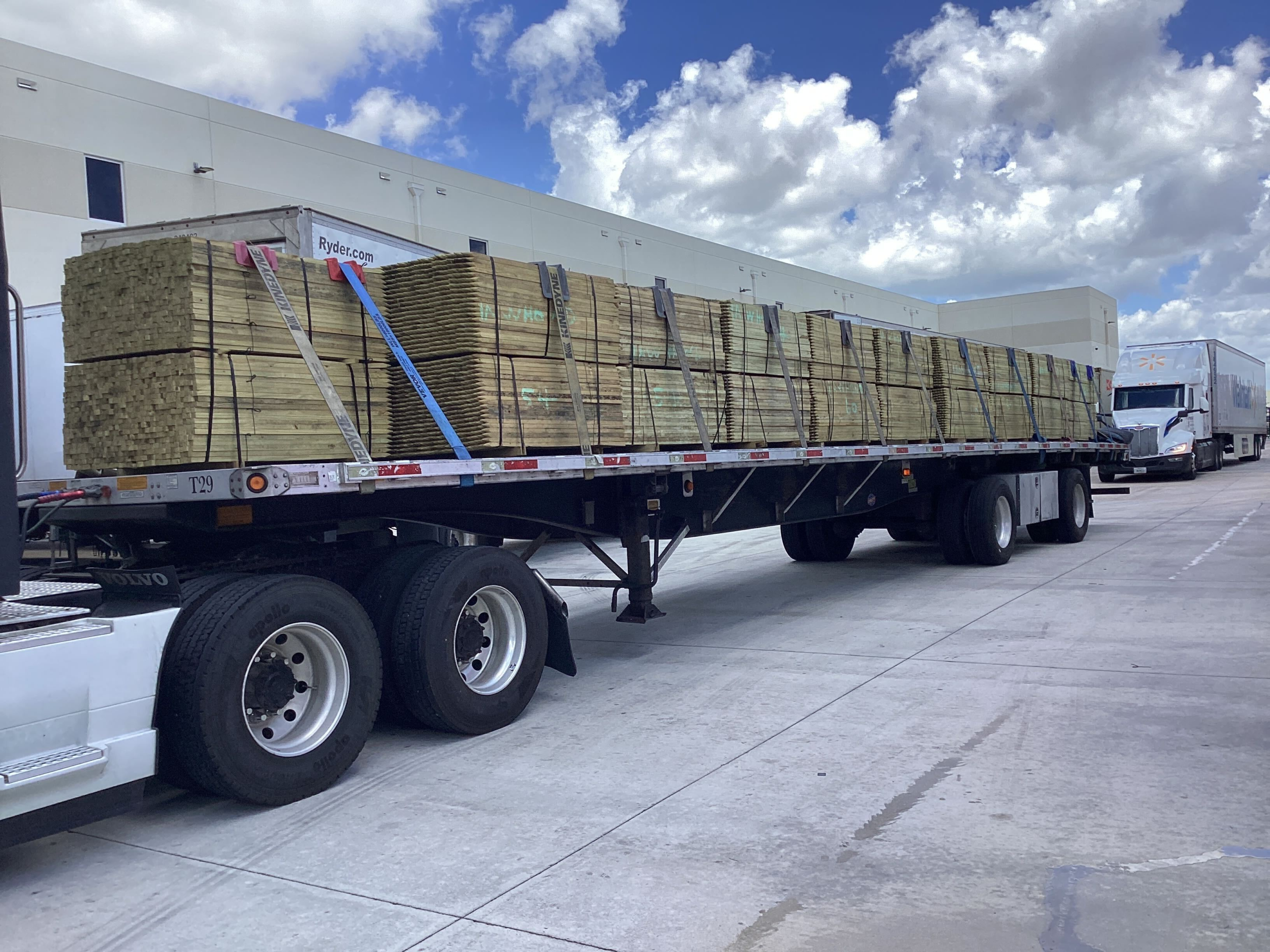
Flatbed is the call for freight that cannot be loaded through the rear doors, freight that is oversized, or freight that needs crane or side loading. Machinery, steel, building materials, and large fabricated components often fall into this category.
If you force the wrong equipment onto the load because it is what is easiest to find, the load usually pays for it in delays, rework, or damaged product.
Loading problems usually start before the truck arrives
A clean pickup depends on dock prep. If the freight is not staged, labeled, and ready, your appointment time does not mean much. Trucks lose time waiting. Drivers run out of legal hours. Delivery windows get tighter.
Manufacturers that move freight well usually do a few things consistently. They verify counts before loading starts. They confirm the load is packaged for road movement, not just warehouse storage. They make sure the loading team knows the trailer type and how the freight should be distributed.
Weight distribution matters. A trailer can be under gross weight and still be loaded wrong. If too much weight is pushed onto one axle group, the truck may need rework before it can legally roll. That costs time nobody planned for.
Securement matters too. Even in a dry van, pallets need to be loaded tight and stable. On flatbeds, securement is everything. If the freight is not properly blocked, braced, strapped, or protected, it should not leave the yard.
Appointment times are only useful if they are realistic
A lot of shipping trouble comes from forced timing. The plant says the load will be ready at 2:00. It is actually ready at 5:30. The receiver wants delivery at 8:00 the next morning, but the transit only works if the truck leaves on time. Now everyone is chasing a schedule that broke before the driver checked in.
Set pickup times based on when the freight is truly ready. Not when production hopes it will be ready. The same goes for delivery appointments. If your customer has strict receiving hours, build that into planning early.
This matters even more for manufacturers with multi-stop schedules, shift changes, or just-in-time delivery expectations. Tight schedules can work, but only if they are built on real loading times and real transit times.
Communication should be simple and direct
Manufacturers do not need ten emails full of vague updates. They need to know four things. Was the truck dispatched? Did it get loaded? Is it moving on time? Is there any issue that changes the plan?
Good carrier communication is not about fancy tracking language. It is about clear updates from people who know the load. No guessing where your freight is. No waiting half a day to hear that the pickup was missed.
That matters even more when shipping from a busy production environment. If your dock team is managing outbound freight while trying to keep inbound materials flowing, bad communication causes real operational problems. You cannot plan labor, receiving, or customer updates around maybes.
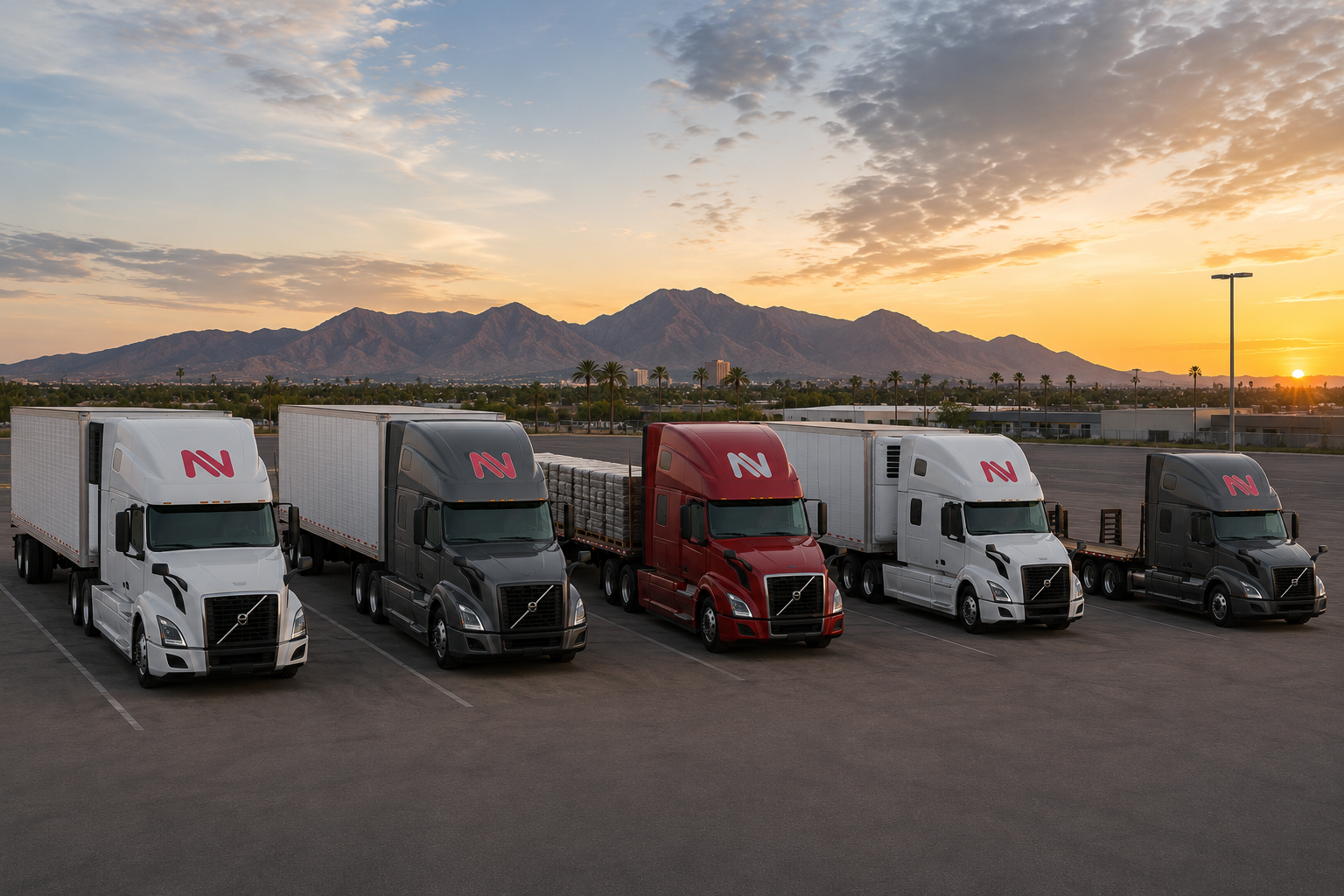
At ConnectExpress LLC, based in Phoenix, Arizona, the standard is simple. We show up on time, give real updates, and move freight without excuses. That is what shippers expect, and they should.
The truckload shipping guide for manufacturers also includes inbound freight
Most shipping discussions focus on outbound finished goods. But manufacturers get hit just as hard when inbound truckloads fail. If raw materials, packaging, or components arrive late, production gets squeezed. Then outbound loads start missing windows too.
That is why inbound and outbound planning should not be treated as separate worlds. If you run a plant, you need visibility on both sides. The same carrier standards apply. Clear pickup details. Correct equipment. Realistic scheduling. Fast communication when anything changes.
A missed inbound load can create more damage than a late customer delivery, depending on what it stops inside the plant.
Dedicated lanes help when the freight is repeatable
Not every manufacturer needs dedicated capacity. But some absolutely do. If you run the same lane every day or every week, dedicated service can remove a lot of noise from the operation.
It works well for plant-to-distribution moves, recurring customer deliveries, and regular transfers between facilities. The advantage is consistency. The carrier knows the docks, the appointment process, the freight profile, and the lane expectations. That usually means fewer check-in issues, fewer loading surprises, and better on-time performance.
This is especially useful when your shipping windows are narrow or your customers are strict about appointments. Repeat freight rewards repeat execution.
Damage prevention is part of shipping, not an afterthought
If freight leaves your dock in weak packaging, stacked wrong, or with loose product, the road will expose it. Truckload shipping reduces handling compared to LTL, but it does not erase bad packaging or poor loading.
Manufacturers should look at packaging through a transportation lens, not just a storage lens. Can the product handle vibration? Will the pallet hold under load shift? Are corner boards, stretch wrap, or top caps needed? If the freight is flatbed, does it need edge protection or waterproofing?
Damage claims eat up time and strain customer relationships. Prevention is cheaper than cleanup.
What a manufacturer should expect from a truckload carrier
You should expect the truck to arrive as scheduled or hear early if there is a change. You should expect the right trailer for the job. You should expect direct communication, not excuses after the fact.
You should also expect the carrier to ask questions. A good trucking company does not just take an address and a weight and hope the rest works itself out. They want to know what they are hauling, how it loads, what can go wrong, and what the receiver expects.
That is not overcomplication. That is how loads move clean.
The best truckload setups are usually not dramatic. The truck arrives. The freight is ready. The paperwork is right. The driver gets loaded and rolls. Delivery happens on schedule. Nobody has to chase updates because there are no surprises.
That is the goal. Not perfect conditions. Just a plan that holds up when the day gets busy.
If you are managing freight for a manufacturing operation, the best thing you can do is make your shipping process easier to execute clearly. Give the right details early, match the trailer to the freight, and work with carriers that communicate like operators. When that part is handled right, the rest of the day gets a lot easier.
Need capacity on this type of freight? Connect Express LLC provides asset-based dry van shipping across the Southwest and nationwide.
Request a truckload quote: Contact Connect Express or call (844) 474-8963.