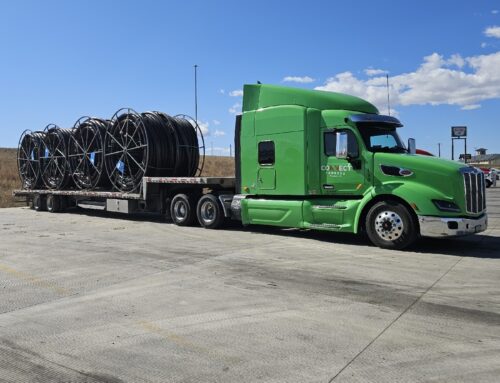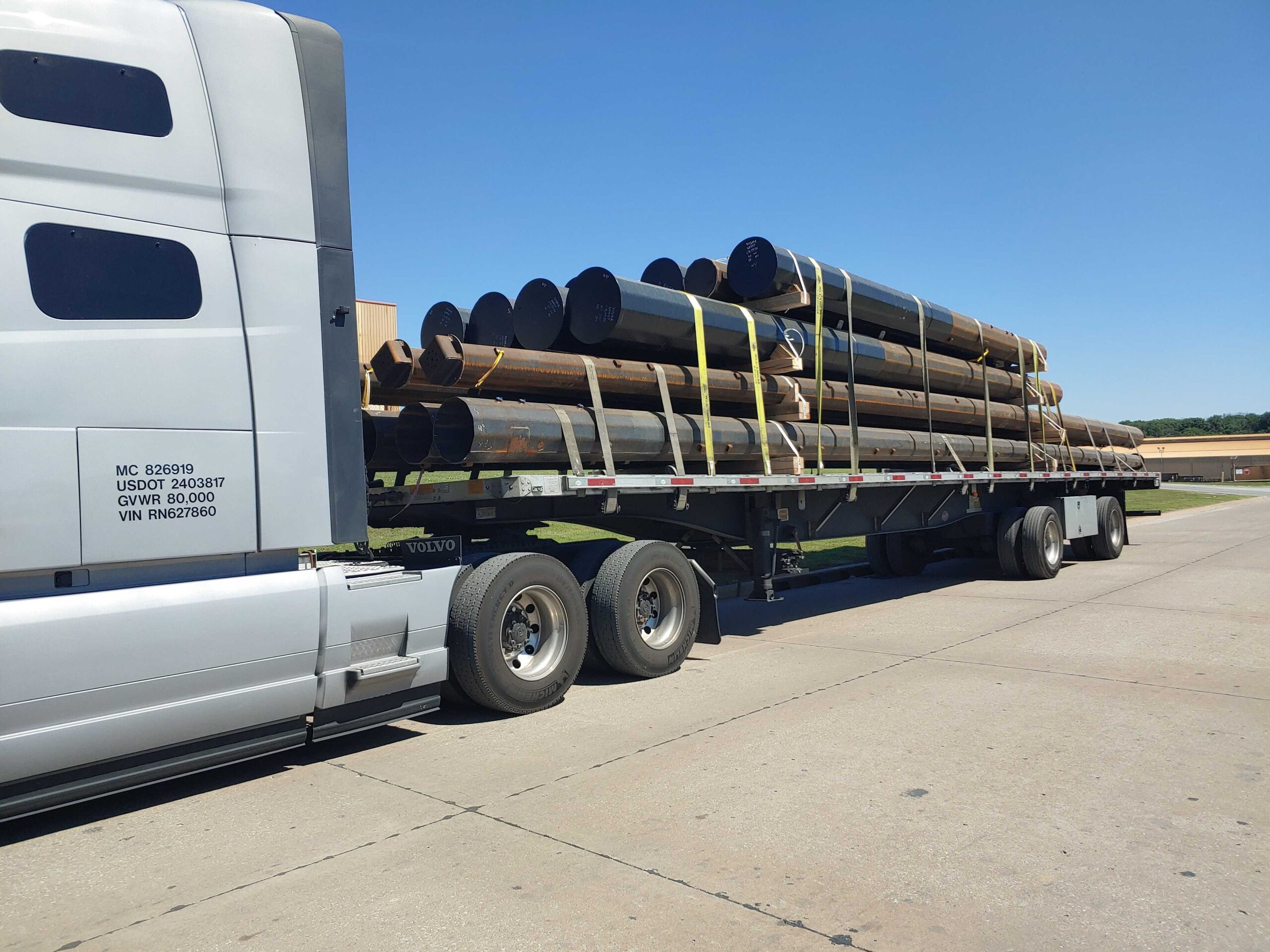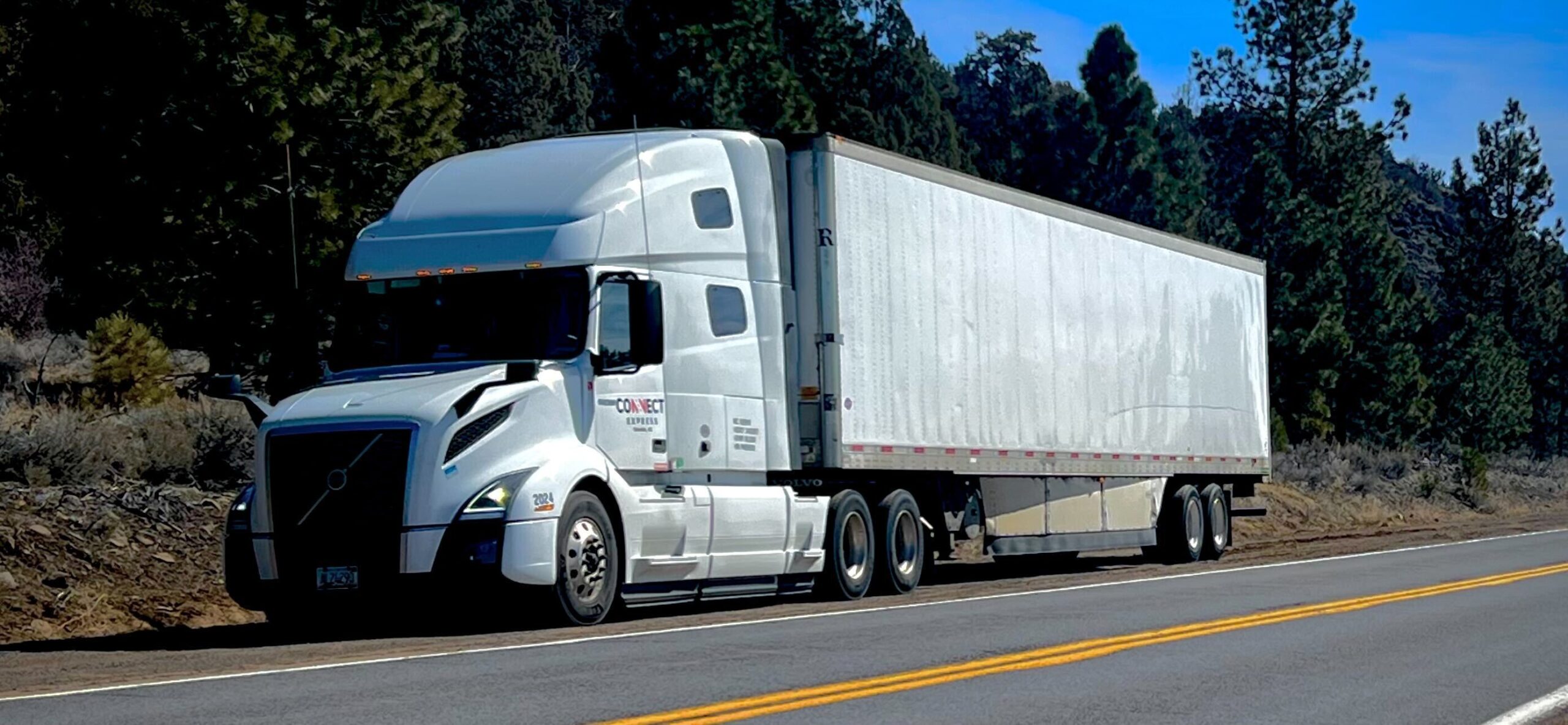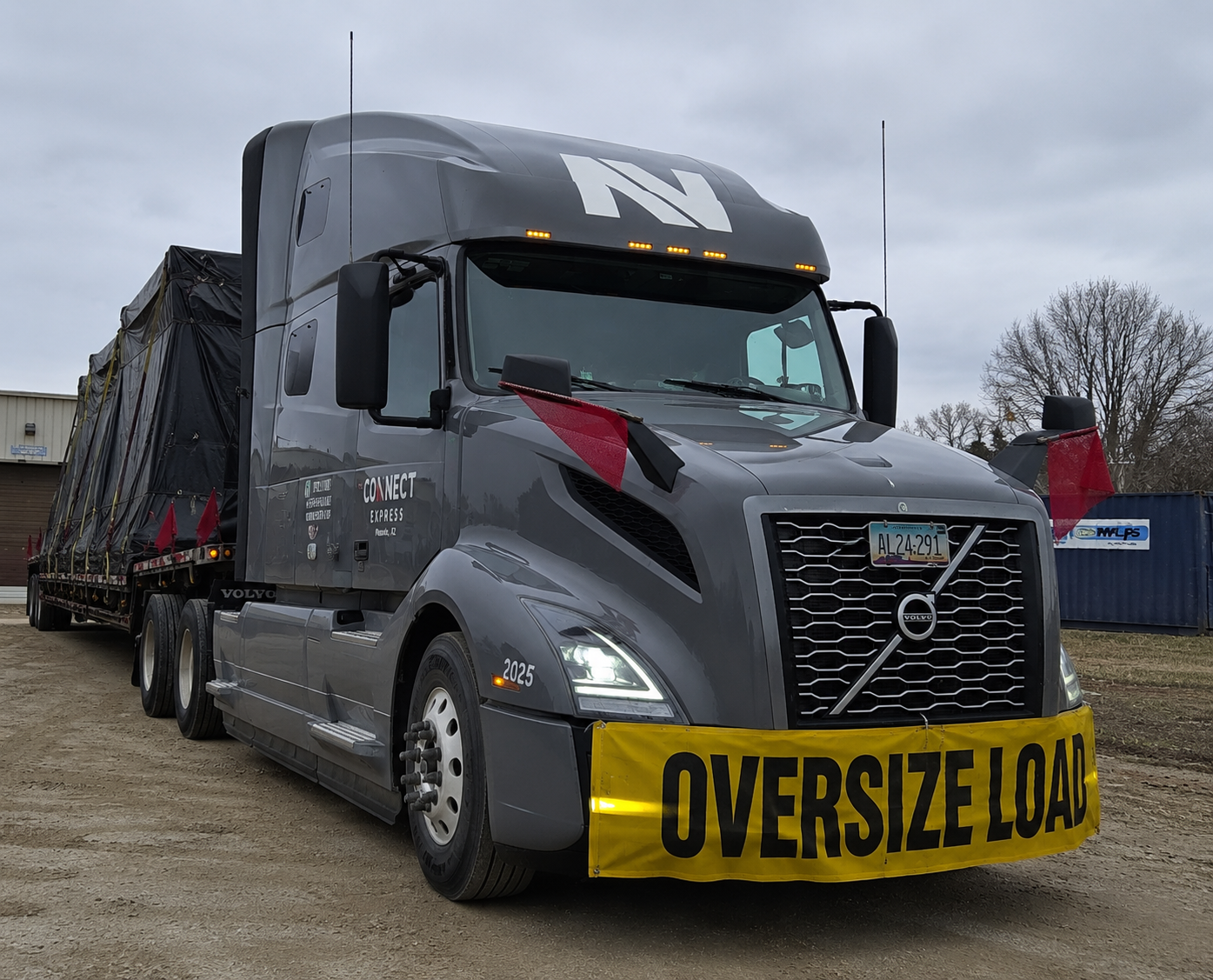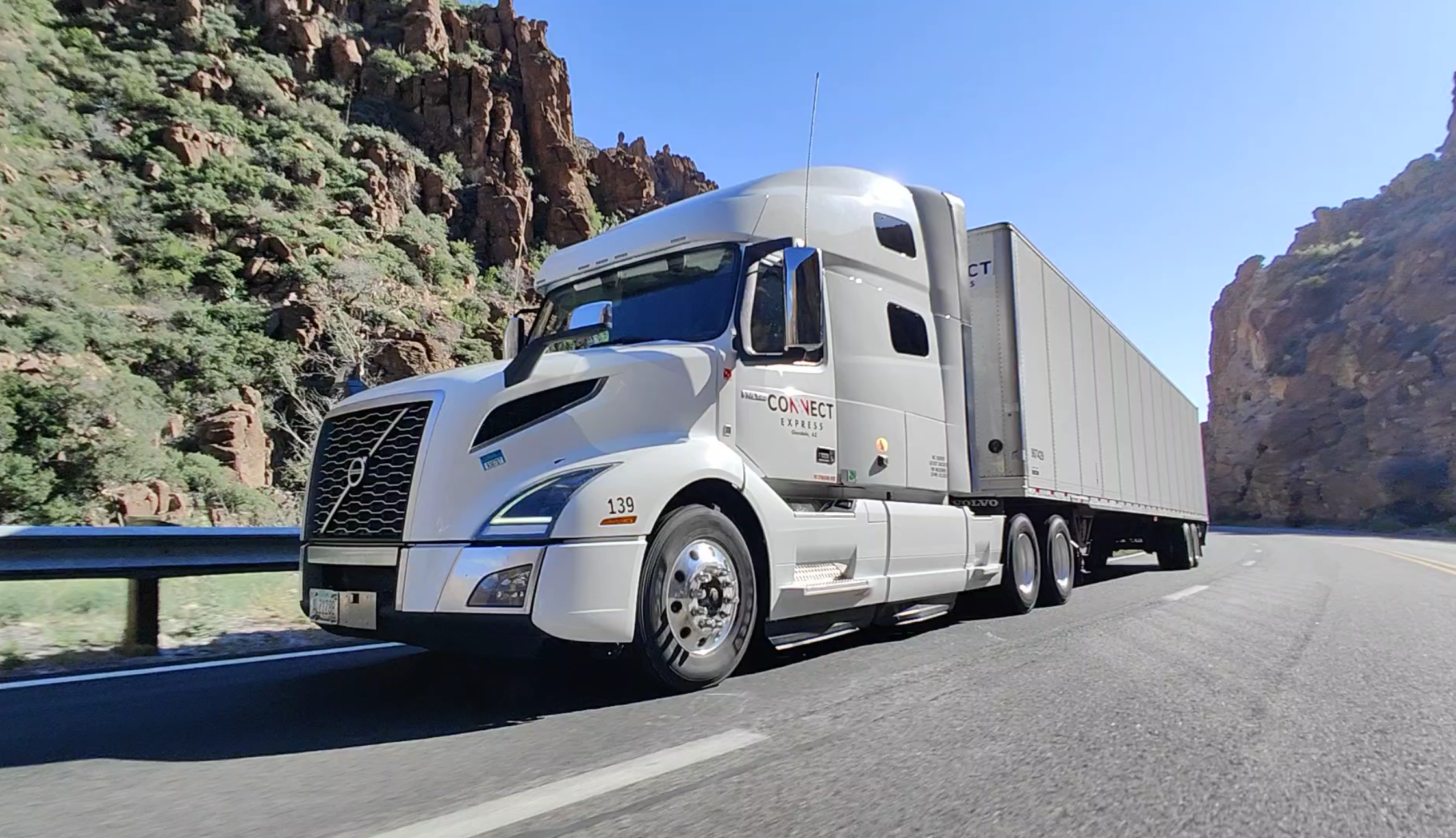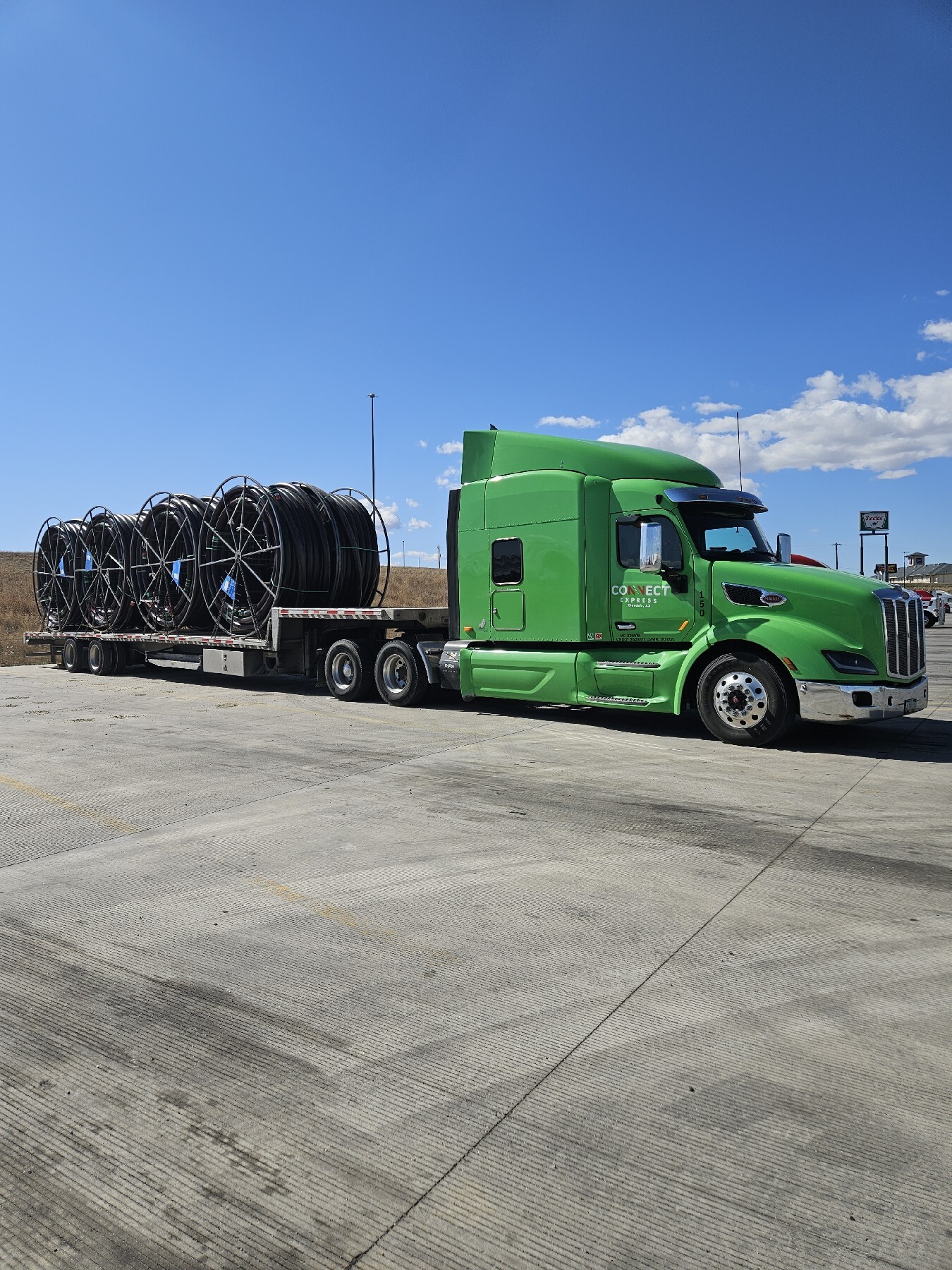

A late dry van load usually does not start with a late truck. It starts earlier – weak planning, bad communication, or a carrier that said yes before it knew the job. If you are hiring a nationwide dry van carrier, that is what you are really screening for. Not just whether a truck is available, but whether the load will move the way it is supposed to move.
Dry van freight looks simple from the outside. It is boxed freight. It is protected from weather. It does not need tarps or refrigeration. But that does not make it easy. A missed pickup still shuts down production. A bad update still leaves your team chasing answers. A driver who arrives late to a tight receiving appointment still creates the same mess on the back end.
What a nationwide dry van carrier actually handles
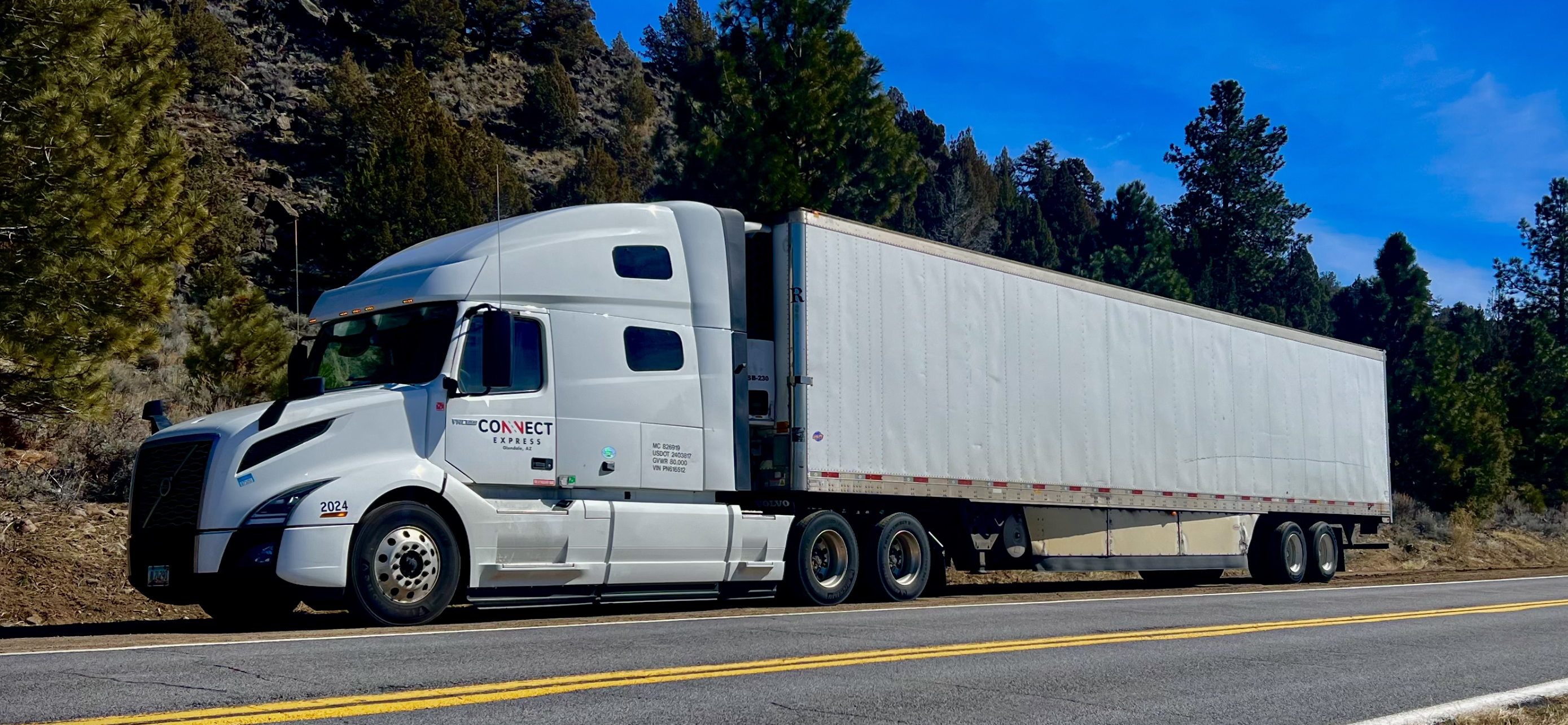
A dry van carrier moves freight that needs a clean, enclosed trailer and consistent transit. That can mean palletized consumer goods, packaged food that does not need temperature control, paper products, retail freight, building materials, or manufacturing inputs. The common thread is not just the trailer type. It is the need for dependable execution.
That matters more when the freight is moving across multiple regions. A short regional run can sometimes absorb a problem. A cross-country move usually cannot. If the first pickup is late, every handoff after that gets tighter. If the carrier misses a check call or does not flag a delay early, your team loses options.
For shippers, nationwide service should not mean vague promises. It should mean the carrier knows how to plan long-haul dry van freight, manage appointment times, and keep the load moving without turning every update into a follow-up request.
The real job is execution, not truck placement
A lot of carriers can say they cover the continental United States. That is not the hard part. The hard part is handling the load from dispatch to delivery without forcing the customer to manage it for them.
That starts with pickup discipline. If your shipping window is 2:00 to 4:00, the truck should be planned around that window, not around wishful thinking. It continues with transit planning. Hours of service, traffic, weather, fuel stops, and receiving hours all affect the run. A good carrier accounts for that before the truck is dispatched.
Then there is communication. Shippers do not need constant noise. They need real updates. Picked up. In transit. Delayed if necessary, with a reason. Delivered. If a problem comes up, they need to hear it early enough to act on it.
That is where some carriers separate themselves. The good ones do not wait for the customer to ask where the truck is. They know that silence is what creates most of the frustration.
Why nationwide dry van freight gets complicated fast
Dry van work covers a wide range of freight, and every lane has its own pressure points. A Phoenix shipper sending freight into the Midwest has a different set of timing concerns than a Texas manufacturer shipping to the West Coast. The trailer may be the same, but the operating plan is not.
Some loads are flexible on delivery day but strict on pickup. Others can load fast but take hours to unload. Some shipping docks run smoothly. Some back trucks up all afternoon. Seasonal surges also change the equation. Retail, food, packaging, and industrial freight all tighten capacity at different times.
That is why nationwide dry van service is not just about coverage on a map. It is about whether the carrier has the discipline to run different lanes without turning every shipment into a special case.
Timing matters more than slogans
Freight managers are not looking for polished language. They want to know whether the truck will arrive on time, whether the driver has the right information, and whether delivery will happen when promised.
If a load is live loaded at pickup and live unloaded at delivery, the schedule has to stay tight. If it is a drop-and-hook situation, equipment control matters more. If the receiver is strict on appointments, there is less room to recover from a bad start. Every one of those details changes how the load should be planned.
A reliable carrier pays attention to those details before the truck rolls.
What shippers should expect from a carrier
The baseline is simple. Show up on time. Secure the freight correctly. Keep the trailer clean and dry. Give clear updates. Deliver without excuses.
That sounds obvious, but it is where many service failures happen. A dry van trailer that was not swept out creates claims risk. A driver who does not understand the commodity can lose time at the dock. A dispatch team that does not verify appointment details can create a preventable miss.
Shippers should also expect honesty. If a lane is tight, say it is tight. If weather is likely to affect transit, say it early. If the load needs more lead time to cover cleanly, that should be clear up front. Straight answers save more loads than optimistic ones.
For brokers needing capacity, this matters just as much. The handoff only works when the carrier acts like an operator, not like a call center. Real equipment. Real drivers. Real status updates. That is what keeps a customer from chasing a shipment across three time zones.

Why equipment and driver standards still matter
Dry van freight does not get the same attention as specialized freight, but equipment standards still affect service. Trailer condition matters. Door seals matter. Tires, lights, brakes, and basic maintenance matter. A simple roadside issue can wreck a delivery plan.
Driver standards matter too. Nationwide freight takes more than steering and shifting. It takes trip planning, time management, dock awareness, and the ability to communicate when something changes. A driver who checks in early on a problem gives the office a chance to fix it. A driver who says nothing until the appointment is missed leaves everyone boxed in.
That is one reason many shippers prefer asset-based carriers for core freight. When the company is running its own trucks, there is usually more control over trailer readiness, dispatch coordination, and driver expectations. Not every shipment requires that model, but for repeat freight and service-sensitive lanes, it often makes a difference.
Where a Phoenix-based carrier fits in
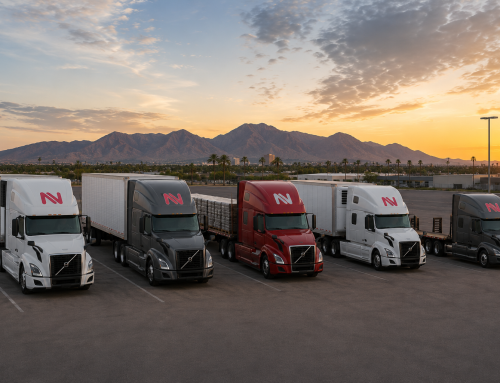
For shippers moving freight in and out of Arizona and across the Southwest, a Phoenix-based operation can offer practical advantages. The region connects well into California, Nevada, New Mexico, Texas, Utah, and Colorado, and it also serves as a strong launch point for longer dry van runs across the country.
That only helps if the operation is managed well. Geography gives access. Execution gives results. A carrier based in Phoenix still needs to plan the lane correctly, communicate clearly, and keep service consistent once the load leaves the Southwest.
The difference between capacity and dependable capacity
Anyone can claim they have trucks. The real question is whether they can cover your freight without creating extra work for your team.
Dependable capacity means the carrier knows your shipping patterns, understands your appointment requirements, and can handle volume changes without falling apart. It also means they know when not to overcommit. Taking a load that cannot be serviced cleanly helps nobody.
This is especially important for repeat lanes. Once a shipper has to re-explain freight dimensions, dock rules, paperwork, and update expectations on every load, the relationship is already costing too much time. Good dry van service should reduce friction over time, not add to it.
For that reason, many shippers look for a carrier that can handle both the day-to-day freight and the tighter shipments that come up with short notice. If the basics are already in place, those urgent loads are easier to recover.
What good service sounds like
It sounds plain. Truck confirmed. Driver assigned. Pickup made on time. Minor delay from traffic, new ETA sent. Delivered and signed.
It does not sound like excuses, long stories, or missing check calls. In freight, trust usually comes from the boring stuff being done right over and over again.
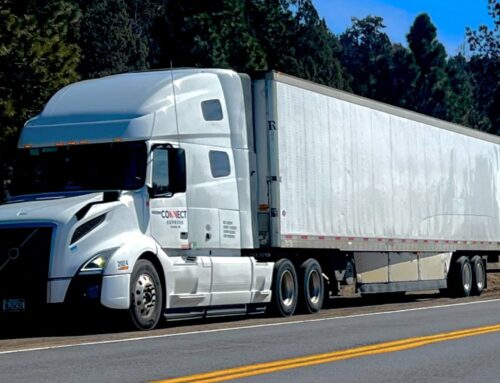
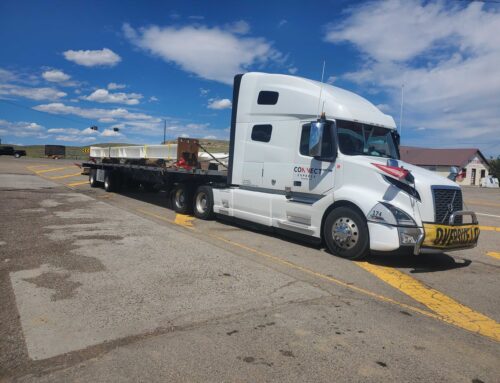
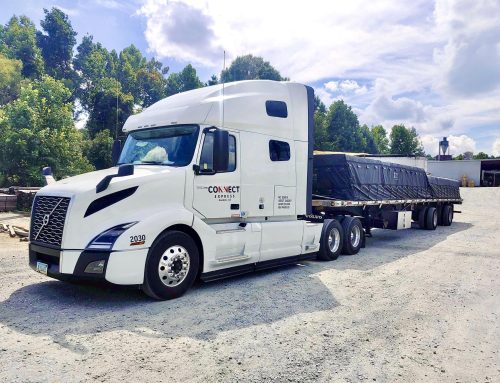
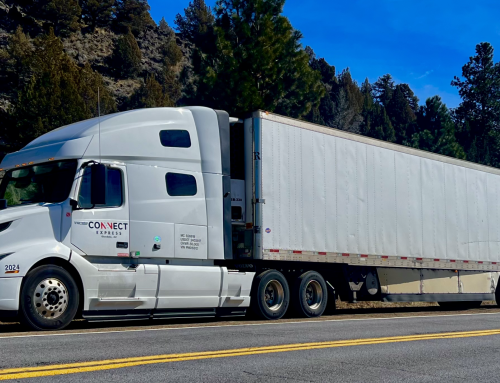
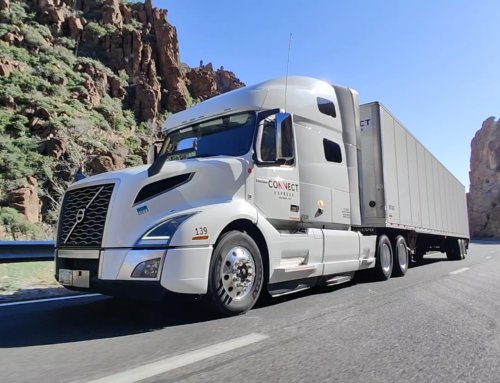
That is the standard companies like ConnectExpress LLC aim for with dry van freight. Not fancy language. Just freight moved safely, on time, with real communication and no guessing.
If you are choosing a nationwide dry van carrier, look past the coverage claim and ask a simpler question. When the load is under pressure, will this carrier make the day easier or harder for your team? That answer usually tells you everything you need to know.