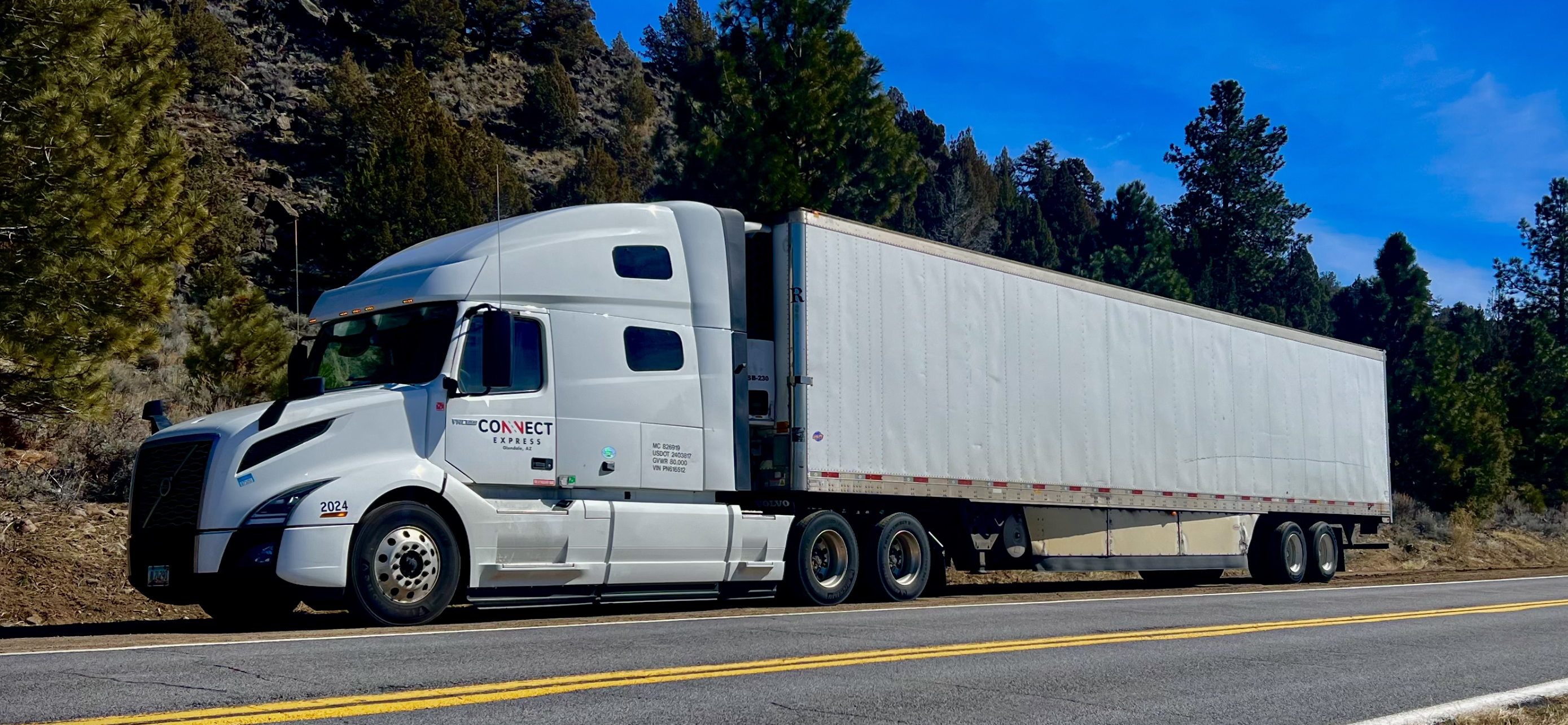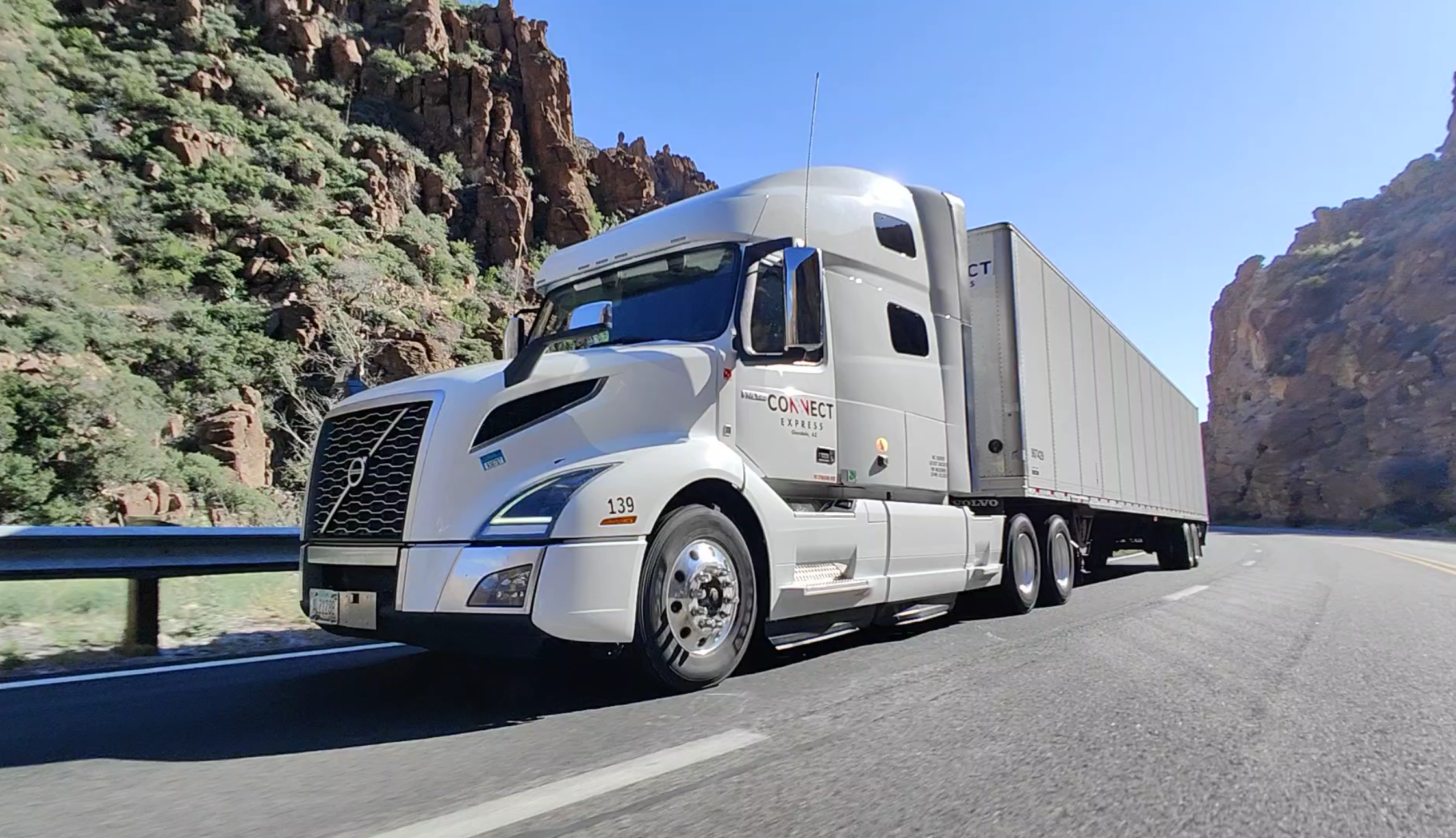
A dry van load can look easy on paper and still turn into a mess by noon. The pickup is tight. The dock is backed up. The carrier stops answering. Then your team is chasing updates instead of moving freight. That is why knowing how to book dry van loads matters. Done right, it saves time, avoids service issues, and keeps your freight moving without drama.
Dry van freight is straightforward compared to refrigerated or oversized shipments, but that does not mean every dry van load is simple. Freight type, appointment windows, weight, pallet count, dock setup, and lane history all affect whether a load gets covered by the right truck. If you miss one detail up front, it usually shows up later as a missed pickup, a late delivery, or extra back-and-forth nobody wants.
How to book dry van loads without creating problems later
The first step is not posting the load. The first step is making sure the load is actually ready to move. That means confirming the freight is packaged, counted, and available at the pickup time you are giving the carrier. A lot of service problems start when a shipper says freight is ready and it is not. That burns time, money, and trust fast.
You also need the basic shipment details locked in before you call or assign anything. That includes commodity, weight, pallet count, dimensions if needed, pickup and delivery addresses, contact names, appointment times, and any special handling instructions. If the load is floor loaded, if it needs straps, if it cannot be double stacked, if there is a strict check-in process, say it early. A carrier cannot plan around details they do not have.
Lane matters too. A short run in Phoenix is booked differently than a multistop shipment heading across several states. On a regular lane, you may already know what kind of capacity responds well and what pickup times tend to work. On a new lane, you need to be more careful. Dry van loads move every day, but not every lane has the same truck availability.
Start with the load details that carriers actually need
If you want fast coverage, give clean information. Dispatchers and carriers do not need a long story. They need facts they can use.
The most useful load sheet is simple. It tells them where the freight is, where it is going, when it is ready, what it weighs, and what kind of equipment is required. If there is anything unusual, that should be obvious right away. A dry van load that requires pallet jack service, liftgate delivery, driver assist, lumpers, or a sealed trailer is not standard anymore. It can still move fine, but only if the carrier knows ahead of time.
This is also where a lot of preventable mistakes happen. A shipper says 20 pallets, then it turns out to be 26. They say live load in one hour, then the truck sits half a day. They say first come, first served, but the receiver has a tight appointment and no flexibility. That is not a booking problem. That is a load quality problem.
When the details are right, booking gets easier. The truck knows what it is walking into. Your team spends less time explaining things twice. And if there is a delay, at least everyone is working from the same information.
Good dry van freight starts with accurate freight readiness
Before you assign a truck, confirm three things. The freight is physically ready. The paperwork is correct. The dock knows the truck is coming.
That sounds basic, but it is where many loads go off track. A truck can be on time and still lose half a day if shipping does not have the product staged or if the pickup number is wrong. If your warehouse is busy, that is even more reason to confirm. Good carriers want to keep rolling. They are not looking to spend the day waiting on freight that was not ready.
Appointment times need to be real
If the pickup time is flexible, say it. If it is strict, say that too. Same with delivery. Dry van loads often move on narrow appointment windows, especially for retail, distribution, and manufacturing freight. If the carrier misses that window, the next available slot may not be for hours or even the next day.
A realistic appointment is better than an aggressive one that falls apart. Tight windows are fine when the shipper, carrier, and receiver are all aligned. If one side is not, build some room into the schedule.
Choose the right carrier, not just an available truck
A truck being empty does not mean it is the right fit. If you are figuring out how to book dry van loads consistently, this is the part that matters most.
You want a carrier that communicates clearly, knows the lane, and has equipment that matches the freight. If your shipment is a simple dock-to-dock run, your options are wider. If it has strict appointments, a sensitive receiver, or a pickup that always runs slow, you need a carrier that can handle friction without disappearing when things get hard.
This is where repeat relationships beat one-off coverage. When you work with the same reliable carrier or fleet, they learn your shipping patterns. They know which locations load fast, which ones have delays, and what your receivers expect. That makes booking smoother and reduces surprises.
There is also a difference between booking freight and actually moving freight. Some providers are good at saying yes. Fewer are good at showing up, checking in, updating the load, and delivering on time. That gap matters.
For shippers in Arizona and the Southwest, lane familiarity can help a lot on regional freight. A carrier running those routes regularly will usually have a better read on transit time, pickup timing, and where delays tend to happen.
Confirm expectations before the truck rolls
Once the load is covered, the job is not done. You still need a clean handoff.
Send the rate confirmation or dispatch details fast. Make sure the driver has pickup numbers, directions if the site is tricky, and any special notes about check-in, load securement, or seals. If the location has rules about early arrival, overnight parking, or PPE, say so before the truck gets there.
Communication should also be clear on updates. Some loads only need check calls at pickup and delivery. Others need more visibility, especially if the customer is tracking appointments closely. Set that expectation early so nobody is guessing.
This matters even more when something changes. If the pickup is pushed back, tell the carrier right away. If the receiver changes the appointment, do not wait until the truck is almost there. Delays are not always avoidable. Poor communication usually is.
What to watch for after booking
The biggest warning signs show up quickly. If the carrier is slow to confirm dispatch details, vague about who the driver is, or hard to reach before pickup, that usually does not improve once the load is moving.
Watch for gaps between what was agreed and what is actually happening. If the truck was supposed to be empty at 10:00 and now it might be there sometime in the afternoon, that affects your dock plan. If the driver checked in late and nobody reported it, that affects the delivery plan. Small misses early can turn into service failures later.
Build a repeatable process for booking dry van loads
The best way to improve load coverage is to stop treating every shipment like a scramble. Dry van freight moves best when the process is consistent.
That means your team uses the same load checklist every time. Freight details are verified. Appointments are confirmed. Pickup and delivery contacts are included. Special handling notes are clear. The carrier knows exactly what is expected. That kind of discipline cuts down on avoidable problems.
It also helps to keep notes on recurring lanes and facilities. If a shipper always loads two hours late, note it. If a receiver rejects early arrivals, note that too. Those details make future bookings better. Over time, your team gets faster because it is working from real operating history, not guesswork.
If you are shipping often, consistency matters more than speed alone. A fast booking that creates a service issue is not efficient. A solid booking with the right truck, right details, and real communication is what keeps freight moving.
That is the standard carriers should meet too. Real trucks. Real updates. No missed pickups if the freight is ready. No guessing where your load is. If a carrier cannot give you that, the problem usually starts before the truck even leaves the yard.
When you book dry van loads the right way, the load feels boring in the best possible sense. It gets picked up. It gets updated. It gets delivered. That is what most shippers want, and it is still what separates dependable capacity from empty promises.