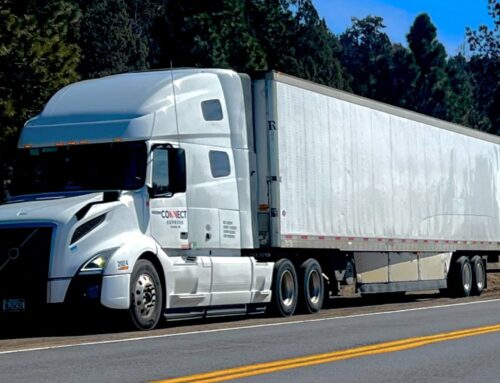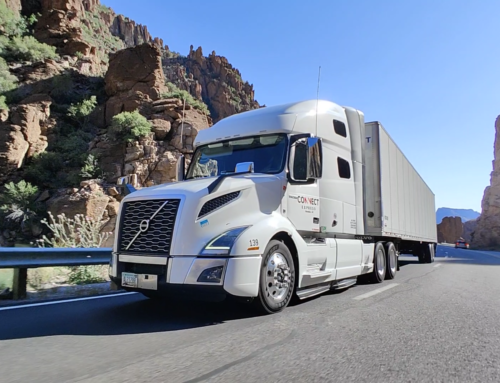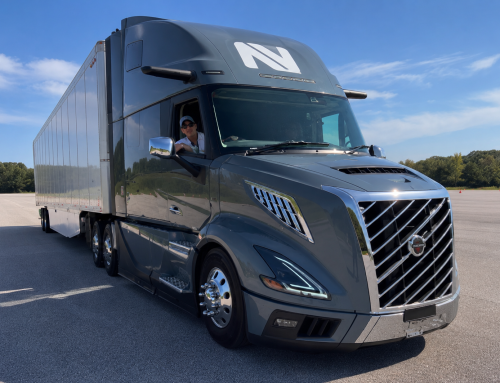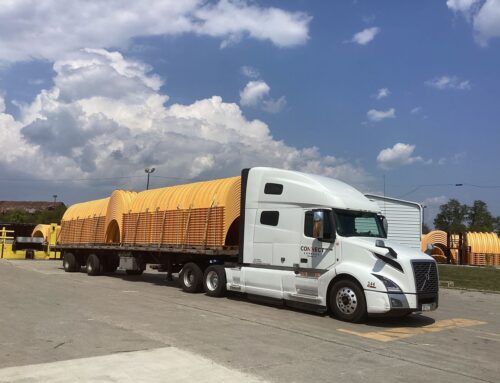
A truck can be available on paper and still miss your pickup. That is why owner operator trucking opportunities matter to both sides of the business. For shippers and freight managers, the right owner operator creates real capacity, clear communication, and fewer service failures. For drivers, the right opportunity means steady work, fair expectations, and freight that fits the equipment.
This only works when the operation behind the truck is solid. A single truck can do excellent work. It can also create risk if dispatch is weak, appointments are not managed, or updates stop once the load is moving. So the real question is not whether owner operators are part of the market. They are. The question is what kind of opportunity actually leads to dependable freight service.
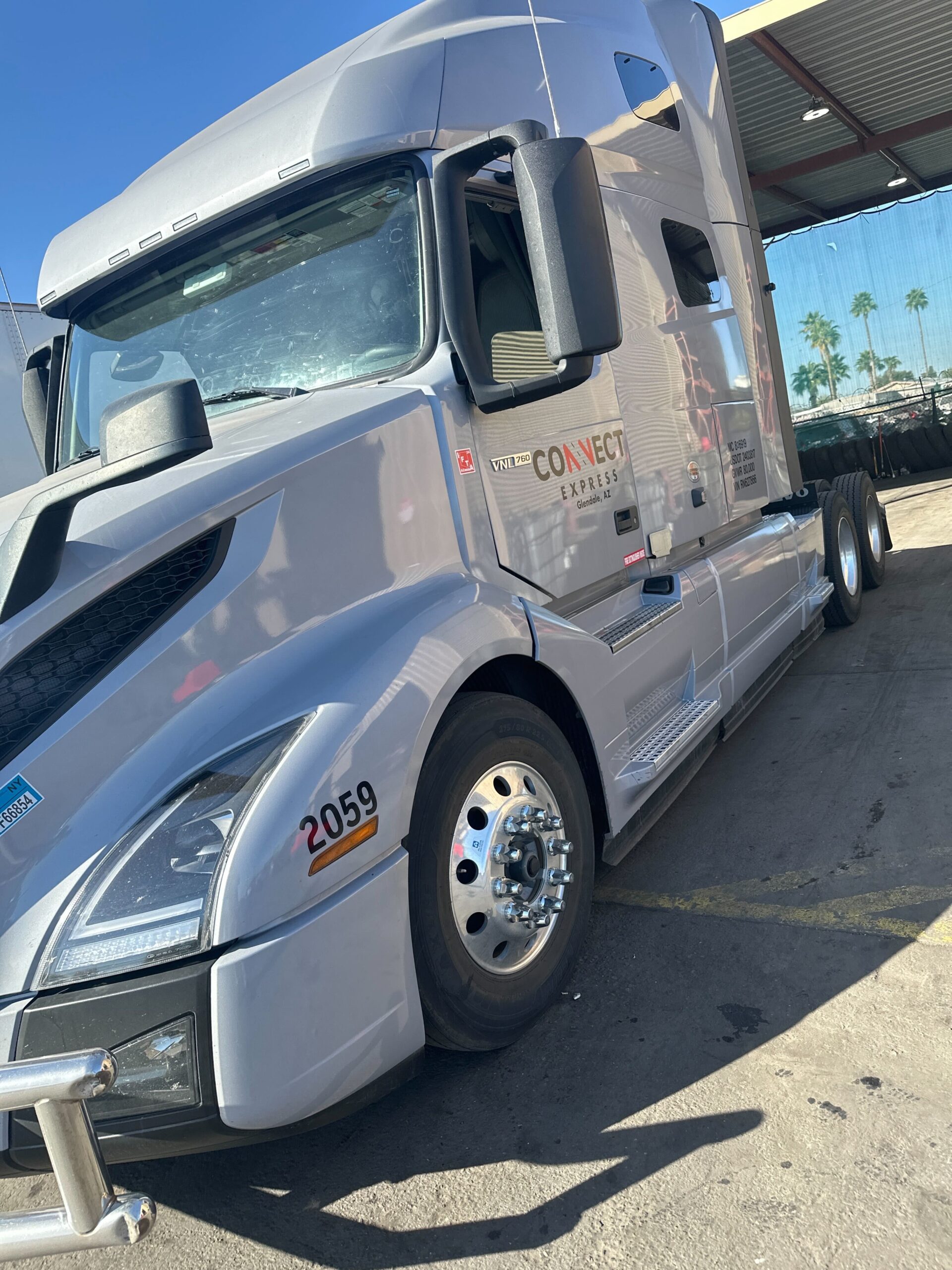
Maintaining Your Vehicle for Optimal Performance
What owner operator trucking opportunities really mean
A lot of people hear the term and think only about driver recruiting. That is too narrow. Owner operator trucking opportunities affect capacity planning, service consistency, and how fast a carrier can cover changing freight needs.
For a shipper, an owner operator opportunity means access to equipment and drivers that can move when needed without waiting for a large asset pool to free up. That matters on regional runs, dedicated lanes, last-minute recoveries, and freight that needs a driver who takes the truck personally.
For the driver, it means more than just getting dispatched. A good opportunity gives them lanes that make sense, freight that matches the trailer, realistic appointment windows, and support when a receiver runs late or a shipper changes details. If those basics are missing, the opportunity is not much of an opportunity.
Why shippers look at owner operator trucking opportunities
Freight managers usually care about the same few things. Will the truck show up. Will the load stay on schedule. Will someone answer the phone when there is a delay. Owner operators can be a strong fit because they often run with more direct accountability. The person driving the truck is the person protecting the equipment, managing hours, watching the load, and making the delivery.
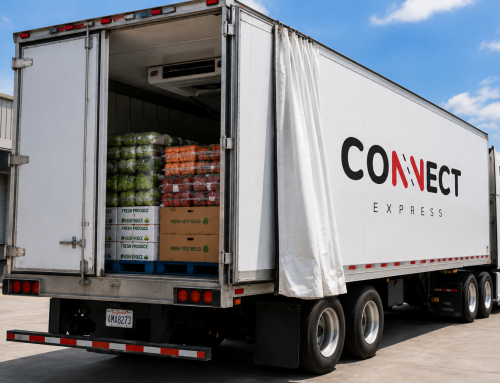
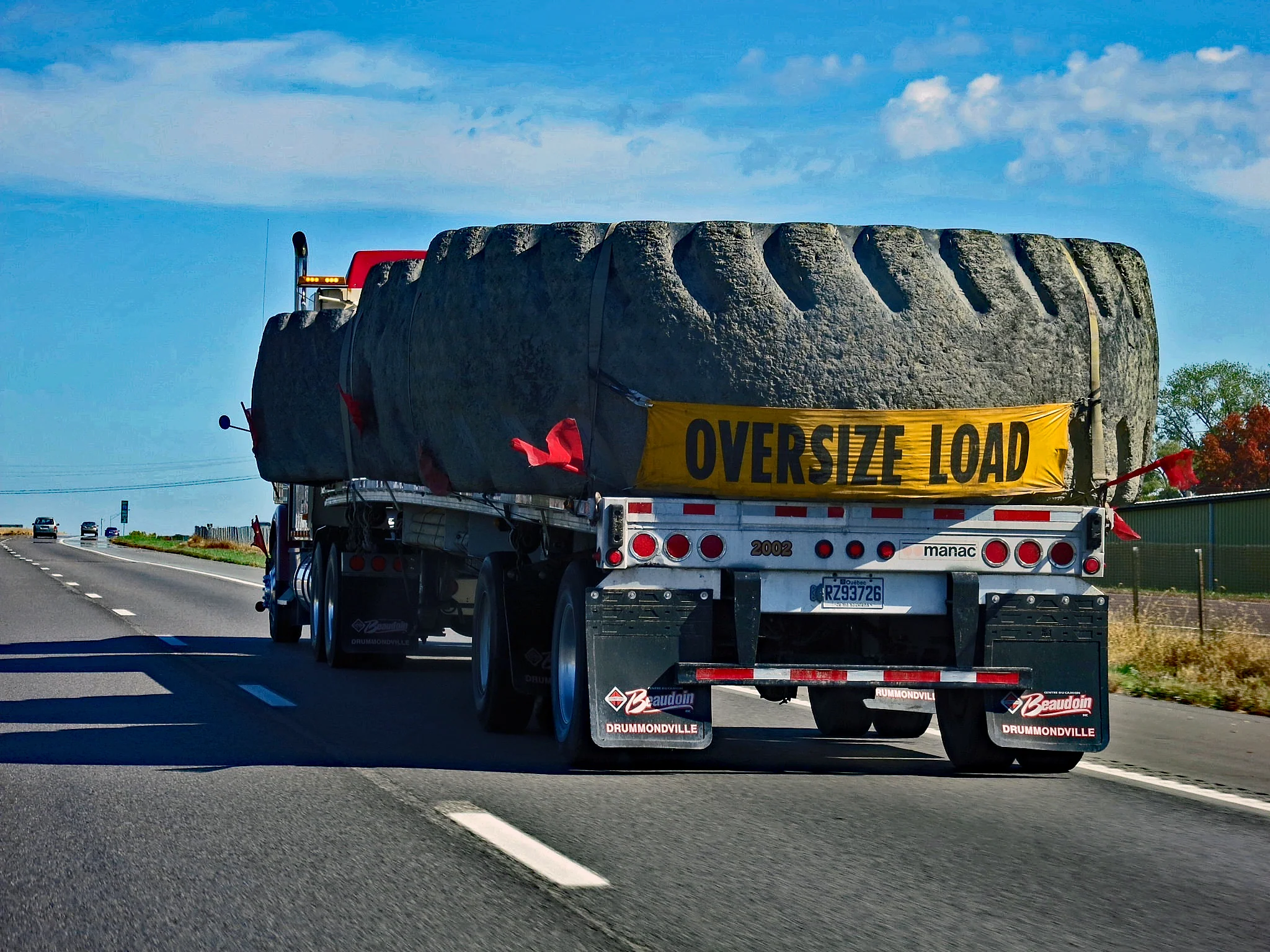
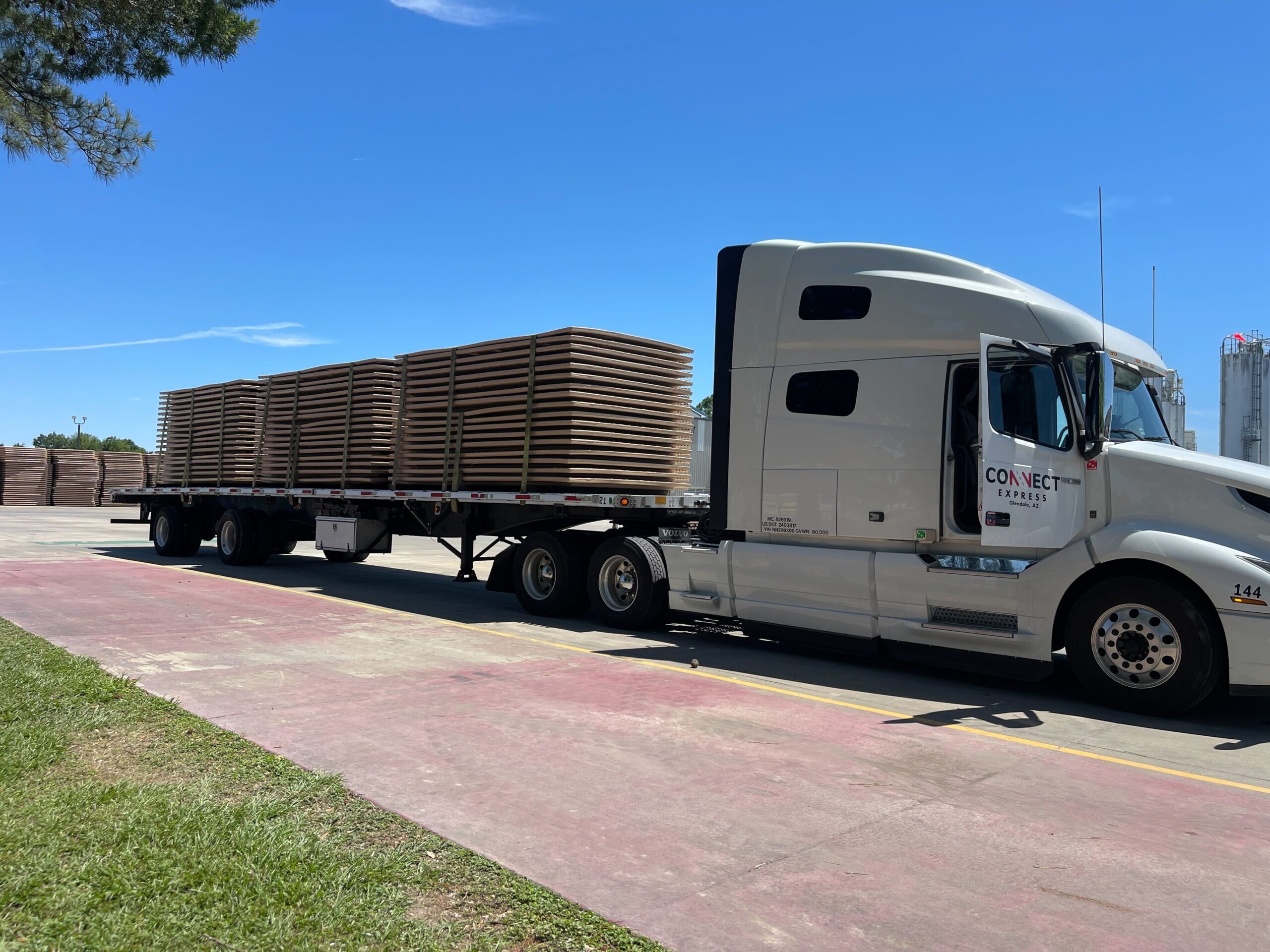
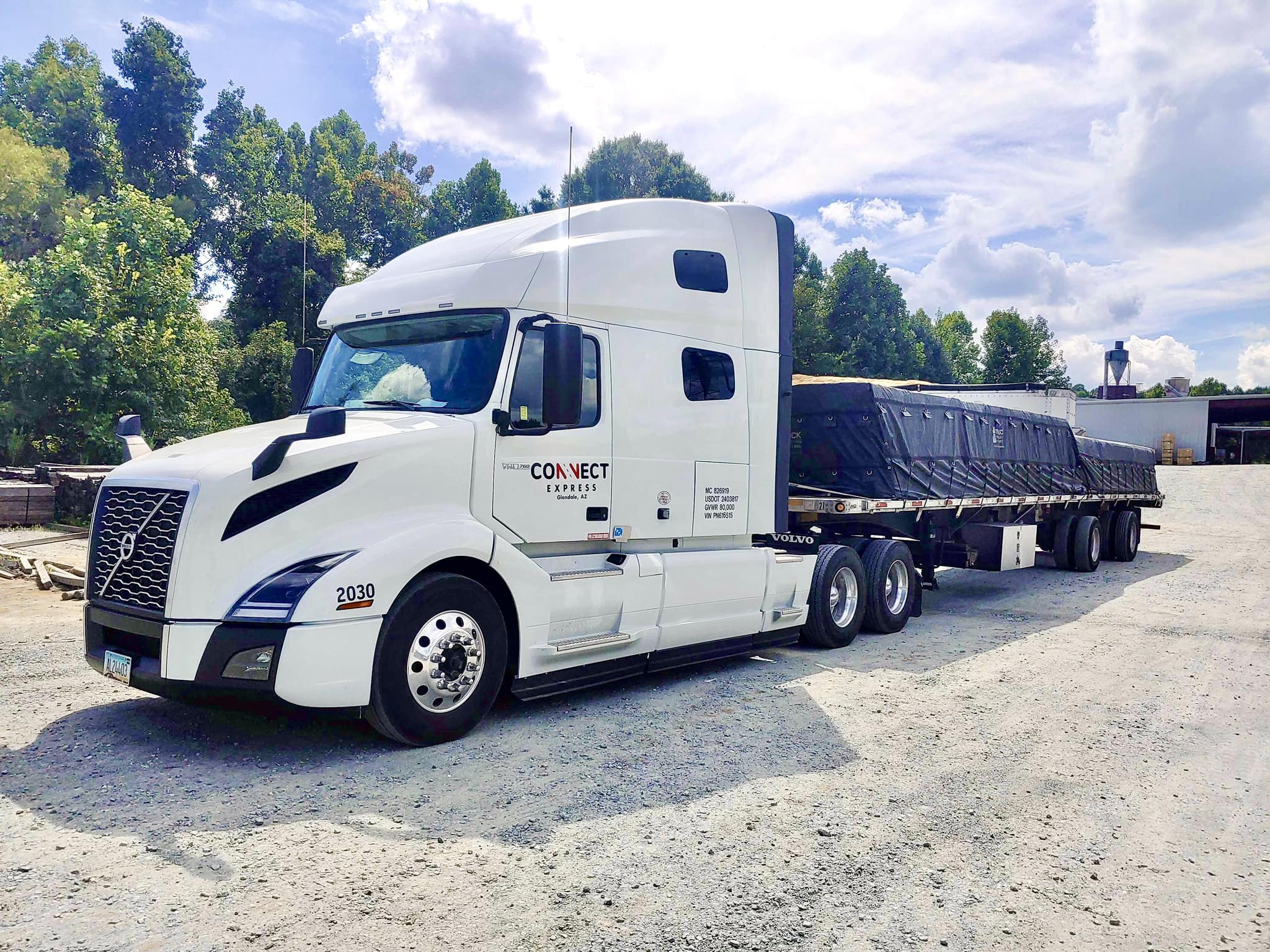
That does not mean every owner operator is the right fit for every shipment. It depends on the freight and the expectations around it. A dry van load with a fixed pickup and delivery may be simple to cover with the right truck. Reefer freight adds temperature control, timing pressure, and less room for mistakes. Flatbed and oversized freight add securement, route planning, permits, and more exposure to delays.
When shippers use owner operators well, they usually do it in situations where consistency matters more than volume. Dedicated freight lanes are the best example. If the same product moves on the same schedule every week, an owner operator who knows the lane, the shipper staff, the receiver rules, and the timing can outperform a rotating group of unfamiliar trucks.
Where owner operators fit best
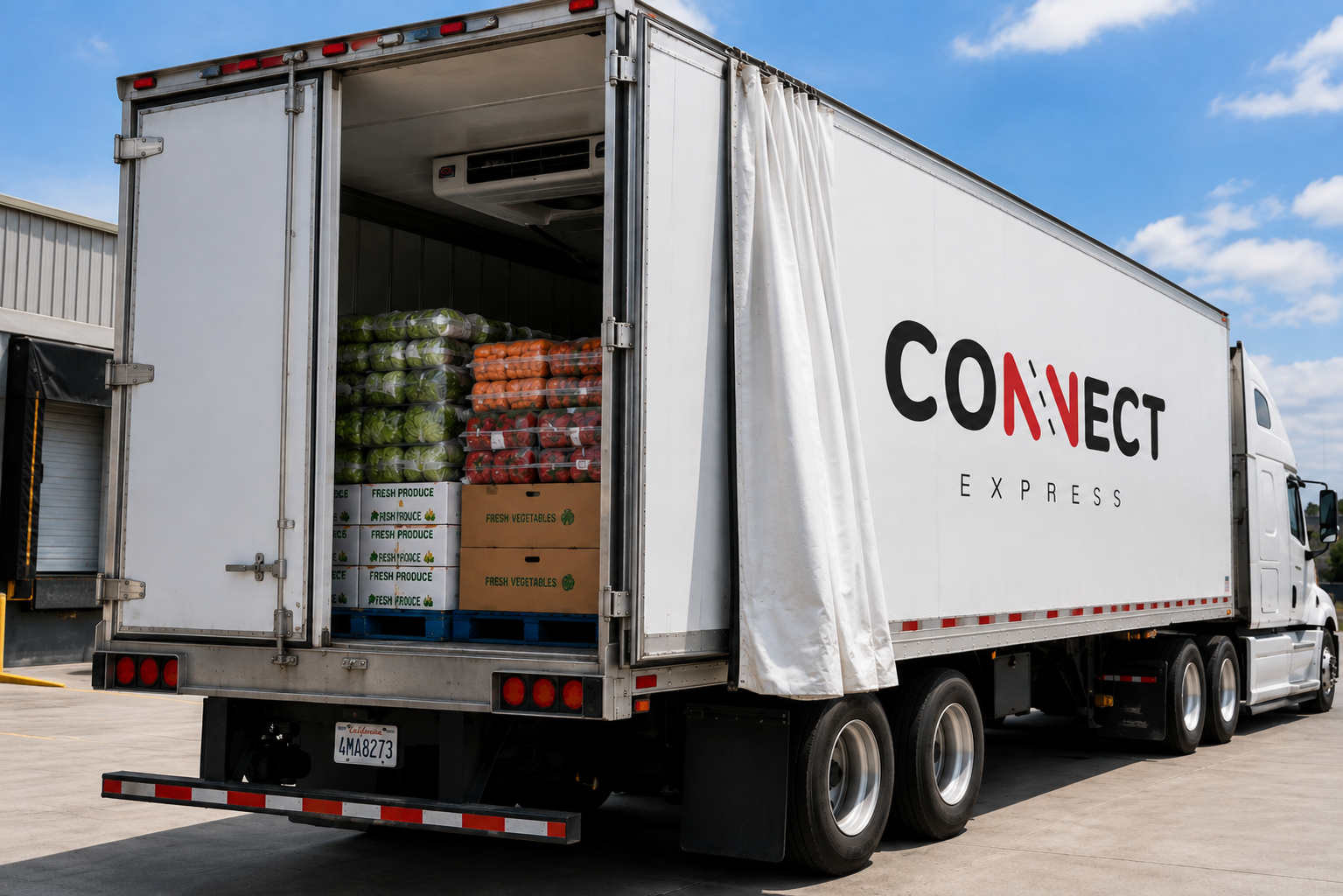
Some freight moves better with a stable owner operator model than others. Dedicated freight is one. Regional dry van freight is another, especially when the shipper wants fewer handoffs and better communication. Reefer can also be a strong match when the driver knows how to protect temperature-sensitive product and stay ahead of appointment issues.
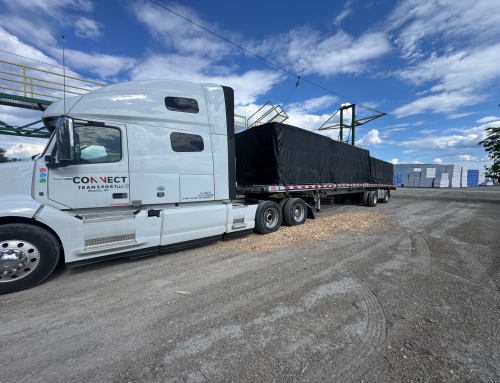
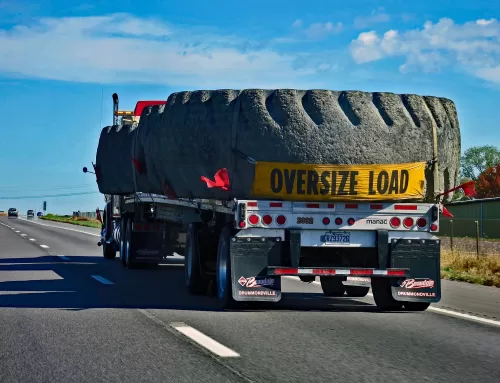
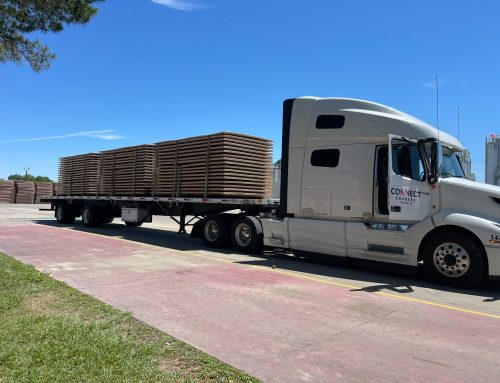
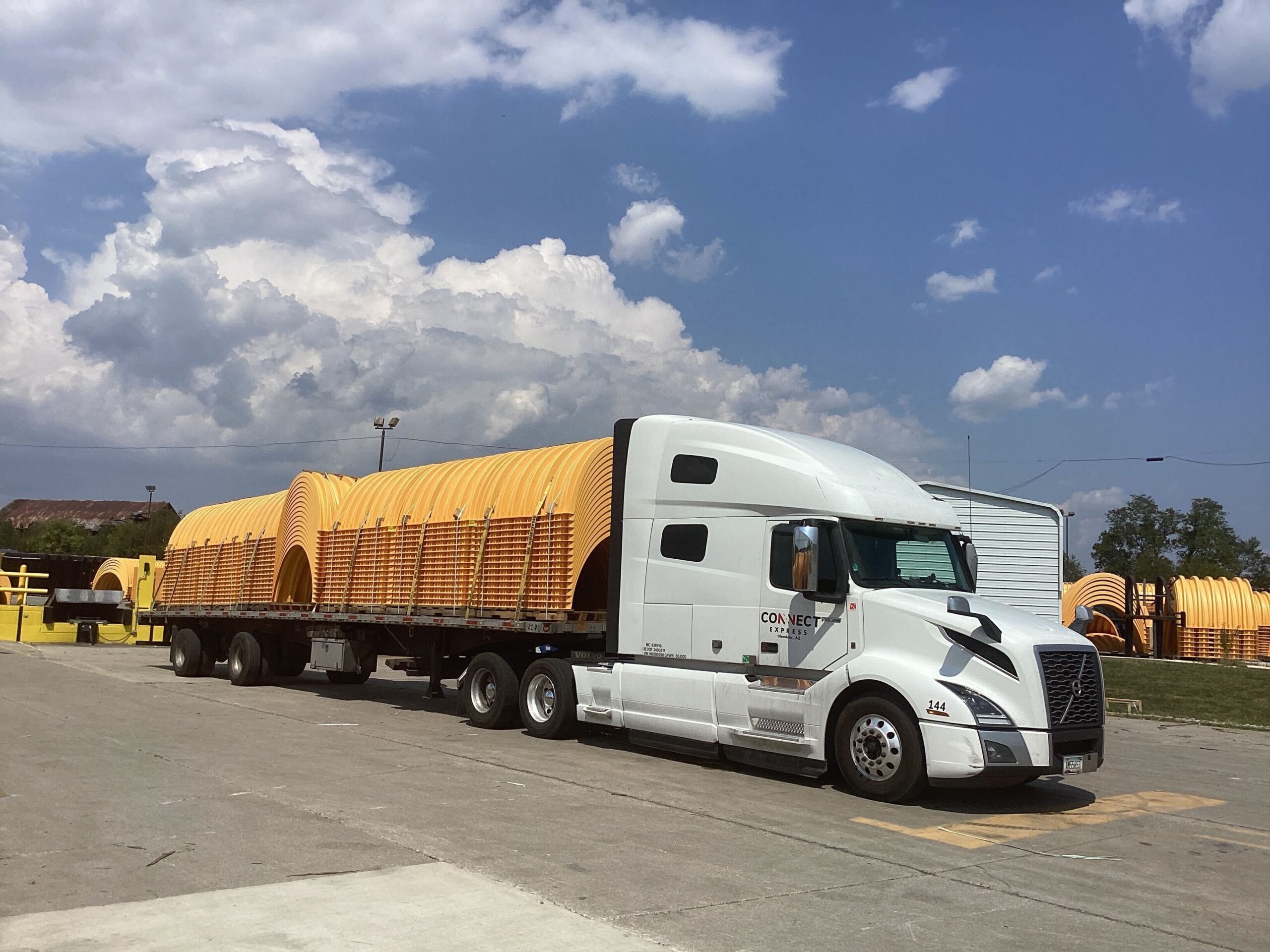
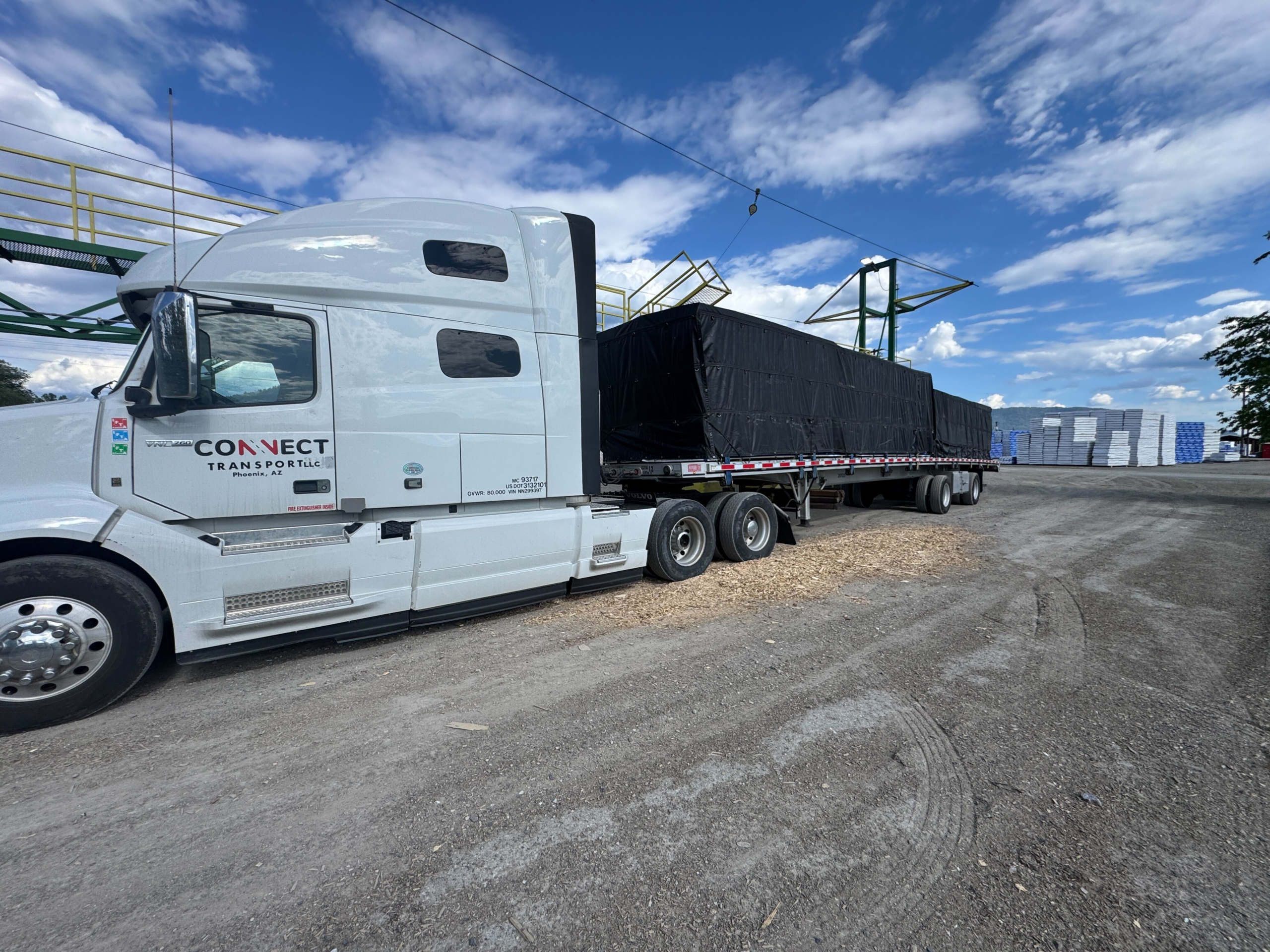
Flatbed and oversized work can be a very good fit too, but only when the operator has the right equipment and knows the job. This is not freight you hand to someone who is learning as they go. Securement mistakes, permit errors, and route problems create real exposure.
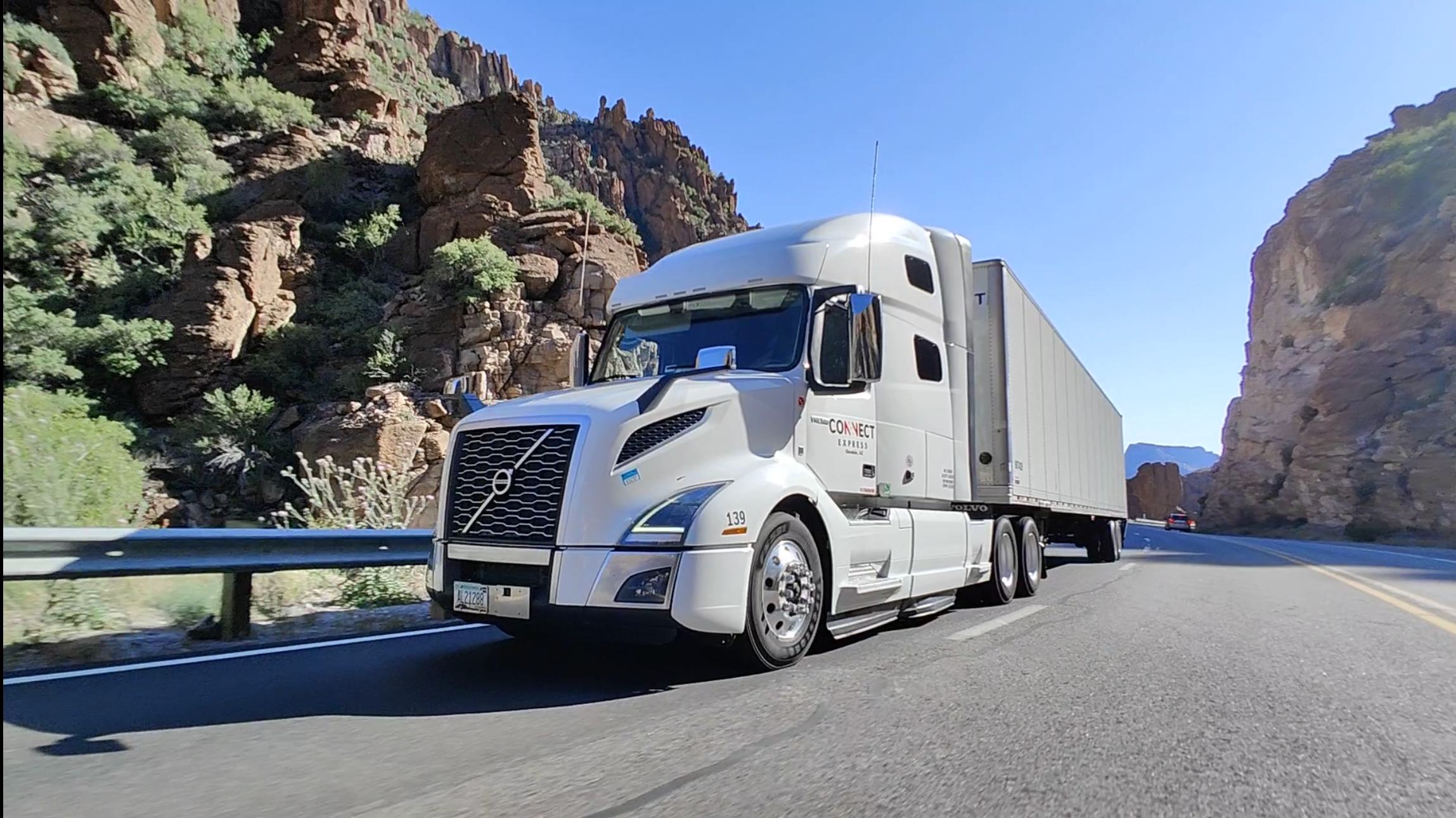
A Phoenix, Arizona carrier working the Southwest may see this every week. Freight between Arizona, California, Nevada, New Mexico, Texas, Utah, and Colorado often needs flexible capacity, but it also needs people who understand the lane. Weather, desert heat, mountain routes, loading delays, and receiver restrictions all change how a load should be planned.
What separates a real opportunity from a bad setup
This is where a lot of operations go wrong. They talk about capacity, but they do not support it. They bring on owner operators, then feed them inconsistent freight, weak communication, and impossible appointment schedules. That hurts the driver and the customer at the same time.
A real opportunity starts with lane fit. If the freight does not match the trailer type or service area, problems start early. It also needs dispatch discipline. Pickup numbers, dock times, commodity details, temperature instructions, securement requirements, and delivery contacts need to be correct before the truck rolls.
Communication matters just as much. Good operators do not leave shippers guessing where the load is. Good carriers do not leave drivers guessing what happens if detention starts stacking up at the receiver. Everyone needs real updates, not vague promises.
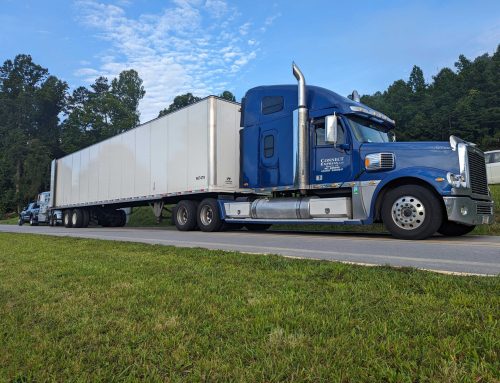
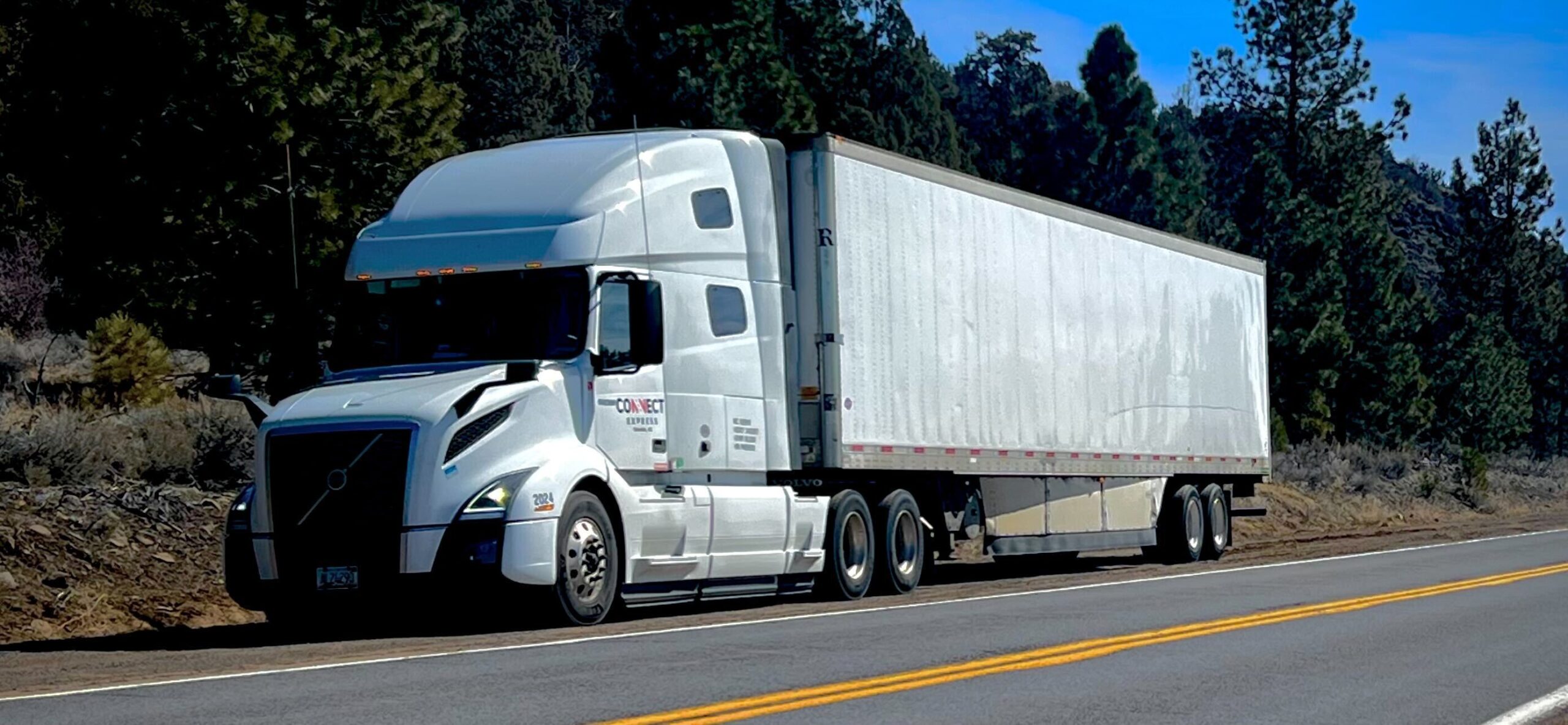
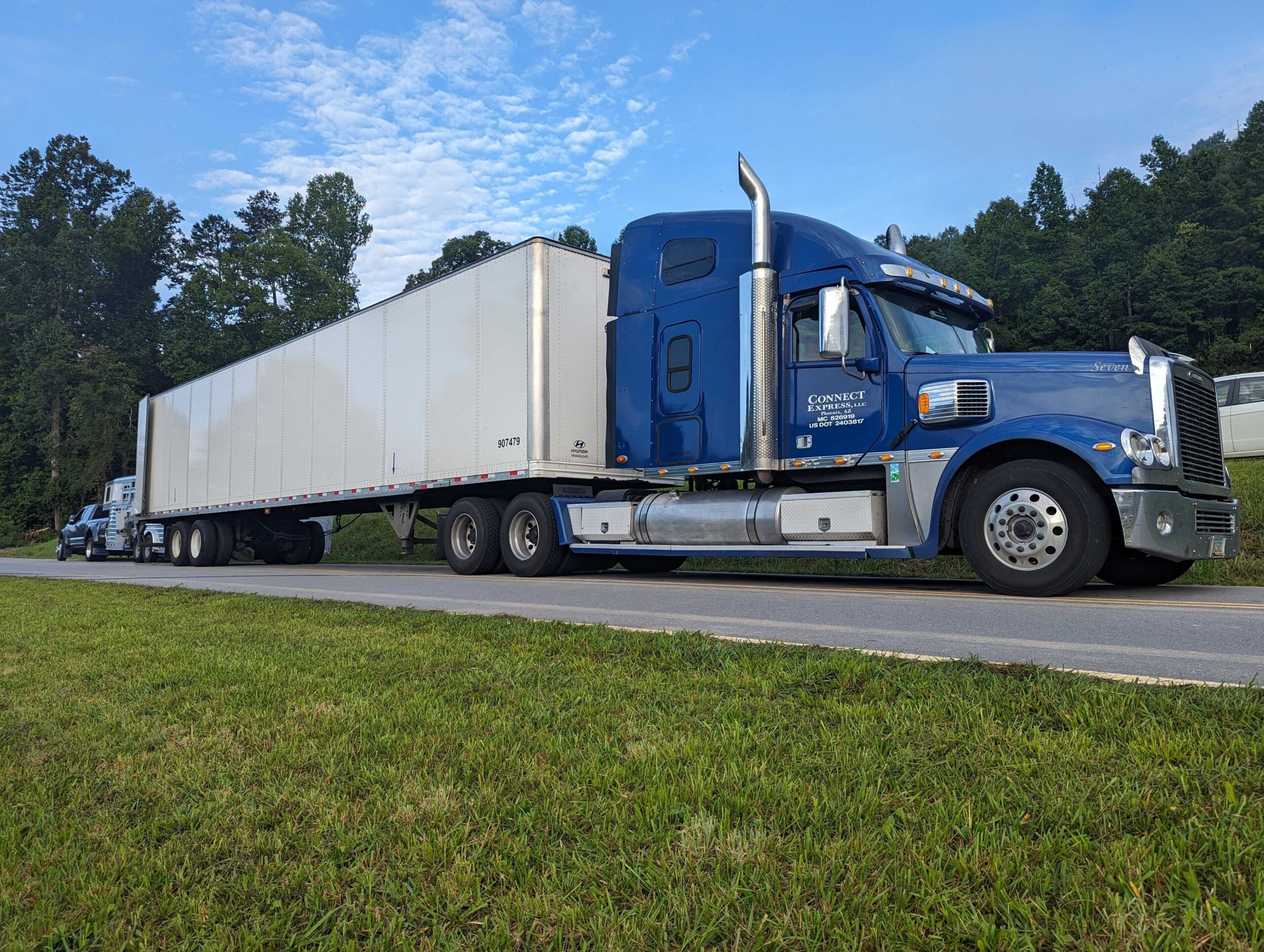
The equipment side matters too. Dry vans need to be clean and load-ready. We hold our own dry van trailers to that standard. Reefers need to hold temperature and be maintained. Flatbeds need the right securement gear. Oversized hauling needs planning, paperwork, and attention to detail. If the truck is not ready, the opportunity is already compromised.
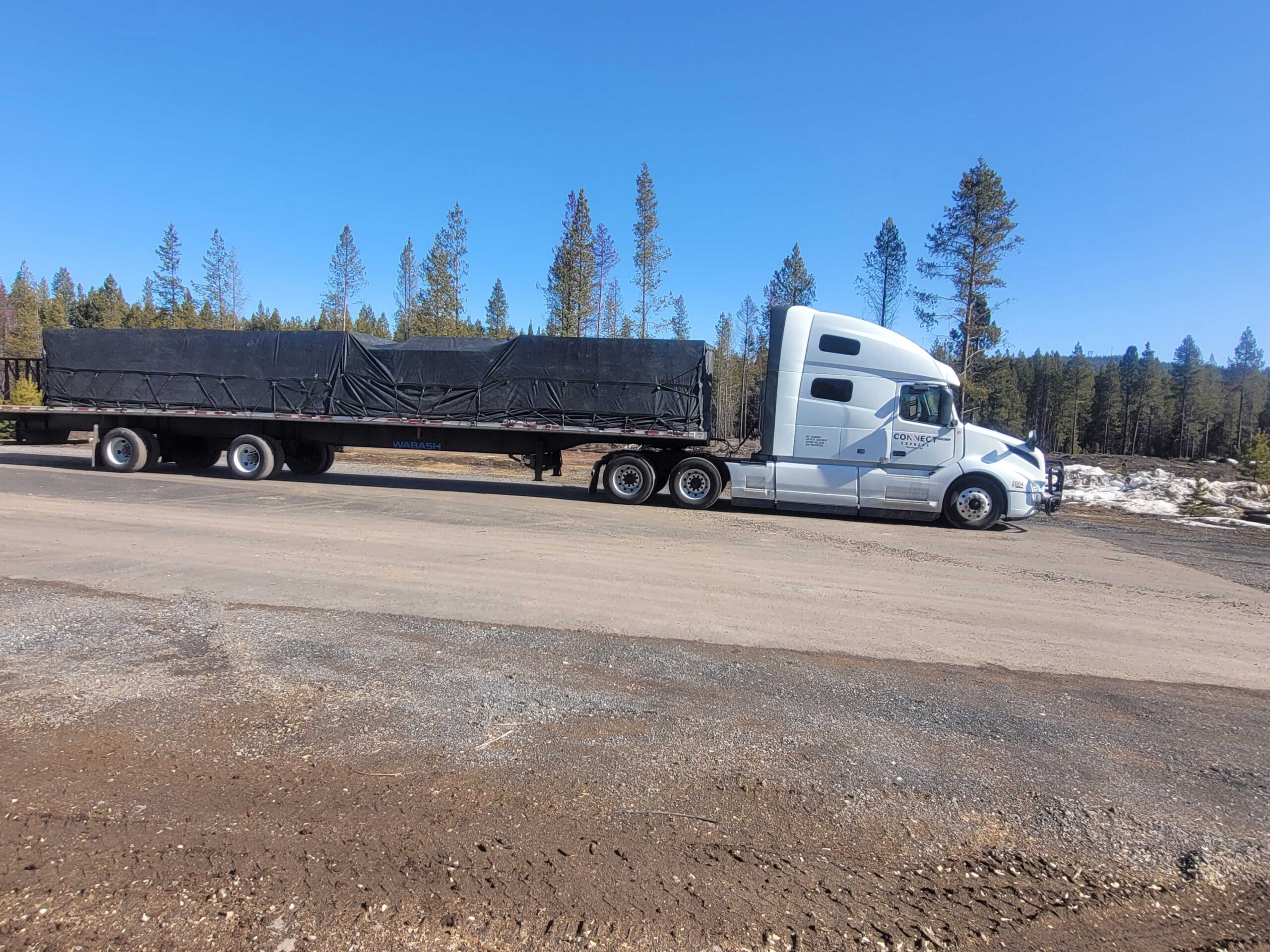
How shippers should evaluate owner operator capacity
If you are a freight manager or logistics coordinator, do not stop at asking whether a carrier uses owner operators. Ask how those trucks are managed. The answer tells you more than the label does.
You want to know if the carrier controls dispatch directly, how updates are handled, and whether the drivers run lanes they know. You also want to know whether the equipment fits your freight profile. A dry van shipper has different needs than a food-grade reefer shipper or a manufacturer moving open-deck freight.
The best sign is usually operational clarity. Clear appointment handling. Clear escalation when a pickup runs behind. Clear check calls. Clear expectations at delivery. If the carrier cannot explain those basics simply, service issues tend to show up later.
This is one reason asset-based fleets still matter. A company that operates real trucks and works directly with its drivers has more control over service than an operation that just passes freight around. That control shows up in smaller things – cleaner handoffs, fewer missed details, and faster answers when a load needs attention.
What owner operators should look for before committing
Drivers looking at owner operator trucking opportunities should be just as selective. The wrong freight mix can burn time, fuel, and hours without building anything stable.
Start with the lane. Is it repeatable. Does it get you into areas where reloads are realistic. Does the trailer type match what the carrier actually books well. A reefer owner operator should not rely on a company that only occasionally touches temperature-controlled freight. A flatbed operator needs freight that respects loading time, securement needs, and permit realities.
Then look at communication. If dispatch is hard to reach before you sign on, it will not improve when a shipper changes the appointment at 4:30 in the afternoon. You need direct answers, clean load information, and realistic planning.
The other part is customer quality. Steady freight comes from customers who load on time, communicate clearly, and do not create constant preventable delays. Good carriers protect their owner operators by working with shippers that respect the schedule and understand what it takes to move freight safely.
Why the best opportunities are built on execution
The trucking business gets overcomplicated by people who do not move freight themselves. Most of the value is still basic. Show up on time. Load correctly. Secure the freight. Keep the temperature where it needs to be. Give updates. Deliver without drama.
That is why owner operator opportunities can work so well when the operation is disciplined. There is pride of ownership in the truck, but that alone is not enough. The support system has to be there too. Dispatch has to stay ahead of problems. Customers have to get real information. Drivers have to know the plan.
When that happens, everyone benefits. Shippers get dependable capacity. Brokers get coverage they can trust. Drivers get freight that makes sense instead of random one-off loads with no structure behind them.
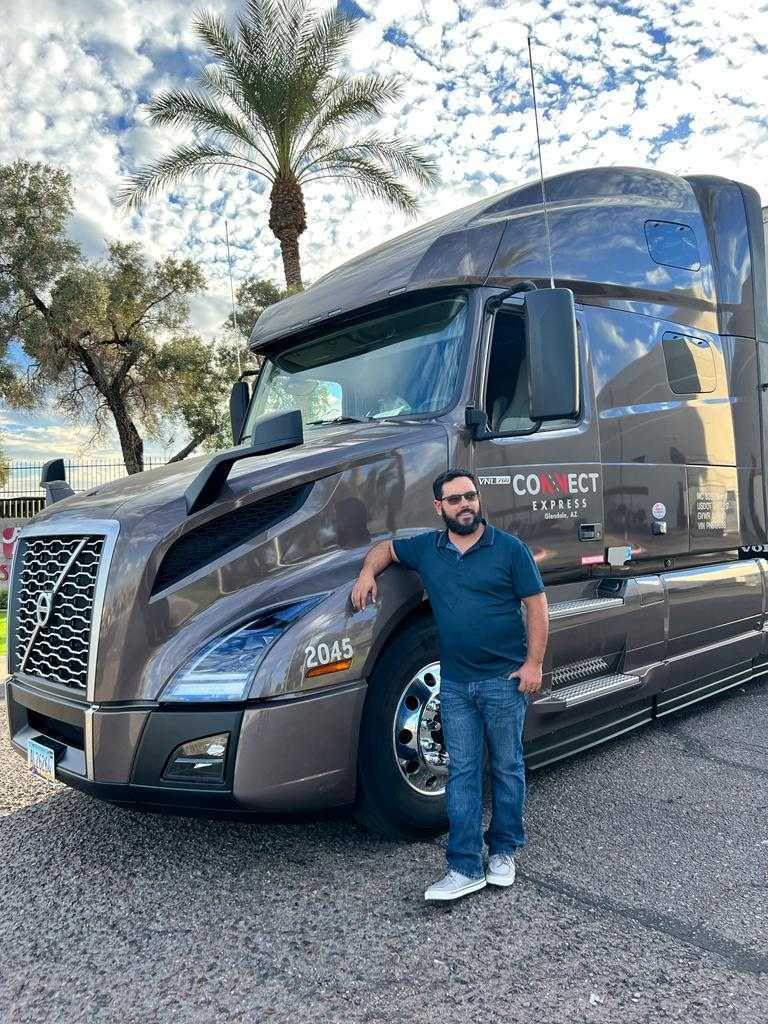
ConnectExpress LLC operates from Phoenix with that same mindset. Real trucks. Real communication. No guessing where the load is. Whether the freight is dry van, reefer, flatbed, or a dedicated lane, the work only counts if it is executed cleanly.
If you are looking at owner operator trucking opportunities, do not chase volume first. Chase consistency. The loads that keep moving without surprises are the ones that build long-term business.