
Comparing Last Mile Delivery Services and Traditional Shipping
Table Of Contents:
- Last Mile Delivery Services vs. Traditional Shipping Methods
- Key Takeaways
- Evaluate Key Differences Between Last Mile and Traditional Shipping
- Identify Challenges in Last Mile Delivery Compared to Traditional Methods
- Discuss Benefits of Last Mile Delivery Over Traditional Shipping Options
- Review Technology Trends Shaping Last Mile Delivery Services
- Explore Customer Expectations in Last Mile Delivery Today
- Predict Future Developments in Last Mile Delivery Against Traditional Shipping
- Frequently Asked Questions
- Final Thoughts
Last Mile Delivery Services vs. Traditional Shipping Methods
In today’s competitive logistics landscape, businesses are increasingly evaluating their shipping options to optimize customer satisfaction and operational efficiency. Last mile delivery services have emerged as a paramount solution for timely and flexible transport of goods, offering unique benefits compared to traditional shipping methods. This article examines key differences between these two modalities, explores challenges and benefits, and highlights how technology trends and customer expectations are shaping the future of delivery. The focus is on helping businesses enhance their order fulfillment while controlling costs and ensuring sustainability.
Key Takeaways
- Last mile delivery services emphasize speed, customer-centricity, and real-time updates.
- Traditional shipping methods often excel in scalability for inter-regional transport.
- Challenges such as infrastructure limitations and labor shortages affect last mile operations.
- Technological advancements and innovative partnerships are driving improvements in both approaches.
- Future developments will hinge on regulatory changes and evolving consumer behaviors.
Evaluate Key Differences Between Last Mile and Traditional Shipping
The first step in understanding the logistics landscape is evaluating the key differences between last mile and traditional shipping. Last mile delivery services focus on the final leg of the shipping process, where speed and flexibility are paramount. In contrast, traditional shipping methods are optimized for long-haul transport and scalability. This section analyzes several aspects that differentiate these two methods.
Analyze Delivery Speed Variations in Last Mile Versus Traditional Services
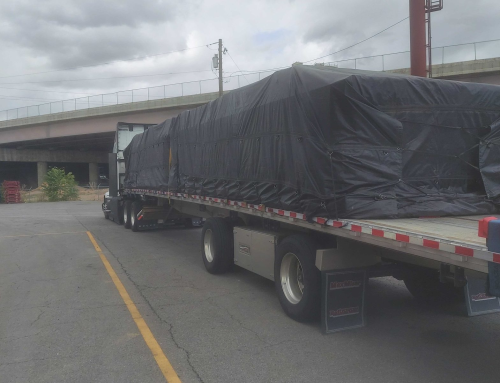
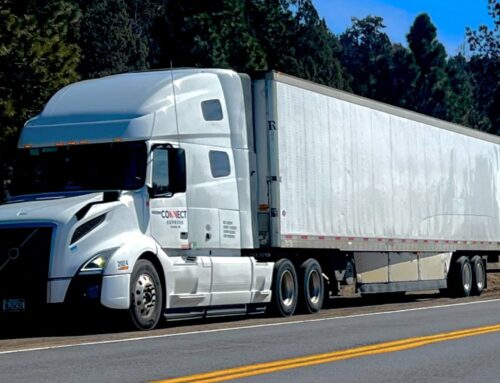
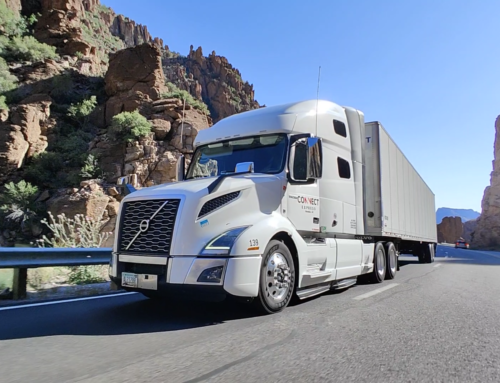
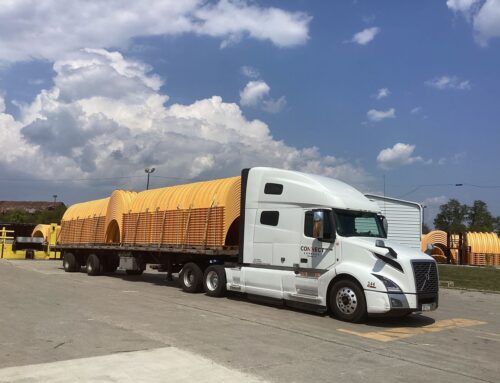
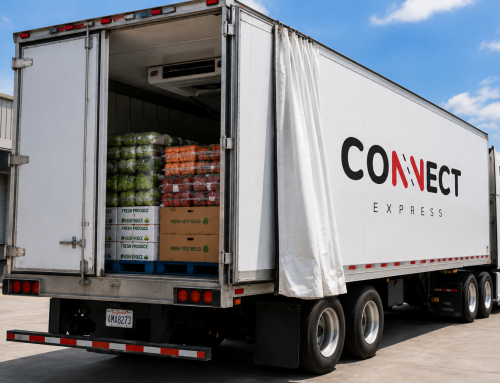
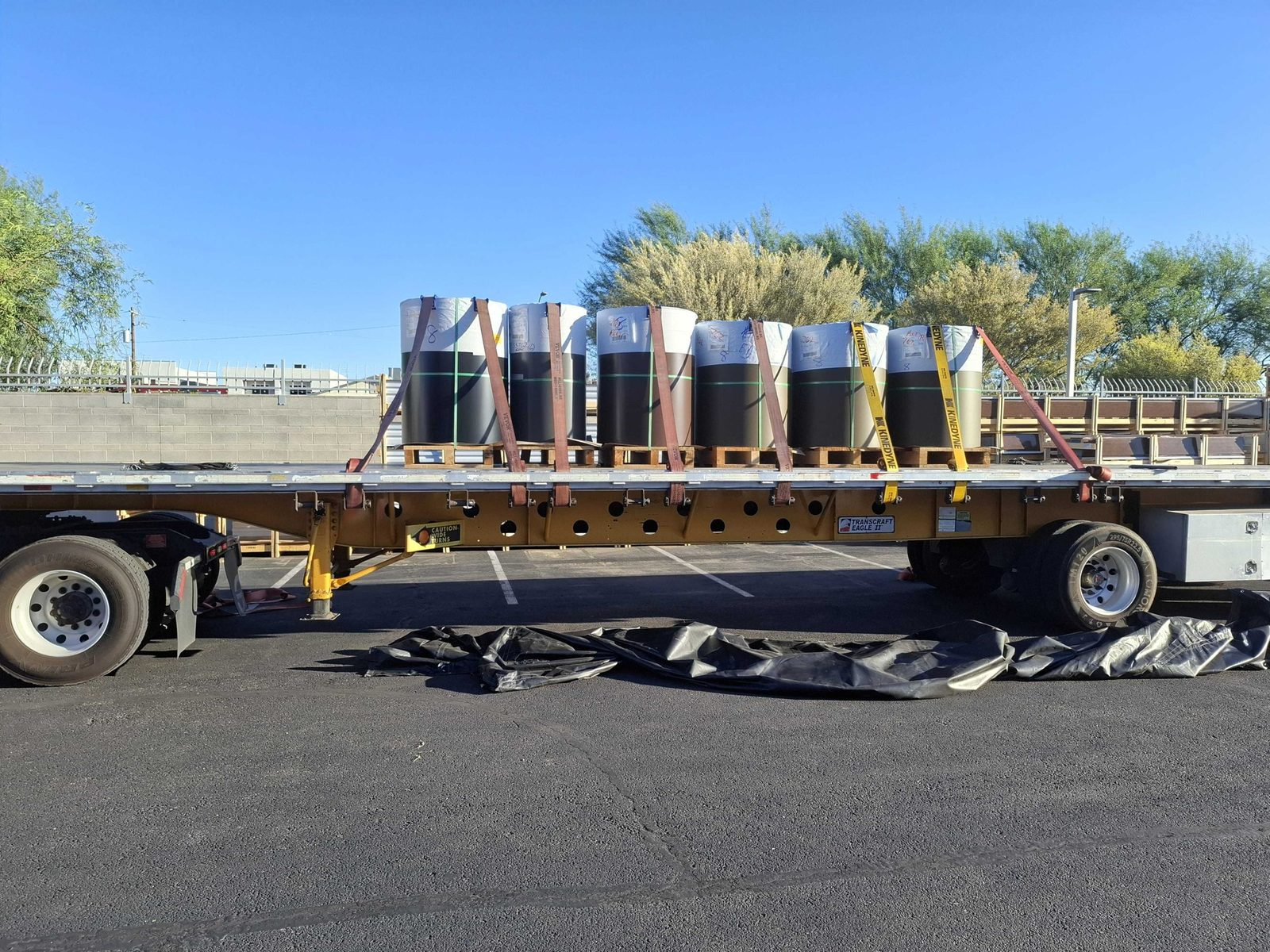
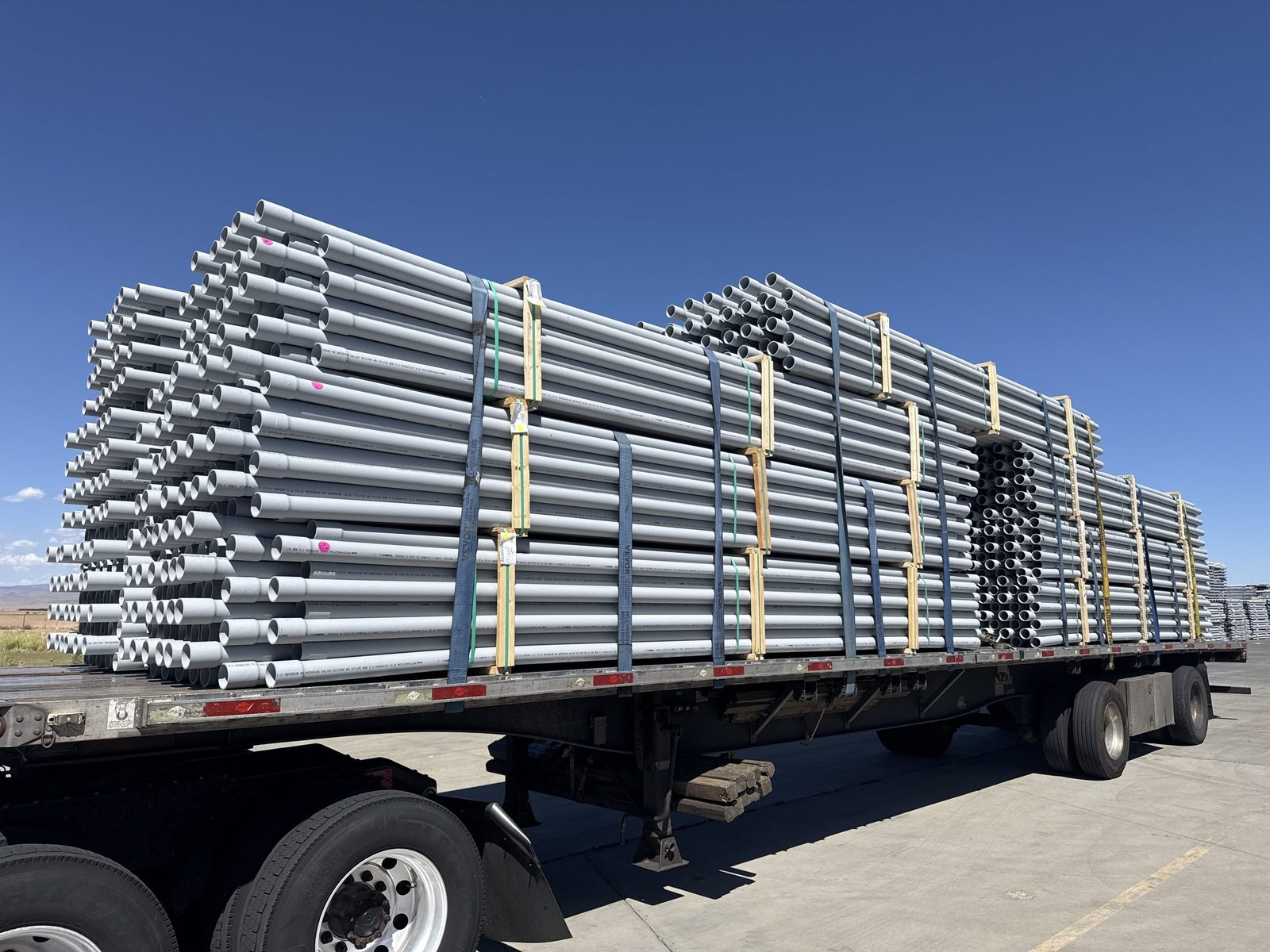
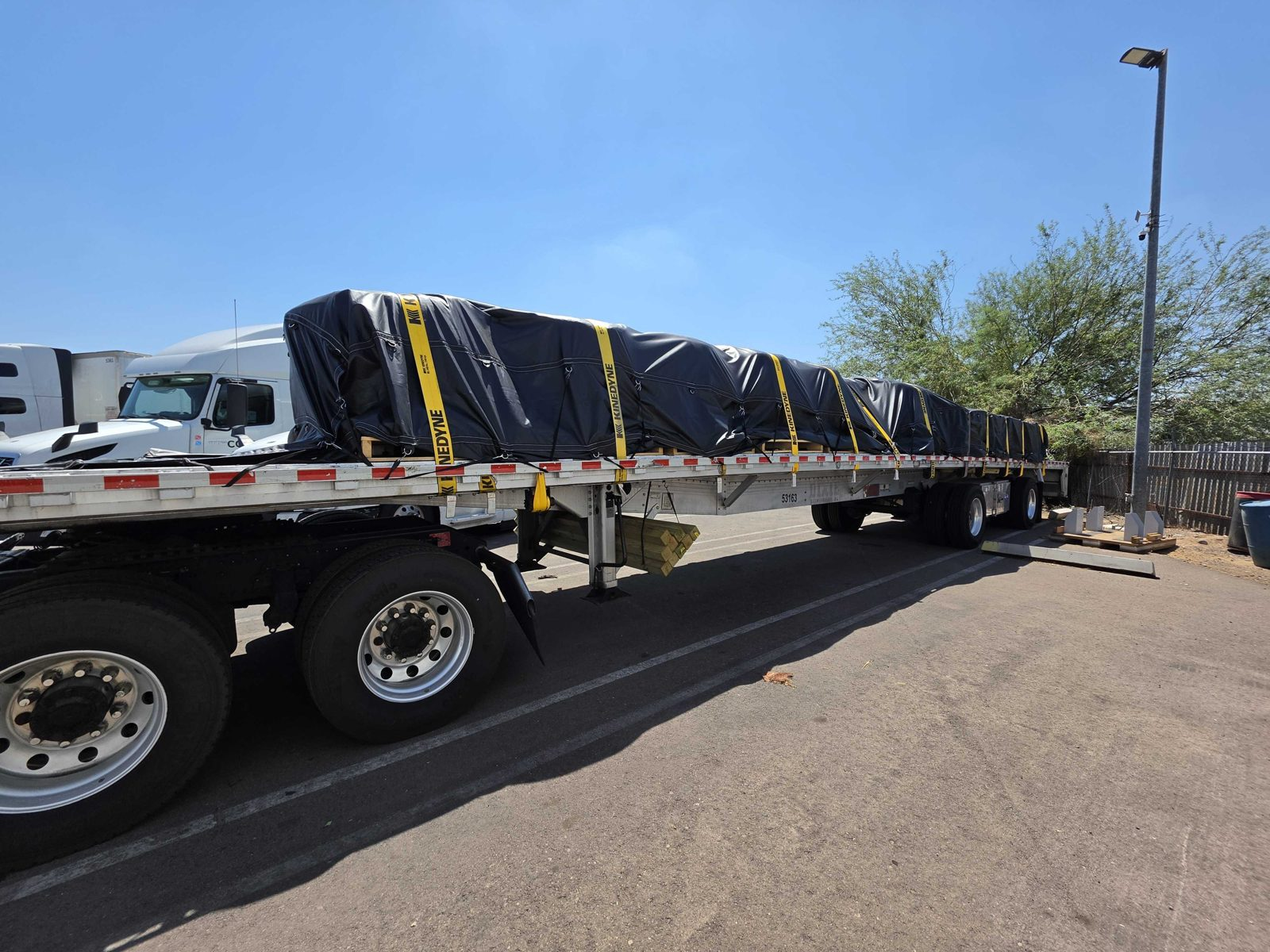
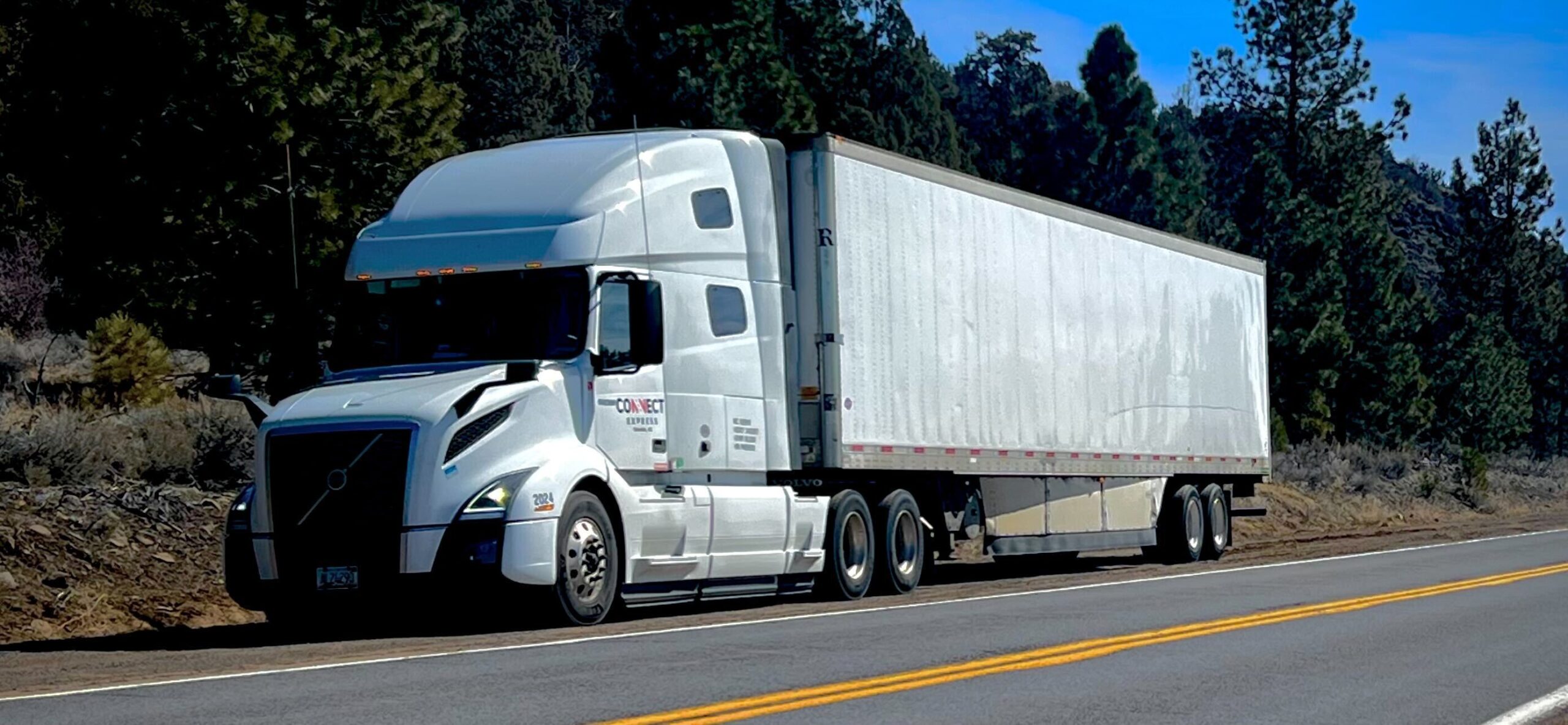
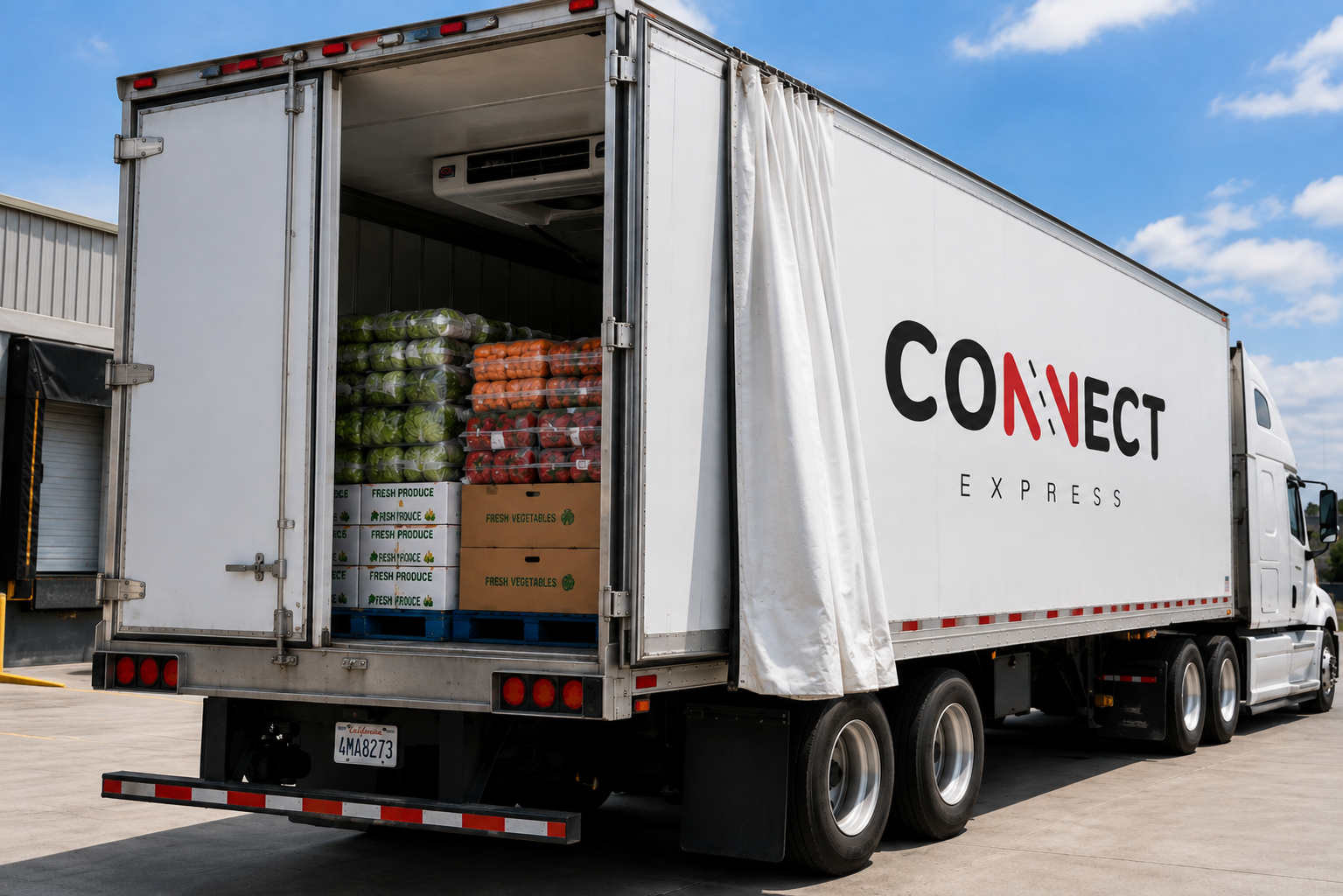
Last mile deliveries typically operate on a much faster schedule compared to traditional shipping methods. While traditional shipping can span several days depending on distance and transit hubs, last mile services promise same-day or next-day delivery. This acceleration is due to the use of localized distribution centers, advanced route optimization software, and mobile app integrations. Businesses benefit from improved customer satisfaction because the delivery time is heavily reduced, often resulting in quicker replenishment of sold-out goods and faster turnaround for urgent deliveries. Traditional freight lanes, by contrast, usually rely on dry van trucking to move larger volumes between hubs.
Assess Package Tracking Capabilities and Real-Time Updates
One significant difference is the technology used for package tracking. Last mile delivery services invest heavily in real-time tracking and GPS-enabled devices, offering detailed updates from warehouse departure to doorstep arrival. In contrast, traditional shipping methods often have less granular tracking, as they focus more on the overall transit rather than step-by-step updates. Real-time communication and proof-of-delivery systems give customers clarity on when to expect their orders, leading to enhanced transparency and trust.
Compare Delivery Costs in Last Mile and Conventional Shipping
Cost structures between last mile and traditional shipping vary greatly. The sophisticated technology and labor-intensive nature of last mile services can occasionally lead to higher per-package shipping costs. However, these costs can be offset by improved customer satisfaction and quicker order turnaround. Traditional shipping methods benefit from economies of scale and bulk transport, reducing unit costs over longer distances. The balance between efficiency and cost is a critical factor for businesses when selecting the appropriate shipping method for different types of orders.
Investigate Customer Satisfaction and Feedback for Both Methods
Customer satisfaction has become the cornerstone for evaluating shipping methods. Businesses that utilize last mile delivery often receive positive feedback due to the convenience and speed of delivery. Surveys show that immediate update notifications and reliable estimated arrival times boost trust. Meanwhile, traditional shipping methods tend to receive mixed reviews, especially when delays occur. The ability to focus on last mile improvements is vital for any business aiming to enhance consumer loyalty and repeat purchases.
Examine the Environmental Impact of Last Mile Delivery Options
Environmental sustainability is another important factor. Last mile services, when executed using electric or hybrid delivery vehicles and optimized routing, can significantly reduce the carbon footprint on urban journeys. Traditional shipping, by contrast, may rely more on older fleets and longer routes, which can contribute to higher emissions. Companies are now exploring eco-friendly solutions, such as parcel lockers and consolidation models, that lessen environmental impact while maintaining efficiency.
Determine Reliability and Efficiency in Both Delivery Types
Reliability and efficiency remain critical metrics in any shipping decision. Last mile delivery services offer high reliability due to real-time analytics, automated dispatch, and dynamic rerouting capabilities. However, challenges such as traffic congestion and unpredictable urban environments can sometimes hamper these benefits. Traditional shipping methods, employing well-established logistics networks, ensure consistency over long distances but may lack the agility needed for immediate customer demands. Evaluating these differences helps businesses decide which method aligns best with their operational goals and customer expectations.
Identify Challenges in Last Mile Delivery Compared to Traditional Methods
Despite its innovative nature, last mile delivery faces distinct challenges that are less prevalent in traditional shipping. Infrastructure limitations in densely populated urban areas, labor shortages for local delivery personnel, and higher operational costs due to technology investments are prime obstacles.
Review Infrastructure Limitations Affecting Last Mile Logistics
Urban and suburban infrastructure can be a limiting factor for last mile delivery. Narrow streets, limited loading zones, and parking constraints all contribute to delays. This requires companies to adopt creative solutions such as micro-distribution centers or consolidated drop-off points to overcome these issues.
Discuss Labor Shortages Impacting Last Mile Delivery Services
Labor shortages are an ongoing challenge for last mile services. The need for skilled drivers and efficient customer service personnel has intensified with the rise in e-commerce. Without adequate staffing, delivery times may suffer, directly impacting customer satisfaction. Companies are now exploring automation and gig-economy models to bridge this gap.
Consider Traffic Congestion Effects on Delivery Times
Traffic congestion remains a significant hurdle, especially in metropolitan areas. Heavy traffic can extend delivery windows, reduce fuel efficiency, and increase overall operational costs. Advanced route planning with predictive analytics is being introduced to mitigate these delays, but real-time conditions still play a disruptive role during peak hours.
Highlight Technology Integration Issues in Last Mile Operations
Integrating different technological platforms poses another challenge. While last mile delivery thrives on mobile apps and real-time tracking systems, compatibility issues between legacy systems and new technologies can affect information flow. This sometimes leads to delays in updating delivery statuses or inaccurate estimated times of arrival.
Explore Regulatory Challenges Unique to Last Mile Deliveries
Lastly, regulatory challenges specific to urban delivery, such as restrictions on commercial vehicle operations in certain zones, pose risks. Compliance with local ordinances and environmental standards requires continuous adaptation and investment. Overcoming these hurdles requires collaboration between logistical companies, municipal authorities, and technology providers.
Discuss Benefits of Last Mile Delivery Over Traditional Shipping Options
Despite these challenges, last mile delivery offers numerous benefits over traditional shipping options.
Emphasize Convenience and Customer-Centric Features in Last Mile
Last mile solutions are inherently customer-centric. They provide flexible delivery windows, options for in-home delivery, and digital communication channels that enhance convenience. These features are particularly valuable for time-sensitive orders and perishable goods.
Highlight Flexibility in Delivery Times Offered by Last Mile Services
Flexibility in scheduling stands out as a key benefit. Customers can choose delivery times that suit their routines, and businesses can implement dynamic scheduling algorithms to redistribute loads during peak times. This leads to more predictable and reliable service.
Present Innovative Solutions Improving Last Mile Efficiency
Innovative measures, such as the use of parcel lockers, electric vehicles, and autonomous delivery robots, are rapidly advancing last mile operations. These solutions not only enhance delivery speed but also contribute to environmental sustainability and cost efficiency.
Showcase Partnerships Enhancing Last Mile Delivery Networks
Strategic partnerships between logistics providers and local businesses further streamline delivery networks. Collaborative efforts enable companies to share resources, reduce delivery times, and build a robust network for efficient distribution.
Analyze Cost Advantages for Small Businesses Using Last Mile
For small businesses, last mile delivery can be a game-changer. The ability to offer rapid delivery without investing heavily in infrastructure provides a competitive edge. Although initial costs may be higher, the subsequent boost in customer loyalty and sales typically justifies the investment.
Review Technology Trends Shaping Last Mile Delivery Services
Technology remains at the forefront of enhancing last mile delivery services.
Investigate Impact of Automation on Last Mile Logistics
Automation is revolutionizing last mile logistics by reducing manual processes and enhancing efficiency. Robotic sorting systems and autonomous vehicles are being experimented with, accelerating delivery times while minimizing errors. Such innovations are paving the way for more reliable and streamlined operations.
Discuss the Role of Mobile Apps in Enhancing Customer Experience
Mobile applications allow customers to track their deliveries in real time, receive instant updates, and interact directly with delivery personnel. These apps consolidate logistics data and offer a user-friendly interface that significantly improves transparency and communication.
Explore Route Optimization Software for Faster Deliveries
Route optimization software leverages real-time traffic data and predictive analytics to chart the most efficient delivery paths. By dynamically adjusting routes based on congestion and weather conditions, businesses can reduce fuel costs and improve delivery accuracy, further distinguishing last mile services from traditional options.
Analyze How Data Analytics Improves Last Mile Efficiency
Data analytics enables logistic companies to review historical delivery data and optimize various operational facets. Through detailed analysis, businesses can identify bottlenecks, adjust delivery schedules, and forecast demand trends, translating into faster and more efficient last mile performance.
Examine the Rise of Drones and Autonomous Vehicles in Delivery
The emergence of drones and autonomous vehicles offers promising avenues for overcoming urban congestion and infrastructure limitations. These technologies not only accelerate delivery times but also reduce reliance on human labor, positioning last mile delivery as a more scalable and innovative option for the future.
Explore Customer Expectations in Last Mile Delivery Today
Customer expectations are evolving as businesses and consumers demand quicker, more transparent, and customizable delivery solutions.
Identify Key Features Customers Value in Last Mile Services
Customers typically value speed, reliability, and transparency in delivery services. Enhanced tracking solutions, flexible scheduling, and seamless communication channels are the primary features driving customer satisfaction. Meeting these expectations has become crucial for businesses to remain competitive.
Analyze Importance of Transparency in Delivery Processes
Transparency in the delivery process builds trust. Customers appreciate regular updates and accurate estimated arrival times. Real-time notifications and proof of delivery offer peace of mind, reducing the frustration often associated with delayed shipments and miscommunications.
Consider Customer Preferences for Delivery Time Options
Modern customers are increasingly seeking delivery options that align with their personal schedules. Whether it’s a specified time slot or the option for doorstep delivery, flexibility is key. This adaptability in service is one of the main reasons last mile delivery is preferred over traditional methods.
Discuss Communication Preferences During the Delivery Process
Effective communication—from order confirmation to final delivery—is a cornerstone for customer satisfaction. Customers expect clear, concise messages and the ability to contact support if issues arise. A streamlined communication strategy enhances the overall service experience.
Review Impact of Customer Reviews on Last Mile Service Selection
Customer reviews and feedback significantly influence service selection. Positive reviews reinforce the reliability of last mile delivery services, while negative experiences can deter potential users. Businesses must continuously monitor and adapt their services based on customer insights to maintain a robust market presence.
Predict Future Developments in Last Mile Delivery Against Traditional Shipping
Looking ahead, the evolution of last mile delivery services promises to radically alter supply chain dynamics. Upcoming technological advancements, such as expanded use of autonomous vehicles and further integration of AI-driven route optimization, are expected to improve efficiency dramatically.
Assess Upcoming Technological Advancements in Logistics
The continuous development of logistics technology, including blockchain for secure tracking and IoT devices for real-time data capture, is set to further refine last mile operations. These advancements will enable even more precise delivery metrics and faster turnaround times across urban landscapes.
Explore the Influence of E-Commerce Growth on Delivery Methods
The surge in e-commerce continues to drive demand for faster, more responsive delivery methods. As online shopping grows, last mile delivery is becoming increasingly vital for maintaining competitive advantage. Strategies focusing on local fulfillment centers and micro-distribution hubs are likely to gain momentum.
Discuss Potential Regulatory Changes Affecting Delivery Options
Future regulatory changes aimed at urban congestion reduction and environmental sustainability may impose stricter guidelines on delivery services. These changes could accelerate investments in greener technologies and drive additional innovations in last mile logistics.
Consider Evolving Consumer Behaviors and Their Impact
Consumer expectations are rapidly evolving, with a greater emphasis on immediacy, reliability, and customization. The demand for same-day and even hourly delivery options is prompting logistic providers to rethink their strategies and invest in futuristic technologies to meet these needs.
Highlight Collaboration Opportunities Between Delivery Providers
Enhanced collaboration between traditional shipping entities and last mile delivery providers is on the horizon. By sharing resources and integrating advanced technologies, both sectors can optimize efficiency, reduce costs, and better cater to shifting consumer demands.
Frequently Asked Questions
Q: What distinguishes last mile delivery from traditional shipping? A: Last mile delivery focuses on the final leg of the journey with an emphasis on speed and real-time tracking, while traditional shipping prioritizes cost-effective, long-haul transportation over broad distances.
Q: How do technology trends improve last mile delivery? A: Technological advancements like automation, mobile apps, and route optimization software enhance delivery speed, provide real-time updates, and improve overall accuracy in managing last mile logistics.
Q: What challenges are unique to last mile delivery? A: Unique challenges include urban infrastructure constraints, labor shortages, traffic congestion, and complex regulatory requirements, all of which require innovative solutions and robust technology integration.
Q: How does customer satisfaction compare in last mile versus traditional shipping? A: Last mile delivery typically offers higher customer satisfaction through faster deliveries, enhanced transparency via real-time tracking, and more flexible delivery options tailored to individual needs.
Q: What future developments will shape the delivery landscape? A: Future trends include autonomous vehicles, expanded use of drones, AI-driven logistics, and tighter regulatory standards, all of which are poised to further streamline and secure last mile delivery operations.
Final Thoughts
Last mile delivery services are rapidly transforming how businesses fulfill orders by combining speed, transparency, and technological innovation, setting them apart from traditional shipping methods. While challenges like infrastructure and labor constraints persist, the continued evolution of technology promises to address these hurdles effectively. In summary, businesses looking to enhance customer satisfaction and efficiency are increasingly adopting last mile strategies, which are expected to become even more refined with future advancements. This ongoing development offers significant opportunities for businesses to optimize their supply chains and maintain a competitive advantage in the dynamic world of logistics.
Last Mile vs Traditional Shipping: The Short Version
- Last mile delivery covers the final leg to the customer and usually moves faster over short distances.
- Traditional shipping moves freight in bulk between facilities and is built around long-haul cost efficiency.
- Routing quality drives fuel use and emissions in both models.
- Technology such as smart routing and mobile tracking improves speed and customer communication.
- Same-day and scheduled options suit different customer needs, so match the service to the shipment.
Efficient Routing and the Environmental Side of Delivery
Routing is where delivery models differ most on environmental impact. Fewer empty miles and fewer repeated stops mean less fuel burned per package. Consolidating deliveries and planning stop order around real traffic data cut distance, which lowers emissions and cost together.
Bulk freight on long hauls is efficient per unit moved, but it only stays that way when trailers run full and lanes are planned well. Neither model is automatically greener. The result depends on how well each route is planned.
How smart routing technology helps
Smart routing tools use live traffic, delivery windows and vehicle capacity to build the shortest practical path, then adjust when conditions change. For shippers, the payoff is fewer late deliveries and clearer arrival estimates. For dispatch, it means less time rebuilding plans by hand.