If you are trying to figure out how to book reefer capacity, the biggest mistake is waiting until the load is ready and then starting the search. Refrigerated freight is not dry van freight with a different trailer. It takes tighter planning, better details, and faster decisions. If any part of the load is unclear, capacity disappears fast.
That gets more obvious during produce season, holiday food demand, and any week when temperatures swing hard across multiple states. A reefer unit is only part of the job. The carrier also has to know the product, the temp range, the pickup timing, and what happens if the shipper runs late. Good reefer carriers ask more questions for a reason.
Why reefer capacity gets tight so fast
Reefer freight has less room for error. A dry load can often sit if something changes. A refrigerated load usually cannot. If the product is fresh, frozen, or temperature-sensitive, the clock starts early.
That is why available trucks get claimed quickly. A carrier may have equipment in the area, but not every truck is in position for your pickup window. Some loads need continuous run. Some need start-stop protection. Some need the trailer pre-cooled before arrival. Some facilities have long dwell times that force a driver to lose the next reload. All of that affects whether a truck can actually take your shipment.
Seasonality matters too. Produce pulls reefers into certain regions. Grocery freight tightens lanes that already move every day. Ice cream, dairy, meat, frozen foods, pharmaceuticals, and floral loads all compete for the same equipment at different times. If you ship from Arizona, California, Texas, or other high-volume produce and food regions, you already know how quickly the board changes.
How to book reefer capacity the right way
The cleanest reefer bookings usually happen before the tender is sent. That means getting the load ready internally before you start calling carriers or sending out requests.
Start with the freight details. The commodity matters. So does whether it is fresh, frozen, or protected from heat. A carrier needs the required temperature, pallet count, weight, pickup number, delivery hours, and any appointment requirements. If the product has special handling needs, say it upfront. If it cannot be shut off during unloading, that needs to be clear before dispatch.
Then look at timing. The pickup date is not enough. A reefer load needs a real pickup window. If your warehouse says the truck can arrive between noon and 5 p.m. but the product will not be ready until 4:30, that is not a noon to 5 p.m. window. That is a late pickup. The more accurate you are, the easier it is to hold a truck and hit the schedule.
Next, confirm the temperature instructions with your shipping team before the carrier is dispatched. Not after the truck checks in. Not once the trailer is already loading. Conflicting instructions at pickup cause missed windows, claims risk, and arguments nobody needs.
The information carriers need before they say yes
If you want a fast answer, give complete details the first time. Reefer carriers do not want five follow-up emails to figure out if the load is workable.
The basics are straightforward. Origin, destination, commodity, weight, pallet count, temperature setting, pickup date, delivery date, and contact names all need to be in place. But reefer freight usually needs more than the basics.
A carrier may also need to know whether the product is floor loaded, whether the shipper requires a washout, whether the trailer needs to be precooled, and whether there are seal requirements. Some receivers reject early arrivals. Some require strict appointment times and charge heavily for missed windows. Some facilities take hours to unload and do not allow drivers to stay on site. Those details matter when capacity is tight because they change how a dispatcher plans the truck.
If the load is high value or claim-sensitive, say that too. The carrier can plan for it better when they know what is on the trailer and what the receiver expects.
Lead time matters more than most shippers want to hear
The short answer on how to book reefer capacity is simple. Book earlier.
Same-day and next-day reefer coverage does happen. But you usually get better options when you tender with lead time. More notice means better truck positioning, cleaner dispatch, and fewer surprises at pickup.
That does not mean every load needs a week of planning. Some regular lanes can be covered on shorter notice if the carrier knows your freight and your facility. But if you are moving a spot load, shipping in a hot market, or loading during produce season, waiting until the last minute puts you behind everyone who planned ahead.
If you ship the same lanes every week, forecast them. Even if the exact pallet count changes, a heads-up helps the carrier hold space and plan equipment. Carriers running real trucks can commit better when they can see the lane coming.
What makes a reefer booking go bad
Most bad reefer bookings do not fail because there are no trucks anywhere. They fail because the load changes after the truck is assigned.
The product is not ready. The temperature changes. The weight comes in higher than expected. The shipper suddenly wants a team run. The receiver appointment is moved up without enough transit time. Or the load is described like a standard refrigerated shipment when it actually has strict handling instructions.
Another common problem is vague communication. If the pickup is FCFS, say that. If the receiver is known for long unload times, say that. If the facility stops loading at a certain hour no matter how long the truck has been waiting, the carrier needs to know before dispatch.
Reefer loads need clear handoff between the shipper, the carrier, and the receiving side. When one party is guessing, the whole move gets weaker.
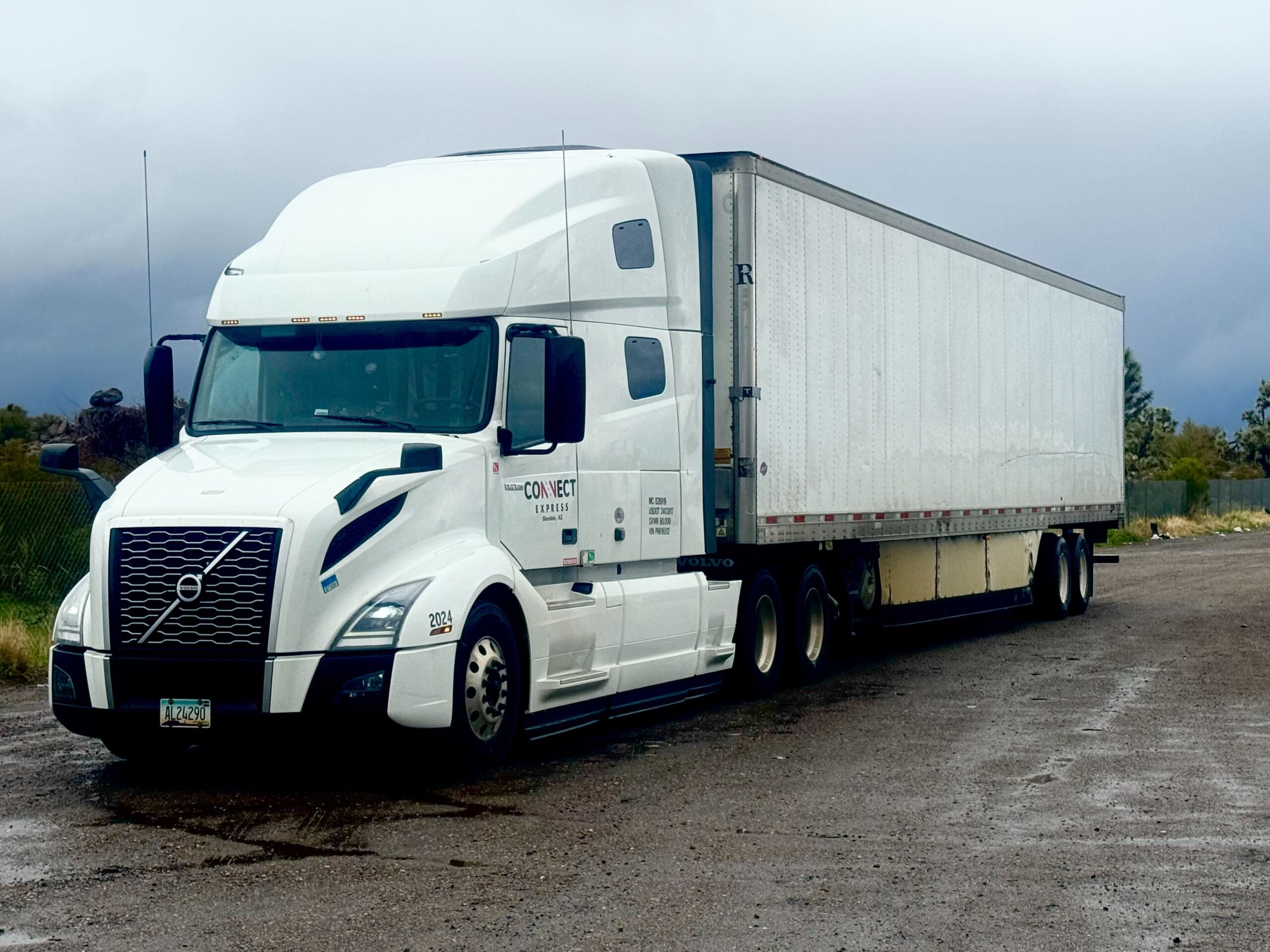
Refrigerated Trucking
How to work with carriers that operate real reefer equipment
Not every company offering refrigerated service controls the truck that shows up. That matters when the load is sensitive and the schedule is tight.
When you book with a carrier that operates real equipment, the communication is usually cleaner. Dispatch knows where the truck is. The driver has the instructions. The equipment type is confirmed. If there is a delay at pickup or a problem with the product, you get a real update instead of silence.
That is especially important for shippers moving consistent food freight, retail replenishment, or plant transfers. You do not need a long speech. You need to know whether the truck is on time, whether the trailer is set correctly, and whether delivery is still on track.
For companies shipping out of Phoenix and across the Southwest, this matters even more in summer. Heat exposure, yard delays, and long transit miles can turn a small mistake into a rejected load. Reefer freight needs tight execution from pickup through delivery.
Build repeat capacity instead of chasing trucks
If you move reefer freight often, the goal should not be finding a truck every time. The goal should be building repeat capacity with a carrier that knows your freight.
That starts with consistency. Give accurate tenders. Avoid last-minute changes when possible. Keep pickup and delivery teams aligned. Let the carrier know about seasonal swings before they hit. If your volume increases every summer or around holidays, say it early.
Carriers remember good freight. They also remember freight that burns hours at the dock, changes details midstream, or creates avoidable claims risk. If your operation is organized, you are easier to prioritize when trucks are limited.
This is where a direct carrier relationship helps. A dispatcher who already knows your facilities, your lane history, and your shipping habits can usually move faster than someone starting from scratch.
A simple way to think about how to book reefer capacity
Think of reefer booking as a timing and information problem. If you are late, vague, or still sorting out the details after the truck is assigned, your options shrink. If you are early, clear, and operationally ready, capacity gets easier to secure.
The truck matters. The reefer unit matters. But the booking process matters just as much. Good carriers can move difficult freight. They cannot fix missing details, bad pickup windows, or product that is not ready.
If you want reefer capacity when you need it, treat the tender like an operation, not a last-minute request. Get the facts straight. Send them early. And work with carriers that give real updates, show up on time, and handle temperature-sensitive freight the way it needs to be handled.
That is usually the difference between a clean delivery and a long day of phone calls.