Why Shippers Rely on an Asset-Based Carrier
Capacity you can count on is hard to find when markets tighten and lanes spike. That is why many shippers turn to asset-based carriers, where the trucks, trailers, and drivers are part of a single operating system. When the same company that takes the tender also assigns the tractor, you get direct answers and faster problem solving. You also get fewer surprises.
Connectexpress LLC is an asset-based trucking and logistics provider based in Phoenix, built around modern equipment, live data, and tech connections that cut waste out of your day. Here is how an owned fleet translates into real benefits for shippers, and how to choose the partner that fits your network.
What “asset-based” really means
Asset-based carriers own and operate the logistics equipment that moves your freight. That includes tractors, trailers, and often yard assets like trailer pools at your facilities. They also employ or directly manage drivers, dispatchers, and maintenance teams. Everything that touches your shipment sits under one roof. That is the model behind our logistics services here in Glendale and the Phoenix metro.
The practical effect is control. When a trailer needs to be repositioned, or a delivery window tightens, you are not relaying messages across multiple companies. You talk to the team that controls the truck keys. That direct line speeds up scheduling, reduces miscommunication, and sharpens execution on your dock.
Direct control becomes predictable service
Predictability comes from consistent resources. When a carrier assigns its own tractors and drivers to your lanes, service stabilizes. Dispatchers already know the quirks of each facility, receiving hours, gate rules, and the people on your team. That familiarity reduces dwell and avoids the avoidable.
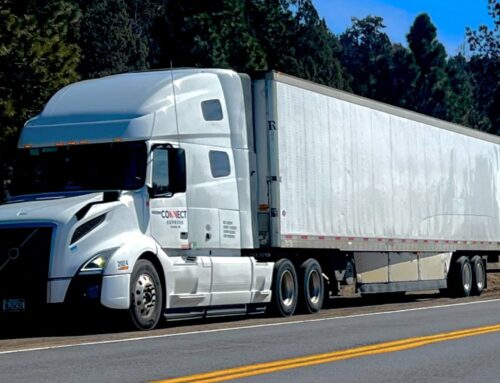
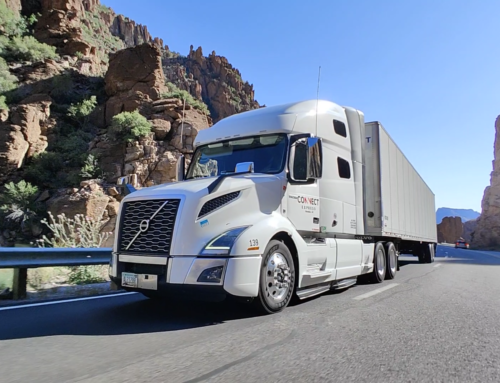
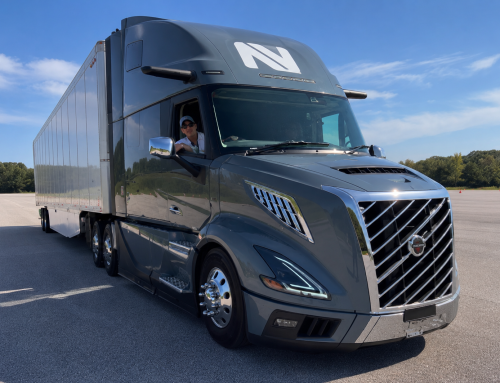
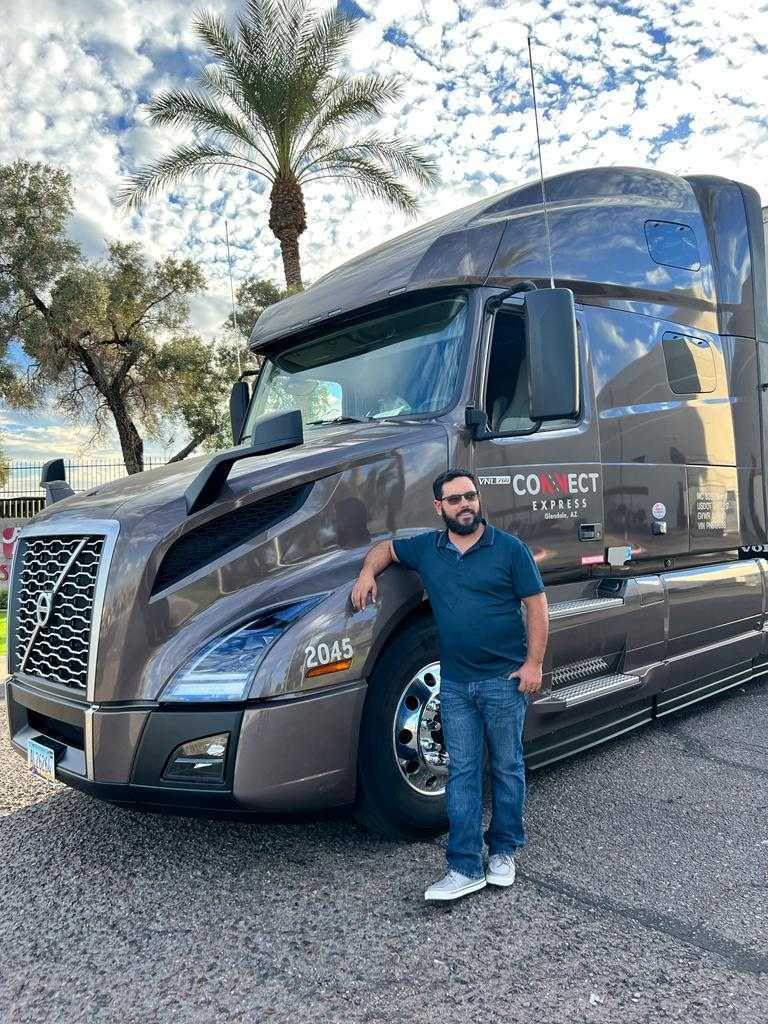
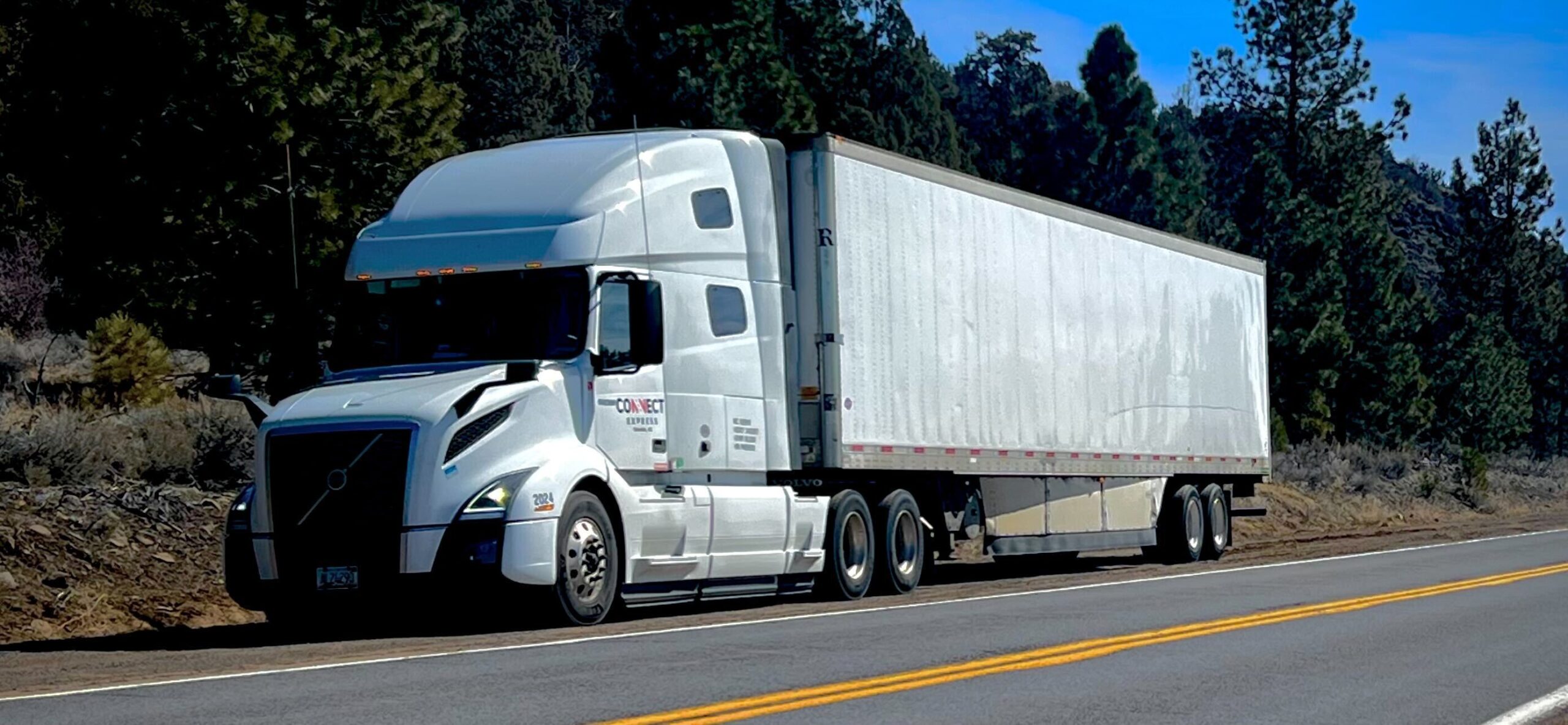
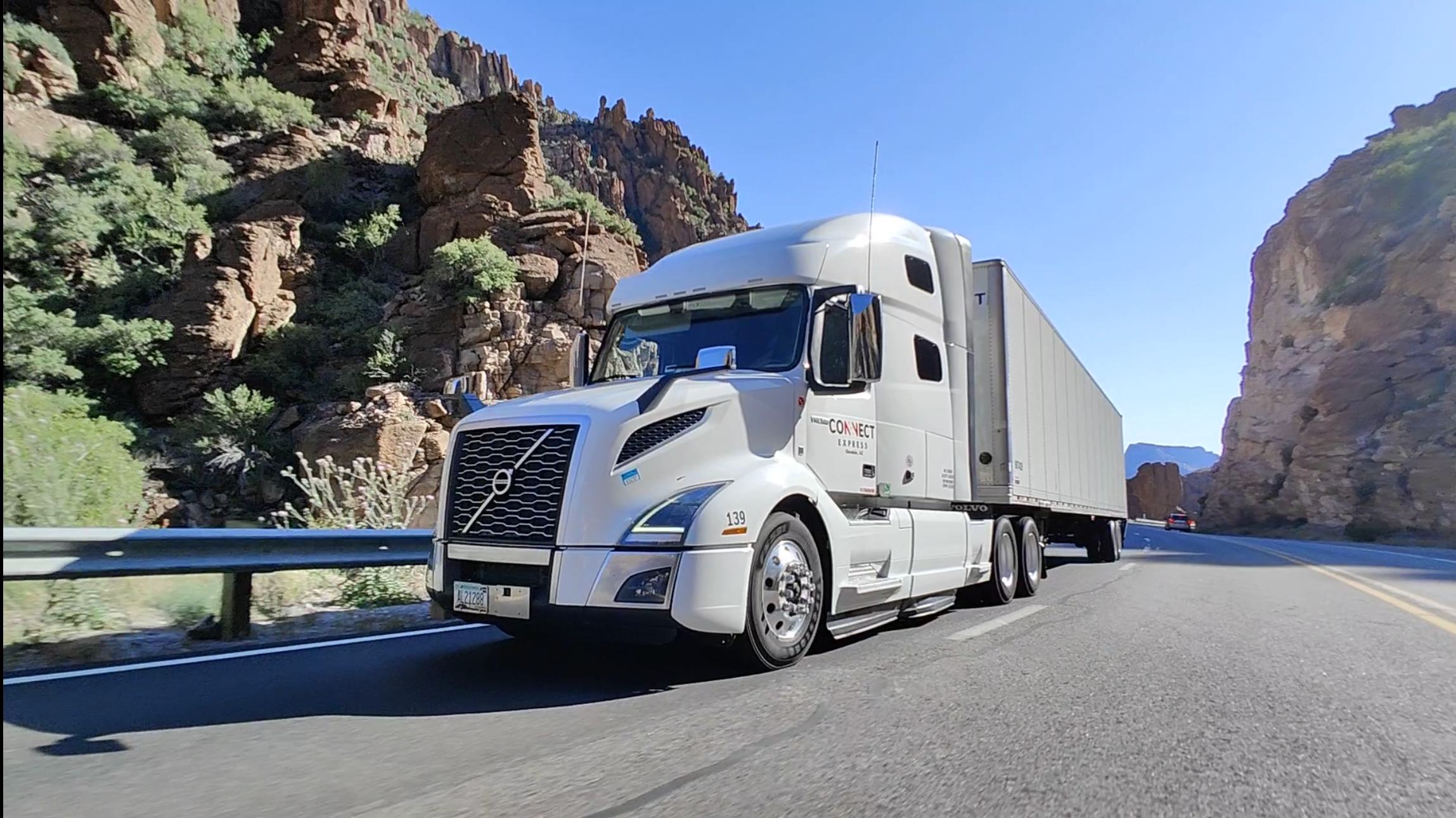
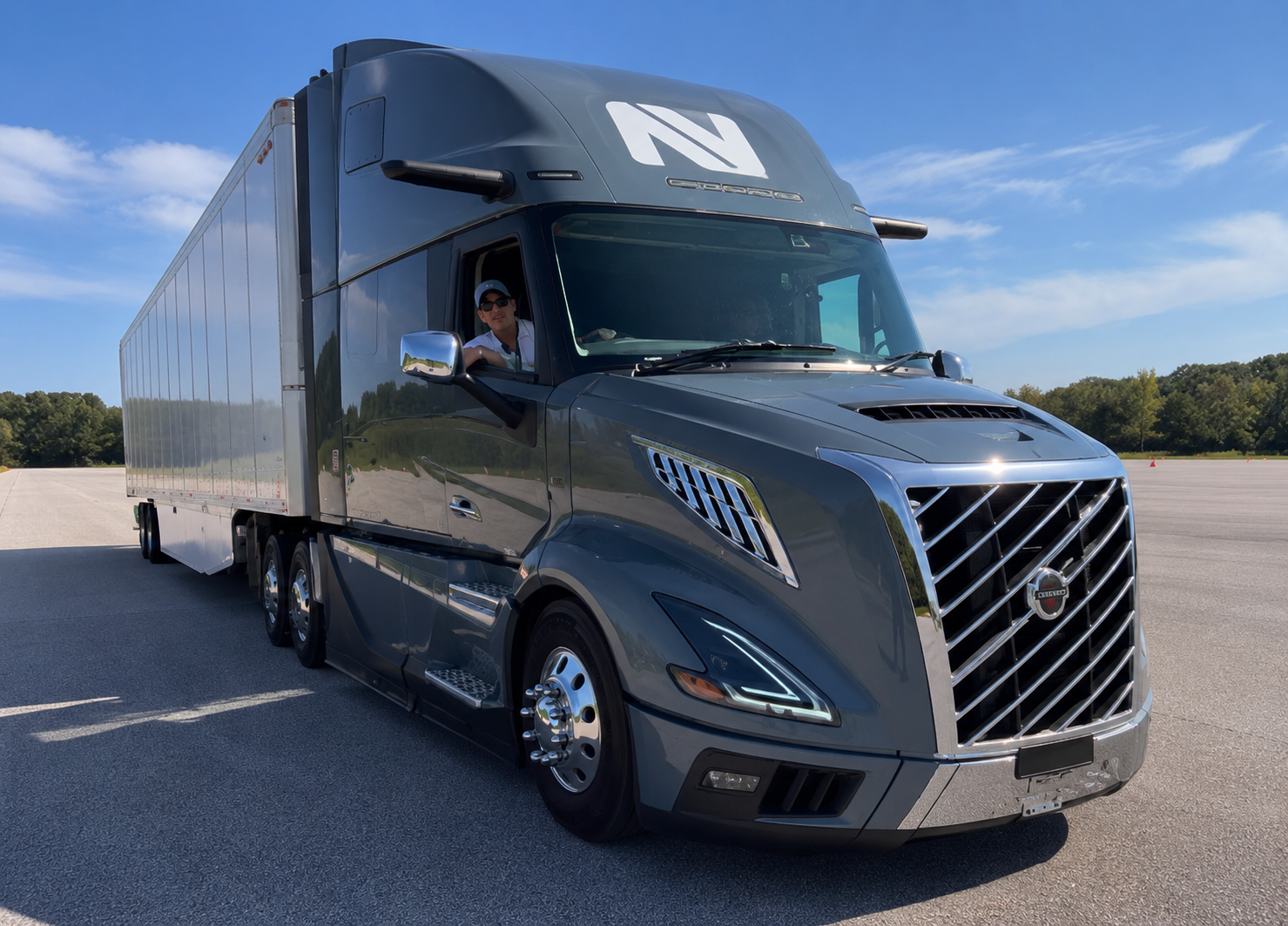
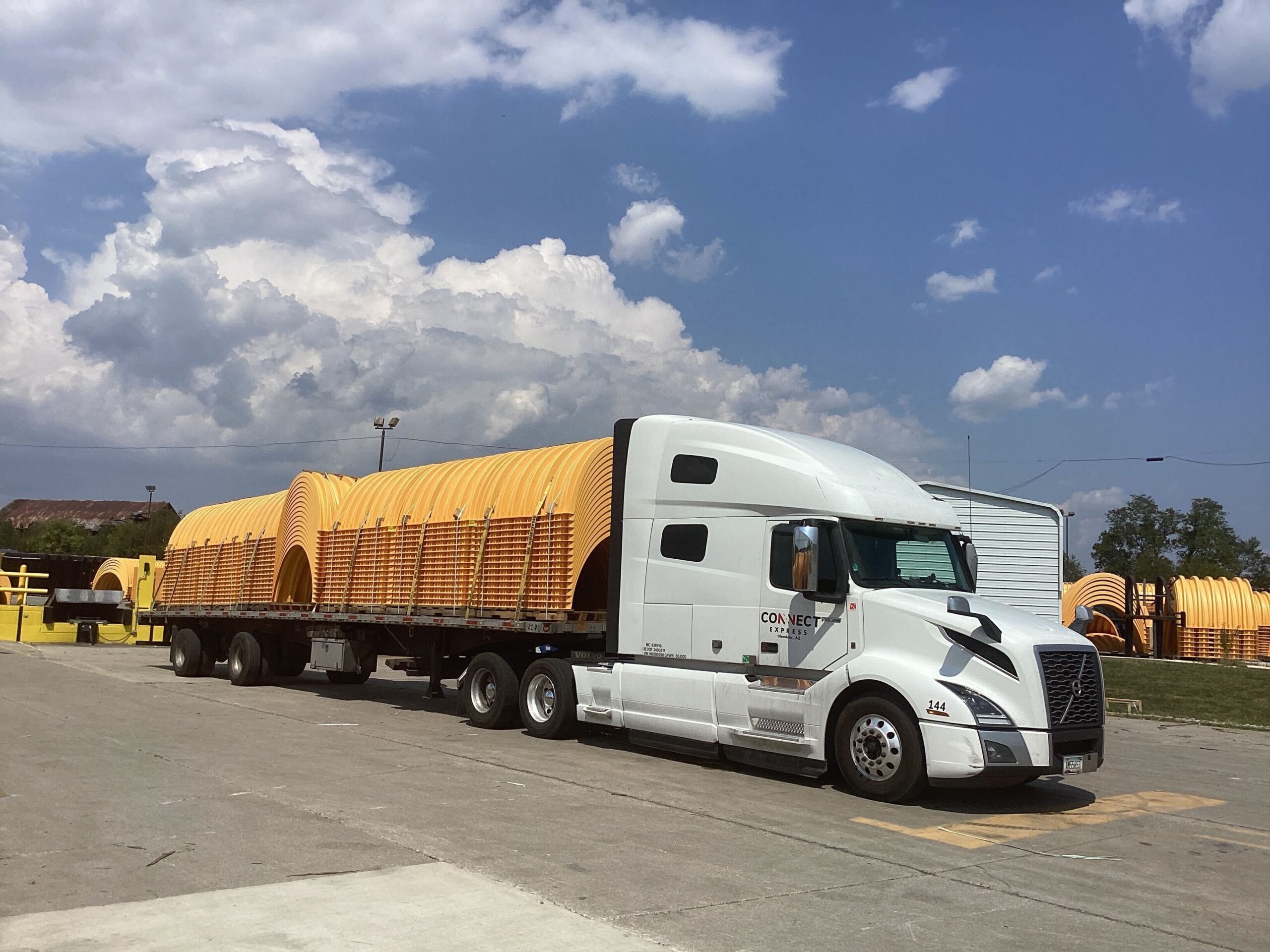
At Connectexpress, our tractor fleet averages under two years old, paired with a 3:1 trailer ratio. The extra trailers create buffer capacity for drop-and-hook, live load swings, and after-hours staging. When a surge hits, the answer is often a smart trailer move, not a scramble to find a truck.
One more important piece: communication cadence. A single operations center and named account managers give you a clear path for updates and escalations. When conditions change, you get the update directly from the source, not a chain of phone calls.
- Faster answers, fewer touches
- Drop-and-hook flexibility
- Consistent driver standards
- Real-time location and status
Reliability you can measure
Owned fleets invest in maintenance programs, driver training, and network design to keep loads on time. On-time pickup and delivery have more to do with discipline than luck. Younger equipment means fewer roadside surprises. A dedicated lane plan means no guesswork on dwell, gates, and linehaul time.
Connectexpress builds plans around actual data from our ELD and telematics network. Geofenced alerts announce arrivals and departures. Exception management focuses on what is at risk, not on everything that is already on track. The outcome is steadier performance and tighter control of your promised dates.
Asset-based vs non-asset at a glance
Below is a quick comparison of core factors most shippers weigh, including the role of freight brokers.
| Factor | Asset-Based Carrier | Non-Asset (Broker/3PL) |
|---|---|---|
| Dependability | High, driven by owned equipment, dedicated drivers, and planned lanes | Variable, depends on the carriers available in the market that day |
| Visibility | Uniform, powered by one telematics stack across the fleet | Mixed, depends on each contracted carrier’s tech and compliance |
| Capacity control | Strong on core lanes, trailer pools enable drop programs and surge coverage | Wide breadth across markets, useful for irregular lanes and seasonal spillover |
| Pricing stability | Contract-friendly, predictable rates tied to committed volume | Market-driven, can be sharper in very soft markets, swings in tight cycles |
| Risk governance | Centralized insurance, safety standards, and claims process | Distributed across many carriers and policies, more parties if a claim occurs |
| Specialization | Deep expertise where the carrier owns the equipment and talent | Broad reach, can source niche equipment beyond a single fleet’s footprint |
Capacity and scalability without the scramble
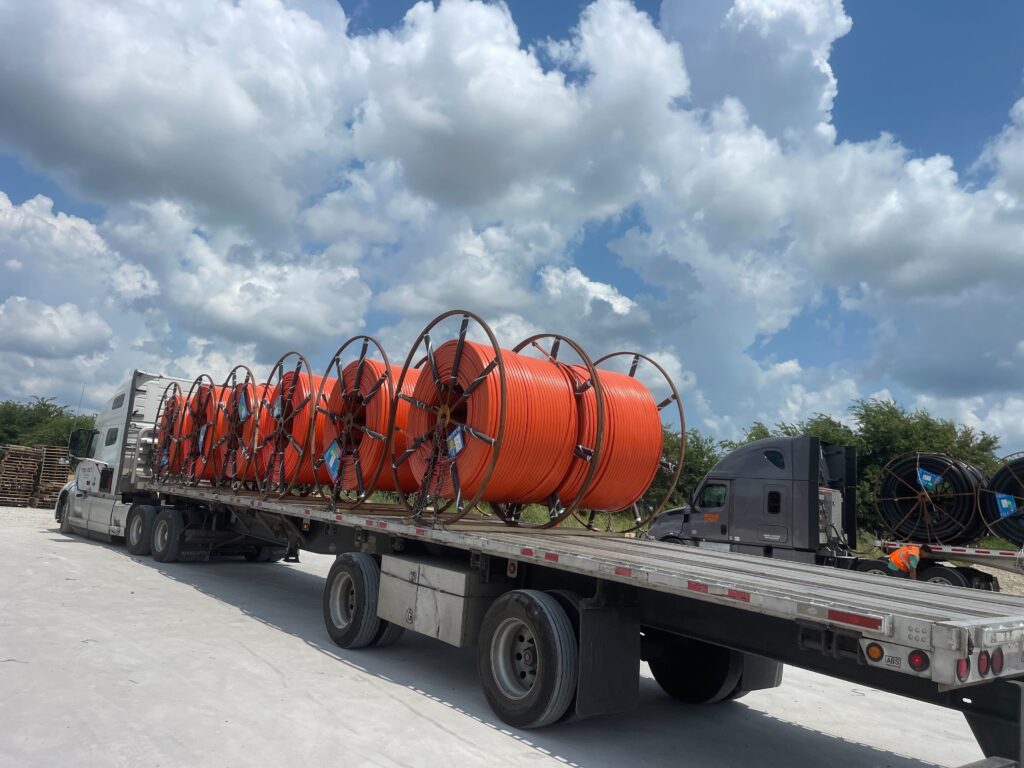
Equipment ownership changes how a carrier scales for you. Trailer pools, pre-staging, and dedicated tractors let your production or promotions run as planned. Need to double volume for a retail event or quarter-end push? You are not bidding out your own loads at the last minute. You are allocating reserved capacity inside an existing plan.
With a 3:1 trailer ratio, Connectexpress can build drop programs that absorb day-to-day swings. Drivers stay moving, your crew loads on your timetable, and linehaul flows stay smooth. That logistics structure is often the difference between consistent on-time and a line of trucks stacked at your gate.
Cost truths shippers actually see
There is no one-size-fits-all rate outcome. Asset carriers remove intermediary fees and often reduce accessorials by cutting dwell and handling. The more your freight runs in repeatable patterns, the more those operational wins add up. When you place steady volume on a committed plan, asset pricing tends to be stable and competitive over time.
Soft markets can reward spot buying through freight brokers. That is real. Many sophisticated shippers use a blend, keeping core lanes with assets for service certainty while sending overflow and irregular moves to broker partners. The key is knowing the true cost of misses, expediting, stockouts, and claims, then paying for the level of control your business requires.
Here is a simple rule of thumb: protect the lanes that protect your revenue with contracted asset capacity, then orchestrate around it.
A quick, real-world picture
A national retailer deals with predictable promotion spikes and tight delivery windows into DCs. Under a dedicated asset plan with trailer pools at origin and destination, the carrier stages outbound freight the night before and times arrivals to FC gate appointments. The on-time rate climbs, detention falls, and the shipper does not have to throttle sales events to match trucking uncertainty.
We see the same pattern with manufacturers that supply plants on tight takt schedules. A younger tractor fleet and preventive maintenance schedule reduce the risk of a line-stopping breakdown. Add proactive visibility, and the receiving team plans labor around accurate ETAs rather than guesswork.
Where asset-based excellence shines
Retail and e-commerce need repeatability at scale. Trailer drops, appointment discipline, and weekend coverage keep stores and FCs stocked during peaks.
Manufacturers rely on rhythm. Just-in-time and sequenced deliveries run best with a carrier that knows your plant gates and can flex tractors and trailers without re-brokering.
Perishables, pharma, and other temperature-controlled freight benefit from tight custody and verified conditions. When the reefer, the sensors, and the driver all operate under one program, temperature compliance is easier to prove and maintain.
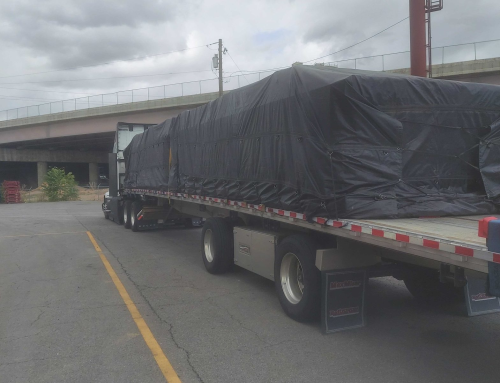
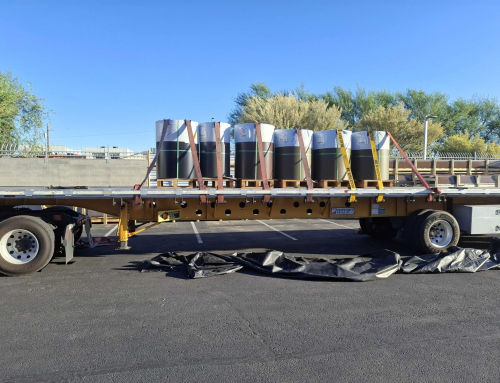
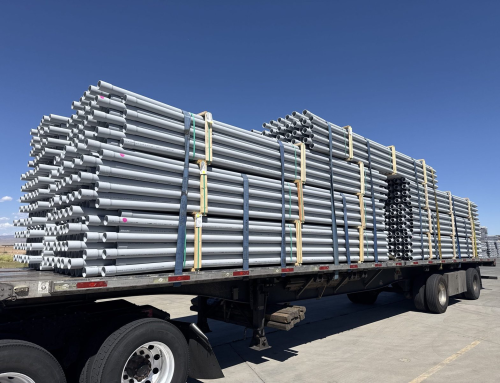
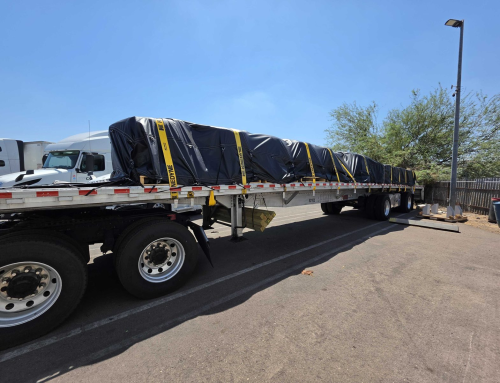
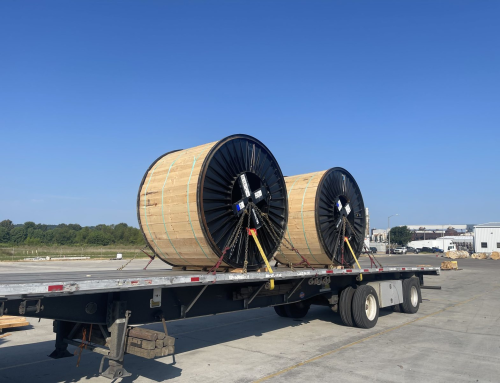
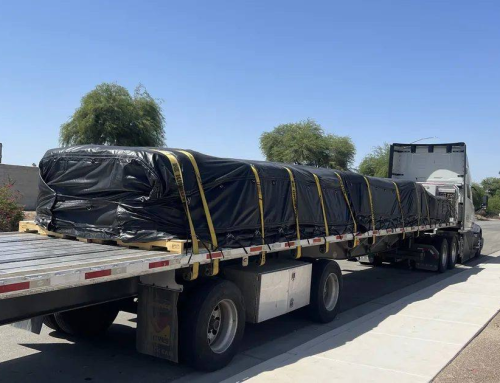
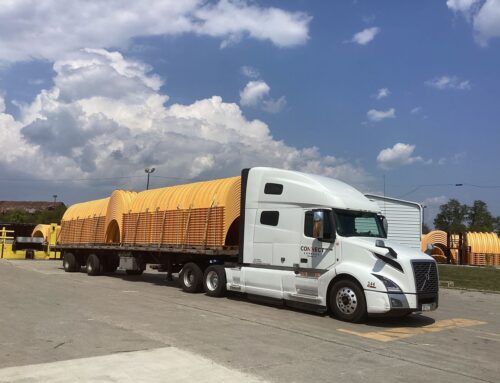
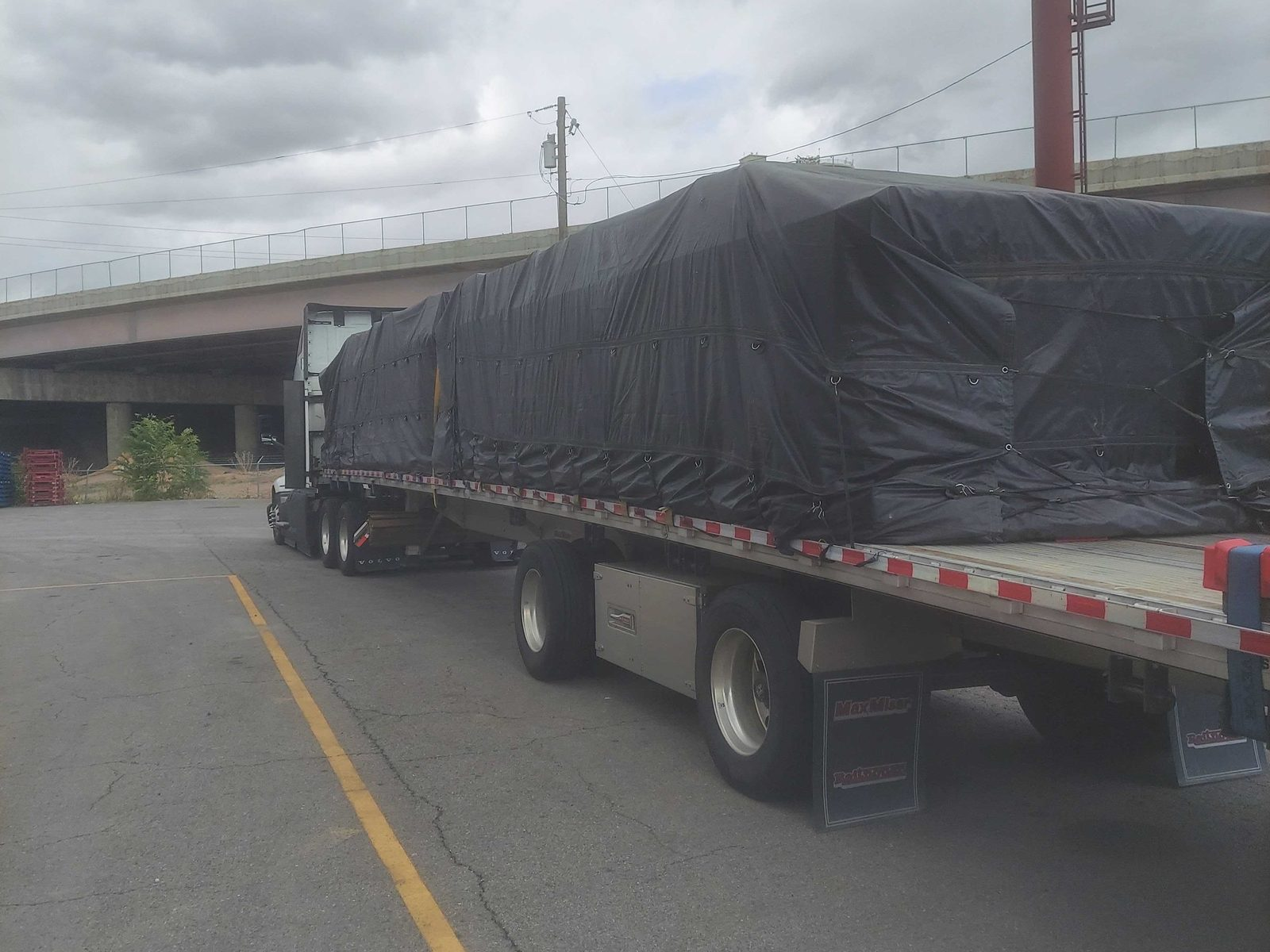
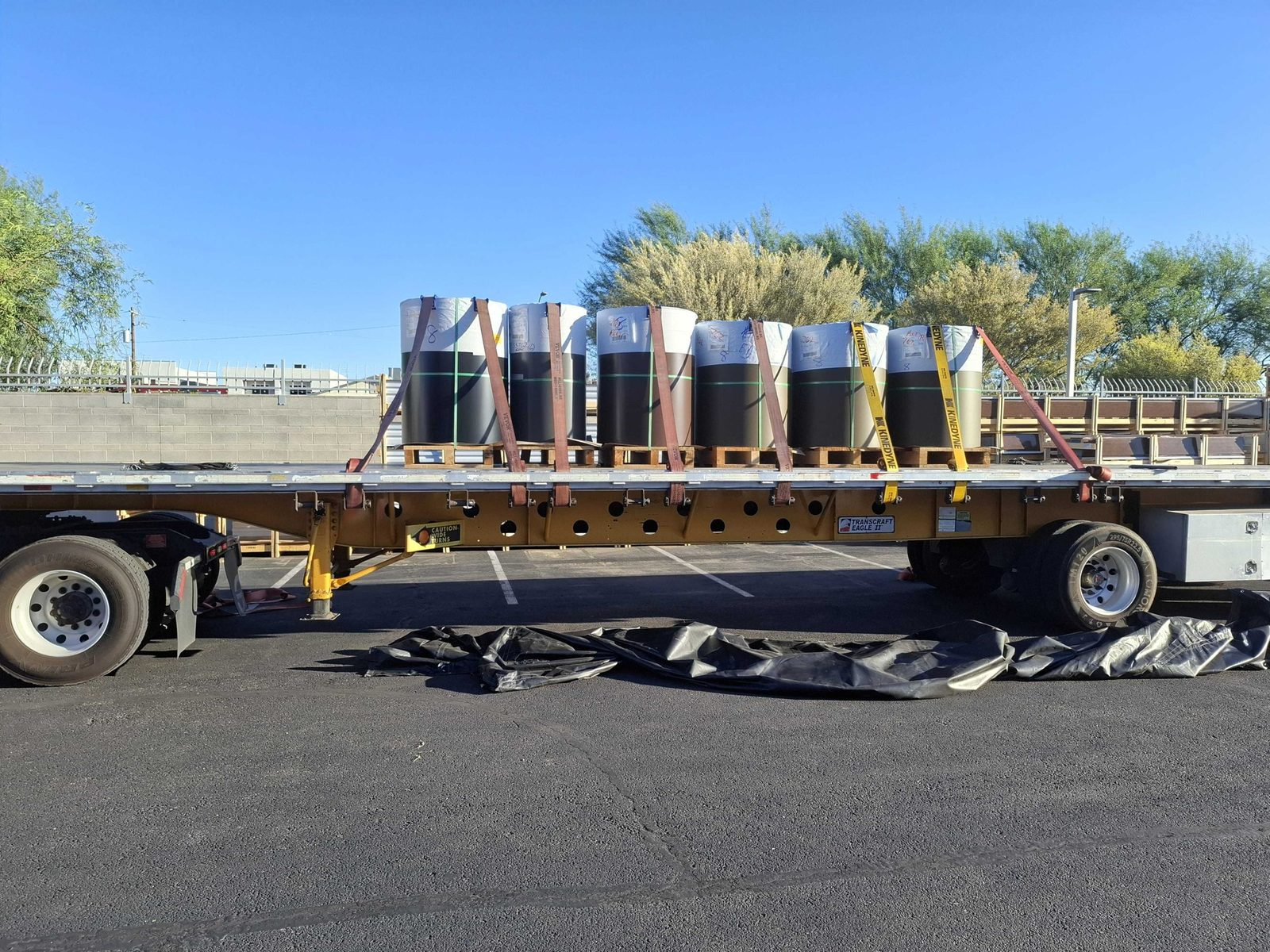
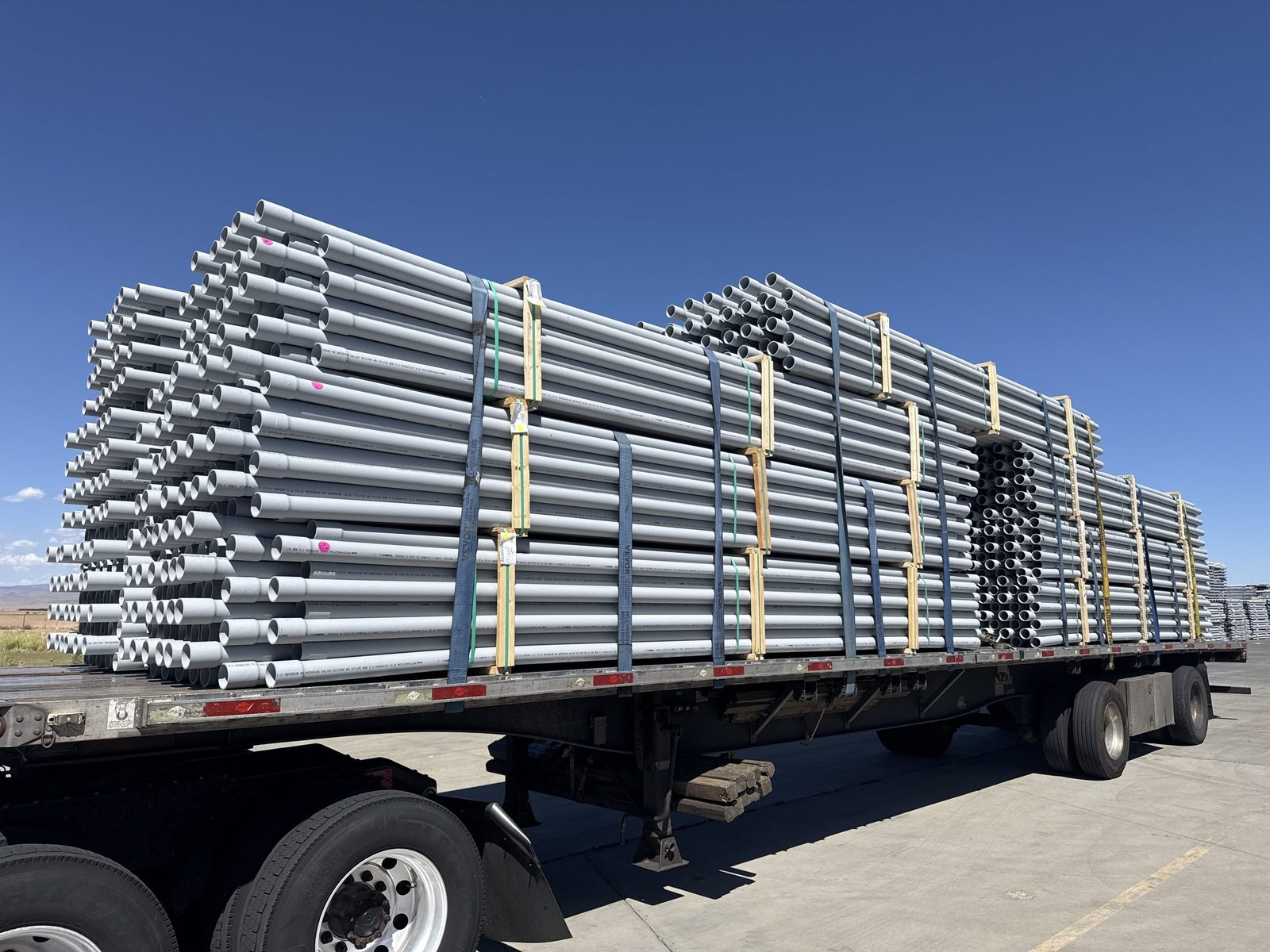
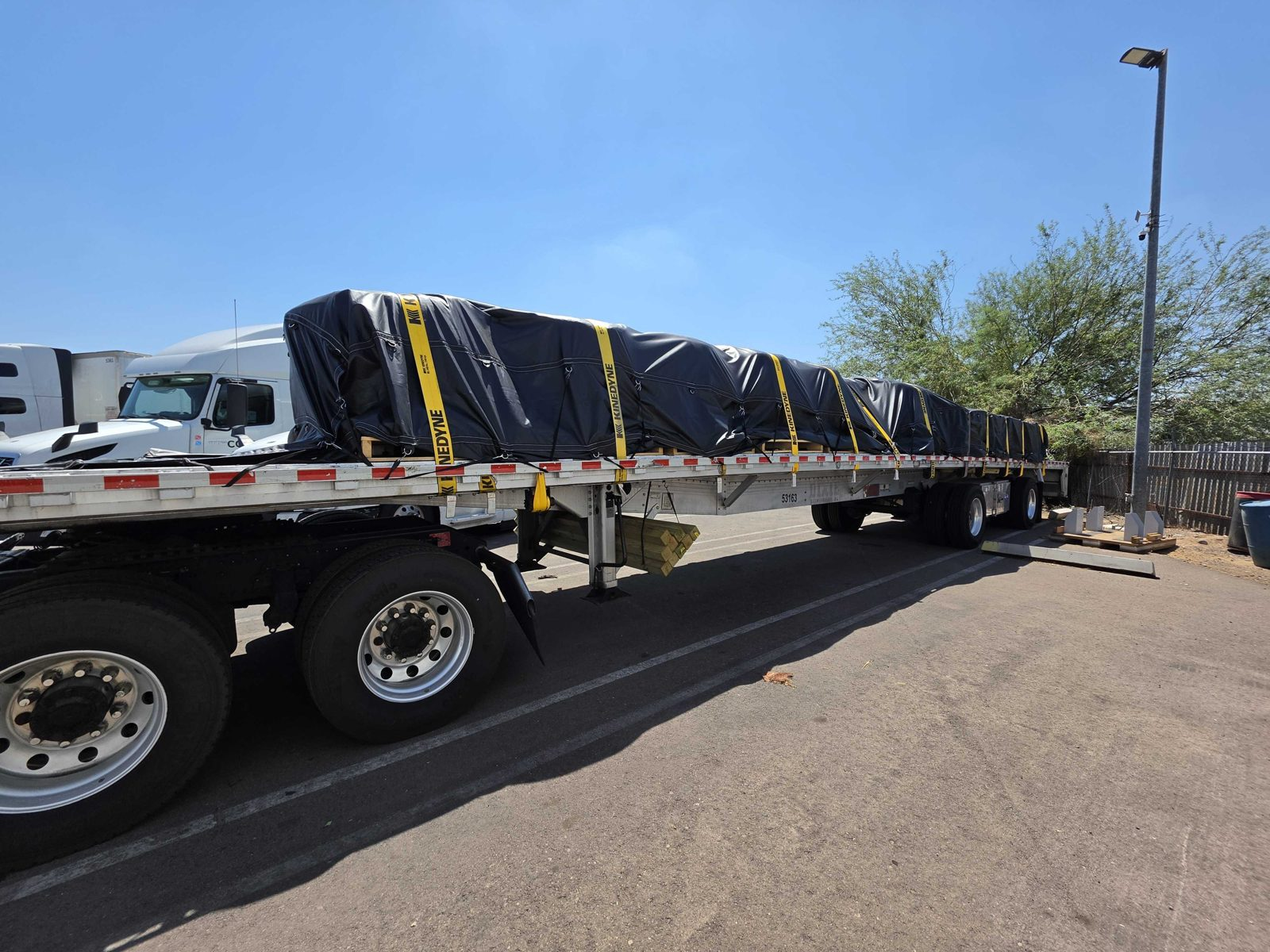
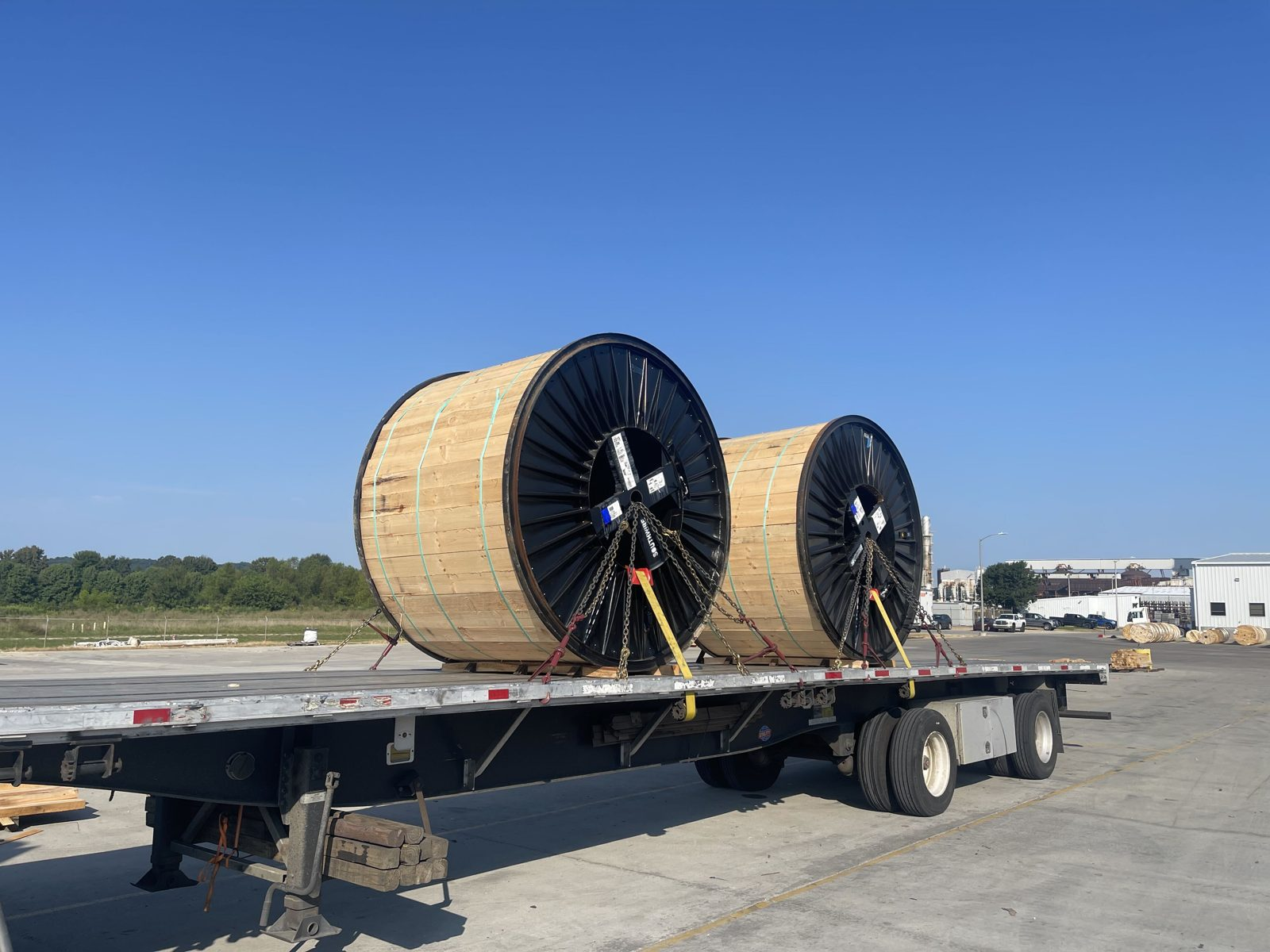
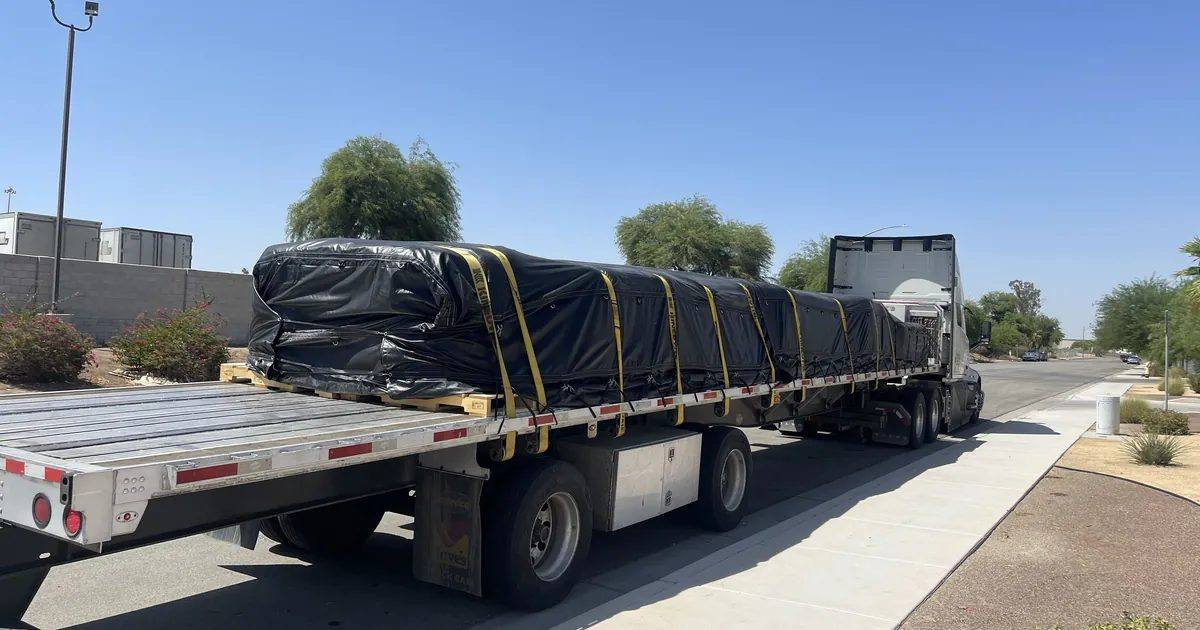
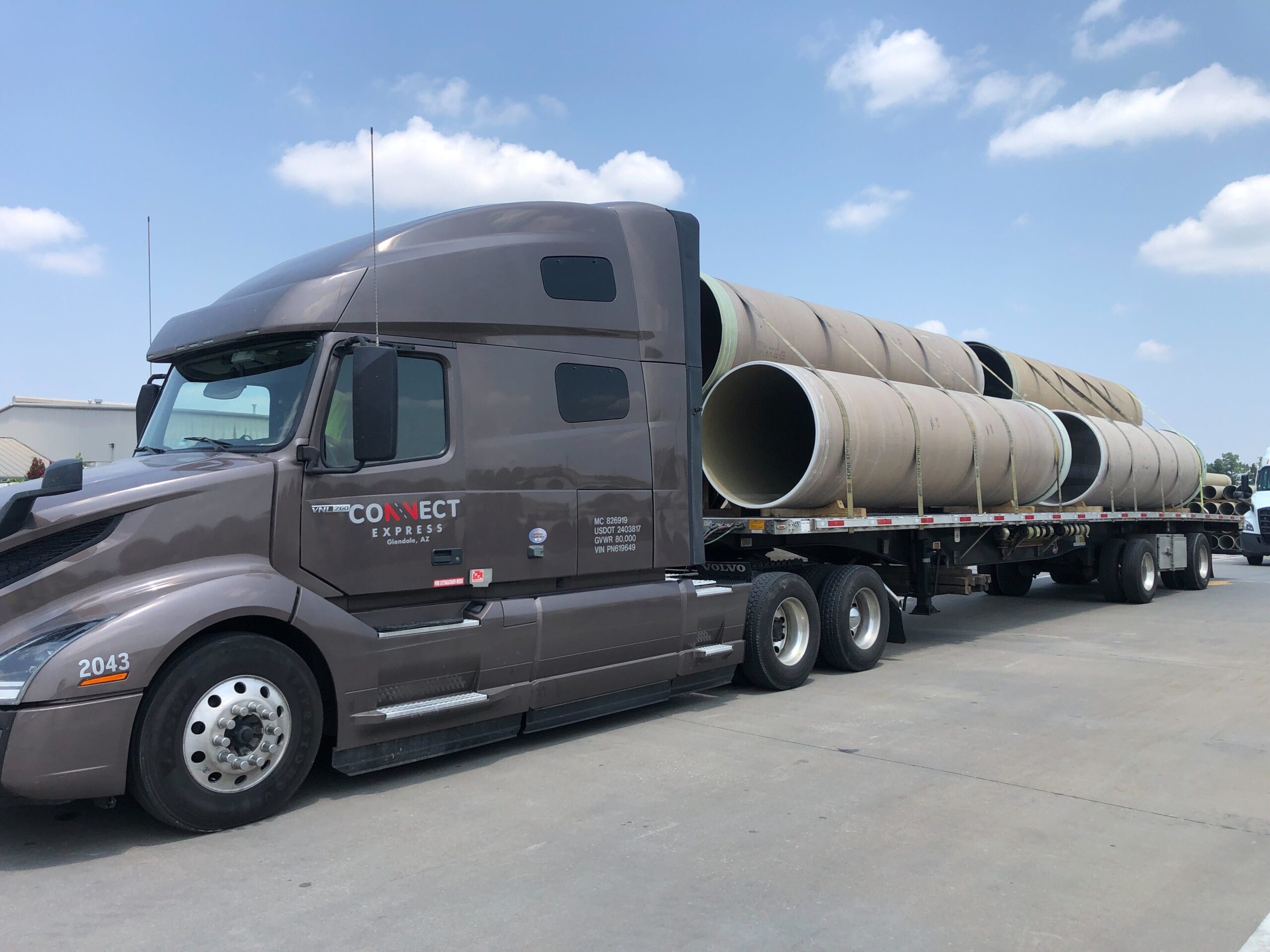
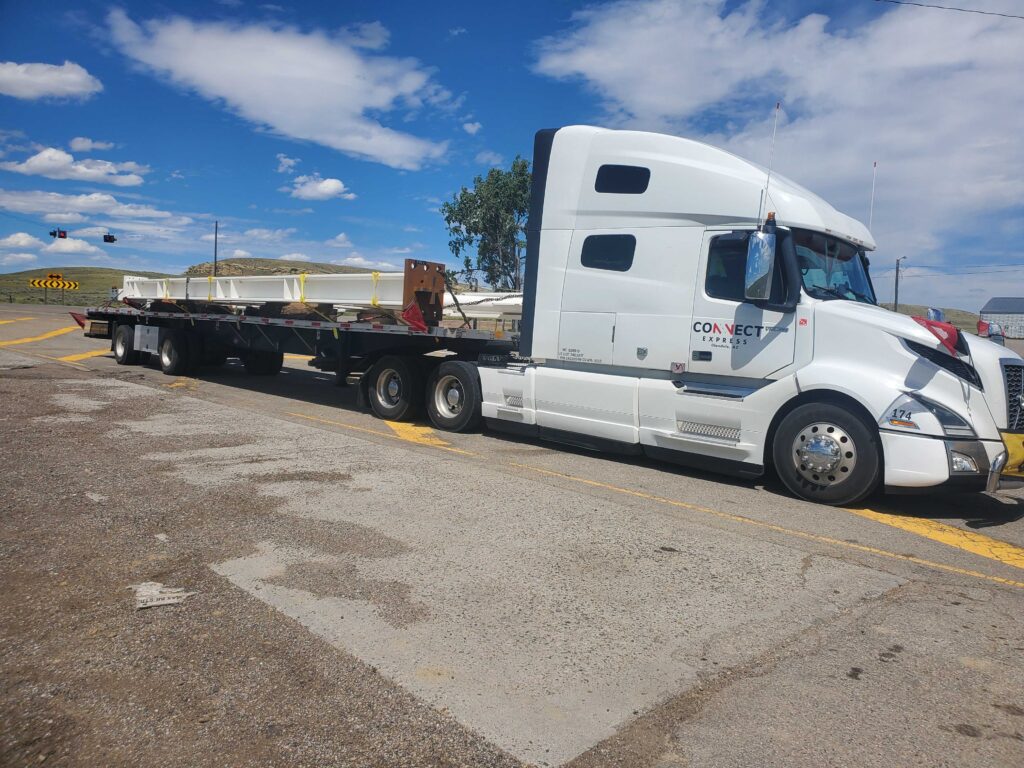
Heavy and oversized shipments demand the right gear and careful route planning. Asset carriers that own specialized equipment and permit workflows reduce risk and delay.
Technology that eliminates “where’s my truck”
Visibility should not require a series of phone calls. A strong asset carrier standardizes data across all company trucks and trailers, then exposes that data in your systems.
Connectexpress provides:
- Instant digital quoting and booking
- Real-time GPS and milestone alerts
- A user-friendly portal for teams across operations and finance
- API and EDI connections into your TMS
This is more than convenience. Automated status, exception flags, and document flow cut manual effort for both sides, which reduces cycle time and cost. Your team spends less time chasing and more time optimizing.
What to look for when you evaluate an asset-based partner
A quick conversation can sound good. Your due diligence should go deeper. Start by aligning what you need with what they actually own and operate, then validate with data and references.
- Fleet age: newer tractors, fewer breakdowns
- Trailer ratio: trailer pools that fit your dock rhythm
- Safety and maintenance: documented programs, roadside results, FMCSA scores (see our carrier safety compliance guide)
- Visibility tech: ELD, GPS, automated alerts, API or EDI integration
- Driver model: company drivers, training standards, turnover metrics
- Network fit: coverage on your lanes today, a plan for tomorrow
- Cold chain or specialized gear: validated equipment for your commodity
- Claims history: low claim rates, clear process, responsive support
- Contract terms: liability limits, detention policy, performance commitments
- Sustainability: SmartWay participation, fuel efficiency programs, emissions reporting
How Connect Express approaches these needs
- Modern fleet: tractors averaging under two years old, maintained for uptime and fuel efficiency
- Flexible capacity: a 3:1 trailer ratio to support drop programs, surge events, and late-day shipping
- Operational discipline: single-point dispatch, named account teams, and proactive exception management in logistics
- Real-time visibility: standardized telematics across the fleet and automated updates into your systems
- Digital ease: instant quotes and booking, plus API and TMS tools that reduce touches and errors
- Coverage that matters: Phoenix headquarters with reach across major U.S. corridors, plus scalable dedicated options for core lanes
Metrics that keep everyone honest
After you award lanes, keep score with a short list of KPIs that tie to business outcomes. Publish the scorecard, review it together, and adjust the plan as patterns emerge.
- On-time pickup and delivery: by lane, by facility
- Tender acceptance: first tender acceptance rate, not second-chance recovery
- Dwell and detention: minutes at shipper and receiver, trend over time
- Exception rate: loads with ETA risk status, resolved before cutoff
- Claims rate: claims per 1,000 loads and average resolution time
- Tracking compliance: percentage of loads with continuous automated visibility
- Empty miles on dedicated: signals room for cost reduction through better routing
Building a smarter capacity mix
Few networks run on a single provider. The most resilient strategies define what must never fail, then assign owned capacity against that standard. The rest of your book can flex with market conditions.
- Protect the lanes that protect your revenue with a contracted asset plan
- Design trailer pools where your team gains the most time back
- Use freight brokers for irregular lanes, projects, and gap coverage
- Automate the handoffs with API and TMS tools so data, not phone calls, keeps freight moving
If your team needs predictable service, instant visibility, and capacity that scales without drama, Connectexpress is ready to help. We combine a young fleet with a high trailer ratio and easy-to-use technology so shippers in Phoenix and across the U.S. can plan with confidence. Let’s put a data-backed plan in place for your core lanes and give your operations the time and clarity they deserve.
Need capacity on this type of freight? Connect Express LLC provides asset-based dedicated truckload service across the Southwest and nationwide.
Request a truckload quote: Contact Connect Express or call 480-401-1998.