
If you’re asking what is freight transportation services, you’re usually trying to solve a real problem. A load needs to move. It needs to get picked up on time, delivered without damage, and tracked without chasing five different people for an update. That’s what freight transportation services are really about.
At the basic level, freight transportation services are the planning, pickup, movement, and delivery of goods from one place to another. That can mean a full truckload of dry goods, a refrigerated shipment, machinery on a flatbed, or a dedicated lane that runs the same route every week. The service is not just the truck rolling down the road. It includes scheduling, equipment selection, communication, compliance, handling, and execution.
For shippers, freight managers, and logistics coordinators, the definition matters less than the outcome. You need capacity when the load is ready. You need a carrier that shows up. You need real updates. And you need the freight delivered without excuses.
What Is Freight Transportation Services in Practical Terms?
In practical terms, freight transportation services are the operational work required to move commercial freight safely and on schedule. A carrier receives load details, assigns the right trailer, plans the route, dispatches the driver, manages pickup and transit, and completes delivery with the right paperwork.
That sounds simple until it isn’t. A dry van load may need a tight pickup window at a crowded warehouse. A reefer shipment may need a set temperature, continuous monitoring, and no unnecessary delay. A flatbed load may need tarps, chains, permits, or route planning for dimensions and weight. The service changes based on the freight.
This is why not all transportation capacity is the same. One truck is not the same as another. One carrier may handle general freight well but struggle with time-sensitive refrigerated loads. Another may move legal flatbed freight but not oversized equipment. Good freight transportation service starts with knowing what the load actually needs.
The Main Types of Freight Transportation Services
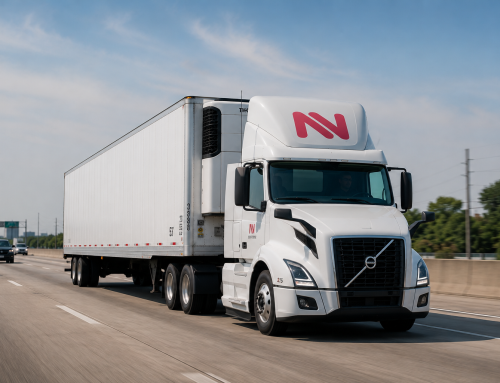
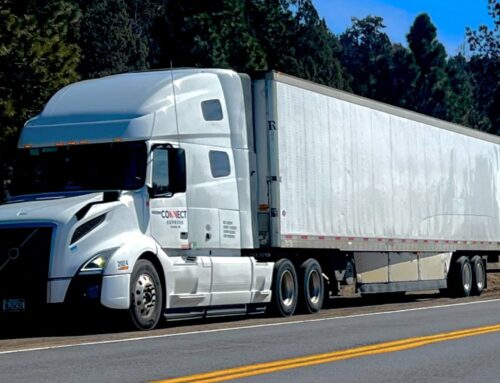
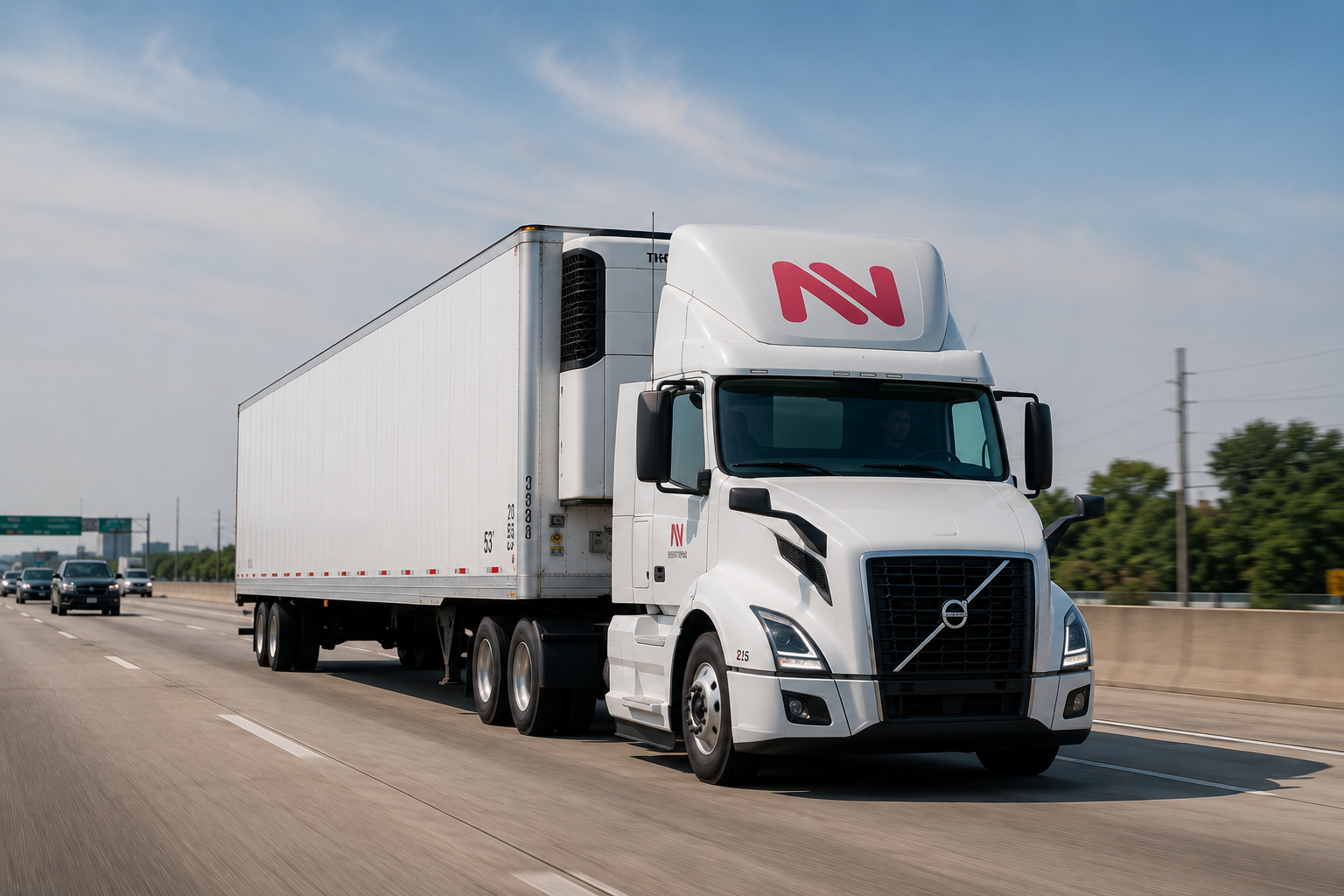
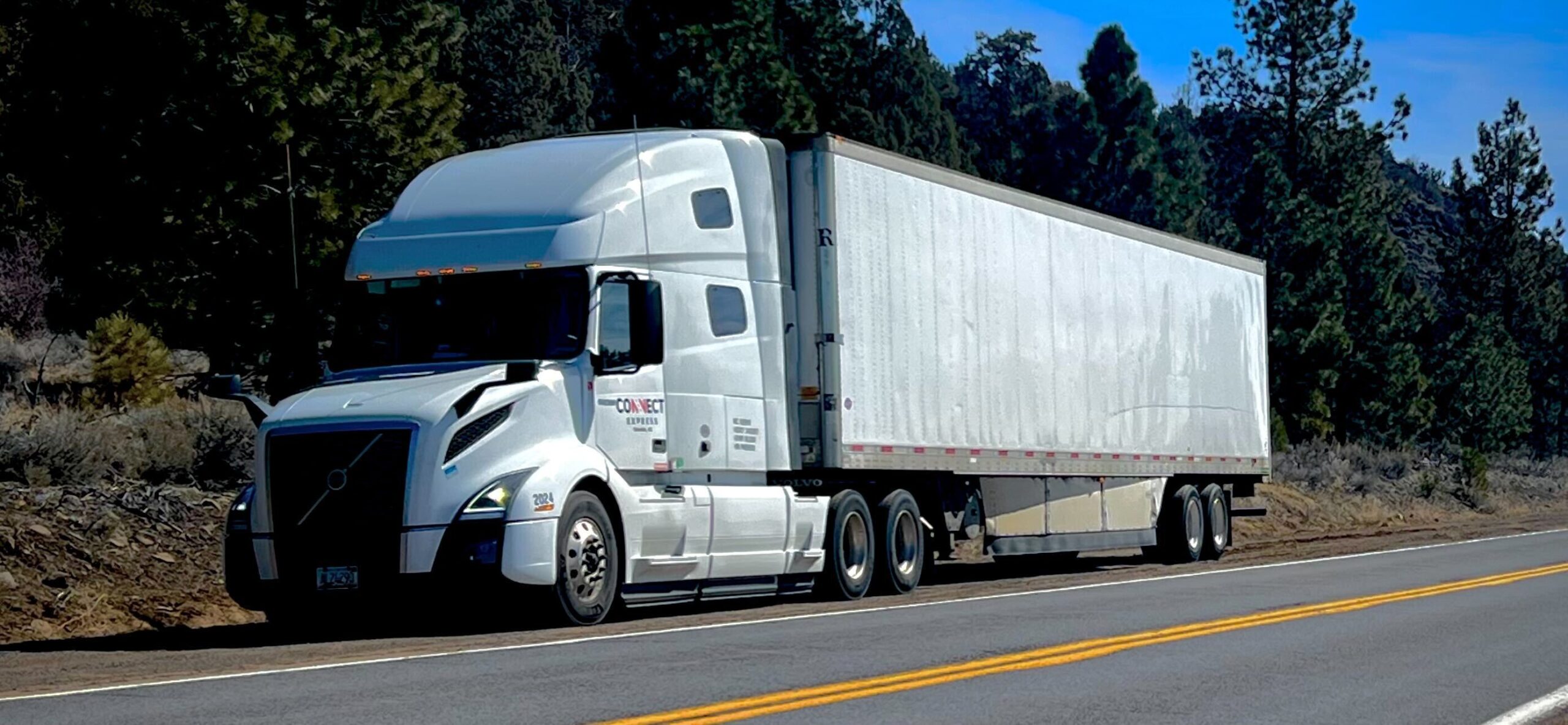
Most shippers work with a few core service types. Dry van freight is the most common. It works for palletized goods, boxed products, retail freight, packaging materials, and many manufactured items that need protection from weather but not temperature control.
Refrigerated freight, or reefer, is used when the load has to stay within a specific temperature range. That includes produce, frozen foods, dairy, pharmaceuticals, and some industrial materials. Reefer service adds another layer of responsibility. If temperature is wrong, the whole shipment can be at risk.
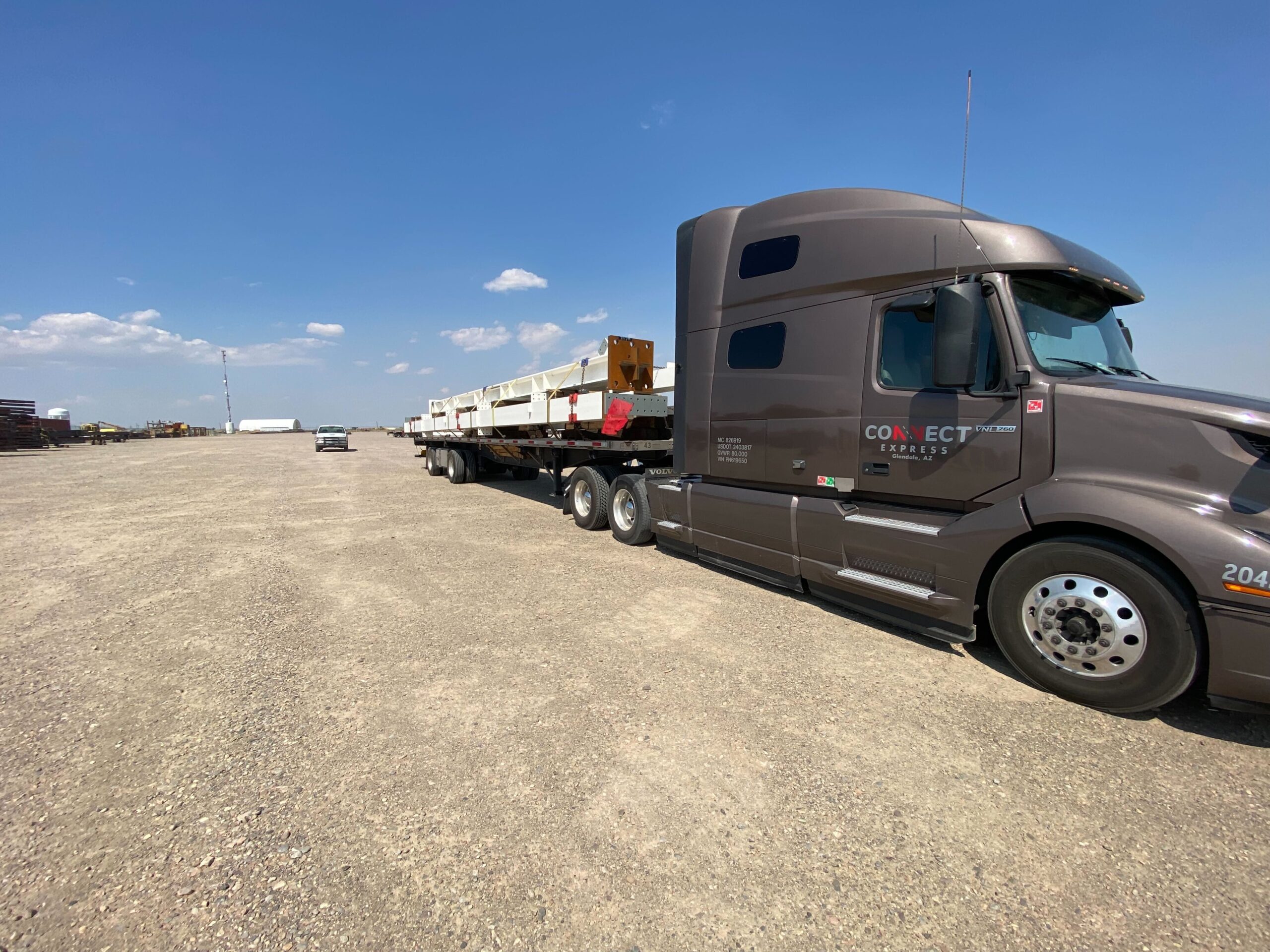
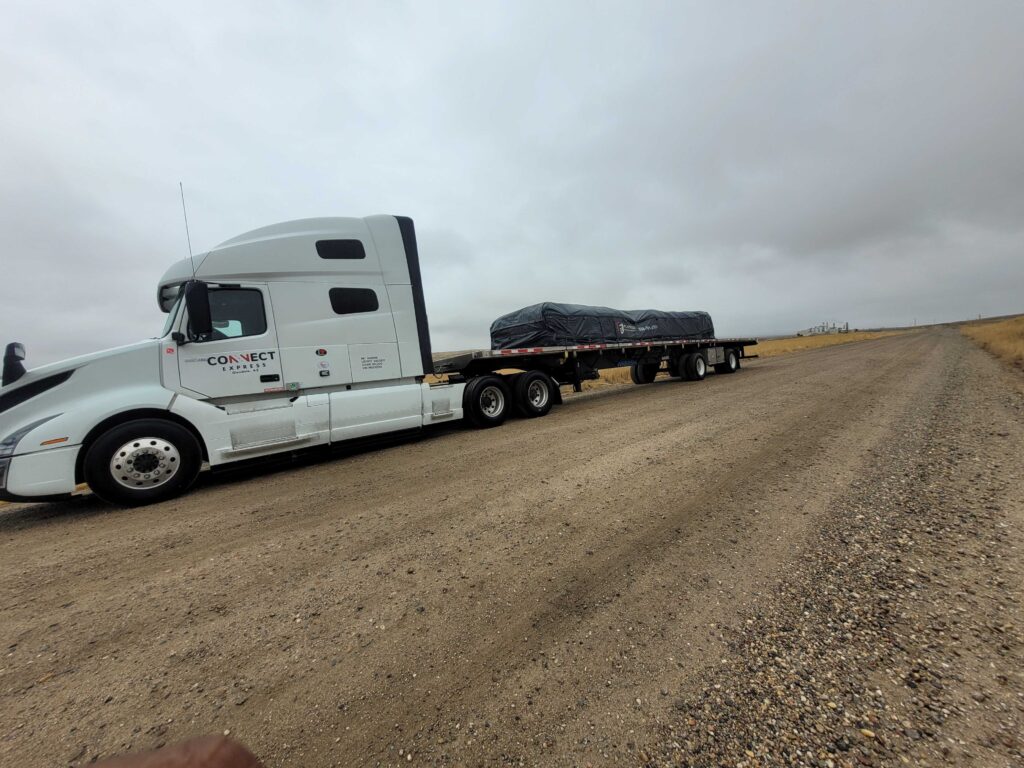
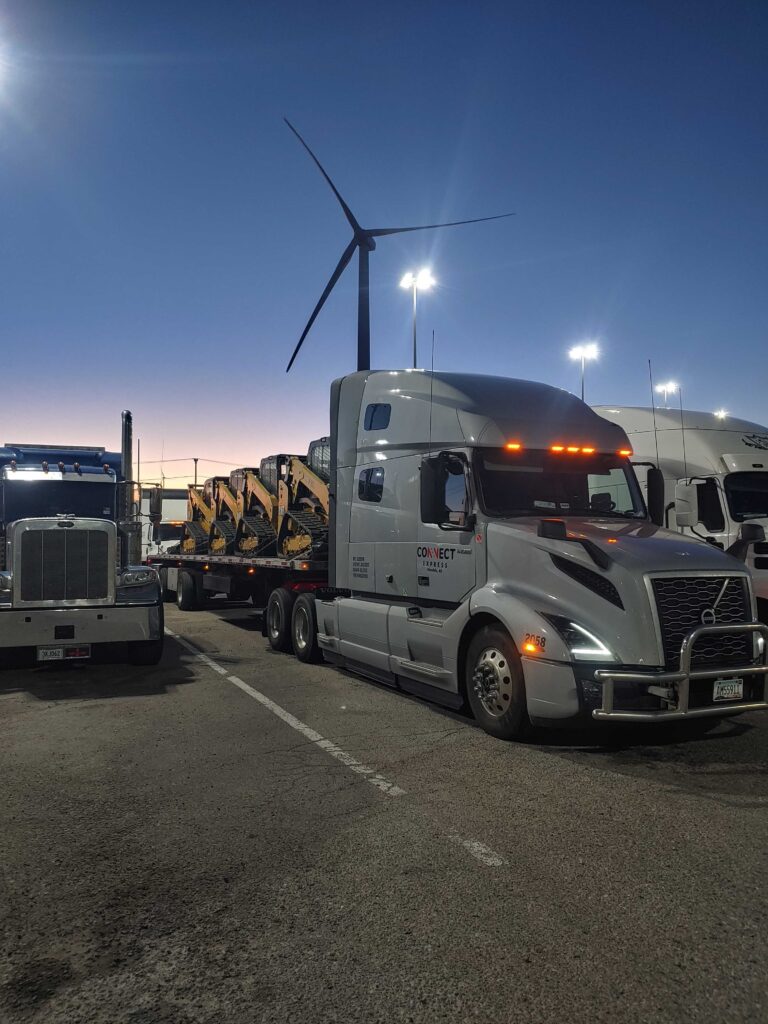
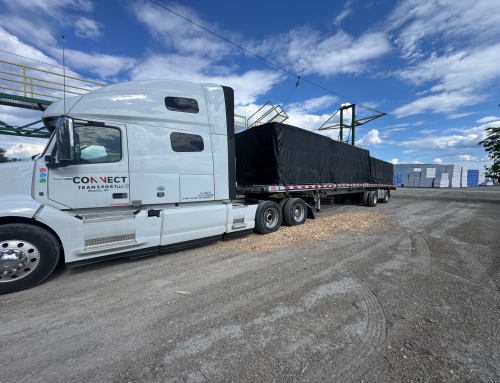
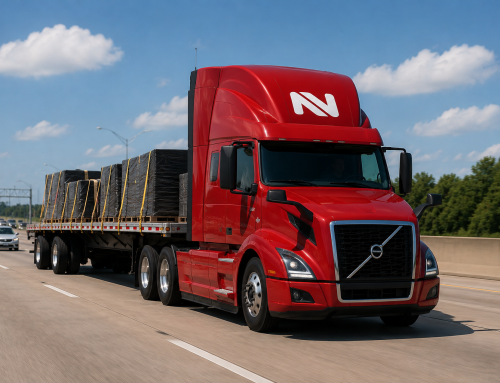
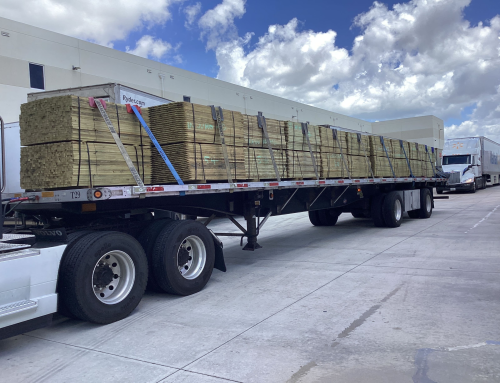
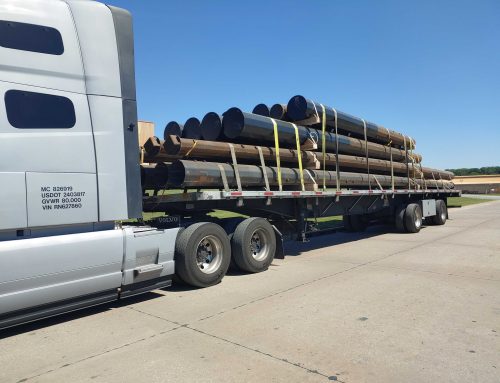
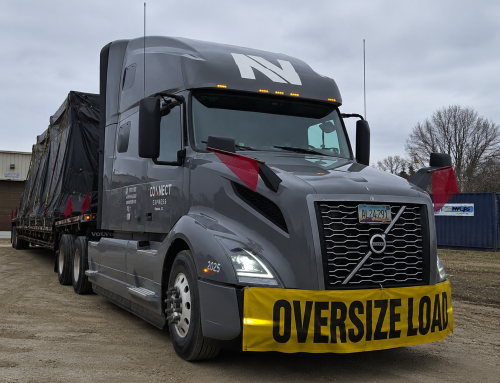
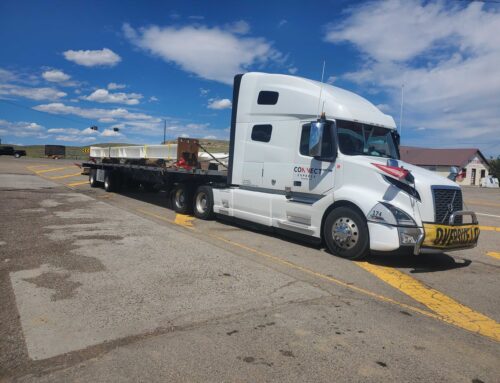
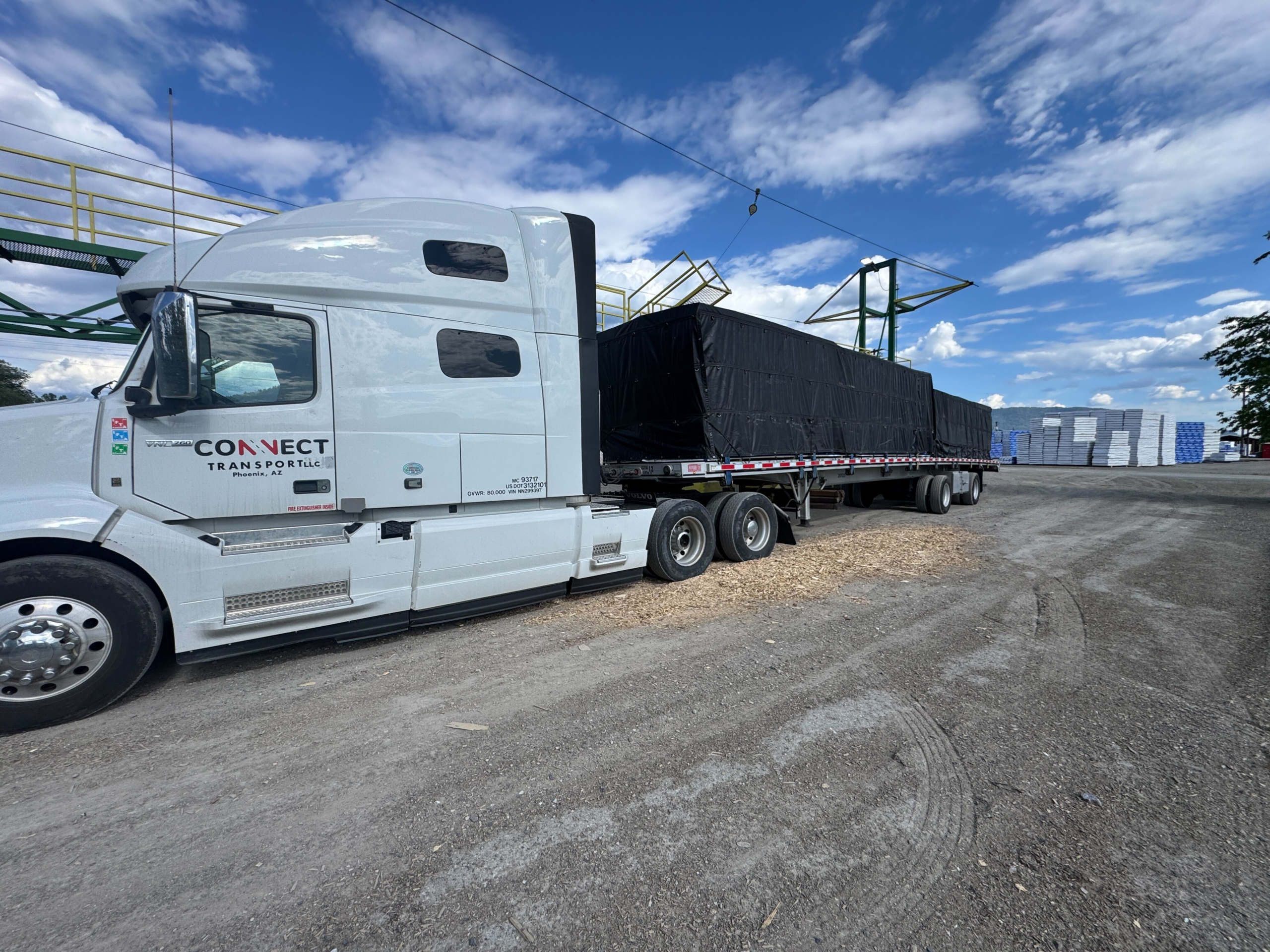
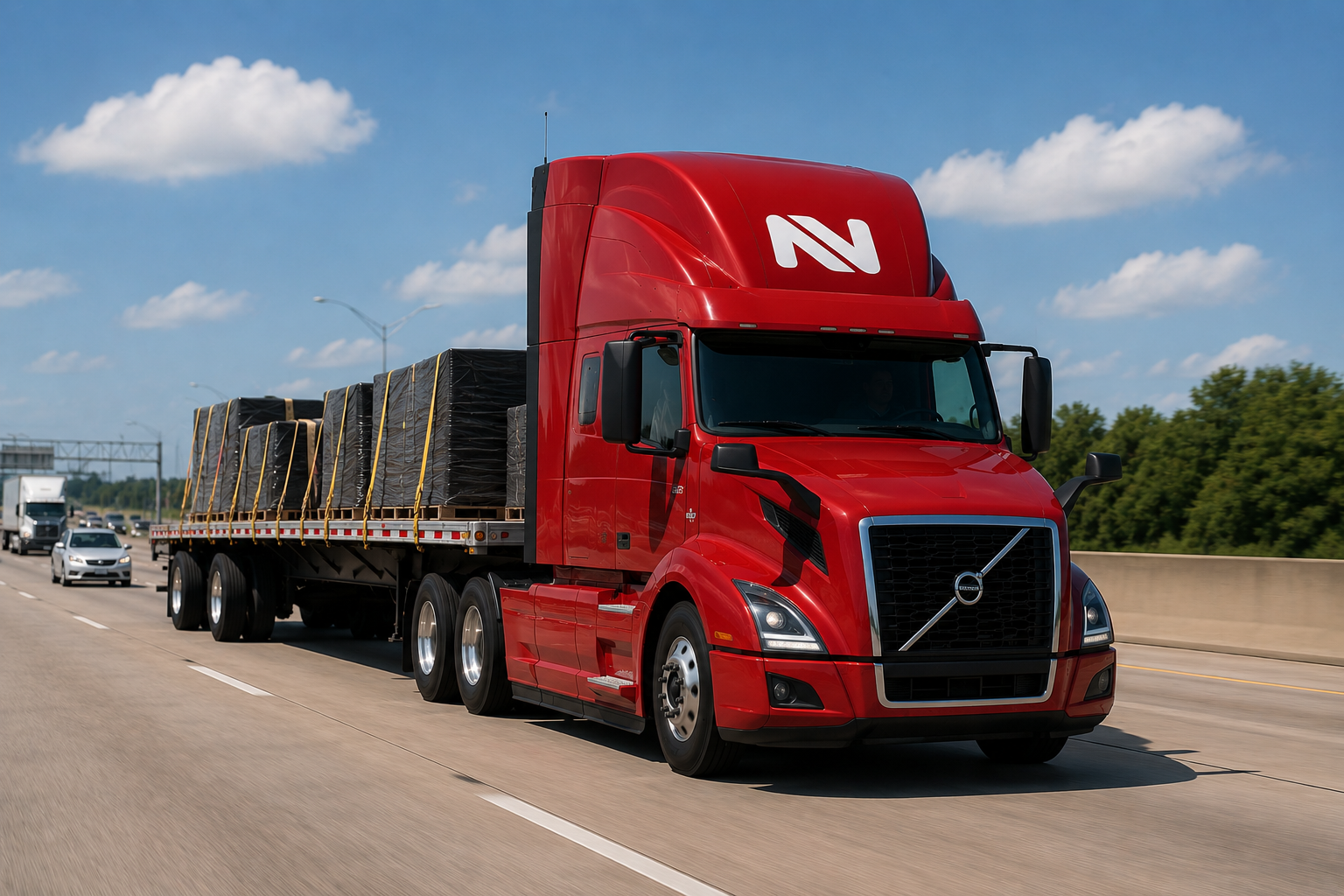
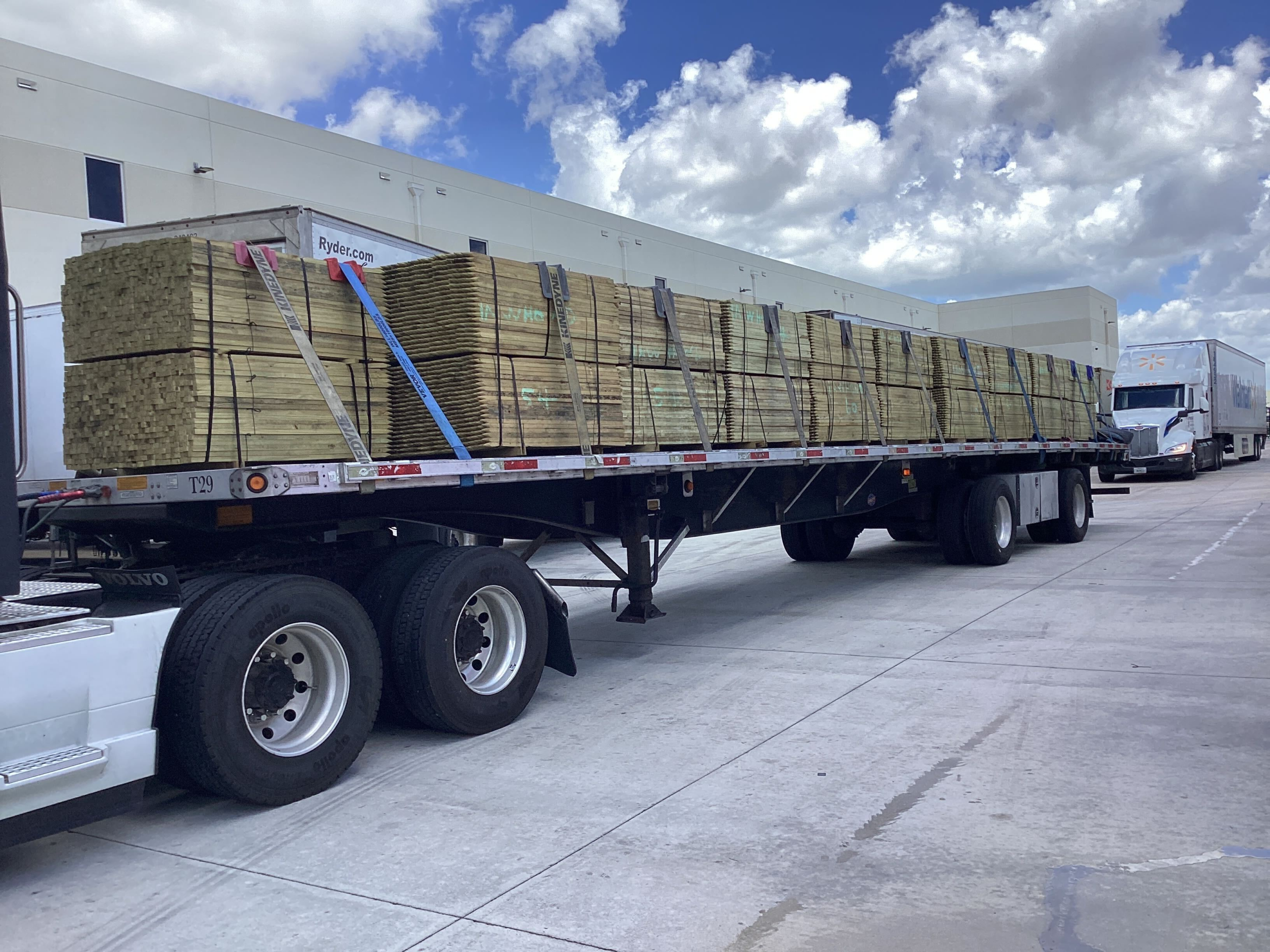
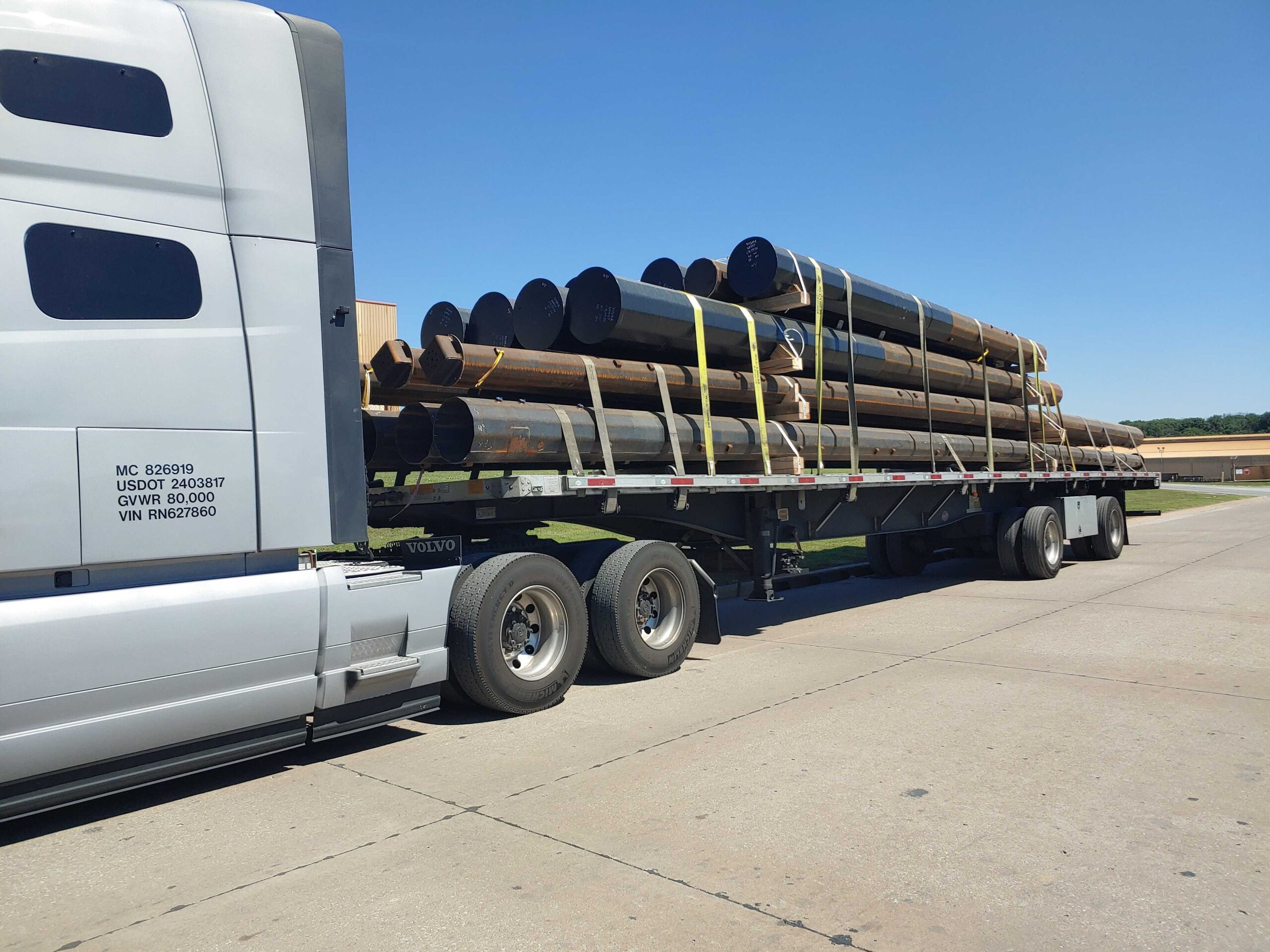
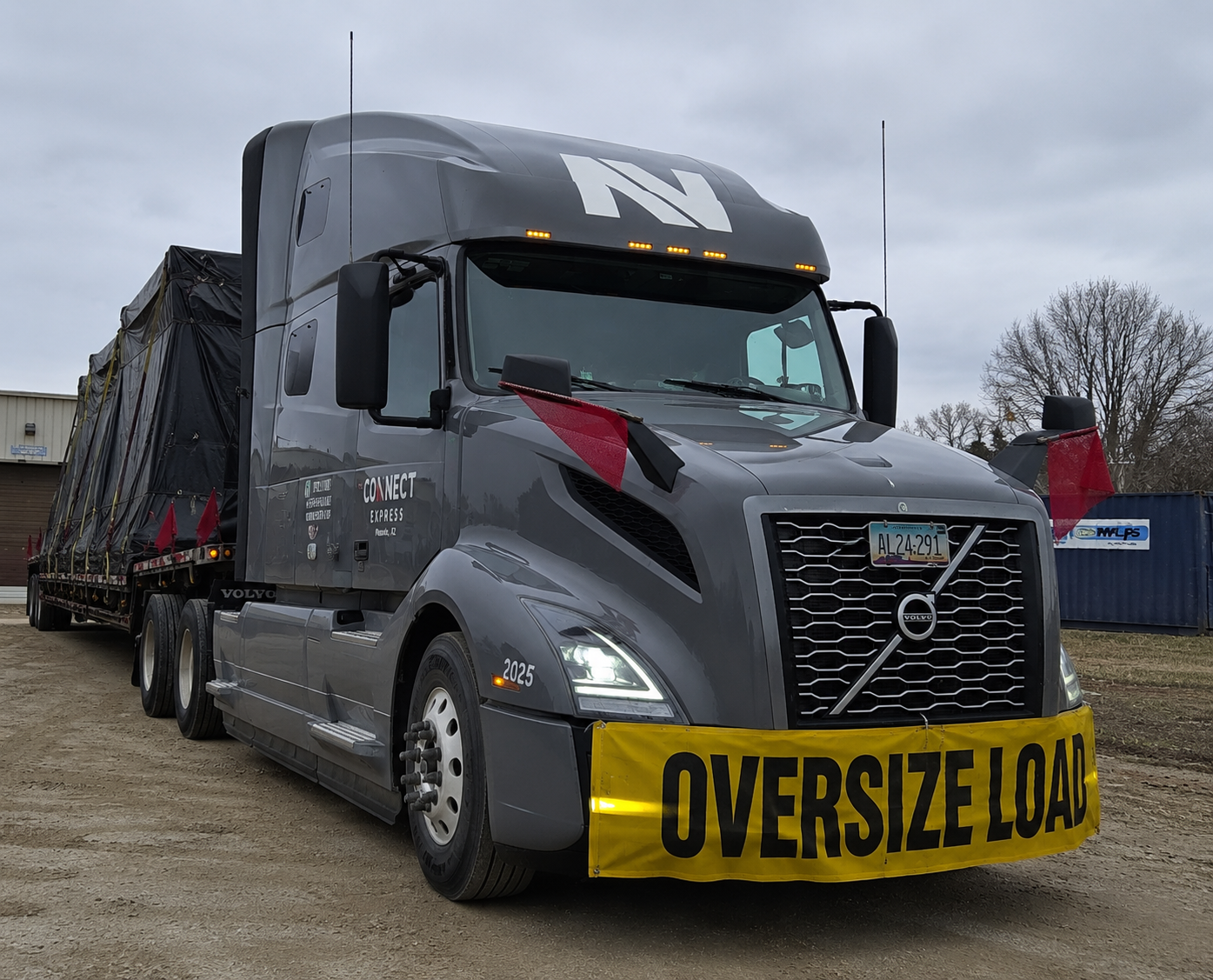
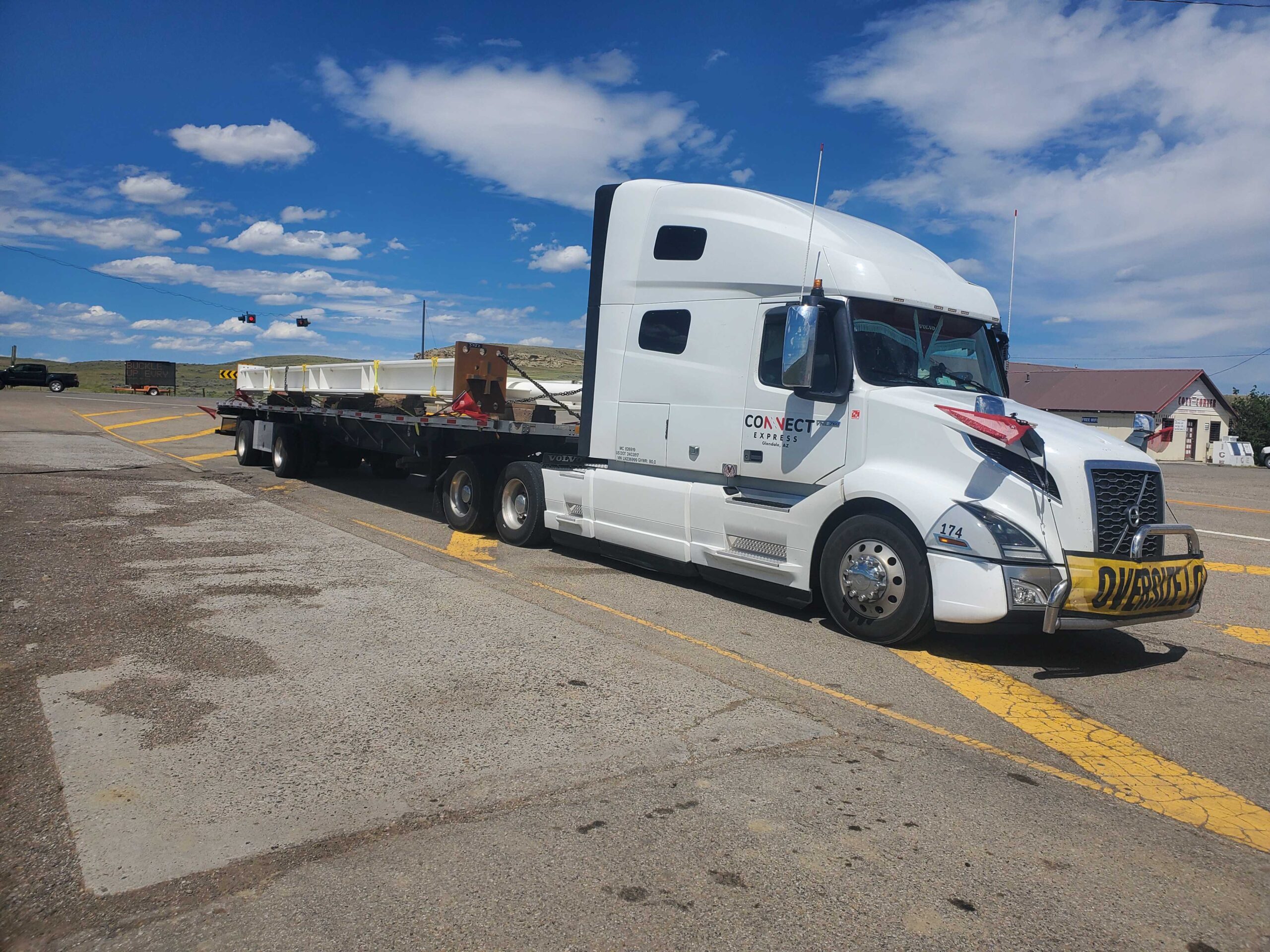
Flatbed freight is for loads that don’t fit in a standard trailer or need to be loaded from the side, top, or by crane. Think steel, lumber, machinery, construction materials, or equipment. Oversized hauling takes that further. Once a load exceeds legal dimensions or weight, permits and route restrictions become part of the job.
Dedicated freight service is different from one-off shipments. In a dedicated setup, a shipper uses committed equipment and drivers for specific lanes or regular volume. That gives more consistency. It can also reduce the daily scramble for capacity when freight has to move on a schedule.
What a Freight Carrier Actually Does
A lot of people hear “transportation services” and think only about driving. The driving matters, but it’s just one part of the job.
A carrier has to confirm load requirements, trailer type, commodity details, appointment times, accessorial needs, and delivery instructions. The dispatch side has to make sure the driver can legally and realistically make the trip. Safety and hours-of-service rules don’t disappear because a warehouse loaded late.
Then there is equipment readiness. Is the trailer clean? Is the reefer unit running correctly? Does the flatbed have the right securement? For oversized freight, are permits in hand before the truck moves? These are basic questions, but when they get missed, pickups get missed too.
Communication is another big piece of freight transportation service. Shippers do not want to guess where their load is. They want clear pickup confirmation, transit updates when needed, and fast notice if there is a problem. Not vague answers. Real answers.
Why Service Matters More Than the Definition
A shipper rarely loses sleep over a textbook definition. They lose sleep over late freight, bad communication, and damaged product.
That is why service quality matters more than labels. Two providers may both say they offer freight transportation services. One may have real trucks, real drivers, and dispatch that answers the phone. The other may have a load board and a lot of promises. The difference shows up at pickup time.
Reliable service means the carrier can execute the plan. It means no missed appointments because no one checked driver hours. It means no wrong trailer sent to the shipper. It means no silence when a customer asks for a status update.
For manufacturers and distribution teams, consistency is what keeps production and delivery schedules intact. One late inbound load can slow a line. One missed outbound shipment can create chargebacks, unhappy customers, or a warehouse backup. Freight transportation is not just moving goods. It affects the whole operation.
How to Tell if You Need the Right Freight Transportation Service
Start with the freight itself. What are you shipping, how often, and under what conditions? If the product is standard palletized freight with no temperature requirements, dry van service may be enough. If the shipment needs temperature control, reefer is not optional. If it is over-dimensional or impossible to load in a van, you are in flatbed or specialized territory.
Then look at the lane and frequency. A one-time shipment can be handled differently than a repeat lane moving every week. If your team is spending too much time hunting for trucks every day, dedicated capacity may make more sense. If pickup times are strict or receivers are hard to deal with, you need a carrier that can manage appointments and communicate clearly.
The other factor is risk. Some freight is forgiving. Some is not. High-value loads, temperature-sensitive product, and oversized equipment all leave less room for mistakes. In those cases, the cheapest option usually becomes the most expensive one when something goes wrong.
What Shippers Should Ask Before Booking a Load
The right questions are not complicated. Can the carrier handle this equipment type? Do they run this lane consistently? How do they communicate updates? Who do you call when something changes? Are they operating trucks or handing the load off?
Those questions tell you a lot fast. If the answers are vague, expect problems later. If the provider cannot explain how they handle reefer settings, secure flatbed freight, or manage a dedicated lane, they are probably not the right fit.
This matters even more in busy freight markets. Capacity gets tight. Appointment windows get tighter. A carrier that knows your lane and your freight can save a lot of time and frustration.
For companies shipping in the Southwest and beyond, that local operating knowledge can help too. A Phoenix-based carrier moving freight across Arizona, California, Nevada, New Mexico, Texas, Utah, Colorado, and the continental United States needs to understand both regional pressure points and long-haul execution.
What Is Freight Transportation Services Worth to Your Operation?
It is worth whatever it saves you in delays, confusion, and rework. Good service keeps your team from babysitting loads. It reduces check calls, missed appointments, and last-minute damage control.
It also gives you something harder to measure but easy to recognize when it’s missing: confidence. You tender the load. The truck shows up. The shipment moves. You get real updates. Delivery happens the way it was supposed to.
That is the standard serious shippers are looking for. Not a sales pitch. Not a long explanation. Just execution.
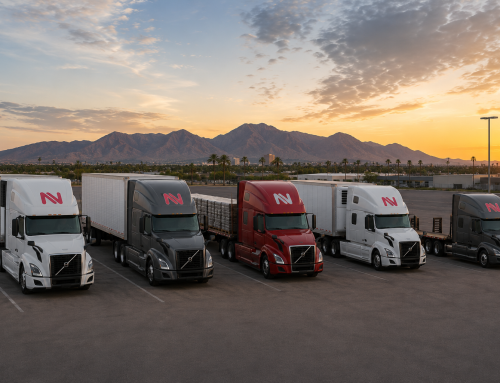
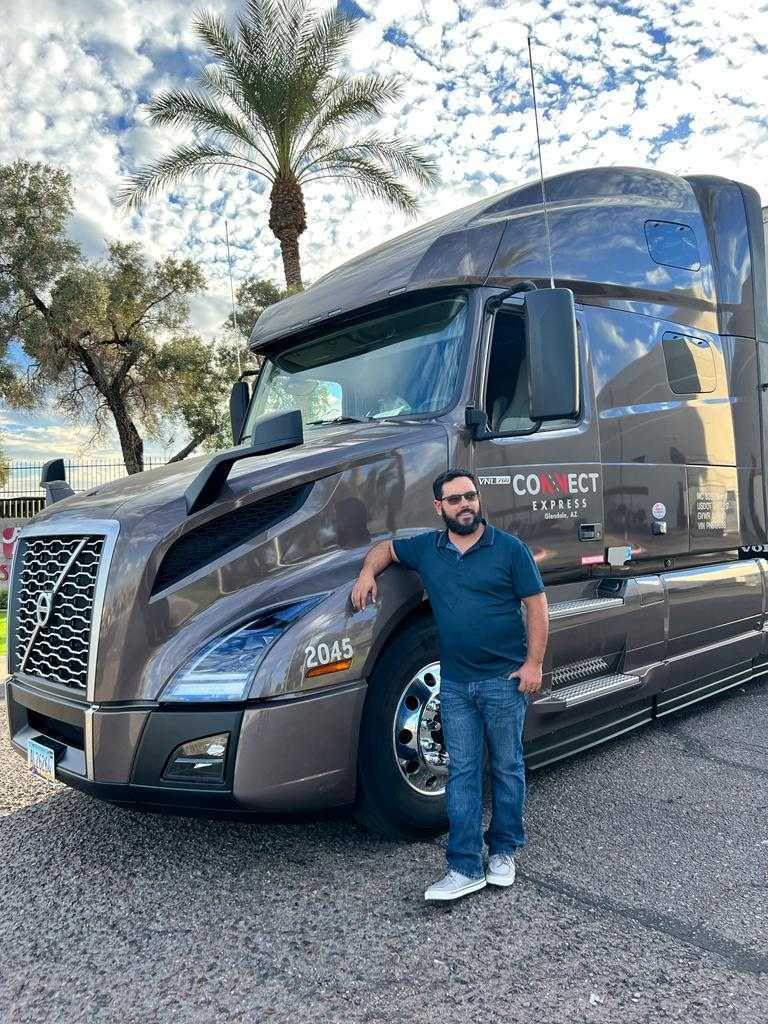
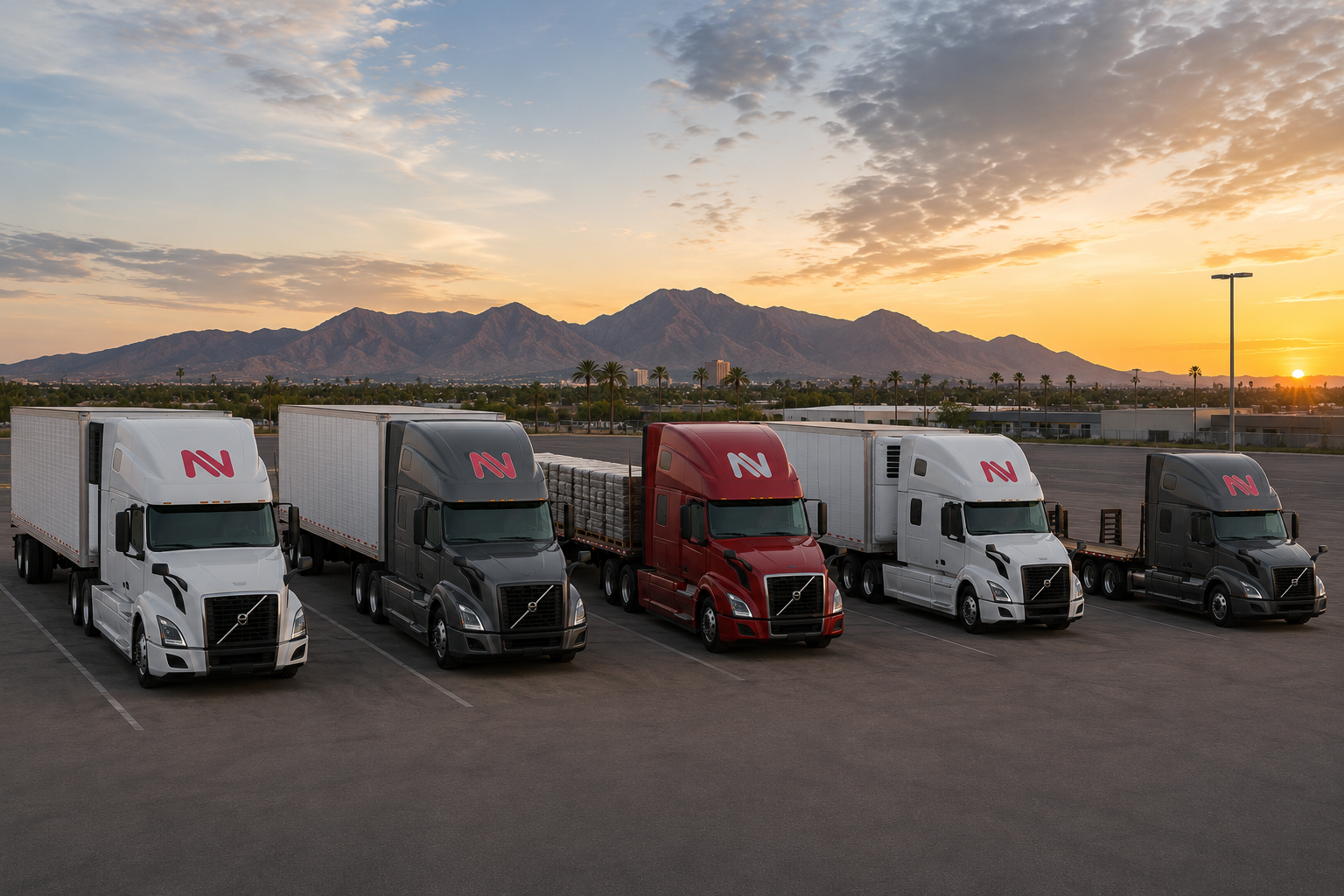
At ConnectExpress LLC, that is how we look at freight transportation. Real trucks. Real drivers. The right equipment for dry van, reefer, flatbed, oversized, and dedicated freight. No guessing where your load is. No missed pickups if we commit to the job.
If you’re sorting through carriers and trying to decide what freight transportation services really mean, keep it simple. It means having a partner that can move your freight safely, on time, and without turning every shipment into a follow-up project.



[…] What Is Freight Transportation Services? Gallery […]