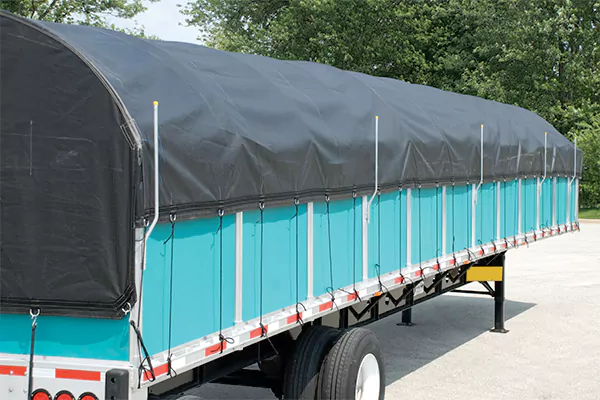
A missed pickup does more than delay one load. It can stall production, tighten dock schedules, create customer chargebacks, and force your team to spend the day chasing updates instead of moving freight. That is why freight transportation solutions matter so much – not as a broad industry term, but as the daily systems, equipment, people, and visibility that keep your freight moving the way it should.
For shippers, the right solution is rarely just about finding a truck. It is about matching freight requirements to the right capacity, controlling risk, maintaining service levels, and getting clear communication when conditions change. A low rate on the wrong equipment or with limited tracking is not a savings if it creates downstream cost. Strong transportation planning starts with that reality.
What freight transportation solutions should actually solve
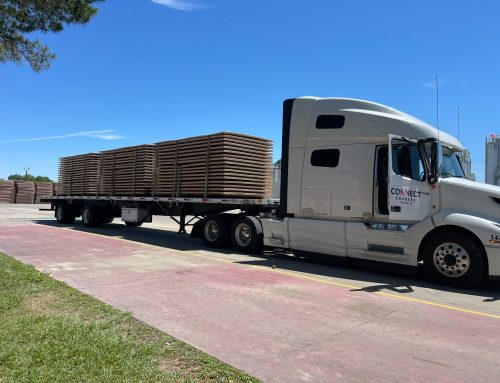
A transportation partner should solve operational problems, not add new ones. That begins with equipment fit. Dry van freight needs dependable trailer availability and disciplined appointment management. Temperature-sensitive freight needs reefer capacity backed by maintenance standards and teams that understand transit risk. Industrial materials and jobsite freight need flatbed planning that accounts for securement, loading conditions, and delivery constraints.
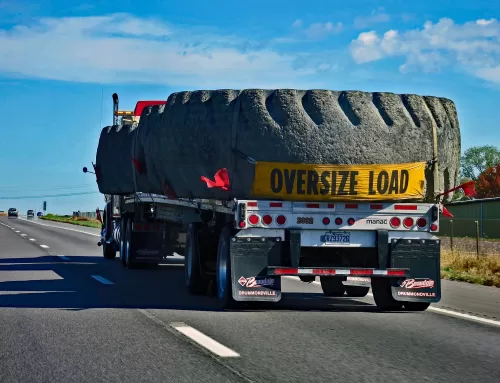
The same principle applies to specialized moves. Overdimensional freight brings permit timing, routing restrictions, and escort requirements into the equation. Dedicated freight calls for consistency, route discipline, and enough operational depth to support service every week, not just when the market is favorable. When a carrier can support multiple modes under one roof, the shipper gains flexibility without adding unnecessary complexity.
That is where many freight strategies either hold up or break down. If every load type requires a different provider, communication gaps appear fast. One partner handles dry van, another handles reefer, another handles flatbed, and no one sees the full picture. A better model is working with a transportation provider that can coordinate across those needs while giving your team one point of accountability.
Choosing freight transportation solutions by freight type
Not every load should be treated the same, even if the origin and destination look familiar on paper. Freight characteristics drive service design.
Dry van freight transportation solutions
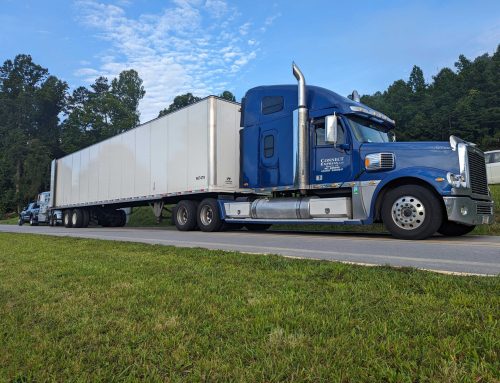
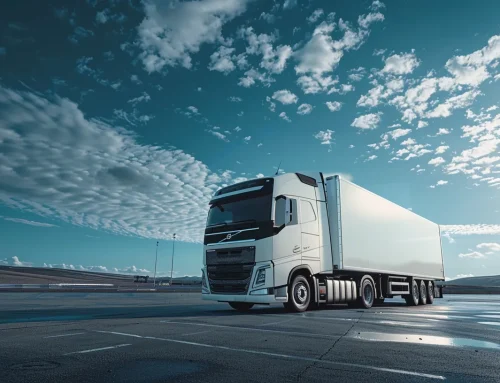
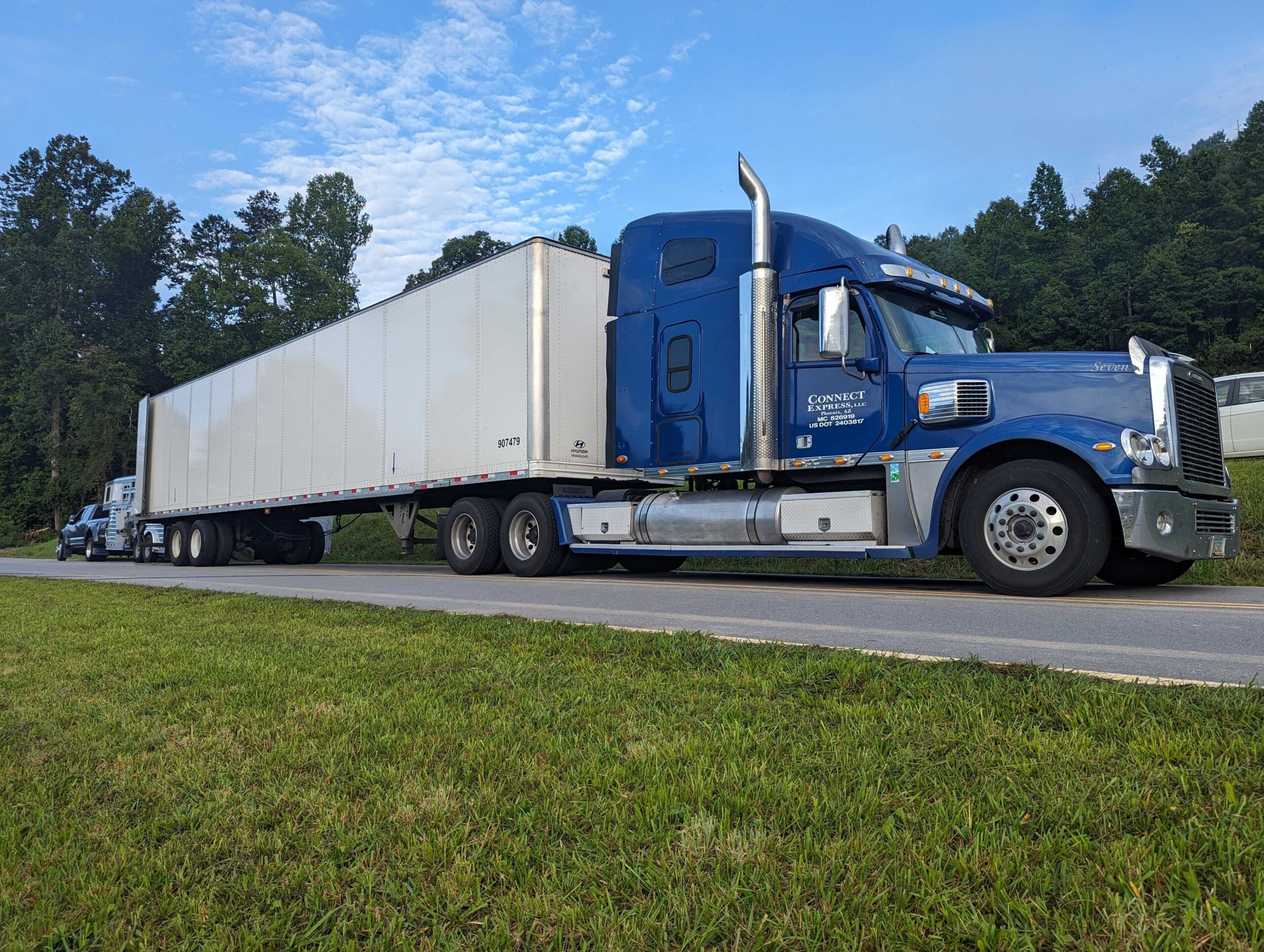
Dry van is often viewed as standard truckload freight, but execution still matters. Consumer goods, packaged products, retail freight, and many manufacturing shipments depend on clean equipment, reliable scheduling, and stable transit. The main risk is assuming dry van is simple enough that any provider can handle it equally well. In practice, service failures often come from poor dispatch coordination, trailer shortages, or weak communication around pickup and delivery windows.
A dependable dry van solution should give your team access to capacity, accurate load status, and responsive support when schedules tighten. That is especially important for facilities managing multiple appointments in a single day.
Reefer freight transportation solutions
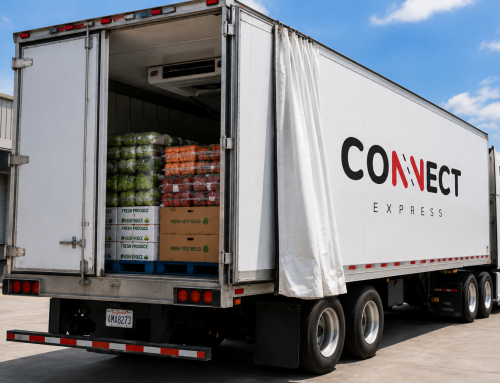
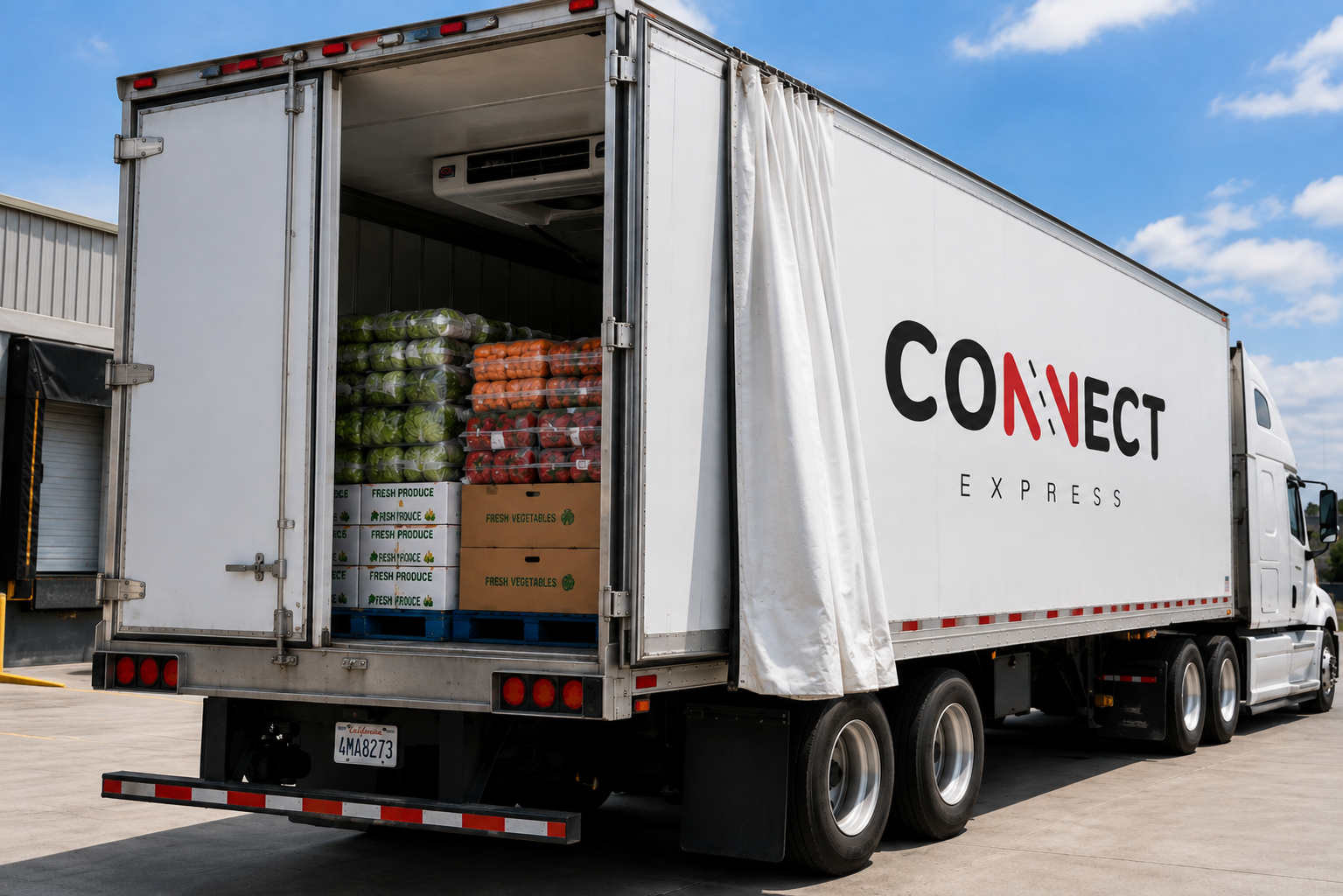
Refrigerated shipping raises the stakes. Food and beverage products, produce, pharmaceuticals, and other sensitive goods need temperature control, but they also need strict process control. Pre-cooling, setpoint management, transit monitoring, and on-time performance all affect product integrity.
The cheapest reefer option is often the most expensive if it puts claims, spoilage, or receiver rejection on the table. Shippers should look for disciplined operations, newer equipment, and visibility that allows teams to react before small issues turn into lost freight.
Flatbed and overdimensional solutions
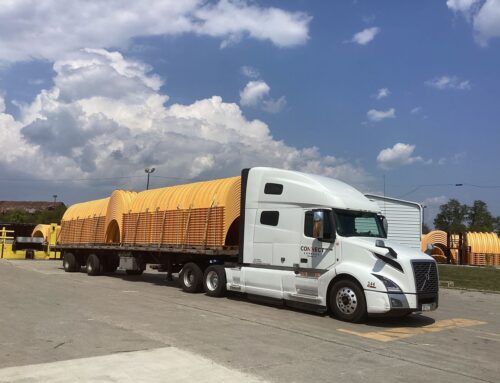
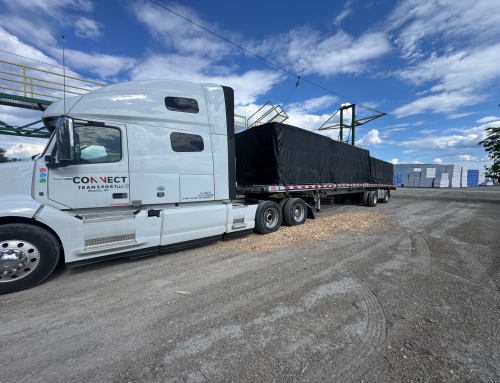
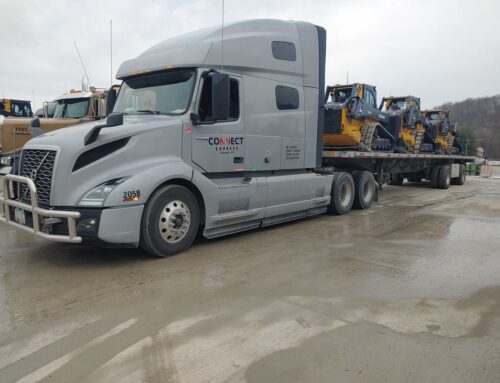
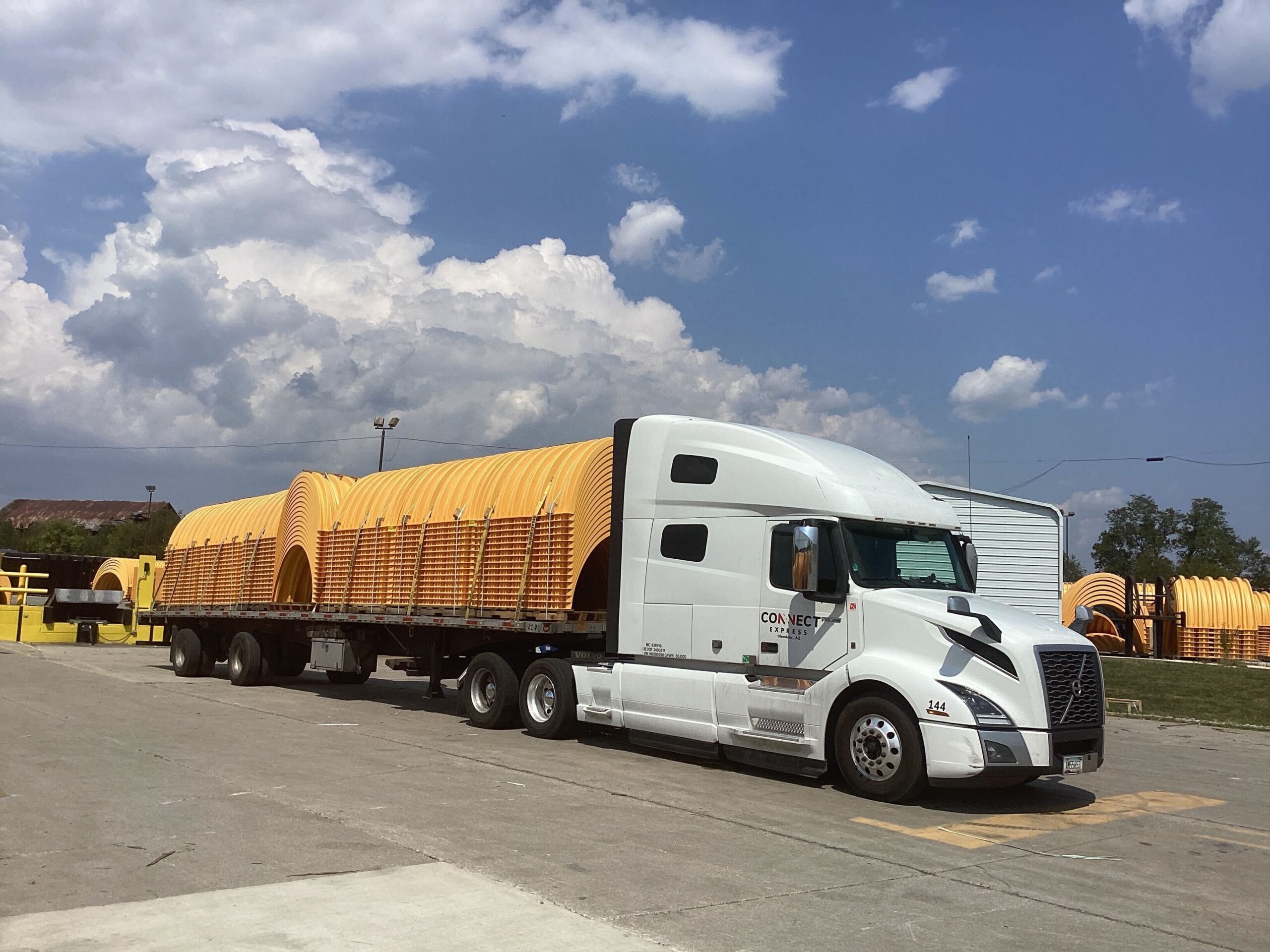
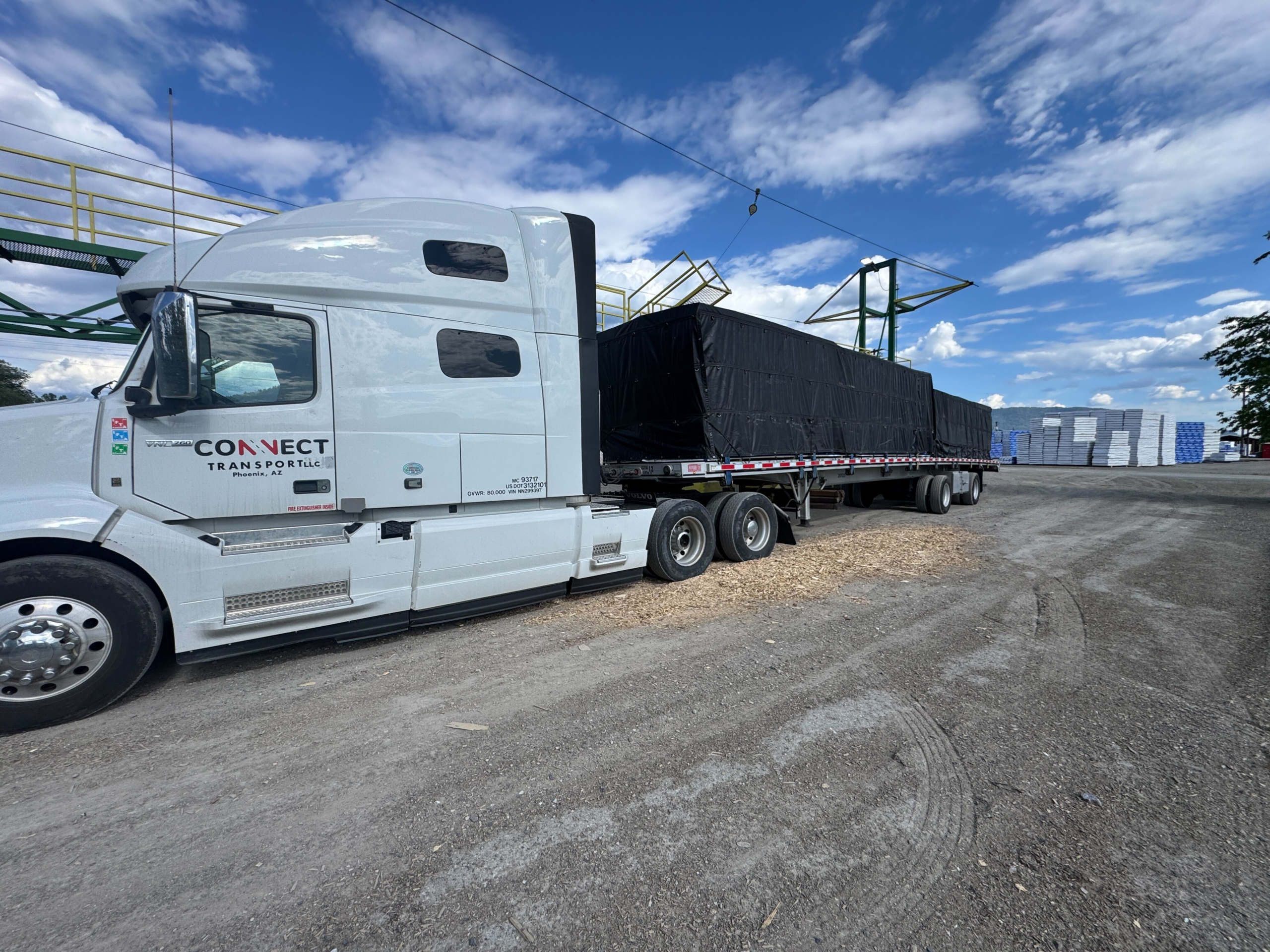
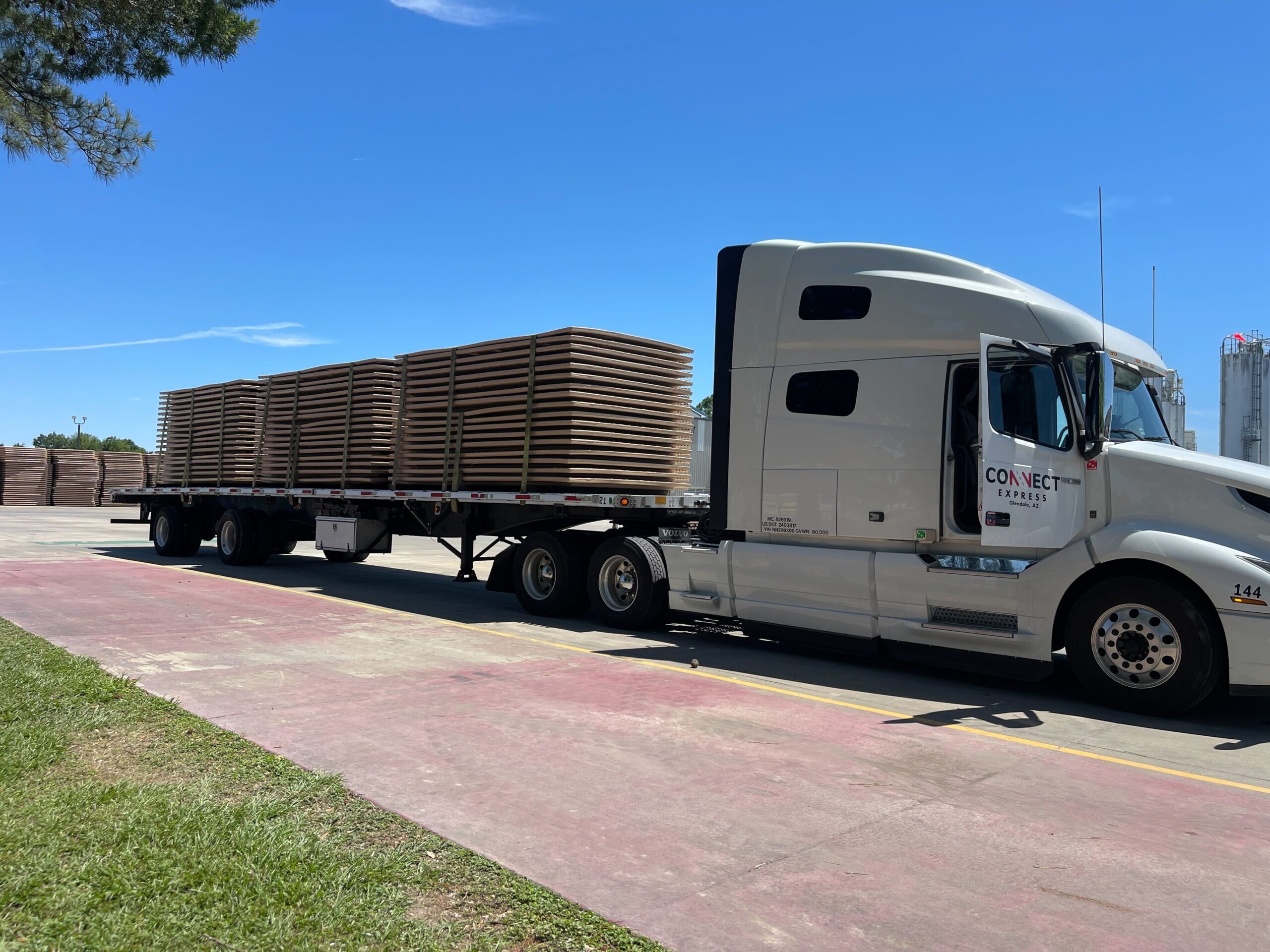
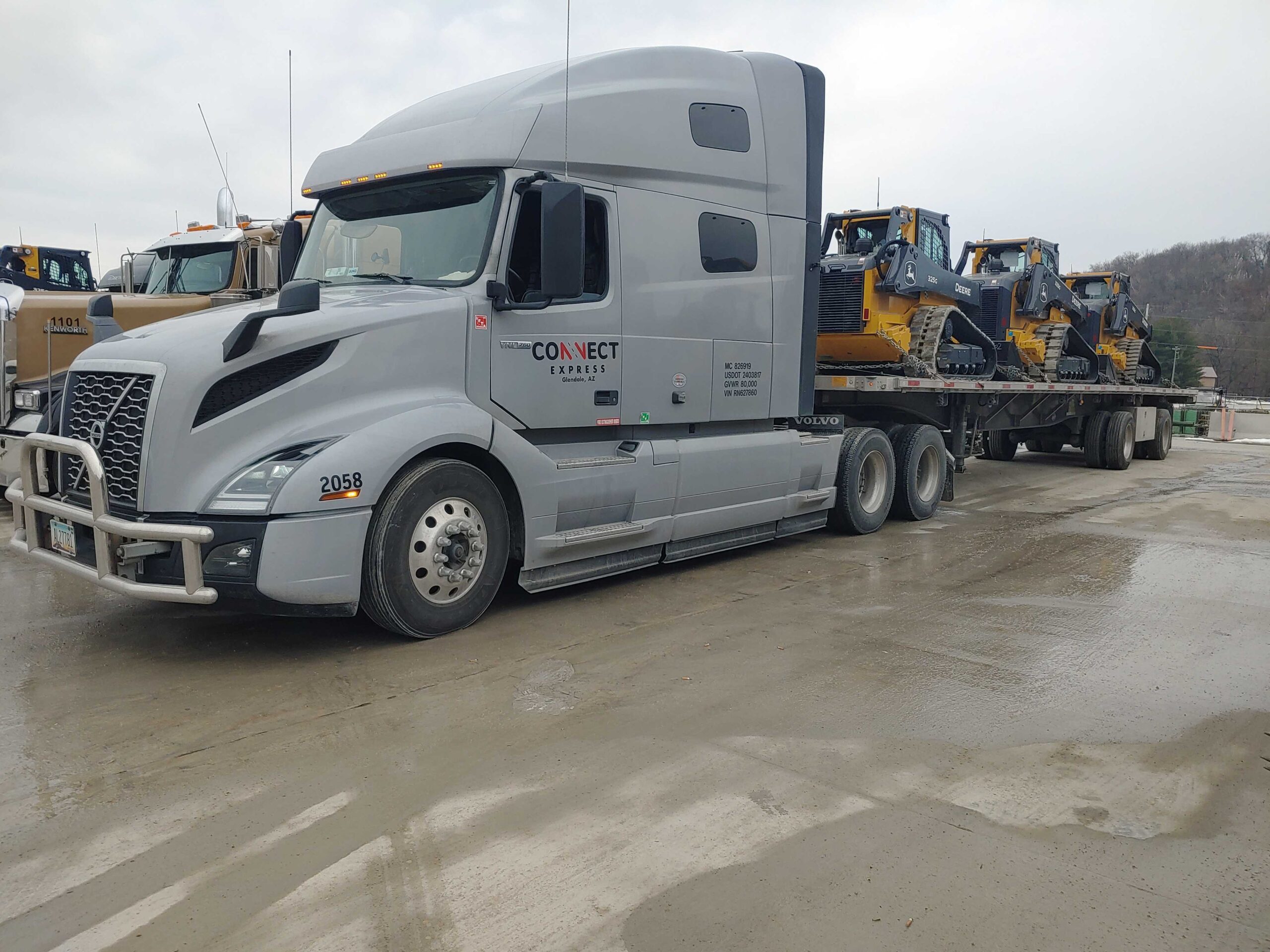
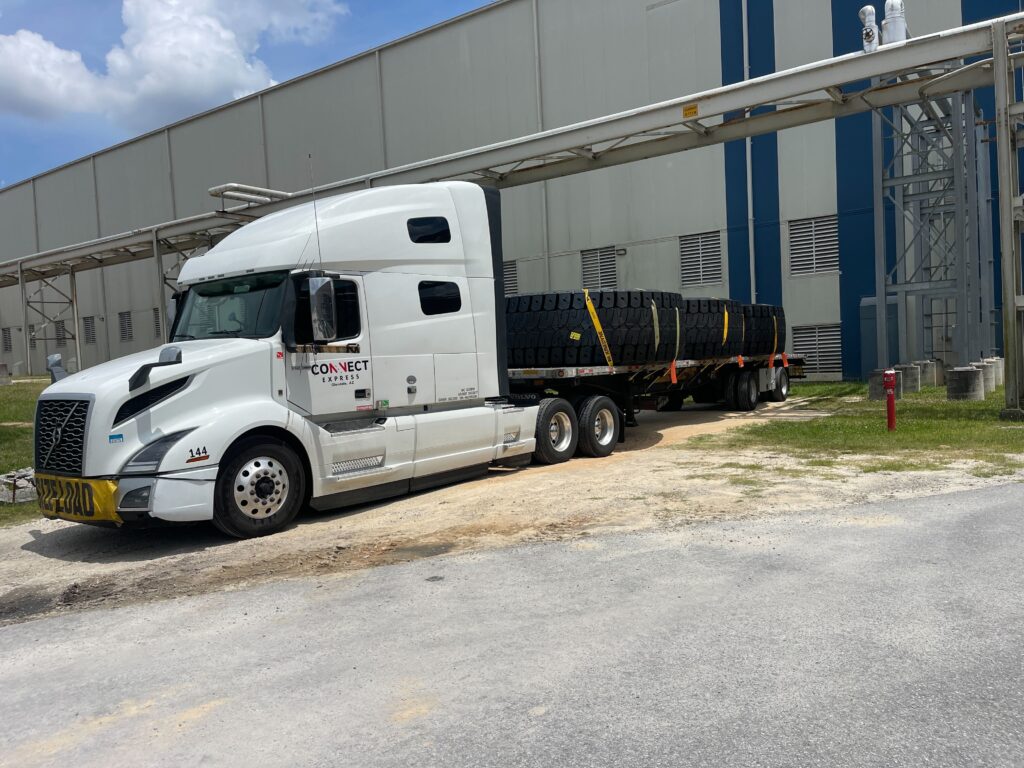
Flatbed freight demands more planning than many buyers expect. Load dimensions, weight distribution, securement requirements, tarping needs, and site access all shape how the move should be handled. Construction materials, machinery, steel, and industrial freight usually come with variables that are not obvious on a rate sheet.
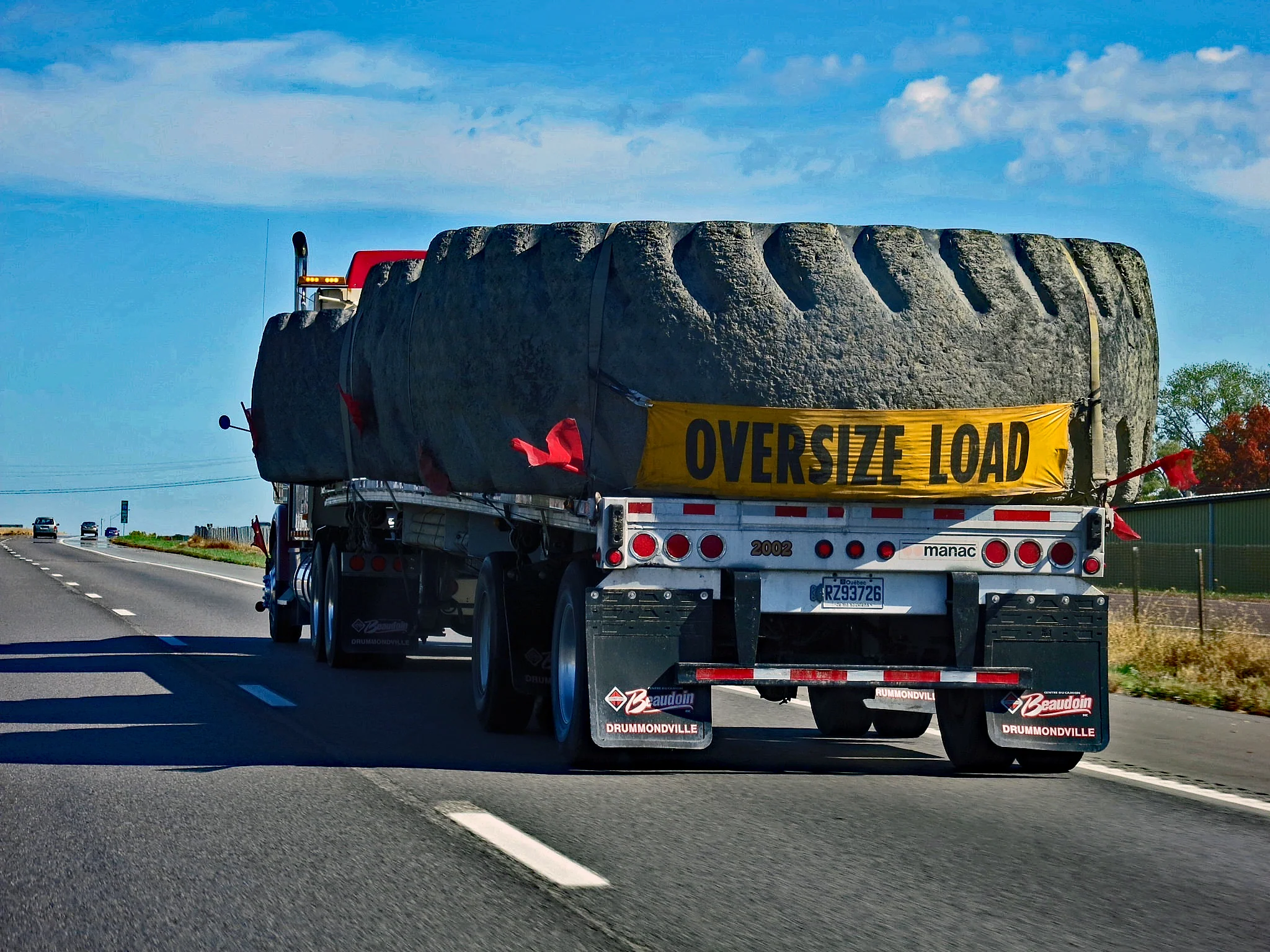
Overdimensional freight adds another layer. Permits, route surveys, escort needs, and state-by-state restrictions can affect timing and cost. In these moves, details are not administrative extras. They are part of the transportation solution itself. If permit support and route planning are weak, the truck can be ready while the load is not.
Why visibility is now part of the service
Years ago, many shippers accepted limited communication as part of trucking. That standard no longer works for businesses managing lean inventory, appointment compliance, and customer expectations. Real-time tracking, digital quoting, API connectivity, and TMS integration are no longer nice add-ons for large enterprises only. They are practical tools that improve decision-making for shippers of every size.
Visibility matters because it shortens reaction time. If a facility knows a truck is running behind, it can adjust labor, reschedule a dock, or alert a customer before the situation escalates. If a transportation manager can pull accurate tracking data without making repeated calls, the team gets time back for planning and exception management.
That does not mean technology replaces service. It means the best freight transportation solutions combine both. Digital tools provide speed and transparency. Experienced operations teams provide judgment, follow-through, and the personal touch when a load needs more than a status update.
Capacity is only useful if it is dependable
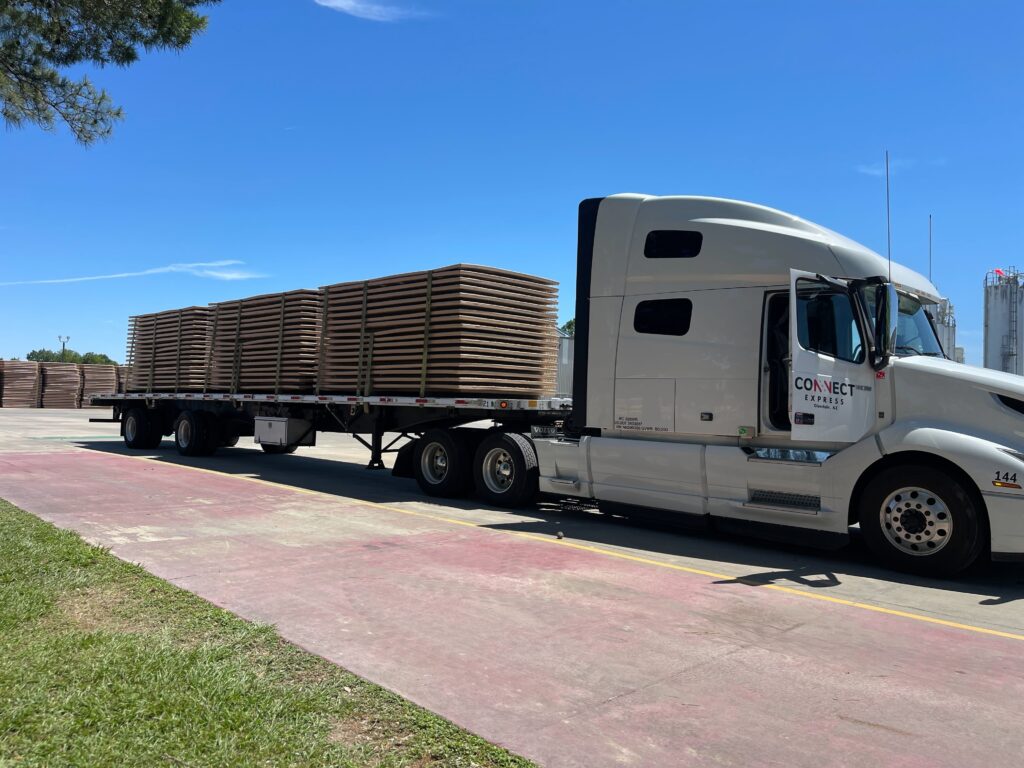
Many carriers can say yes to a load when trucks are available. The real test is consistency over time. Can the provider handle seasonal swings? Can it support repeat lanes without frequent service breakdowns? Can it manage a mix of regular freight and urgent shipments without losing execution quality?
This is where asset-backed capacity makes a difference. A carrier with a modern fleet, strong trailer pool, and dispatch discipline typically gives shippers more control than a provider relying entirely on outside coverage. There is still a place for broader logistics coordination, especially when freight patterns change or uncommon requirements appear. But for many businesses, the best model is a transportation partner that offers both direct capacity and the operational systems to coordinate beyond a single equipment type.
For Arizona shippers and companies moving freight across North America, this matters even more. Regional demand shifts fast. Produce seasons, industrial projects, and cross-border pressure can tighten capacity in ways that punish weak planning. A provider with equipment options and responsive operations can help absorb those changes instead of passing the disruption straight to the customer.
How to evaluate freight transportation solutions without guessing
The strongest transportation partnerships are built on measurable performance. Rate matters, but it should be evaluated alongside service results. A transportation manager should be asking practical questions. What is the provider’s on-time record? How current is the fleet? What kind of tracking is available? How quickly can quotes and updates be delivered? How does the team handle exceptions, permits, or equipment changes?
It also helps to look at how a provider communicates before there is a problem. Fast, direct answers during quoting and planning usually signal a stronger operation once freight is in transit. Vague answers often lead to vague accountability later.
This is one reason companies look for partners that combine safety-first operations with technology and equipment depth. A newer tractor fleet can reduce service interruptions tied to maintenance issues. Strong trailer availability can improve loading flexibility. Digital tools can reduce manual check-ins. None of that guarantees perfect execution, but together they improve the odds in ways that matter on real freight.
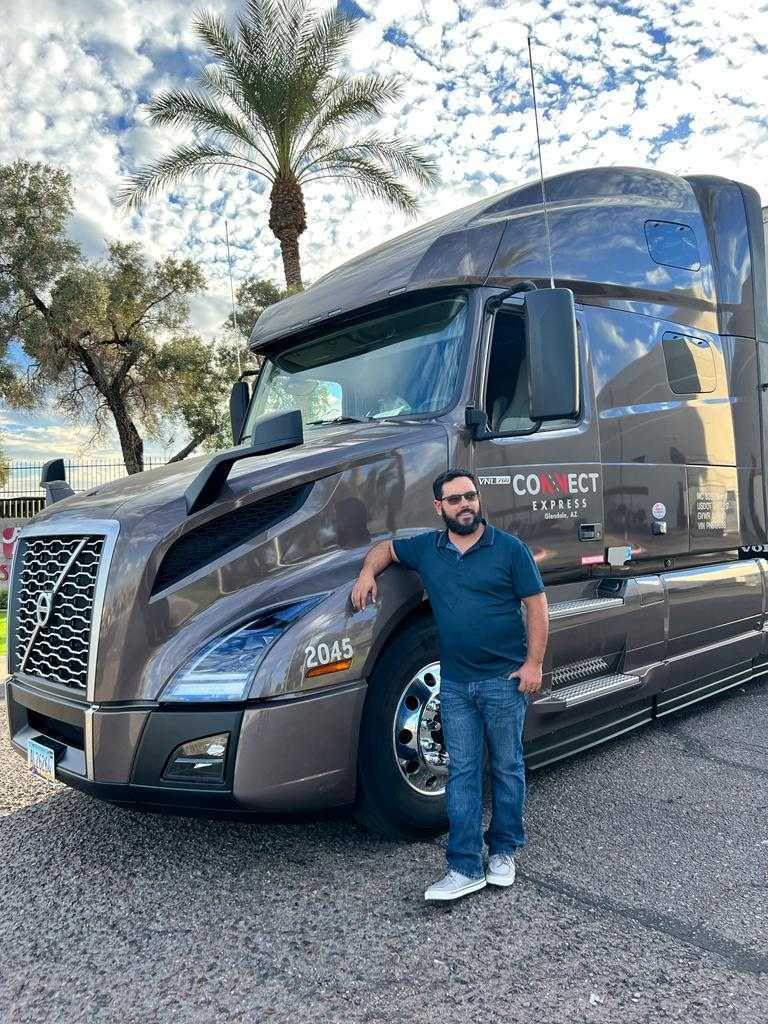
For shippers that want one transportation partner capable of supporting dry van, reefer, flatbed, dedicated, and specialized freight with real-time visibility, ConnectExpress LLC reflects that model well. The value is not just in offering multiple services. It is in giving customers a more controlled, accountable way to move freight.
Freight transportation solutions work best when they fit your operation
There is no single best transportation setup for every shipper. A manufacturer with steady lane volume may benefit from dedicated capacity. A food shipper may need reefer coverage with tighter monitoring and stricter appointment discipline. A construction supplier may need flatbed flexibility and permit support for irregular project freight. It depends on your freight profile, customer commitments, loading conditions, and internal planning resources.
What does stay consistent is the need for a partner that treats service as execution, not sales language. The right provider should help you reduce uncertainty, improve shipment flow, and support growth without making your team work harder just to keep loads on track.
If your current setup leaves too much to chance, that is usually the signal. Better freight performance often starts with a simpler question: do your transportation solutions actually match the way your business ships?
Ready to move your freight with a carrier that matches equipment to your shipping needs? Explore our logistics services and then Request a truckload quote or call 480-401-1998.