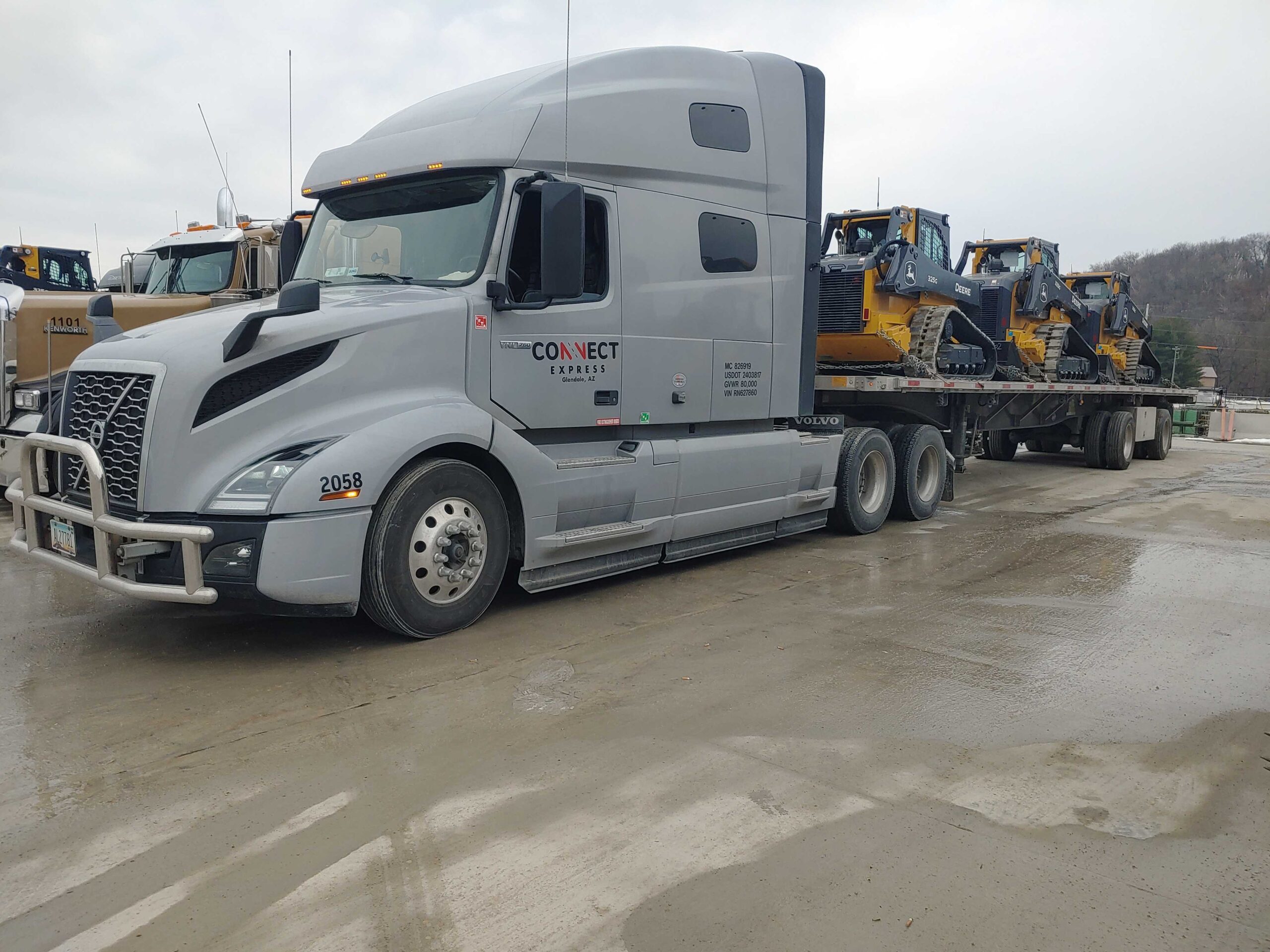
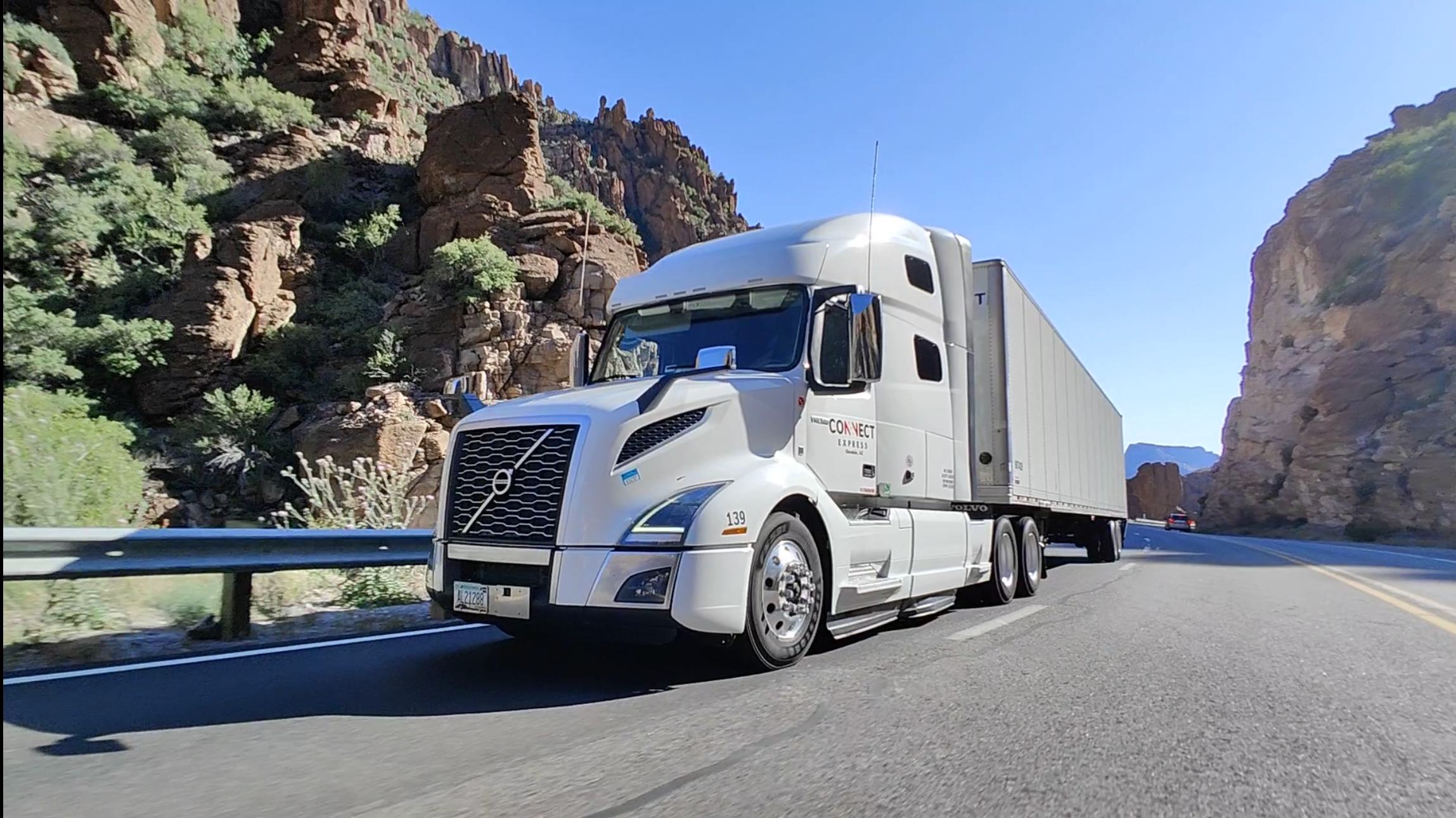
A missed pickup can throw off a full production schedule. One late truck can back up a dock, delay a customer order, and leave your team chasing updates instead of moving freight. That is why dry van freight services matter more than most people admit. When the freight is standard, the service still has to be sharp.
See our dry van trucking service for enclosed truckload capacity. Request a truckload quote → Contact us or call 480-401-1998.
For a lot of shippers, dry van is the everyday workhorse. Palletized freight, boxed goods, retail shipments, packaged materials, and general commodities all move in enclosed trailers every day. The equipment is common. Reliable execution is not.
What dry van freight services actually cover
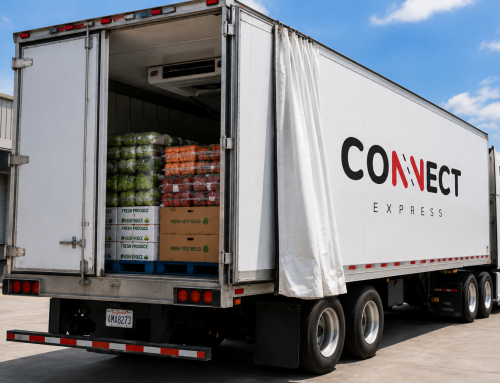
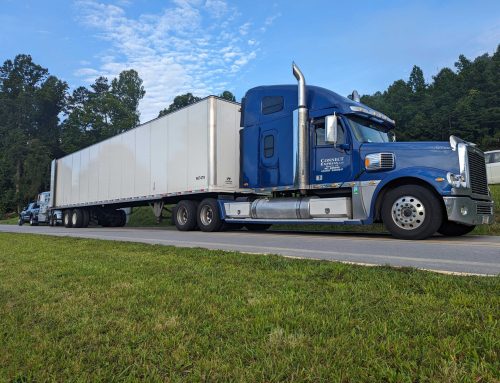
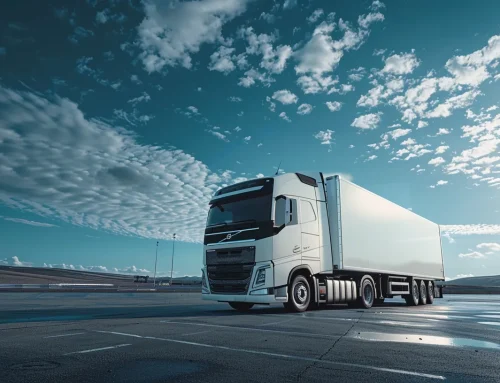
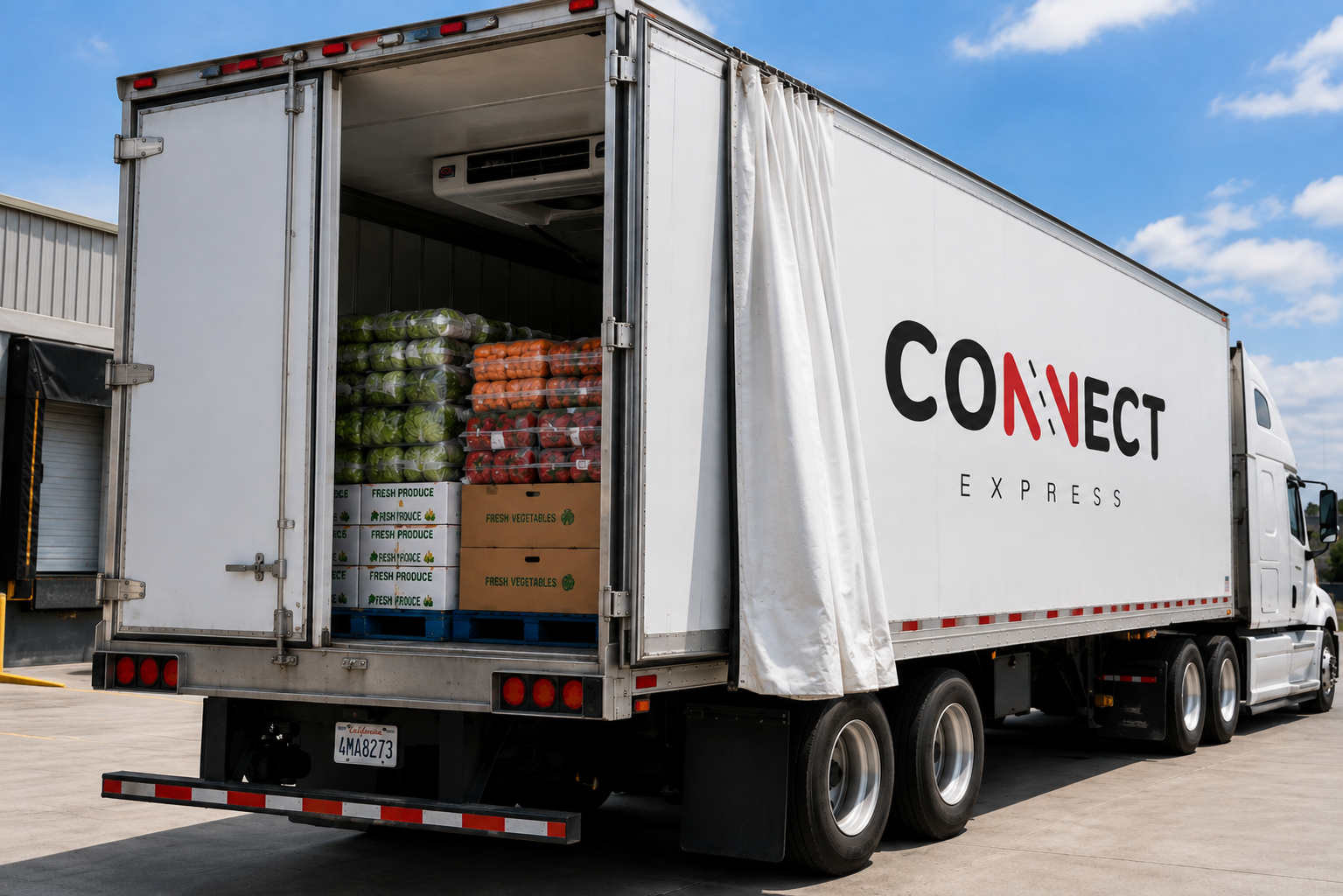
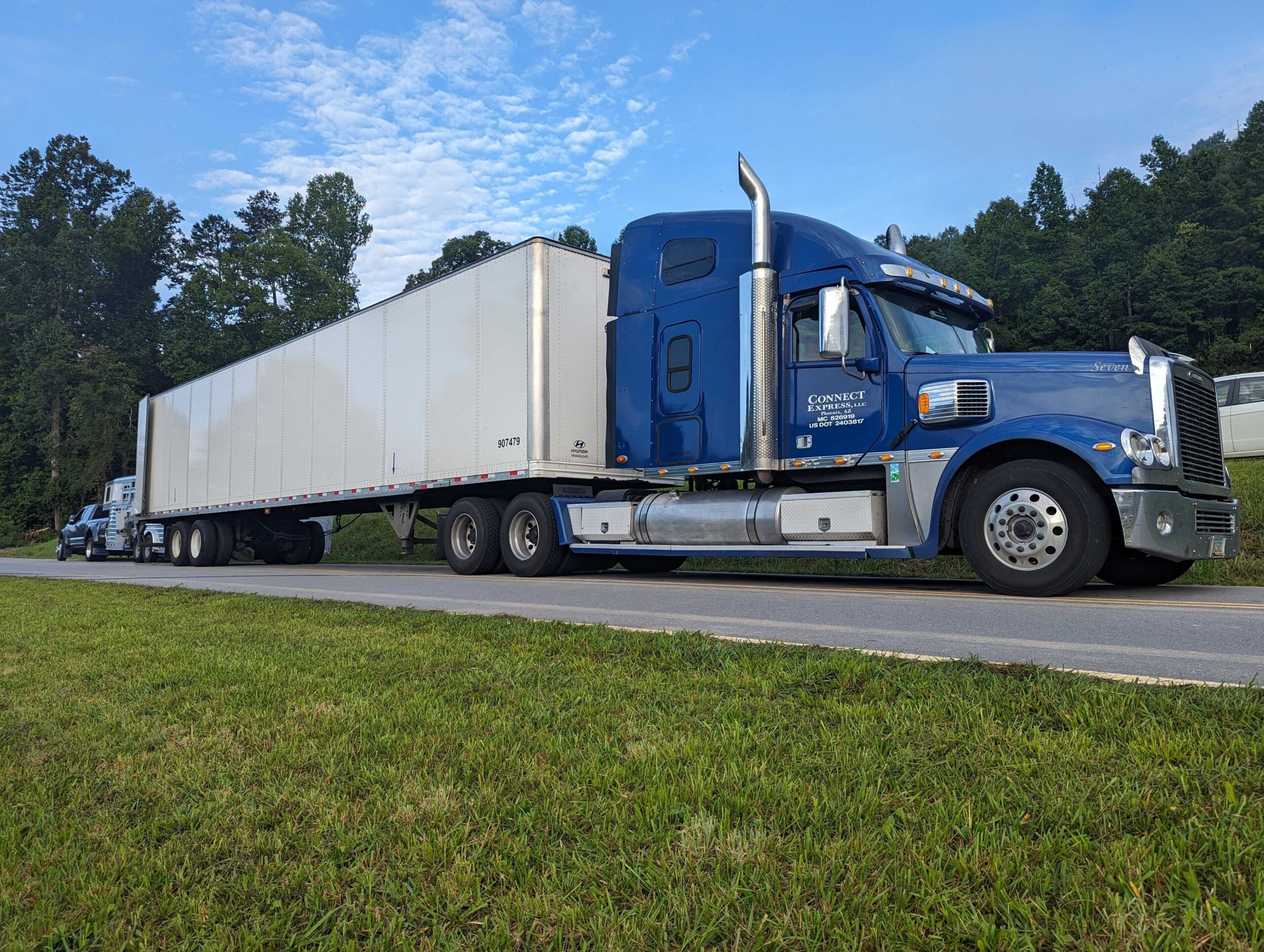
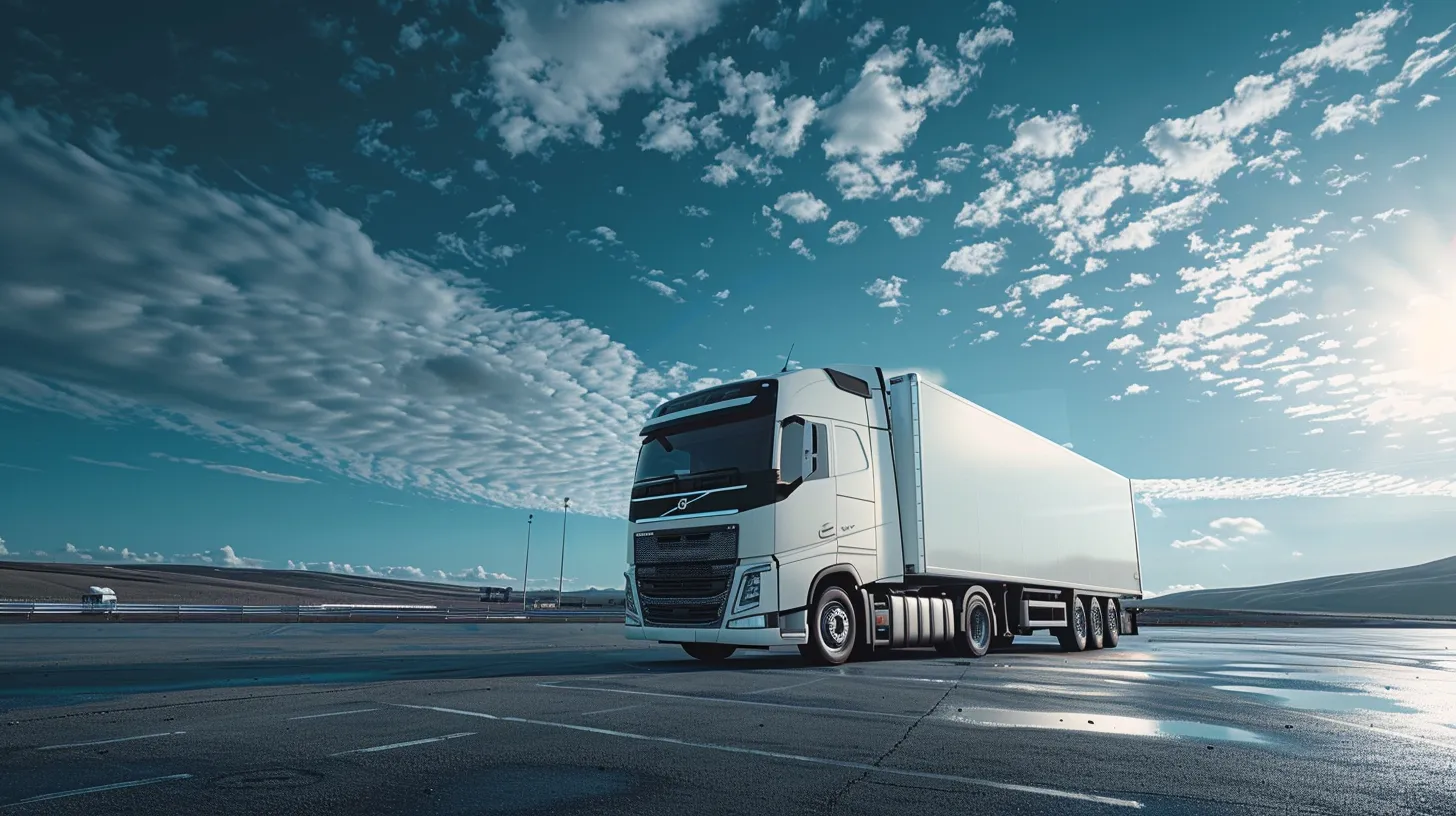
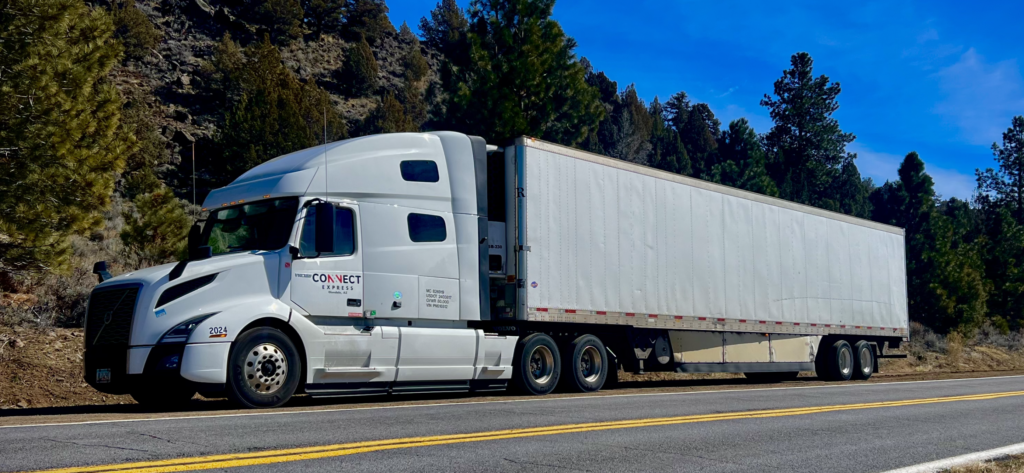
Dry van freight services are built for freight that needs protection from weather, road debris, and outside exposure, but does not need temperature control. A dry van trailer is enclosed, secure, and suited for standard dock loading. That makes it the right fit for a wide range of freight across manufacturing, distribution, retail, and industrial supply.
Most of the time, the freight is palletized or floor-loaded and moved on a tight shipping schedule. The trailer itself is straightforward. The real difference comes from how the load is handled from dispatch to delivery.
A good dry van operation keeps appointments, communicates clearly, and handles paperwork without creating delays. A weak one gives vague ETAs, misses check calls, and leaves the shipper doing cleanup work.
Why shippers rely on dry van freight
Dry van is often the default because it works for so many products. It protects freight from rain, dust, and theft better than open-deck options. It also fits standard warehouse operations. Forklifts, dock doors, and shipping teams are already set up for it.
That said, dry van is not automatically simple. Freight still has to be loaded correctly, secured correctly, and delivered on time. If the carrier misses a pickup window, the fact that it is a dry van does not help you.
This is where freight managers usually get frustrated. They are not looking for a sales pitch. They want to know three things. Is the truck going to show up, is the load going to stay on schedule, and will someone answer the phone when plans change.
What good dry van freight services look like
The basics should not be hard, but they are where carriers often fall short.
First, the truck needs to arrive when it is supposed to. Not “close enough.” Not “running a little behind.” If your warehouse has appointment times, labor scheduled, and outbound orders stacked up, late arrivals create real cost.
Second, you need real updates. Not silence for six hours and then a last-minute excuse. Good communication means you know when the truck is empty, when it is on the way, when it is loaded, and whether anything on the route has changed. No guessing where your load is.
Third, the freight needs to be handled right. Dry van freight may not need a reefer unit or specialized permits, but it still needs proper load securement, weight distribution, and clean equipment. A bad trailer condition can turn a routine shipment into a claim.
Fourth, capacity has to be real. A lot of shippers have dealt with carriers who say yes first and figure it out later. That is how loads get pushed back or handed off in ways the customer never expected. If a carrier says they have the truck, they should have the truck.
Dry van freight services are not one-size-fits-all
This is where experience matters. Two dry van loads can look similar on paper and move very differently in the field.
A short regional run in the Southwest is one thing. A multi-stop shipment moving across several states is another. A drop-and-hook load with flexible receiving hours is not the same as a strict live unload with a narrow appointment window. The trailer type may be the same, but the execution plan is not.
Freight managers know this already. The issue is whether the carrier sees it too. If they treat every load the same, problems start early. Wrong pickup timing, poor route planning, missed check-ins, and drivers arriving without the right instructions all create avoidable delays.
Comparative Analysis: Flatbed vs. Conventional Trucking
When dry van is the right choice
Dry van is usually the right fit when the product needs enclosed protection but not active temperature control. Consumer goods, paper products, dry food items, packaging, building materials that must stay covered, and many finished manufactured goods all fit here.
It is also a strong option when security matters. Enclosed trailers reduce visibility from the outside, which helps with theft prevention compared to open-deck freight. That does not remove risk, but it does help.
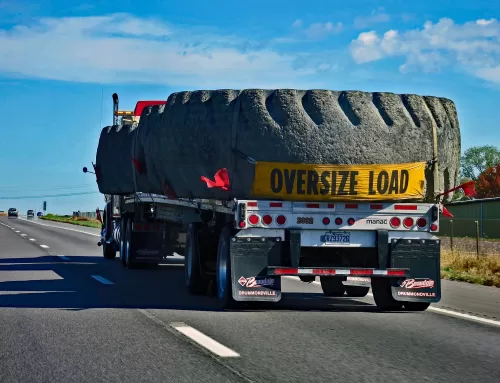
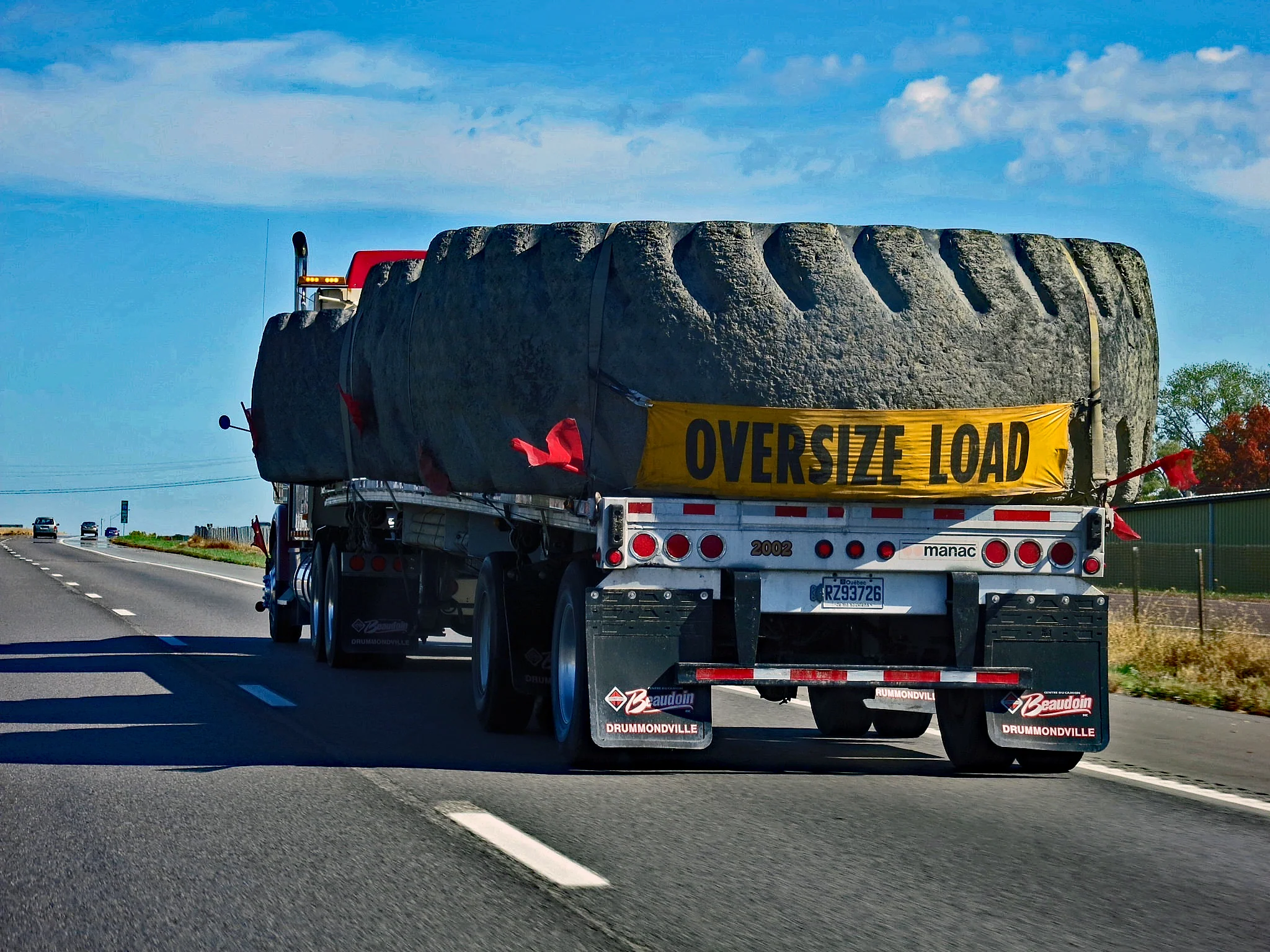
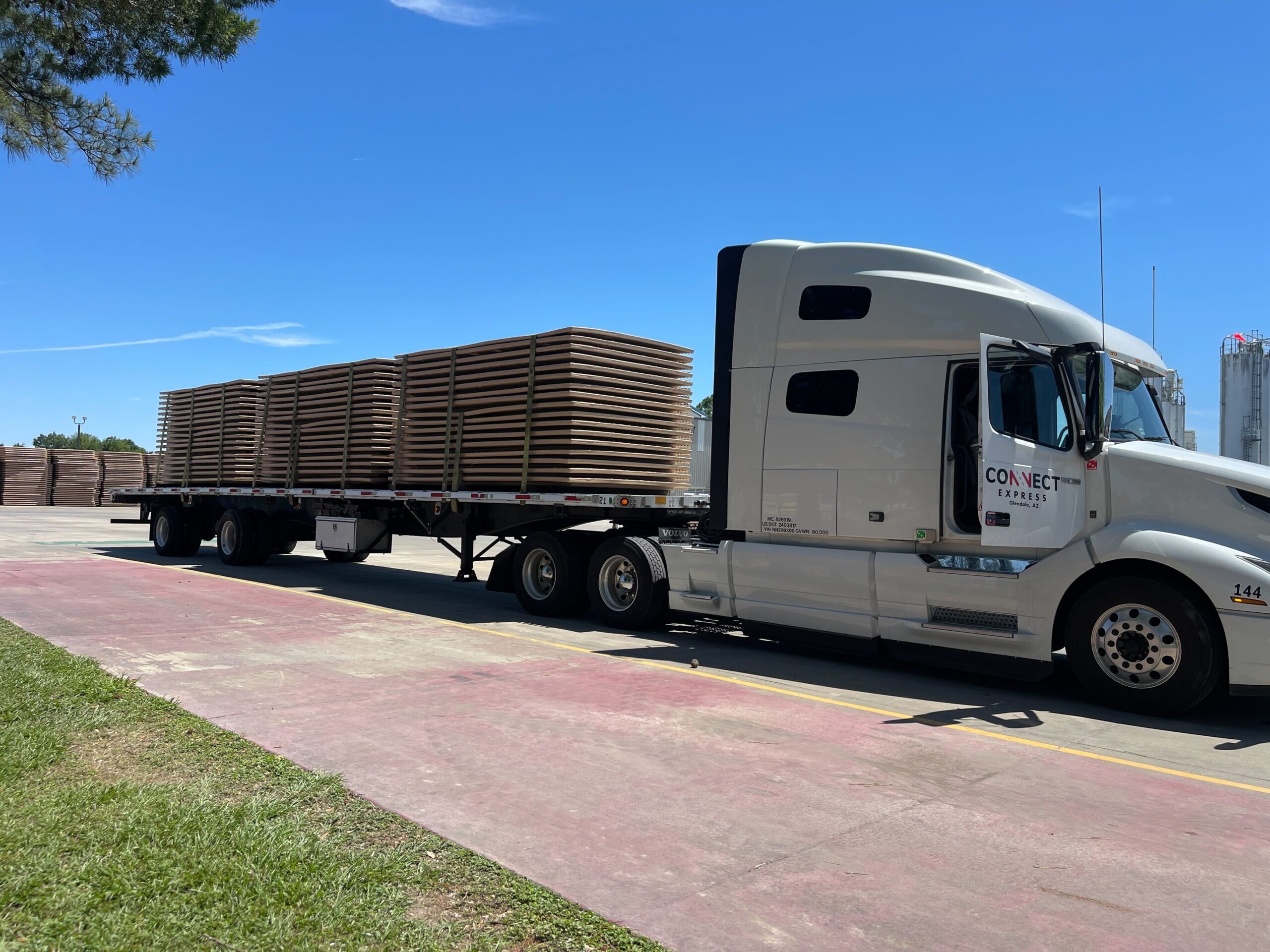
The main trade-off is access and freight type. If your load needs side loading, overhead crane loading, or has dimensions that exceed standard trailer space, dry van may not work. If the product is temperature-sensitive, reefer is the better call. If the freight is oversized, flatbed or specialized hauling makes more sense.
What to ask before booking dry van freight services
Most shipping issues show up before the truck is loaded. That is why the questions upfront matter.
Ask whether the carrier is running the load on its own equipment or pushing it somewhere else. Ask how updates will be handled. Ask if the trailer will be clean and ready for your product. Confirm appointment times, load type, securement needs, and any receiving rules that could affect delivery.
You do not need a long meeting for this. You need straight answers. If the carrier is vague before pickup, that usually gets worse once the load is on the road.
For regular lanes, consistency matters even more. The best dry van service is not just getting one load delivered. It is getting the same level of execution every week without your team having to chase it.
Why communication matters as much as the truck
A lot of service failures do not start with a breakdown or weather delay. They start with silence.
When a shipper cannot get a status update, everything slows down. Customer service teams get pulled in. Receiving teams lose confidence in ETAs. Production planners start making backup moves because they do not trust the original plan anymore.
Clear communication keeps small issues from becoming bigger ones. If a driver is delayed at a shipper, say it early. If traffic affects delivery timing, say it early. If the appointment needs to be reset, say it early. Most freight problems are easier to manage when the shipper gets the truth in time to react.
That is one reason many companies prefer working with asset-based carriers. When the company operates real trucks and real drivers, communication tends to be tighter. There is less finger-pointing and less confusion about who is responsible for the load.
Dry van freight services for regional and national lanes
Phoenix, Arizona is a strong position for dry van freight moving across the Southwest and beyond. Freight in this region often depends on tight timing, especially when loads connect with distribution centers, manufacturing schedules, or retail replenishment.
Regional coverage helps on the day-to-day lanes. It gives shippers better flexibility for Arizona, California, Nevada, New Mexico, Texas, Utah, and Colorado freight. Nationwide service matters when the same shipper needs a carrier that can handle longer runs without changing standards from one market to the next.
That only works if operations stay disciplined. The route can be local or cross-country. The basics do not change. Show up on time. Load it right. Keep the customer updated. Deliver without excuses.
What dependable service looks like in practice
Dependable dry van service is not complicated. It is operational.
The trailer is clean. The driver has the right load information. Dispatch knows the pickup and delivery requirements. Updates are real, not recycled. If there is a change, the shipper hears about it quickly. If the load has special instructions, those instructions are followed.
That kind of service is not flashy, and that is the point. Shippers are not looking to be impressed. They are looking for consistency.
At ConnectExpress LLC, that means running freight with real equipment and giving customers clear communication from pickup to delivery. No missed pickups. No guessing where your load is. Just dry van freight handled the way it should be.
If you are booking dry van freight services, keep the standard simple. Work with a carrier that answers clearly, shows up when scheduled, and treats every load like the next shipment depends on it. Because for your operation, it usually does.