A missed pickup usually starts the same way. The carrier said they had capacity, the truck never got there when promised, and now your dock schedule is off and your customer wants answers. If you’re trying to figure out how to find dedicated trucking, the real question is simpler: how do you find a carrier that actually runs your freight the way they say they will?
Planning committed capacity? See our dedicated trucking service. Request a truckload quote → Contact us or call (844) 474-8963.
Dedicated trucking is not just a truck assigned to a lane for a week. It means committed capacity, a predictable schedule, and a carrier that understands your freight, your facility, and your service expectations. When it works, your team spends less time chasing updates and fixing avoidable problems.
What dedicated trucking should actually mean
A lot of carriers use the word “dedicated” loosely. Sometimes they mean they will try to cover your loads first. Sometimes they mean they have room this month. That is not the same as true dedicated service.
Real dedicated trucking means the carrier is planning around your freight, not fitting it in when the market is slow. The truck, driver, or lane capacity is committed to your operation in a consistent way. That matters if you ship on fixed schedules, move the same product every week, or cannot afford last-minute coverage issues.
For a shipper, the benefit is control. Pickup windows get tighter. Communication gets easier. Problems get spotted earlier because the carrier knows the pattern. A driver who runs the same freight and same facilities regularly makes fewer mistakes than one seeing your freight for the first time.
How to find dedicated trucking without wasting time
The fastest way to find the right fit is to start with your freight, not with a carrier pitch. If you cannot clearly explain what you need, you will get vague promises back.
Start with lane consistency. If your shipments move on the same days each week, from the same origins to the same destinations, dedicated service makes a lot more sense. If your freight is irregular, seasonal, or spread across too many one-off lanes, you may need a mixed approach instead of a fully dedicated setup.
Then look at freight type. Dry van, reefer, flatbed, and oversized freight all require different equipment and different operating habits. A carrier may be dependable on dry van and weak on temperature control. Another may be strong on flatbed but not built for repeat dock appointments. Dedicated trucking only works if the equipment and the operation both match the freight.
Volume matters too. A carrier cannot reserve consistent capacity for freight that appears without warning and disappears the next week. That does not mean you need massive volume. It means your shipping pattern has to be stable enough for planning.
Once you know your lanes, volume, equipment type, appointment requirements, and service expectations, you can ask better questions. That is where most bad fits get exposed.
Questions to ask before you commit
Do not start with “Do you offer dedicated service?” Most carriers will say yes. Ask how they run it.
Ask whether the same truck or small driver group will stay on the lane. Ask who handles communication after dispatch. Ask what happens when a truck breaks down or a driver calls off. Ask how they manage delays at pickup and delivery. Ask how updates are sent and how often.
You are not looking for polished sales answers. You are looking for operational answers. If a carrier cannot clearly explain backup coverage, check calls, appointment handling, or equipment availability, that will show up later in service failures.
Ask about their actual freight mix. If dedicated lanes are a small side business for them, your freight may get less attention when things get busy. If repeat lanes are part of how they operate every day, that is a better sign.
For food, beverage, produce, or temperature-sensitive freight, ask direct reefer questions. How do they handle set points? What is the process for pre-cooling? How do they report temperature issues? Dedicated reefer service is only useful if the team understands the cargo, not just the trailer.
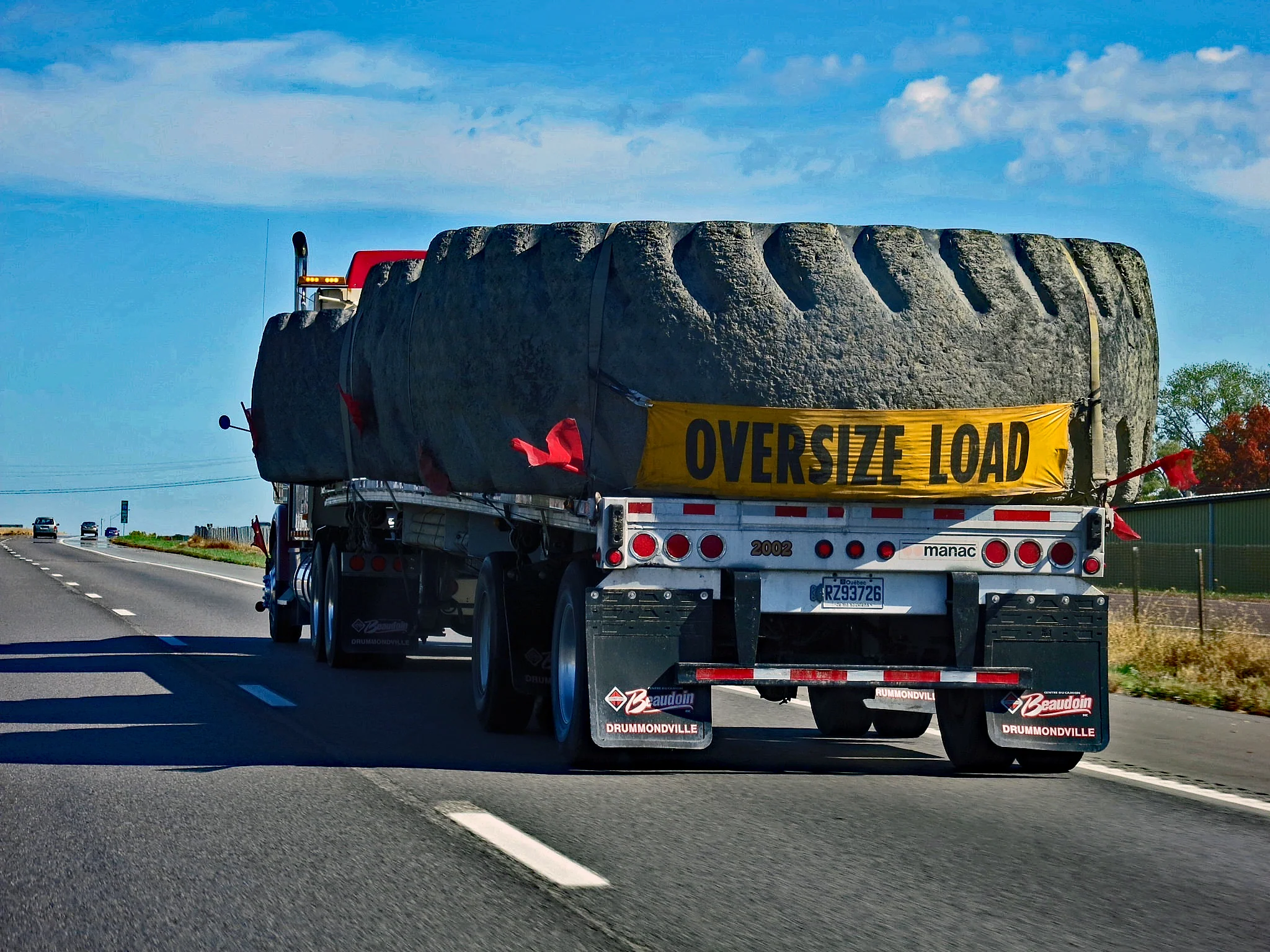
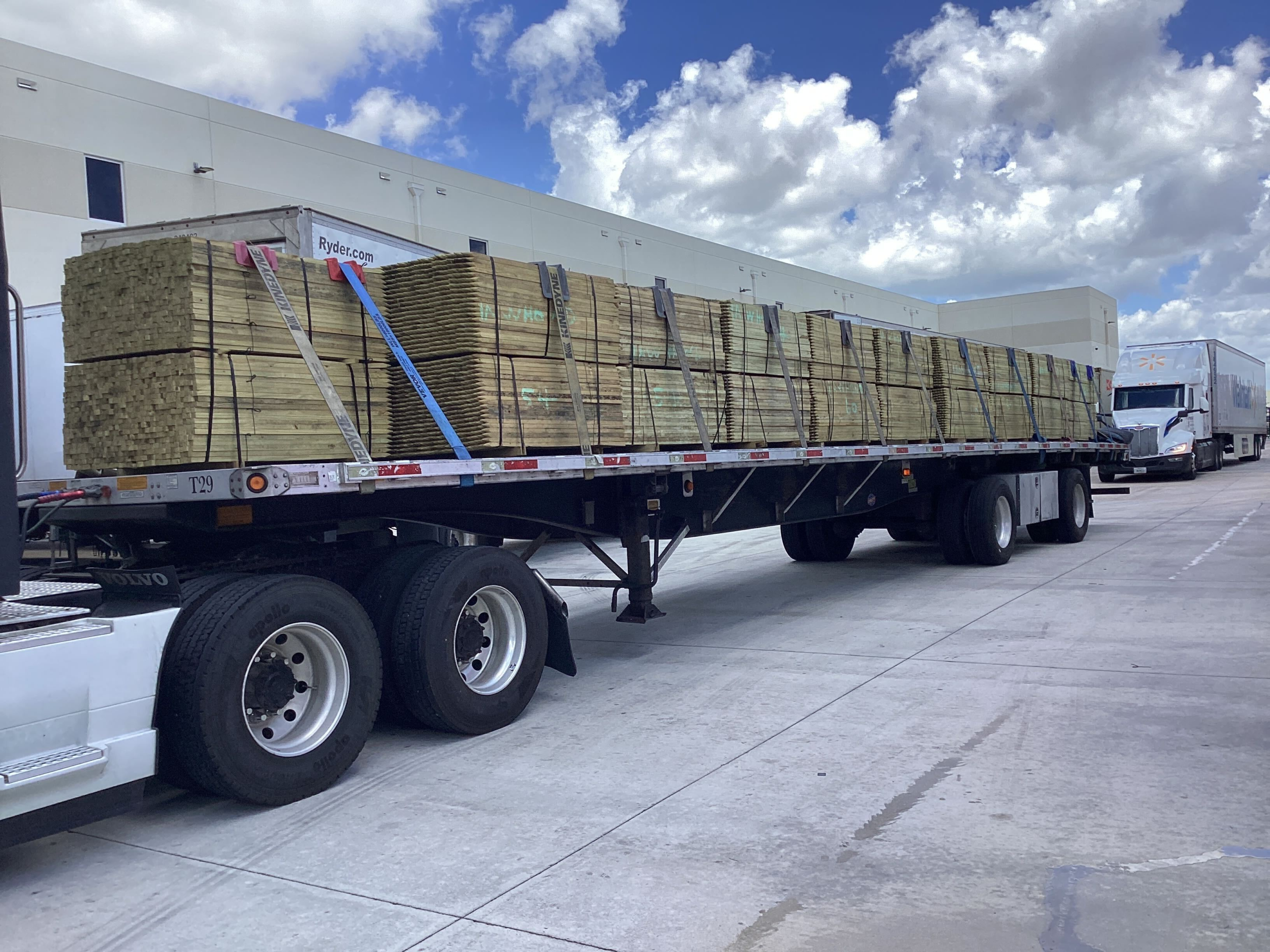
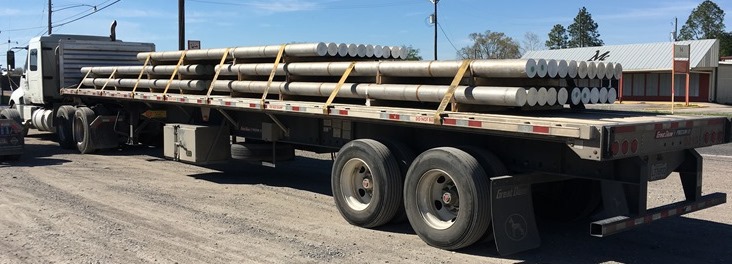
For flatbed or oversized freight, ask about securement, permits, route planning, and appointment discipline. Dedicated service on specialized freight needs more than available trailers. It needs experience.
Signs a dedicated carrier is solid
A solid dedicated carrier usually sounds boring in the best way. They know the lane. They know the transit time. They know the consignee’s receiving habits. They tell you what they can do, what they cannot do, and where the risks are.
Good carriers are specific. They talk about pickup times, dwell time, backup units, trailer pools if needed, and communication routines. They do not dance around details.
They also ask you good questions. If a carrier wants to understand your loading times, commodity, packaging, detention history, and peak shipping days, that is a good sign. They are trying to build a workable operation, not just win a load.
Another strong sign is consistency in communication. You should know who to call and what kind of updates to expect. You should not have to chase down basic information every day. No guessing where your load is.
Red flags to watch for
If every answer is broad, be careful. “We can handle it” is not a plan. Neither is “We’ll figure it out.” Dedicated freight needs process.
Be careful with carriers that rely too heavily on outside coverage while calling it dedicated service. If they do not operate real trucks and real equipment on the lanes they are discussing, capacity may disappear when the market shifts.
Another red flag is inconsistent communication early in the conversation. If they are slow to answer basic questions before the freight starts, that usually does not improve once your loads are moving.
Watch for overpromising too. Every operation has variables. Weather happens. docks get backed up. equipment issues happen. A dependable carrier will talk clearly about contingency planning, not pretend delays never exist.
Why local knowledge can help on regional freight
If your freight moves through Arizona, California, Nevada, New Mexico, Texas, Utah, or Colorado, regional operating knowledge matters. A carrier based in Phoenix, Arizona with regular Southwest coverage may understand those lanes better than a company trying to stretch into them occasionally.
That does not mean a national carrier is wrong for the job. It means lane familiarity counts. Traffic patterns, shipper appointment habits, weather swings, and route timing all affect service. Dedicated trucking gets stronger when the carrier knows the territory and runs it often.
This is especially true for repeat regional freight where timing is tight and customers expect the same service every week.
Dedicated trucking is about fit, not just capacity
Some shippers assume dedicated service is only for large accounts. That is not always true. Mid-size shipping programs often benefit the most because one missed truck can throw off production, staffing, or retail replenishment.
The key is fit. If you have repeat freight, fixed windows, specialized handling needs, or service failures from spot coverage, dedicated trucking may solve real problems. If your freight changes every week and your network is unpredictable, a partial dedicated model may make more sense.
That could mean assigning dedicated capacity to core lanes and handling overflow separately. It depends on how stable your operation is and where service failures cost you the most.
What a good startup process looks like
Once you choose a carrier, the startup matters as much as the agreement. Good dedicated service does not happen because both sides exchanged rate sheets and pickup times.
The carrier should know your facility rules, loading process, contact list, commodity details, appointment expectations, and escalation path. Drivers should understand where to check in, how freight is loaded, and what paperwork matters. If that handoff is sloppy, service problems show up fast.
A good startup also includes a review period. Look at on-time performance, communication quality, dwell time, and recurring issues in the first few weeks. Small problems caught early stay small.
This is where working with an actual trucking company instead of a loose coverage model makes a difference. If the same operation team is planning the loads, dispatching the trucks, and talking to your team, accountability is clearer.
A practical way to make the right call
If you are serious about how to find dedicated trucking, keep your standard simple. Look for a carrier that can explain the lane, commit the equipment, communicate clearly, and handle problems without excuses.
Do not get distracted by big claims. Ask how they run. Ask who is responsible. Ask what happens when something goes wrong. The right carrier will answer directly.
When dedicated service is built right, your freight moves with less noise. Your team gets real updates. Your customers see consistency. And your day stops being about tracking down trucks that should have shown up in the first place.