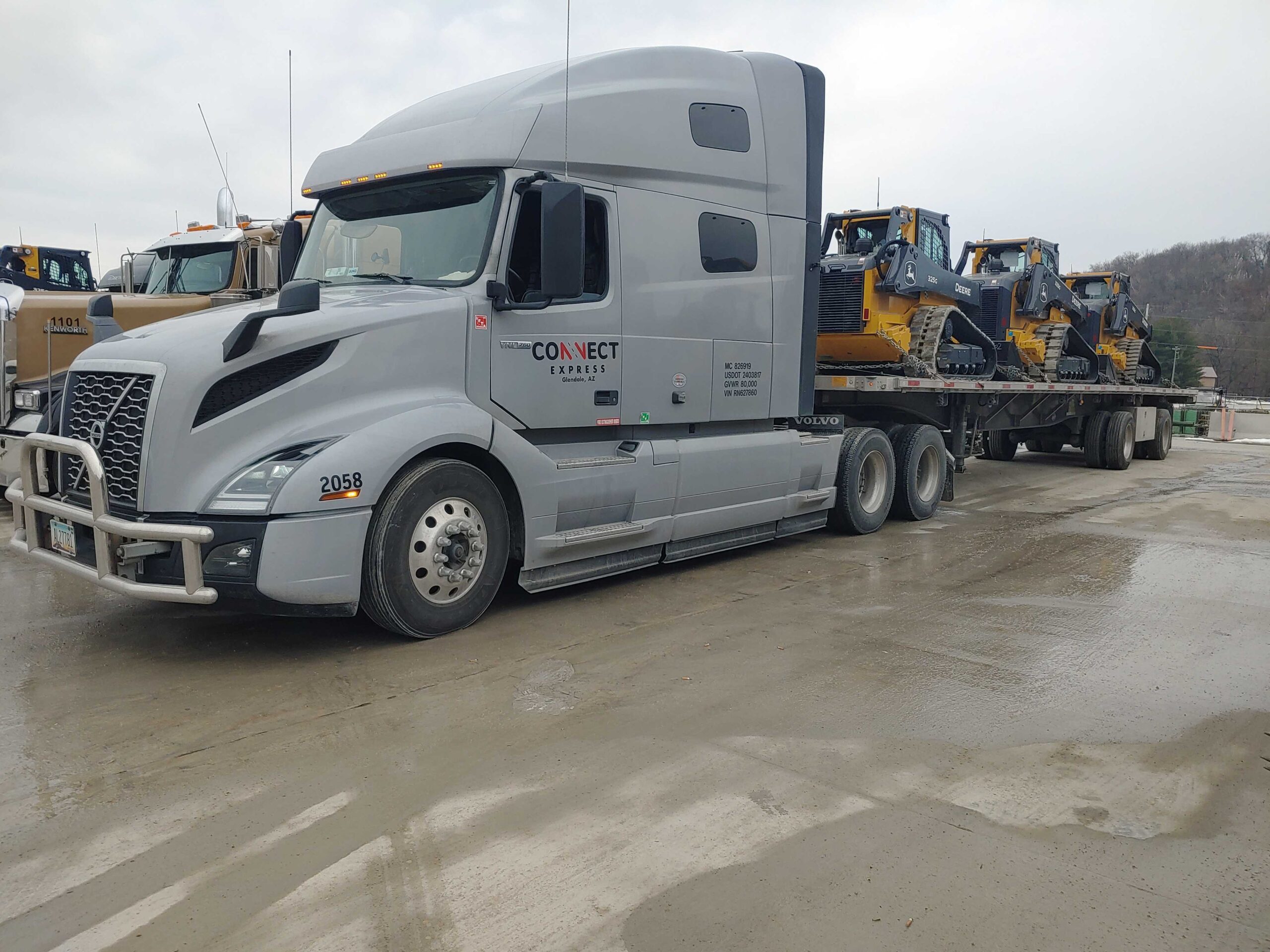
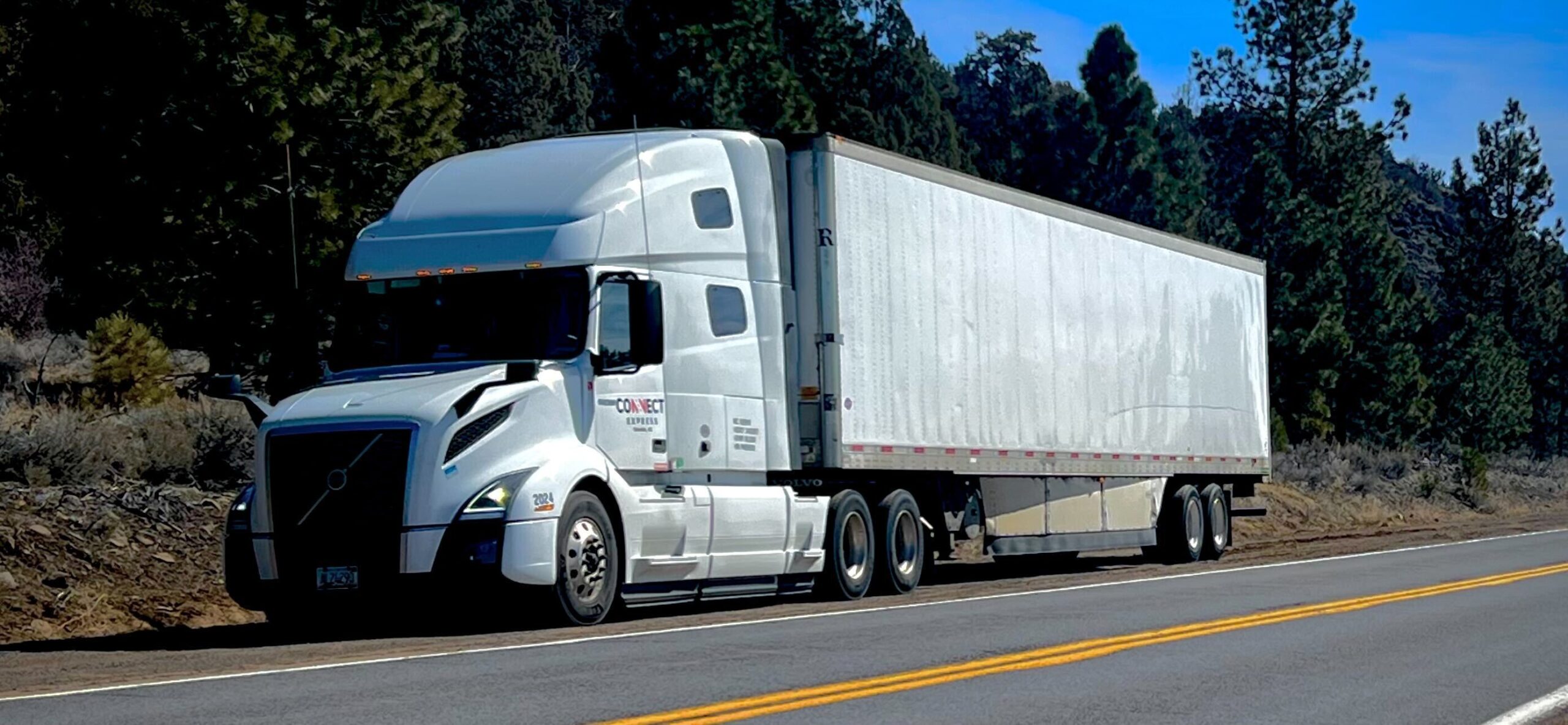
A load can leave the dock looking fine and still arrive damaged two states later. Most freight damage does not come from one big mistake. It comes from a few small ones – weak packaging, rushed loading, poor securement, bad communication, or the wrong trailer for the job.
If you are looking for the best ways to prevent freight damage, start with the basics and get them right every time. Damage prevention is not complicated, but it does require discipline from the warehouse floor to the driver seat.
The best ways to prevent freight damage start before pickup
A lot of shippers focus on what happens once the truck leaves. Fair enough. But many damaged loads were already at risk before the driver backed into the dock.
The first issue is packaging. If the freight cannot handle normal transit conditions, it is going to have problems. That includes vibration, cornering, braking, road shock, temperature changes, and another pallet sitting nearby. Good packaging needs to match the product, not just the pallet size. Heavy items need strong pallets that do not flex. Fragile products need internal cushioning, not just stretch wrap on the outside. Cartons need to be stacked in a way that holds shape under weight.
The second issue is unitizing the load. When product shifts on the pallet, damage starts fast. Wrap has to be tight and consistent. Bands need to be placed where they actually hold the load together. Corner boards help more than people think, especially with boxed freight that can crush under strap pressure. If the pallet leans before pickup, that load already has a problem.
Labeling matters too. Clear handling instructions help, but only if they are realistic and visible. If a shipment must stay upright, protect from freeze, or avoid top loading, that needs to be marked plainly on multiple sides. A handwritten note on one carton is not enough.
Match the trailer to the freight
This gets overlooked more often than it should. One of the best ways to prevent freight damage is using the right equipment from the start.
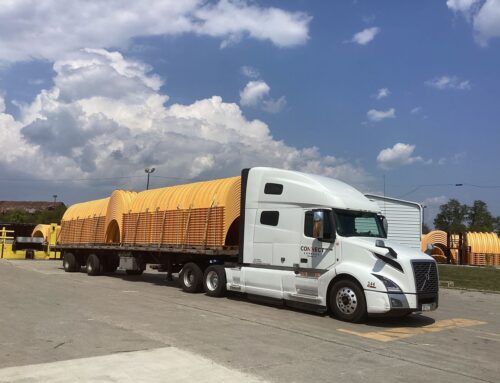
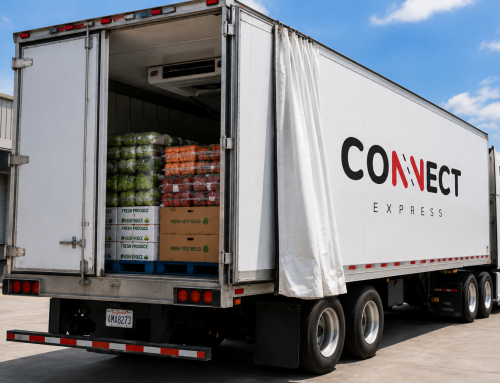
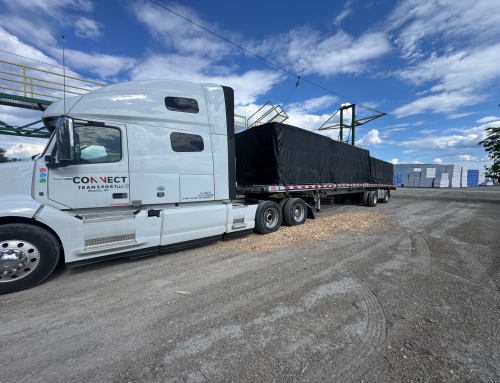
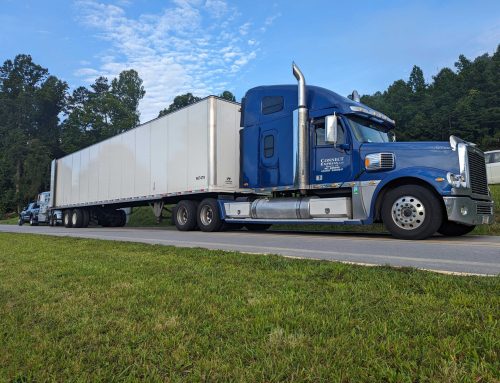
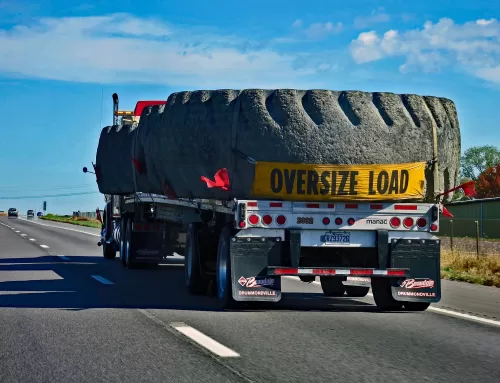
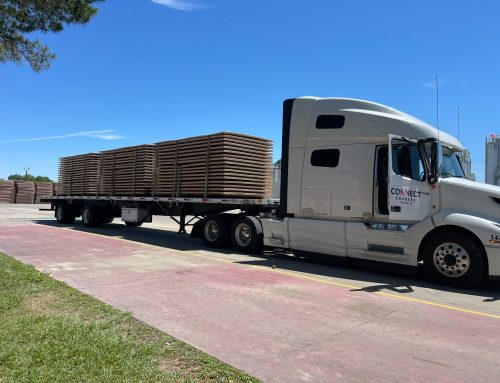
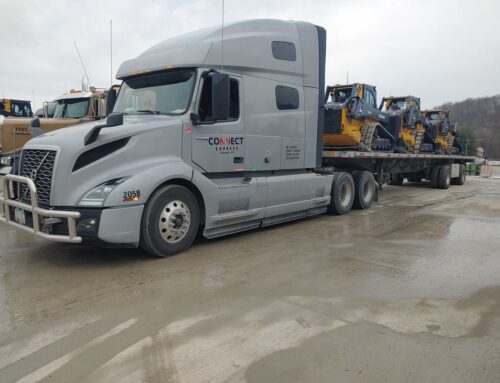
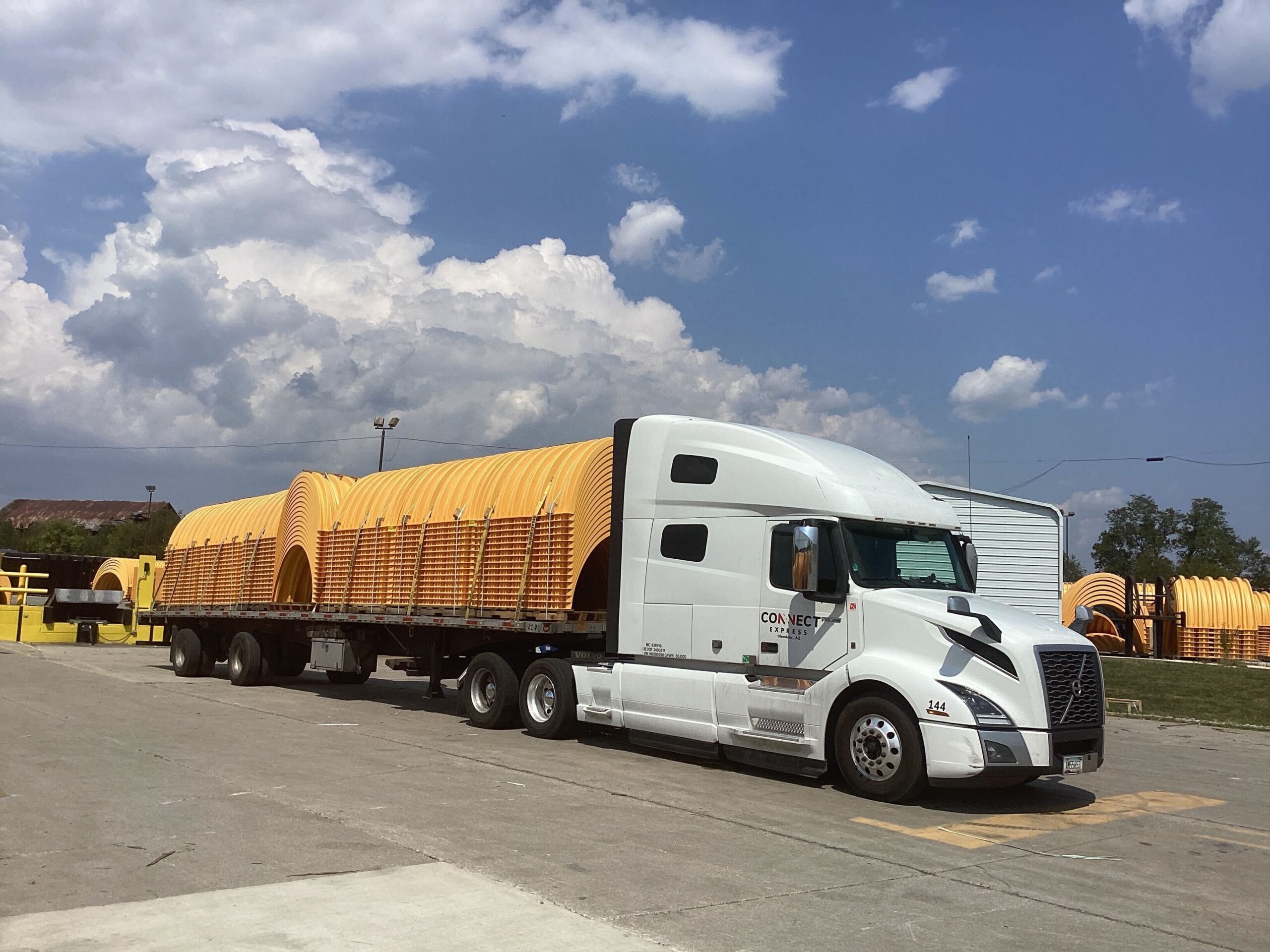
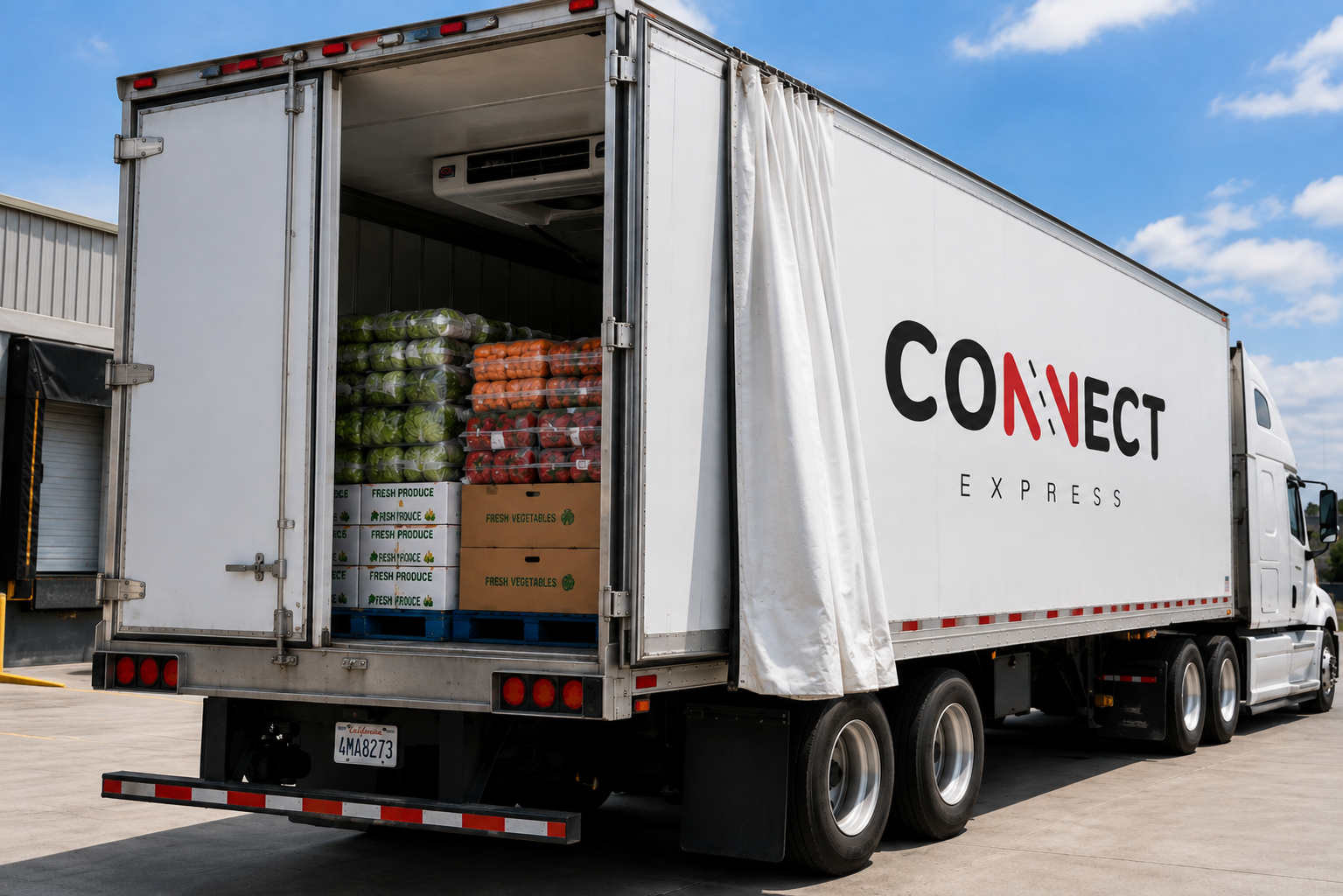
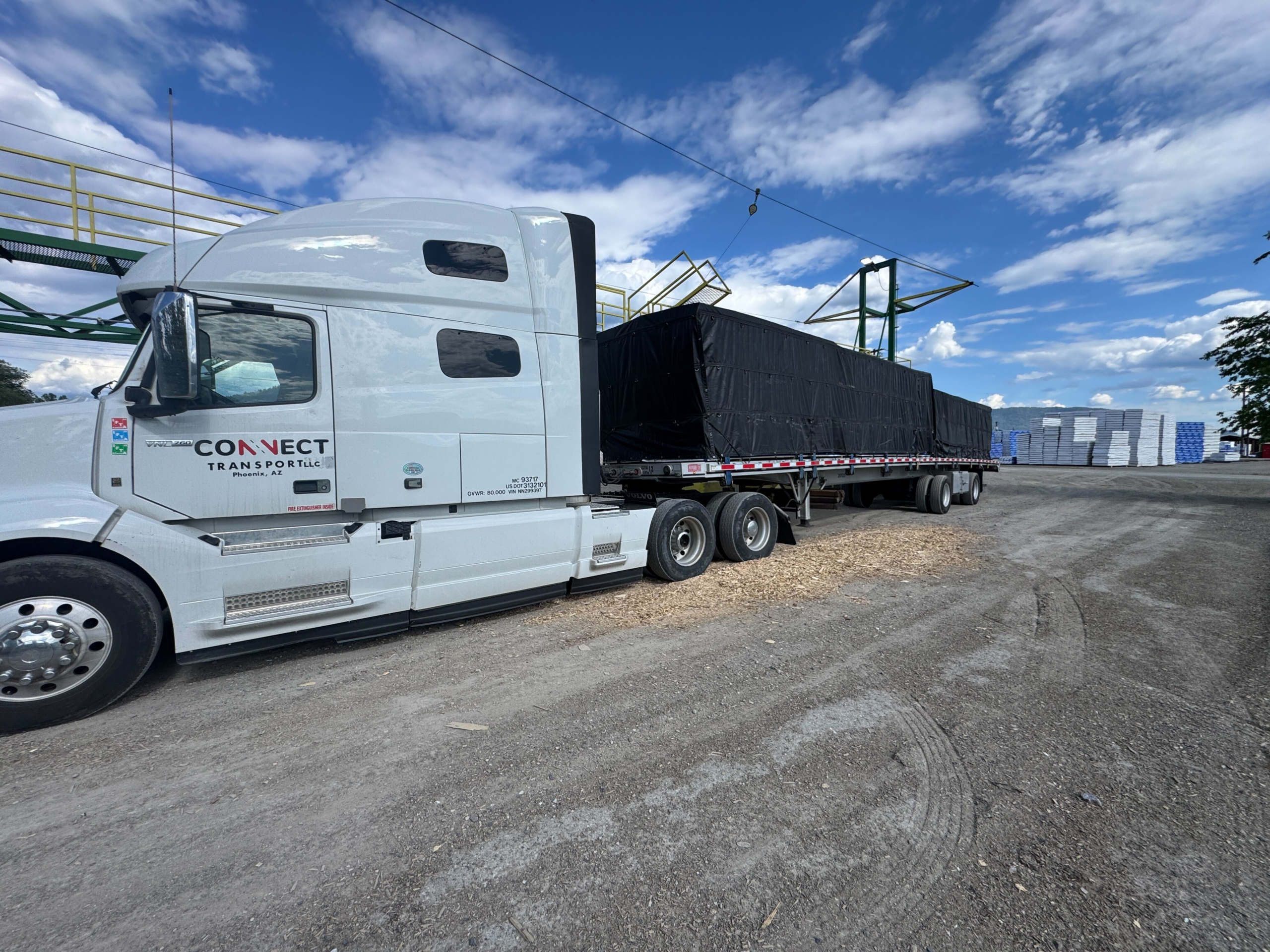
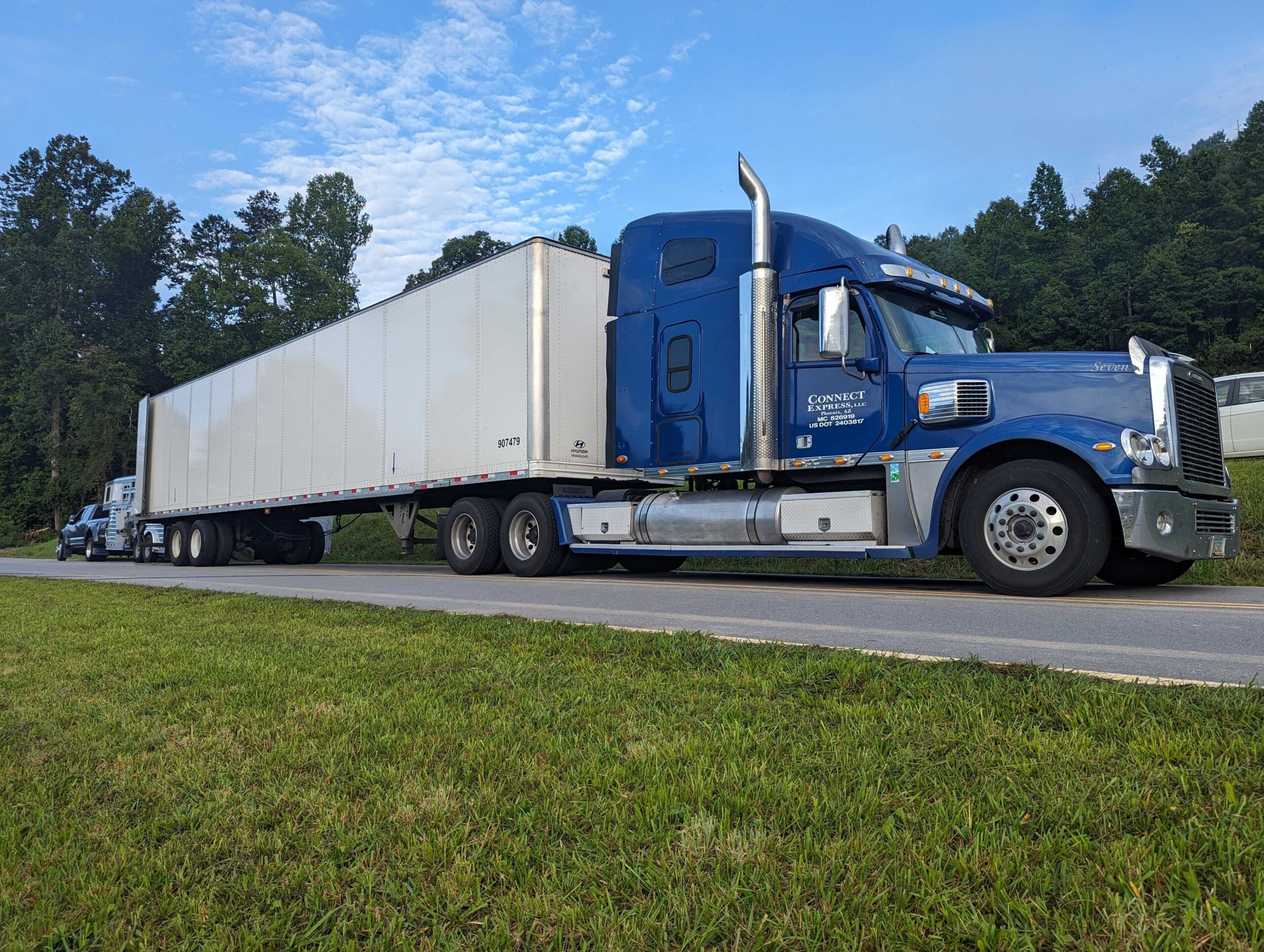
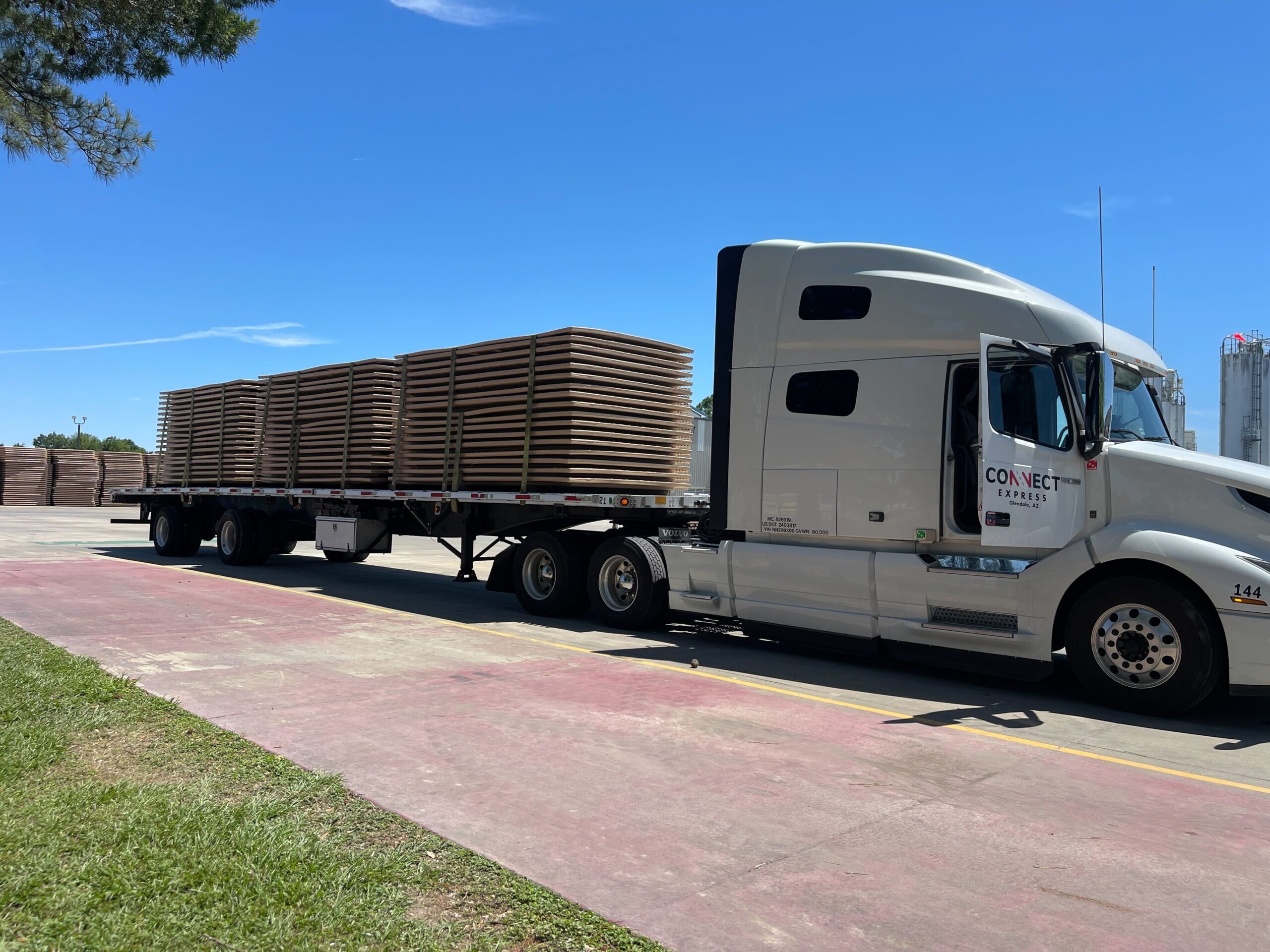
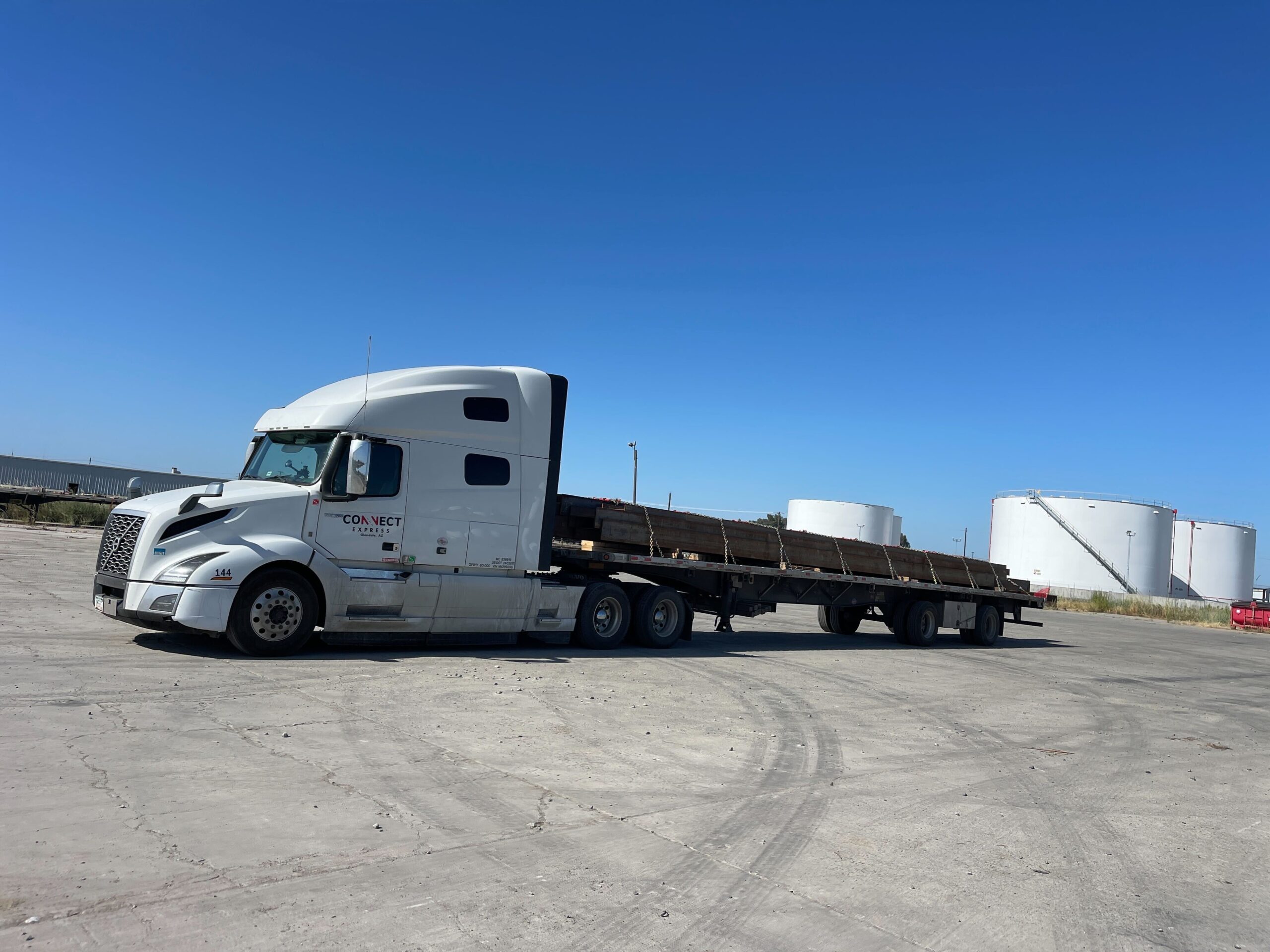
Dry van freight needs clean, dry trailer space and proper load distribution. Reefer freight needs temperature control that matches the product, plus enough airflow around the load. Flatbed freight needs securement planning before loading begins, not after the chains come out.
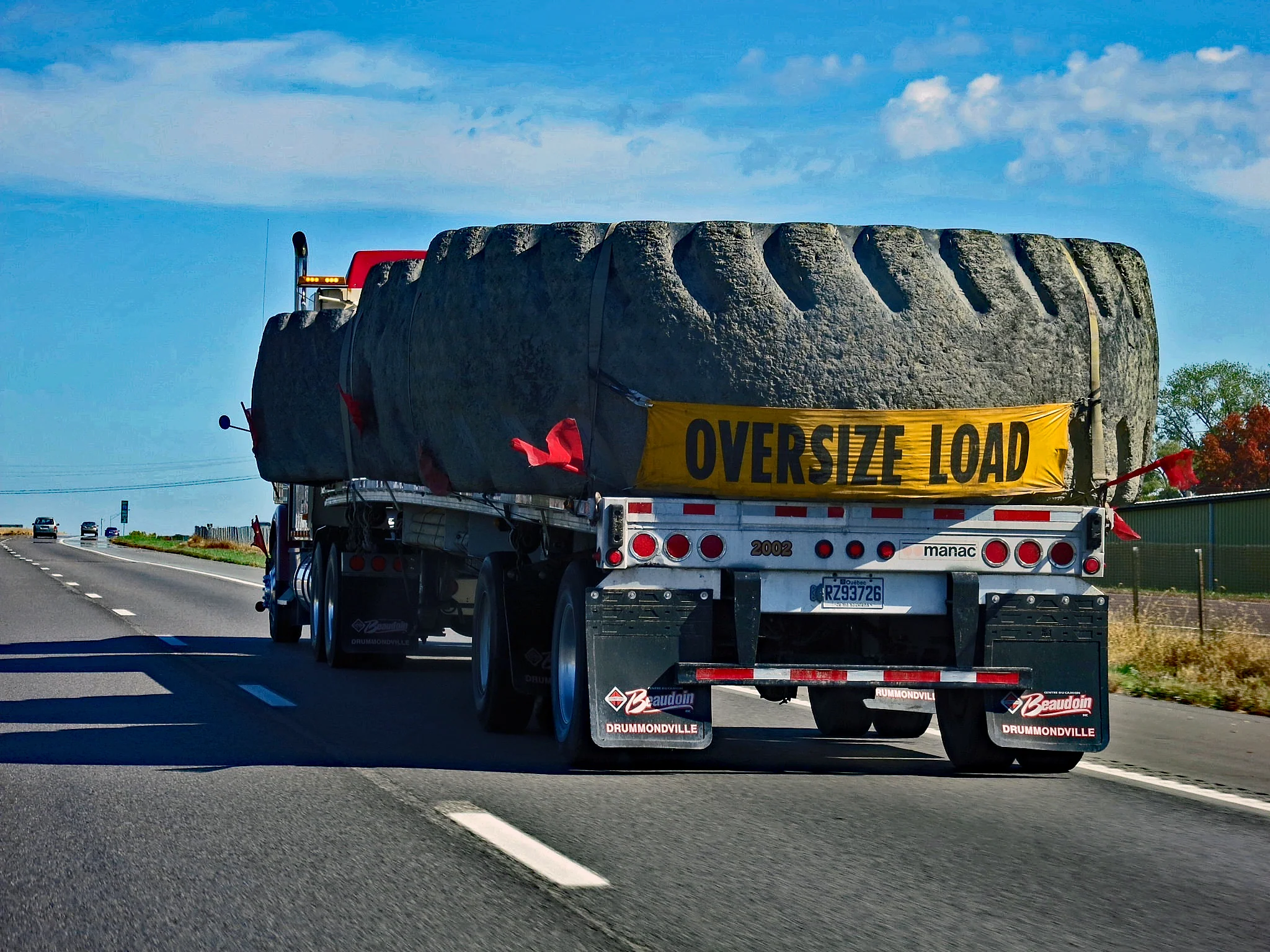
Some freight should not be loaded on a standard van just because space is available. Tall, heavy, top-heavy, temperature-sensitive, or oddly shaped shipments need more thought. A rushed equipment decision usually creates a handling problem later.
For example, on flatbed loads, the securement method is part of the shipment plan. You need the right number of straps or chains, edge protection where needed, and cargo placement that keeps weight balanced. On reefer shipments, poor pallet spacing can restrict airflow and create product issues even when the temperature setting is correct.
Loading is where a lot of damage begins
A clean load plan saves a lot of trouble. Without one, warehouse teams start filling space wherever they see room. That is when you get crushed cartons, unstable stacks, and freight that shifts on the first hard brake.
Heavier freight should be loaded to support stability, not convenience. Weight needs to be distributed evenly across the trailer. Fragile freight should not be buried under denser product. Mixed shipments need separation when the freight types do not stack or ride well together.
Forklift handling is another big one. A lot of damage starts with one bad entry. Forks punch through product, catch the bottom deck boards, or lift unevenly and crack the pallet. Fast loading is fine. Careless loading is expensive.
Dock teams should also check for overhang. Product hanging off the pallet edge gets hit, crushed, or torn during normal handling. It also weakens stack stability. If the freight does not sit squarely on the pallet, fix it before it goes in the trailer.
Securement is not optional
Inside a trailer, freight moves unless it is properly secured. That movement may be small at first. Then the driver brakes in traffic, takes an off-ramp, or hits rough pavement, and now the load is leaning, collapsing, or sliding.
Blocking and bracing matter. Load bars matter. Straps matter. Void fill matters. The right method depends on the freight, the trailer, and how much open space is left after loading. There is no one-size-fits-all answer.
This is especially true for partial loads and multi-stop freight. Empty space creates room for movement. If a shipment is not locked in, it can shift during every stop. That is why one of the best ways to prevent freight damage is to treat securement as part of the loading process, not a last-minute add-on.
For flatbed freight, securement has to match the cargo weight, shape, and center of gravity. For dry van freight, interior restraint matters just as much, even if it is less visible. A closed trailer does not protect freight from movement by itself.
Communication prevents avoidable mistakes
A lot of claims start with bad information. The carrier was not told the freight was fragile. The warehouse did not know it could not be double-stacked. The driver arrived with the wrong trailer. The consignee was not prepared to unload correctly.
Good communication fixes a lot of that. Shippers should provide accurate piece counts, dimensions, weight, handling requirements, and special instructions before pickup. If the load has unusual risks, say so early. That gives the carrier time to plan the right equipment and securement.
The same goes for dock communication. If the shipment needs special placement in the trailer, the warehouse and driver need to be on the same page before loading starts. Not after the doors close.
At ConnectExpress LLC, this is where operations makes the difference. Real updates and clear dispatch communication help catch problems early. You do not want to guess where your load is or how it was handled.
Inspect freight at every handoff
One simple way to reduce damage disputes is to inspect at pickup, at transfer points if any, and at delivery. This should not be rushed.
Check the packaging condition. Check pallet stability. Look for crushed corners, broken bands, wet product, leaning stacks, and visible forklift damage. If something looks off, note it before the freight moves. Photos help. So do clean shipment records.
This protects everyone. It gives the shipper a chance to correct problems before transit. It gives the driver a clear record of what was tendered. It gives the receiver a fair view of what happened and when.
The point is not to create paperwork for the sake of paperwork. The point is to stop bad freight from moving unnoticed and to keep facts clear if an issue comes up later.
Train for the freight you actually move
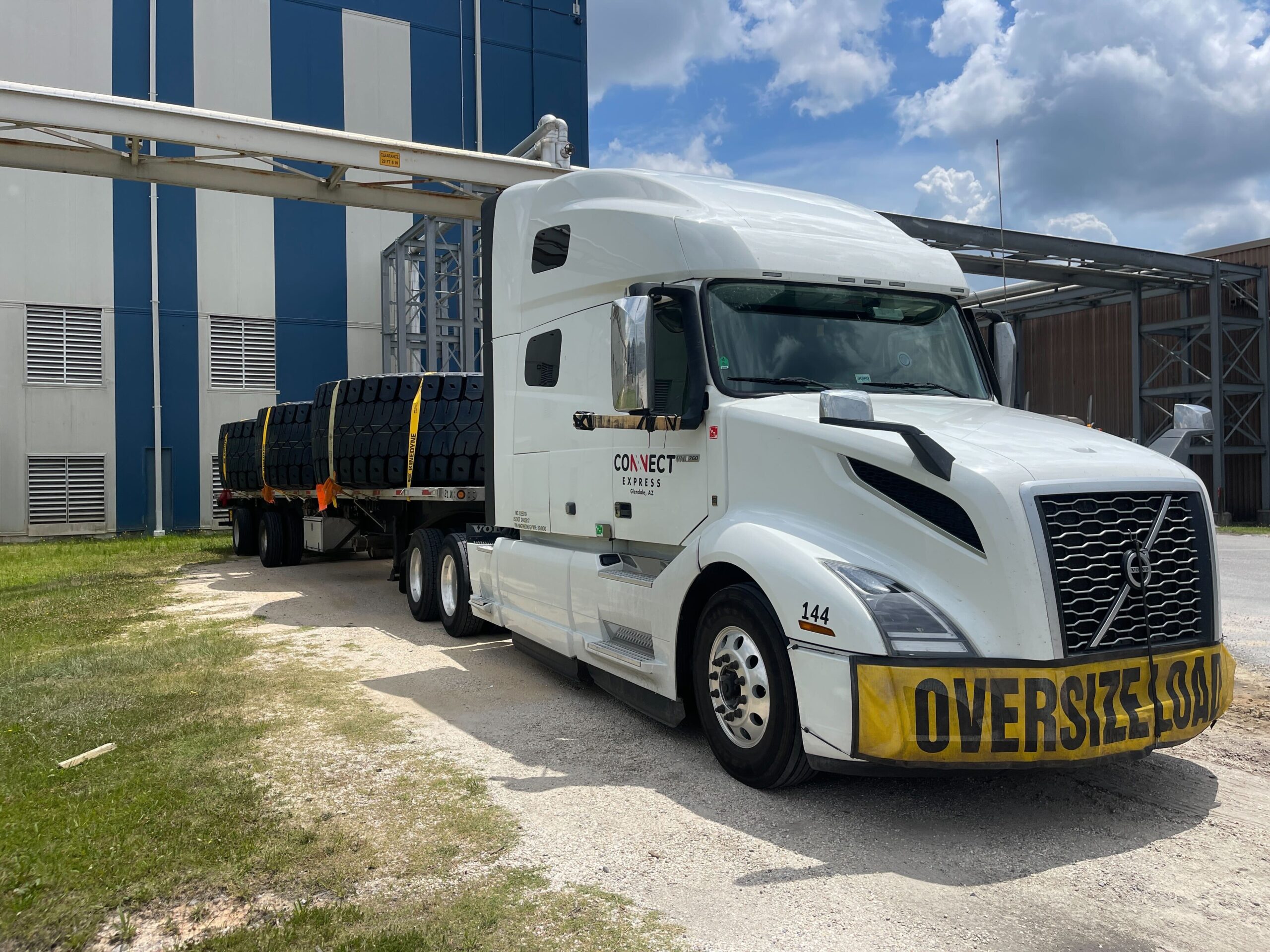
General warehouse habits are not enough if you move specialized freight. Reefer products, machinery, building materials, and consumer goods all have different handling risks.
Teams should know what causes damage for the freight they touch every day. That includes pallet patterns, stacking limits, temperature exposure, tie-down points, and where product is most likely to fail in transit. Drivers should know what to watch for after loading. Warehouse teams should know when to stop and rework a pallet instead of hoping it holds.
This does not need to be complicated. It needs to be consistent. A short, clear process followed every day beats a thick manual nobody uses.
Do not ignore weather and road conditions
Not every damage issue starts at the dock. Weather plays a role too. Rain during loading can ruin packaging. Heat can affect adhesives, food products, and some plastics. Freezing temperatures can damage liquids and temperature-sensitive goods before the reefer even stabilizes.
Road conditions matter as well. Rough routes, mountain grades, and heavy traffic put more stress on freight. That does not mean damage is unavoidable. It means planning matters. Sensitive loads need extra protection when conditions are likely to be harder than normal.
For shippers moving freight out of Phoenix or across the Southwest, heat and dry conditions can be a real factor depending on the product. Packaging and trailer choice should reflect that.
Claims go down when the process gets tighter
The best ways to prevent freight damage are usually not flashy. Use better packaging. Build stable pallets. Choose the right trailer. Load with balance in mind. Secure the freight. Share clear instructions. Inspect the load before it moves and when it arrives.
None of that is complicated. But every step matters.
If your freight keeps getting damaged, look at the handoffs. Look at the packaging. Look at the load plan. Most of the time, the problem is there. Tighten the process, and the freight usually rides better.
That is the real goal. Not just fewer claims. Fewer surprises when the doors open at delivery.
Need capacity on this type of freight? Connect Express LLC provides asset-based logistics services across the Southwest and nationwide.
Request a truckload quote: Contact Connect Express or call 480-401-1998.
Related guides
Frequently Asked Questions
Who is responsible for freight damage during trucking transport?
Responsibility depends on where the damage occurred and how the load was packaged, loaded and secured. Shippers are generally responsible for proper packaging and loading when they load the trailer, while the carrier is responsible for the freight in its care during transit. Connect Express recommends documenting cargo condition with photos and noting any exceptions on the bill of lading at pickup and delivery to make claims straightforward.