Peak season does not create weak freight plans. It exposes them. If you are here for a dedicated capacity planning guide, you probably already know the problem – spot coverage works until it does not, and then your freight team is stuck chasing trucks, updating customers, and explaining missed pickups.
Once you have sized your base load, our dedicated truckload shipping Arizona guide lists the facts to send dispatch.
Dedicated capacity planning is not just booking trucks in advance. It is deciding which freight actually needs committed equipment, what level of service those loads require, and how much volume your carrier can handle without slipping on execution. When you get it right, you get fewer surprises, better pickup compliance, and more control over your shipping schedule.
What a dedicated capacity planning guide should solve
A real dedicated capacity planning guide should help you answer a few hard questions. Which lanes break down first when the market tightens? Which customers, plants, or products cannot afford a late truck? How much volume is stable enough to support dedicated equipment, and how much still belongs in a flexible routing plan? For a quick test, see when dedicated truckload services make sense for your freight.
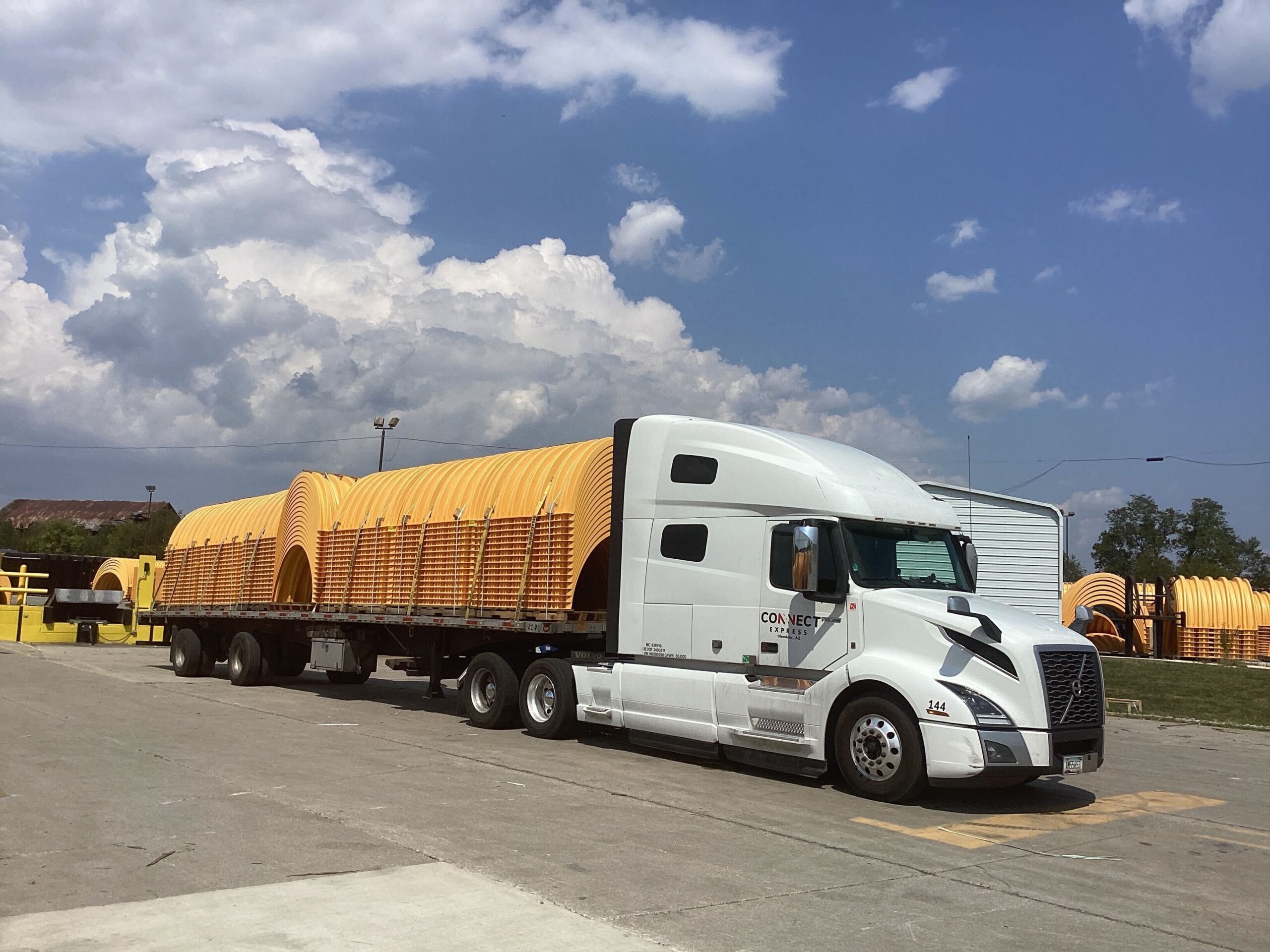
That matters because not every shipper needs the same setup. Some need one truck on a daily loop between fixed points. Others need a mix of dry van, reefer, and flatbed coverage spread across a region. A food shipper moving temperature-sensitive freight has a different risk profile than a manufacturer shipping palletized goods on a dry van schedule. Same idea, different execution.
The mistake is treating all freight the same. If your team puts dedicated service on low-priority lanes while critical freight still depends on whoever is available that day, planning did not fix the problem. It just moved it around.
Start with the freight that cannot fail
The first step is simple. Identify the loads that hurt the business when they miss pickup or arrive late. Start there.
That usually means production freight, retail appointments, refrigerated product, customer orders tied to penalties, or lanes where replacement capacity is hard to find on short notice. These are the moves where dedicated service makes sense because failure costs more than the effort of setting up a planned capacity model.
Look at shipping history over the last six to twelve months. You want patterns, not one-off emergencies. Check volume by day, pickup times, delivery windows, dwell, seasonal spikes, tender acceptance, and service failures. If a lane runs three to five times a week with consistent timing, that is a strong candidate. If volume swings hard and pickup windows constantly change, dedicated capacity may still work, but the plan needs more flexibility.
This is where a lot of freight managers get stuck. They look at average volume and assume that is enough. It is not. Averages hide the days that break service. You need to know what happens on Mondays, end of month, holiday weeks, and during produce season if you ship in the Southwest.
Match the equipment to the real job
Capacity planning fails fast when the wrong trailer type gets assigned to the freight. That sounds obvious, but it happens all the time.
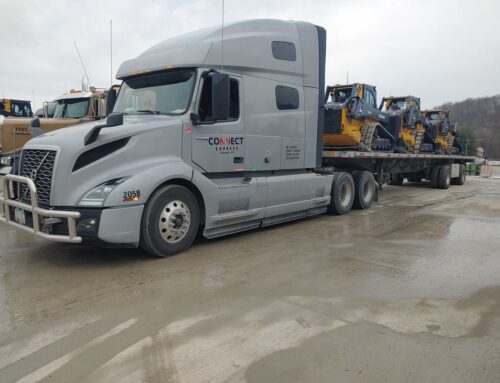
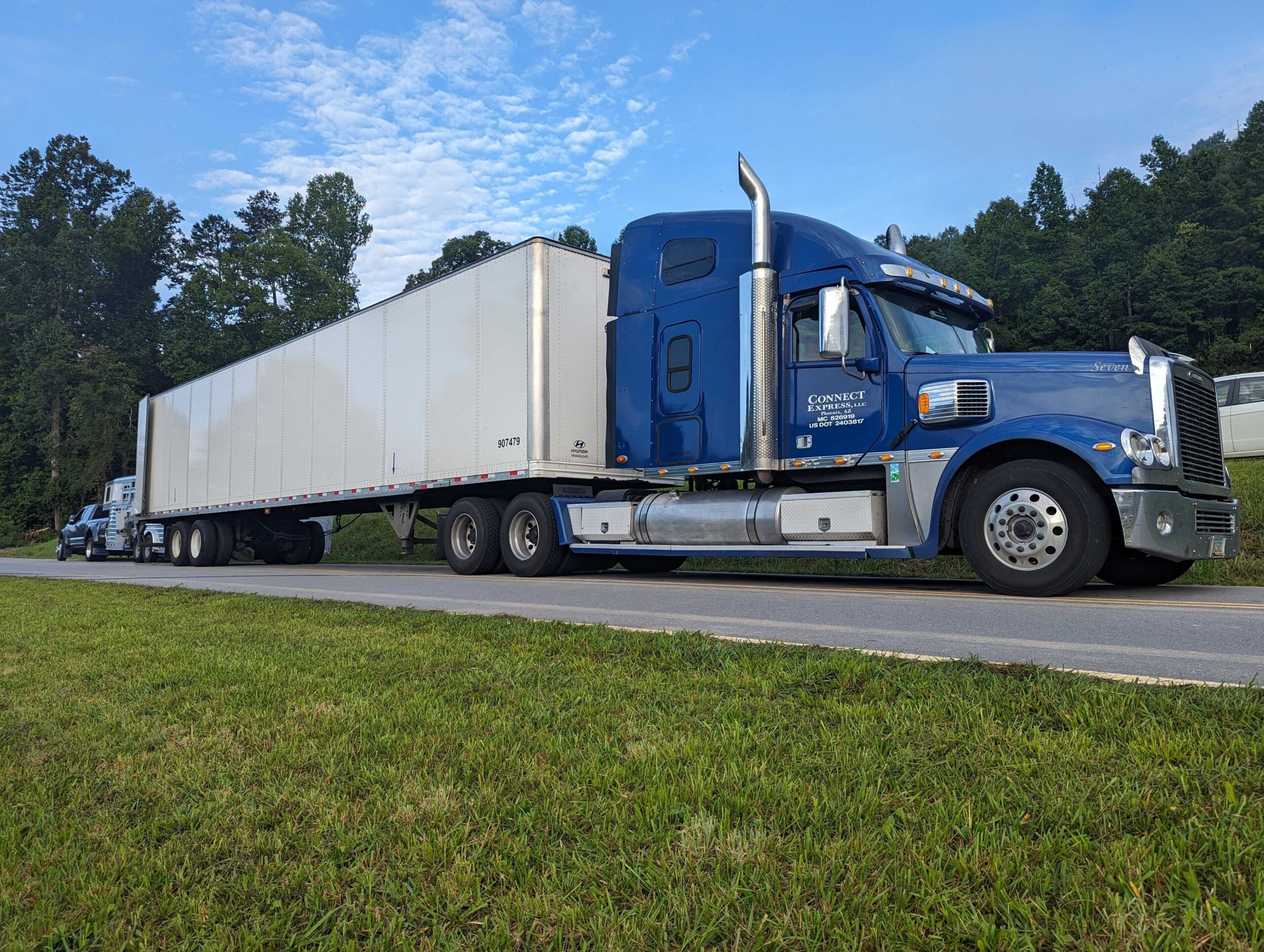
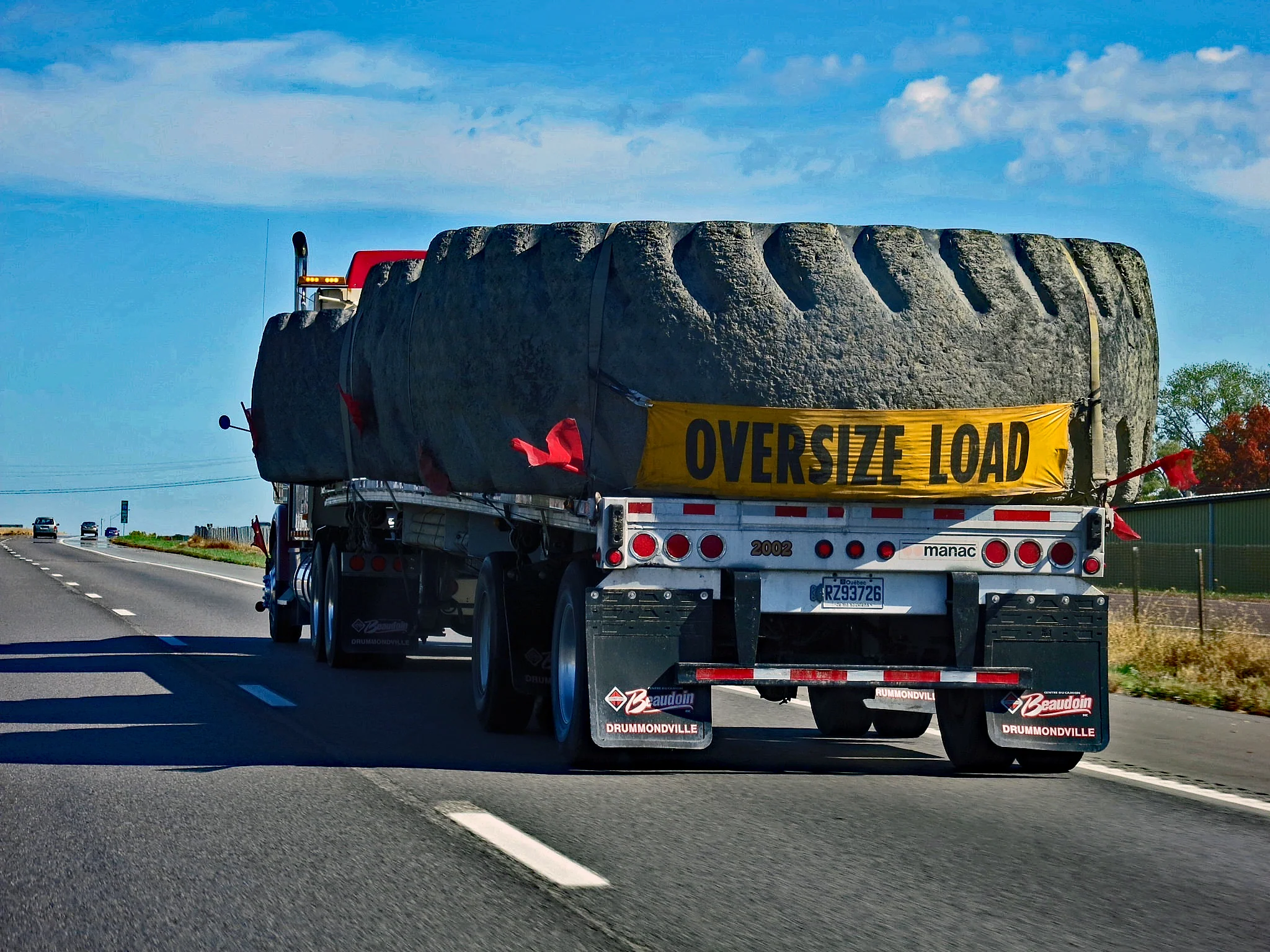
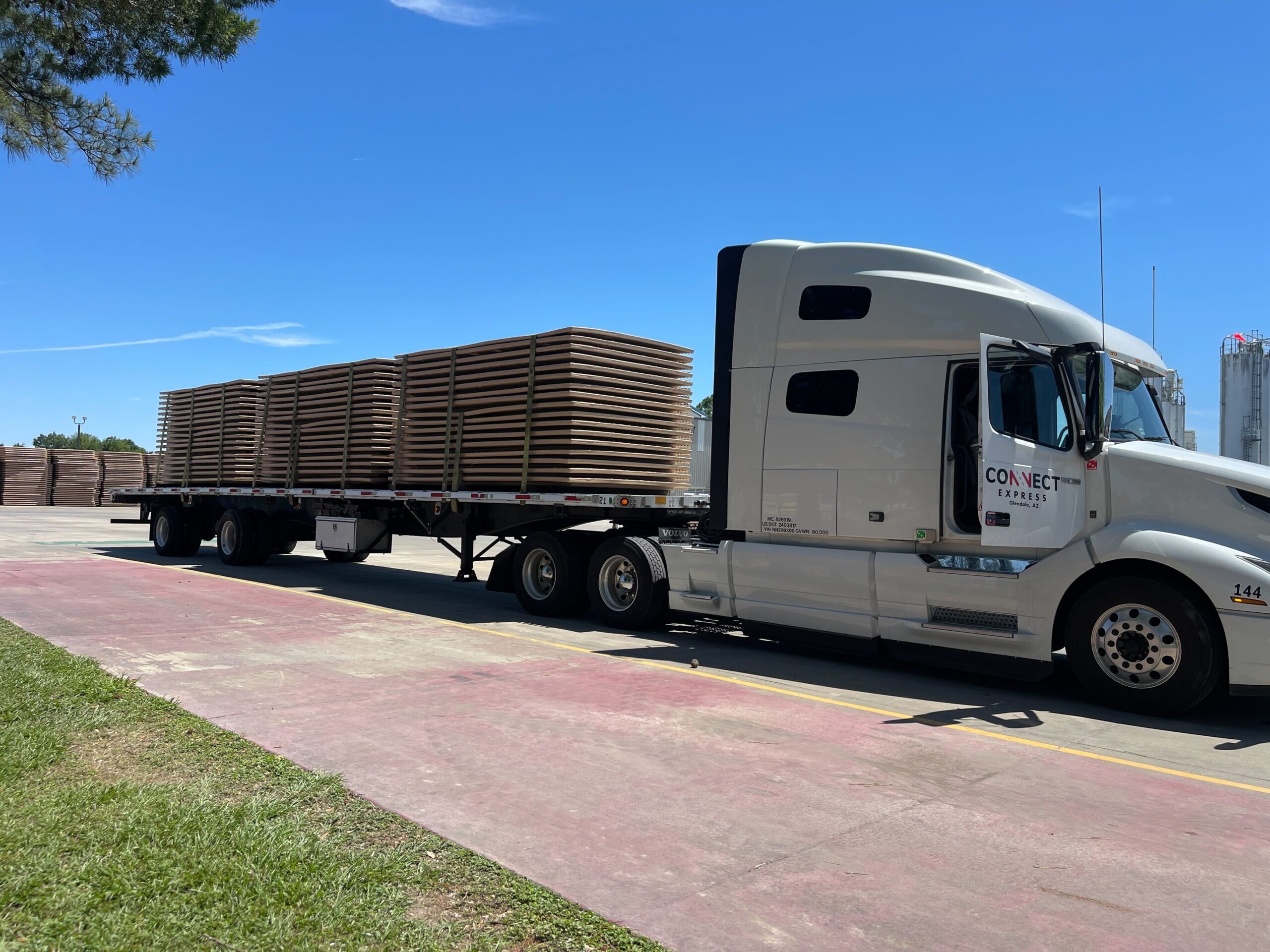
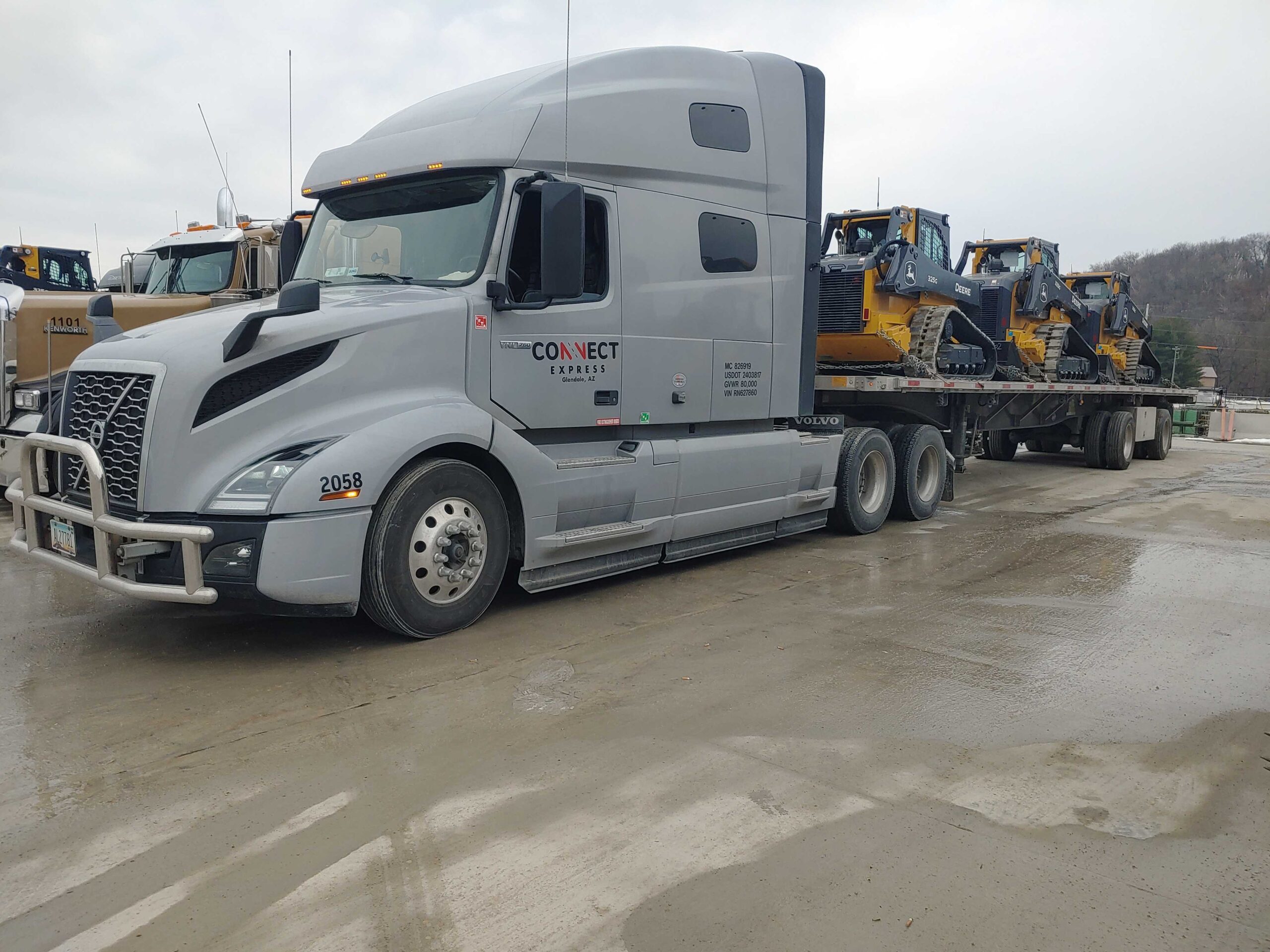
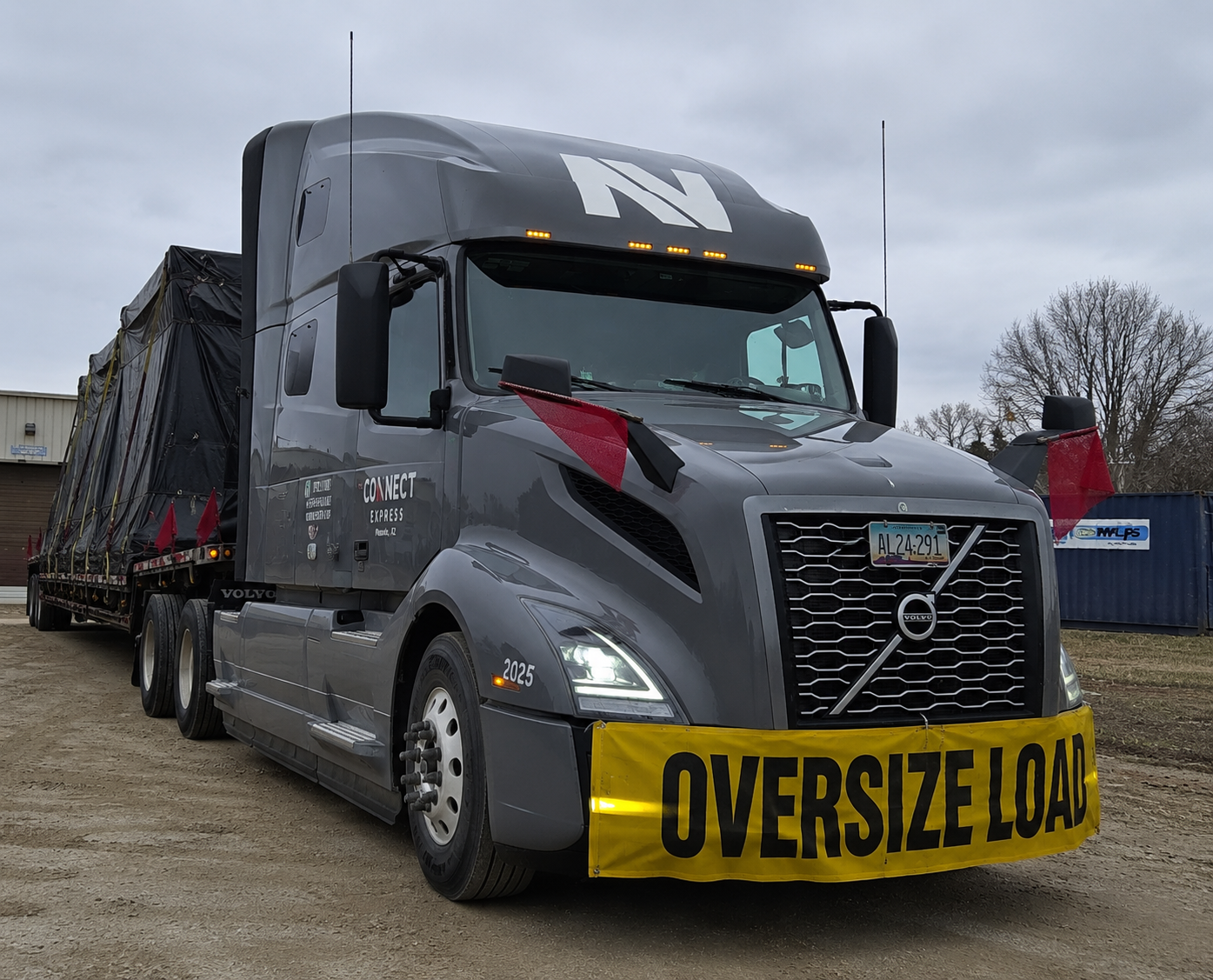
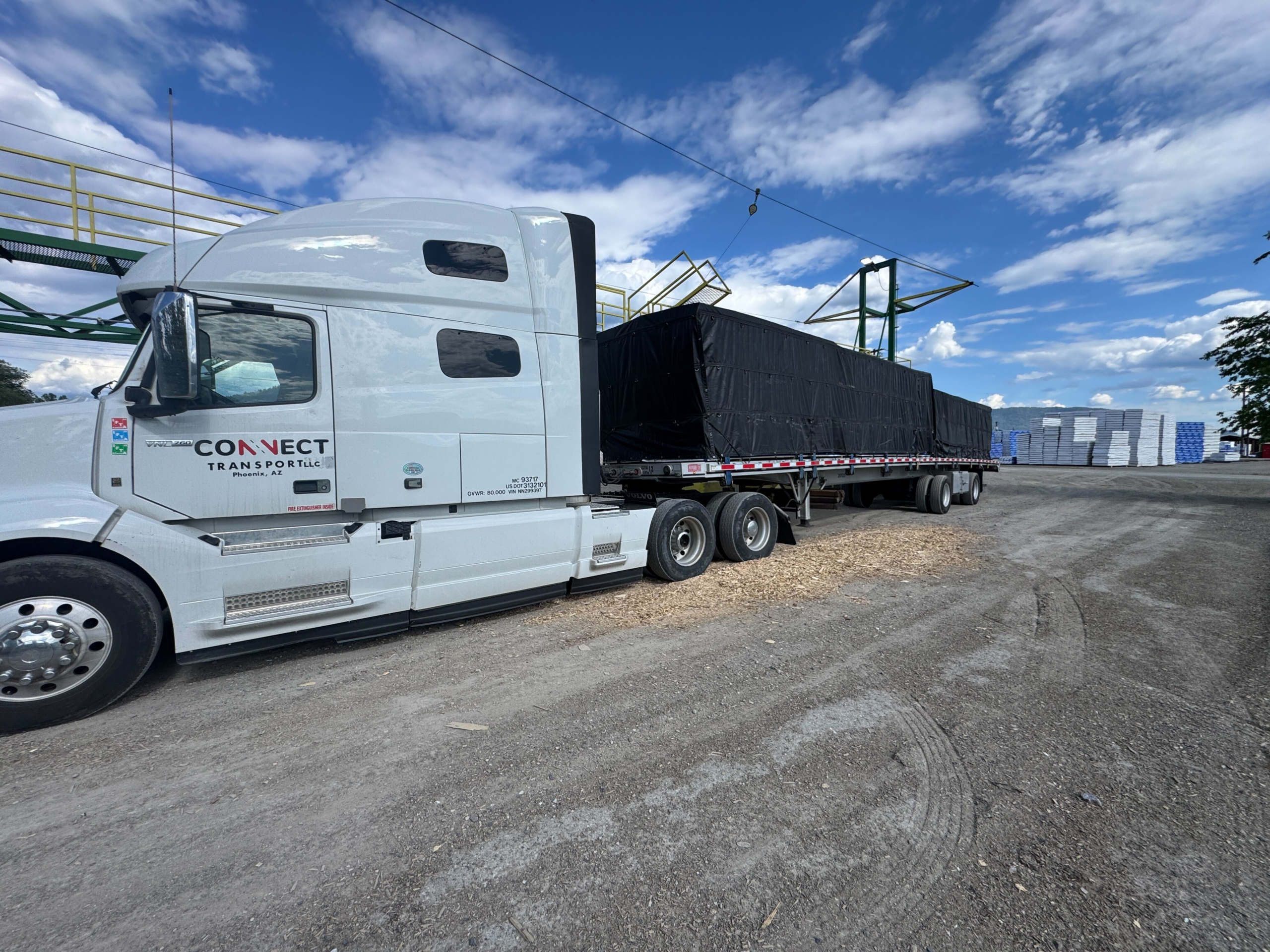
Dry van freight usually gives you the most room to build predictable coverage. Our dry van trucking team can help map that coverage out. Reefer planning is tighter because temperature requirements, pre-cooling, washout standards, and detention risk all affect utilization. Flatbed and oversized freight need even more attention because securement, permits, route limits, and loading time can all change the plan.
If your freight mix changes by week, say that upfront. A carrier planning dedicated trucks needs to know whether the same unit can stay on one type of work or whether the operation needs a blended model. One day of dry van and one day of flatbed is not interchangeable just because the zip codes match.
Good planning also means being honest about load and unload conditions. If your facility takes two hours to load on a good day, that matters. If your receiver has strict appointment rules or frequent delays, that matters too. Real capacity planning is built around actual cycle time, not best-case assumptions.
Build lanes around consistency, not hope
Dedicated freight works best when the lane is repeatable. That does not mean perfect. It means the route, timing, and expectations are stable enough for a driver and truck to stay productive without daily confusion.
Look at origin and destination pairs first. Then look at route length, transit time, stop count, and reload options. A dedicated truck running a clean out-and-back is easier to support than a truck tied to irregular multi-stop freight with changing appointment times. Both can be done, but the second one needs tighter planning and better communication.
If your operation runs from Phoenix, Arizona into California, Nevada, New Mexico, Texas, Utah, or Colorado on a regular pattern, regional planning can often support stronger consistency than scattered one-way freight. Nationwide dedicated service can still make sense, but only if the freight network supports it. If the truck is always hunting for position after delivery, the model will get expensive in time and service, even if nobody says it out loud.
Decide how much buffer you actually need
This is the part many teams skip. They plan for normal volume, then act surprised when normal changes.
A dedicated plan needs some buffer. The question is how much. Too little buffer and one late unload can roll into the next missed pickup. Too much buffer and you are paying for idle time in the form of poor utilization, reduced flexibility, or extra equipment sitting around waiting on work.
The right answer depends on your freight. High-volume, repeatable lanes may only need modest room for delay if shipping and receiving are disciplined. Freight with tight appointments, live unloads, or volatile order patterns may need more protection built in. Reefer freight usually needs less guesswork and more margin because service failures can turn into claims fast.
The cleanest way to plan buffer is by looking at the points where the operation actually breaks. Is it late product release? Driver hours? Receiver detention? Trailer availability? Yard congestion? Solve the real bottleneck first. Adding trucks to a bad process does not fix the process.
Communication has to be part of the plan
Dedicated capacity is not just a truck assignment. It is an operating routine.
Your shipping team, plant team, warehouse, and carrier all need the same picture of the lane. Pickup times, contact names, after-hours procedures, trailer requirements, temperature settings, securement expectations, check-in rules, and delivery appointments should all be clear before the first load moves. If those details are still being figured out by phone at pickup, the plan is already loose.
This is where shippers feel the difference between real truck capacity and empty promises. You need real updates. No guessing where your load is. No missed pickups followed by silence. If a delay happens, you should hear about it early enough to make a decision, not after the appointment was already lost.
A good carrier will ask operational questions up front. That is not friction. That is planning.
Measure the lane after launch
Once dedicated service starts, the work is not done. The first thirty to sixty days usually tell you where the lane is strong and where it needs adjustment.
Watch the basics first: on-time pickup, on-time delivery, tender consistency, dwell time, trailer turns, and communication quality. Then go one layer deeper. Are pickup windows realistic? Are drivers sitting too long? Are appointment times forcing empty miles or missed reload opportunities? Is freight volume matching what was planned?
Sometimes the lane needs a small fix, like moving pickup an hour earlier or staging trailers differently. Sometimes the issue is bigger, like trying to force a dedicated setup onto freight that is too unstable to support it. That is not failure. It just means the lane needs a different model.
A practical dedicated capacity planning guide should leave room for that reality. Not every lane deserves a dedicated truck forever. The point is to match the service model to the freight, then keep tightening execution.
When dedicated capacity makes sense – and when it does not
Dedicated service makes sense when freight is consistent, critical, and hard to leave to the spot market. It also makes sense when communication failures are hurting your customer service more than anyone wants to admit.
It may not make sense for low-volume, irregular freight with wide timing flexibility. In those cases, a strong routing guide and reliable backup coverage may do the job better. There is no prize for forcing dedicated capacity onto freight that does not support it.
The best plans are built with clear eyes. Know your critical lanes. Know your real volume. Know where service breaks. Then build around what the freight needs, not what sounds good in a meeting.
If your shipping schedule depends on the same lanes moving right every week, treat capacity like an operation, not a hope. That is where planning starts paying off.
Request a truckload quote: Contact Connect Express or call 480-401-1998.