A missed pickup usually starts the same way. You call for an update, get bounced between two or three people, and still do not know if a truck is actually on the way. That is where the truckload carrier vs freight broker question stops being a technical detail and starts affecting your operation.
If you ship regularly, the difference matters. It affects who controls the truck, who talks to the driver, who fixes problems, and how fast you get answers when something changes. Both carriers and brokers have a place in freight. But they do not do the same job, and they do not give you the same level of control. Many brokers source trucks through load boards for truckers, which is worth knowing when you compare options.
Truckload carrier vs freight broker: the real difference
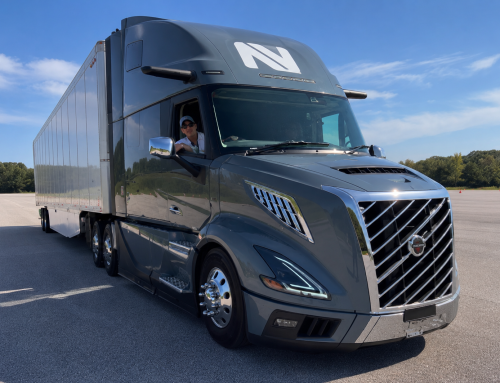
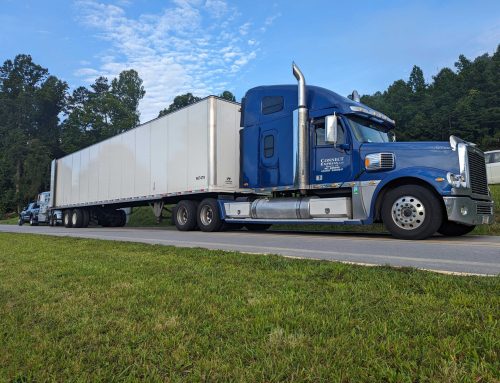
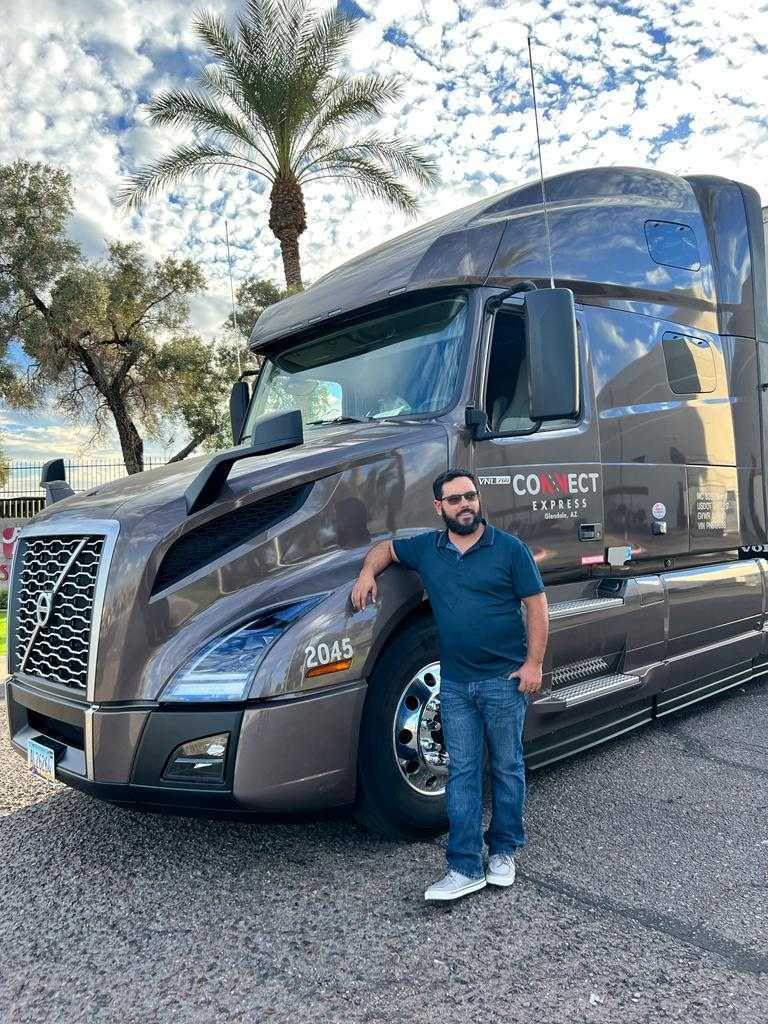
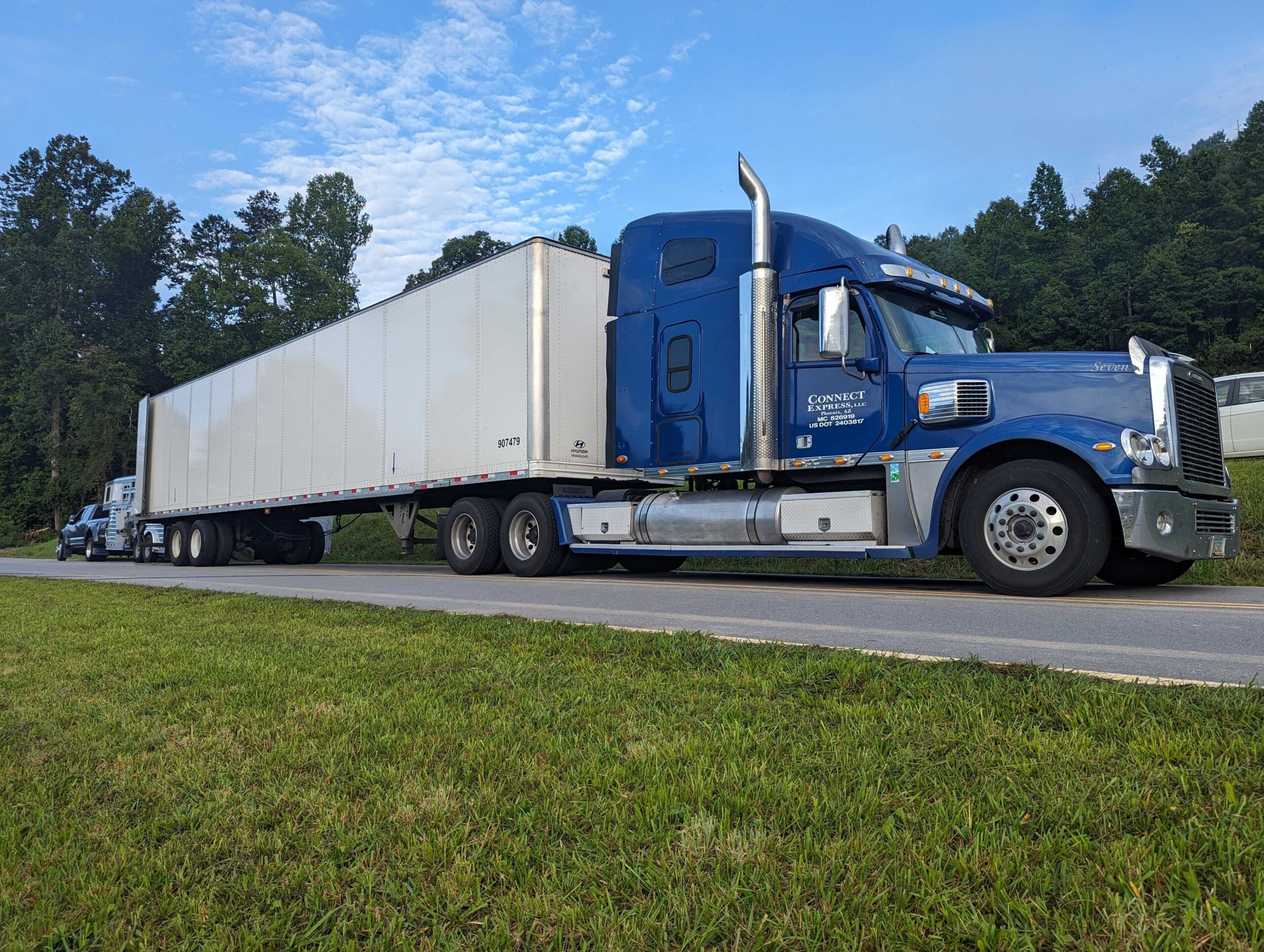
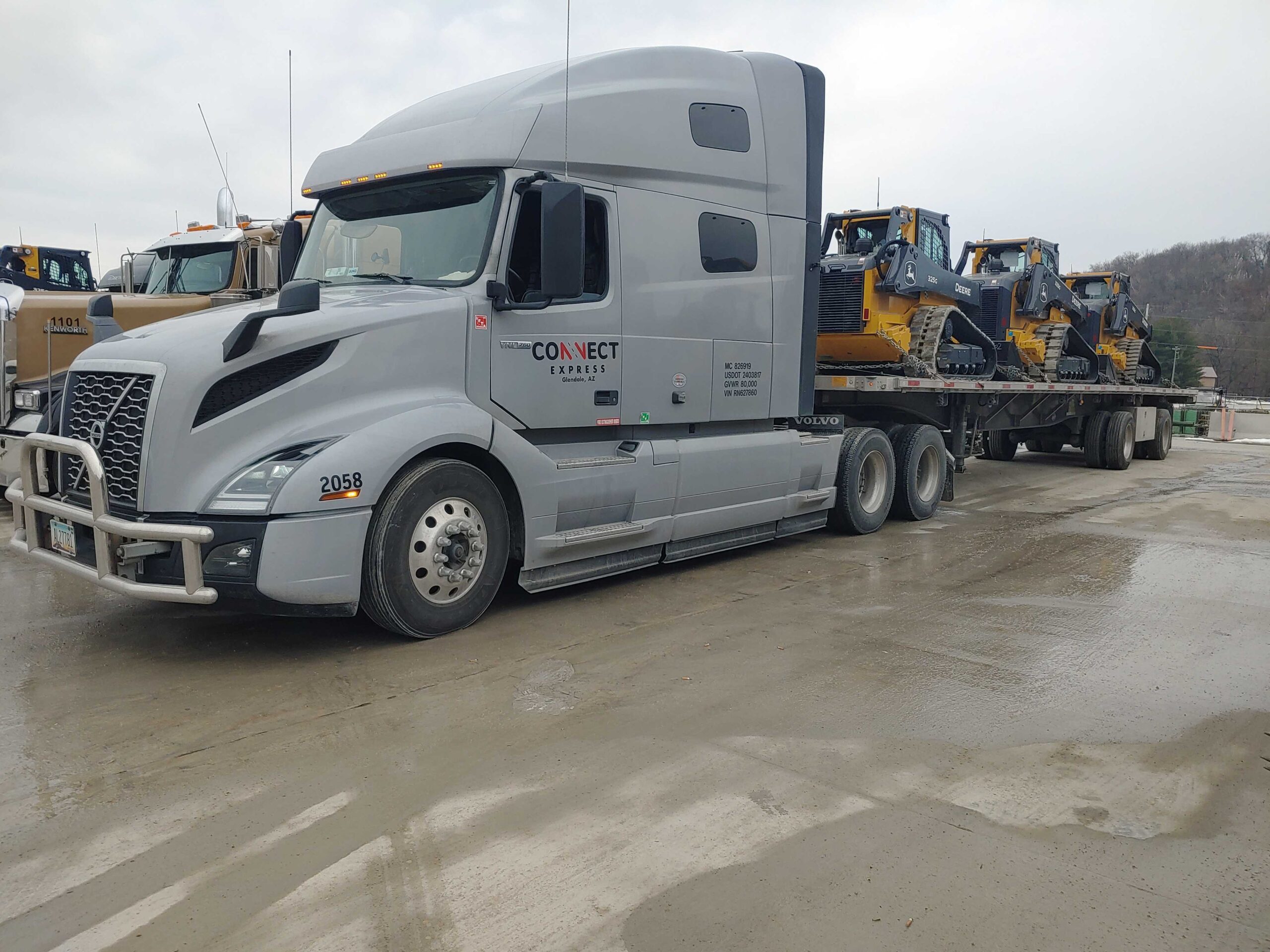
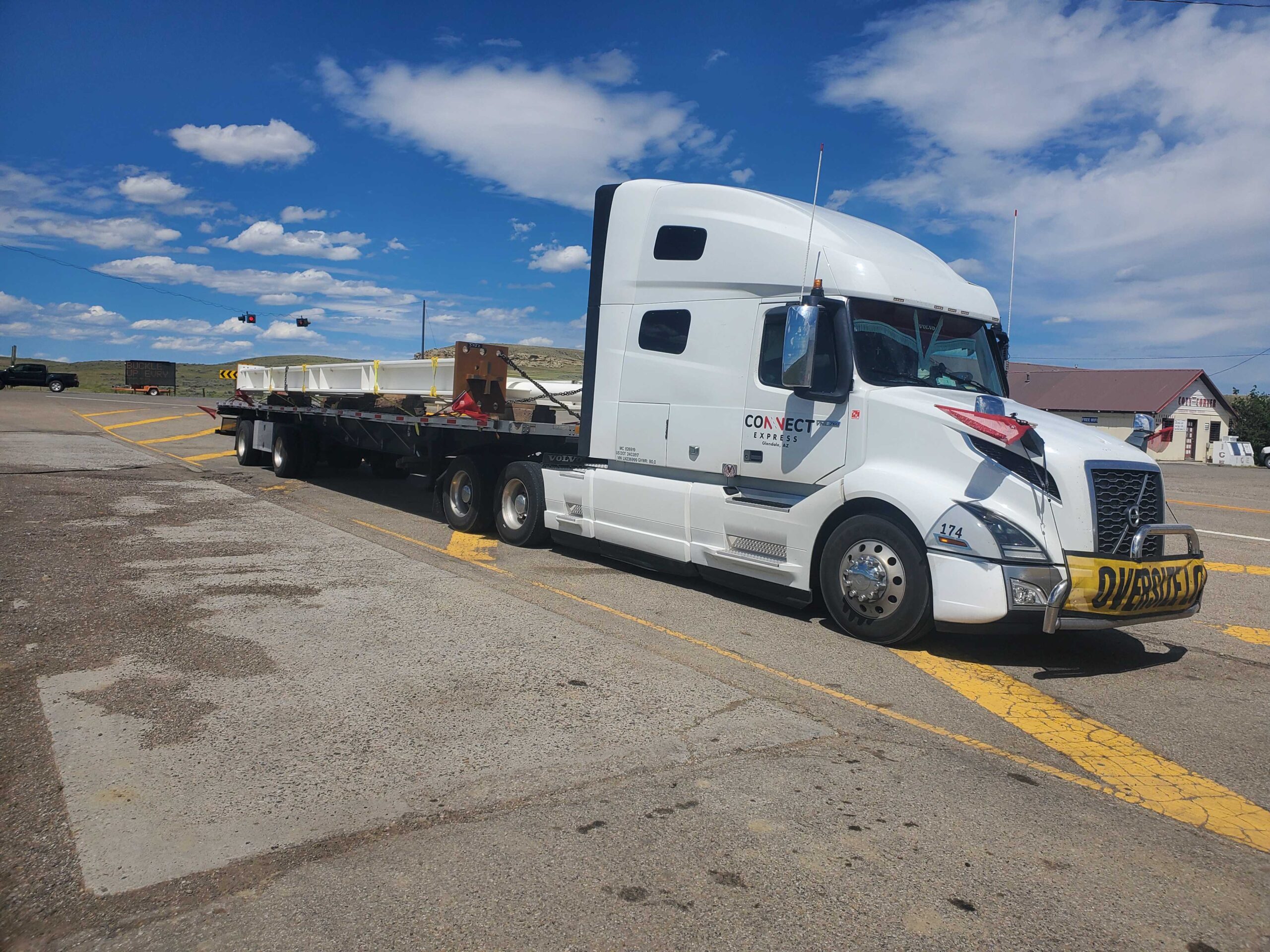
A truckload carrier owns or operates the trucks that move your freight. They hire drivers, manage equipment, handle maintenance, and dispatch the load. If you book with a carrier, you are working with the company that is physically hauling the shipment.
A freight broker does not move the freight with its own truck. The broker arranges transportation by finding a carrier to take the load. In simple terms, the broker is the middle layer between the shipper and the trucking company.
That distinction matters more than most people think. When you work with a carrier, you are closer to the actual operation. When you work with a broker, you are relying on their network and their ability to match your freight with available capacity.
Neither model is automatically right or wrong. It depends on the load, the lane, the urgency, and how much visibility you need.
What a truckload carrier actually handles
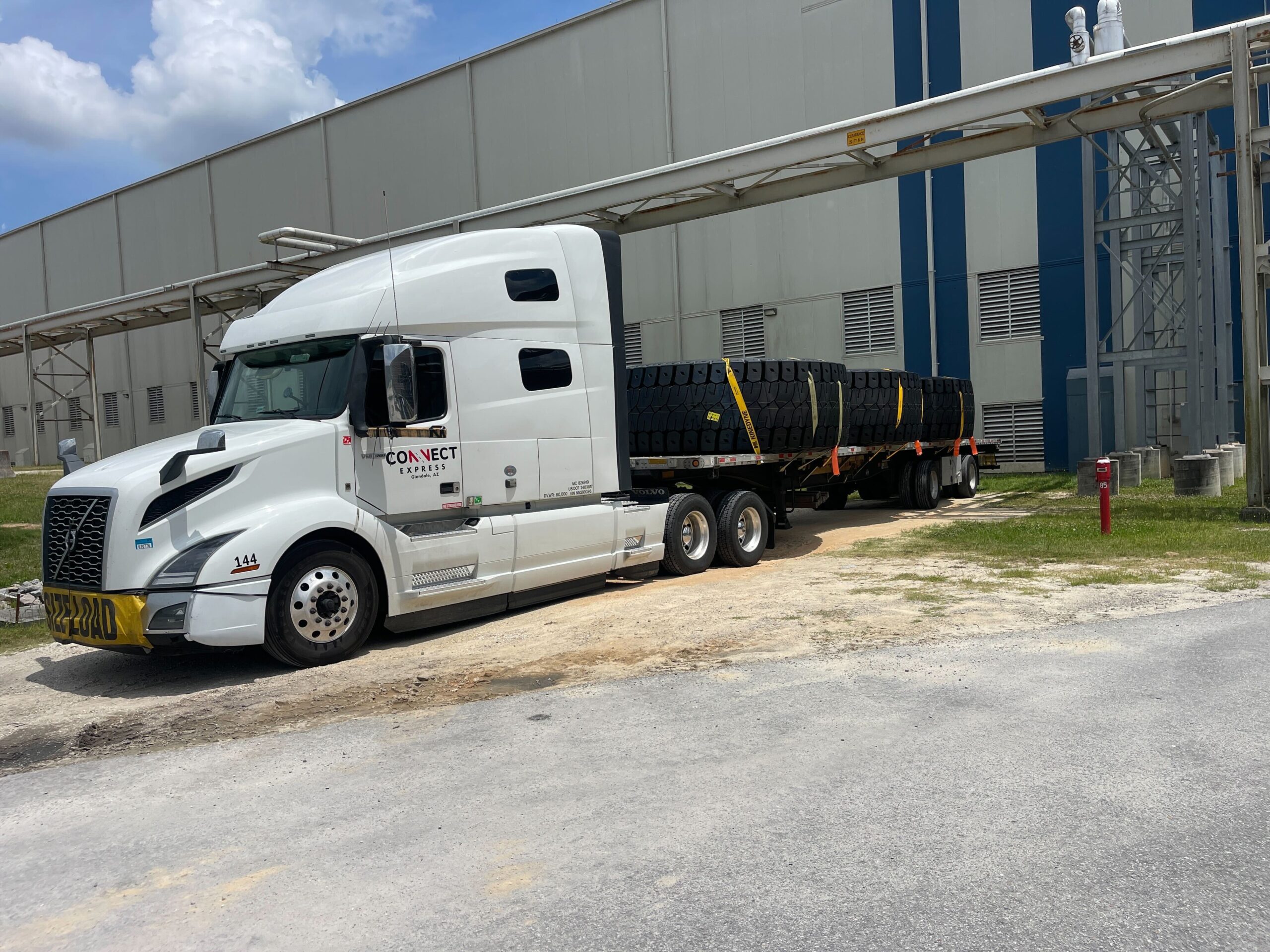
A truckload carrier controls the core parts of execution. That includes driver assignment, pickup scheduling, equipment readiness, and in-transit communication. If there is a delay at a shipper, a breakdown risk, or a route issue, the carrier is dealing with it directly.
For freight managers, that usually means fewer handoffs. There is less room for confusion because the dispatcher and the driver are on the same side of the operation. You are not asking one company to go track down another company for an answer.
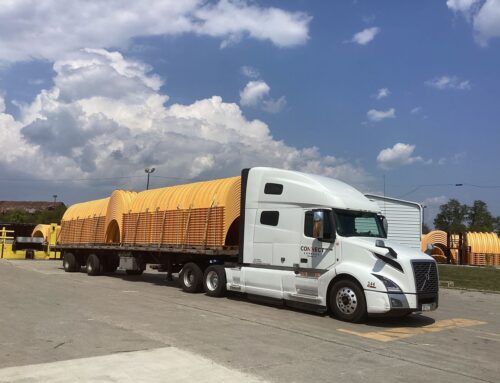
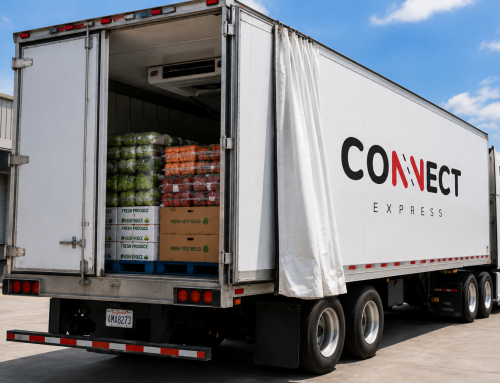
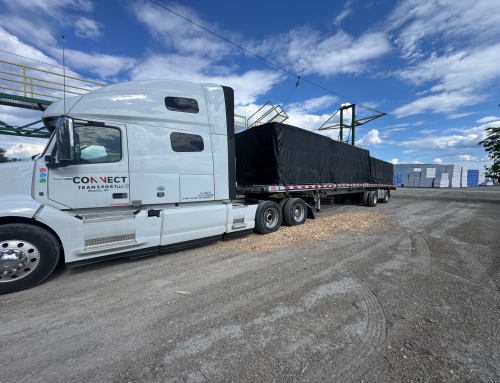
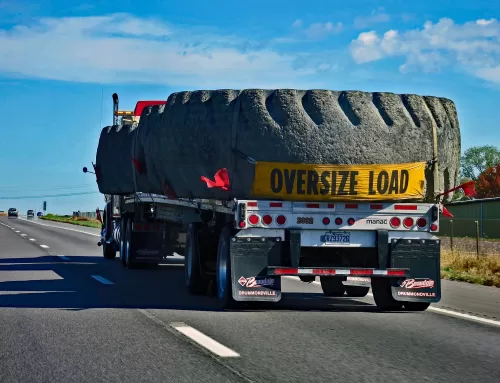
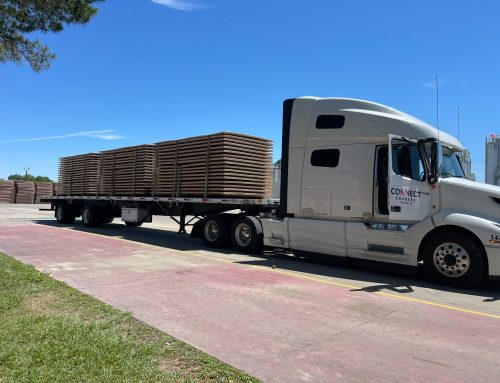
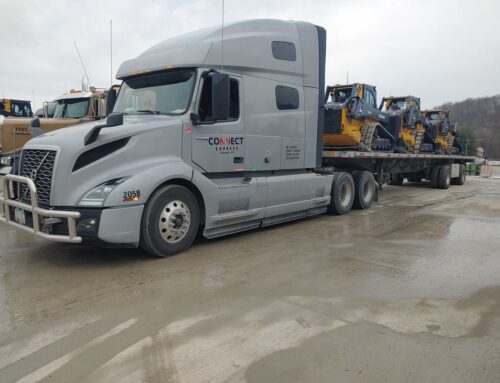
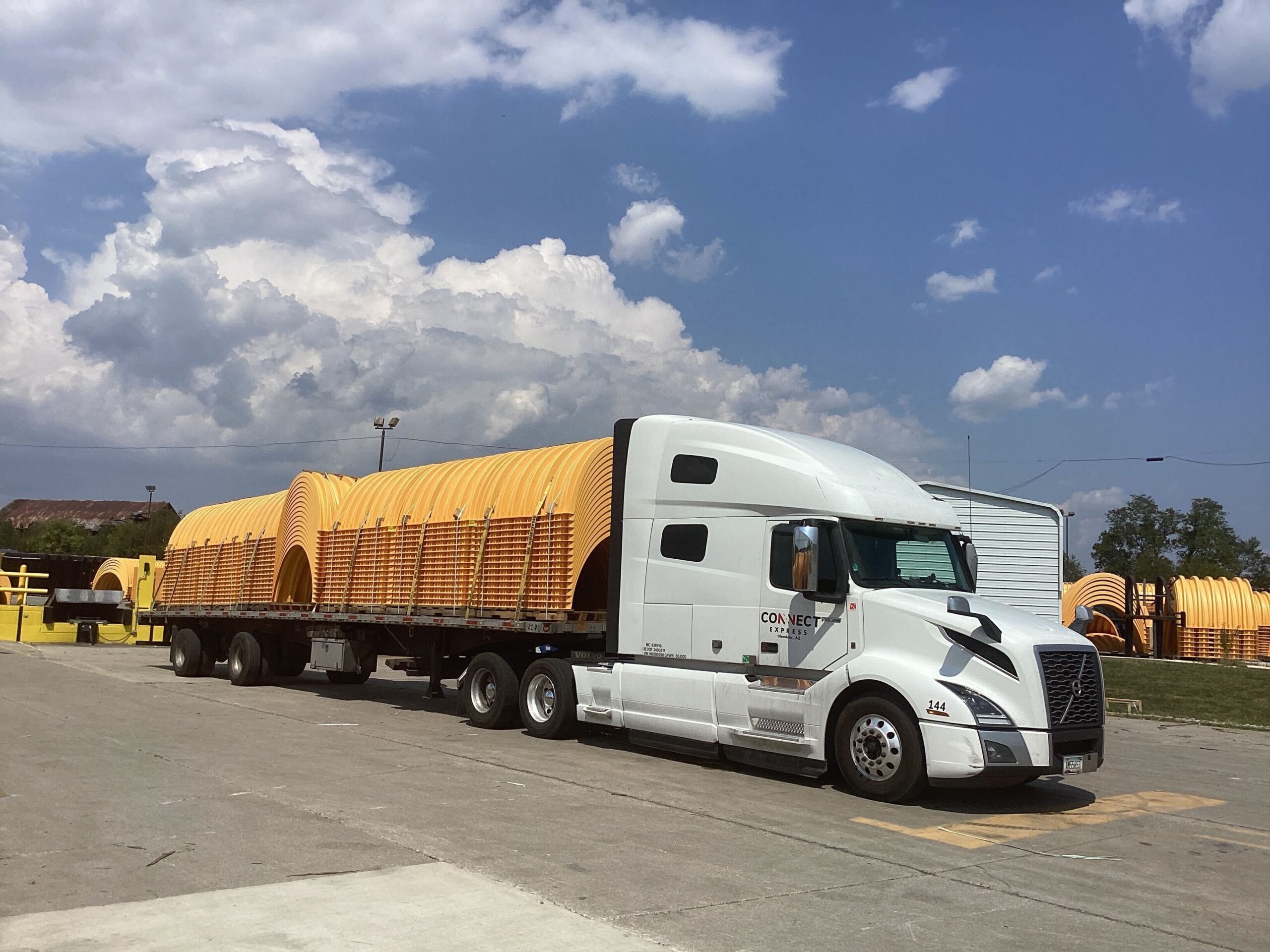
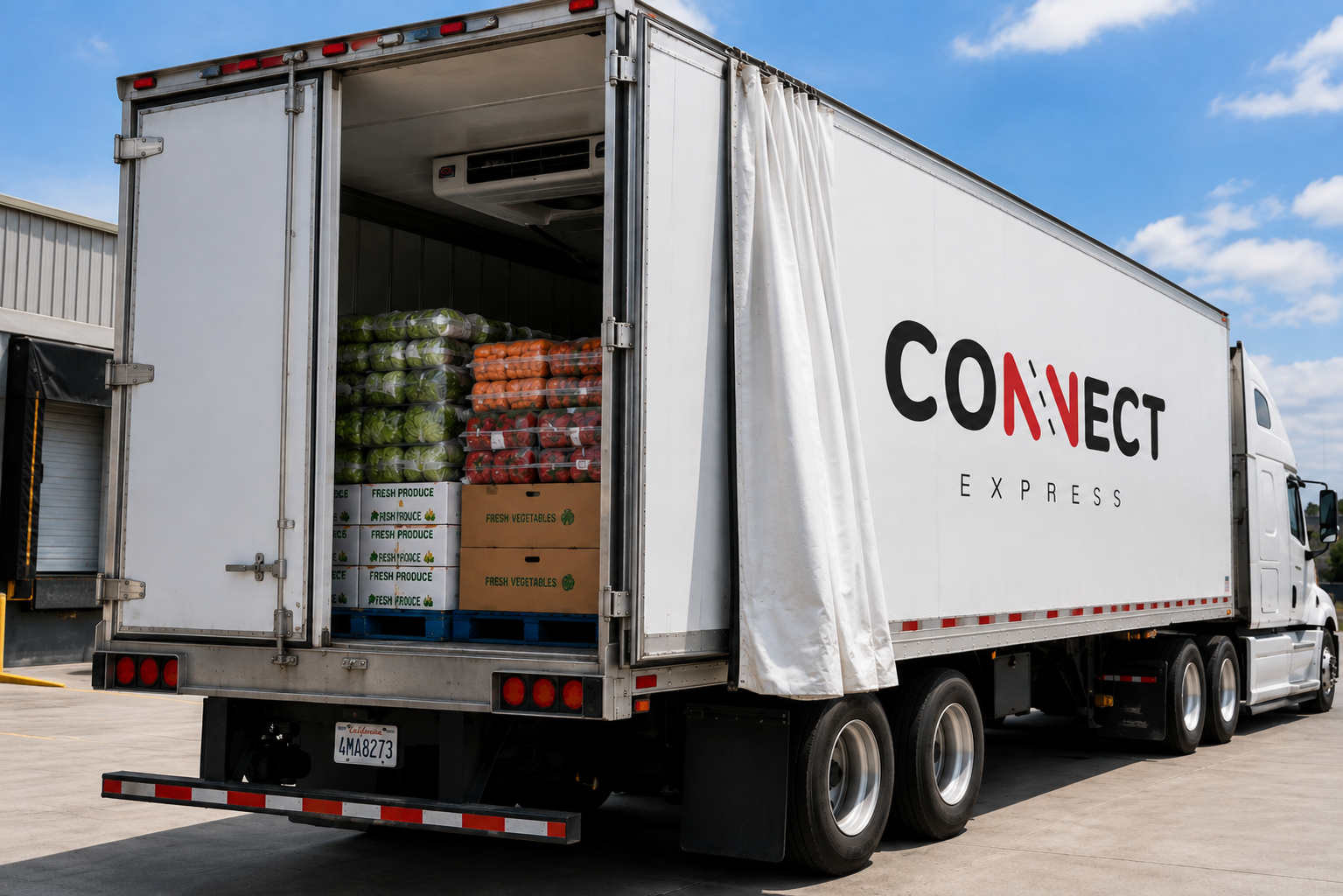
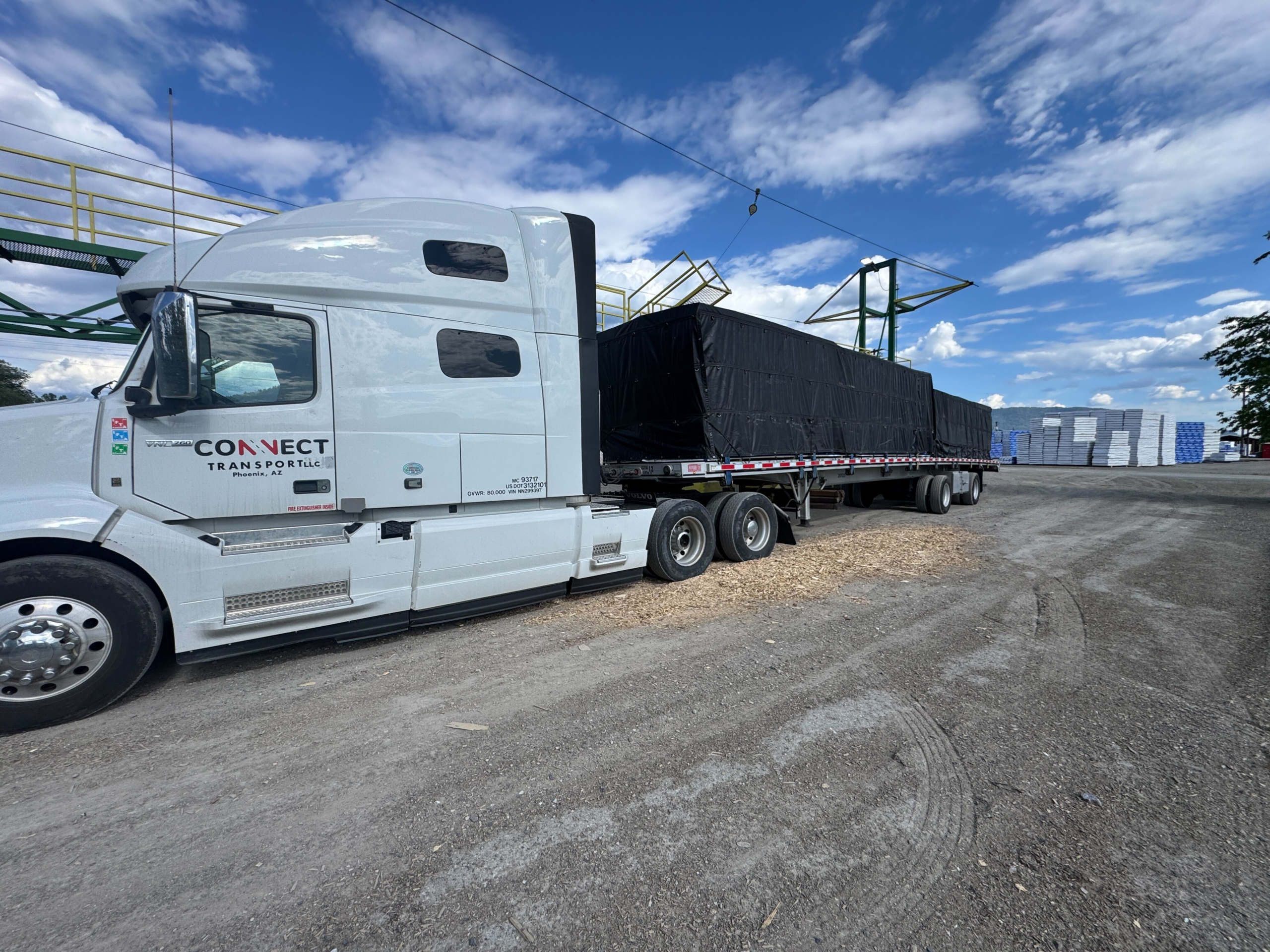
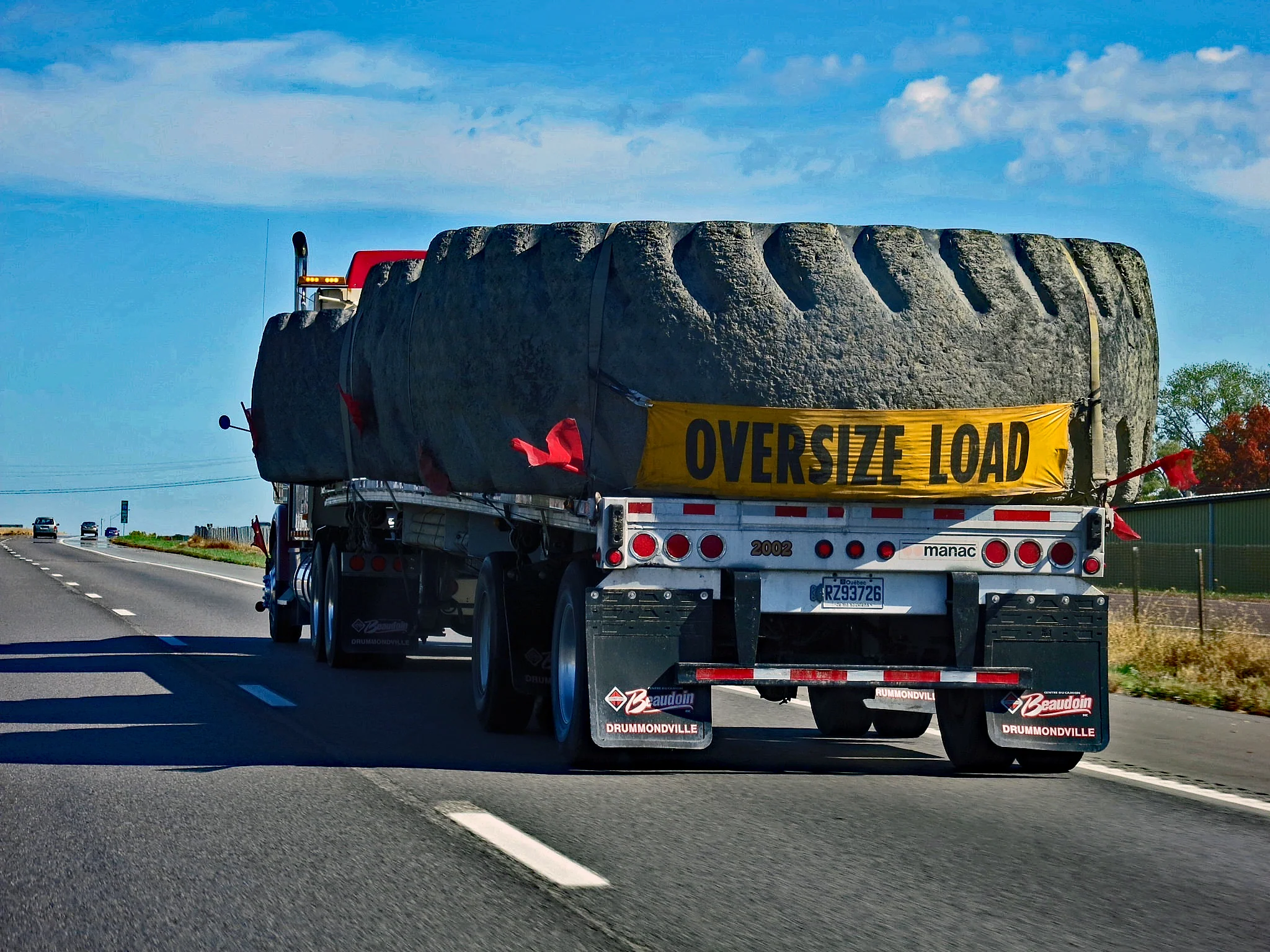
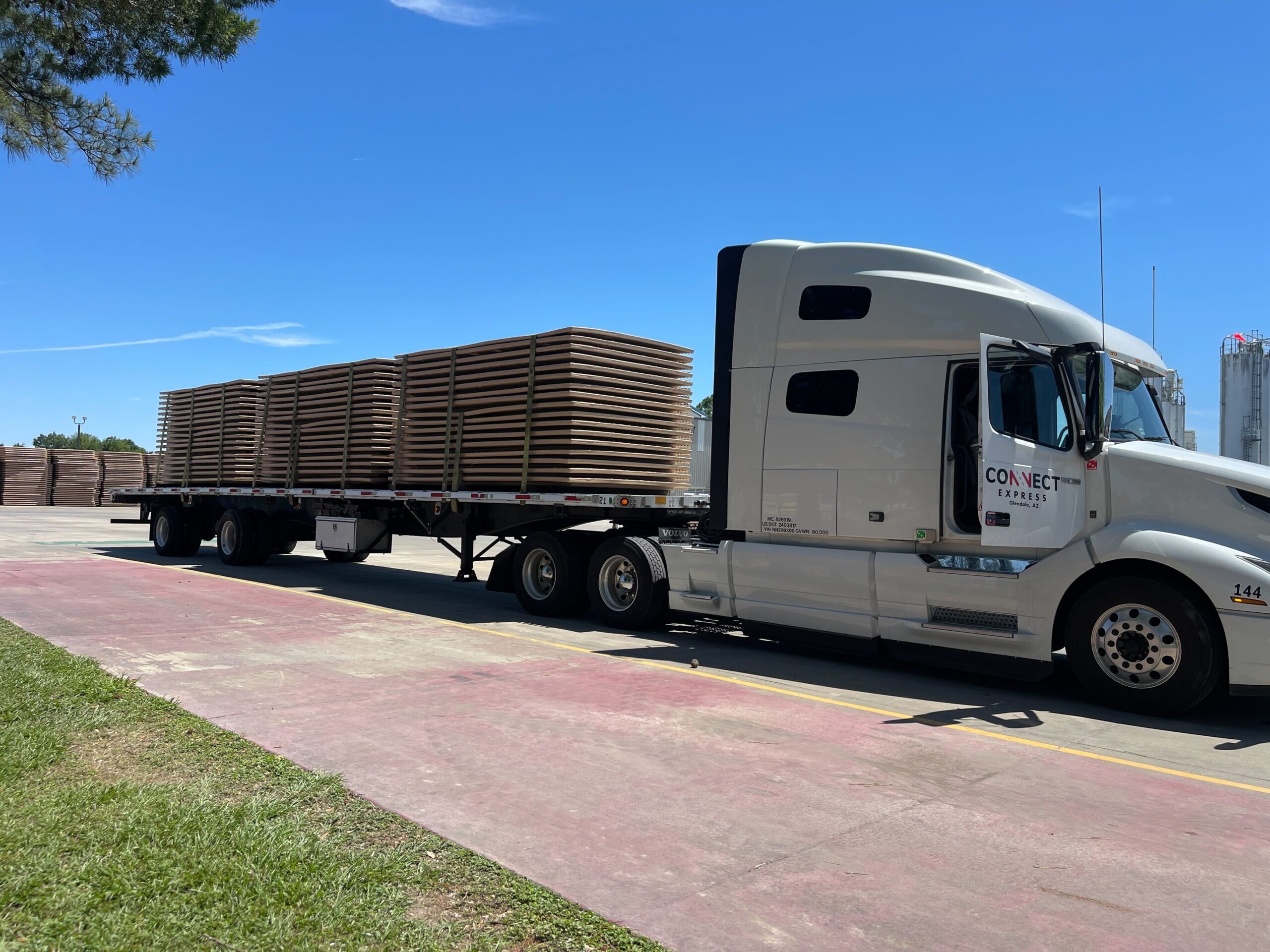
This matters even more for specialized freight. Dry van loads may look straightforward on paper, but timing still matters. Reefer freight adds temperature control and monitoring. Flatbed and oversized freight add securement, route planning, permits, and load-specific equipment concerns. In those situations, direct communication with the carrier can save a lot of time.
A true truckload carrier also has to protect its own service record. If its trucks are late, if drivers miss appointments, or if communication is weak, that falls directly on the carrier. There is no buffer.
What a freight broker actually handles
A broker’s job is coverage. They take a load from the shipper and source a carrier that can move it. If a shipper has unpredictable volume, hard-to-cover lanes, or freight moving in many regions at once, a broker can be useful because they are not limited to one fleet.
A good broker can also help when capacity gets tight. Instead of calling multiple carriers yourself, you call one broker and let them look for options. That can save time, especially when your shipping pattern changes from week to week.
But there is a trade-off. The broker is only as strong as the carriers they use and the communication they maintain. If the broker is sharp, responsive, and selective about who they work with, the process can run well. If they are overloaded or weak on follow-through, updates get thin fast.
That is why some shippers like brokers for reach but still prefer direct carriers for core lanes. One gives flexibility. The other gives control.
Where shippers feel the difference most
The biggest difference between a truckload carrier and freight broker usually shows up when something goes wrong. A weather delay. A late loading crew. A rejected trailer. A breakdown. A last-minute appointment change.
With a carrier, the person you call is tied directly to the truck. They can speak with the driver, adjust dispatch, and give you a real answer. Maybe it is not the answer you wanted, but it is usually faster and more accurate.
With a broker, you may still get a good answer, but it often takes an extra step. The broker has to contact the carrier, wait for a response, and relay the update back to you. That extra layer can be fine on routine shipments. It can become a problem on time-sensitive freight.
Communication is where many shipping relationships are won or lost. Most shippers can deal with a delay if they know about it early. What they cannot work with is silence, vague updates, or finding out too late.
When a truckload carrier makes more sense
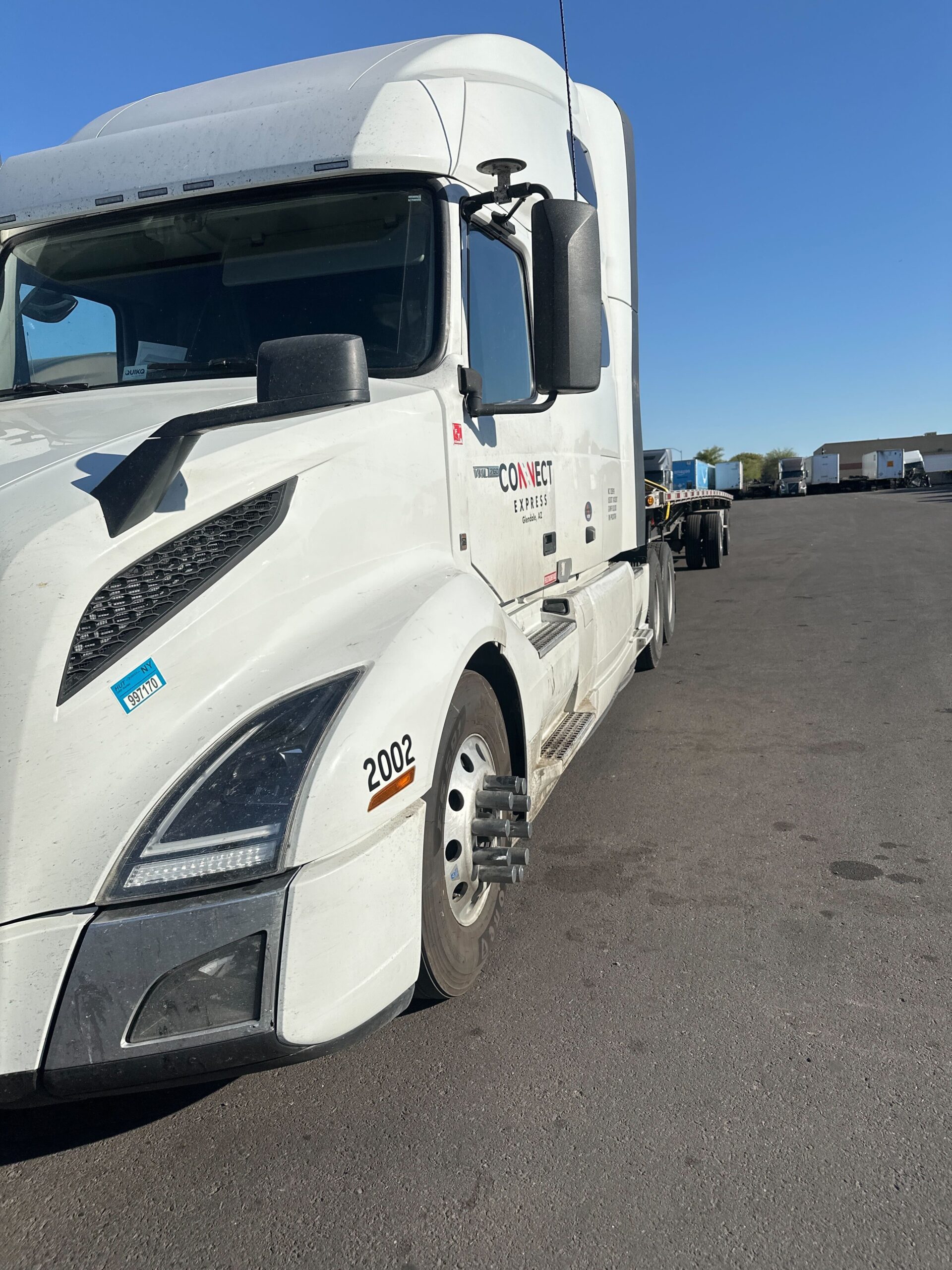
If you have repeat lanes, steady volume, appointment-sensitive freight, or freight that needs specific equipment, a direct carrier relationship usually makes more sense. You build consistency. The carrier learns your shipping patterns, your facility rules, and your expectations.
That consistency matters in real operations. Drivers know where to check in. Dispatch knows your appointment windows. Your team knows who to call. Over time, that reduces friction.
This is especially true for shippers that value predictable service over broad market access. If your priority is no missed pickups, real updates, and fewer surprises, direct capacity is hard to beat.
That is one reason companies based around actual fleet operations, including carriers out of Phoenix serving the Southwest and longer-haul lanes, tend to focus heavily on communication and execution. When your name is on the truck, there is nowhere to hide.
When a freight broker makes more sense
A broker can be the better fit when your freight is irregular or spread across lanes where one carrier may not have enough reach. If you suddenly need trucks in several states at once, or your volume swings hard from week to week, a broker can help fill gaps.
Brokers also help some shippers during surges. If your regular carrier network is full, a broker may be able to source backup capacity faster than your internal team can on short notice.
That does not mean every load should go through a broker. It means brokers are often strongest as a flexible layer. They are useful when access to a broad carrier network matters more than direct asset control.
Truckload carrier vs freight broker for different freight types
For standard full truckload freight, either model can work. The question is less about whether the load can move and more about how you want it managed.
For reefer freight, direct carrier communication becomes more important. Temperature settings, pre-cooling, detention at docks, and product sensitivity leave less room for slow updates.
For flatbed and oversized hauling, execution matters even more. Trailer type, securement, dimensions, escort requirements, and route limits can change the whole move. In that kind of freight, working with a carrier that knows the equipment and the handling requirements is often the safer call.
Dedicated freight lanes also lean toward carrier relationships. If you are moving the same freight on the same schedule, you usually want consistency, not a fresh search for capacity every time.
Questions to ask before choosing
Before you decide, ask a simple question: who is actually responsible for this load once it is booked?
If the answer is the company you hired, that is direct accountability. If the answer is another company that will be selected later, you are relying more on coordination.
You should also ask how updates are handled, who you speak with after pickup, and what happens when the original plan changes. Those answers tell you a lot.
The right partner should not make basic information hard to get. You should know who has the freight, where it is, and what happens next.
The choice is really about control
For many shippers, truckload carrier vs freight broker is not a debate about which model is better across the board. It is a decision about control, visibility, and how much distance you want between your team and the truck.
If you want direct execution, a carrier is usually the better fit. If you need broad sourcing options across changing lanes, a broker may help. Many shipping operations use both, but they use them for different reasons.
The key is knowing what you are buying. If you expect direct truck-level accountability, book with a carrier. If you need someone to go find capacity in a fragmented market, a broker can do that job.
Freight moves better when roles are clear from the start. You should not have to guess who is hauling your load, who is answering the phone, or who owns the next step.
Need capacity on this type of freight? Connect Express LLC provides asset-based dedicated truckload service across the Southwest and nationwide.
Request a truckload quote: Contact Connect Express or call 480-401-1998.