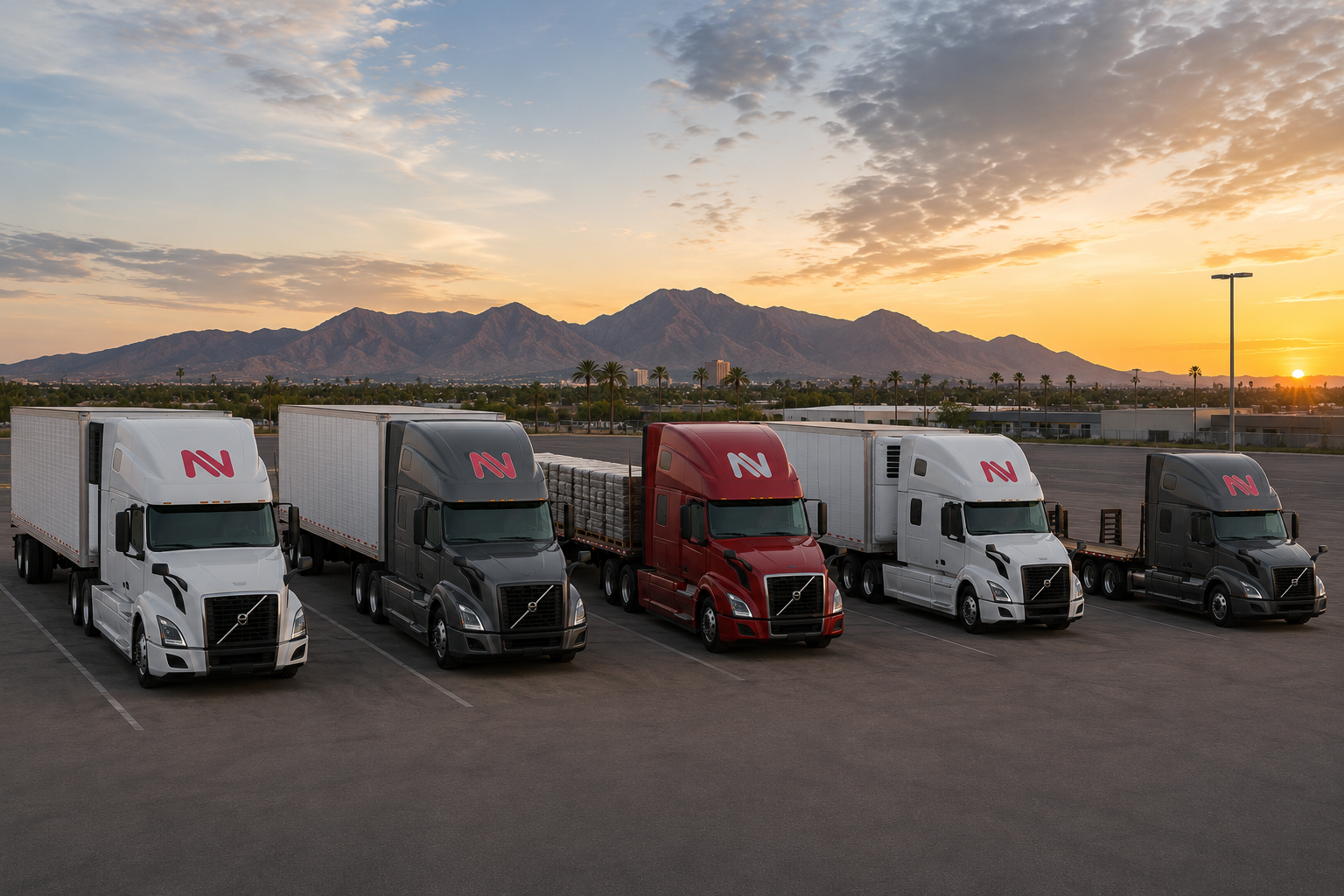

A reefer load can go bad before the truck even leaves the dock. Most pickup problems start earlier – bad appointment times, missing temp details, product not staged, or a driver showing up to a facility that is not actually ready.
If you need to know how to schedule reefer pickups without creating delays, the job starts before dispatch ever assigns the truck. You need the right load information, the right pickup window, and a carrier that gives real updates when something changes. Reefer freight does not leave much room for guesswork.
Why reefer pickups fail before arrival
Reefer freight is less forgiving than dry van freight. If the set point is wrong, if the product is loaded warm, or if the shipper and carrier are working off different appointment times, you have a problem that can follow the load all the way to delivery.
A lot of pickup issues come from small misses. The commodity is listed too broadly. The pickup number is missing. The shipper says first come, first served, but the warehouse is running by appointment only. The facility needs the trailer pre-cooled, but nobody tells the driver until check-in. None of these sound major on their own. Together, they turn a normal pickup into a late one.
That is why scheduling reefer pickups is really about control. You are trying to control timing, temperature, communication, and dwell before any of them get away from you.
How to schedule reefer pickups without avoidable delays
The first step is getting the load details tight before the truck is dispatched. For reefer freight, the basics are not enough. Pickup city, delivery city, weight, and pallet count matter, but they do not tell the full story.
You also need the product type, required temperature, whether the trailer must be pre-cooled, and whether the load is shipper load and count or driver count. If the product is sensitive, say that clearly. If there are rejection risks tied to temperature variance, that needs to be known upfront, not after the truck arrives.
Appointment details need to be exact. That means the full facility name, street address, contact name if available, pickup number, and the real pickup window. If the warehouse takes late arrivals but pushes them to the back of the line, that matters. If they stop loading at lunch, that matters too. Reefer scheduling works better when dispatch knows how the dock actually operates, not just what is written on the rate confirmation or shipping note.
Once the load details are clear, match the pickup time to the freight and the facility, not just to what looks open on a board or spreadsheet. A produce shipper, a frozen food warehouse, and a dairy plant may all run reefer freight, but they do not load the same way. Some are fast. Some have strict appointment windows. Some regularly run behind and need that accounted for.
This is where experienced dispatch matters. A good dispatcher does not just book the truck. They build enough time around the pickup so the driver can arrive on time, complete check-in, confirm instructions, and still protect the delivery schedule.
Confirm the temperature requirements early
Temperature issues are one of the main reasons reefer loads get delayed or rejected. The trailer needs to be set correctly before loading, and sometimes it needs to be brought to temperature before arriving at the shipper.
Do not assume the facility and carrier are using the same temperature instructions. Confirm the set point in writing. If the product calls for continuous run instead of start-stop mode, say so. If the shipper needs air chute, bulkhead placement, or specific loading patterns for airflow, make sure those instructions are passed before pickup day.
This part gets missed when the load is booked too fast. Then the driver arrives, gets new instructions at the gate, and loses time trying to reset or pre-cool the trailer. In some cases, the truck may need to wait before it can even back into a door.
For high-risk freight, it also helps to confirm whether the shipper wants the driver to pulp product or just verify reefer settings. Different facilities handle this differently. It depends on the commodity and the shipping protocol.
Make sure the product is actually ready
A reefer appointment is not just about when the truck shows up. It is about whether the freight is staged, checked, and ready to load when the truck gets there.
A lot of delays come from warehouses giving a pickup time before the product is fully ready. The truck arrives on time, but the freight is still being packed, cooled, labeled, or waiting on QA release. Now the reefer unit is running, the driver is burning hours, and the delivery side may already be at risk.
Before you finalize the pickup, confirm readiness. Ask if the product will be staged at the appointment time. Ask if there are any hold points that could push loading back. If the answer is maybe, then schedule with margin instead of treating the appointment as firm.
That is especially important for first-time facilities or loads moving on tight transit schedules. If there is no room for pickup slippage, do not build the plan around best-case timing.
Give dispatch and the driver everything they need
The cleaner the handoff, the smoother the pickup. Drivers should not be calling around from the gate trying to figure out where to check in, what reference number to use, or whether the shipper wants the trailer running or off during loading.
Good reefer pickup scheduling includes a full instruction set before arrival. That means appointment time, facility rules, temperature set point, special loading notes, commodity details, and any required paperwork. If the shipper has strict arrival procedures, those need to be clear.
This is where real truck operations matter. A carrier that runs its own equipment can usually move faster on communication because dispatch is talking directly to the driver, not through layers of intermediaries. That cuts down confusion when timing changes or dock instructions shift.
Build in time for the things that usually go wrong
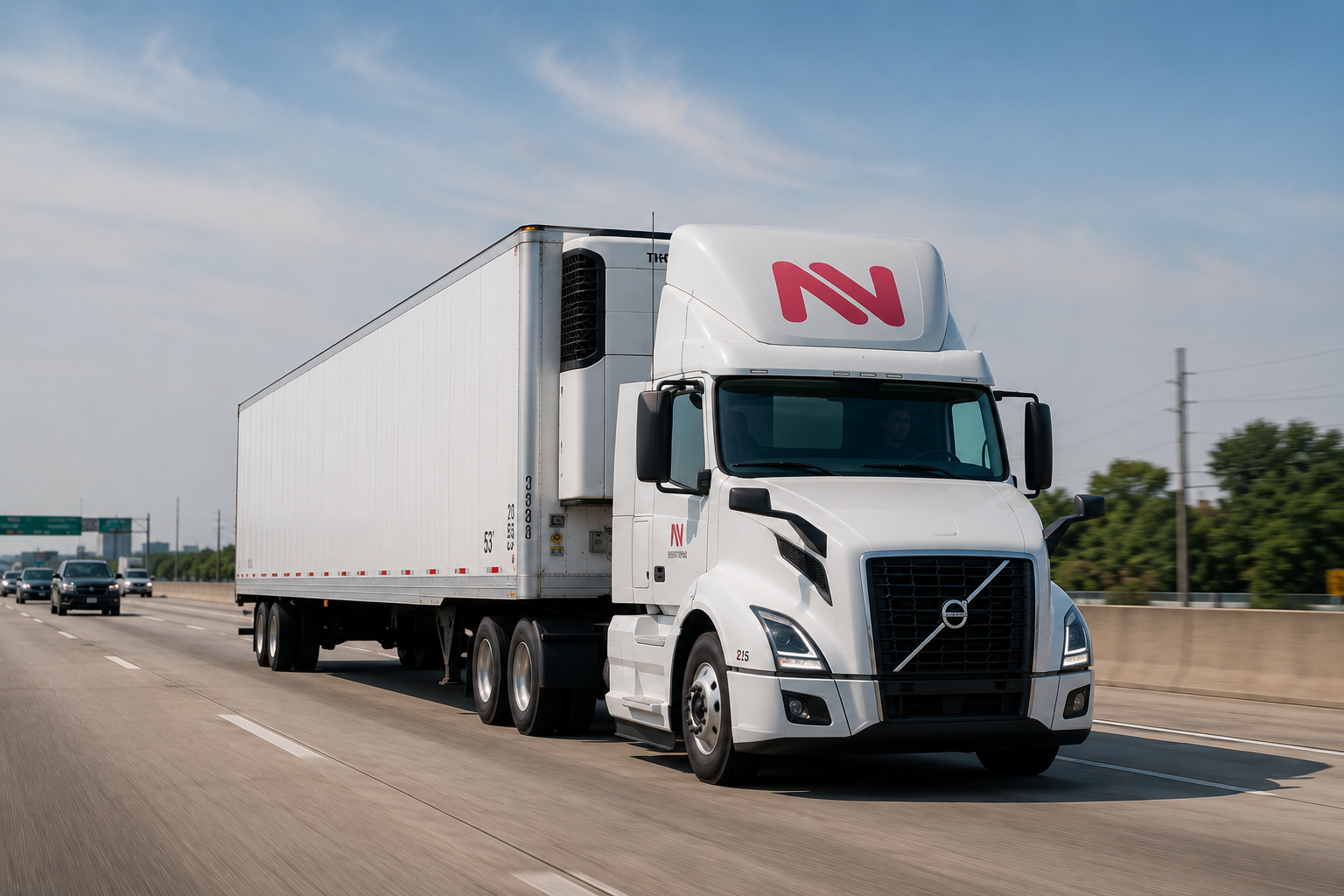
Reefer pickups go smoother when the schedule respects reality. Traffic happens. Facilities get backed up. A previous delivery may run long. Drivers can still be on time with good planning, but tight reefer schedules need some cushion.
That does not mean padding every load with wasted time. It means understanding where the risk points are. A pickup in Phoenix during a busy shipping day may need a little more lead time than the map suggests. A warehouse with long in and out times should not be treated like a quick drop-by facility.
Some loads need same-day pickup and delivery pressure. Some do not. The right schedule depends on product sensitivity, distance, driver hours, and how strict the receiver is. Reefer freight always comes back to one question – what happens if pickup slips by two hours? If the answer is not much, you have options. If the answer is missed delivery or rejected product, schedule tighter on control, not tighter on time.
Communication matters more than speed
Shippers do not just need a truck. They need to know what is happening with the truck. If a reefer pickup is delayed, the update needs to come early enough to do something about it.
That is why clear communication matters more than fast booking. A carrier should confirm the appointment, confirm the dispatch, and give a real update once the driver is en route and again after arrival if needed. No guessing where your load is. No silence while the dock time burns away.
At ConnectExpress LLC, that is the standard we work from. We run real trucks, communicate directly, and keep reefer loads moving without turning every pickup into a fire drill.
When flexibility helps and when it hurts
Some reefer pickups benefit from a wider pickup window. If the shipper can load anytime between early morning and noon, dispatch has more room to route the truck cleanly and protect the rest of the schedule. That flexibility can reduce stress on both sides.
But flexibility can also create confusion if nobody owns the actual appointment. A wide pickup window is only helpful when the facility will honor it and the carrier knows how they handle arrivals. Otherwise, the truck may show up during the open window and still sit for hours because the warehouse is prioritizing another sequence.
If the freight is time-sensitive, a firm appointment is usually better. If the facility is first come, first served and loads reliably, then a window may work just fine. It depends on the dock, the commodity, and the delivery commitment.
The best reefer pickups are boring
That is the goal. No surprises at the gate. No missing reference numbers. No last-minute temperature changes. No driver waiting while product gets finished.
If you want better reefer pickups, keep the process simple and tight. Confirm the freight details. Confirm the temperature. Confirm the appointment. Confirm the product is ready. Then make sure dispatch and the driver have the same information.
Reefer freight does not reward assumptions. It rewards preparation. When the pickup is set up right, the rest of the load has a much better chance of staying on time and in spec.
A good reefer pickup should feel uneventful. That is usually the sign that the planning was done right.