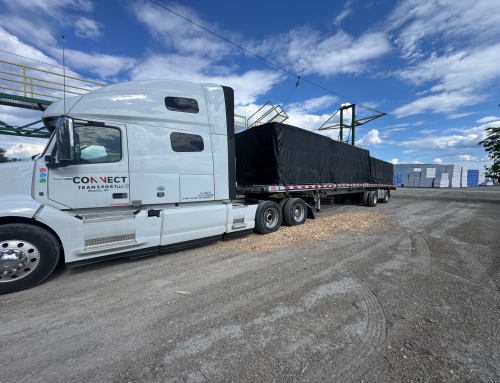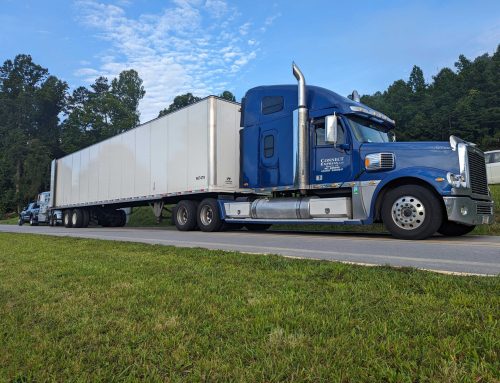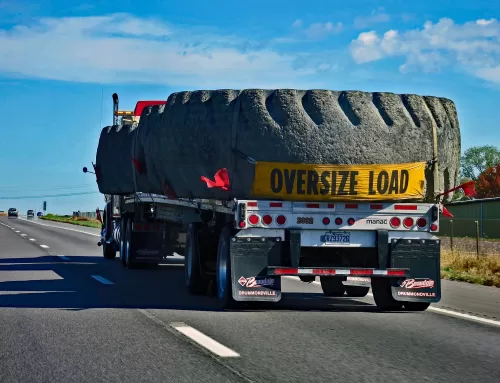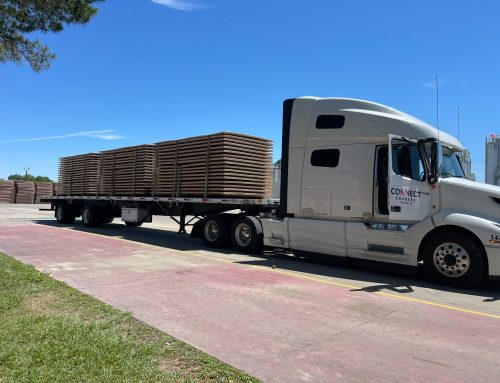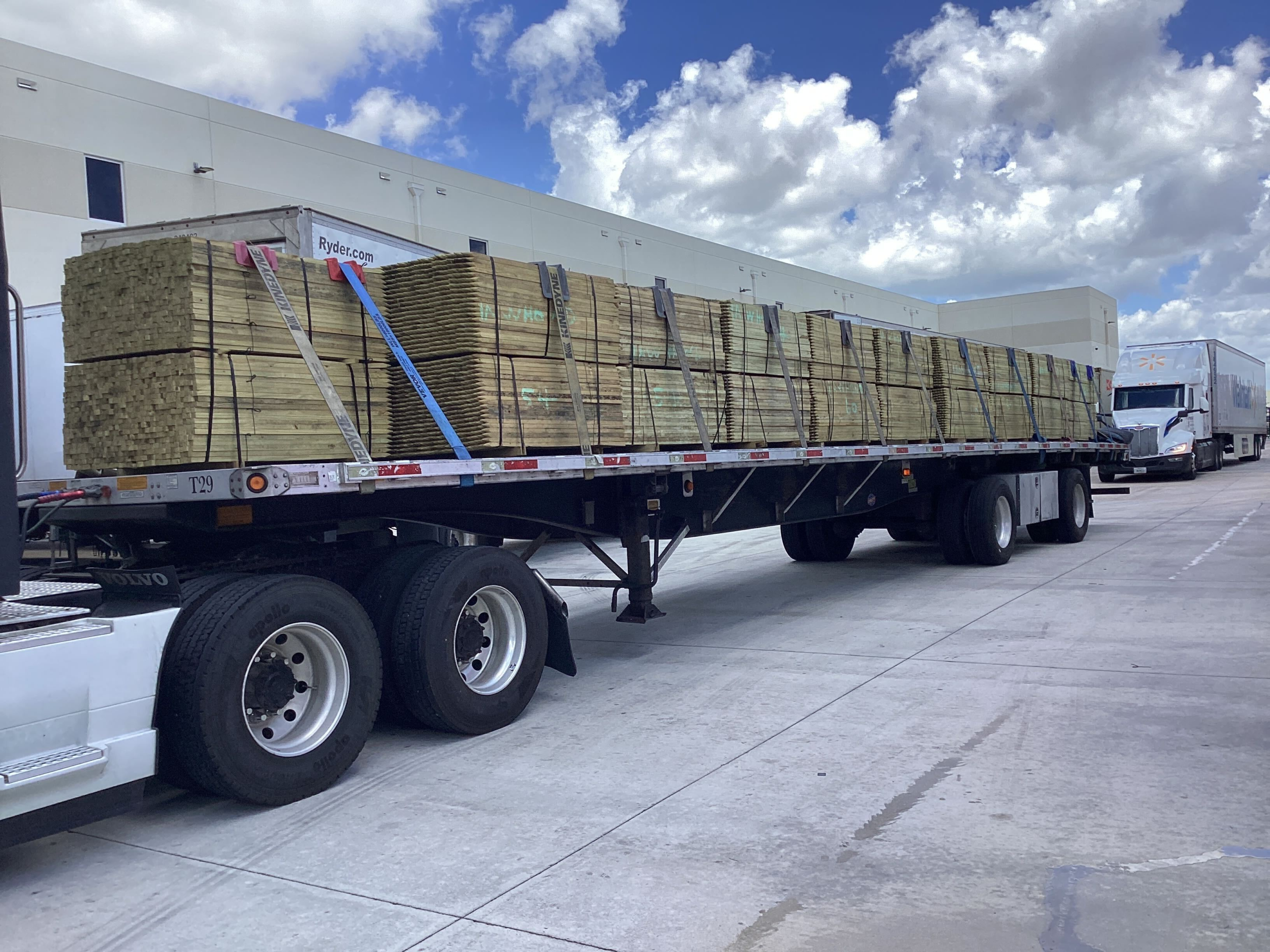
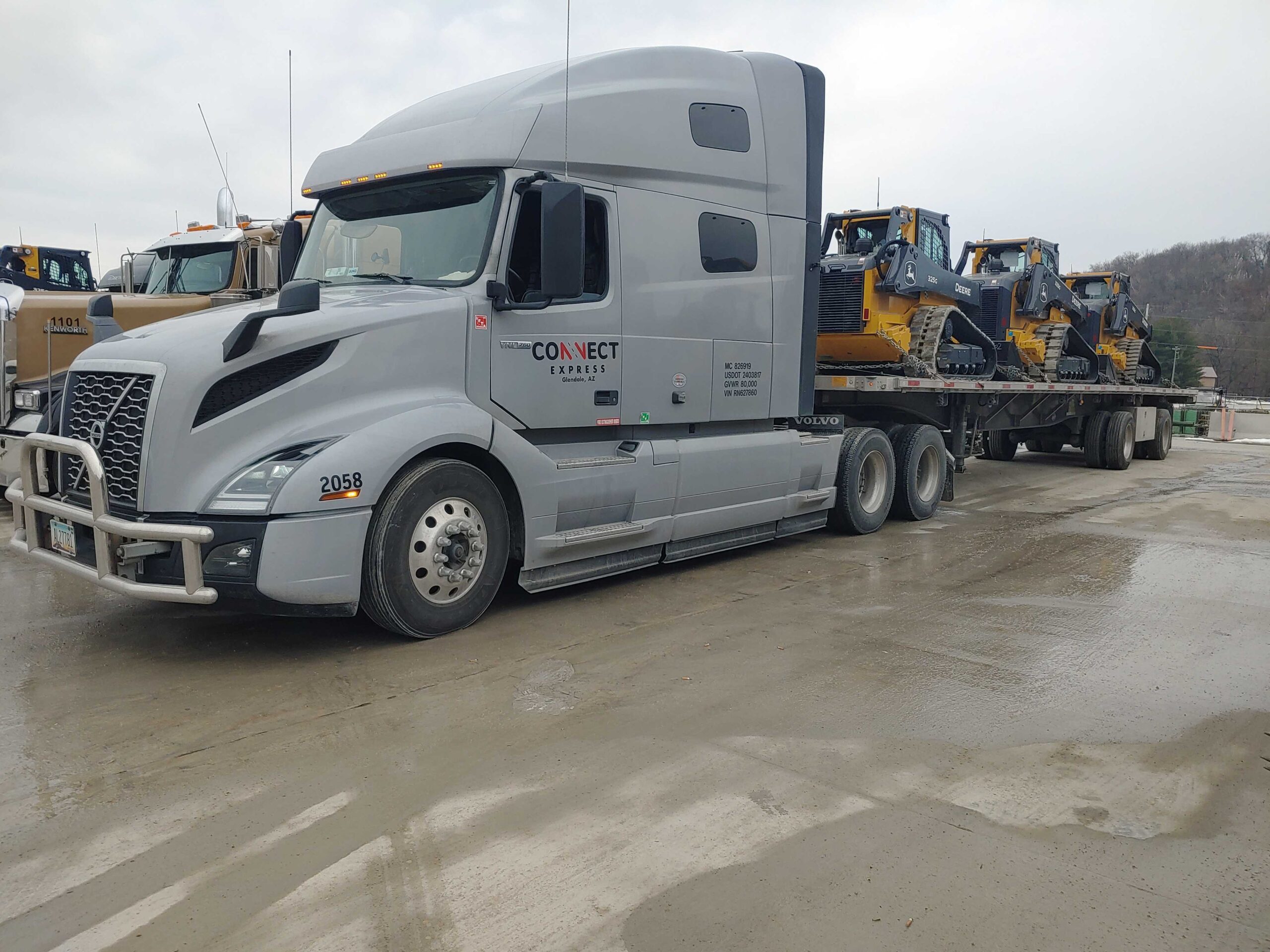
A construction equipment transport example is easiest to understand when the load is real, the route is defined, and the details are checked before a truck is dispatched. Consider a 52,000-pound excavator moving from a Phoenix, Arizona jobsite to a project in western Colorado. It sounds like one machine on one trailer. It is not that simple.
The shipper needs the excavator off the old site by Friday. The receiving crew needs it before Monday morning. The machine has a bucket, counterweight, fuel in the tank, and a cab that cannot be damaged. The move crosses state lines, requires an oversized setup, and may need route restrictions. A good transport plan handles those facts before pickup day.
Construction Equipment Transport Example: The Load Details
The first call should establish the actual machine, not just the equipment category. Saying it is a large excavator is not enough. The carrier needs the make, model, serial number if required for paperwork, operating weight, transport width, height, length, and all attachments being shipped.
In this example, the excavator weighs 52,000 pounds without its bucket. The bucket adds 3,500 pounds. The boom folds into a transport position, but the machine is still 10 feet 4 inches wide. Those numbers affect trailer selection, permits, axle loading, and the route.
The shipper should also explain where the machine is sitting. A paved yard with room to turn is different from a muddy jobsite behind a new subdivision. If the pickup point has a steep approach, loose ground, parked equipment, or a narrow gate, the driver needs that information early. A truck that cannot safely enter the site cannot load the machine.
Photos help. A few current photos of the machine, access road, gate, loading area, and unloading area can prevent a bad dispatch. They also show whether attachments need to travel separately.
Selecting the Right Trailer
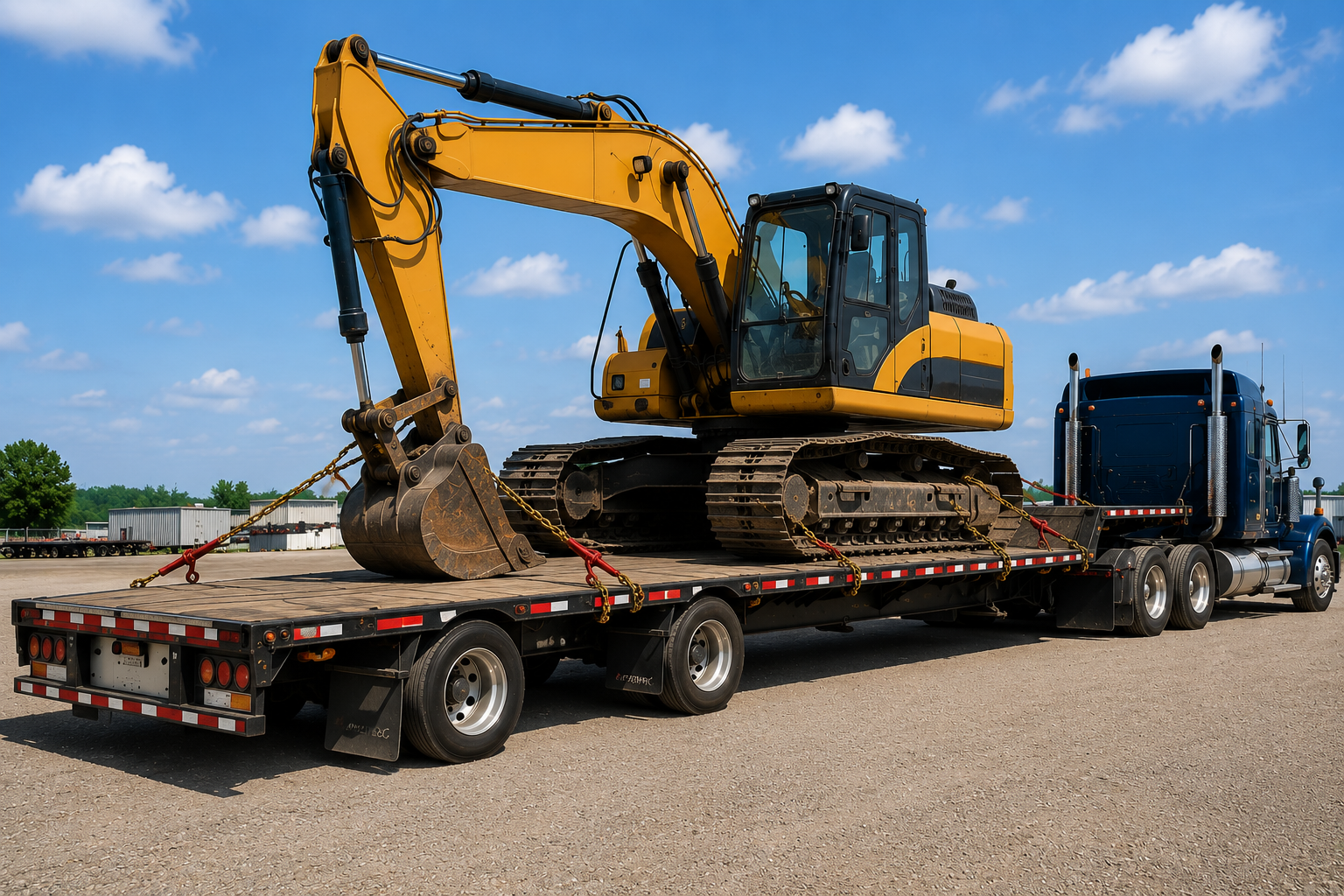
For this load, a detachable gooseneck lowboy, often called an RGN, is a practical choice. The front detaches so the excavator can be driven onto the deck. The lower deck keeps overall height down and helps with a heavy machine.
A standard flatbed would not be the right fit here. It may put the excavator too high, create clearance problems, and make loading less controlled. A step deck can work for some equipment, but it depends on the machine’s height, length, and ramp requirements. Trailer selection should come from verified dimensions, not what happened to be available first.
Weight distribution matters as much as total weight. The tractor, trailer, excavator, and bucket create a gross vehicle weight that can exceed normal legal limits. The equipment must be positioned so axle groups stay within permitted limits. Moving the machine a few feet forward or back can change the axle weights enough to create a problem.
The bucket may ride on the machine, on the trailer deck, or on a separate support arrangement. That decision depends on deck space, securement points, overall length, and the machine manufacturer’s transport instructions. The goal is a stable load with no shifting and no damage to the equipment.
Permits and Route Planning Come Before Pickup
A wide or overweight excavator cannot simply take the fastest route shown on a map. The carrier checks the load dimensions, gross weight, axle spacing, and the states the truck will cross. In this example, that may include Arizona, Utah, and Colorado.
Each state can have different permit rules, travel-hour restrictions, escort requirements, and route limitations. Some permits restrict travel during peak traffic periods. Some routes prohibit oversized loads from using certain bridges, tunnels, construction zones, or mountain roads. Weather can also change the plan, especially when a route includes higher elevations.
The route should be checked for low clearances, bridge capacity, tight exits, and fuel locations that can handle a long combination. A legal route on paper is not enough if the driver cannot safely fuel or turn around near the pickup or delivery site.
Permits also take time. A shipper who calls late Thursday for a Friday oversized pickup may be asking for a move that cannot be legally prepared in time. Sometimes it can be done. Sometimes the permits, routing, or escorts make a next-week pickup the responsible answer. Clear communication beats a promise that cannot be kept.
Securement Is Not a Quick Walkaround
Once the excavator is loaded, the driver secures it based on the machine, trailer, and applicable cargo securement requirements. This usually includes chains, binders, and attachment securement placed at approved tie-down points. The boom, stick, bucket, and cab must be positioned for transport without creating movement or clearance issues.
The driver checks that the tracks are centered, the machine is stable, and the load does not interfere with the trailer or tractor during turns. Loose items need attention too. Toolboxes, loose buckets, hydraulic hoses, and removable parts can become road hazards if they are not secured.
Before leaving, the driver performs a full inspection. Securement gets checked again after the first part of the trip and at required intervals. This is normal heavy-haul work. It takes time, and it is time well spent.
The Pickup Appointment Needs a Real Plan
The site contact should be ready when the truck arrives. That means the excavator is accessible, the operator is available if needed, and the loading area is clear. If a jobsite gate is locked, another contractor has blocked the lane, or the equipment is still working in a trench, the schedule can move fast in the wrong direction.
The pickup contact should know who can make decisions on site. If the driver finds a safety issue or cannot access the machine, there needs to be someone who can respond. Waiting two hours for approval to move a parked pickup truck is avoidable downtime.
At ConnectExpress LLC, we treat this as an operational handoff. The dispatch team needs correct contacts, pickup hours, delivery hours, equipment details, and site notes before the truck rolls. You get real updates when something changes, not silence while the problem grows.
Delivery Is More Than Reaching the Address
For this example, delivery is scheduled for early Monday. The receiving site needs to confirm whether the driver can enter before the crew arrives, where the RGN can unload, and whether the ground is firm enough for the operation. A street address does not answer those questions.
The delivery site also needs enough clearance for the truck to turn, detach the trailer, and let the excavator come off safely. If the unloading area is on a slope or near active workers, the site contact and driver need to coordinate the move. Safety comes before rushing an unload.
Once unloaded, the receiving party should inspect the machine before the driver leaves. Any concern should be documented immediately. A clear delivery handoff protects the shipper, the carrier, and the job schedule.
What Usually Causes Delays
Most equipment transport delays start with missing information. The quoted weight excludes an attachment. The machine is wider with the tracks extended. The jobsite gate is too narrow. The delivery address is correct, but the actual project entrance is five miles away on a different road.
Weather and permit restrictions can also change transit time. Oversized freight may not be able to travel whenever a standard dry van can travel. That is why a delivery window should account for the route, not just the mileage.
The best way to keep this move on track is simple: provide complete equipment details, allow time for permits, confirm site access, and keep one responsible contact available at each end. No guessing where the load is. No last-minute surprises from missing dimensions.
When construction equipment has to be on the next jobsite, treat the transport plan like part of the project schedule. The machine only earns when it is ready to work, and that starts with a safe pickup, a legal route, and a delivery site prepared to receive it.