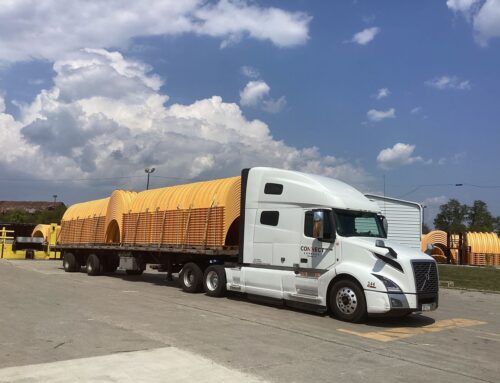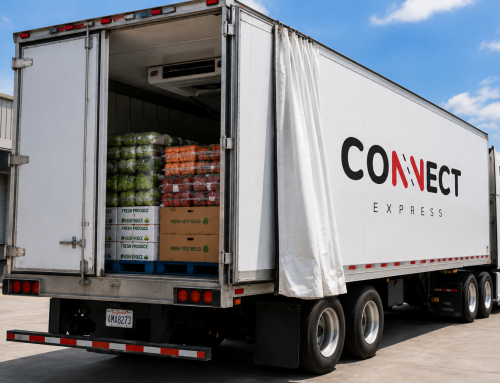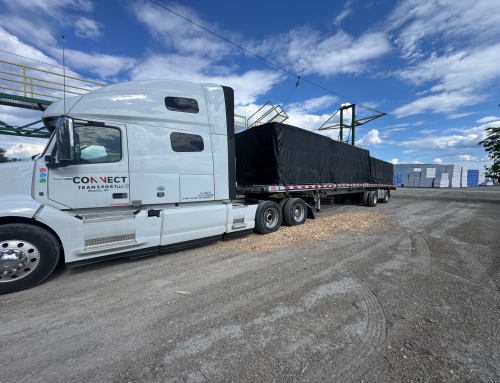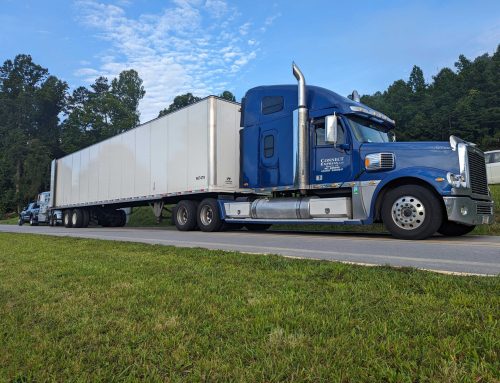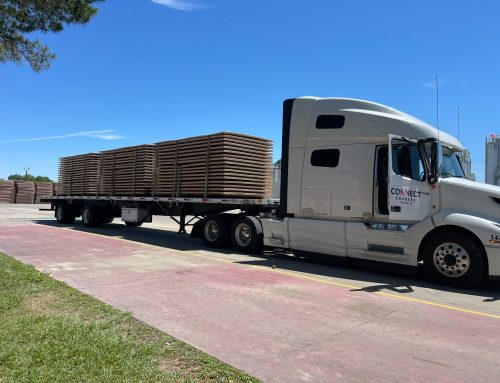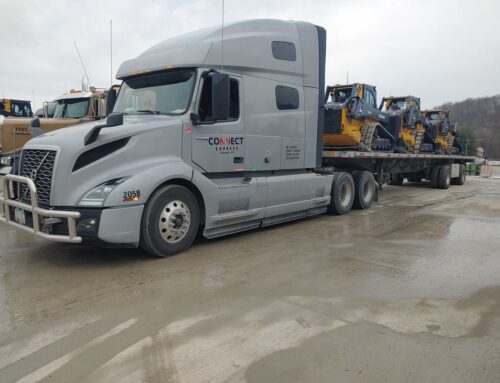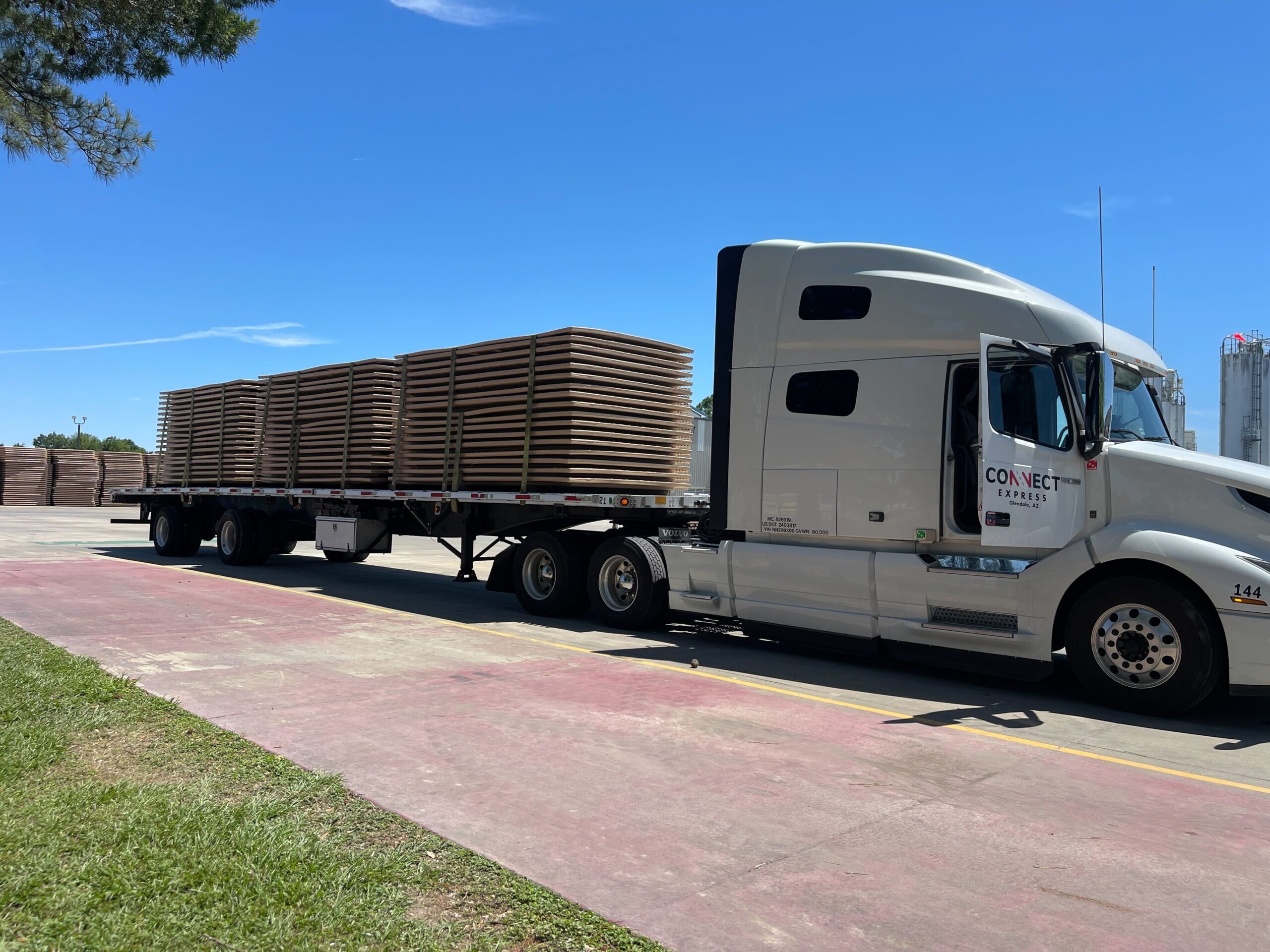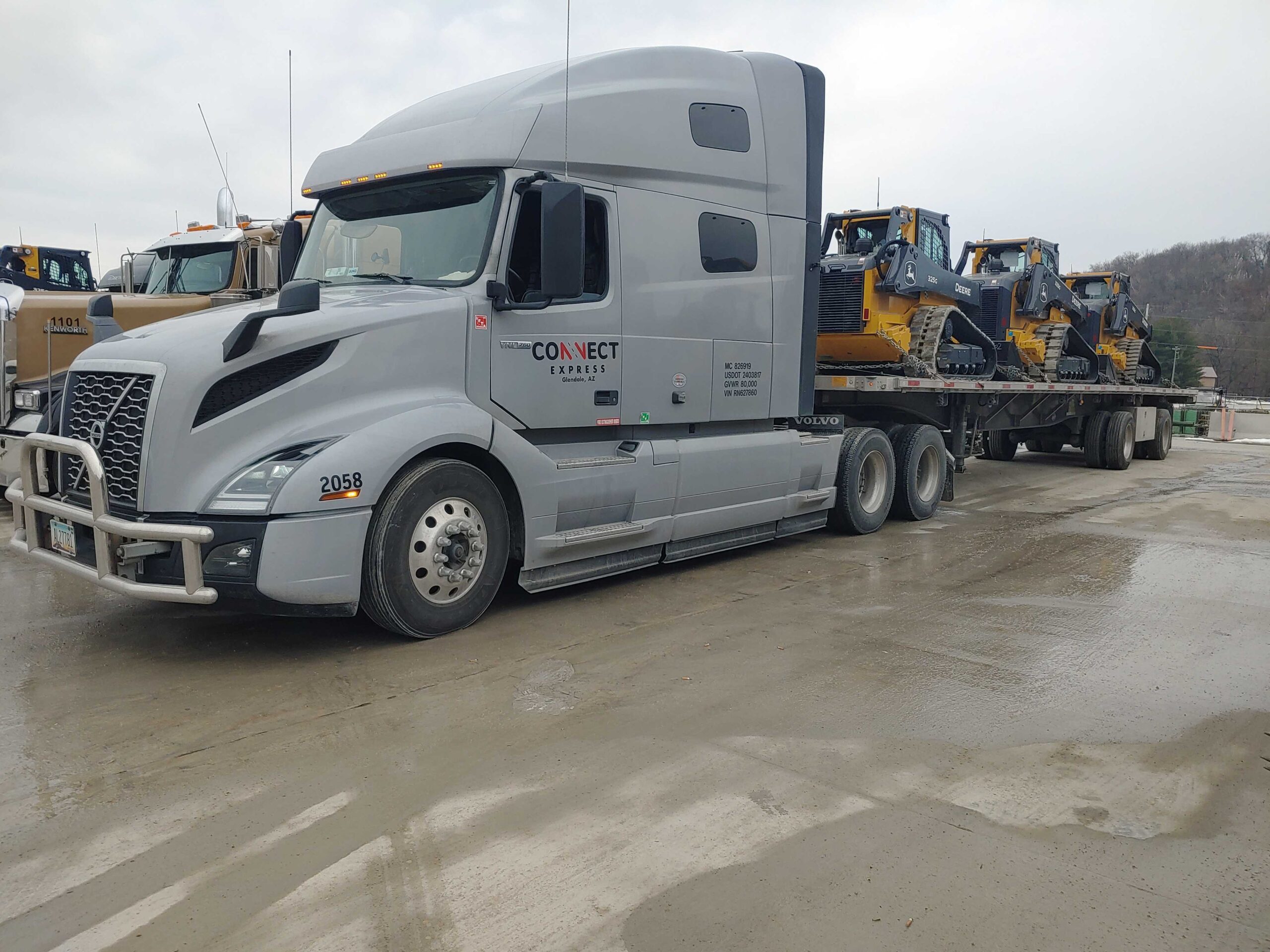
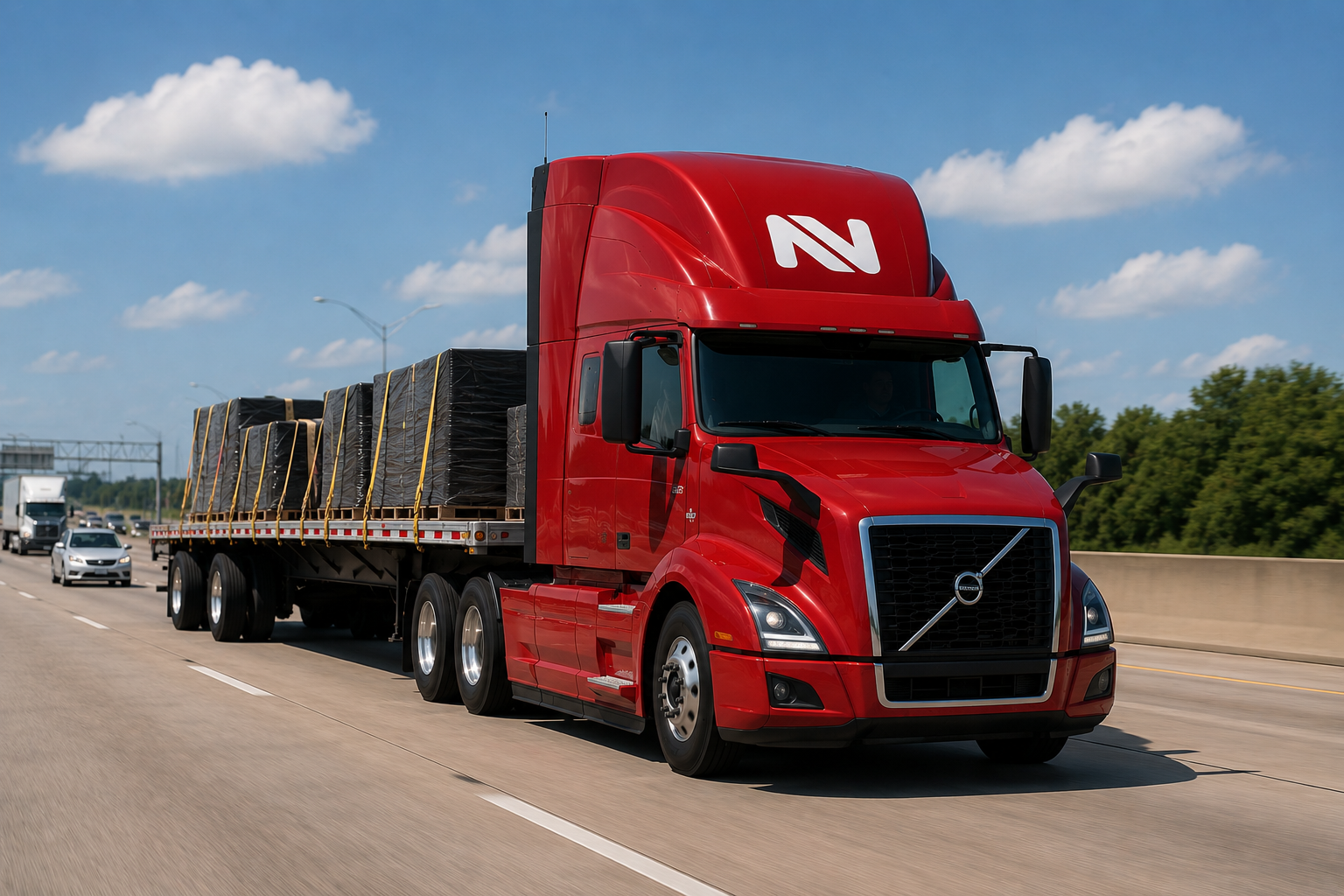
When you ask several carriers for flatbed shipping quotes, the answers are only comparable if every carrier receives the same load facts. A message that says “need a flatbed” usually triggers follow-up questions about dimensions, weight, commodity, loading method, securement, route, and pickup window. Those details are what let dispatch decide whether open-deck equipment fits the freight and whether the lane and timing are workable.
Incomplete requests slow everyone down. Complete requests do not create an automatic price or guarantee capacity, but they do give dispatch a fair basis to review the move. Connect Express LLC is based in Glendale, Arizona, and serves Phoenix and West Valley shippers as well as broader lanes when the load fits. This checklist is for commercial shippers who need a useful quote conversation—not for CDL applicants or drivers looking for work.
1. Start with the freight, not just “one flatbed”
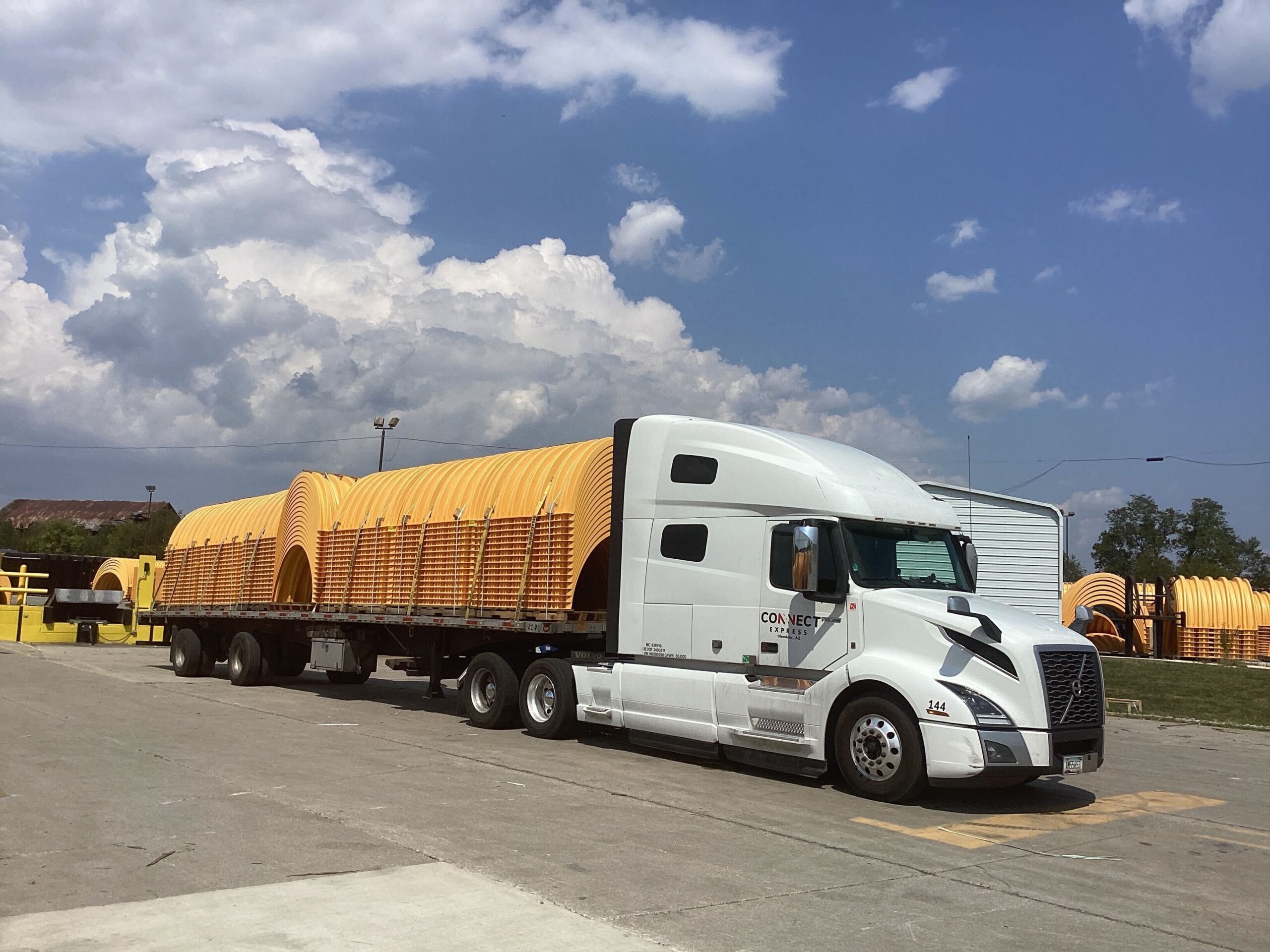
Open-deck freight is not interchangeable. Steel, lumber, machiner
A generic “flatbed needed” note does not give enough information to assess fit. Commodity, piece count, physical form, and loading orientation are the starting point for any serious open-deck quote request. Without them, carriers are guessing at equipment and crew requirements instead of reviewing a real shipment.
2. Send accurate dimensions and weight
Send length × width × height for each piece, or for the full bundle if it moves as one unit. Include total shipment weight and the heaviest individual piece. If you know the center of gravity or any concentrated weight that affects where freight can sit on the deck, include that as well. Piece count matters when the trailer must accommodate multiple units without unsafe overhang or poor weight distribution.
Accurate dimensions and weight support equipment and route review. They do not generate an instant quote, authorize a shipment, or lock in capacity. They simply let a carrier evaluate whether the load is legal for the intended lane, whether it fits standard open-deck equipment, and whether any special handling is likely before a quote discussion continues.
3. Describe loading, unloading, and site conditions
Origin and destination details often decide whether a pickup or d
Complete facts make the next conversation easier
Shippers get a more useful flatbed quote conversation when they send freight facts instead of only asking for a trailer. Commodity, dimensions, weight, site conditions, securement needs, route, and pickup window let Glendale-based dispatch review whether the load fits open-deck service for Phoenix, West Valley, and broader lanes when appropriate.
Send those details through the contact page or call (480) 401-1998. Complete information does not invent a price—it makes the next conversation faster and clearer for both sides.
7. Request a flatbed shipping quote from Connect Express LLC
When you are ready to request a review, send a complete package: commodity and piece count; length × width × height; total weight and heaviest piece; loading method; tarp and securement needs; origin and destination with ZIP codes; pickup window; delivery constraints if real; and your contact details. That checklist turns a vague trailer request into a shipper request dispatch can evaluate.
Request a quote through Connect Express LLC or call with the same facts. Exact NAP:
Connect Express LLC
5701 W Maryland Ave
Glendale, AZ 85301
(480) 401-1998
admin@connectexpressllc.com
Office hours: Monday–Friday, 8:00 a.m.–4:00 p.m. (America/Los_Angeles)
Dispatch will review the submitted facts and follow up. This page does not publish rates, response-time guarantees, or a capacity guarantee. It is a shipper checklist only—not a driver application or CDL recruiting page.
6. When a flatbed request needs a different conversation
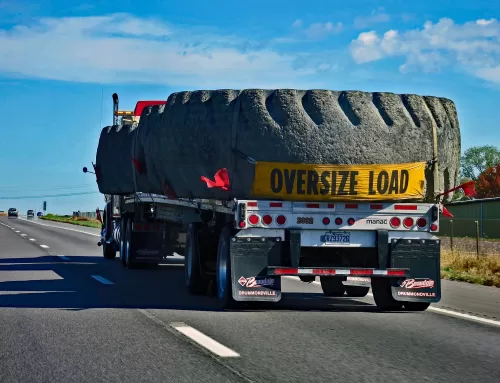
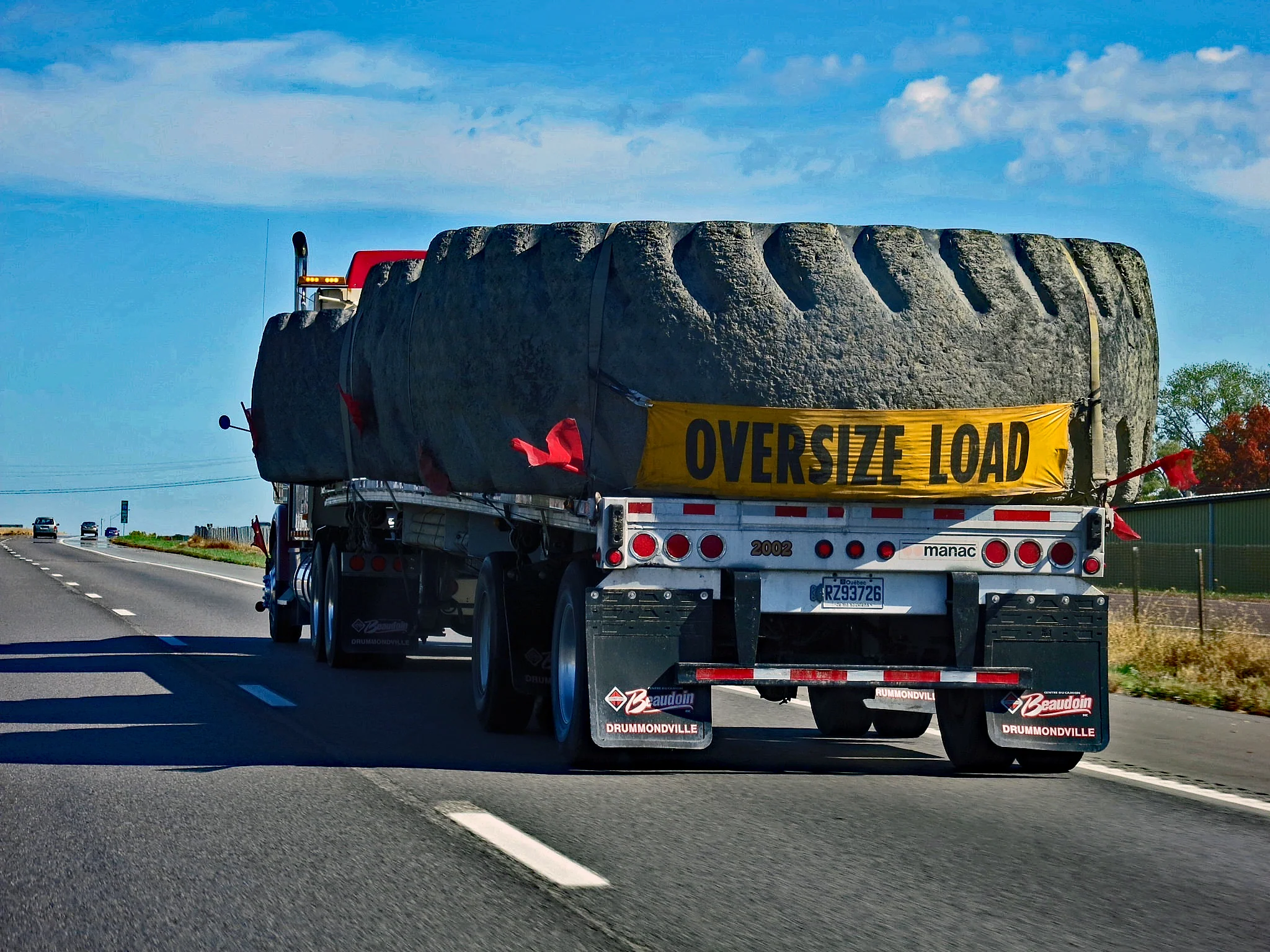
Legal-size open-deck freight is not the same as a load that needs special permits, unusual dimensions, or specialized heavy-haul equipment. If the shipment is over-length, over-width, over-height, or unusually heavy, disclose that before you press for a quote. Surprises on dimensions after a carrier has already framed the move as standard flatbed waste time for both sides.
Arizona jobsite freight can also introduce access, staging, and unloading constraints that differ from a warehouse-to-warehouse lane. For that distinct local angle, see Flatbed Trucking for Arizona Jobsite Freight. Use that resource when the destination is a construction or jobsite environment; keep this checklist focused on the facts every shipper should send for a useful open-deck quote review.
Do not assume superload capability, guaranteed permits, or equipment that has not been confirmed for your specific freight. Early disclosure of unusual size or weight keeps the conversation honest.
5. Include the route and pickup window
Provide exact origin and destination cities and ZIP codes, the requested pickup date, any appointment or loading window, and a delivery deadline only if it is real. Say whether the move is one-way, part of a reload, or a recurring lane. Vague “ASAP” language without a date or window forces extra clarification before dispatch can review fit.
Route, dimensions, and timing can affect how a carrier reviews the request. Legal-size freight on a straightforward lane is a different conversation from freight that may need permits because of length, width, height, or unusual weight. If your dimensions may require permitted movement, flag that early so the discussion stays accurate. Connect Express LLC’s Glendale office is the dispatch and headquarters point; Phoenix and West Valley describe service-area geography, not a second headquarters. Do not assume every ZIP, a fixed mileage rate, or a guaranteed transit time from this article.
Clear route and timing details help dispatch compare your request against workable open-deck capacity. They still do not publish a rate or promise same-day coverage.
4. Spell out tarp, securement, and deck requirements
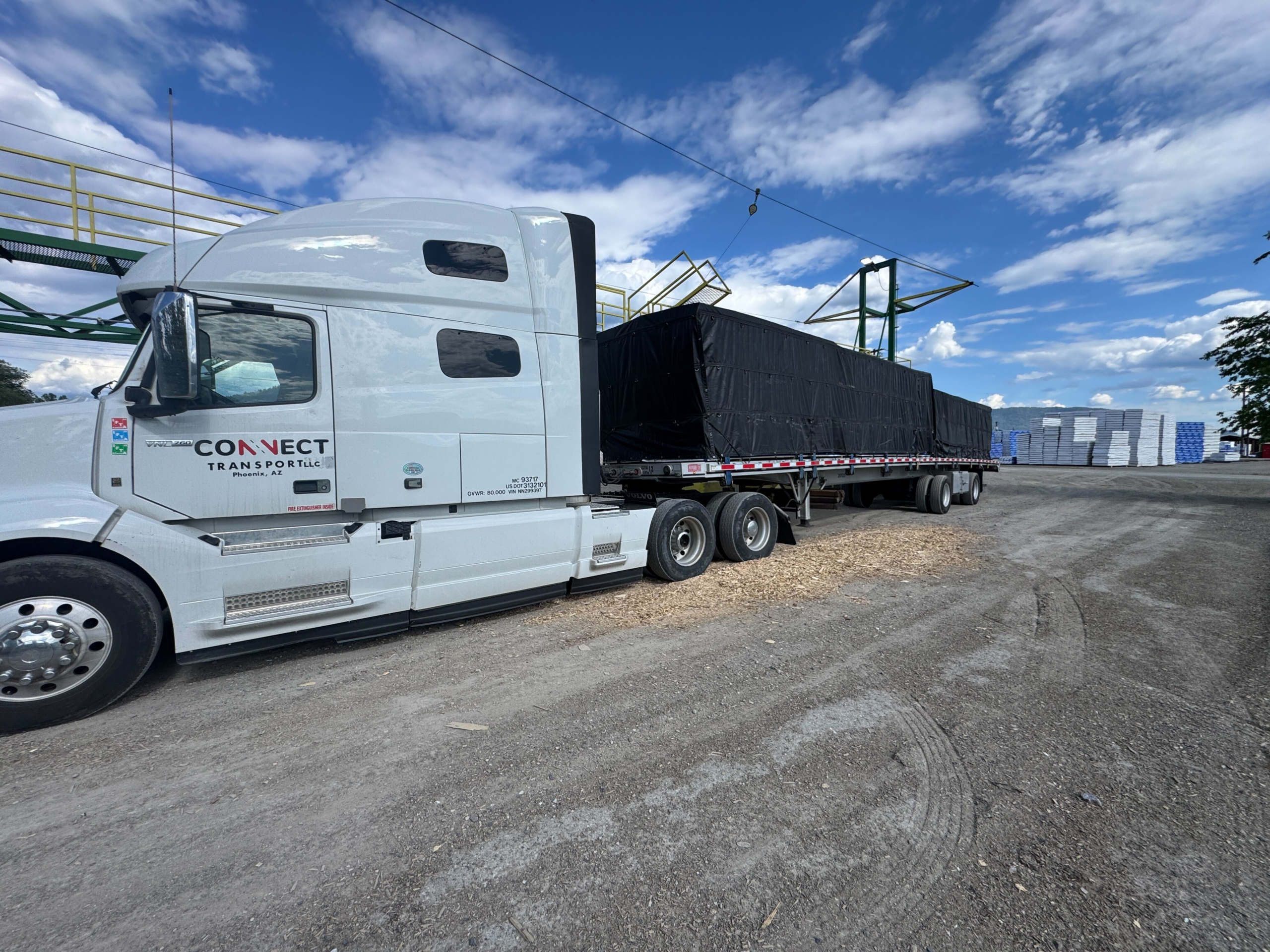
Before you request pricing, state whether the load needs a tarp, weather protection, chains, straps, edge protection, blocking, or dunnage. Identify sensitive finishes, sharp edges, protrusions, coils, or other concentrated loads that change how freight should be secured on the deck. If your customer has written securement instructions, summarize them in the initial request so dispatch is not discovering them after the fact.
Tarp needs and commodity protection are not afterthoughts. Rain, road spray, and open-deck exposure can damage unfinished surfaces or materials that cannot get wet. Edge protection and proper securement hardware protect both the freight and the equipment. Customer-specific rules—such as no chain contact on certain surfaces—should be visible in the first message.
This article only covers what belongs in the initial quote request. For a deeper shipper-facing securement discussion, see the Flatbed Load Securement Guide for Shippers. Send the high-level tarp and securement requirements with your quote request so the review starts from the right assumptions.
elivery is practical. Say whether the site uses dock loading or ground loading, whether a forklift or crane will be available, and whether the receiver can unload. Note appointment rules, gate hours, access-road limits, low clearances, and any restricted turning radius that affects how a tractor-trailer approaches the facility.
If the freight is going to a jobsite rather than a warehouse, provide a jobsite contact and any access instructions that change the approach. Photos, site maps, or written gate notes help when the location is not a standard commercial dock. Loading orientation still matters here: side, rear, or overhead lift can change staging and dwell time.
Dispatch uses these facts to evaluate a workable pickup and delivery plan. Site conditions do not promise a specific truck, driver, or arrival window. They do prevent a quote conversation from assuming a facility that does not match the real origin or destination.
Distinguish measured dimensions from estimates. If packaging, blocking, crating, or dunnage will change the footprint after the freight leaves your yard, disclose that. A machine that measures one size on the floor can measure differently once skidded or crated. Height after tarping or after adding edge protection can also differ from the bare product height. Dispatch needs the dimensions that will actually travel.
y, building materials, pipe, and other commodities can place different demands on the deck, tarping, loading method, and securement plan. Naming the commodity tells dispatch more than naming the trailer type. A bundled lumber shipment, a single machine, and a multi-piece steel order are not the same operational problem even when each one “needs a flatbed.”
Tell dispatch what the item is, how many pieces you are shipping, whether the freight is bundled or loose, and how it can be loaded. Side loading, rear loading, and crane loading change how the trailer approaches the dock or jobsite. If the freight must stay upright, cannot be stacked, or needs a specific orientation on the deck, say so up front. If pieces ship as a kit or must stay together on one trailer, say that too.
Seasonal and Market Considerations for Flatbed Quotes
Open-deck demand moves with the calendar. Harvest periods and construction-heavy months can tighten capacity, and fuel prices and broader freight market conditions affect what carriers can offer. Quotes you receive in a busy week may look different from quotes in a slow one for the same load.
- Plan early: send complete load facts as soon as dates are known so dispatch has time to review the move.
- Stay flexible on dates: a wider pickup window gives a carrier more options.
- Watch the market: fuel and seasonal demand are worth checking before you set a budget.
None of this guarantees a particular price. It simply gives the quote conversation a better starting point.
Building Long-Term Carrier Relationships
Shippers who work with the same carrier repeatedly tend to have easier quote conversations. The carrier already knows the freight, the sites and the paperwork, so there are fewer questions to repeat on each request.
- Consistent details: sending the same complete checklist each time keeps requests easy to review.
- Clear communication: early notice of unusual size, weight or site conditions avoids surprises.
- Familiarity: a carrier that knows your loading setup can spot problems sooner.