A load can look straightforward at pickup and still turn into a claim, rejection, or missed appointment if it is booked on the wrong equipment. The dry van vs reefer decision starts with the freight itself, but it also comes down to loading conditions, delivery windows, and how much protection the product needs in transit. If you’ve decided on a reefer, here’s how to book reefer capacity without missed pickups.
For most shippers, the choice is simple once the details are clear. Dry vans handle standard freight that needs to stay enclosed and dry. Reefers handle freight that needs a controlled temperature or added protection from outside heat and cold. That is the work our refrigerated freight team handles every day. The mistake is treating a reefer like a dry van with a motor, or treating a dry van like it can protect any product from weather.
Dry Van vs Reefer: The Core Difference
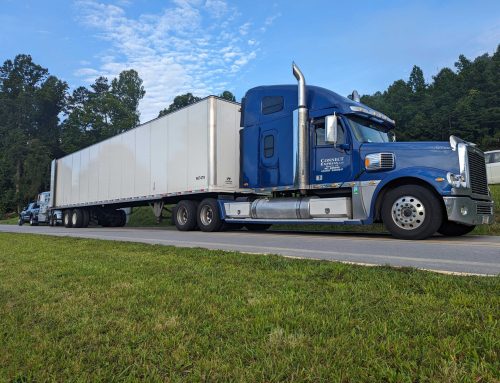
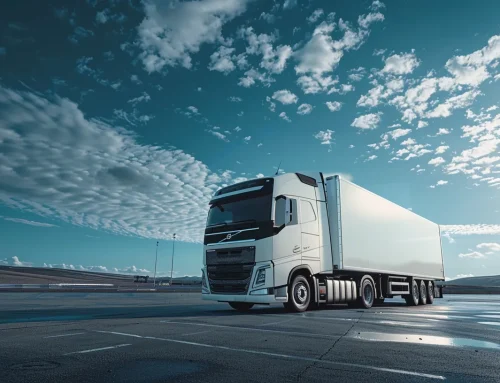
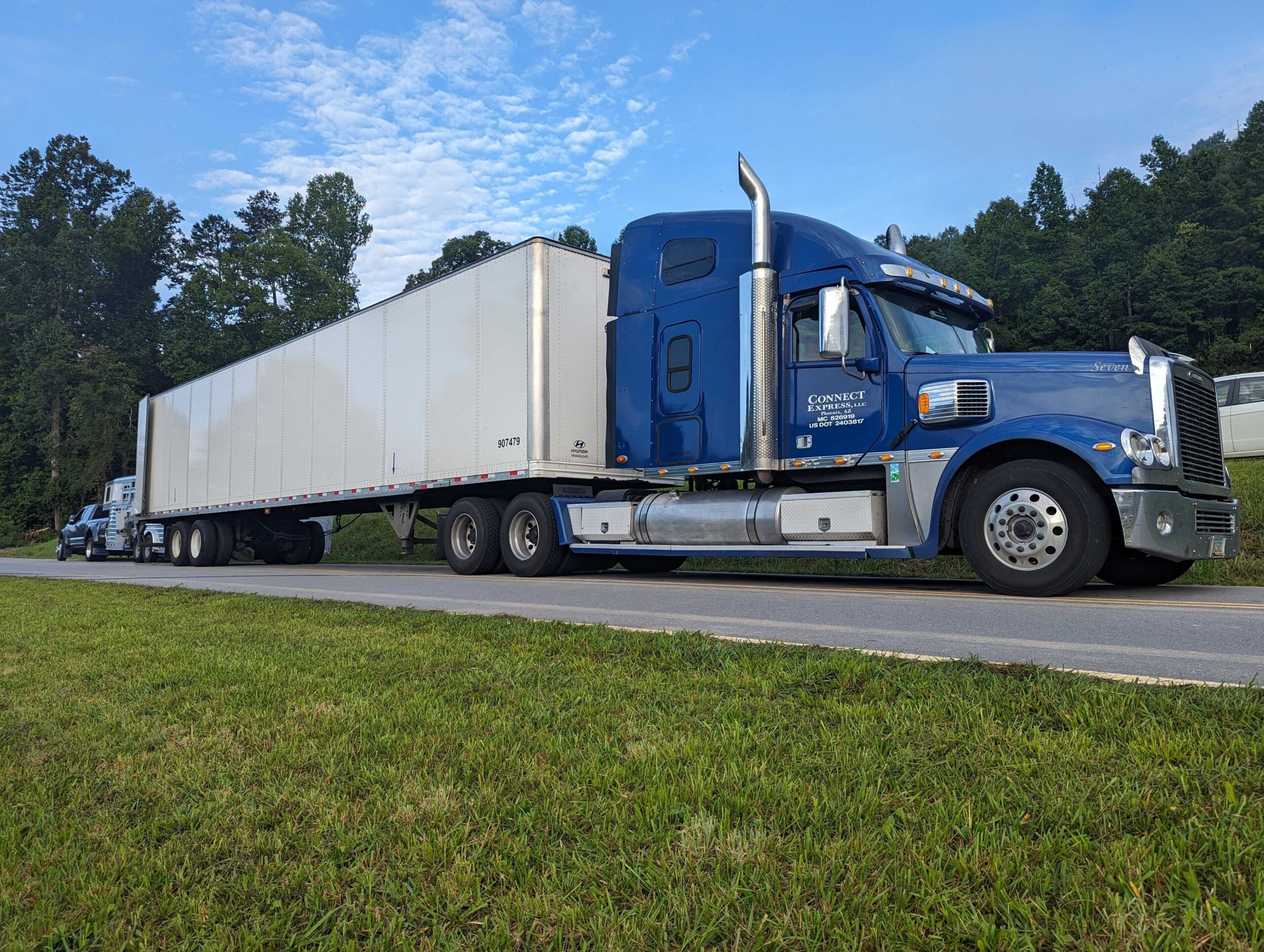
A dry van is an enclosed trailer with no temperature-control unit. It is the standard choice for freight that needs protection from rain, wind, road debris, and theft but does not require a specific temperature range. Think boxed consumer goods, packaged materials, furniture, electronics, paper products, and many palletized manufacturing shipments.
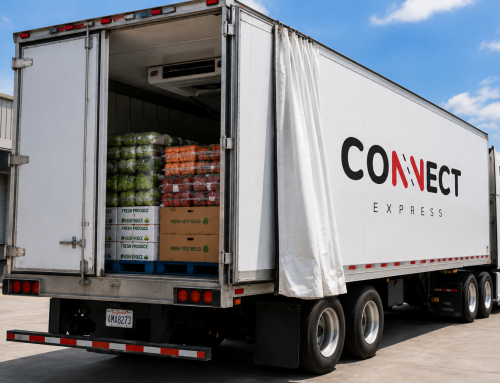
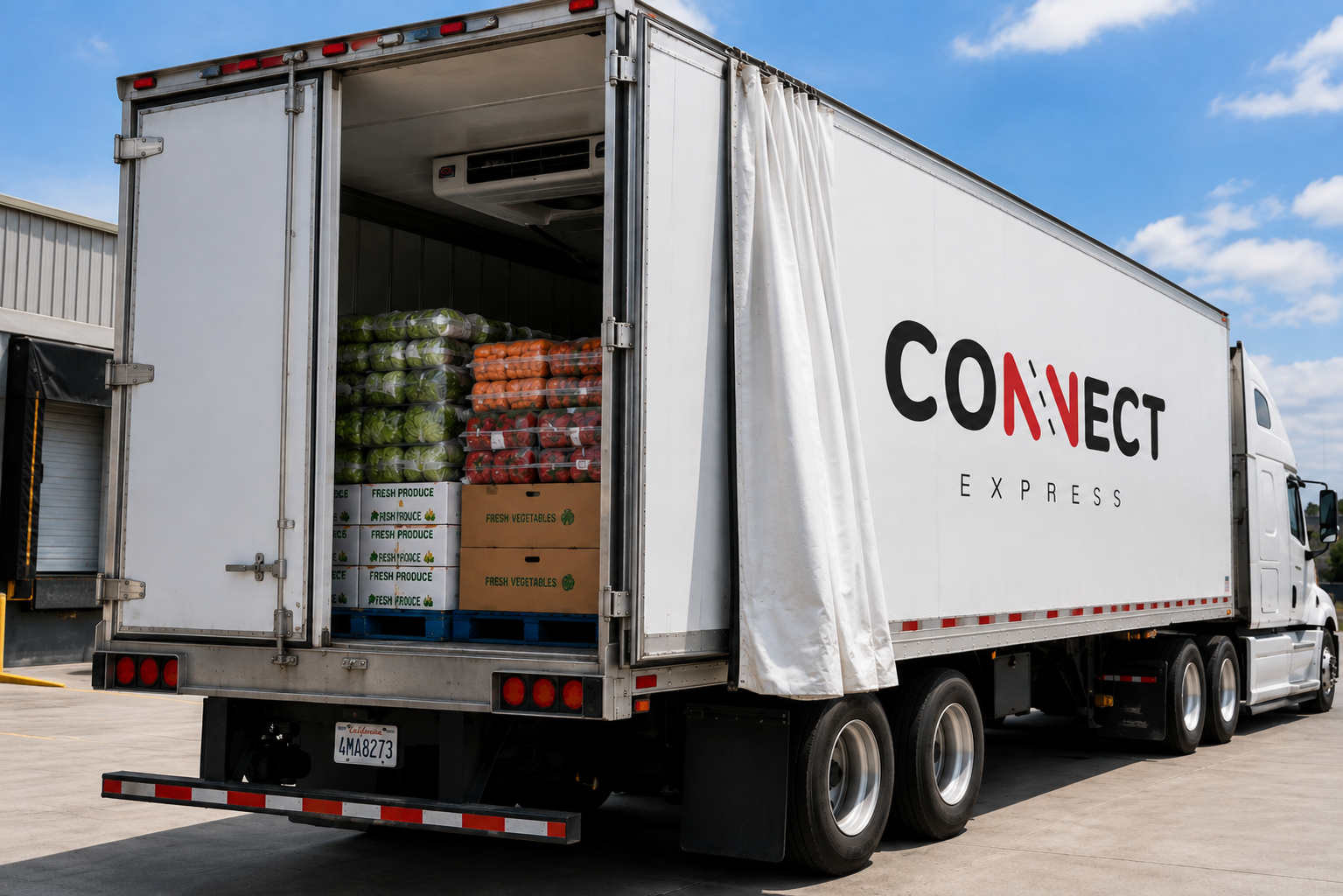
A reefer is also an enclosed trailer, but it has a refrigeration unit that can cool, maintain, or in some cases provide heat protection for the load. It is built for food, beverages, pharmaceuticals, floral products, certain chemicals, and other freight that can be damaged by temperature swings.
That sounds simple. In practice, the equipment decision needs to account for more than whether a product is labeled refrigerated. A shipment may need a reefer because it cannot sit in Arizona summer heat at a dock. If it does, here’s how to prepare refrigerated shipments. Another load may ship at ambient temperature but need insulation and airflow to avoid damage. The shipping instructions matter.
When a Dry Van Is the Right Call
Choose a dry van when the freight is stable at normal ambient conditions and the main goal is enclosed, secure transportation. Dry van trailers are used for a large share of general freight because they are versatile and fit most standard dock operations.
A dry van makes sense for products that are boxed, shrink-wrapped, palletized, or otherwise protected from ordinary temperature changes. It is also the better fit when a shipper needs a standard 53-foot trailer for a full truckload of non-perishable goods.
Dry vans have a few operational advantages. They are generally easier to source for standard freight, and loading is straightforward at a dock. Since there is no refrigeration unit running, there is no temperature setting, fuel level, or reefer alarm to manage during transit.
But “dry” does not mean “anything goes.” Freight still needs to be properly blocked, braced, and secured. Paper rolls, stacked pallets, machinery, and fragile packaged goods can shift or sustain damage in an enclosed trailer if the load plan is weak. A dry van also does not stop extreme heat or freezing temperatures from affecting sensitive cargo.
If a product can melt, freeze, sweat, warp, separate, or lose shelf life in changing conditions, do not assume a dry van is enough just because it is not technically perishable.
Common Dry Van Freight
Dry vans are a normal fit for retail merchandise, building materials that do not require a flatbed, appliances, auto parts, packaged household goods, and palletized industrial products. They work well for freight that needs to arrive clean, dry, and secure.
They are not the right choice for a shipment with a firm temperature requirement. Throwing a temperature-sensitive load into a dry van to save effort can create far more trouble at delivery than it avoids at pickup.
When a Reefer Is the Right Call
Choose a reefer when the product must stay within a specified temperature range or needs protection from major outside temperature changes. The most familiar reefer loads are frozen foods, fresh produce, dairy, meat, and beverages. But reefer capacity also matters for non-food products.
Some pharmaceuticals, cosmetics, adhesives, paints, electronics, and specialty materials need controlled conditions. Other loads may not need active cooling but still require the insulated trailer body of a reefer to reduce exposure to heat or cold. That is often called protect-from-freeze or temperature-protected service, depending on the freight instructions.
A reefer unit can be set to run continuously or start and stop based on the temperature inside the trailer. The correct mode depends on the commodity, shipper requirements, and the temperature range. Continuous operation is common for freight that needs tighter control. Start-stop mode may be suitable for other loads, but it should never be selected based on guesswork.
Reefer freight also requires more attention before loading. The trailer has to be pre-cooled or pre-heated when the product instructions call for it. The driver needs the right setpoint before the first pallet goes in. The unit needs enough fuel to operate through the trip, including delays at facilities and delivery appointments.
A Reefer Does Not Fix Bad Loading
Reefers control air temperature. They do not make warm freight cold fast enough to correct a bad loading decision. If produce, dairy, or frozen product is loaded outside its required temperature range, the refrigeration unit may not be able to pull it down safely during transit.
Airflow matters too. Pallets cannot be packed in a way that blocks the air chute or prevents circulation. Freight must be loaded to the correct height and position for the trailer configuration. A full trailer may look properly loaded, but poor airflow can create hot spots and rejected product.
For temperature-controlled shipments, clear instructions should include the required setpoint, acceptable temperature range, operating mode, pre-cool requirements, and any temperature-recording expectations. If those details are missing, ask before the truck is dispatched.
Capacity, Weight, and Loading Space
Both dry vans and reefers are commonly 53 feet long, but their usable cargo space is not always the same. Reefer trailers have insulated walls and a refrigeration unit at the front. That can reduce available interior space compared with a standard dry van.
Weight can be different as well. Reefer equipment is heavier, which may reduce how much payload it can legally carry. For light but bulky freight, the difference may not matter. For dense freight, it can matter a lot. A load of beverages, frozen goods, or heavy packaged materials should be planned with axle weights and gross weight in mind.
Door openings, pallet counts, load height, and loading method also deserve a check. A shipment that fits on paper may not load cleanly once pallet overhang, product height, or airflow requirements enter the picture.
The Questions to Answer Before Booking
Before choosing equipment, the shipper or coordinator should know what the product is, how it is packaged, and what condition it must arrive in. Ask whether the freight has a required temperature range or only needs to avoid heat and freezing. Confirm whether the temperature must be documented at delivery.
Then look at the full route, not just the pickup location. A load moving from Phoenix to a cooler market may face very different conditions than a load moving through the Southwest in summer. Dwell time at pickup, cross-dock handling, weekend stops, and tight receiver appointments all affect the equipment plan.
Also confirm the freight’s actual dimensions and weight. A standard pallet count is useful, but it is not enough for a sensitive or dense shipment. The carrier needs accurate information to send equipment that can handle the load safely and legally.
Communication Prevents Most Equipment Problems
The best dry van vs reefer decision is made before a truck arrives. Once the trailer is at the dock, changing equipment can mean a missed pickup, a late delivery, or freight sitting in the wrong conditions.
Give the carrier the commodity details early. Share the temperature instructions in writing. Let them know about strict appointments, washout requirements, driver assist needs, or receiver procedures. If the load is a reefer shipment, confirm the setpoint before loading and make sure the bills match the shipping instructions.
At ConnectExpress LLC, we operate dry van and refrigerated equipment for shippers that need real updates and dependable execution. If there is a question about the freight, it is better to address it before dispatch than explain a problem after delivery.
Make the Equipment Choice Based on the Freight
A dry van is the right tool for standard freight that needs security and weather protection. A reefer is the right tool when temperature control, insulation, or documented product protection is part of the shipment requirement.
Do not book based on the trailer that seems easiest to find. Book based on what the product needs from pickup through delivery. Clear load details, the right equipment, and a carrier that communicates give the shipment its best chance of arriving in the same condition it left.