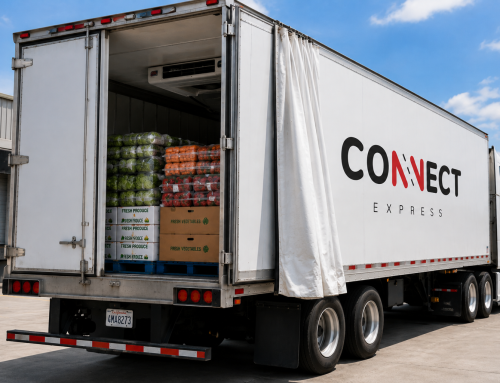
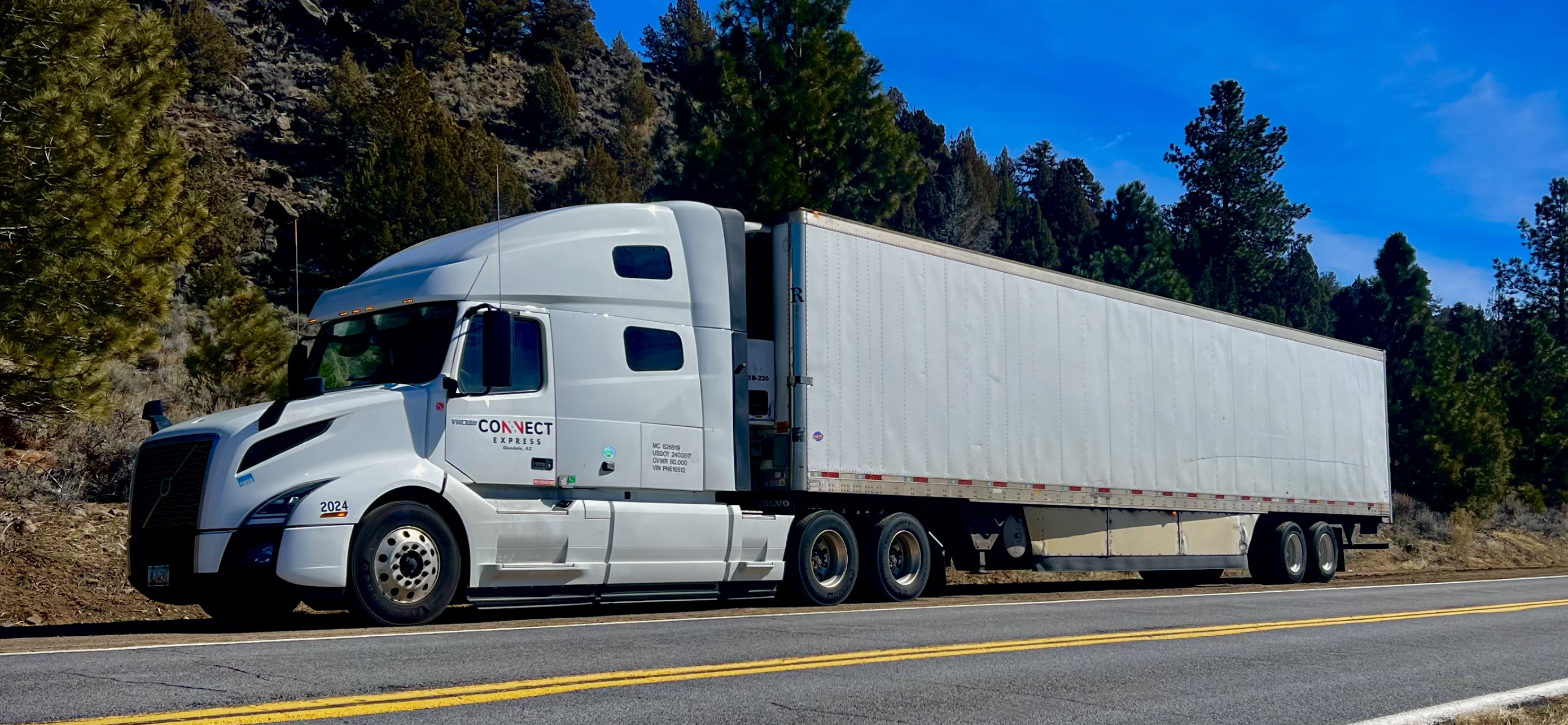
A refrigerated load goes well when dispatch has the full picture before the truck rolls. This reefer shipping checklist lists the details Arizona shippers should send before pickup, so the trailer arrives at the right temperature, on time, and with the right paperwork. Whether you ship produce out of the Phoenix metro or frozen goods across the Southwest, the same basics apply. Connect Express runs refrigerated transportation from Glendale, AZ, and this is the list our dispatch team asks for on every reefer quote.
What a reefer shipping checklist covers
A good checklist answers four questions: what the product needs, how it is packed, when it moves, and what paperwork travels with it. Missing any one of them can lead to a late pickup, a rejected load, or a temperature dispute at delivery. Send these details in one message when you request a quote, and update dispatch if anything changes before the pickup date.
- Temperature setpoint, acceptable range, and unit mode
- Commodity, pallet count, weight, and load type
- Pre-cooling expectations for the trailer and the product
- Pickup and delivery appointment windows
- Bill of lading, temperature instructions, and seal details
For a broader overview of perishable freight, see our reefer shipping guide for perishable products.
Temperature setpoint, range, and continuous vs cycle mode
Give one exact setpoint, such as 34°F or -10°F, not a vague range like “cold.” Then list the acceptable range your receiver will accept, for example 33°F to 36°F. Write the temperature in Fahrenheit and put the same number on the bill of lading so there is no confusion at pickup.
Next, say whether the unit should run in continuous mode or cycle (start/stop) mode. Continuous mode keeps air moving the whole time, which many fresh produce and floral loads need. Cycle mode turns the unit on and off to hold temperature and is common for frozen product that is already at temperature. If your product has a specific requirement, put it in writing. Our article on how reefer temperature monitoring works explains how setpoints are tracked during transit.
Food shippers should also review the FDA’s sanitary transportation rule, which places responsibility on shippers to state temperature requirements in writing. The USDA’s guidance on the 40°F to 140°F danger zone is a useful reminder of why setpoints matter for perishable food.
Pallet count, weight, and load type (floor vs palletized)
Dispatch needs the commodity name, total weight, and pallet count to match the load to the right trailer. Tell us whether the freight is palletized or floor-loaded, whether pallets are stackable, and the pallet dimensions if they are not standard 48 x 40. Mixed loads with different temperature needs should be flagged up front, because one trailer can only hold one setpoint unless it has a multi-zone unit.
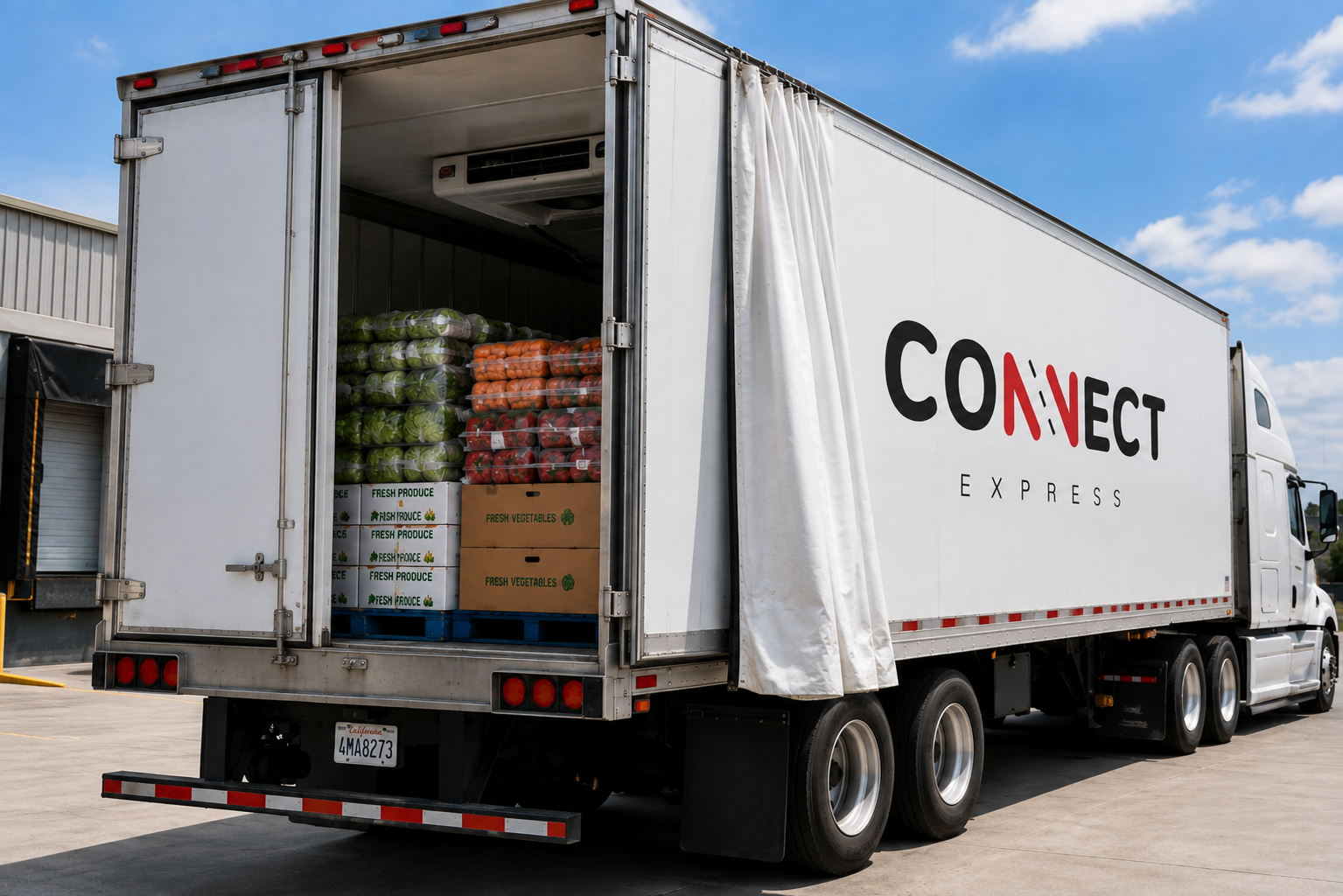
Airflow matters in a reefer. Cold air moves along the floor and up the back of the load, so pallets should not be blocked against the front wall or stacked to the ceiling. Leave space for air to circulate and avoid shrink-wrapping product that needs to breathe. Our guide to temperature-sensitive cargo handling covers loading patterns in more detail.
Pre-cooling the trailer and product
A reefer is built to hold temperature, not to pull heat out of warm product. That means the product should already be at its target temperature before it is loaded. Ask your warehouse to confirm product temperature, and note it on the paperwork if your receiver requires it.
The trailer should also be pre-cooled to the setpoint before loading. Tell dispatch how long before pickup you want the trailer pre-cooled and whether your dock requires the unit to be turned off during loading. Loading with doors open on a hot Arizona dock lets warm air in fast, so a quick, organized load helps protect the product.
Pickup and delivery windows in Phoenix-area heat
Arizona summers put extra strain on refrigerated freight. Afternoon dock temperatures in the Phoenix metro can be extreme, so many shippers prefer early-morning pickups. Share your exact appointment windows, dock hours, and whether the facility is first-come, first-served or appointment only. If you know a delivery receiver has strict windows, include that too.
Check the National Weather Service Phoenix forecast during heat warnings and plan loading times around the coolest part of the day. For more on timing, read how to schedule reefer pickups, or see our Phoenix refrigerated trucking service page for local lanes. You can also learn more about our Phoenix-area trucking.
Paperwork: BOL, temperature instructions, seal numbers
The bill of lading should list the commodity, piece count, weight, and the exact temperature setpoint and mode. If the product needs pulp temperatures recorded at pickup, say so in advance so the driver can note them. Write the seal number on the BOL once the trailer is sealed, and tell your receiver not to break the seal until they are ready to inspect the load.
Keep a copy of any written temperature instructions with your shipping records. Clear paperwork protects both the shipper and the receiver if questions come up at delivery. For a deeper list of what to put in writing, see what shippers should specify for refrigerated trucking.
Common reefer shipping mistakes to avoid
- Sending a range instead of a setpoint. Give one number plus the acceptable range.
- Loading warm product. Pre-cool the product, not just the trailer.
- Blocking airflow. Leave room along the walls and ceiling for air to move.
- Leaving out appointment details. Missed windows are a common cause of delays.
- Mismatched paperwork. The temperature on the BOL should match what you sent dispatch.
- Booking a reefer you do not need. Some shelf-stable freight can ride in a dry van. Compare options in dry van vs reefer.
If your freight does not need temperature control, our dry van quote checklist shows what to send instead. Shippers with steady weekly reefer volume may also want to look at dedicated trucking.
Copy-and-paste reefer checklist for your next load
Use this template when you email or call dispatch. Fill in every line, even if the answer is “none” or “not required.” A complete request saves back-and-forth and helps the quote reflect the real job.
- Pickup: facility name, street address, city, ZIP, dock hours, and appointment window
- Delivery: facility name, street address, city, ZIP, receiving hours, and appointment window
- Ship date: the first date the load is ready, plus any flexibility you have
- Commodity: what the product is, and whether it is fresh, chilled, or frozen
- Temperature: setpoint in °F, acceptable range, and continuous or cycle mode
- Load details: pallet count, pallet size, total weight, stackable or not, palletized or floor-loaded
- Pre-cool: how far ahead the trailer should be pre-cooled and the product temperature at loading
- Handling: load locks or straps, liftgate needs, lumper or unloading arrangements
- Paperwork: BOL ready, written temperature instructions, pulp temperature requirements, seal instructions
- Contacts: a name and phone number at pickup and at delivery
If the load repeats every week, mention that as well. Repeat lanes can be planned further ahead, and dispatch can keep your standard details on file so each new request only needs the date and quantities. Send changes as soon as you know them, especially temperature or appointment updates, so the driver has the latest information before arriving at your dock. A short, complete checklist sent early is the simplest way to keep a refrigerated load on schedule.
How to request a reefer quote from Connect Express
When you are ready, send your checklist to Connect Express in one message. Include pickup and delivery ZIP codes, ship date, appointment windows, commodity, weight, pallet count, setpoint, range, and unit mode. Our dispatch team will review the details and follow up with a quote.
Connect Express
5701 W Maryland Ave, Glendale, AZ 85301
Phone: 480-401-1998
Email: admin@connectexpressllc.com
You can also reach us through our contact page or browse more articles in Refrigerated Solutions.
Reefer Shipping Checklist FAQ
What temperature information should I send for a reefer load?
Send one exact setpoint in Fahrenheit, the acceptable temperature range, and whether the unit should run in continuous or cycle mode. Put the same details on the bill of lading.
Should my product be pre-cooled before a reefer pickup?
Yes. A reefer trailer is designed to hold temperature, not to bring warm product down to temperature. Pre-cool the product to its target temperature before loading, and ask for the trailer to be pre-cooled too.
What is the best time to pick up a reefer load in Phoenix during summer?
Many shippers choose early-morning pickup windows to avoid the hottest part of the day. Share your dock hours and appointment times with dispatch so the pickup can be planned around them.