

Warehouse Management Features That Improve Efficiency
Table Of Contents:
- Essential Warehouse Management System Features for Efficiency
- Key Takeaways
- Streamline Inventory Control With Core Warehouse Management System Features
- Accelerate Order Fulfillment Using Specific Warehouse Management System Functionality
- Optimize Inbound Logistics Through Key Warehouse System Features
- Gain Actionable Insights With Reporting and Analytics in Warehouse Management Systems
- Improve Workforce Productivity Using Labor Management System Features
- Connect Operations Seamlessly With WMS Integration Capabilities
- Final Thoughts
- Frequently Asked Questions
Essential Warehouse Management System Features for Efficiency
In today’s competitive logistics environment, effective warehouse management is essential for business success. Companies require an integrated approach to manage inventory, streamline order fulfillment, and optimize inbound and outbound logistics. A robust warehouse management system (WMS) provides real-time visibility, ensures precise tracking, and directly contributes to enhancing operational efficiency. By utilizing automation, analytics, and proven workflow processes, a WMS can reduce waste, minimize errors, and ultimately improve customer satisfaction. This article examines core features of warehouse management software that help businesses transport goods effectively. The discussion will focus on inventory control, order fulfillment, inbound logistics, reporting and analytics, labor productivity, and system integration.
Key Takeaways
- A robust WMS ensures real-time inventory visibility and accuracy, reducing stockouts and excess inventory.
- Advanced order fulfillment features such as wave picking and cross-docking speed up processing times.
- Inbound logistics functions like ASN data and quality inspections guarantee efficient goods handling.
- Comprehensive reporting and analytics enable better resource planning and bottleneck identification.
- Seamless integration with ERP, TMS, and e-commerce platforms underpins coordinated operations.
Streamline Inventory Control With Core Warehouse Management System Features
Achieving optimal inventory control begins with ensuring real-time visibility and precision across storage locations. This section outlines critical inventory management features that enhance operational accuracy and prevent costly errors.
Achieve Real-Time Inventory Visibility Across All Storage Locations
Real-time tracking of inventory allows a business to monitor every stock keeping unit (SKU) across multiple locations. This feature minimizes discrepancies, enhances decision-making, and leads to better-demand forecasting through immediate data capture and analysis.
Implement Automated Cycle Counting for Sustained Inventory Accuracy
Automated cycle counting reduces the need for full physical inventories by scheduling periodic, systematic counts. This ongoing method not only cuts labor costs but also identifies discrepancies early, ensuring that records remain accurate with minimal interruption to warehouse operations.
Manage Serial Number Tracking and Lot Control With Precision
Precise tracking of serialized inventory and lot control is vital for complying with regulatory standards. This feature provides traceability, which is crucial for quality assurance, recall management, and optimizing inventory rotation processes in regulated industries.
Reduce Stockouts and Minimize Overstocking Using Replenishment Tools
Replenishment tools leverage predictive analytics to maintain optimal stock levels. By automatically generating purchase orders and triggering restock alerts, these systems reduce the risk of stockouts while preventing overstocking that ties up valuable capital.
Utilize Barcoding and RFID Capabilities for Rapid Item Identification
Integrating barcoding and RFID technology accelerates item identification and enhances picking accuracy. These tools speed up warehouse processes through rapid scanning and real-time updates, ensuring that inventory data remains current and reliable.
Accelerate Order Fulfillment Using Specific Warehouse Management System Functionality
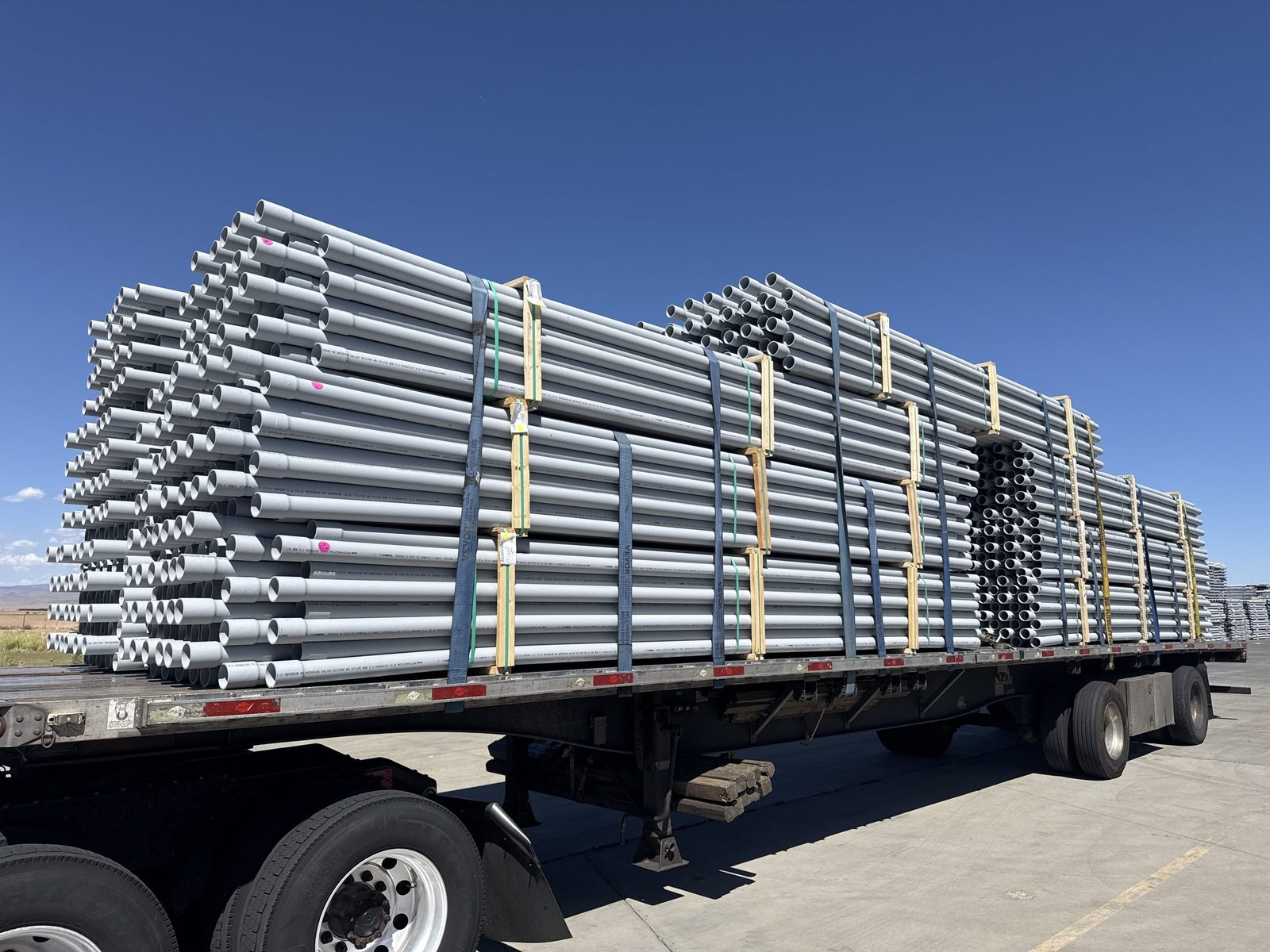
Efficient order fulfillment is crucial in meeting customer expectations and ensuring timely deliveries. A well-designed WMS incorporates advanced functionalities that streamline picking, packing, and shipping processes. Once orders are packed, outbound loads are often handed off to dry van carriers for the trip to the customer.
Employ Wave Picking and Batch Picking Strategies for Order Grouping
By employing strategies like wave and batch picking, warehouses can group orders and reduce travel time. These methods optimize labor efforts and improve overall throughput, leveraging software algorithms to determine the most efficient routes.
Optimize Pick Paths to Shorten Order Processing Times
Optimized pick paths ensure that warehouse workers follow the shortest, most logical routes when collecting items. This not only reduces processing time but also cuts down on physical strain and enhances employee productivity.
Automate Packing Processes and Shipping Label Verification
Automated packing enables consistent and error-free packaging, while integrated shipping label verification systems prevent mislabeling. This convergence of automation and quality control significantly speeds up order dispatch and minimizes costly shipping errors.
Handle Cross-Docking Operations for Quicker Throughput
Cross-docking operations, where goods are directly transferred from inbound to outbound trucks, reduce storage time. This process dramatically increases throughput, lowers inventory holding costs, and accelerates delivery times.
Support Diverse Order Types Including E-Commerce and Wholesale
A versatile WMS accommodates various order types, from B2C e-commerce to B2B wholesale. This flexibility ensures accurate handling, processing, and fulfillment regardless of the order complexity or channel, fostering a reliable supply chain.
Optimize Inbound Logistics Through Key Warehouse System Features
Inbound logistics are the backbone of efficient warehouse operations. This section explores features that simplify receiving processes and ensure smooth putaway and quality control.
Simplify Goods Receiving With Advanced Shipment Notification (ASN) Data
Advanced Shipment Notifications provide critical pre-arrival information, enabling warehouses to prepare for incoming goods. This proactive approach minimizes wait times and streamlines the receiving process while ensuring data consistency.
Direct Efficient Putaway Based on Product Velocity and Storage Logic
Efficient putaway processes use algorithms that analyze product velocity, dimensions, and demand. This intelligent approach allocates optimal storage locations, ensuring rapid retrieval and reducing the risk of misplacement.
Manage Quality Assurance Inspections and Control Workflows
Integrated quality assurance reduces errors during the receipt and putaway stages. Automated workflows help ensure that products meet standards and any issues are identified promptly, thus maintaining high-quality inventory.
Process Customer Returns Systematically With Reverse Logistics Features
Reverse logistics features streamline the processing of customer returns by automating inspections, restocking, or disposal. This systematic approach ensures that returned goods are handled efficiently and accurately, minimizing the impact on overall inventory levels.
Facilitate Yard Management for Efficient Dock Scheduling
Effective yard management schedules docking operations to prevent congestion and improve turnaround times. Coordinating incoming and outgoing shipments ensures that trucks spend less time waiting, thus optimizing overall logistics efficiency.
Gain Actionable Insights With Reporting and Analytics in Warehouse Management Systems
Accurate reporting and analytics empower warehouses to optimize their operations. With real-time dashboards and historical data analysis, managers can make informed decisions to improve efficiency and reduce waste.
Access Pre-Configured and Customizable Performance Dashboards
Pre-configured dashboards offer immediate visibility into key performance indicators (KPIs). Customization options further allow managers to tailor views to monitor specific metrics, ensuring that the right data supports operational decisions.
Monitor Key Performance Indicators (KPIs) for Operational Efficiency
Tracking KPIs such as order fill rate, labor productivity, and error rates helps in pinpointing strengths and areas needing improvement. Continuous monitoring allows managers to implement timely changes and maintain operational excellence.
Generate Detailed Reports on Inventory, Orders, and Labor Utilization
Detailed reporting capabilities enable periodic reviews of inventory turnover, order fulfillment times, and employee performance. These reports support strategic planning and help to highlight bottlenecks in the system.
Forecast Demand Patterns to Improve Resource Planning
Advanced WMS solutions include forecasting tools that analyze past trends and current data to predict future demand. This proactive insight aids in planning resource allocation and preparing for seasonal fluctuations.
Analyze Historical Data to Identify Bottlenecks and Improvement Areas
By analyzing historical trends, companies can spot recurring inefficiencies. This continuous improvement process drives adjustments in workflows and helps optimize the entire warehouse operation.
Improve Workforce Productivity Using Labor Management System Features
A productive workforce is enhanced by tools that accurately track performance and streamline task allocation. Integrated labor management within a WMS supports staff by reducing redundant tasks and ensuring effective training.
Track Employee Performance Metrics and Task Completion Rates
Monitoring performance metrics in real time allows supervisors to identify high performers and address areas of underperformance. Detailed tracking promotes accountability and helps optimize workforce allocation for improved productivity.
Assign Warehouse Tasks Dynamically Based on Worker Skill and Availability
Dynamic task assignment ensures that the right people are doing the right tasks at the right time. This strategic approach enhances overall efficiency by aligning tasks with employee strengths, reducing errors, and increasing throughput.
Implement Standardized Operating Procedures for Consistent Output
Standardizing processes across the warehouse reduces variability and ensures each task is completed according to best practices. This consistency results in fewer errors, improved quality, and is vital for scaling operations.
Support Training and Onboarding Processes Within the WMS
A robust WMS supports new employee training by integrating detailed SOPs and task checklists. With guided processes and real-time feedback, new hires can quickly reach optimal performance levels, ensuring long-term productivity gains.
Measure Travel Time and Task Duration for Optimization
Accurately measuring the time taken for each task allows managers to fine-tune workflows and improve efficiency. This data-driven approach leads to better planning, optimized routes, and ultimately shorter order processing times.
Connect Operations Seamlessly With WMS Integration Capabilities
Seamless integration between the WMS and other business systems is essential for cohesive operations. Through interconnected systems, data flows smoothly to drive coordinated logistics and supply chain efficiency.
Integrate Your Warehouse Management System With Enterprise Resource Planning (ERP) Software
Integration with ERP systems allows for streamlined financial and inventory management. This connectivity enables real-time data sharing, ensuring that strategic decisions are based on accurate, comprehensive information across the organization.
Link Your WMS With Transportation Management Systems (TMS) for Coordinated Logistics
Coordinated integration with TMS ensures that transportation planning aligns with warehouse operations. This synchronization improves route planning, reduces delays, and ultimately drives a higher return on investment across the supply chain.
Connect to E-Commerce Platforms and Online Marketplaces for Order Synchronization
Connecting with e-commerce systems automates order flows, reducing manual intervention and error rates. This seamless synchronization ensures that orders are fulfilled accurately and efficiently across multiple sales channels.
Interface With Automated Material Handling Equipment (AMHE) Like Conveyors and Sorters
Interfaces with AMHE provide real-time communication between the WMS and automated equipment. This connectivity accelerates material processing, reduces manual labor, and boosts overall productivity in the warehouse.
Ensure Consistent Data Exchange Across All Connected Business Systems
An integrated system ensures that all relevant data is consistent and up-to-date across ERP, TMS, e-commerce, and AMHE platforms. This consistency minimizes data silos, reduces errors, and enhances operational decision-making across the business.
Final Thoughts
The features outlined above form the backbone of an effective warehouse management system. From real-time visibility and optimized picking processes to thorough analytics and seamless integrations, a strong WMS enhances operational efficiency and supports overall business growth. Companies that invest in these features see improvements in inventory accuracy, order fulfillment speed, and workforce productivity. Moving forward, integrating advanced technology in warehouse management will continue to be a key differentiator in the highly competitive logistics landscape.
Frequently Asked Questions
Q: How does real-time inventory visibility improve warehouse operations? A: It enables managers to monitor stock across all locations instantly, reducing errors and facilitating faster decision-making, which ultimately improves order accuracy and reduces waste.
Q: What benefits do automated cycle counting systems offer? A: Automated cycle counting reduces labor costs, enhances accuracy, and minimizes disruptions by ensuring continuous inventory updates without the need for a full physical count each time.
Q: How can integrated reporting dashboards support better resource planning? A: They provide real-time insights into key performance indicators, allowing managers to identify inefficiencies, predict demand patterns, and plan resources more effectively.
Q: Why is it important to integrate a WMS with ERP and TMS systems? A: Integration ensures seamless data flow across systems, improving coordination between financial, transportation, and operational processes—all critical for comprehensive supply chain management.
Q: How does dynamic task assignment enhance workforce productivity? A: It aligns tasks with employee skills and availability, thereby reducing errors and optimizing workflow efficiency for faster order processing.