

Building Successful Third-Party Logistics Partnerships
Table Of Contents:
- Unlocking Third-Party Logistics Partnerships for Success
- Key Takeaways
- Identifying Core Benefits of Third-Party Logistics Partnerships
- Selecting the Ideal Third-Party Logistics Partner for Your Needs
- Establishing a Strong Foundation for Successful Logistics Collaborations
- Managing and Nurturing Your Third-Party Logistics Partnership
- Leveraging Technology Within Third-Party Logistics Partnerships
- Measuring Success and Driving Continuous Improvement in 3PL Partnerships
- Final Thoughts
- Frequently Asked Questions
Unlocking Third-Party Logistics Partnerships for Success
In today’s competitive transportation and supply chain industry, forming successful third-party logistics (3PL) partnerships is essential for businesses aiming to streamline operations, reduce costs, and improve overall customer satisfaction. By outsourcing logistics functions to specialists, companies can focus on their core competencies while leveraging advanced technologies and established carrier networks. This article explains the core benefits of partnering with a reliable 3PL provider, outlines the key criteria for selecting the ideal partner, and offers strategies to build a strong, long-lasting logistics collaboration.
Key Takeaways
- Third-party logistics partnerships help streamline operations and improve supply chain efficiency.
- Proper partner selection involves clear identification of logistics needs, technological capabilities, and reputation.
- Establishing strong collaboration practices and shared performance goals is critical for long-term success.
- Integration of technology and regular performance reviews are key strategies to drive continuous improvement in logistics partnerships.
Identifying Core Benefits of Third-Party Logistics Partnerships
Third-party logistics partnerships provide numerous advantages that help businesses enhance operational efficiency and focus on growth. One significant benefit is streamlined operations; expert logistics providers can manage complex supply chain functions while offering customized solutions that cater to specific business needs.
Streamlining Operations With Expert Logistics Support
Partnering with a professional 3PL ensures that specialized tasks such as warehousing, distribution, and transportation are handled with expertise. Providers utilize advanced warehouse management systems and modern fleet technology, which improves visibility and reduces delivery times.
Reducing Costs Through Efficient Supply Chain Management
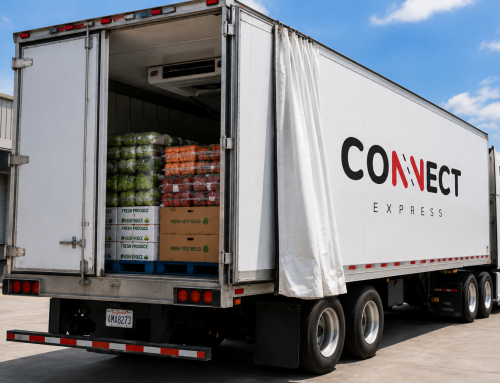
Efficient 3PL partnerships lead to cost reductions by optimizing transportation routes, consolidating shipments, and reducing overhead expenses. By using economies of scale, 3PL providers offer competitive pricing and help businesses manage freight expenses effectively. Consolidated shipments like these often move most efficiently in enclosed dry van trailers.
Expanding Market Reach With Established Networks
An established 3PL partner brings a robust network of carriers and regional expertise, enabling businesses to expand into new markets with minimal investment. Their experience in navigating local regulations and managing cross-border shipments increases market reach and builds customer trust. If you are new to the topic, start with what freight transportation services actually cover.
Focusing on Core Business Activities by Outsourcing Logistics
Outsourcing logistics allows companies to allocate resources to areas where they excel, such as product development or customer service. This strategic focus improves competitive advantage and operational performance while the 3PL manages the behind-the-scenes logistics.
Gaining Scalability and Flexibility in Operations
Third-party logistics providers offer scalable solutions tailored to seasonal demands and rapid growth. With flexible contract terms and adjustable service levels, businesses can adapt quickly to market changes and new opportunities without overextending internal resources.
Selecting the Ideal Third-Party Logistics Partner for Your Needs
Choosing the right 3PL partner requires careful assessment of your specific logistics requirements and long-term business goals. A deliberate evaluation process helps ensure that the chosen provider not only meets immediate needs but also supports future growth.
Defining Your Specific Logistics Requirements and Goals
Before engaging with 3PL vendors, businesses must outline clear objectives for what they aim to achieve—whether it is cost reduction, improved delivery times, or enhanced supply chain visibility. A well-documented set of requirements serves as a benchmark during provider evaluations.
Researching Potential 3PL Providers and Their Specializations
It is crucial to examine potential partners’ expertise, industry experience, and the range of services they offer. Providers specializing in relevant sectors, such as retail or food safety, can deliver tailored solutions that better address unique challenges.
Assessing Technological Capabilities of Prospective Partners
Effective logistics is highly reliant on technology. Evaluate each provider’s use of transportation management systems (TMS), warehouse automation, and real-time tracking tools to ensure seamless integration with your existing systems and processes.
Evaluating Partner Reputation and Client Testimonials
Client testimonials, case studies, and industry awards serve as indicators of a 3PL partner’s reliability and performance. Positive reviews and proven success in similar supply chain scenarios inspire confidence in their ability to deliver quality service.
Comparing Pricing Structures and Service Level Agreements
Understanding the pricing models and contract terms is essential. Compare service level agreements (SLAs) across providers to ensure that cost savings do not come at the expense of service quality or operational reliability.
Establishing a Strong Foundation for Successful Logistics Collaborations
A robust foundation is key to building a successful, long-term partnership with a 3PL provider. Establishing well-defined roles, clear communication channels, and collective performance metrics helps both parties work smoothly together.
Clearly Outlining Roles and Responsibilities in the Partnership
Delineating each party’s duties minimizes conflicts and ensures that operations run efficiently. Both the business and the 3PL must understand their responsibilities to avoid overlaps and performance gaps.
Developing Comprehensive Service Level Agreements (SLAs)
SLAs serve as the framework for accountability and performance standards. They should detail expected delivery times, quality benchmarks, and penalties for non-compliance, ensuring transparency and high service levels.
Implementing Effective Communication Channels and Protocols
Regular communication between the business and the 3PL partner is crucial. Established protocols for issue resolution, progress updates, and strategic planning facilitate timely decision-making and foster trust.
Aligning Business Cultures for a Cohesive Working Relationship
Cultural compatibility between organizations plays a critical role in the success of a partnership. Aligning core values and operating procedures creates a unified approach to tackling logistical challenges.
Setting Up Shared Key Performance Indicators (KPIs)
Jointly defined KPIs provide measurable performance goals that both parties can work towards. Monitoring metrics such as on-time delivery rates, cost per shipment, and inventory accuracy ensures continuous improvement and accountability.
Managing and Nurturing Your Third-Party Logistics Partnership
Effective management and ongoing nurturing of your 3PL partnership are essential to sustain benefits over time. Proactive collaboration and regular evaluations help to address challenges promptly and align operations with evolving business needs.
Conducting Regular Performance Reviews and Feedback Sessions
Regularly scheduled performance reviews, complemented by open feedback sessions, help identify areas for improvement. This systematic assessment allows both parties to adapt operations and address any emerging issues.
Fostering Open Communication and Transparency
Transparent sharing of data, challenges, and successes ensures that quality standards are maintained. Open communication builds mutual trust and enables faster resolution of operational hurdles.
Collaboratively Addressing Challenges and Finding Solutions
Joint problem-solving initiatives strengthen the partnership. Collaborative efforts to tackle supply chain bottlenecks or cost inefficiencies pave the way for process improvements that benefit both parties.
Adapting to Evolving Business Needs and Market Changes
Flexibility is crucial as market conditions change. A responsive 3PL partner must adapt to fluctuations in demand and new regulatory requirements, ensuring that your logistics remain efficient and compliant.
Cultivating a Long-Term Strategic Alliance
Developing a long-term relationship with a 3PL provider ensures sustained benefits and stability. Long-term alliances often lead to more favorable pricing, improved service quality, and greater operational synergy.
Leveraging Technology Within Third-Party Logistics Partnerships
The integration of state-of-the-art technology in third-party logistics partnerships drives efficiency, accuracy, and real-time visibility. Technology acts as a catalyst for innovation in the supply chain, enhancing every aspect of operation.
Integrating Systems for Seamless Data Exchange
Integrating your existing systems with your 3PL’s technology platform allows for streamlined data exchange. This connectivity facilitates real-time updates on shipment status and inventory levels, leading to improved decision-making.
Utilizing Warehouse Management Systems (WMS) for Efficiency
Modern WMS platforms automate inventory tracking and order fulfillment processes. The use of these systems reduces human error and enhances operational throughput, proving essential for maintaining high service levels.
Employing Transportation Management Systems (TMS) for Optimization
A robust TMS helps in route planning, load consolidation, and real-time tracking of shipments. This results in cost-effective and timely deliveries, contributing significantly to customer satisfaction.
Gaining Visibility Through Real-Time Tracking and Reporting
Technology enables granular visibility into logistics processes, empowering businesses to monitor performance continuously. Real-time tracking systems allow for proactive interventions, thereby mitigating delays or disruptions.
Adopting Automation for Improved Accuracy and Speed
Automation in sorting, packaging, and shipping processes reduces lead times and bolsters accuracy. By minimizing manual intervention, businesses can improve the efficiency of their entire logistics operation.
Measuring Success and Driving Continuous Improvement in 3PL Partnerships
Measuring performance and implementing continuous improvements are pivotal in maintaining a successful third-party logistics partnership. This approach not only enhances operational efficiency but also provides a framework for future innovations.
Tracking Key Performance Indicators Against Set Targets
Businesses and their 3PL partners should establish clear KPIs such as cost per shipment, on-time delivery percentage, and order accuracy. Regular monitoring of these metrics ensures that performance meets or exceeds agreed-upon targets.
Analyzing Data to Identify Areas for Enhancement
Data analytics play a vital role in identifying inefficiencies and new opportunities. Detailed analysis of transportation times, inventory turnover, and resource utilization can reveal underlying issues that need immediate attention.
Implementing Process Improvements Based on Insights
Using insights from data analysis, both parties can work together to refine operational processes. Whether it is adjusting warehouse layout or reorganizing shipment schedules, these improvements lead to sustained performance gains.
Seeking Opportunities for Innovation Within the Logistics Partnership
Innovation should be a continuous goal. Exploring emerging technologies, testing new operational workflows, and adopting best practices from industry benchmarks can further enhance the logistics partnership and provide a competitive edge.
Ensuring Your Third-Party Logistics Partnership Supports Growth
Ultimately, the success of a 3PL partnership is measured by its ability to support your business growth and operational scalability. Continuous improvement practices ensure that as your business evolves, your logistics partner adapts to meet increasing demands and complex market dynamics.
Final Thoughts
Effective third-party logistics partnerships are a cornerstone of modern supply chain efficiency. By carefully selecting the right partner, establishing a strong foundation, leveraging technology, and continuously measuring performance, businesses can achieve significant cost savings and operational improvements. These partnerships allow companies to concentrate on core competencies while their logistics experts handle the intricate details of shipping and distribution. As market conditions and technological innovations evolve, a proactive approach to managing 3PL relationships will continue to deliver a competitive edge and drive long-term growth.
Frequently Asked Questions
Q: What are the main benefits of partnering with a 3PL provider? A: The key benefits include streamlined operations, cost reductions through optimized supply chains, expanded market reach, and increased flexibility, allowing businesses to focus on core activities while experts manage logistics.
Q: How do I choose the right 3PL partner for my business? A: Define your logistics requirements, research providers’ specializations, assess their technological capabilities, evaluate their reputation through case studies and testimonials, and compare pricing structures along with service level agreements.
Q: What role does technology play in third-party logistics? A: Technology enhances every aspect of logistics by enabling real-time tracking, efficient data exchange, automation in warehouses and transportation management, and improved overall operational accuracy and speed.
Q: Why are service level agreements important in a 3PL partnership? A: SLAs set clear performance standards and responsibilities, ensuring accountability for both parties. They help track key performance indicators and provide a framework for addressing any operational issues effectively.
Q: How can businesses ensure continuous improvement in their 3PL partnerships? A: Regular performance reviews, data analysis to identify inefficiencies, collaborative problem-solving, and being open to technological innovation are critical strategies for maintaining and enhancing the success of a third-party logistics partnership.
Need capacity on this type of freight? Connect Express LLC provides asset-based logistics services across the Southwest and nationwide. Request a truckload quote: Contact Connect Express or call 480-401-1998.