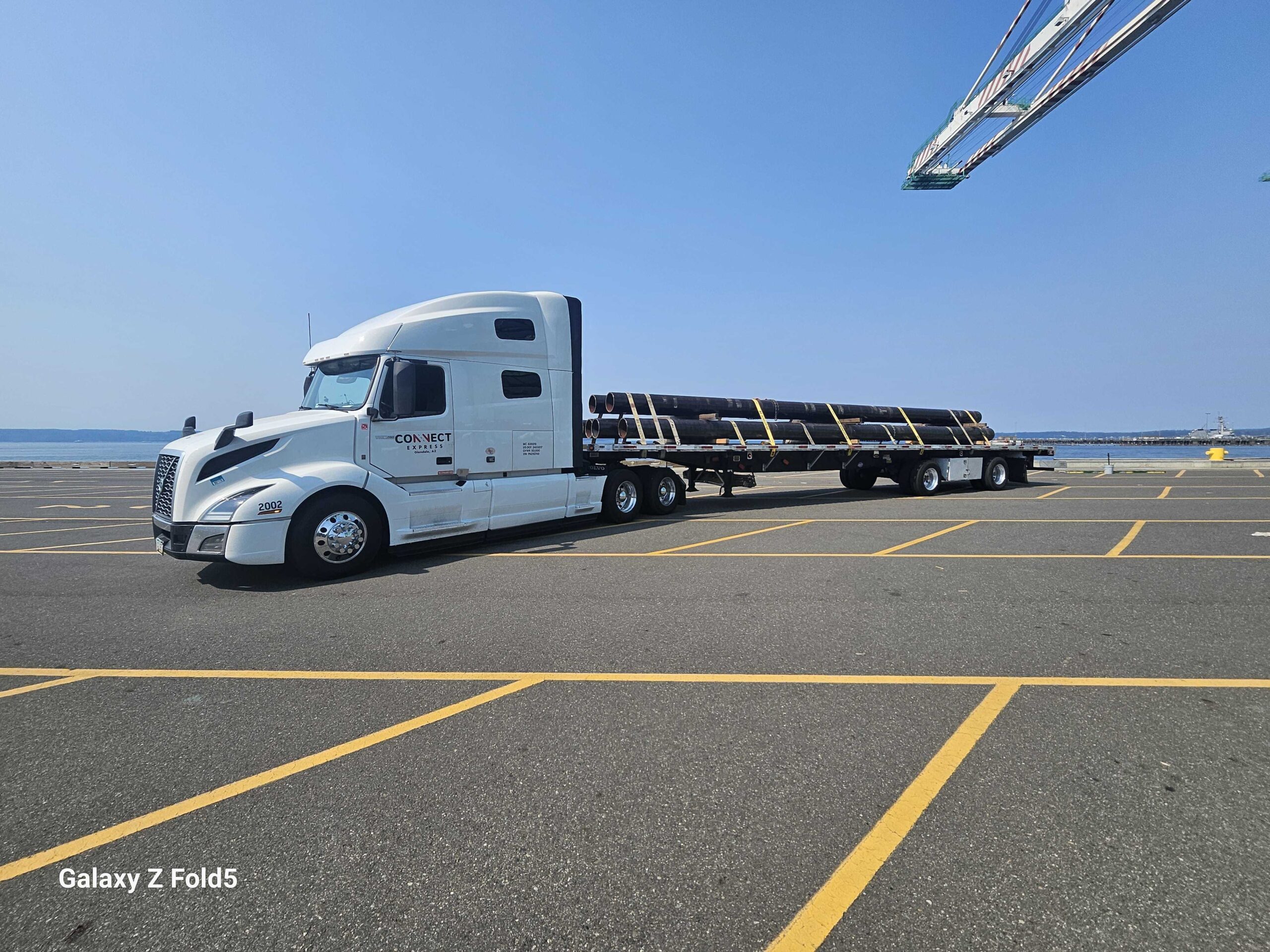
A flatbed load can look simple from a distance. Put it on the trailer, strap it down, and roll. In real operations, flatbed trucking services are where small mistakes turn into damaged freight, missed appointments, and long phone calls nobody wants to make.
That is why shippers need more than a truck with an open deck. They need a carrier that knows how to load, secure, route, and communicate from pickup to delivery. If the freight is exposed, oversized, top-heavy, or loaded by crane, there is no room for guessing.
What flatbed trucking services actually cover
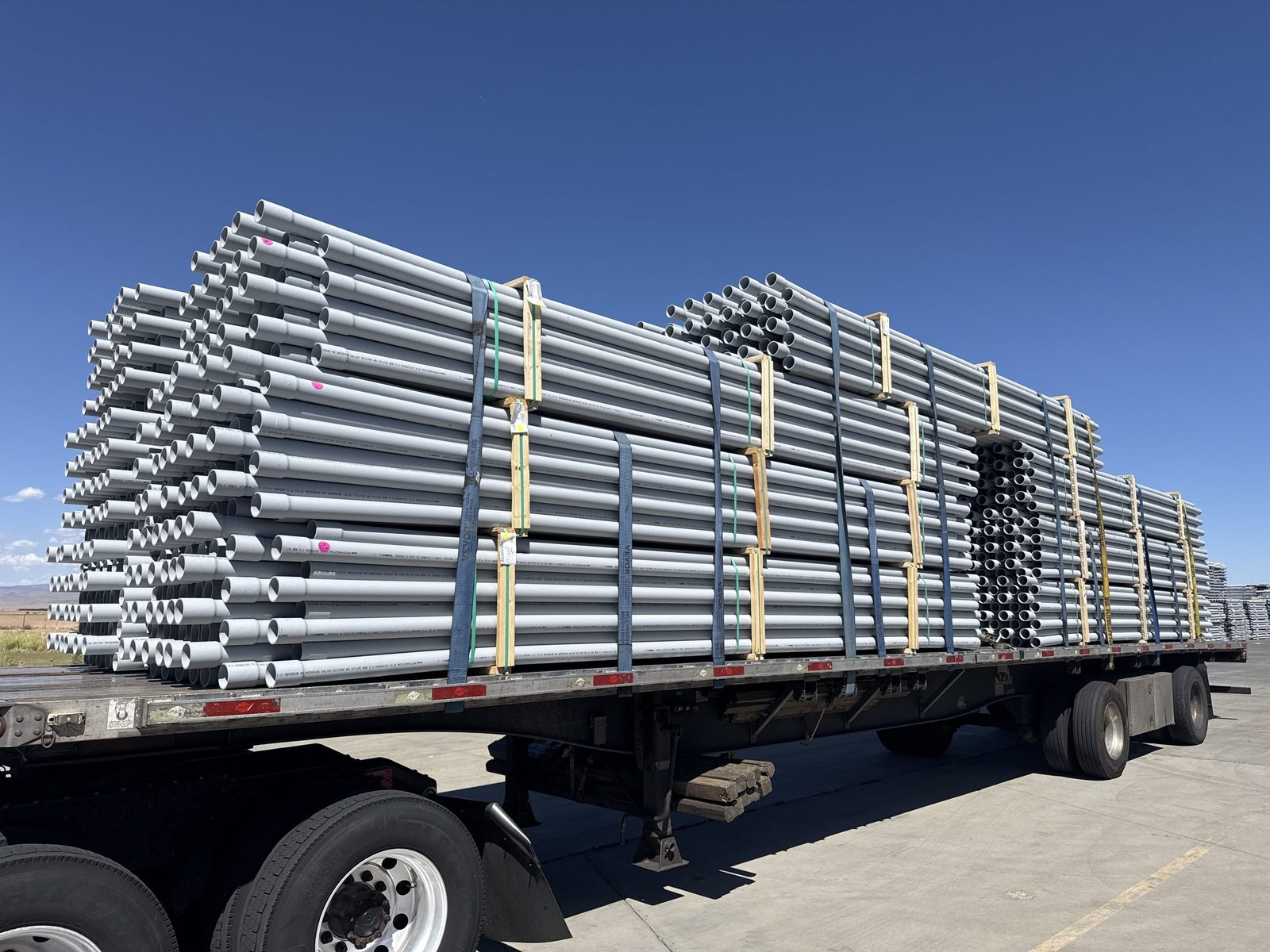
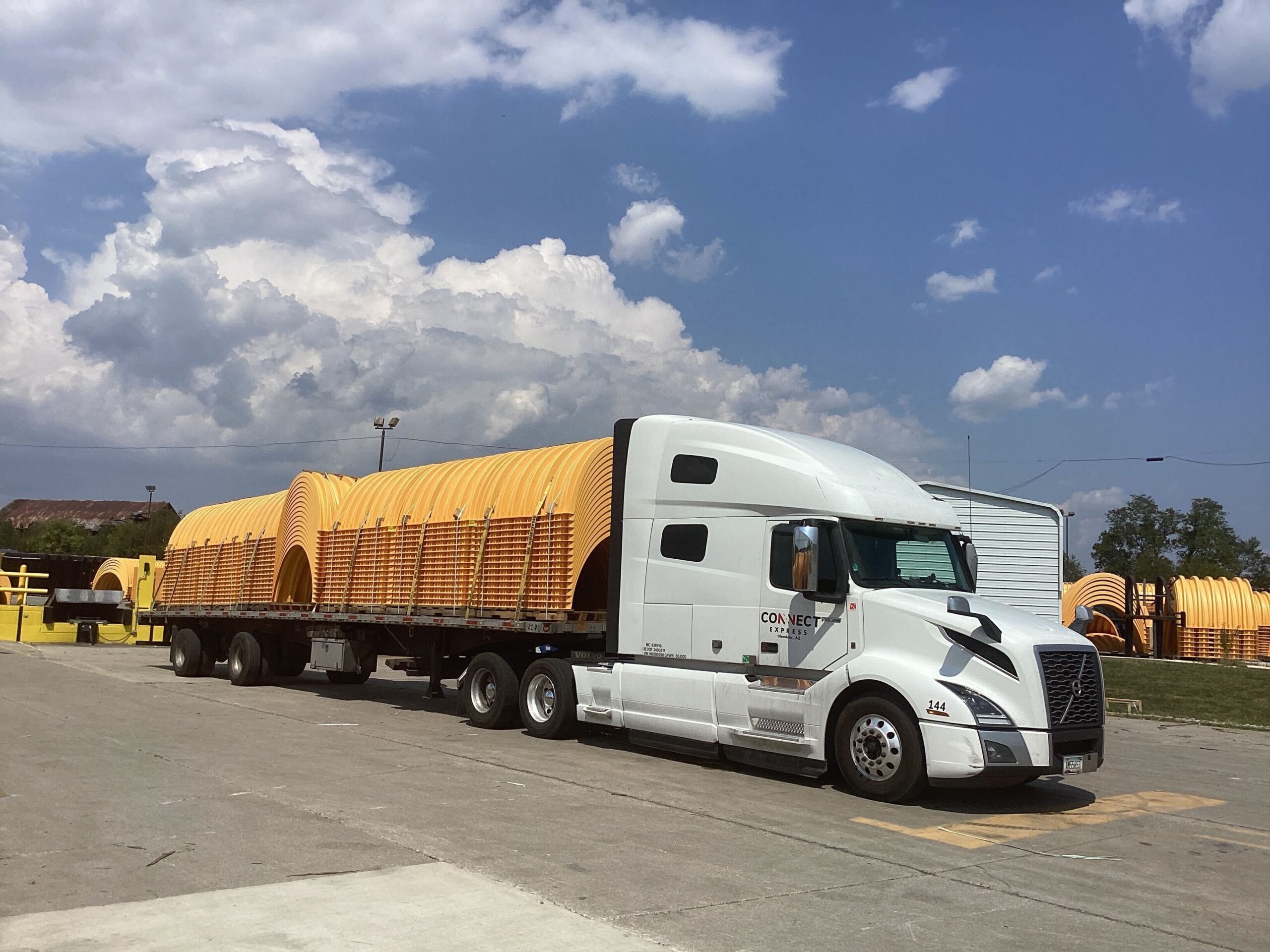
Flatbed freight usually involves cargo that will not fit in a dry van, cannot be dock-loaded, or needs side, top, or crane access. That includes steel, lumber, machinery, construction materials, equipment, pipe, and oversized freight. The trailer matters, but the real issue is handling. Handling also depends on equipment, and these flatbed truck maintenance tips cover what to check.
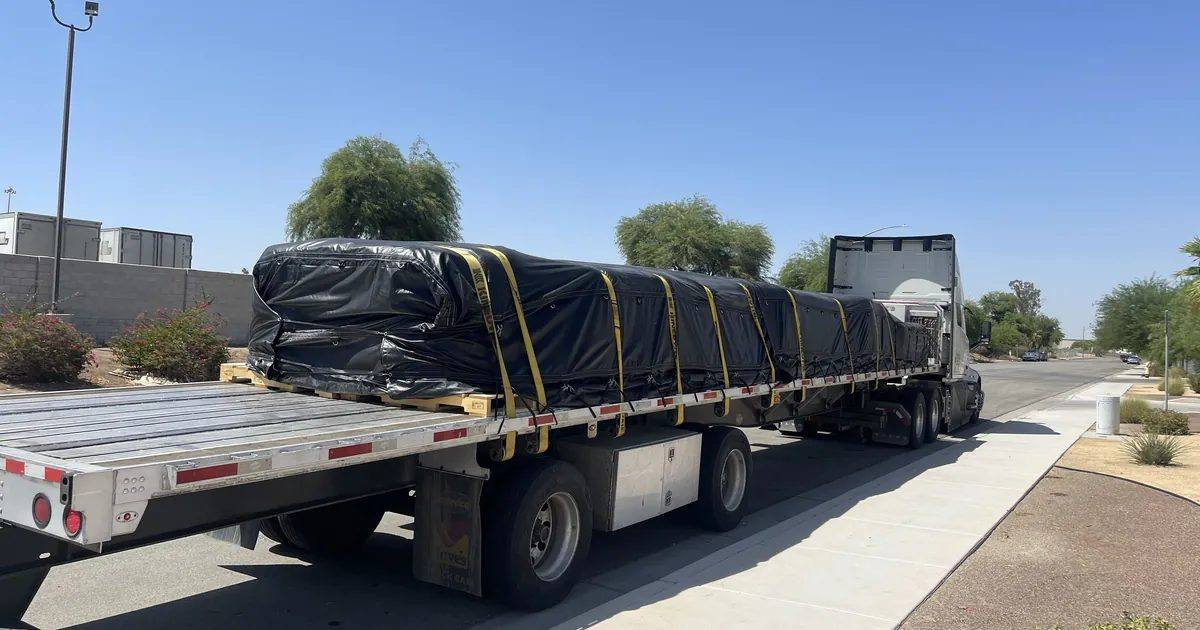
Good flatbed trucking services start before the truck is dispatched. The carrier should know the dimensions, weight, pickup conditions, delivery requirements, and whether the load needs tarps, edge protection, chains, binders, straps, or permits. If that conversation does not happen up front, problems usually show up at the shipper or on the road.
Not every flatbed move is the same. A stack of palletized material is different from a large machine with an uneven center of gravity. A legal-width load is different from an overdimensional one. Some loads need fast loading and direct transit. Others need careful scheduling around jobsite hours, escorts, or permit restrictions. Flatbed is not one service. It is a category with a lot of variables.
Why execution matters more than trailer type
A lot of carriers can say they offer flatbed service. That does not tell you much by itself. What matters is whether they can execute without turning every shipment into a fire drill.
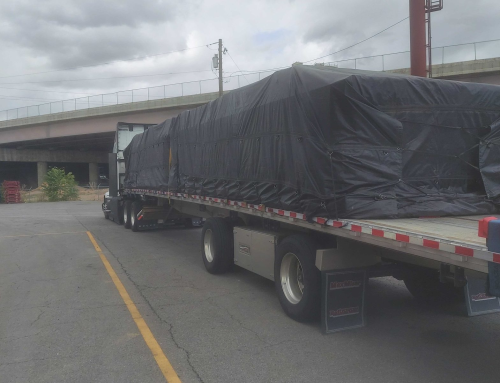
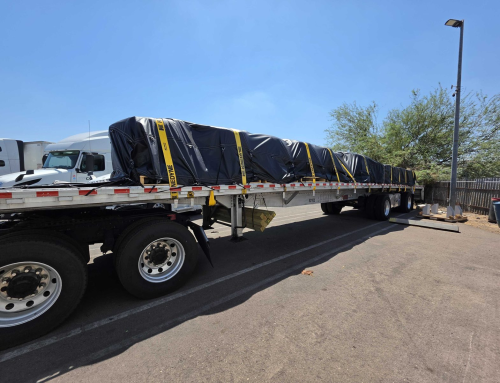
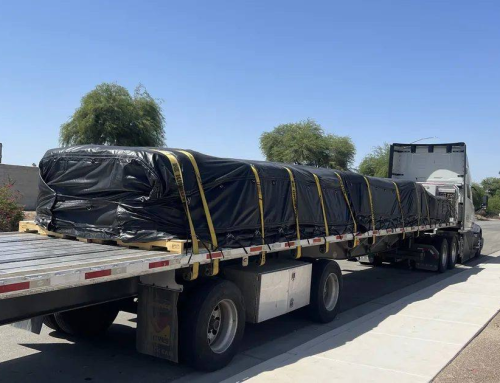
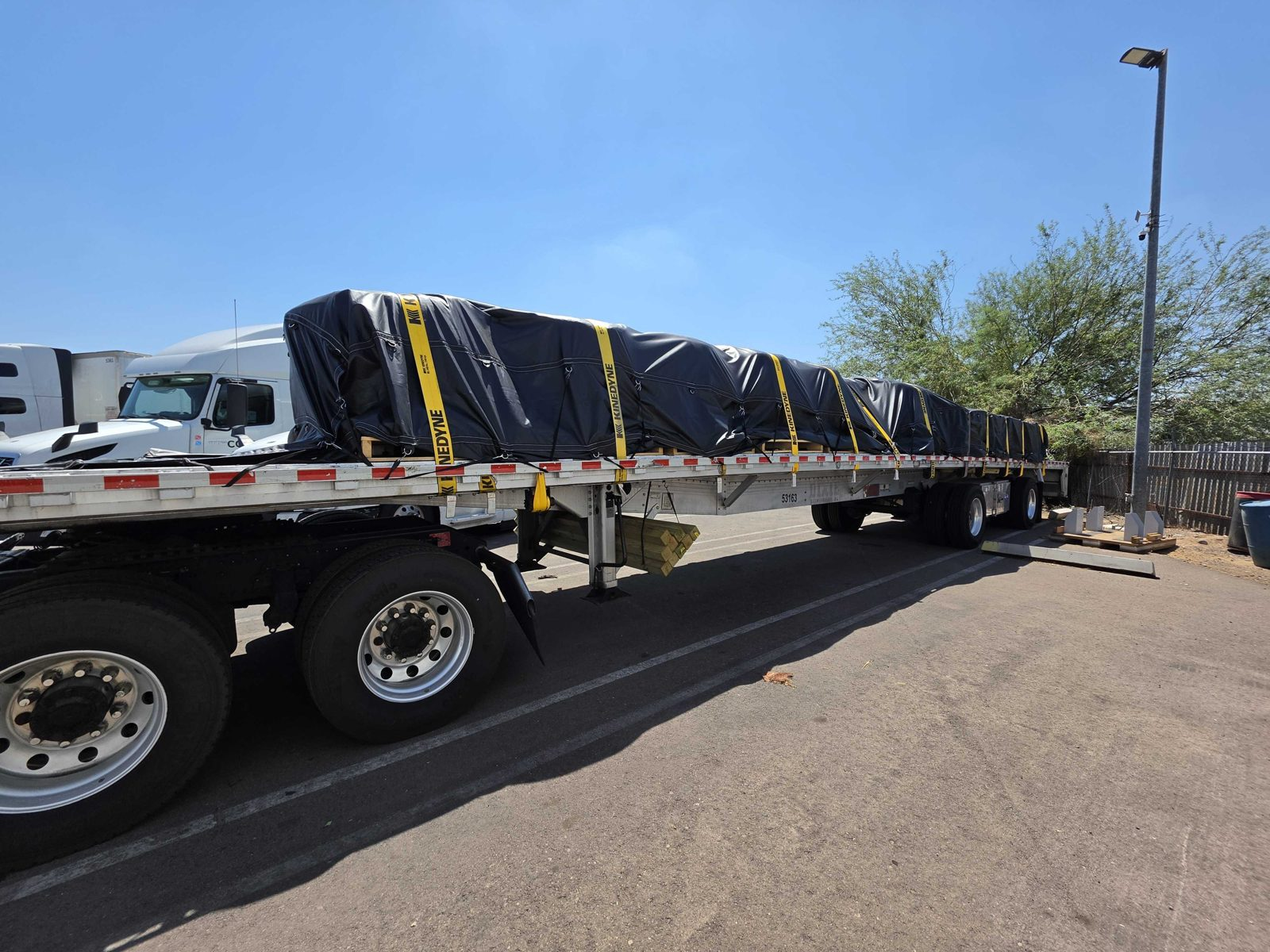
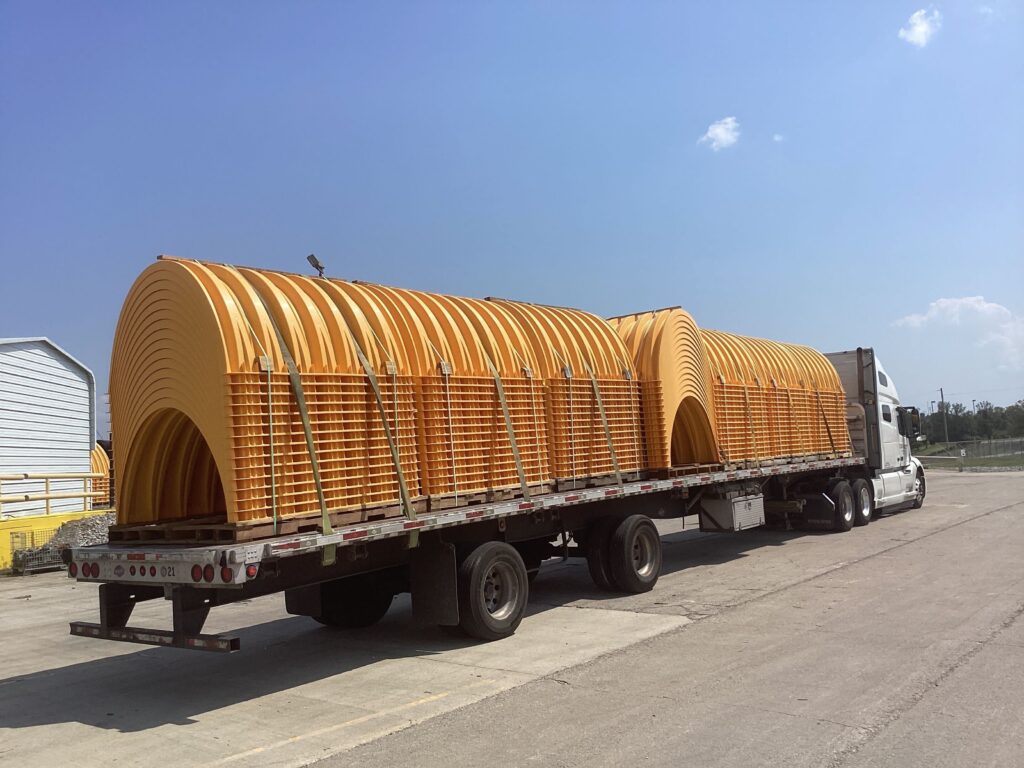
The main risks with flatbed freight are easy to spot. Freight can shift. Tarps can fail in bad weather. Securement can be done wrong. Pickup windows can be missed because loading takes longer than expected. Delivery can fall apart when the site has limited access or unloading equipment is not ready.
That is why operational discipline matters. The driver has to arrive with the right equipment. The securement has to match the freight. The dispatcher has to know where the load is and what is happening if plans change. The shipper should not have to chase updates or wonder whether the truck made pickup.
For freight managers and logistics coordinators, that is the difference between a smooth day and a problem account. You are not buying a trailer. You are buying execution.
Flatbed trucking services and securement
Securement is where good flatbed trucking services separate themselves from carriers that just want to grab the load and go. It is also where a lot of avoidable issues start.
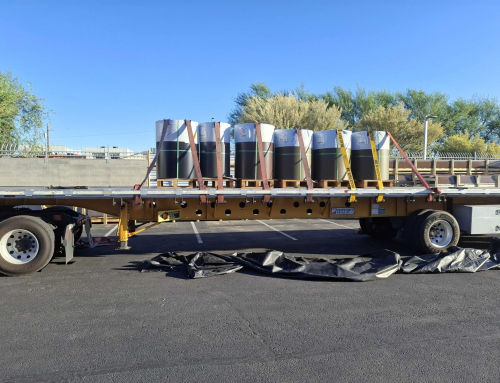
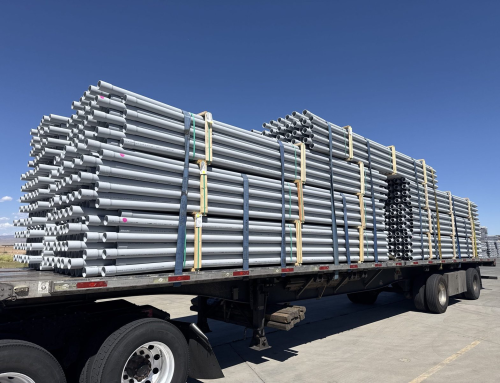
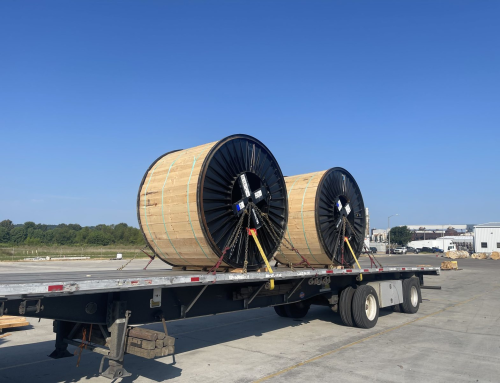
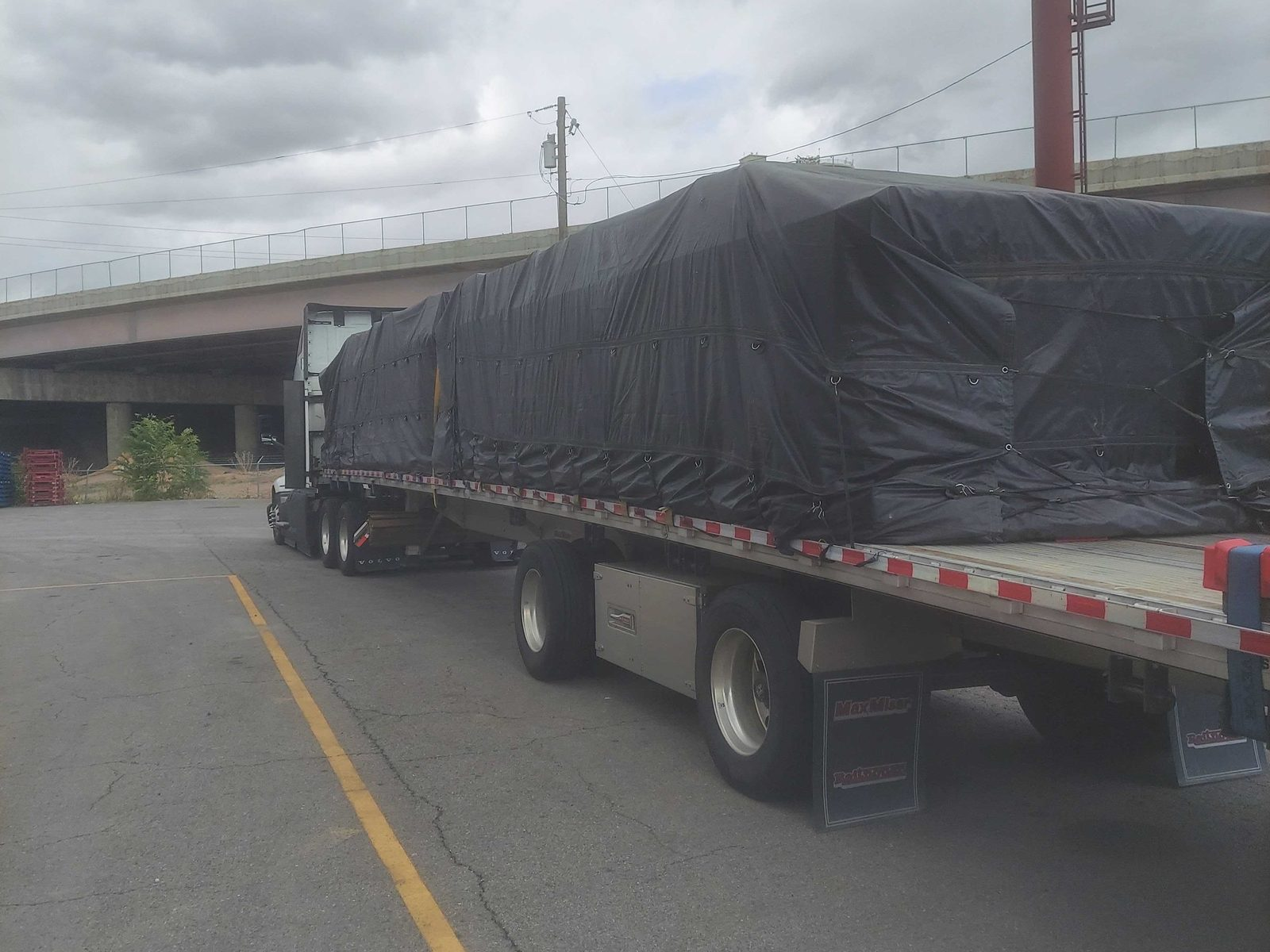
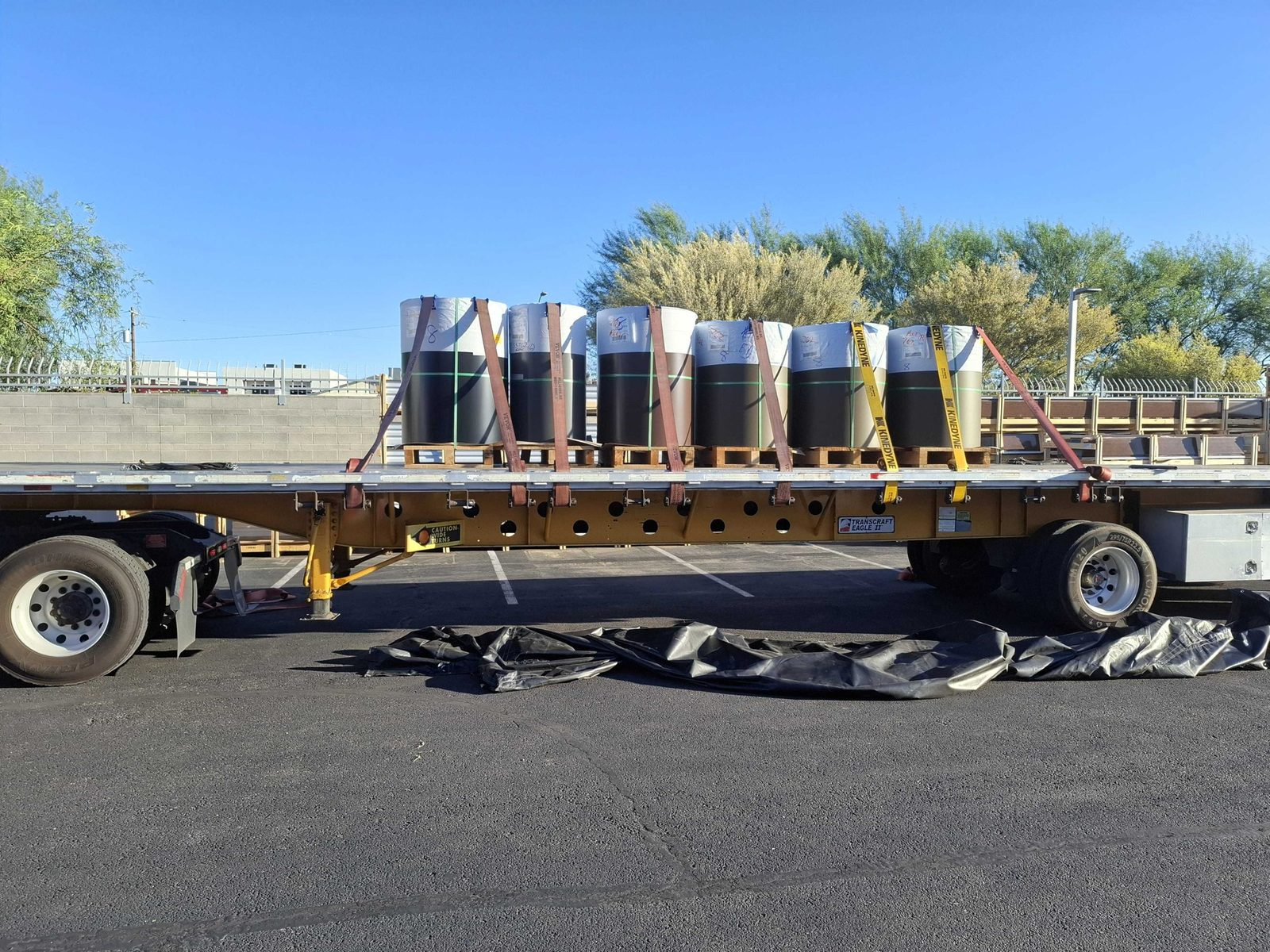
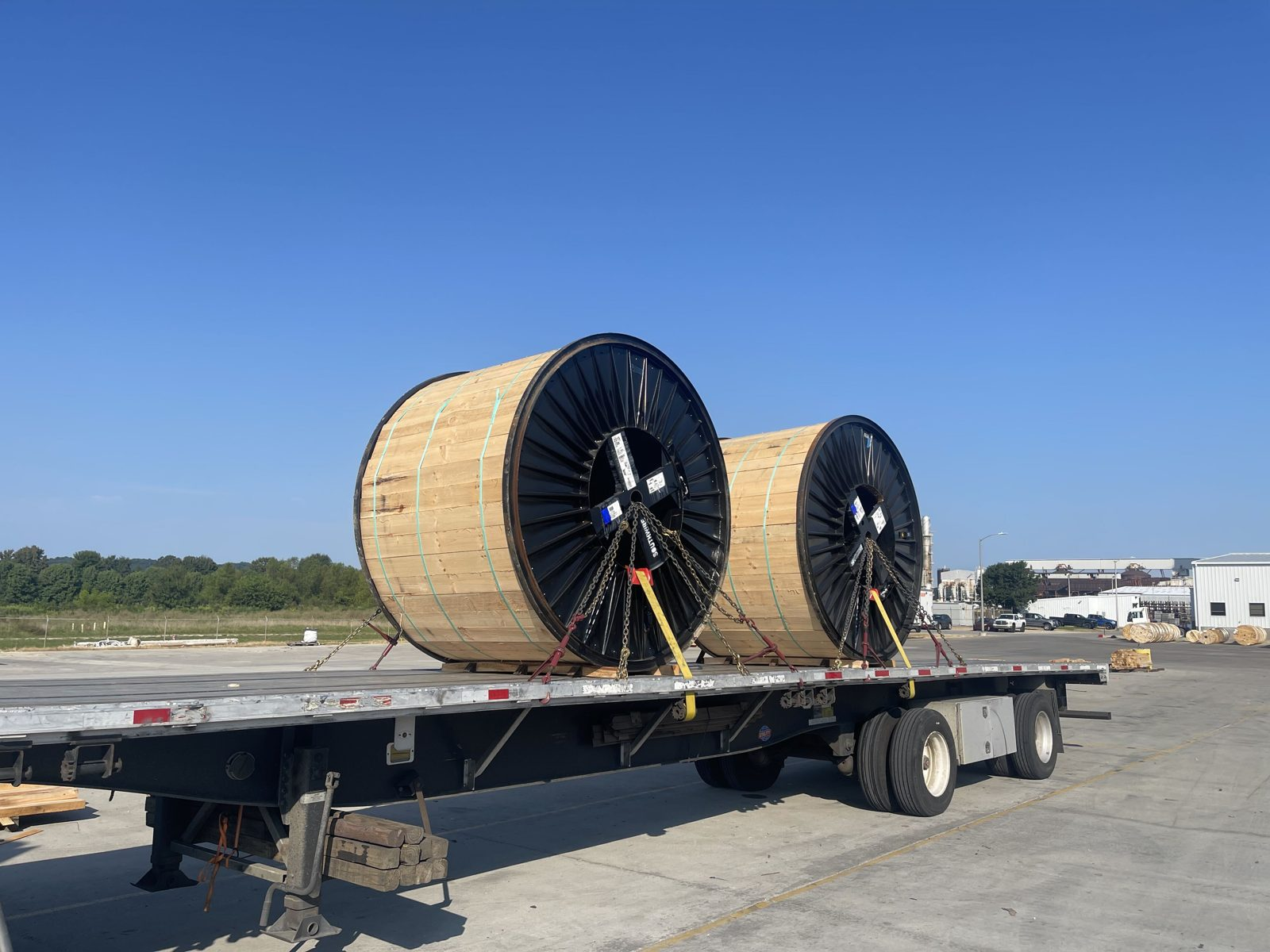
The right securement depends on the freight. Steel coils, structural steel, bundled pipe, fabricated parts, and heavy equipment all need different approaches. Chains may be the right answer for one load. Straps may be fine for another. Some freight needs both, plus blocking, friction mats, corner protectors, or tarping.
There is also the issue of load balance. If weight is not distributed correctly, the truck can have axle problems, handling issues, or trouble at a scale. If the freight has odd dimensions or a high center of gravity, the securement plan needs more attention, not less.
Shippers do not need a lecture on regulations. They need confidence that the load is secured right the first time. That means the driver and carrier should know what they are looking at before the trailer is loaded, not after the straps are already on.
Communication should be simple and steady
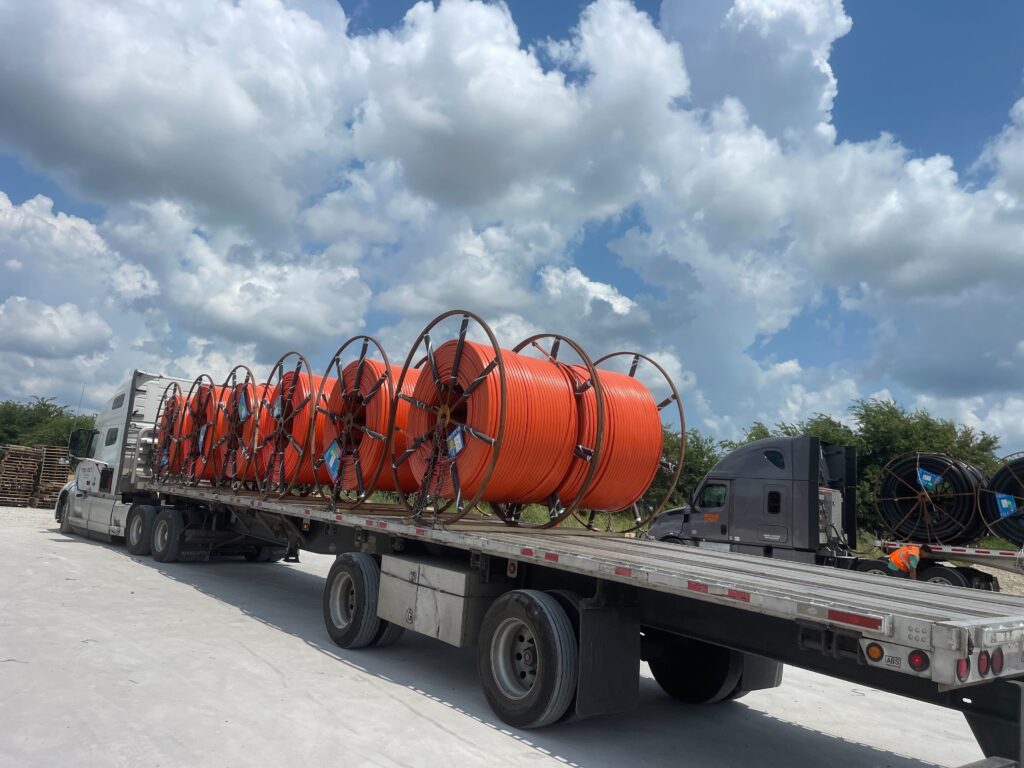
Flatbed freight often involves more moving parts than van freight. Live loading can run long. Crane crews can be late. Weather can affect tarp work and travel. Oversized loads may have route restrictions or limited travel times. Because of that, communication matters more, not less.
This is where many service failures start. The truck gets delayed, but nobody says anything. The load is sitting at the shipper, but the customer hears about it two hours later. Delivery is pushed, but there is no clear update on the new ETA.
That does not work.
If a carrier is handling flatbed freight, updates should be direct and timely. Pickup confirmed. Loaded and secure. In transit. Delay if there is one. Revised ETA if needed. No vague messages. No guessing where the load is.
For many shippers, that level of communication is just as important as transit time. A delay with a real update can be managed. Silence usually creates a bigger problem than the delay itself.
When oversized hauling changes the plan
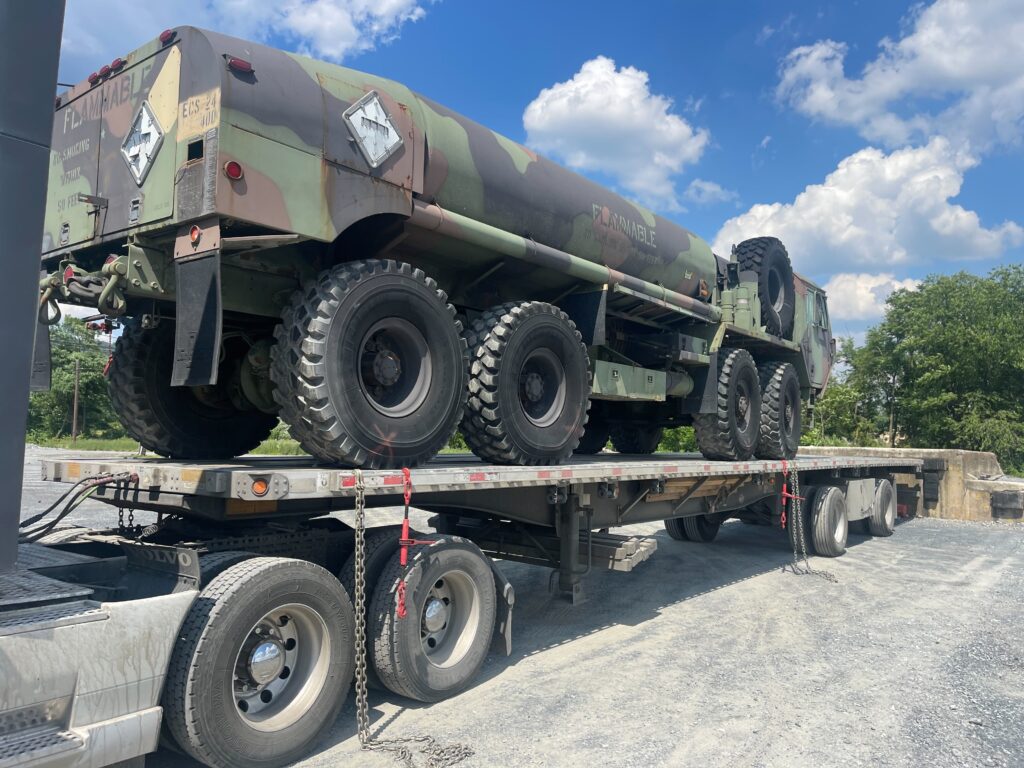
Some flatbed shipments stay within legal dimensions. Some do not. Once a load becomes overdimensional, the planning gets tighter. Permits may be required across one state or several. Travel windows can be restricted. Escort vehicles may be needed. Certain roads or metro areas may be off-limits at specific times.
This is not the kind of freight you want treated like a standard point-to-point move. The wrong route, the wrong paperwork, or the wrong timing can stop the whole shipment.
For shippers moving equipment or large fabricated freight, the key question is simple. Does the carrier understand the real requirements before pickup? If not, the load is already at risk.
A Phoenix-based carrier running the Southwest, for example, needs to know how regional routes, permits, and weather can affect oversized freight moving through Arizona, California, Nevada, New Mexico, Texas, Utah, and Colorado. Nationwide service matters too, but regional familiarity often helps when the load needs close planning and fast decisions.
What shippers should look for in a flatbed carrier
The basics are not complicated. The carrier should have the right equipment, know the freight, and communicate clearly. But in flatbed, details matter.
A good flatbed carrier asks the right questions early. What are the dimensions and weight? Is the load crane-loaded or forklift-loaded? Does it need tarps? Are there appointment times? Is the delivery site a warehouse, a yard, or an active jobsite? Are there securement concerns, permit needs, or unloading constraints?
If those questions are not being asked, the carrier is working blind.
It also helps to work with carriers that operate their own equipment and control their own dispatch. That usually means fewer handoffs and fewer surprises. When the same team is handling the truck, driver, and communication, updates are faster and accountability is clearer.
That is a practical advantage, especially when freight is time-sensitive or hard to replace.
Where flatbed service often breaks down
Most flatbed failures are not dramatic. They are preventable.
Sometimes the wrong trailer is sent. Sometimes the driver arrives without enough securement gear. Sometimes nobody confirms whether the freight is tarp-required. Sometimes the shipper expects a morning pickup and the truck is still finishing another load because scheduling was too aggressive.
There is also a common issue with specialized freight. A carrier accepts the load because it is available, not because it fits their operation. That can lead to delays, weak communication, or bad decisions on site.
Experienced shippers usually see this early. The signs are familiar. Slow answers before dispatch. Unclear equipment details. No real questions about the freight. Generic updates. Those are usually warnings that the service will be reactive instead of controlled.
Flatbed trucking services work best when expectations are clear
Good flatbed shipping is not about making big claims. It is about getting the basics right every time. Show up on time. Bring the right trailer. Secure the load correctly. Give real updates. Deliver without excuses.
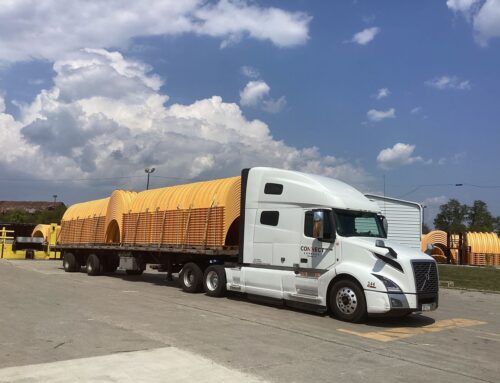
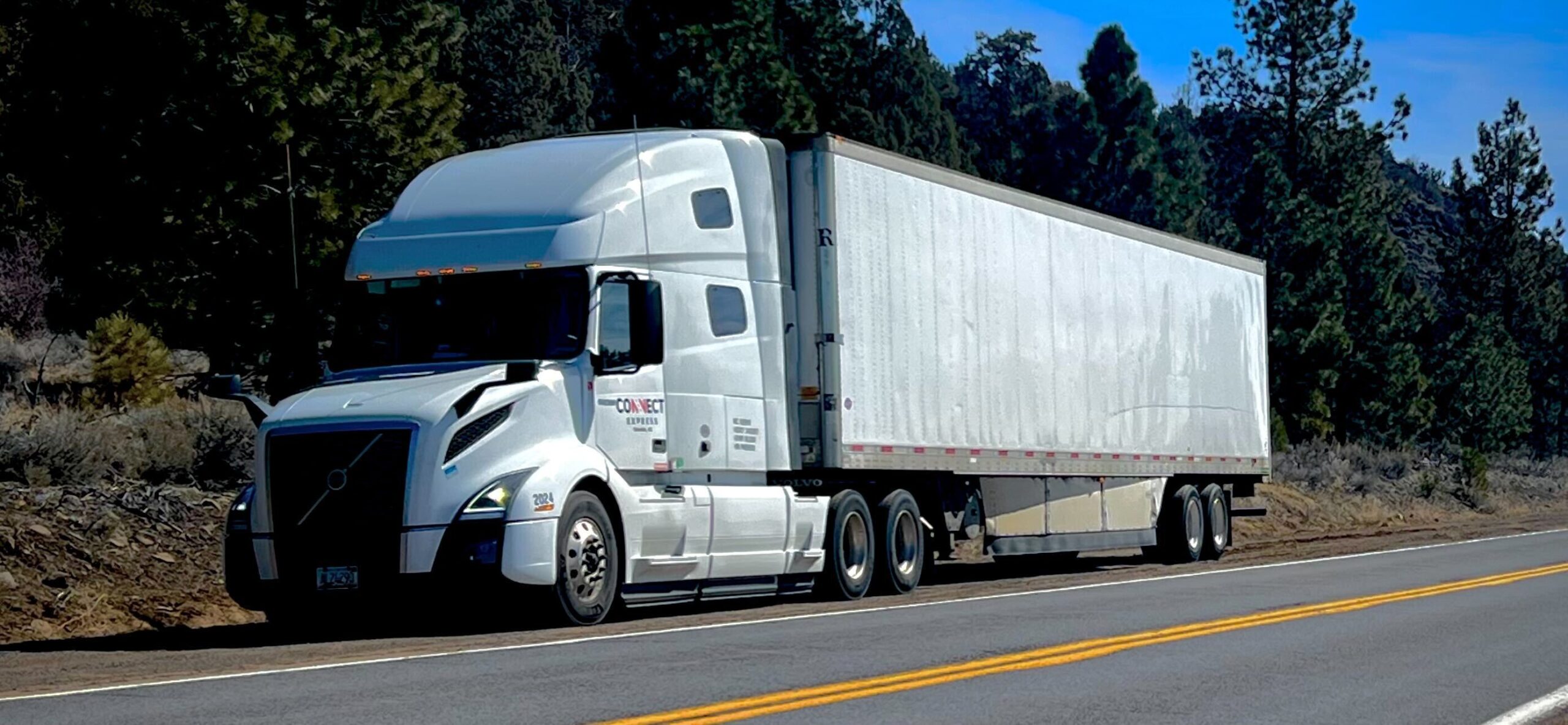
That is what many shippers need most, whether they are moving steel across the Southwest or equipment across the country. At ConnectExpress LLC, that is how we look at the job. Real trucks, real drivers, real communication, and no guessing where your load is.
If you are lining up flatbed capacity, the best move is to keep the standard simple. Work with a carrier that treats your freight like an operation to manage, not just another dispatch to cover. That saves time, avoids confusion, and gives your team one less problem to chase.
Need capacity on this type of freight? Connect Express LLC provides asset-based flatbed transportation across the Southwest and nationwide.
Request a truckload quote: Contact Connect Express or call 480-401-1998.