A reefer load can look fine at pickup and still get rejected at delivery. That usually comes down to temperature, timing, or communication. Refrigerated freight transportation is not just about putting freight in a cold trailer and hoping it gets there right. It takes planning, the right equipment, and a carrier that pays attention from dispatch to delivery.
See our refrigerated shipping Phoenix service for monitored temperature-controlled truckload. Request a truckload quote → Contact us or call 480-401-1998.
If you ship food, beverages, pharmaceuticals, floral products, or any temperature-sensitive freight, small mistakes turn into real losses fast. A missed pre-cool, a trailer door left open too long, or a bad setpoint can ruin a load. That is why shippers look for consistency more than talk. They want the truck to show up on time, the trailer to be ready, and updates to be clear.
What refrigerated freight transportation really involves
A lot of people outside the business think reefer freight is simple. Keep it cold and keep it moving. In practice, there is more to it.
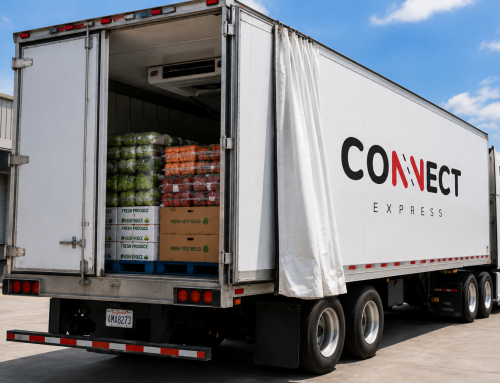
Refrigerated freight transportation means moving cargo within a controlled temperature range for the full trip, not just part of it. That includes pickup conditions, transit time, trailer airflow, door management, and delivery timing. Some freight needs to stay chilled. Some needs to stay frozen. Some cannot freeze at all. Those are very different jobs, even if they all move on reefer equipment.
The trailer matters, but the process matters just as much. A reefer unit can hold temperature. It cannot fix product loaded warm, poor pallet configuration, or delays at the dock. That’s why preparing refrigerated shipments correctly matters. Cold chain failures usually happen because one detail got missed and nobody caught it early.
Why shippers lose reefer loads
Most rejected refrigerated loads do not come from one major disaster. They come from a chain of smaller failures.
The first problem is bad temperature setup. If the setpoint is wrong, the rest of the trip starts behind. The second is loading product at the wrong pulp temperature and expecting the reefer to bring it down during transit. That is not how it works. Reefer units are built to maintain temperature, not pull down warm product quickly enough to save every load.
Timing is another issue. Long dwell times at pickup, backed-up receivers, and appointment changes all put pressure on temperature-sensitive freight. Every hour matters more on reefer loads than on many dry van shipments.
Communication is where many carriers lose trust. A shipper should not have to chase down the truck, guess whether the unit is running, or wait hours for an update after a delay. If there is a problem, it needs to be reported early. Not after the appointment is missed.
Equipment is only part of the job
Good reefer service starts with equipment that is maintained and ready. That sounds obvious, but it is where a lot of trouble starts.
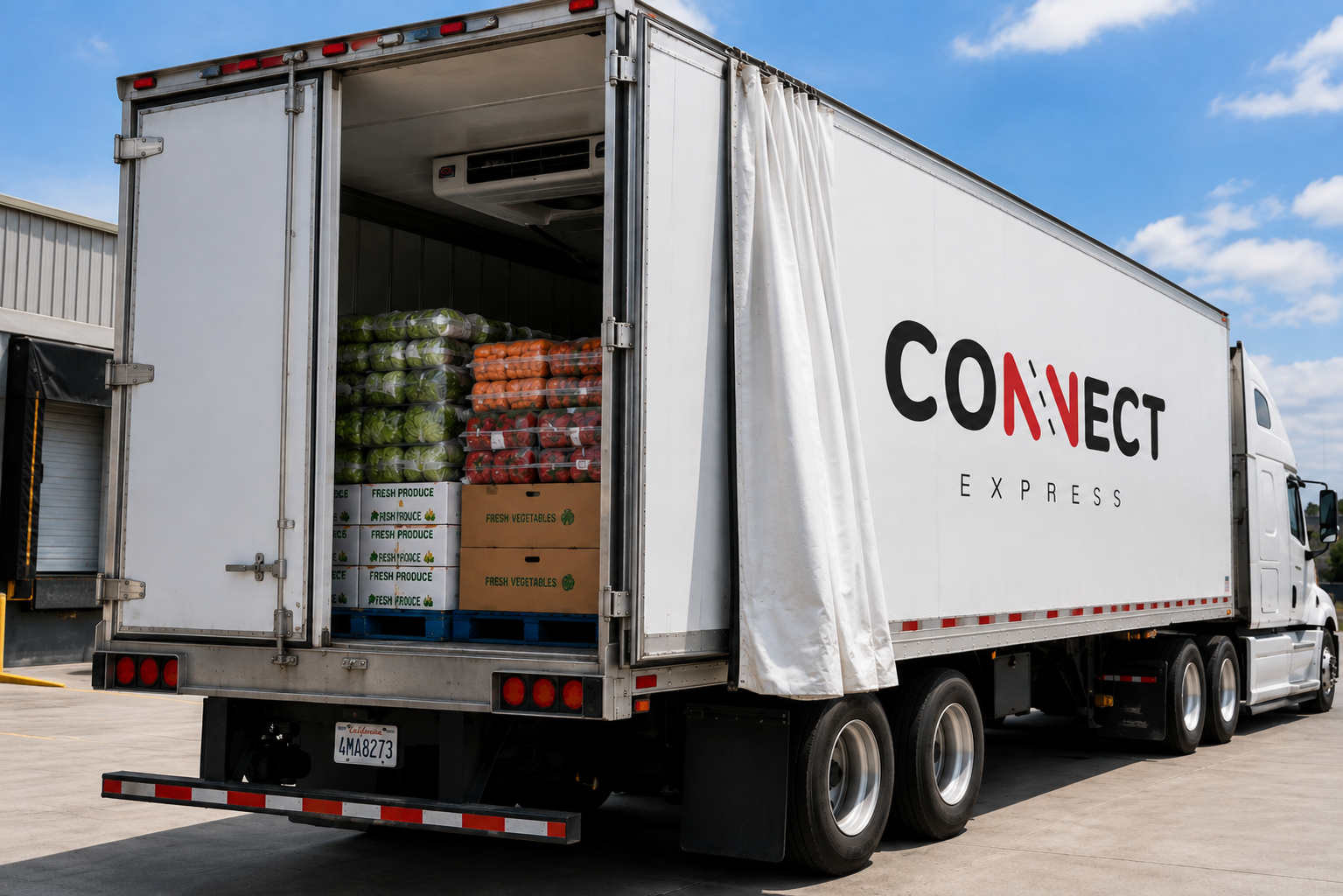
A reefer trailer needs clean interior walls, solid door seals, proper airflow, and a unit that has been checked before dispatch. Fuel level matters. Unit settings matter. The trailer should be pre-cooled when the load requires it. Freight managers know this already. What they need from the carrier is proof through execution.
Drivers matter just as much as the trailer. Reefer freight takes discipline. That means checking settings, watching for washout issues, confirming the load is secure, and protecting airflow during loading. It also means understanding that some products need continuous run while others can move under different operating modes based on shipper requirements.
There is no single reefer setup that fits every load. Frozen meat, dairy, produce, and medical products all have different handling standards. The right carrier pays attention to those differences before the truck gets to the dock.
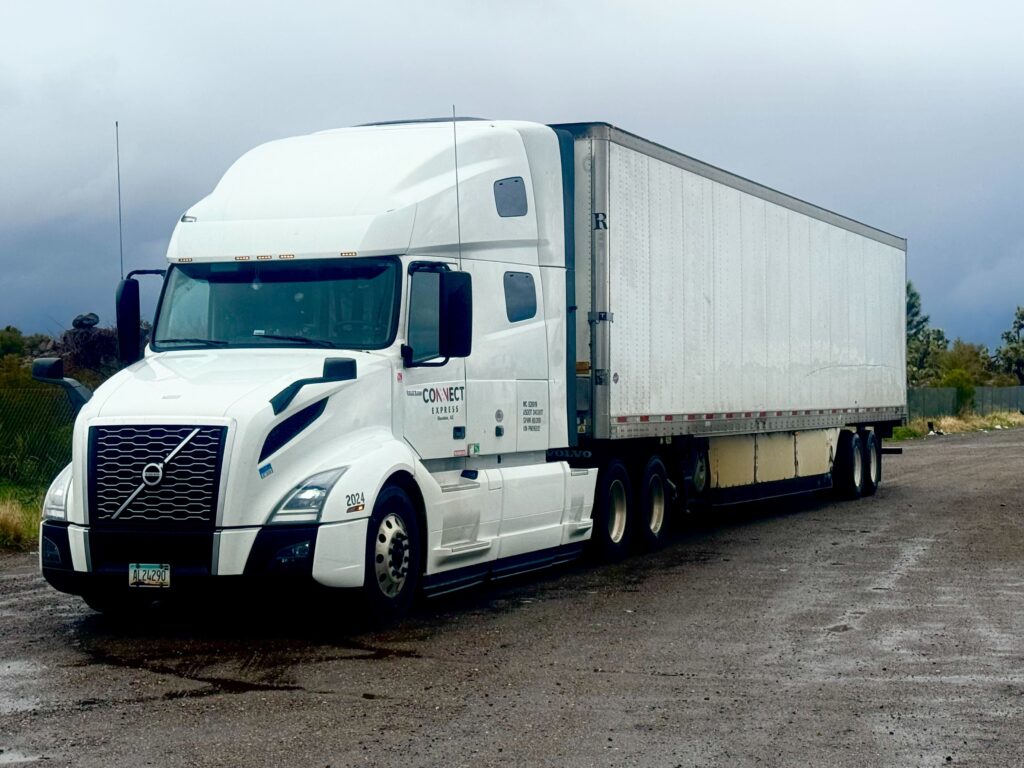
Refrigerated Trucking
What to confirm before pickup
A reefer load goes better when the basics are clear before the truck rolls. That saves time and avoids arguments later.
Start with the setpoint and whether the product should ship chilled, frozen, or protected from freezing. Then confirm if the trailer needs to be pre-cooled and whether continuous run is required. If the shipper has specific instructions for airflow, pallet spacing, or load locks, those should be clear on the front end.
Appointment times matter more than people think. On refrigerated freight, a missed pickup can trigger storage issues, production delays, or delivery rejections down the line. If the facility is known for long loading times, the carrier should know that before dispatch and plan for it.
It also helps to confirm what kind of temperature records may be needed at delivery. Some receivers want a clean temperature history. Some want specific seal procedures. Some are strict about arrival windows. None of that should be a surprise after the truck is already under the load.
Refrigerated freight transportation and transit risk
Every reefer lane has its own risk. A short run across Arizona in summer brings one set of challenges. A multi-stop trip through several states brings another. The longer the transit, the more chances there are for delays, fuel issues, weather problems, and dock slowdowns.
That does not mean long-haul refrigerated freight transportation is a bad option. It just means execution matters more. Route planning has to be realistic. Drivers need to know the load requirements. Dispatch needs to stay on the shipment and communicate changes early.
For shippers moving in the Southwest, heat is always part of the equation. Phoenix-based carriers understand what high ambient temperatures can do at pickup and during loading delays. When the trailer doors are open in extreme heat, temperature recovery takes time. That needs to be factored into planning, not ignored.
Weather on the other end matters too. Some loads need protection from freezing during winter runs into colder regions. Reefer service is not always about keeping freight cold. Sometimes it is about holding a stable range and preventing damage either way.
What good reefer communication looks like
Shippers do not need long speeches. They need facts.
Good reefer communication means confirming pickup status, reporting delays right away, and giving real ETAs. It means dispatch and driver are aligned. If the appointment changes, the shipper hears it early. If the facility is backed up, the shipper knows. If the temperature setting is confirmed, there is no guessing.
This is where the difference shows between a carrier that runs real operations and one that just reacts all day. Reefer freight moves better when someone is watching the load the whole time, not checking in after the problem has already grown.
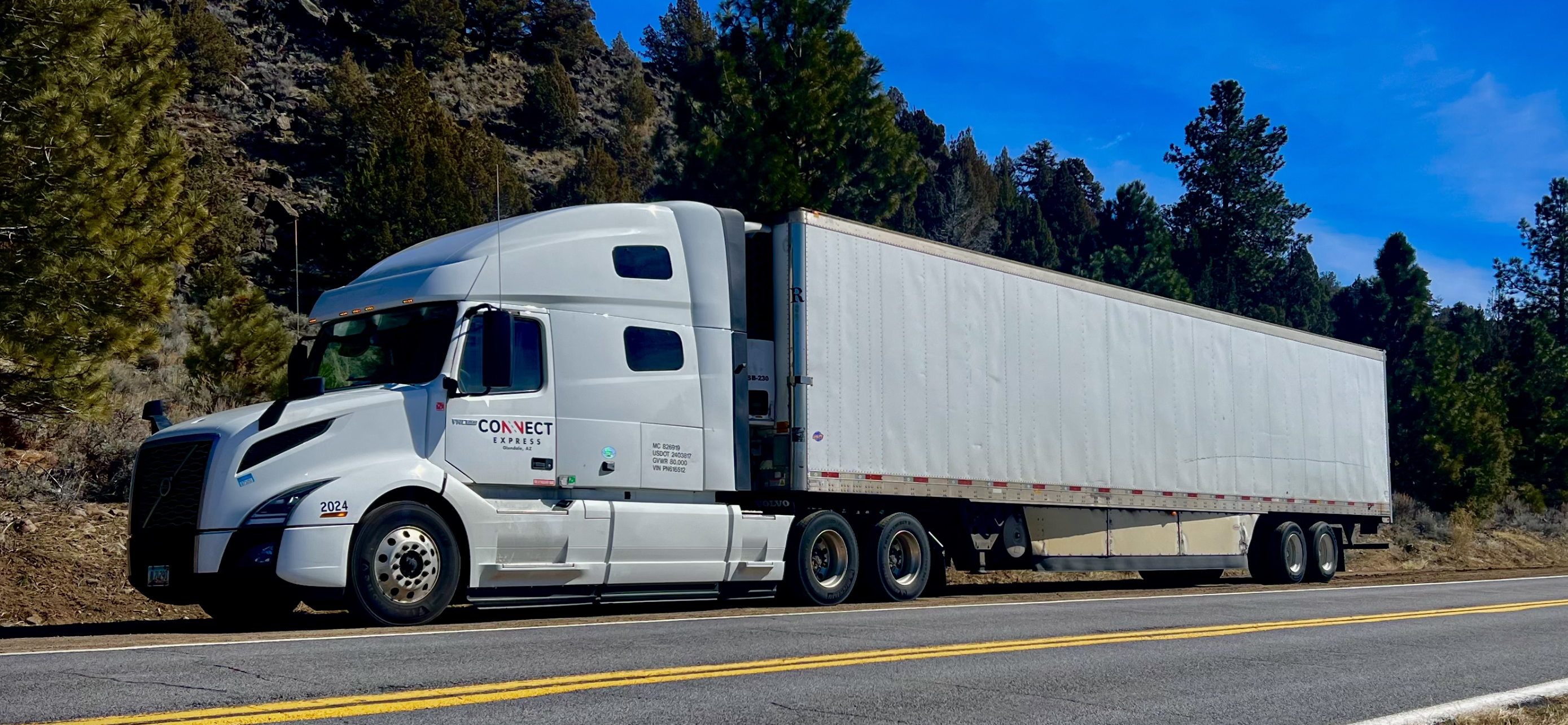
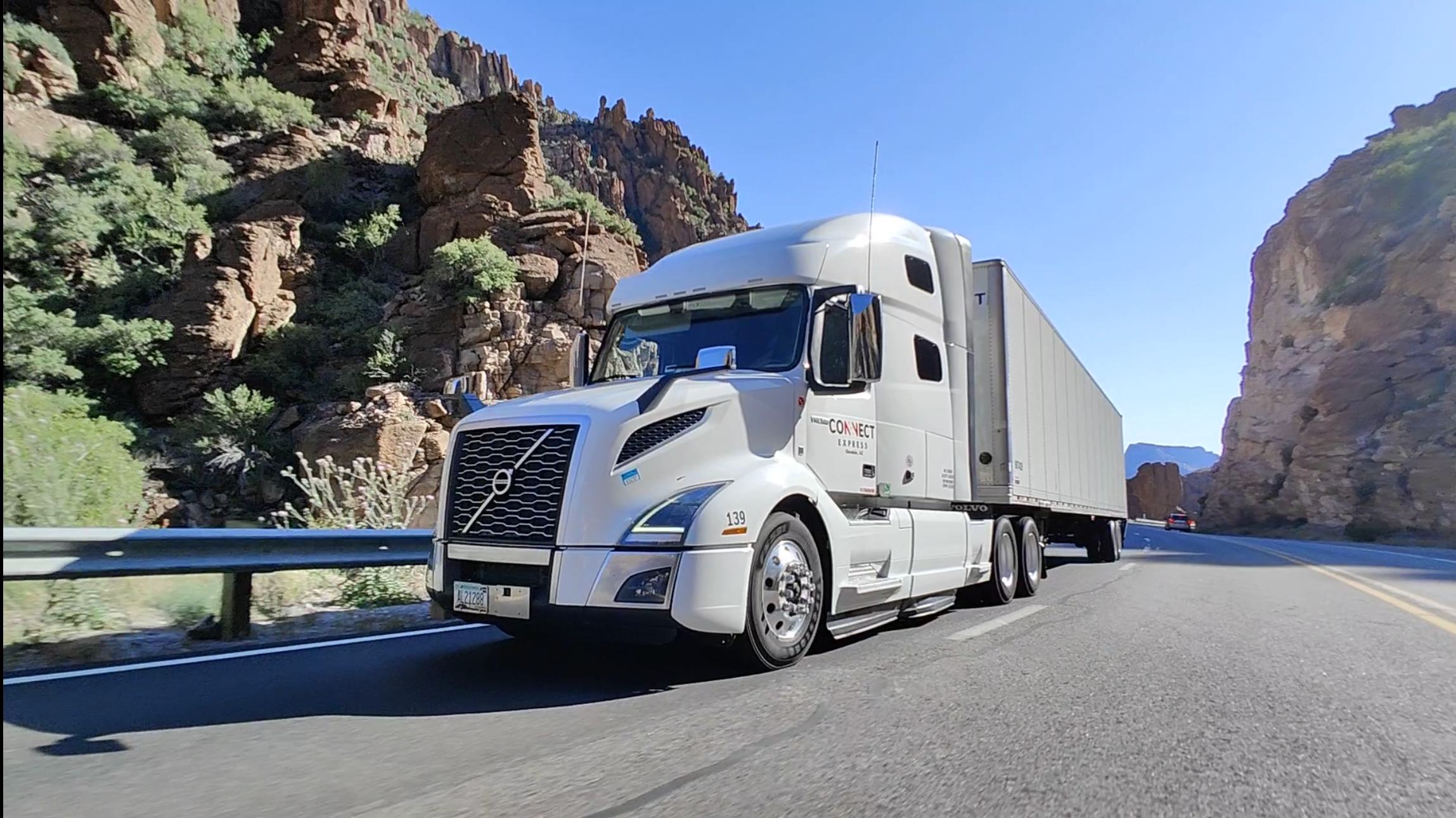
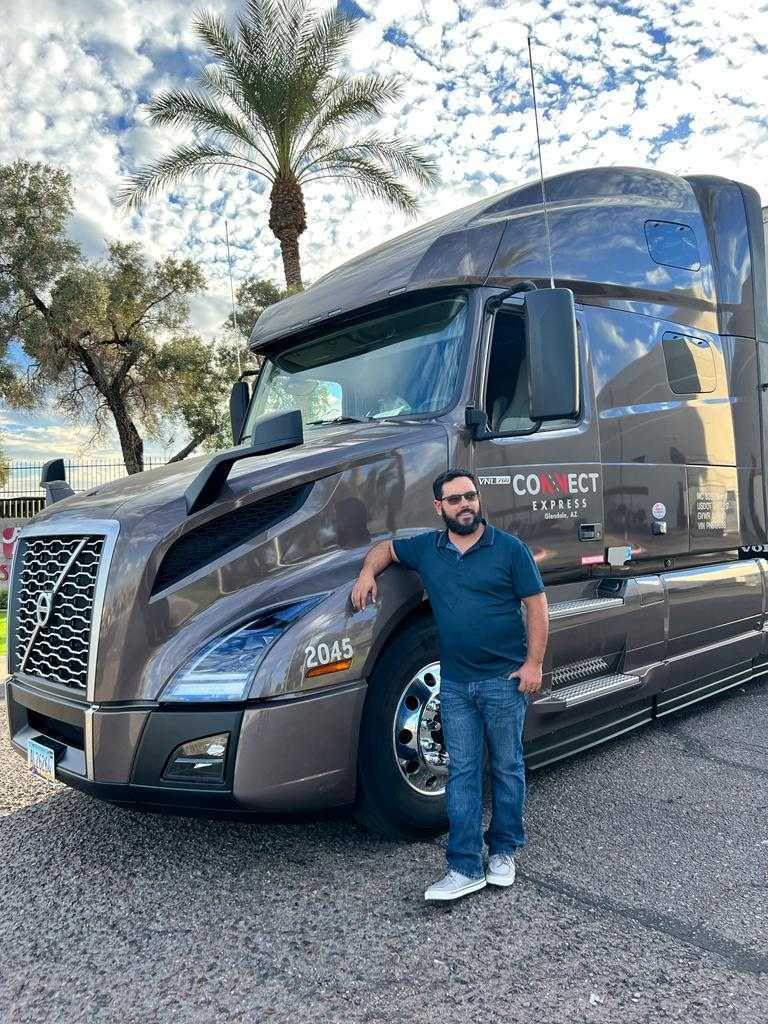
At ConnectExpress LLC, that is the standard. We run real trucks, real drivers, and real reefer equipment. You get updates you can use. No missed pickups if the load is set up right. No guessing where your load is.
Flatbed Trucking Jobs: Requirements, Salaries, and Opportunities
How shippers can help protect the cold chain
Carriers own their part of the job. Shippers own part of it too.
Product should be at the right temperature before loading. The trailer should not be used to cool down warm freight unless that was planned and agreed to in advance. Load patterns should protect airflow, not block it. Pallets jammed tight against the chute wall or stacked wrong can create temperature problems even when the reefer unit is running fine.
Paperwork needs to be clean. Rate confirmations, BOL instructions, temperature requirements, and receiver details should match. A reefer load with conflicting instructions is asking for trouble.
Facilities also help themselves by reducing wait time where possible. Every extra hour at the dock creates more exposure, especially on tight appointment schedules. Fast, organized loading is not just good for capacity. It protects the product.
Choosing a refrigerated carrier without the sales pitch
If you are choosing a reefer carrier, look at how they operate, not how they advertise. Ask whether they run their own equipment. Ask how they handle updates. Ask what happens when an appointment slips or a facility delays the truck for hours.
You also want to know whether they understand the freight itself. A carrier moving frozen food every week is going to approach the job differently than one that only handles reefer loads once in a while. Experience does not fix every problem, but it does cut down on preventable mistakes.
The best reefer carrier is not always the one saying the most. It is the one that sends the right truck, keeps the trailer set correctly, communicates during transit, and gets the load delivered without drama.
Refrigerated freight does not leave much room for sloppy execution. If the freight matters, the details matter too. Get the temperature right, get the timing right, and work with a carrier that treats communication like part of the job, because it is.