A produce load can be on time and still be a failure. If the receiver opens the doors and finds soft berries, warm dairy, or frozen product with thaw signs, the clock does not matter. This reefer shipping guide for perishable products is about avoiding that outcome. The goal is simple – protect the freight, hit the appointment, and give the shipper real updates the whole way.
Reefer freight is less forgiving than dry van. Small mistakes turn into rejected product, claims, and damaged customer relationships. A bad setpoint, a rushed load, blocked airflow, or a dirty trailer can create problems that do not show up until delivery. By then, nobody wants to hear excuses.
What a reefer load actually needs
Perishable freight does not just need a cold trailer. It needs the right trailer condition, the right temperature strategy, and the right handling from pickup through delivery. That starts before the truck reaches the dock.
The first question is product temperature. A reefer unit is built to maintain temperature, not pull down hot product fast. If the freight comes off the floor warm and gets loaded anyway, the trailer may hold the damage instead of preventing it. Shippers and loaders need to know the target pulp temperature and verify the product is ready to ship.
The second question is sensitivity. Not all perishables move the same way. Frozen foods need a stable deep-freeze setting and tight door discipline. Fresh produce may need continuous air circulation and enough space for airflow. Dairy, meat, seafood, and prepared foods each come with their own range, sanitation concerns, and shelf-life risk. Treating every refrigerated load the same is how product gets lost.
Reefer shipping guide for perishable products: start before loading
Most problems show up at delivery, but they usually start at pickup. The cleanest way to prevent a claim is to treat pre-load checks as part of the shipment, not as extra work.
The trailer should be clean, dry, and free of odor. That matters more than some shippers think. Produce can pick up smells. Dairy and proteins raise sanitation concerns. If the last load left residue, standing water, or a strong odor, you already have risk before the first pallet goes on.
Pre-cooling matters too, but only when it matches the commodity. If the instructions call for a pre-cooled trailer, get it there at setpoint before loading. If the product needs a certain return air environment, the unit settings need to match that requirement. This is where good communication saves time. The driver, dispatcher, and shipping team should all be working from the same load instructions.
Trailer inspection should be basic and disciplined. Look at the reefer unit status, fuel level, door seals, drain holes, air chute if equipped, interior walls, and floor channels. If airflow is blocked because the floor is damaged or debris is packed into the channels, the unit can run all day and still leave hot spots in the load.
Loading mistakes that cause temperature problems
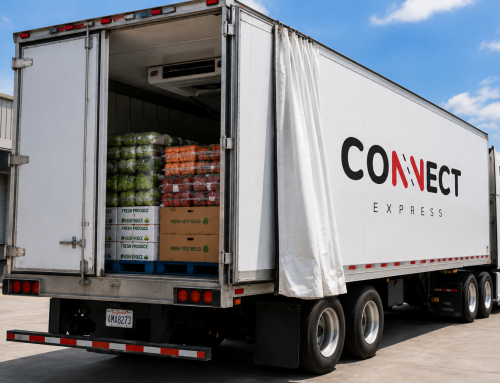
A reefer can only move air if the load allows it. That sounds obvious, but bad loading is still one of the biggest reasons perishable freight arrives in poor condition.
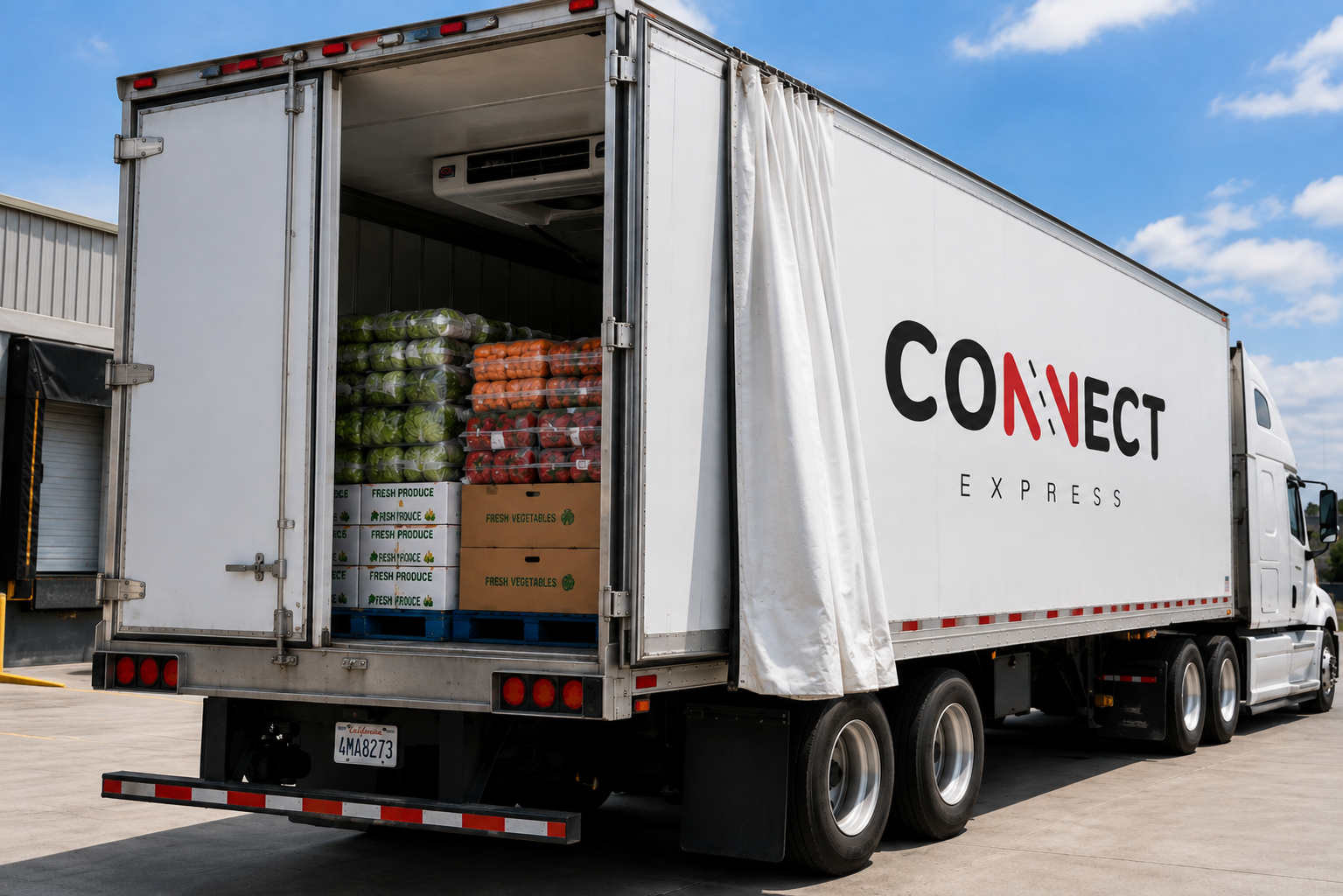
Pallets should be loaded in a way that keeps air moving around and through the freight as required by the commodity. If pallets are crushed tight against the walls, stacked too high, or pushed up to the ceiling without clearance, circulation suffers. The result may be uneven product temperature, with part of the load fine and part of it rejected.
Mixed loads need extra attention. Shipping different products together can work, but only when their temperature ranges and odor sensitivity line up. Frozen seafood next to fresh produce is asking for trouble. So is combining products with different ventilation needs unless the plan is clear and the trailer is configured correctly.
Loading time matters. The longer doors stay open in summer heat, the harder the unit has to work to recover. In Phoenix, Arizona and across the Southwest, that is not a small issue. Hot docks and long delays can put a reefer behind before the truck even leaves the shipper.
Continuous run or start-stop? It depends on the freight
One of the most common questions in any reefer shipping guide for perishable products is reefer mode. Should the unit run continuously or cycle on and off?
There is no one answer for every load. Continuous run is often the better choice for sensitive chilled freight because it keeps air moving and avoids wider swings in box temperature. It can also help with loads that need consistent airflow from nose to doors.
Start-stop mode may be acceptable for some products where fuel conservation matters and the commodity can handle a broader operating range. But this is not the place to guess. If the shipper has written instructions, follow them. If the commodity has a known standard, build the plan around that. When in doubt, clarify before departure, not halfway to delivery.
The same goes for setpoint. The right setting is the one required for the product, not the one used on the last load. A one-size-fits-all mindset does not belong in refrigerated freight.
Communication matters as much as the temperature
A reefer load can go bad fast when nobody knows what is happening. Freight managers do not want silence. They want real status updates, especially on time-sensitive product.
That means confirming pickup, reporting departure, flagging delays early, and documenting anything unusual at the dock. If product is loaded warm, if the count changes, if there is detention with doors open, or if the receiver changes the appointment, that needs to be communicated right away. No guessing where the load is. No waiting until the appointment is already missed.
Good communication also protects everyone if there is a dispute later. Clear records on setpoint, load condition, seal status, and check calls help establish what happened and when. That does not replace claims prevention, but it helps avoid finger-pointing.
Transit discipline keeps perishables safe
Once the truck is rolling, reefer freight still needs attention. The unit needs fuel. The settings need to stay locked in. Door openings need to be controlled. The driver needs to be alert for alarms, unusual cycling, and any sign the unit is not holding properly.
Route planning matters more than people admit. A short route with repeated traffic backups, missed appointments, and long waits can be rougher on perishables than a slightly longer route that moves cleanly. Service failures often come from bad execution, not just bad equipment.
For long hauls across the continental United States, transit planning should account for weather, appointment windows, and fuel stops that do not put the load at risk. Reefer freight rewards discipline. If a driver has to improvise at every step, the load is already more exposed than it should be.
Delivery is where small details become big disputes
The delivery window is where temperature claims often surface. That is why the final steps matter.
The receiver should get a load that is sealed if required, on time if possible, and documented if anything changed in transit. If the receiver reports temperature issues, the response should be factual. Check the paperwork. Confirm the setpoint. Review any notes from shipping. Document the condition at the door.
This is also where proper loading shows up. If product at the rear looks good but pallets in the center read warm, airflow may have been compromised during loading. If the whole load is off, the issue may go back to product temperature at origin, extended dock time, or reefer setting errors. The point is to work the facts. Perishable claims get expensive when people start guessing.
When reefer freight goes wrong, the root cause is usually simple
Most reefer failures are not mysterious. The trailer was not clean. The product was loaded warm. The wrong setpoint was used. Airflow was blocked. The dock took too long. Nobody communicated the problem until it was too late.
The fix is not complicated, but it does require consistency. Use clean equipment. Verify product condition before loading. Match the reefer settings to the commodity. Load for airflow. Keep the doors closed as much as possible. Give real updates. Handle exceptions early.
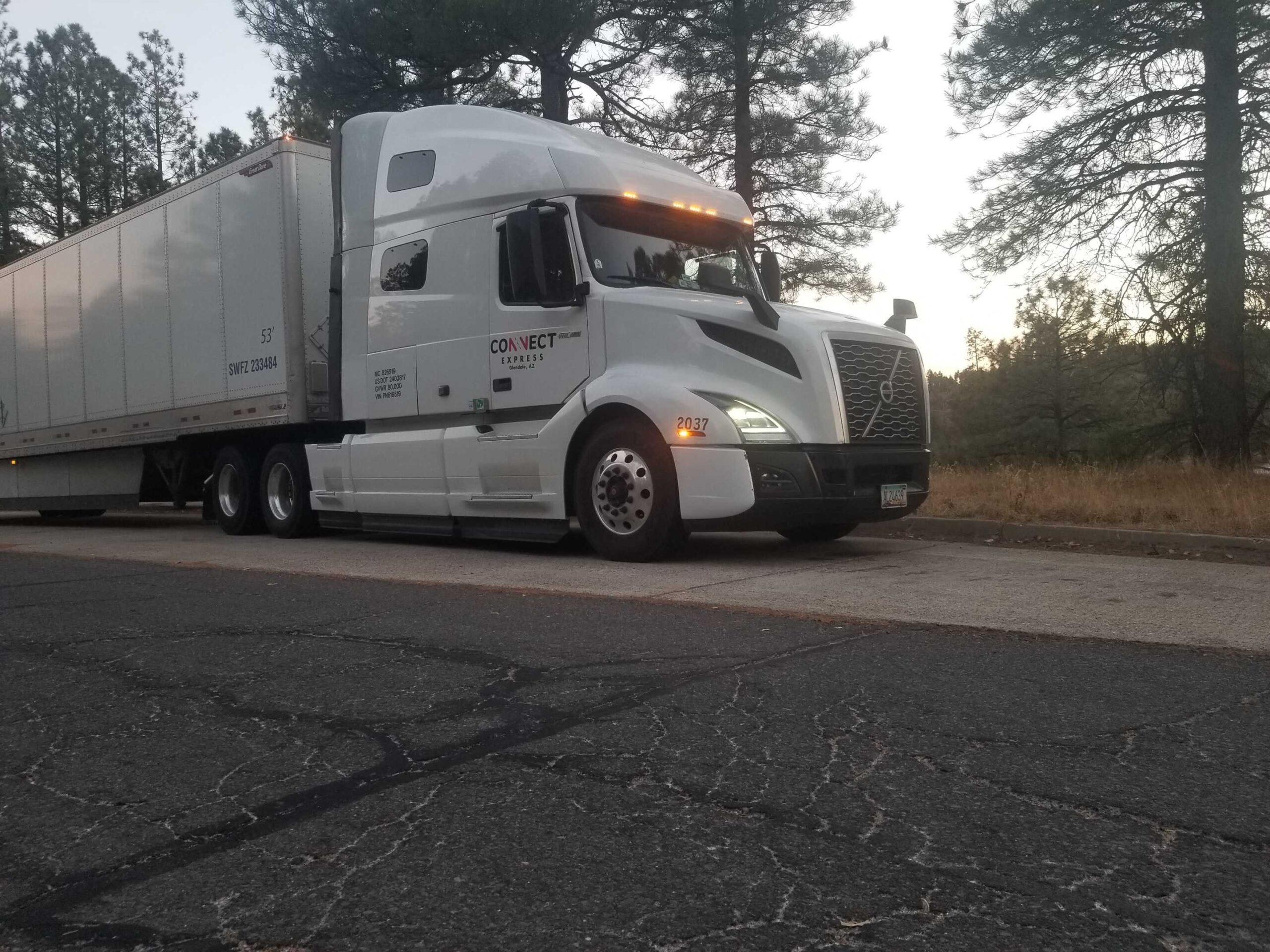
That is the standard shippers should expect from a carrier running refrigerated freight. At ConnectExpress LLC, that is how we look at it – real trucks, real drivers, and no excuses when a perishable load is on the schedule.
Perishable freight does not need hype. It needs execution. If the load matters, every step before delivery matters too.
Need capacity on this type of freight? Connect Express LLC provides asset-based refrigerated transportation across the Southwest and nationwide.
Request a truckload quote: Contact Connect Express or call (844) 474-8963.