
Freight Management Best Practices That Strengthen Supply Chains
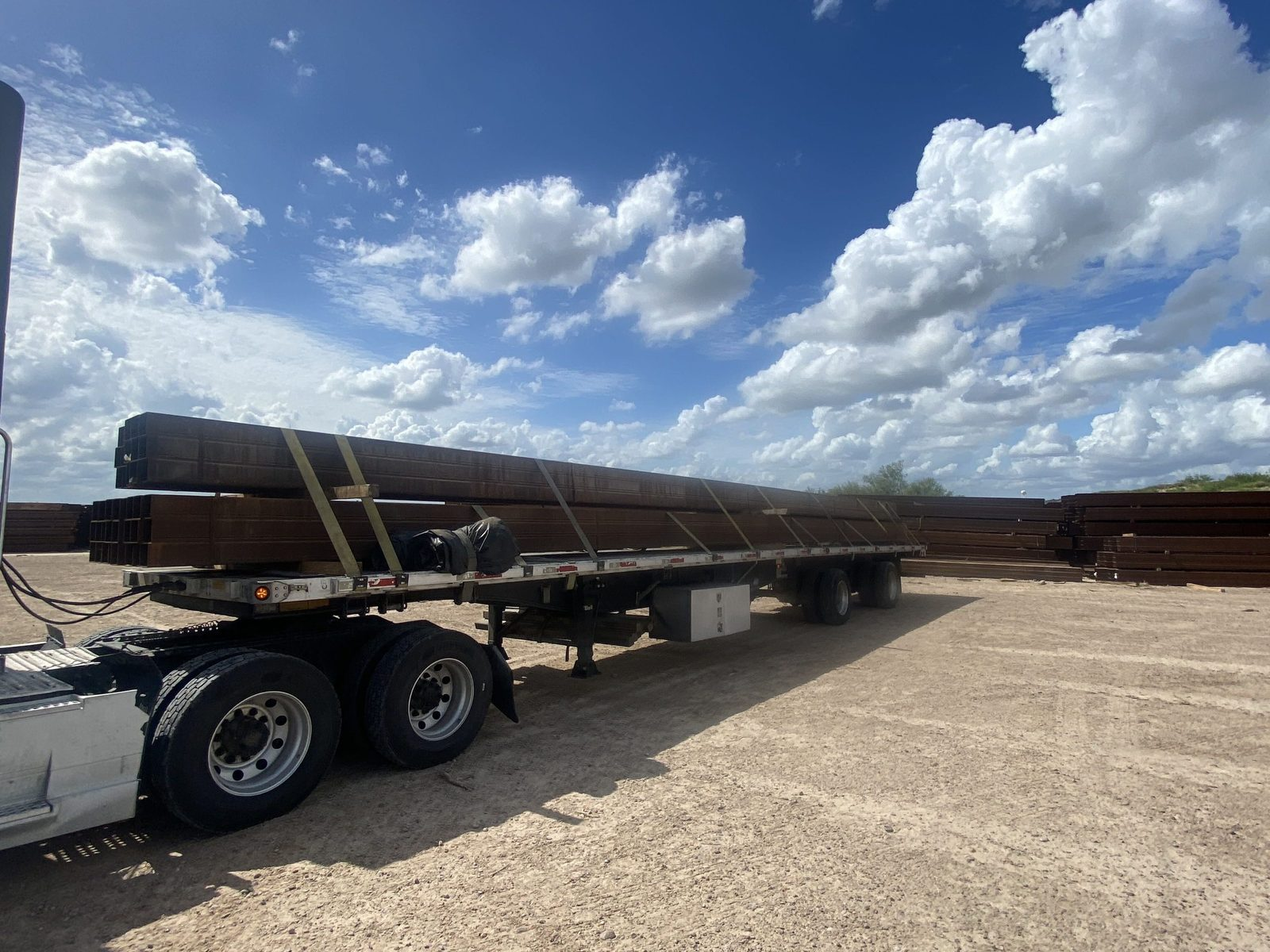
As the owner of Connect Express LLC, I’ve seen firsthand how effective freight management can transform a supply chain. In the flatbed trucking industry, where we specialize in transporting oversized cargo like steel beams and construction equipment, managing freight efficiently is about more than moving goods—it’s about ensuring safety, reducing costs, and meeting client expectations. Over the years, we’ve refined several best practices that have made us a leader in the industry. Here, I share 10 strategies that I believe are essential for any trucking company aiming to excel in freight management.
Updated October 28, 2026: added a carrier vetting checklist with current federal insurance minimums and a note on FMCSA’s Motus registration transition, plus new Q&A.
Best Practice 1: Leveraging Technology
Technology is the foundation of our freight management strategy at Connect Express LLC. We use advanced Transportation Management Systems (TMS) and Electronic Logging Devices (ELDs) to automate load planning, ensure compliance with Hours of Service (HOS) regulations, and provide real-time shipment visibility. GPS tracking enables quick decision-making, enhancing efficiency and safety. These tools help us reduce costs and deliver reliable service. Learn about our technology integration.
Best Practice 2: Route Optimization
Flatbed trucking requires navigating complex road restrictions, such as low bridges and weight limits. We rely on sophisticated routing software to plan efficient, compliant routes, minimizing fuel consumption and delivery times. This is critical for overdimensional transport and ensures timely deliveries for clients. Explore our logistics solutions.
Best Practice 3: Load Management
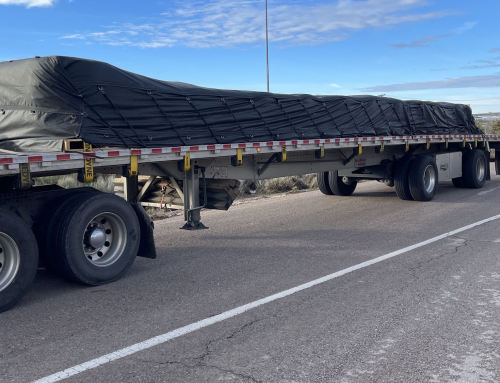
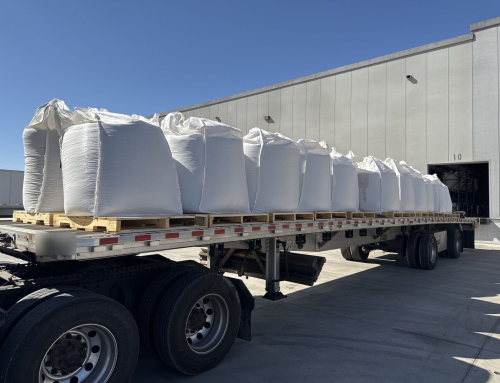
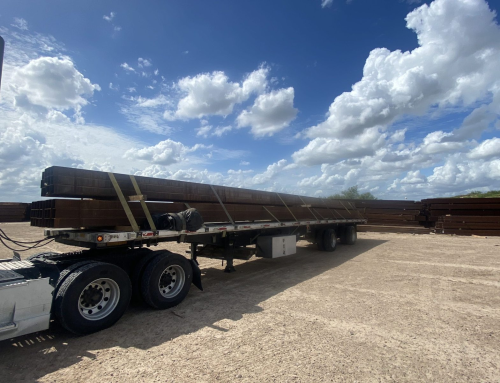
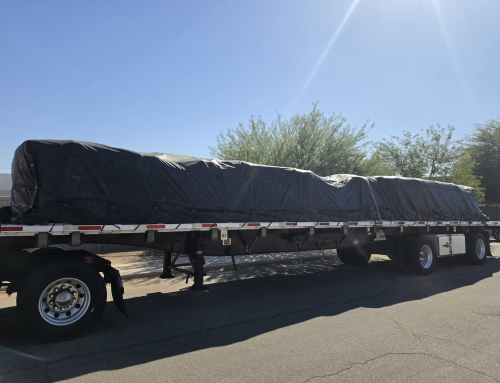
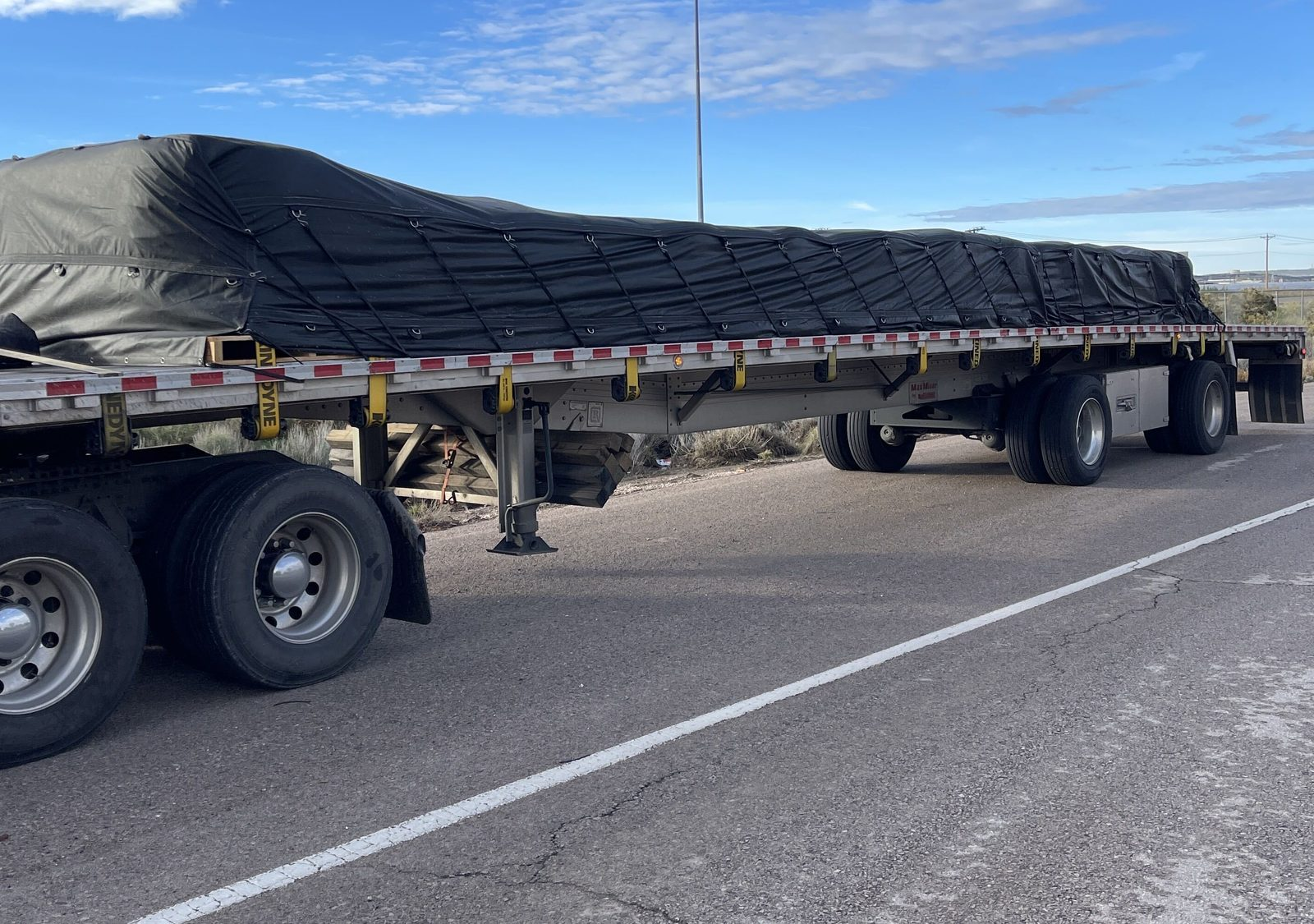
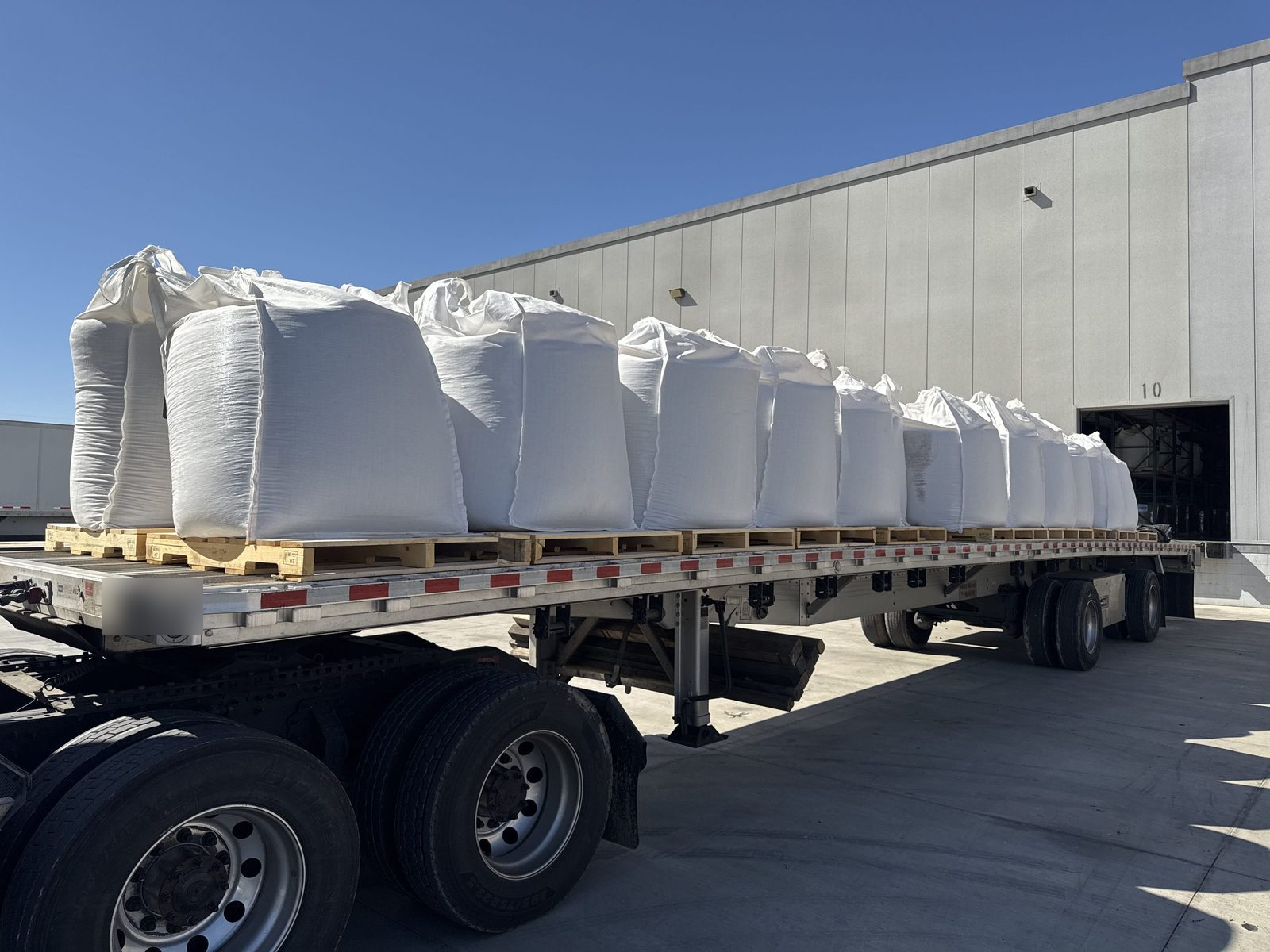
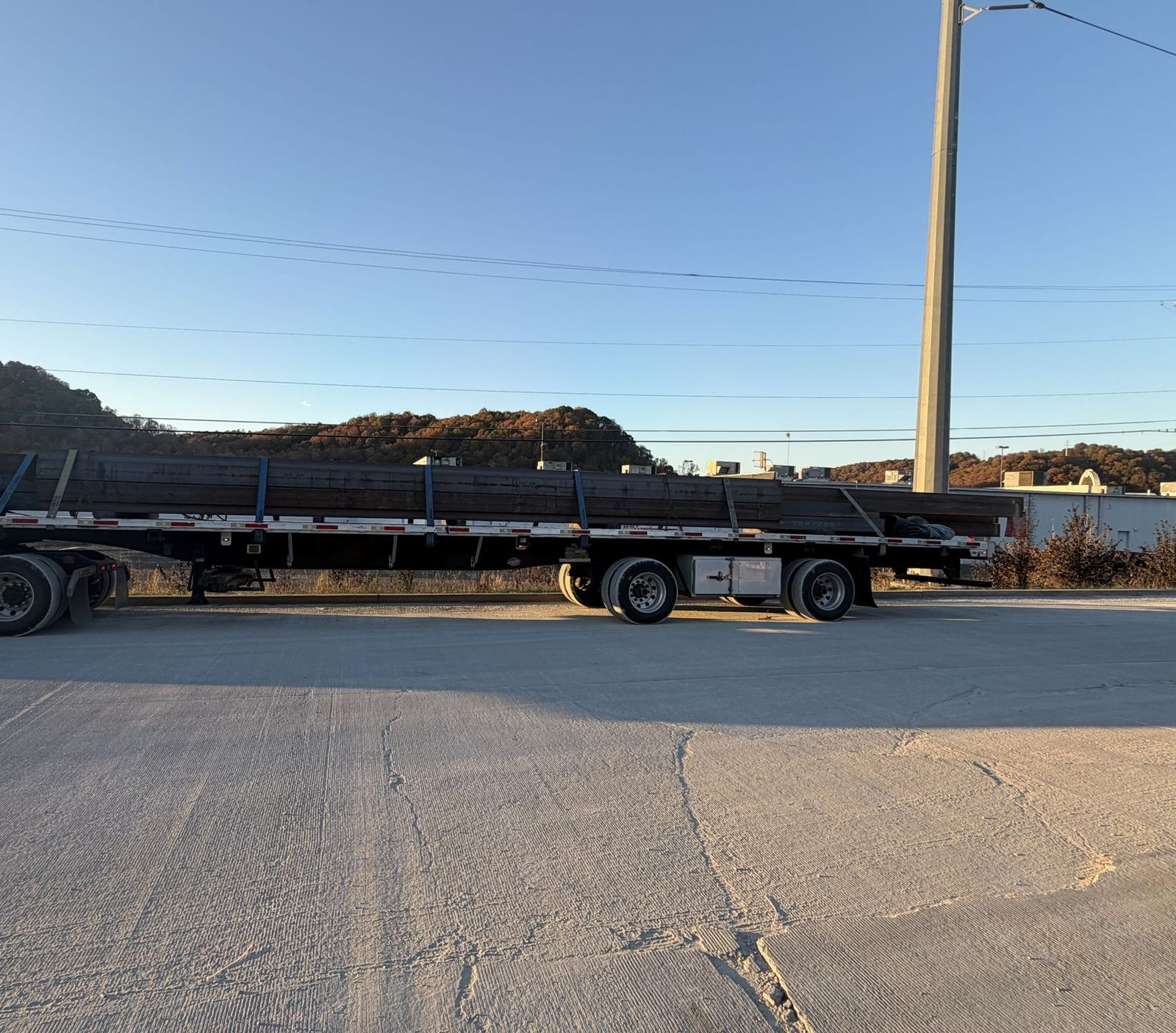
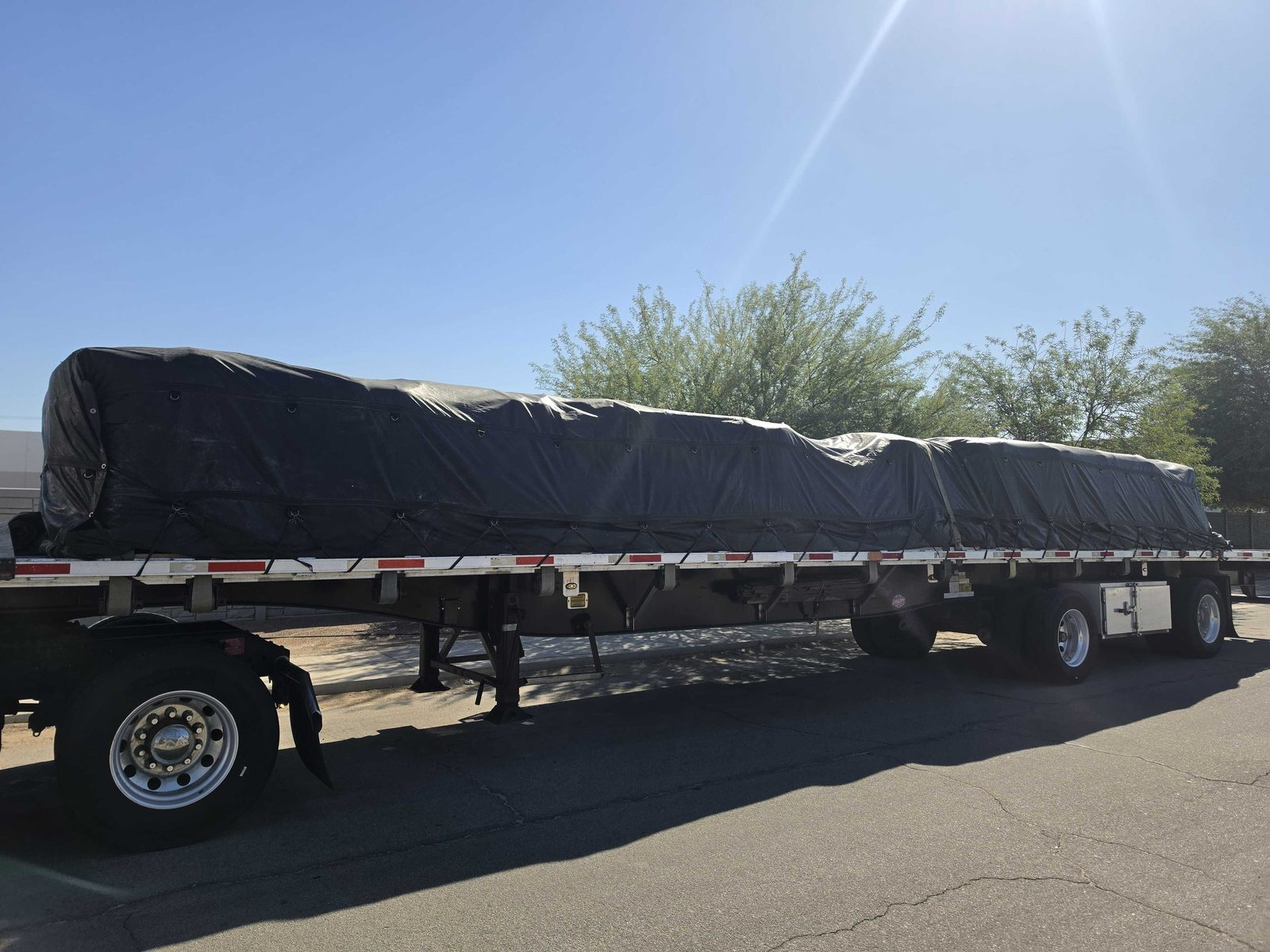
Proper load management is vital in flatbed trucking. Our team is trained to secure oversized loads using chains, straps, and tarps, preventing accidents and delays. This ensures compliance with safety regulations and protects our clients’ cargo. Check out our tips for securing cargo.
Best Practice 4: Collaboration and Communication
Freight management thrives on strong partnerships. We prioritize clear communication with suppliers, carriers, and customers, providing real-time updates on shipment statuses. This collaborative approach ensures smooth operations and builds trust. Contact us to experience our commitment to communication.

Best Practice 5: Continuous Improvement
The logistics industry is dynamic, and we stay ahead by regularly reviewing our processes and adopting new technologies. This commitment to continuous improvement keeps us competitive and responsive to client needs. Discover our dedication to excellence.
Best Practice 6: Safety and Compliance
Safety is our top priority. We adhere to all regulations, from obtaining oversize permits to maintaining our fleet and training drivers. This prevents delays and fines while ensuring safety. Learn about our safety certifications.
Best Practice 7: Sustainability
Sustainability is increasingly important in logistics. We reduce our environmental impact by optimizing routes and using fuel-efficient vehicles, appealing to eco-conscious clients. These practices also lower costs. See how we contribute to a greener supply chain.
Best Practice 8: Customer Service
Exceptional customer service sets us apart. We offer tailored solutions and responsive support to meet each client’s unique needs, fostering long-term relationships. Experience our customer-centric approach.
Best Practice 9: Training and Development
Our drivers and staff are our greatest assets. We invest in ongoing training to ensure they excel in handling flatbed trucking complexities, improving service and efficiency. Join our team and grow with us.
Best Practice 10: Inventory Optimization
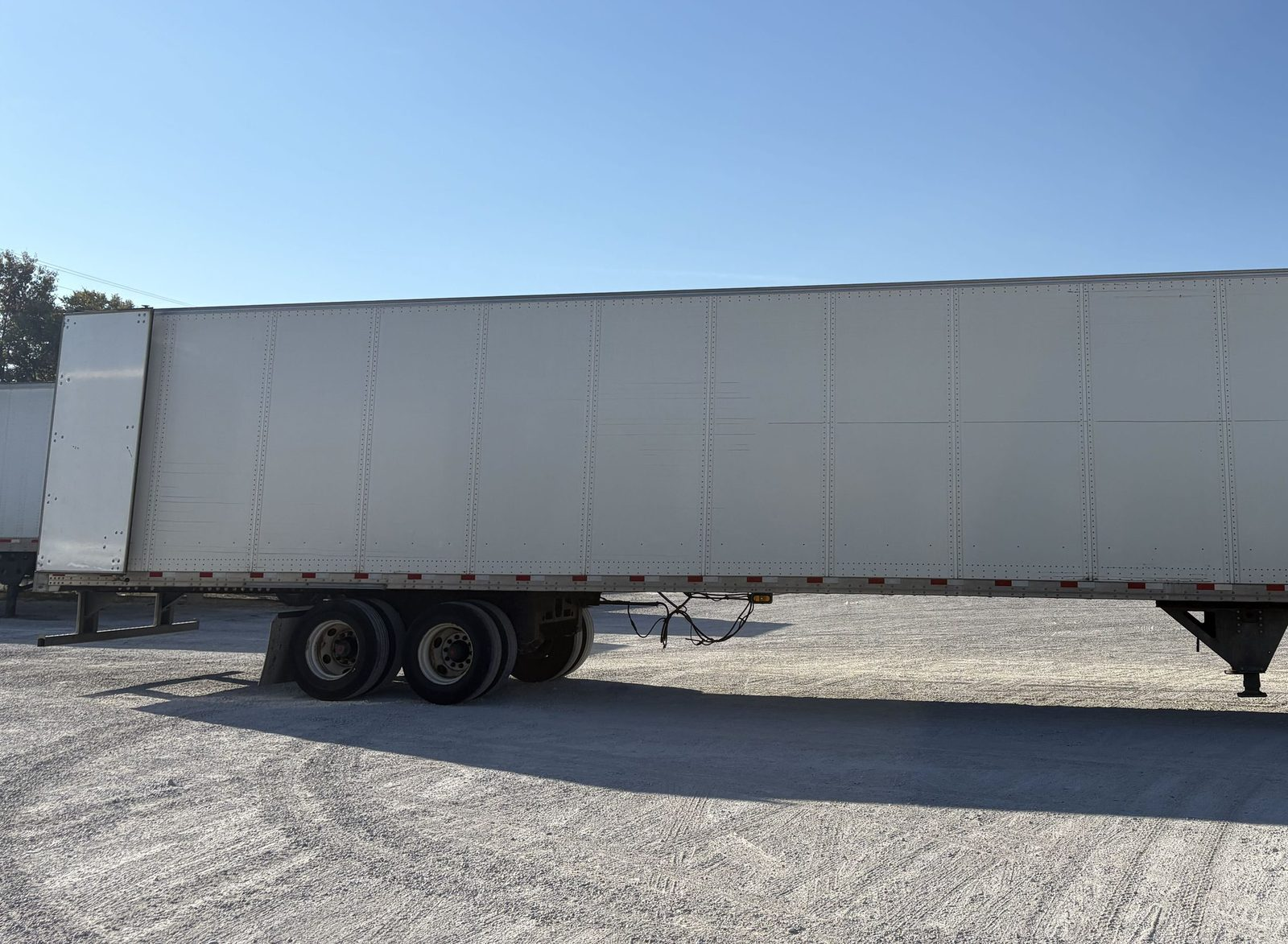
Maintaining optimal inventory levels of flatbed and dry van trailers, tarps, and securement devices ensures seamless operations. Our advanced inventory systems keep us prepared for diverse shipments, preventing delays. Learn about our logistics solutions.

Vetting Carriers: A Freight Management Checklist
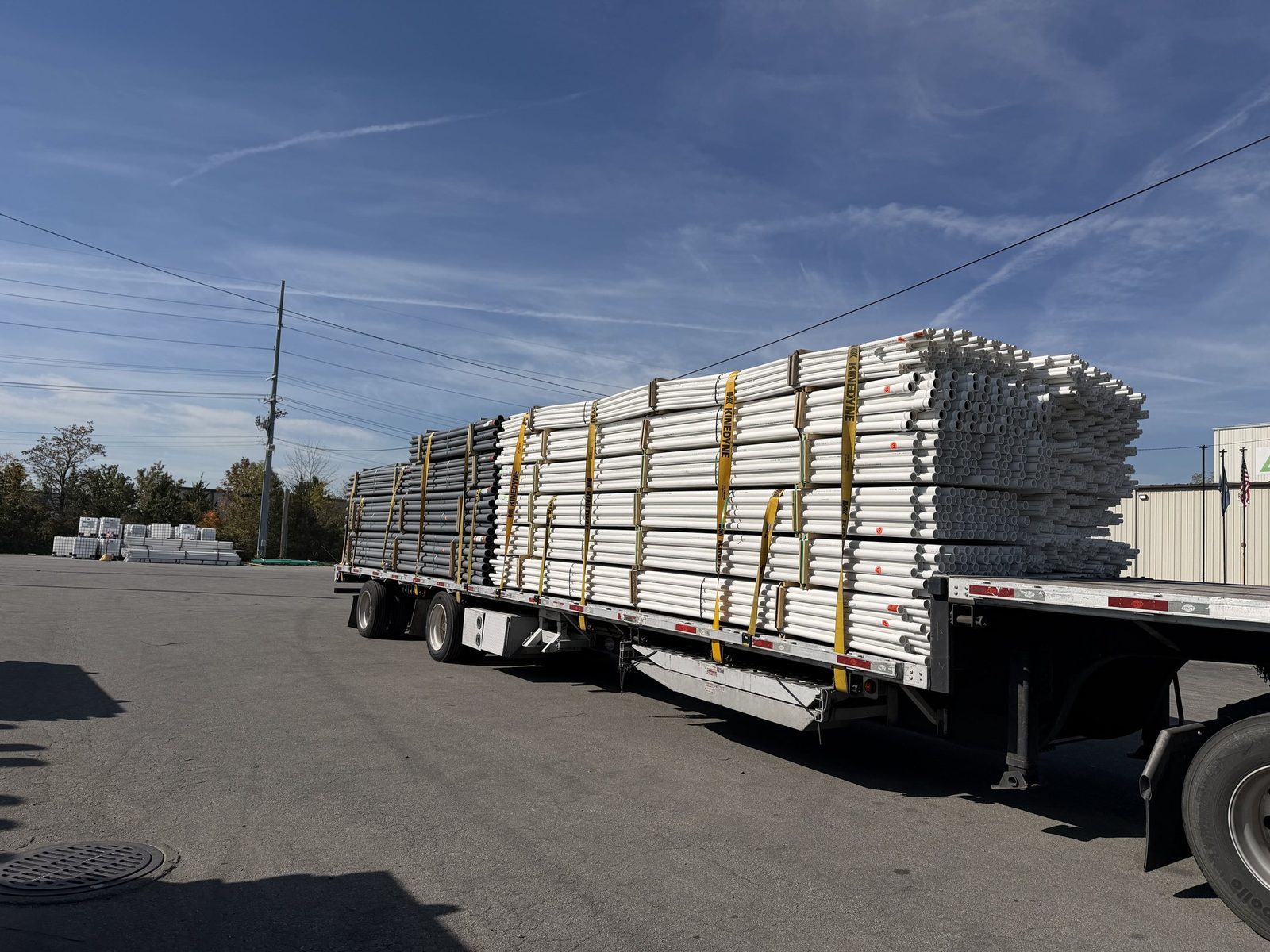
Good freight management starts before the load is tendered. Every carrier in your network should pass the same basic checks:
- Operating authority and USDOT status: Look the carrier up on FMCSA’s SAFER Company Snapshot and confirm the legal name and address match the paperwork you received.
- Insurance at or above the federal minimum: Under 49 CFR 387.9, for-hire interstate carriers hauling nonhazardous property in vehicles of 10,001 pounds or more must carry at least $750,000 in public liability coverage. Ask for a certificate of insurance sent directly by the carrier’s agent.
- Carrier or broker: Know whether you are booking the company that runs the trucks or an intermediary. Our guide to asset carriers vs. brokers explains why it matters.
- Safety record: Review inspection and out-of-service history, not only registration. Our carrier safety compliance guide walks through what to check.
One timely note: FMCSA moved USDOT registration to its new Motus system in May 2026 and, according to its registration page, has temporarily suspended enforcement of biennial updates and the inactivation of USDOT numbers for missed updates. While that pause lasts, an older census update date on a carrier’s record is not by itself a red flag, so lean on insurance, authority and safety checks.
Conclusion
Effective freight management requires a strategic blend of technology, route optimization, load management, and collaboration. At Connect Express LLC, we’ve embraced these practices to deliver reliable, safe, and cost-effective flatbed transportation solutions. Whether you’re a shipper seeking dependable transport or a driver exploring CDL driver jobs, we’re here to exceed your expectations. You can also explore how third-party logistics partnerships support supply chain goals. Partner with us today.
Q&A: Effective Freight Management in Supply Chains
- What is freight management in supply chains?
Freight management involves planning, executing, and optimizing the movement of goods to ensure timely, cost-effective delivery. - Why is technology important in freight management?
Technology automates processes, ensures compliance, and provides real-time visibility, enhancing efficiency and safety. - How does route optimization benefit flatbed trucking?
It reduces fuel costs and delivery times by navigating road restrictions and ensuring regulatory compliance. - What role does load management play in freight management?
Proper load securing prevents accidents, damage, and delays, ensuring safe and timely deliveries. - Why is collaboration important in freight management?
Strong partnerships and clear communication ensure timely pickups, deliveries, and updates, boosting efficiency. - How does continuous improvement contribute to freight management?
Regularly reviewing processes and adopting new technologies keeps companies competitive and responsive. - What are the safety considerations in freight management?
Adhering to regulations and maintaining high safety standards prevents fines, delays, and accidents. - How does sustainability impact freight management?
Eco-friendly practices reduce costs and appeal to environmentally conscious clients, supporting long-term success. - What is the importance of customer service in freight management?
Exceptional customer service builds trust and loyalty, differentiating companies in a competitive market. - How does training and development benefit freight management?
Investing in staff ensures expertise and professionalism, leading to better service and efficiency.
What insurance should a freight carrier have?
For-hire interstate carriers hauling nonhazardous property in vehicles of 10,001 pounds or more must carry at least $750,000 in public liability coverage under 49 CFR 387.9. Many shippers also ask about cargo coverage limits for their freight.
Where can I check a carrier’s USDOT record?
FMCSA’s SAFER Company Snapshot shows a carrier’s registration, operating status and inspection summary.
Citations
- Complete Guide to Freight Management by Sheer Logistics
- 10 Freight Management Best Practices for Supply Chain Excellence
- 15 Supply Chain Best Practices to Adopt in 2025 by NetSuite
- Freight Management Tips to Ensure Smooth Operations by BR Williams
- Best Practices for Supply Chain and Logistics Management by AiristaFlow
- Supply Chain Best Practices for Better Logistics by Ware2Go
- Supply Chain Management Strategies and Best Practices by IMD
- 6 Supply Chain Management Best Practices with Maximum Impact
- 5 Key Aspects of Efficient Management in Logistics by MaxTrans USA
- 11 Essential Supply Chain Management Best Practices by Taulia