Refrigerated Trucking
A load can be on the dock, wrapped, labeled, and ready to go – and still end up late. Usually the delay starts earlier, when pickup times are too tight, load details are incomplete, or nobody catches a problem until the driver is already losing hours. If you want to know how to reduce freight delays, start there. Most late freight is not one big failure. It is a series of small misses that stack up fast.
Shippers feel it first. Production schedules get pushed. Customers start calling. Receiving appointments get missed. Then everybody spends the rest of the day chasing updates instead of moving the next load.
How to reduce freight delays before the truck arrives
The best delay prevention happens before dispatch ever assigns a driver. If the pickup window is unrealistic, the freight is not actually ready, or the commodity details are vague, the load is already at risk.
A good pickup schedule needs more than a date and time. It needs the real loading conditions. Is it live load or drop and hook? Is there a long wait at the shipper? Does the facility shut down for lunch? Does the driver need straps, load bars, edge protectors, or temperature settings before arrival? These details matter because they affect available hours, route planning, and appointment commitments on the delivery side.
This is where a lot of avoidable delays begin. A shipper may say a load is ready at 2:00 p.m., but the product is still in production until 4:30. A receiver may set a morning appointment even though the route requires overnight parking in a tight market. On paper the load works. In real operations, it does not.
The fix is simple, but it takes discipline. Build more accurate pickup windows. Give the carrier the full load details up front. If a load has special handling, say it early. If the appointment is firm, say that too. Clear information saves more time than last-minute phone calls.
Bad information causes good loads to run late
Freight delays often get blamed on traffic or weather because those are easy to point at. But bad information causes just as many problems.
Wrong weight. Wrong piece count. Wrong dimensions. Wrong commodity. Missing pickup number. In reefer freight, a bad temperature instruction can stop a truck before it leaves the yard. In flatbed, missing securement details can lead to wasted time, rework, or a safety issue nobody wants.
Every handoff creates risk. Sales tells operations one thing. Shipping tells the driver another. The BOL says something else. Now dispatch is trying to sort out facts while the clock keeps running.
If you want to reduce delays, tighten the handoff. One version of the load details. One confirmed contact for shipping. One confirmed contact for receiving. One clear set of instructions that matches the paperwork. That sounds basic because it is. Basic does not mean easy. It means necessary.
The details that matter most
Some load details create more delay than others. Weight and dimensions matter because they affect routing, equipment selection, and legal movement. Commodity matters because it affects handling and sometimes driver requirements. Pickup and delivery contacts matter because when a driver checks in and nobody answers, time disappears fast.
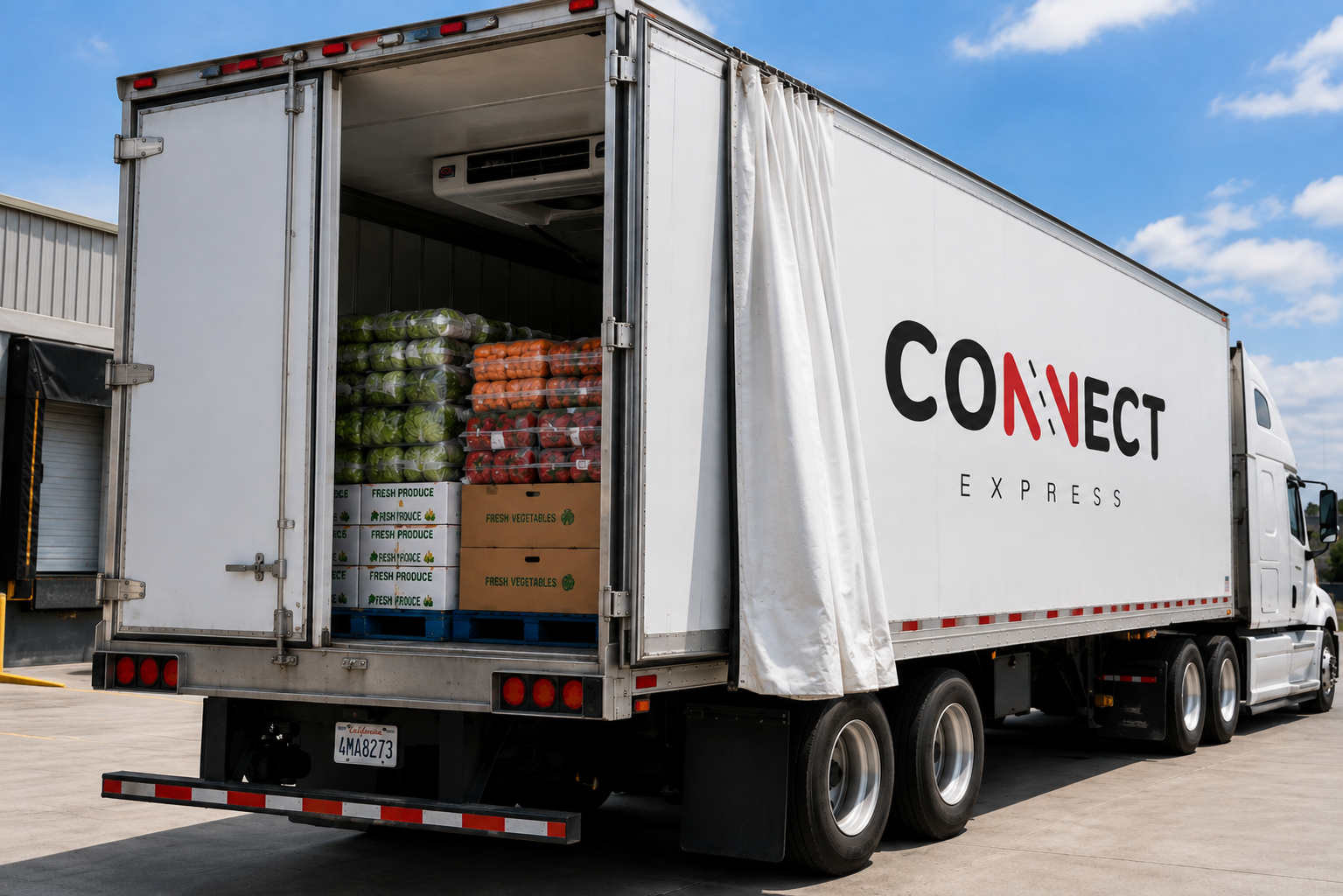
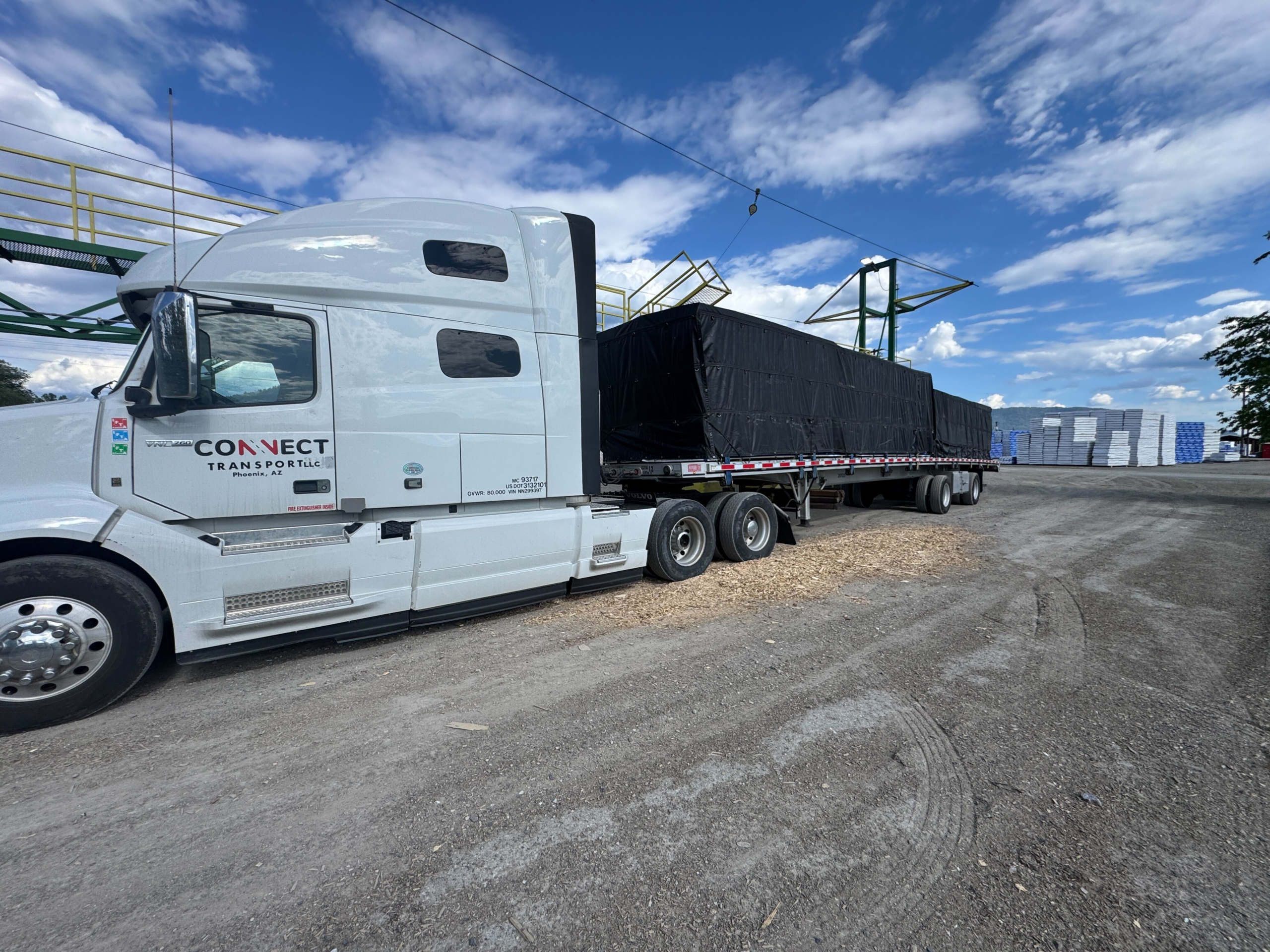
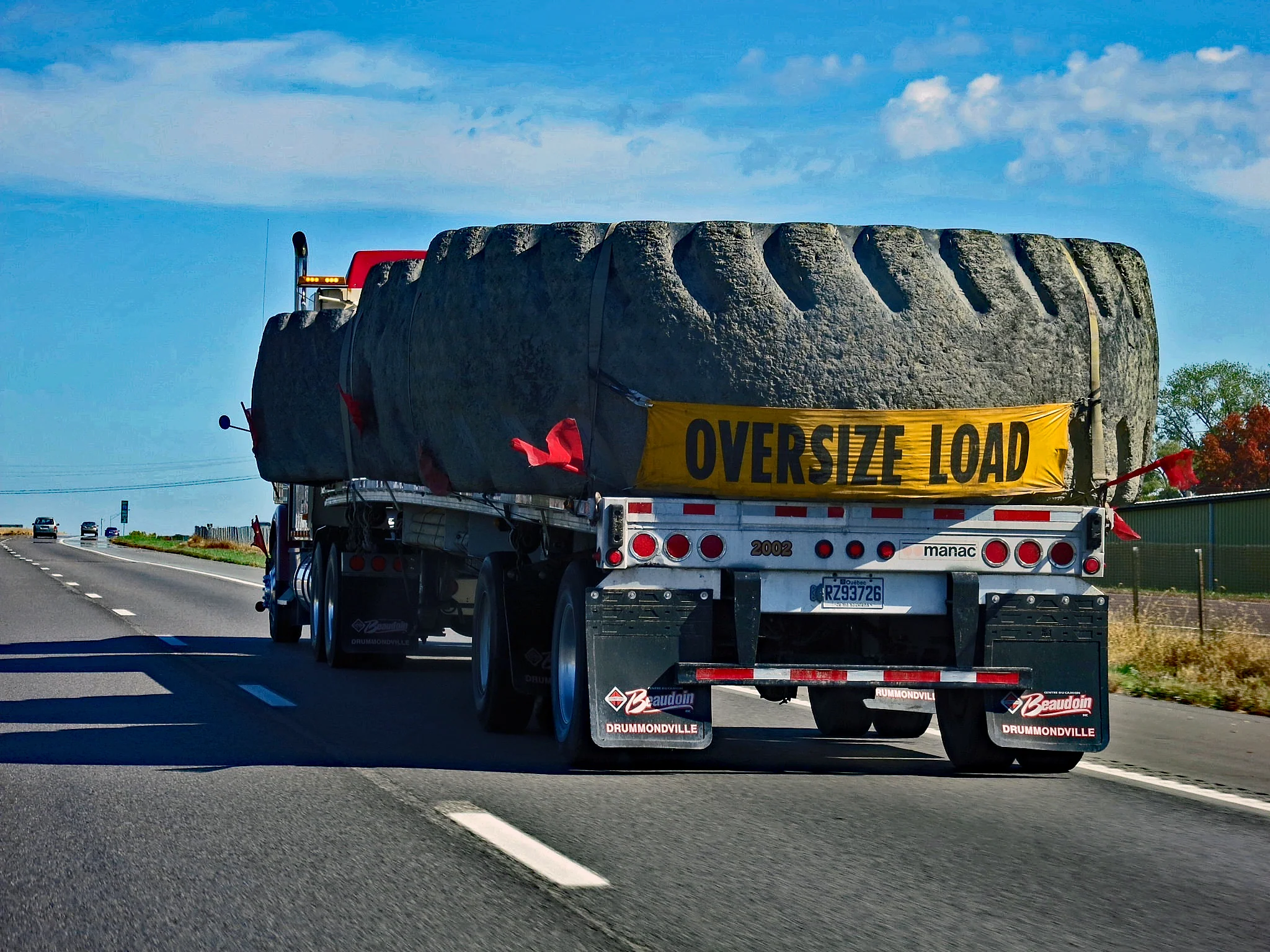
For refrigerated freight, the set point, product temp expectations, and whether the load is pre-cooled need to be confirmed before pickup. For flatbed and oversized hauling, securement requirements, permit needs, and loading method should be known before the truck rolls in. Guessing at any of this is how a load turns into a service failure.
Communication has to be real, not delayed
A lot of companies say they communicate well. What matters is whether the update comes early enough to help.
If a driver is running behind because the shipper held the truck for three hours, the receiver needs that update as soon as the delay is clear. Not after the appointment is already missed. If weather is pushing transit time off schedule, the shipper needs to know while there is still time to adjust labor, docks, or customer expectations.
Real communication is specific. The truck checked in at this time. Loading started at this time. The driver left at this time. ETA is this. Delay reason is this. Next update will come at this time. That is useful. Vague updates create more work because someone still has to call back and ask what is actually happening.
Shippers trying to figure out how to reduce freight delays should look hard at update speed. Slow communication does not just report delays. It makes them worse.
Carrier selection matters more than people want to admit
Some delays are built into the carrier choice.
A carrier with weak dispatch coverage, poor maintenance, or unreliable drivers will show it sooner or later. Maybe the truck is late to pickup. Maybe tracking goes quiet. Maybe the driver accepts the load without understanding the route, the commodity, or the appointment pressure. That is how simple freight turns complicated.
This is one reason many shippers prefer working with asset-based carriers for core lanes. When the company operates real trucks and real equipment, accountability is clearer. Dispatch knows where the truck is. Maintenance standards are more controlled. Communication is tighter because fewer parties are involved.
That does not mean every load needs the same setup. Some freight is flexible. Some is not. Dedicated lanes, time-sensitive reefer loads, and specialized flatbed moves usually need tighter control than one-off shipments with wide delivery windows. It depends on what the freight can tolerate.
From our home base in Phoenix, Arizona, we see this often on Southwest freight and longer national runs. The loads that stay on track usually have the same thing in common: the carrier was set up for the job before the wheels started turning.
Ask harder questions before tendering freight
Before you hand over a load, find out how the carrier actually operates. Who handles dispatch after hours? How quickly do they report delays? Do they run the equipment needed for this freight type every day, or only when it comes available? Can they handle detention, appointment changes, and route adjustments without everything falling apart?
You do not need a sales pitch. You need operational answers.
Facility delays are still freight delays
A truck can arrive on time and still leave late enough to miss delivery.
Long check-in lines, missing paperwork, no open dock, slow loading crews, and product not staged on time all eat into the same clock. That is why shippers who want better on-time performance have to look at warehouse operations too, not just transportation.
If the same shipping point holds trucks every afternoon, stop treating it like an exception. It is a pattern. Build around it or fix it. Move appointment times. Add labor during peak windows. Stage freight earlier. Separate fast-turn loads from shipments that need more handling.
The same goes for receivers. If delivery appointments are too tight for the actual unload process, trucks start stacking up. Then one late unloading cycle becomes five missed appointments by the end of the day.
How to reduce freight delays sometimes has nothing to do with miles on the road. Sometimes it comes down to what happens inside the gate.
Build more buffer where it counts
Nobody wants extra transit time built into every load. That is fair. Too much buffer creates waste. Too little creates failures.
The right answer depends on the lane, freight type, and delivery commitment. High-volume lanes with predictable loading times may not need much padding. First-time pickups, produce season reefer freight, mountain routes, oversize moves, and congested metro deliveries usually need more room.
The mistake is treating every load the same. A dry van shipment from a familiar shipper with flexible delivery is not the same as a refrigerated load with a strict appointment or a flatbed shipment that needs special unloading equipment. If you schedule them all with the same tolerance, some of them will break.
Good planning uses targeted buffer, not blanket buffer. Put extra time where the risk actually is.
Track the delay reasons you can control
If you never look back at why loads ran late, the same problems keep coming back under different load numbers.
You do not need a complicated system. Start with honest categories. Was the delay caused by shipper loading? Receiver unloading? Bad appointment setup? Missing information? Equipment issue? Weather? Traffic? Driver hours? Once the pattern is visible, the fix gets easier.
This also helps with internal accountability. If one facility causes most of the missed pickups, that is a shipper-side issue. If one lane keeps failing because transit times are planned too tightly, that is a planning issue. If one carrier misses updates every time there is a problem, that is a service issue.
Freight runs better when people stop treating every late load like a mystery.
The goal is fewer surprises
There is no magic step that removes all freight delays. Traffic happens. Weather happens. Equipment breaks. Receivers change appointments. Real operations are messy.
But most delays can be reduced with better load details, more realistic scheduling, faster updates, and carriers that know how to execute. That is what shippers actually need – not excuses after the fact, but fewer surprises before the load turns into a problem.
If a shipment matters, build the plan like it matters. The truck has a better chance of arriving on time when everyone involved is working from the same real information.
Need capacity on this type of freight? Connect Express LLC provides asset-based logistics services across the Southwest and nationwide.
Request a truckload quote: Contact Connect Express or call 480-401-1998.