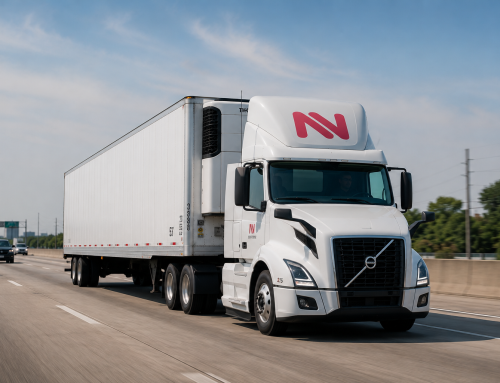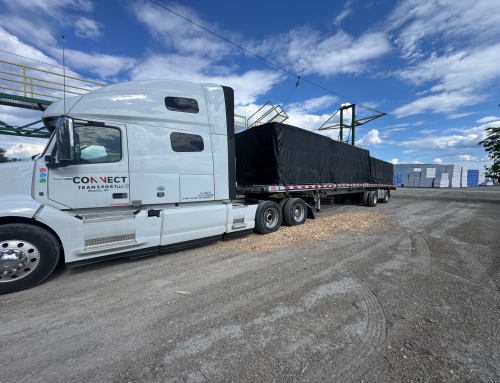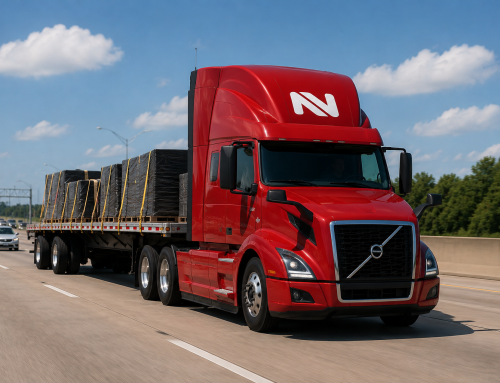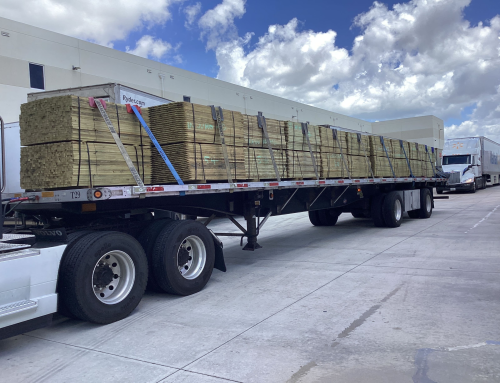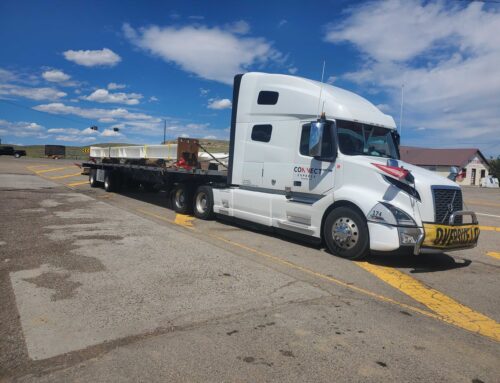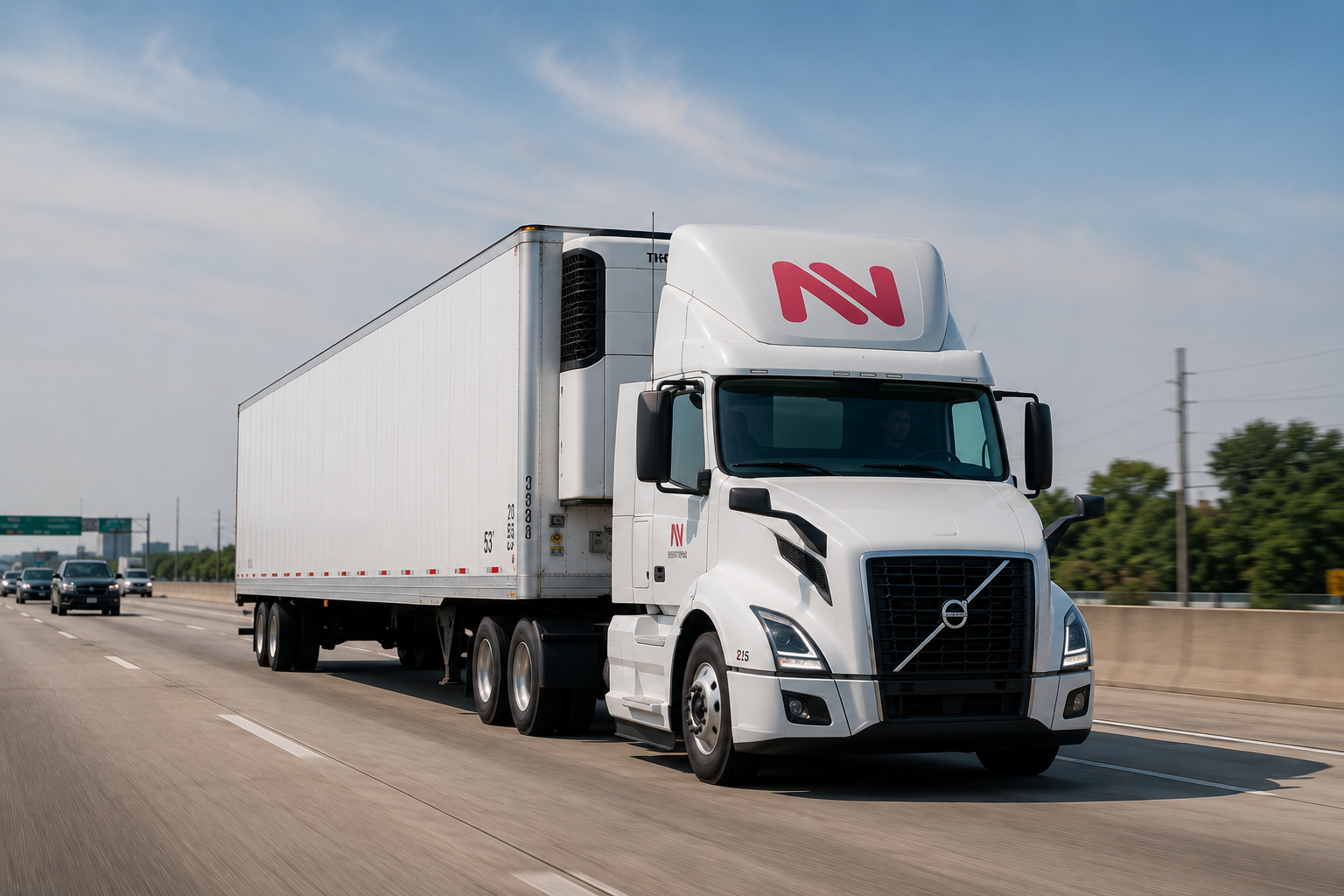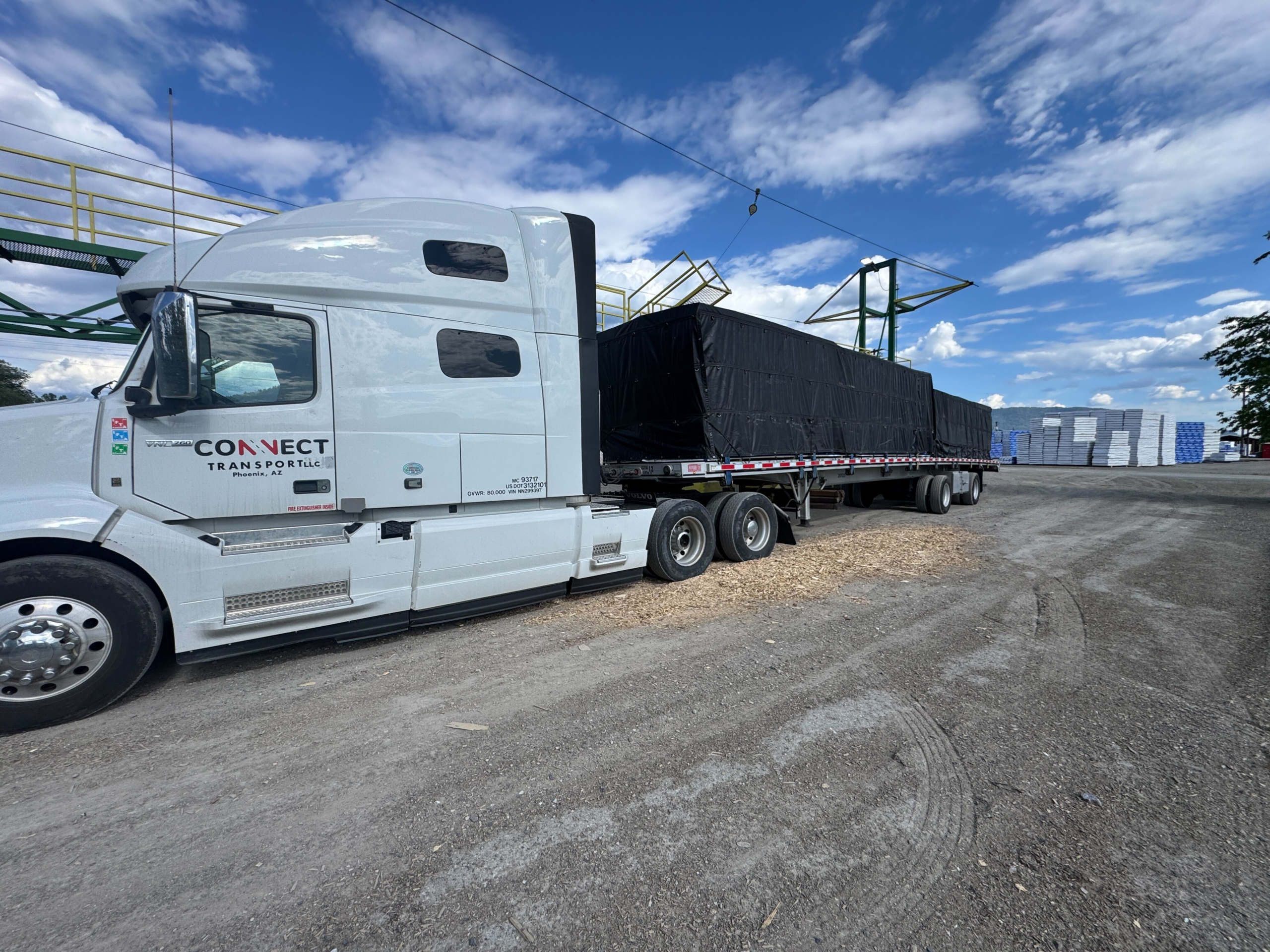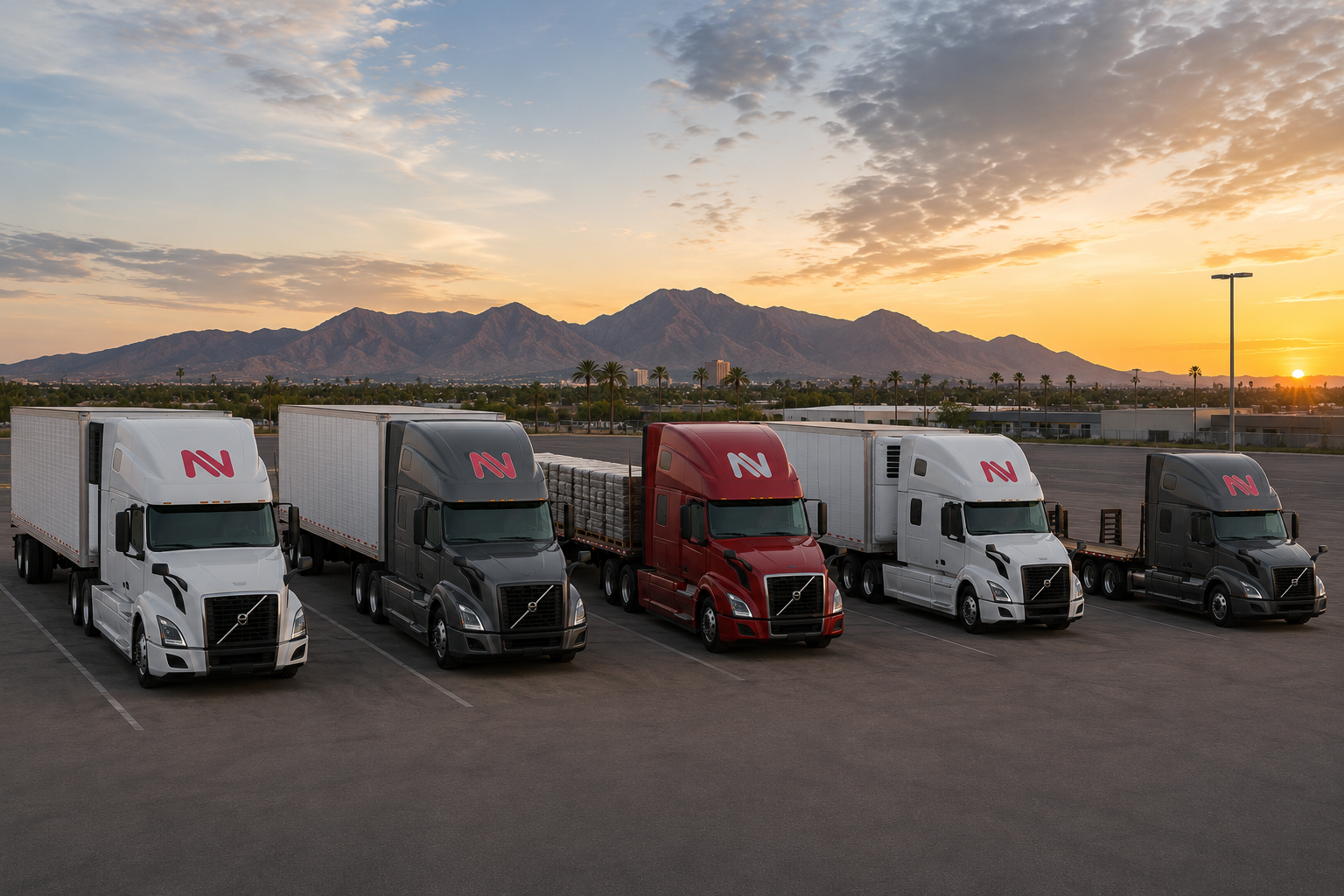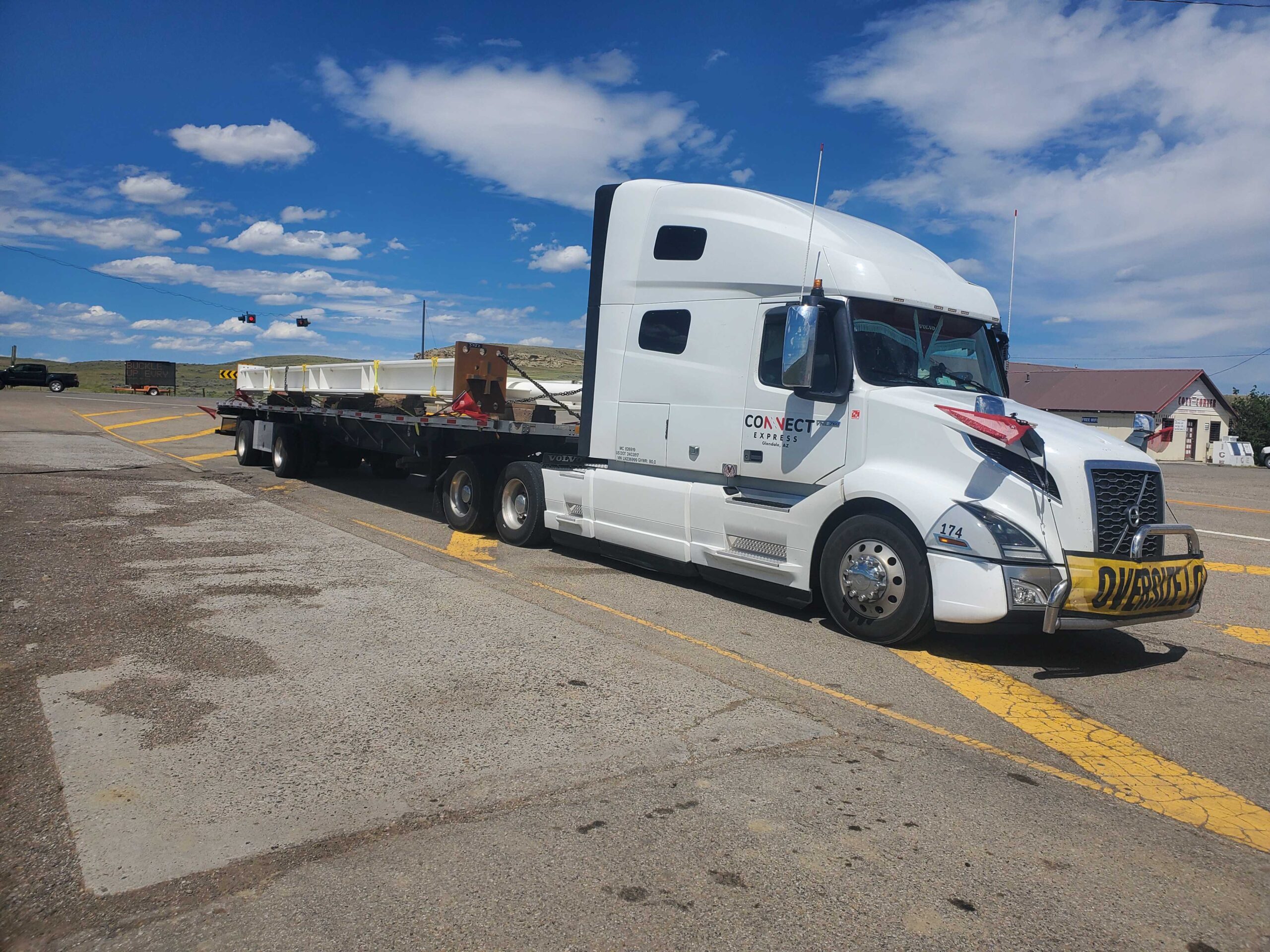
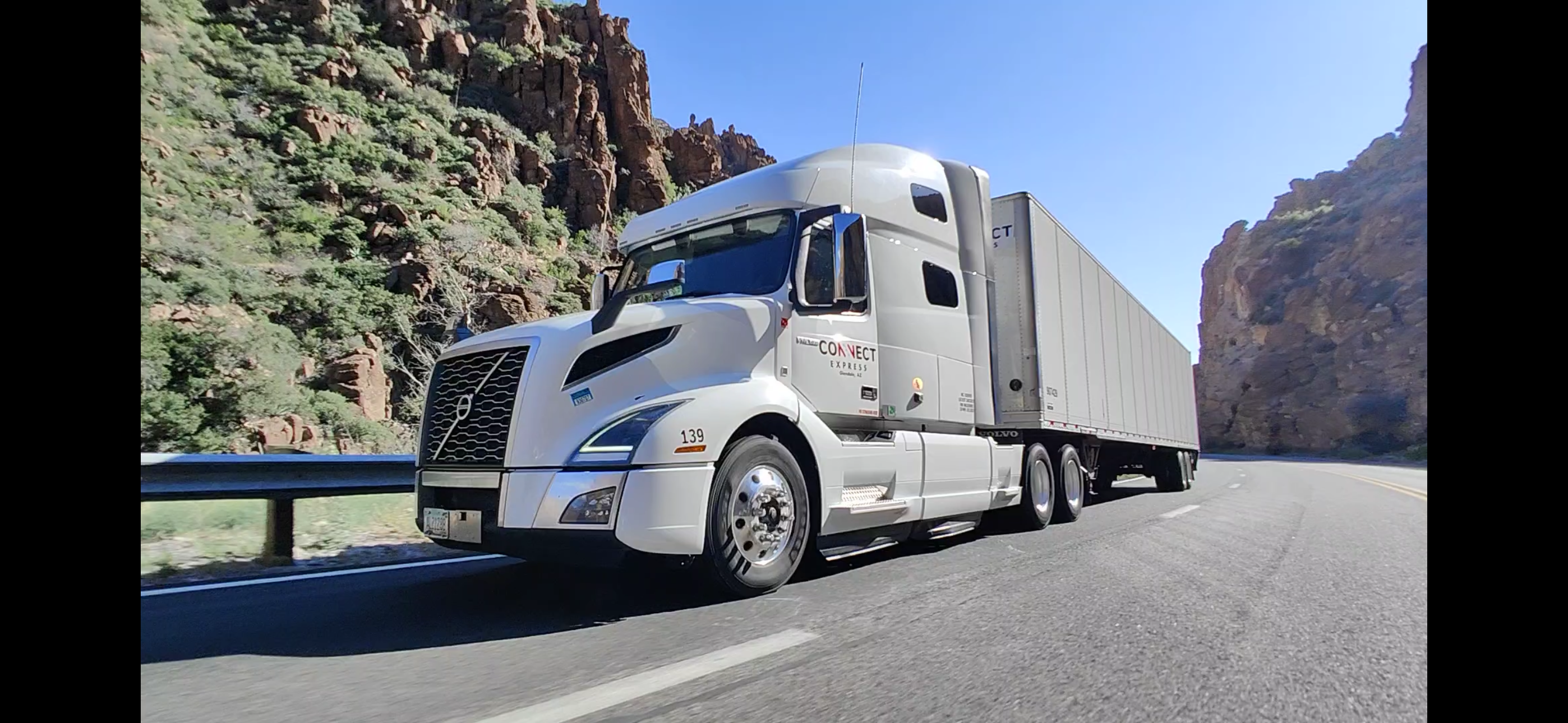
A late reefer truck does more than miss an appointment. It can shorten shelf life, back up a dock, and turn a routine shipment into a claims problem. If you are looking for an arizona refrigerated carrier, the real question is not who has a truck open today. It is who can hold temperature, hit pickup windows, and keep you informed without chasing them for updates.
Refrigerated freight leaves no room for loose execution. Produce, dairy, frozen goods, meat, beverages, and temperature-sensitive ingredients all move on a clock. In Arizona, that pressure is even higher. Heat, long outbound miles, and tight receiving schedules make reefer freight less forgiving than standard dry van freight.
What an Arizona refrigerated carrier is really responsible for
A reefer carrier is not just moving freight from point A to point B. The job starts before the trailer gets to your dock. Equipment has to be clean, pre-cooled when needed, and ready for the exact commodity being loaded. Temperature settings have to match the shipping instructions, not guesswork.
After loading, execution matters every mile. The driver has to monitor the reefer unit, protect the product in transit, and stay on schedule. Dispatch has to know where the load is and communicate clearly if anything changes. That sounds basic, but in refrigerated shipping, basic is what keeps freight from going bad.
Some shipments are straightforward. A sealed load with one pickup and one receiver is easier to manage. Others are not. Multi-stop loads, mixed temperatures, strict appointment times, and live unload delays all add risk. A good carrier knows the difference and plans accordingly.
Why Arizona reefer freight needs tighter planning
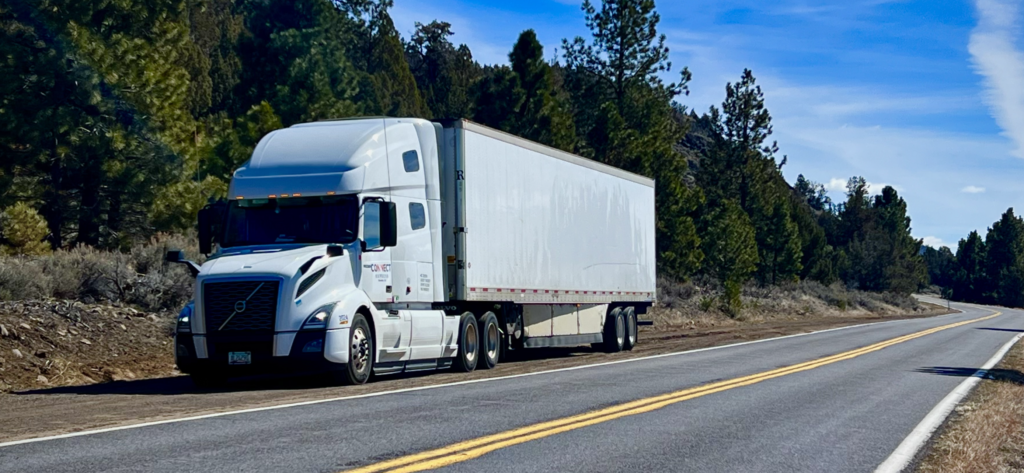
Arizona is a strong shipping point for food and beverage freight, especially with Phoenix as a hub for Southwest distribution. Loads moving out of the state often run into California, Nevada, New Mexico, Texas, Utah, and Colorado before heading farther across the country. That means reefer shipments often start in extreme heat and then run long miles with no room for mistakes.
That changes how a carrier should operate. Trailer condition matters more. Pre-trip inspections matter more. Fuel planning matters more. So does route planning. If a reefer unit has an issue in the middle of a hot stretch, the driver and dispatch team need a real plan, not a delayed response.
It also means pickup timing matters. Product loaded warm does not become safe just because it is sitting in a refrigerated trailer. The trailer is there to maintain temperature, not fix loading problems. Shippers know this already, but carriers need to work from the same understanding.
What shippers should ask an Arizona refrigerated carrier
You do not need a sales pitch. You need straight answers.
Ask how they handle temperature checks and reefer set points. Ask whether the trailer will be pre-cooled if your product requires it. Ask how updates are handled once the truck is loaded. Ask what happens if a receiver pushes an appointment or if the driver gets held at the dock.
You should also ask about equipment and operations, not just availability. Are they using company equipment they actually control, or are they passing the load around? Are the drivers used to reefer freight, or are they just covering it when dry van is slow? Refrigerated freight is not the place for improvising.
The right answers are usually simple. We checked the trailer. We set the temperature to shipper specs. We confirmed the appointment. We know where the truck is. We will update you if anything changes. That is what good service sounds like.
Equipment matters, but so does discipline
Shippers often focus on the reefer unit itself, and that is fair. A bad unit can ruin a load. But a good unit with poor operating habits can still create trouble. Refrigerated freight depends on process.
That means the trailer has to be washout-ready when required. Door openings need to be controlled. Drivers need to avoid unnecessary stops that affect timing. Dispatch needs to pay attention to dwell time and service hours before they become a problem. None of this is complicated, but all of it matters.
A dependable arizona refrigerated carrier treats reefer loads like they can go wrong fast, because they can. That mindset changes how the load is handled from dispatch to delivery.
Communication is part of temperature control
Most shipping problems do not start with one big failure. They start with silence. A truck is late to pickup. No one says why. A receiver changes the appointment. No one passes it along. A reefer alert shows up. No one tells the shipper until the load is already in trouble.
That is why communication matters just as much as equipment. If you are managing outbound or inbound refrigerated freight, you should not have to keep calling for basic status. You need real updates, not vague check-ins.
Good reefer communication is specific. Loaded at this time. Running at this temperature. Driver is on schedule. Receiver delayed until this window. Those details let the shipper make decisions early instead of reacting late.
For freight managers and logistics coordinators, this is where trust is built. Not from polished language. From clear updates and no guessing where your load is.
The trade-offs with reefer capacity
Every shipper wants consistent capacity. The hard part is that refrigerated capacity gets tight fast when produce seasons shift, weather changes, or major lanes heat up. In those moments, a carrier has to choose between covering too much freight poorly or covering the right freight well.
That is where it depends on the operation. Some carriers chase volume. Others stay disciplined and only commit to what they can actually service. Shippers usually feel the difference right away.
If your freight is seasonal, urgent, or tied to strict receiving windows, consistency usually matters more than chasing the lowest option or the fastest promise. A missed pickup on reefer freight does not stay small for long. It affects inventory, appointments, and customer confidence downstream.
A carrier that gives you realistic timing and then executes is worth more than one that says yes to everything and starts making excuses later.
Arizona refrigerated carrier service for different freight types
Not every reefer load moves the same way. Fresh produce may need ventilation settings and tighter handling around load timing. Frozen freight usually demands strict temperature maintenance and less tolerance for delay. Dairy and beverage freight can be heavy, appointment-driven, and sensitive to receiver requirements.
Then there are loads that are temperature-controlled but not food grade. Ingredients, packaging, floral products, and certain industrial goods can still require careful reefer service. The risk profile is different, but the need for clean equipment, consistent temperature, and reliable communication stays the same.
That is why the best refrigerated carriers do not treat all reefer freight like one category. They ask what is being loaded, how it should ride, and what the receiver expects. That is not extra service. That is basic operation.
What good reefer service looks like on a normal day
On a normal day, good service is quiet. The truck arrives on time. The trailer is ready. The load is secured and set correctly. Transit updates come through without the shipper asking. The receiver gets the shipment when expected. No drama.
That is the standard most shippers want. Not flashy promises. Just execution.
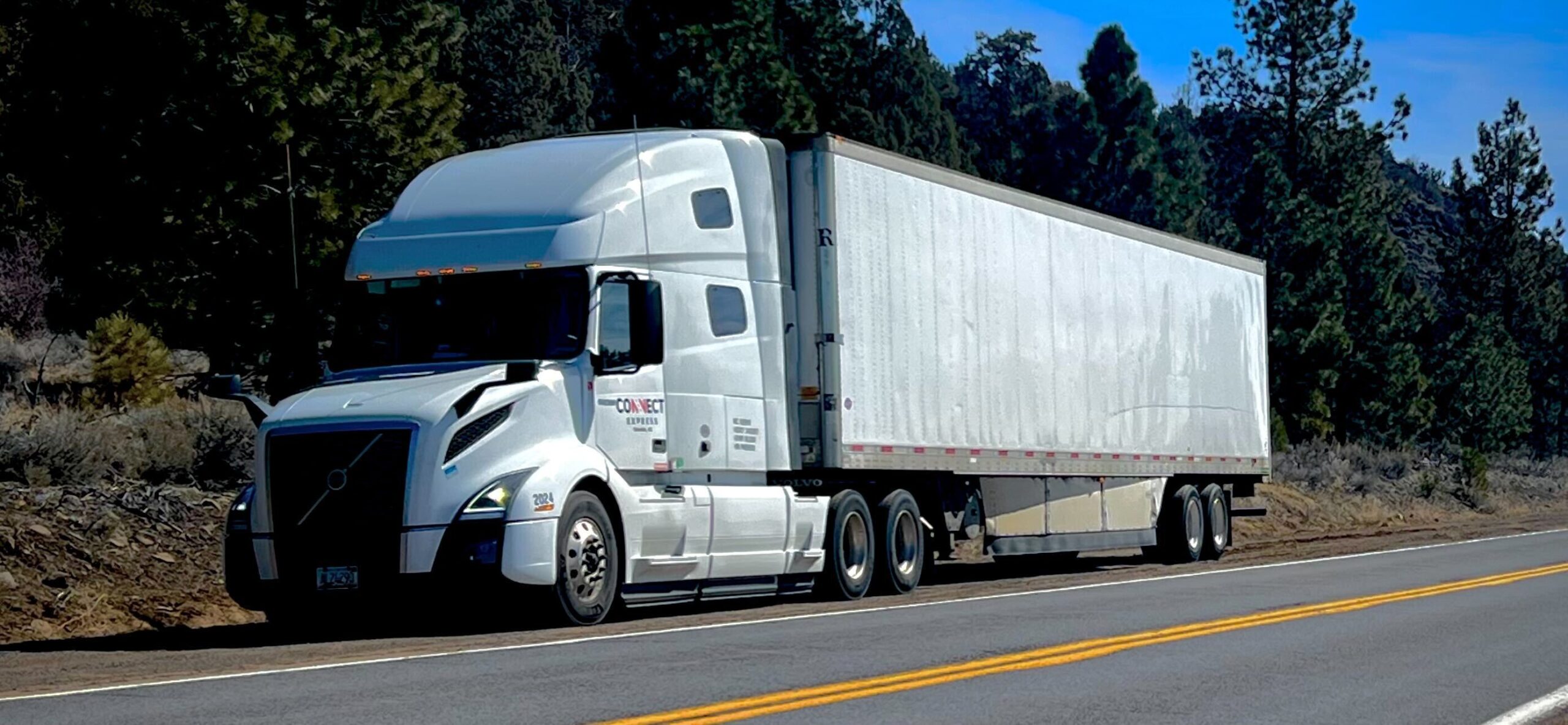
For a Phoenix-based carrier running refrigerated freight in the Southwest and beyond, that means understanding both the local pressure and the long-haul reality. Hot weather, busy warehouses, and long runs expose weak operations fast. Solid operations hold up because the basics are covered every time.
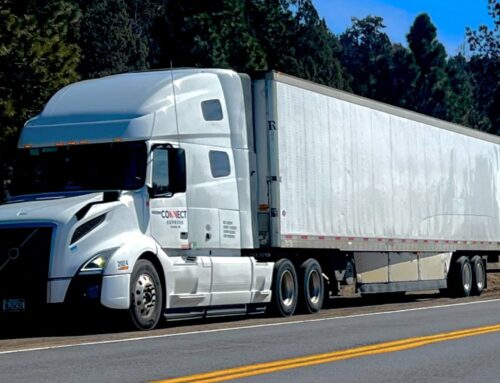
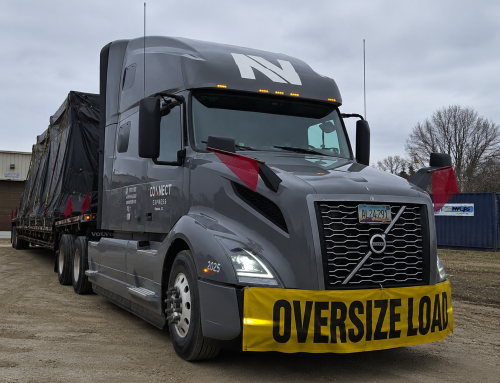
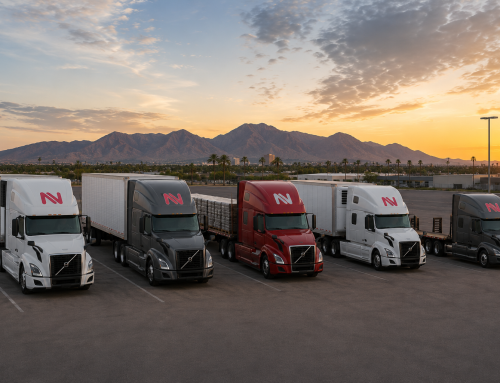
ConnectExpress LLC operates with that standard in mind. Real trucks. Real drivers. Clear communication. The goal is simple – no missed pickups, no guessing where your load is, and no excuses when timing matters.
How to judge a refrigerated carrier before the next load tenders
You can usually tell what kind of carrier you are dealing with before the first load even moves. Pay attention to how they handle details. Do they ask the right questions about commodity, temperature, pickup hours, and delivery appointments? Do they confirm instructions clearly? Do they sound like they understand reefer freight, or are they speaking in general terms?
The way a carrier handles the front end usually shows how they will handle the load once it is on the road. Tight communication up front often means tighter execution later. Loose communication up front usually gets worse under pressure.
When reefer freight is on the line, simple is best. Clear pickup plan. Correct trailer. Correct temperature. Real updates. On-time delivery.
That is what matters, whether the load is moving across Arizona or out across the country. If your product needs temperature control, choose the carrier that treats the job like there is no margin for excuses, because there usually is not.