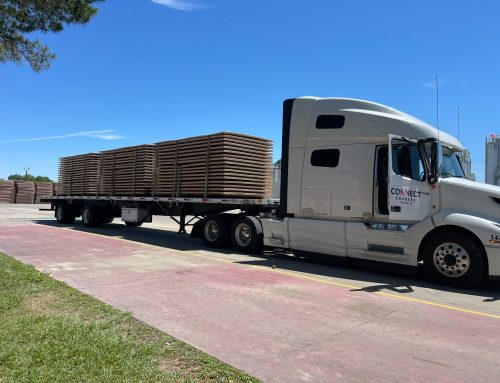
A load can be ready to roll, the trailer can be staged, the driver can be on duty, and the whole move still stops cold over one thing – permits. That is why oversize load permit support matters more than most shippers realize. If the paperwork, route, and restrictions are not lined up before dispatch, you are not moving freight. You are burning time.
For oversize freight, permit support is not an extra admin task sitting off to the side. It is part of execution. It affects pickup timing, route planning, escort requirements, travel windows, and final delivery. If any one of those pieces is off, the load can get delayed before it even hits the highway.
What oversize load permit support actually covers
At the shipper level, permit support usually gets treated as, “Did we get the permit or not?” In real operations, it is more than that. Permit support means making sure the load dimensions are correct, the trailer configuration matches the application, the route is legal for that weight and size, and all state requirements are understood before the truck moves.
That includes axle weights, overall gross weight, width, height, length, and overhang. It also includes practical details that create problems fast if ignored. Think bridge limits, road restrictions, construction zones, county rules, curfews, holiday travel limits, and escort vehicle requirements.
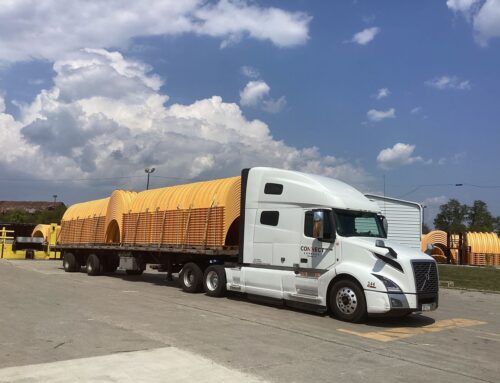
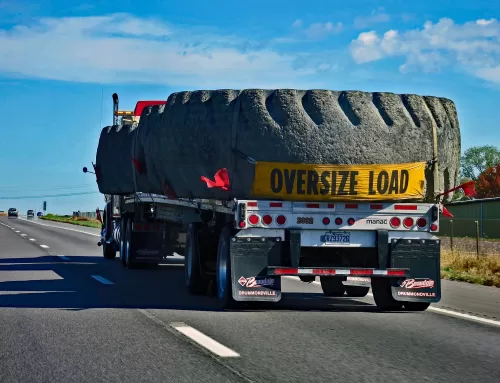
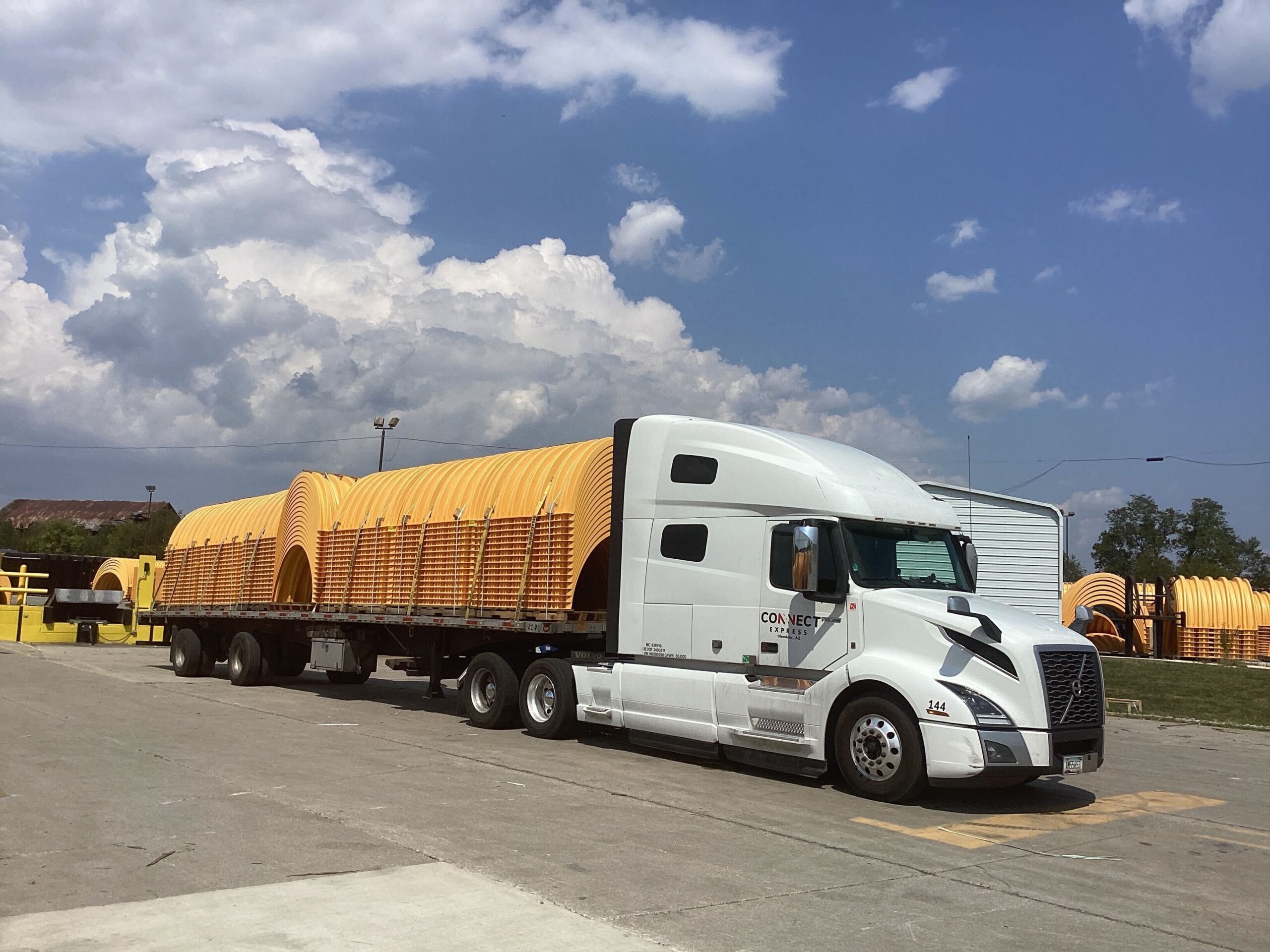
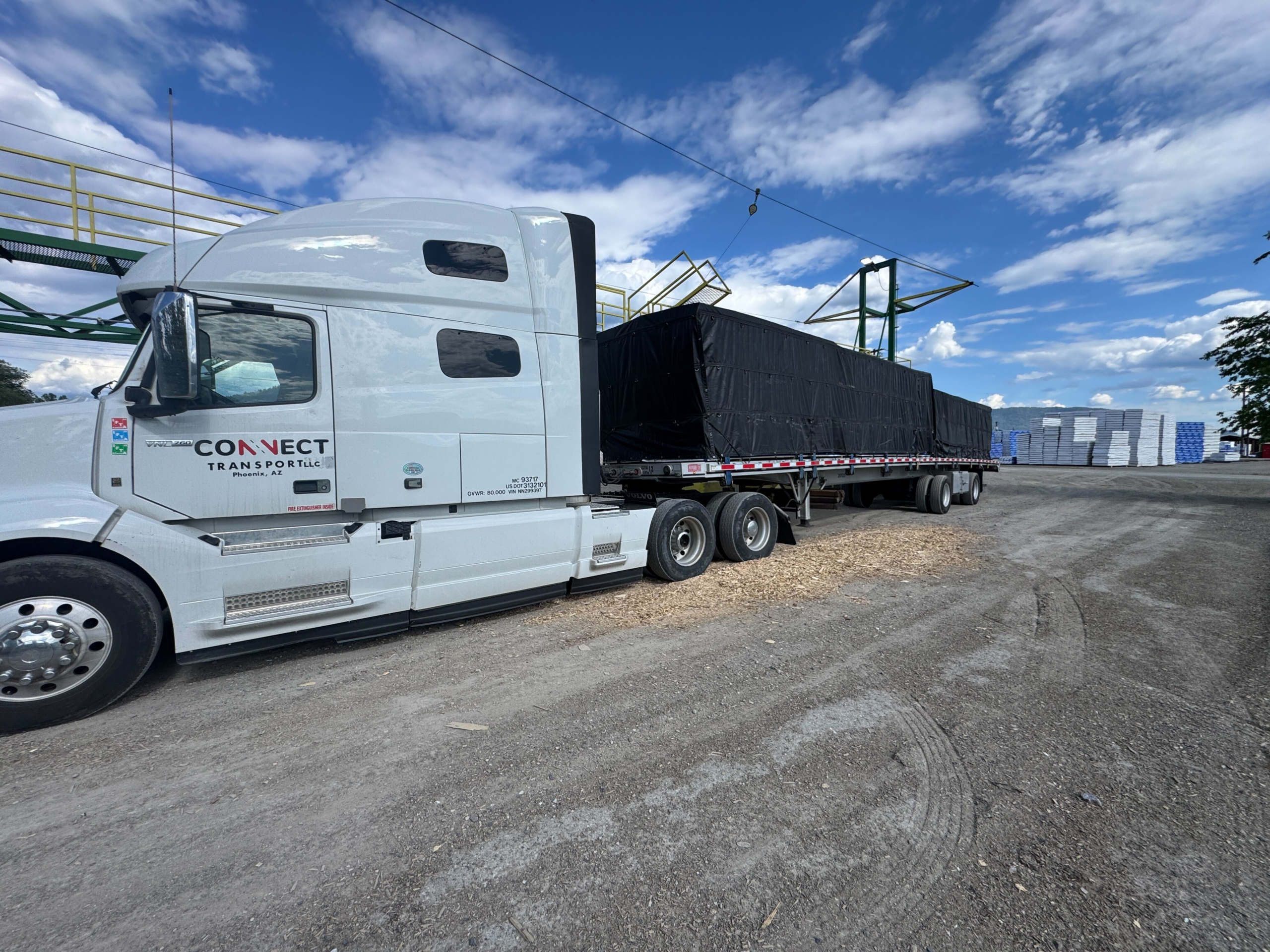
For a flatbed or heavy haul shipment, bad permit data at the start usually turns into a problem later. A wrong height can force a reroute. A missed county restriction can stop a truck mid-route. A permit that does not match the equipment can create enforcement issues. None of that helps a delivery appointment.
Why permit support affects delivery more than people think
Some delays look like traffic delays. They are not. They started in planning.
When oversize load permit support is handled right, dispatch knows when the truck can legally travel. The driver knows the route. The shipper knows if pickup has to happen on a specific day or at a specific hour. Everyone is working from the same plan.
When it is handled poorly, small mistakes stack up. The truck arrives for pickup, but the permit start date is wrong. The route is approved, but a required escort was not scheduled. The load clears at origin, then gets held because local access to the delivery site was never checked. That is how a one-day move turns into two or three.
This is especially true in the Southwest, where state lines come up fast and restrictions change from one jurisdiction to the next. A shipment leaving Phoenix, Arizona and crossing into neighboring states may need tight coordination just to stay on schedule. It is not complicated when people do the prep. It gets complicated when they do not.
Oversize load permit support starts with exact load details
Most permit problems start with bad information at the front end. Not bad intentions. Just bad measurements, rushed assumptions, or incomplete specs.
If a shipper says a machine is about 13 feet 10 inches tall on the trailer, that number needs to be right. Not close. Right. The same goes for width, weight, and how the load is positioned. A permit is only as good as the information used to request it.
That is why experienced carriers ask a lot of questions before dispatch. What are the exact dimensions? Is the listed weight shipping weight or true loaded weight? Where is the center of gravity? Can the load be reconfigured? Is the trailer type already confirmed? Has the consignee checked site access? Those questions are not red tape. They prevent failure.
For shippers, the takeaway is simple. If you want the move to go smoothly, give complete and accurate load data early. Last-minute corrections cost time. Sometimes they cost the whole original route.
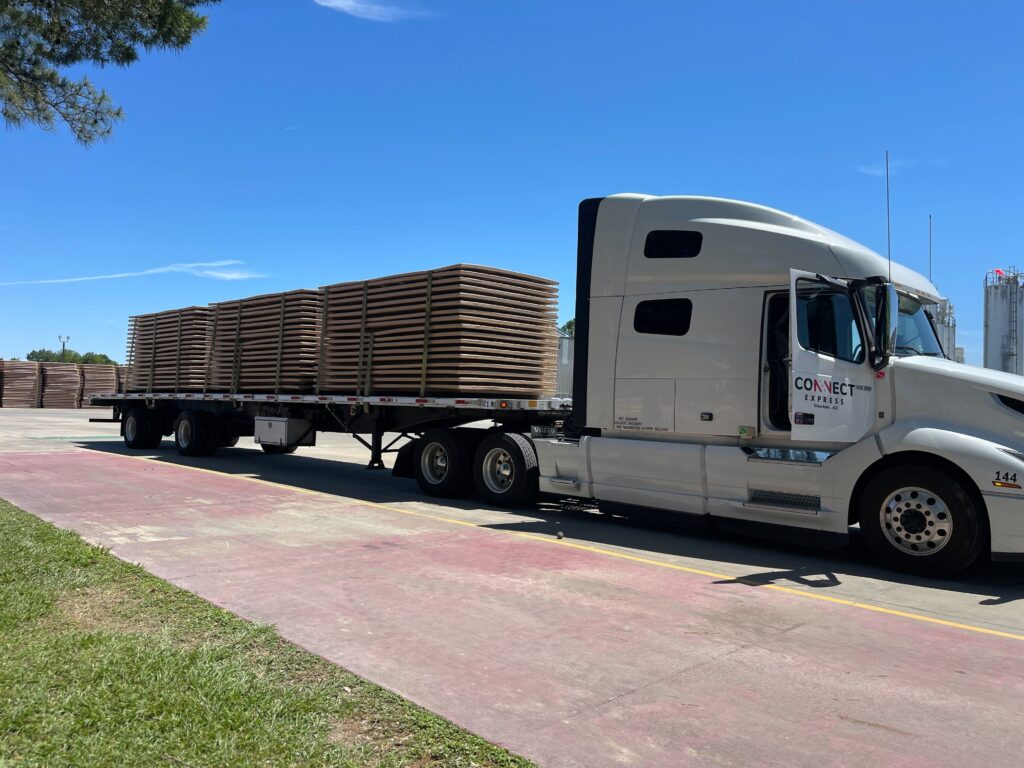
Route planning is part of permit support
A permit is not just permission to move. It is permission to move a specific load on a specific route under specific conditions.
That matters because not every legal road is legal for every oversize shipment. Height restrictions, bridge ratings, road width, and local rules all shape the route. So does the time of day. Some loads can move only during daylight. Some cannot move during rush hours. Some cannot move on weekends or holidays. Some need police escorts in certain areas and pilot cars in others.
This is where permit support either protects the schedule or wrecks it. If route planning is done after the permit request, problems show up late. If route planning is done with the permit process, the move has a real chance to stay on time.
Good planning also accounts for reality on the ground. Construction changes. Weather affects mountain routes. Urban delivery locations may have tight turns, low utility lines, or narrow gate access. A legal highway route does not automatically mean an easy final mile.
Communication matters when permits drive the schedule
Oversize freight is not the place for vague updates. If the load cannot move until sunrise, the shipper should know that. If a state permit is pending, that should be clear. If an escort requirement changes the pickup window, that needs to be communicated before a truck is sitting on site.
Freight managers do not need long explanations. They need direct answers. Is the permit approved? What is the legal route? When can the truck move? Are there any restrictions that could affect delivery?
That is what good oversize load permit support should look like. Real updates. No guessing. No pretending the load is moving when it is still waiting on paperwork. Clear communication lets the shipper adjust dock timing, labor, site readiness, and customer expectations.
This also helps drivers. A driver hauling oversize freight needs correct paperwork and a clear route, not mixed messages from three different people. The fewer surprises, the safer the move.
Where permit support usually breaks down
In most delayed oversize moves, the same weak points show up.
The first is incomplete shipment information. The second is assuming one state works like the next. The third is waiting too long to start the permit process. And the fourth is treating permits like a back-office task instead of an operating requirement.
There is also the issue of delivery-site planning. A load can be fully permitted and still fail at the end if nobody checked access roads, turning radius, overhead clearance, or unloading conditions. That is not a permit office mistake. That is an execution mistake.
Another common problem is equipment mismatch. If the permit is built around one trailer setup and the load ends up on another, the permit may no longer be valid. That creates risk fast. On oversize shipments, equipment decisions and permit decisions have to stay tied together.
What shippers should expect from a carrier
A carrier handling oversize freight should not act like permit support is somebody else’s problem. If they are moving the load, they need to understand how permits affect route, timing, safety, and communication.
That does not mean every move looks the same. Some shipments are straightforward. Others need multiple permits, escorts, restricted travel windows, and close coordination with pickup and delivery sites. It depends on the size, weight, route, and states involved.
What should stay consistent is the operating standard. The carrier should ask for exact specs. They should verify equipment. They should communicate permit status clearly. They should flag route concerns early. And they should be honest about timing.
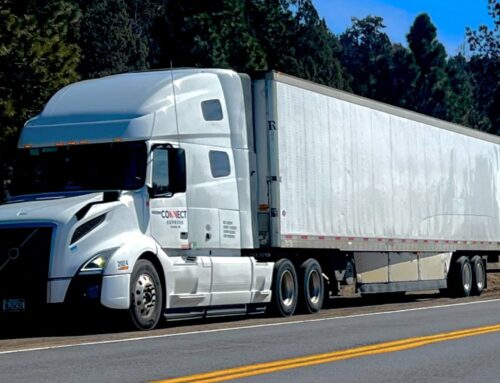
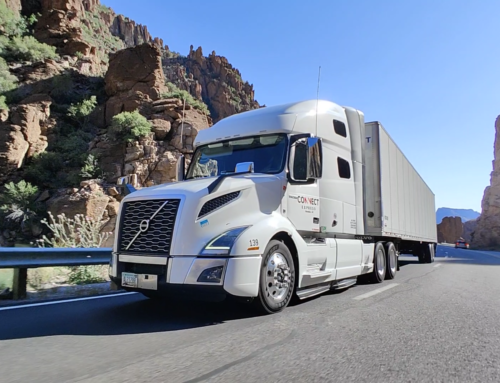
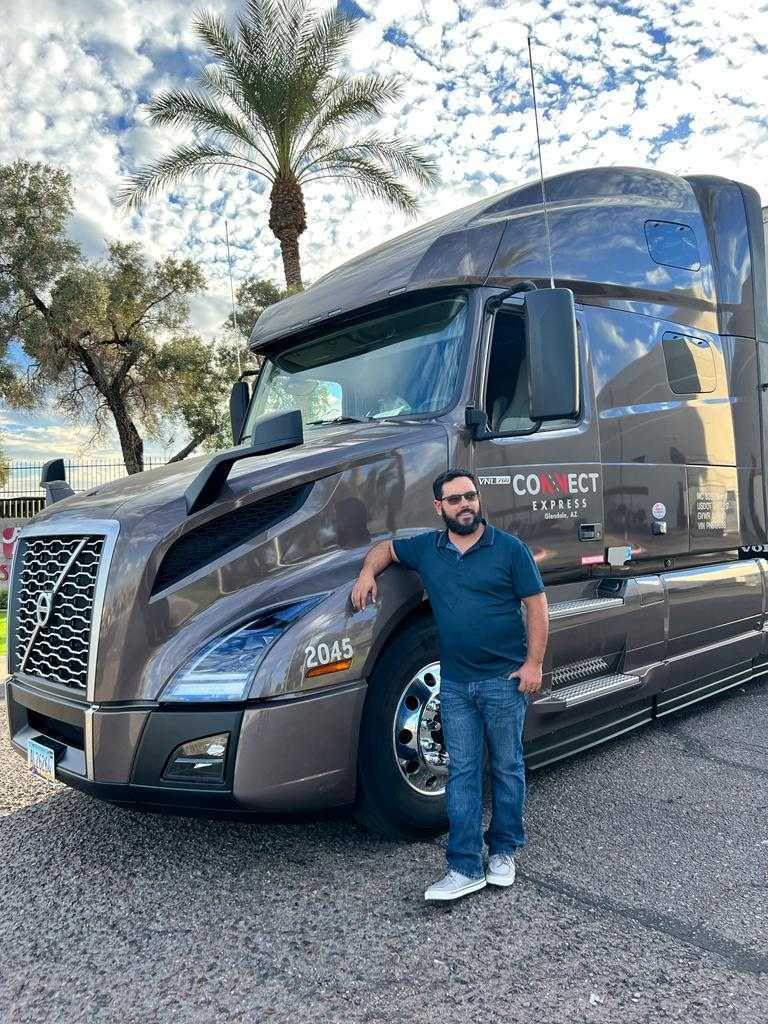
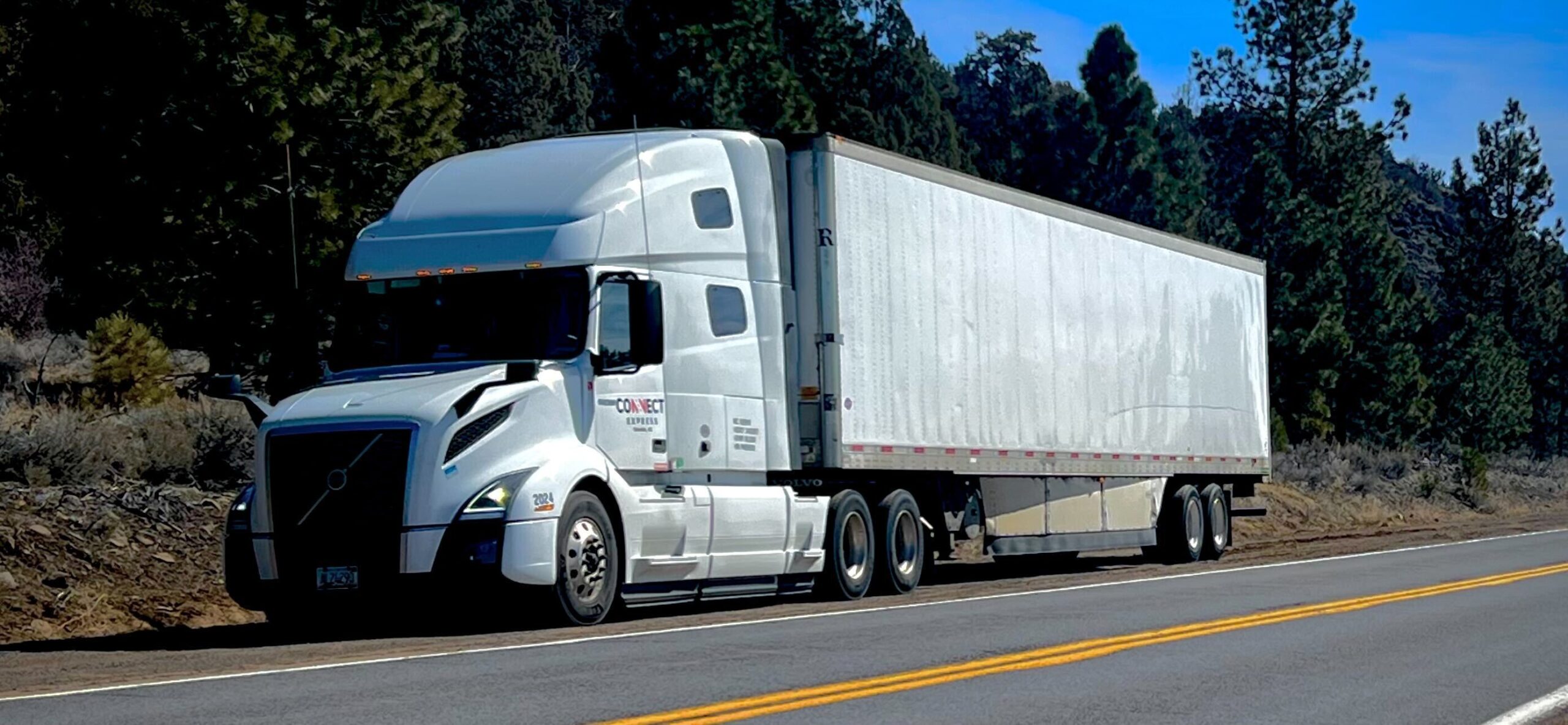
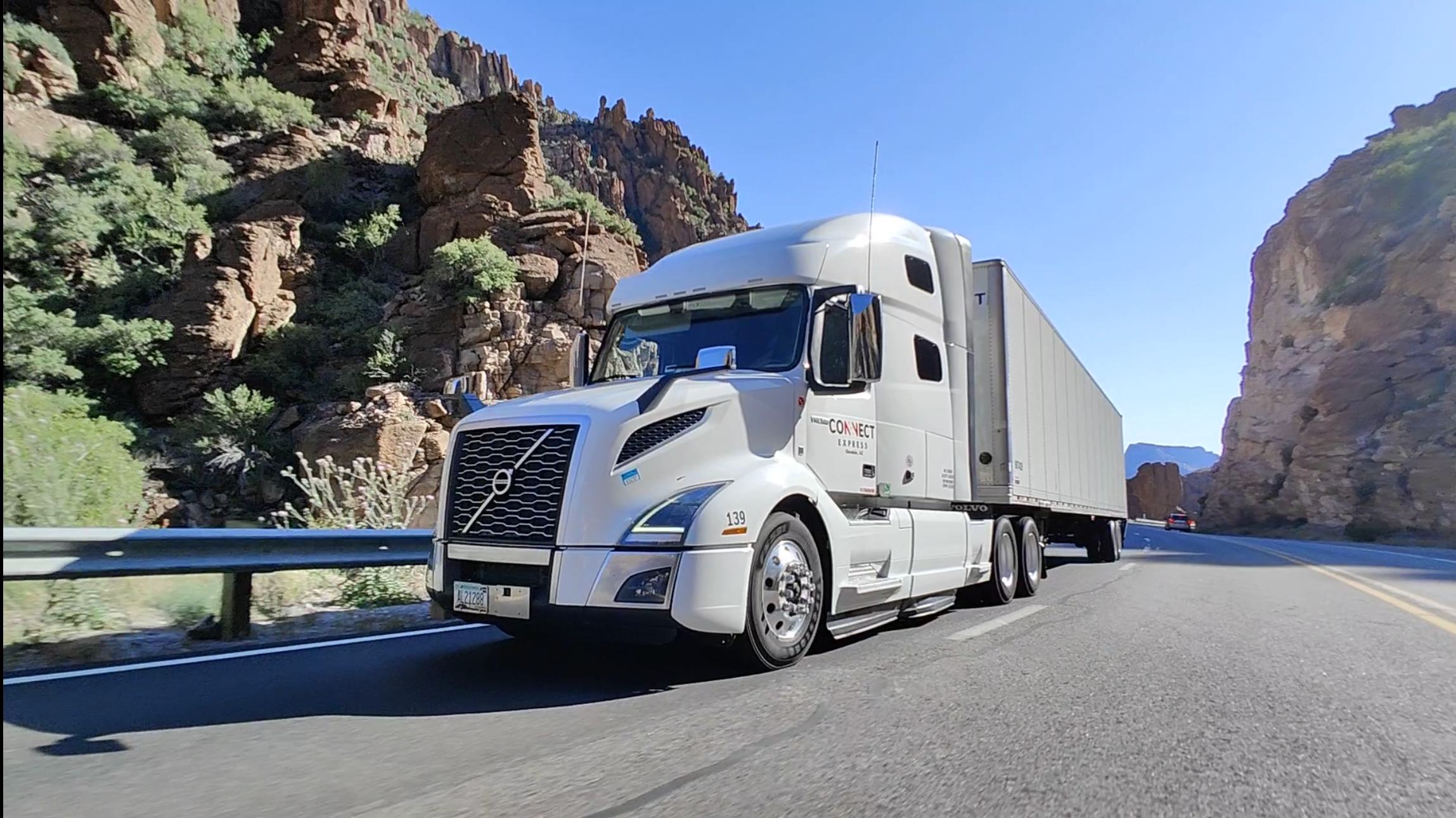
At ConnectExpress LLC, that is the difference between moving freight and just booking it. We operate real trucks and handle real freight, so permit support is tied to what actually happens on the road. If a load needs planning, it gets planned. If there is a restriction, it gets addressed before it becomes your delay.
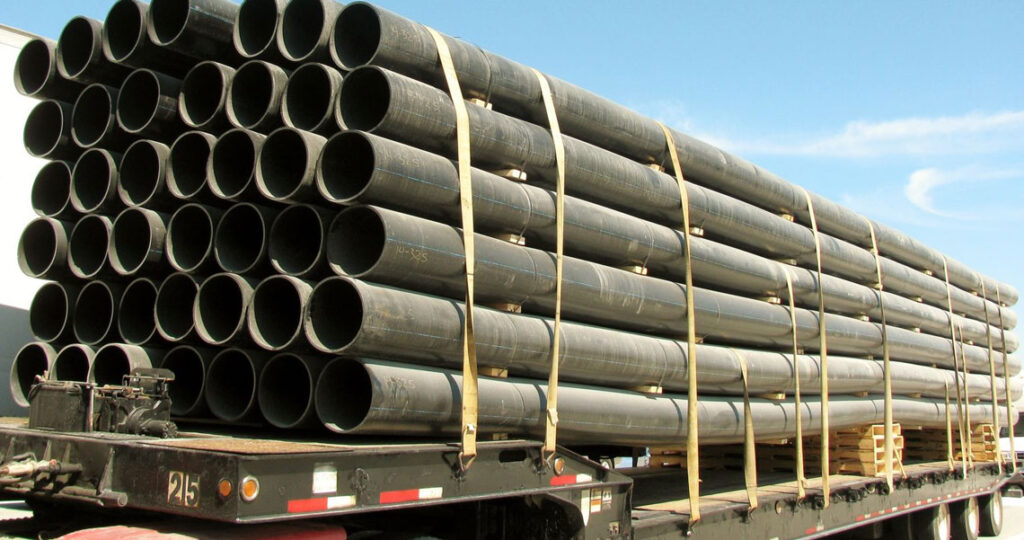
Oversize load permit support is really risk control
Most shippers think about permits as compliance. That is part of it, but the bigger issue is risk control.
A good permit process reduces the chance of route failure, enforcement issues, missed delivery windows, and unnecessary downtime. It protects the driver, the load, the public, and the schedule. It also helps avoid the kind of confusion that spreads once a move is already late and everyone is asking for updates.
For manufacturers, project shippers, and freight teams moving large equipment, that matters. Oversize freight already has enough variables. Permit support should remove problems, not add new ones.
If you are planning an oversize shipment, the best move is to treat permit support as part of the haul from the first call. Get the dimensions right. Confirm the equipment. Ask about route limits early. Make sure pickup and delivery access have been checked. That work up front saves a lot of phone calls later.
The load does not care how good the plan looked on paper. It moves when the route is legal, the permit is correct, and the truck is ready. That is the standard to aim for every time.
Need capacity on this type of freight? Connect Express LLC provides asset-based overdimensional transport across the Southwest and nationwide.
Request a truckload quote: Contact Connect Express or call 480-401-1998.