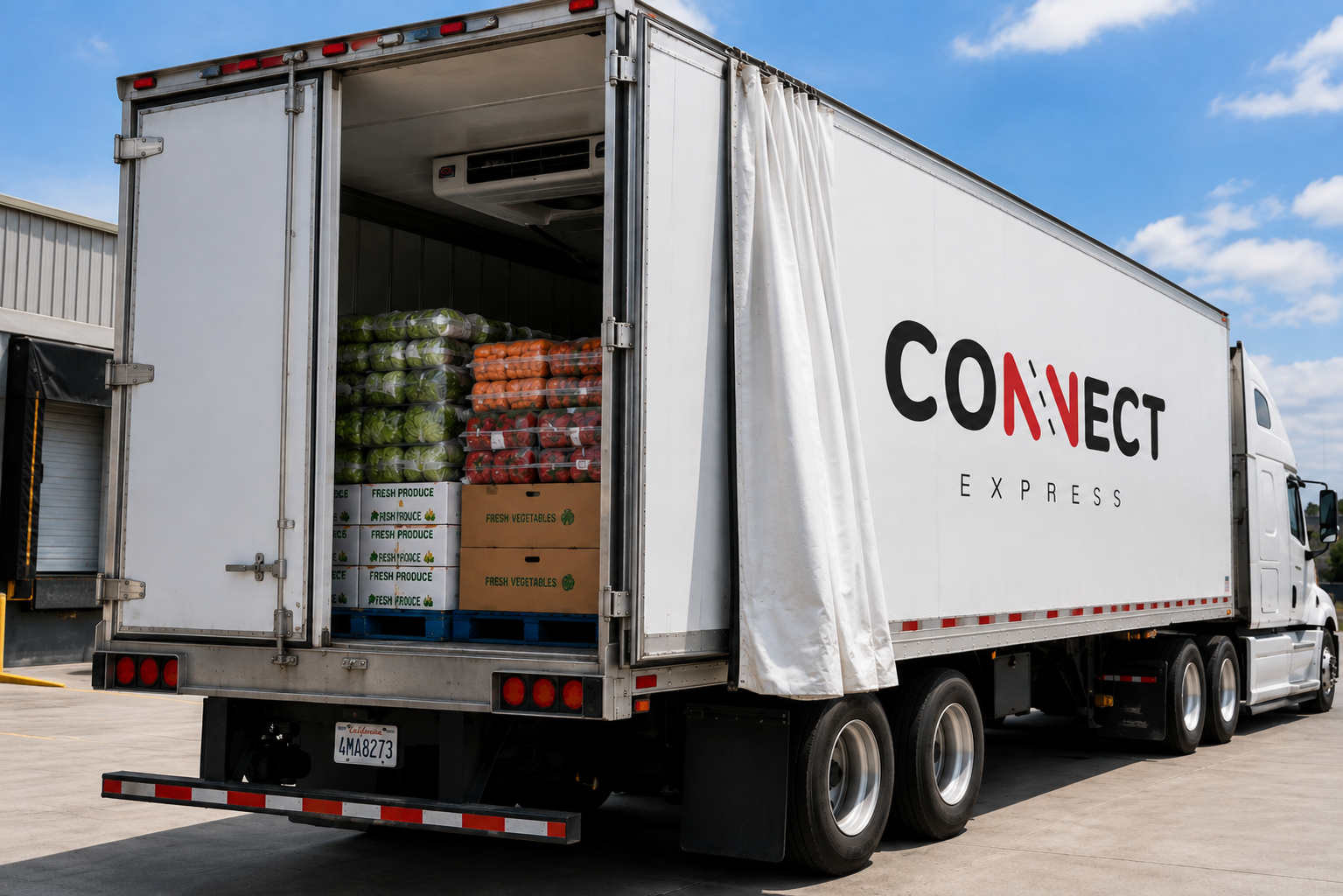
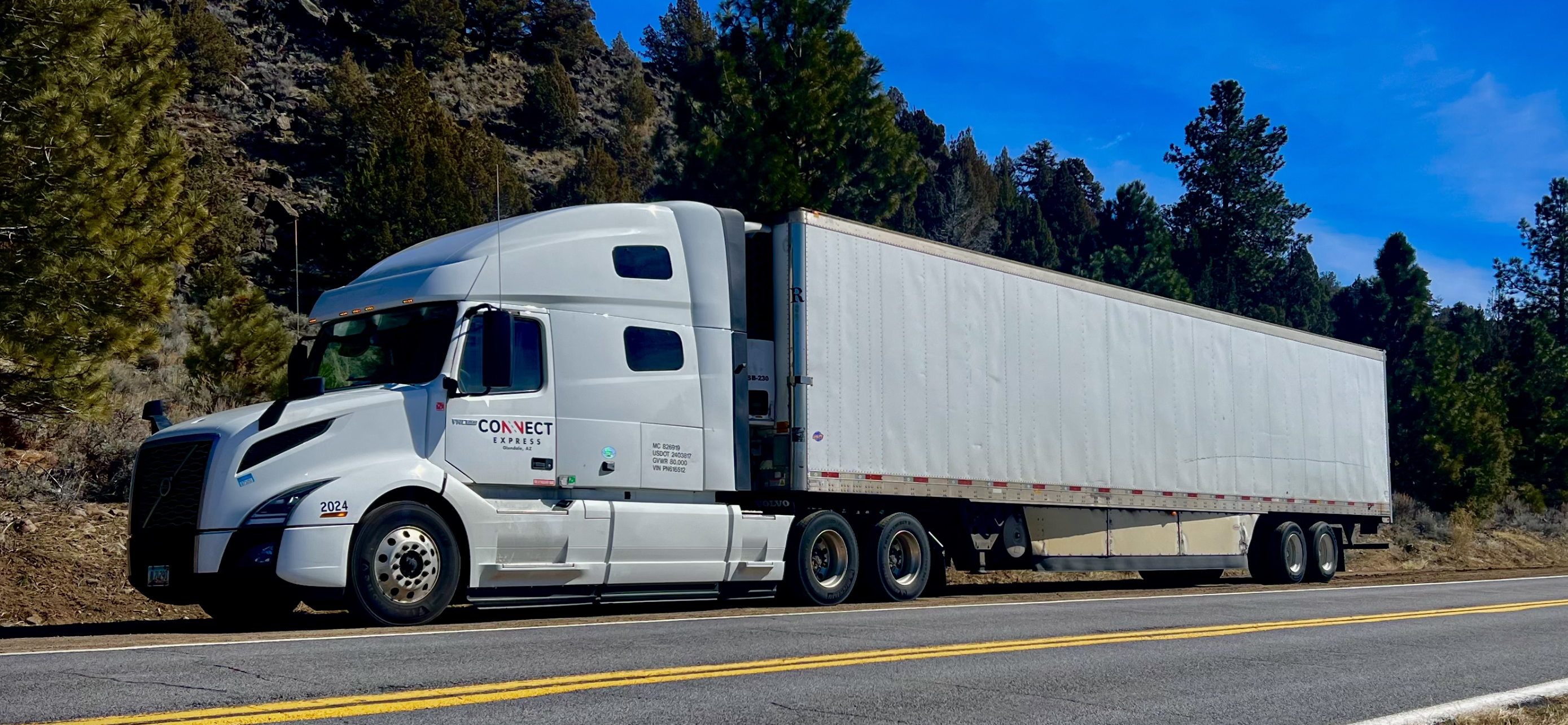
A load looks fine on the dock, then shows up warm, sweating, or partially frozen. That is usually when shippers start asking when do you need reefer shipping and when a dry van is still safe to use. The answer is not just “food goes on a reefer.” A lot of freight needs temperature control, airflow, or protection from heat swings long before it looks damaged. If your load needs a reefer, use these reefer capacity booking tips to secure a truck.
If the product can spoil, soften, separate, sweat, freeze, or lose shelf life in transit, reefer shipping needs to be on the table. And if the receiver has tight temperature specs, there is no room for guessing.
When do you need reefer shipping for a load?
You need reefer shipping when the cargo has to stay within a specific temperature range from pickup to delivery. That range might be chilled, frozen, or just protected from high ambient heat. The reefer unit is there to hold the set point and protect the load while the truck moves through different climates, traffic, and delivery windows.
This matters more in the Southwest than some shippers expect. A product that loads safely at 62 degrees in the morning can be sitting in triple-digit outside heat later that day. Phoenix, Arizona carriers see this all the time. Heat exposure during loading, transit, and delivery can ruin freight even if the trailer doors stay shut most of the trip.
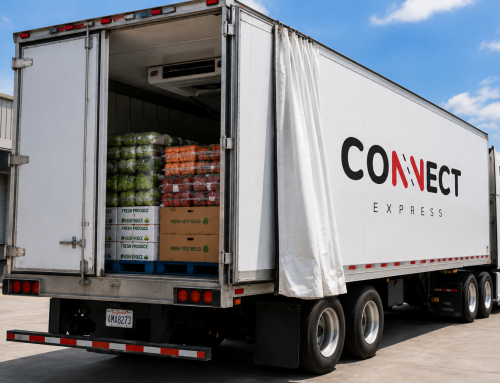
The most common examples are obvious – produce, dairy, meat, frozen foods, and pharmaceuticals. But there are plenty of less obvious loads that still belong on a reefer, including chocolate, beverages, floral products, certain chemicals, adhesives, and some personal care items. If the manufacturer gives a transit temperature range, take it seriously.
Freight that usually requires reefer shipping
Food is the first category most people think about, and for good reason. Fresh produce needs the right temperature and often the right airflow. Dairy and meat products need tight control to avoid spoilage and rejection. Frozen freight has even less margin for error. If it arrives with signs of thaw and refreeze, the problem is already bigger than a late delivery.
Pharmaceutical and medical freight also commonly needs reefer service. Some products need strict cold-chain handling. Others cannot freeze. That difference matters. A reefer can cool a load, but it also has to be set correctly and monitored. The wrong set point can damage the product just as fast as no temperature control at all. Here’s how to prepare refrigerated shipments so the set point is right at pickup.
Then there are loads many people overlook. Candy, especially chocolate, can melt or bloom. Bottled drinks can lose quality in excessive heat. Cosmetics, resins, inks, and adhesives may separate or become unusable. Seeds, plants, and flowers are sensitive to heat stress and airflow. In these cases, reefer shipping is less about keeping freight cold and more about keeping it stable.
When a dry van is not enough
A dry van protects freight from weather. It does not control trailer temperature. That is the line shippers need to keep clear.
If your product is fine riding through hot days, cold nights, and long dwell times, a dry van may be enough. But if the freight has a required temperature range, a maximum temperature threshold, or a “do not freeze” instruction, a dry van starts becoming a gamble. The trailer can heat up fast in the sun and cool down hard overnight.
This is where rejected loads happen. The product may still look acceptable from the outside, but the receiver checks pulp temp, packaging condition, or product integrity and turns it away. At that point, the issue is not what the shipper meant to protect. It is what the shipping conditions actually did.
Signs your shipment should move on a reefer
Sometimes the answer is in the product spec sheet. Sometimes it shows up in the claim history.
If the manufacturer lists a transit temperature, use reefer service. If your receiver checks temperatures at delivery, use reefer service. If you have had problems with condensation, soft packaging, melting, odor transfer, shortened shelf life, or seasonal quality complaints, reefer service is worth a serious look.
Seasonality matters too. A load that moves fine in a dry van in winter may need a reefer in summer. The reverse can also be true for freight that cannot freeze. Reefer shipping is often about protecting the load from extremes, not just keeping it cold all year.
Transit time matters as well. A short local run gives freight less exposure than a two-day or four-day move across multiple states. The longer the trip, the more chances for outside temperature swings, traffic delays, and receiver hold times. That increases the need for controlled equipment.
Temperature control is only part of the job
Shippers sometimes think booking a reefer is enough by itself. It is not. Temperature-sensitive freight still needs the right loading process, correct set point, proper packaging, and solid communication.
Precooling matters when the product requires it. The trailer is built to maintain temperature, not pull warm product down fast after loading. If freight is loaded hot, the reefer unit may not recover the load the way the shipper expects. That creates finger-pointing later.
Airflow matters too. Reefer trailers need room for air to move. If pallets are stacked wrong, jammed tight to the walls, or loaded past the airflow channels, the trailer can show the right set point while parts of the load drift out of range. That is one reason sensitive freight needs carriers who know reefer operations, not just reefer equipment.
What shippers should confirm before pickup
If you know the load needs temperature control, give the carrier clear instructions before the truck arrives. That starts with the required temperature range, whether the load should run continuous or start-stop, and whether the product is pre-cooled at ship time.
You should also confirm if the freight is chilled, frozen, or protected from heat only. Those are not the same thing. A frozen load and a “do not exceed 68 degrees” load both go on reefers, but they do not move the same way operationally.
Appointment windows matter more on reefer freight too. Long wait times on the dock can work against the product, especially if the shipping crew is not ready or the receiver is slow. Good communication helps keep the load from sitting and keeps everyone clear on set point, seal, and delivery requirements.
When do you need reefer shipping instead of just insulated protection?
Some products do not need active cooling for every mile, but they still need protection from outside temperatures. That is where shippers sometimes get stuck. They try to solve a temperature problem with packaging alone.
Insulated packaging can help on shorter moves or for small parcel shipments. It does not replace a reefer trailer on a full truckload moving across hot regions or over multiple days. If the ambient conditions can push the product outside its acceptable range before delivery, reefer shipping is the safer call.
This shows up often on freight moving through Arizona, Nevada, New Mexico, Texas, and California during warmer months. Even products that are not technically perishable can degrade fast in sustained heat. Once a load is compromised, it does not matter that the bill of lading did not say “food grade” or “cold chain.”
Reefer shipping is really about risk control
At the shipper level, the question is usually not “Can this load ride on a dry van?” The better question is “What happens if it does?”
If the downside is a full rejection, damaged customer relationship, shelf-life loss, or product claim, the equipment decision should be made with that risk in mind. Some freight can tolerate a little variation. Some cannot. Knowing the difference saves a lot of trouble.
That is why reefer freight needs real execution. The truck has to show up on time. The trailer has to be at the right set point. The driver has to know the handling requirements. You need real updates, not guessing where the load is. Temperature-sensitive freight does not leave much room for excuses.
For shippers, reefer shipping is the right choice when product quality depends on controlled conditions from dock to dock. If heat, cold, or temperature swings can cost you the load, do not leave it to chance. Ask the hard questions before pickup, match the equipment to the product, and move it with a carrier that treats reefer freight like it matters – because it does.
Need capacity on this type of freight? Connect Express LLC provides asset-based refrigerated transportation across the Southwest and nationwide.
Request a truckload quote: Contact Connect Express or call 480-401-1998.