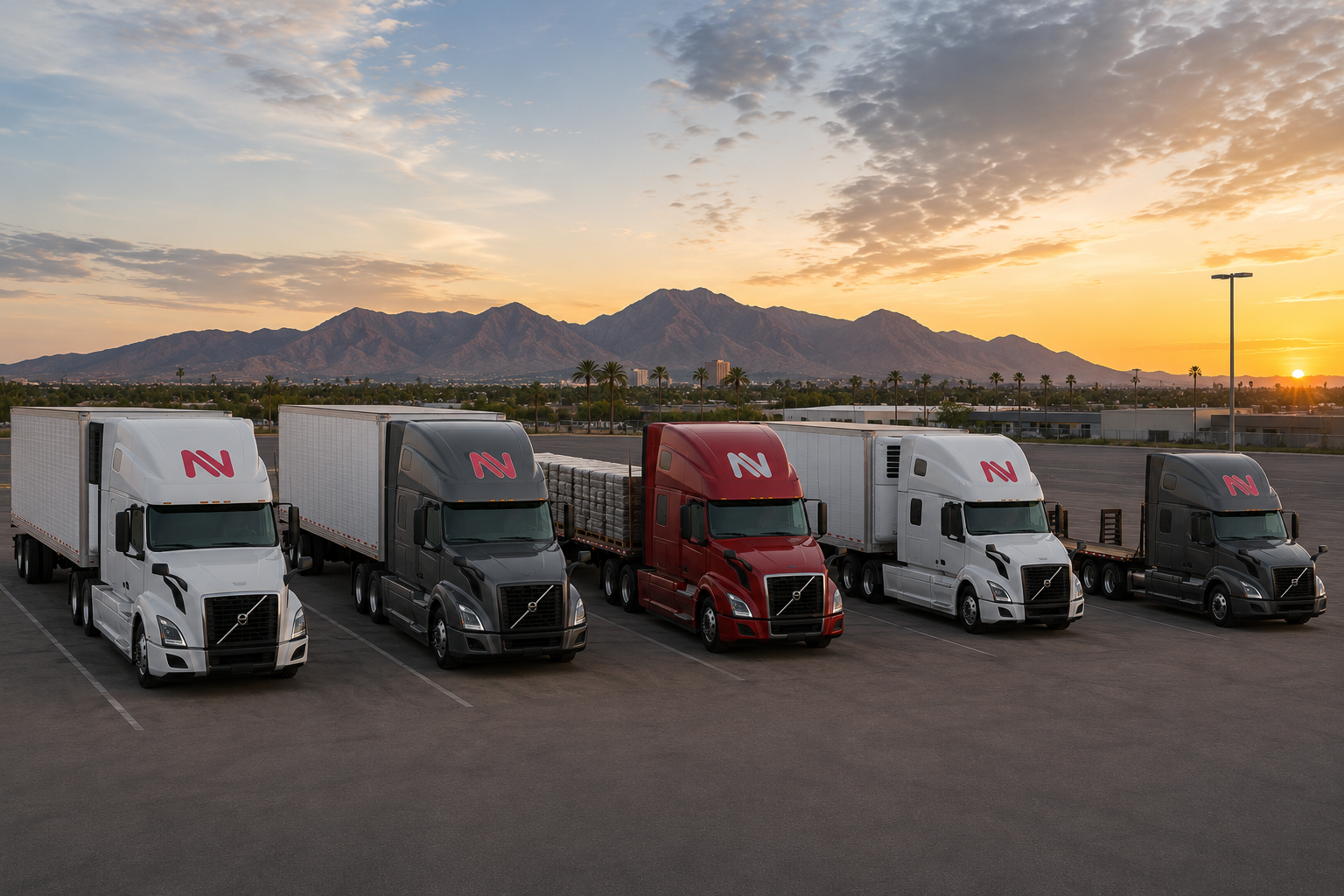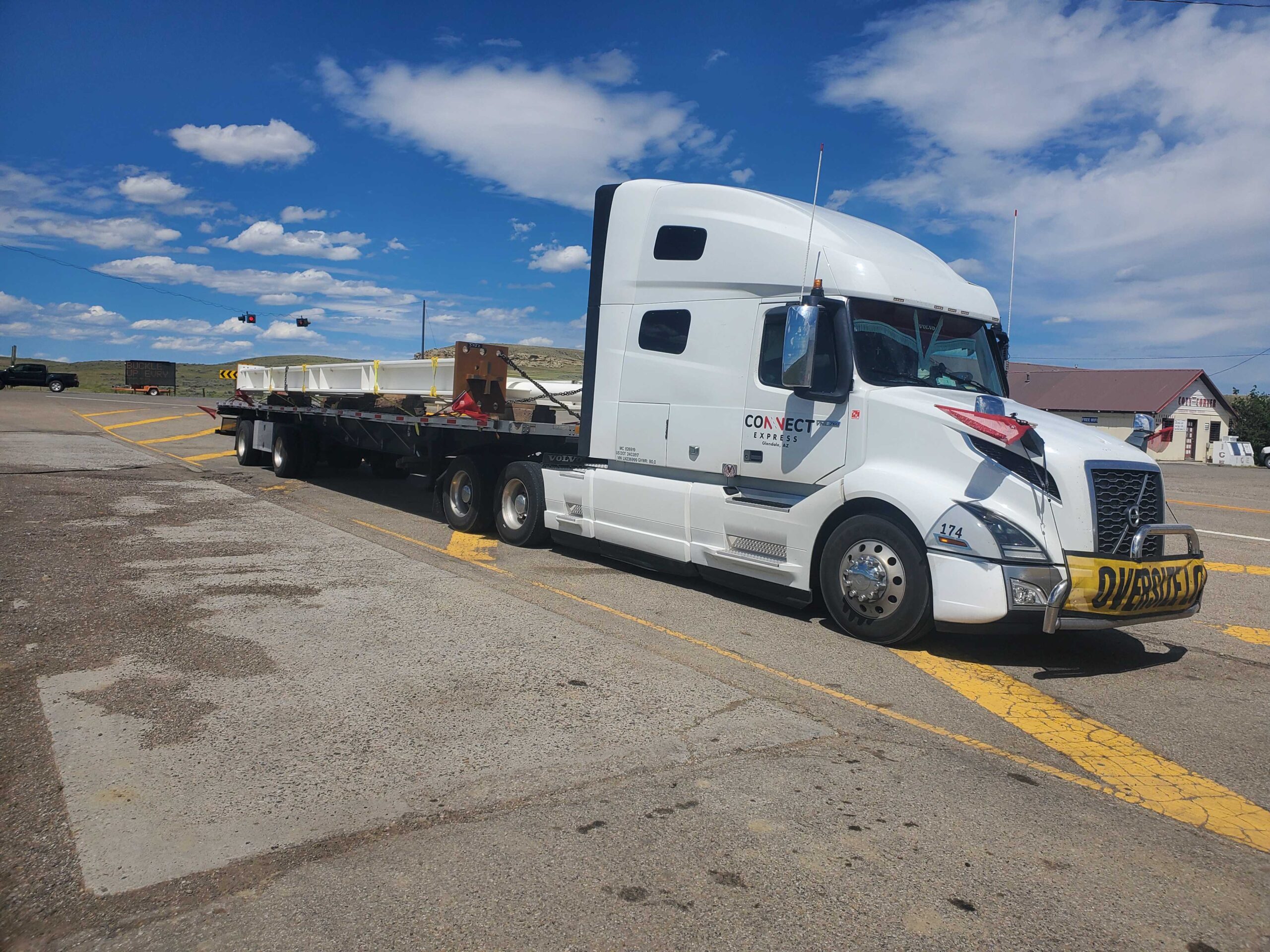
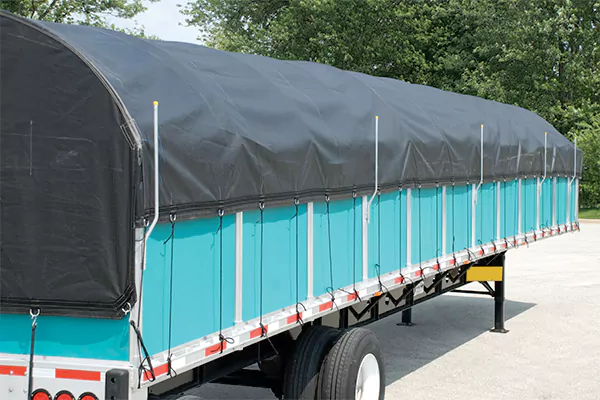
When a shipment has to move on the same route every week, spot market coverage starts showing its weak points fast. That is usually when shippers ask how dedicated freight lanes work and whether they make sense for their operation. The short answer is simple. A dedicated lane is a planned, repeat route with committed capacity, not a truck that may or may not be available when the load is ready.
For freight managers and logistics coordinators, the value is not just having a truck. It is knowing who is hauling the load, when they are picking up, how the route is being managed, and what happens when volume changes. Dedicated freight works best when consistency matters more than shopping every load one at a time.
How dedicated freight lanes work in real operations
A dedicated freight lane is a recurring move between the same origin and destination, or the same group of facilities, on a known schedule. That can be a Phoenix, Arizona shipper moving dry van freight into Texas every Monday, Wednesday, and Friday. It can also be a reefer account running from one plant to several distribution centers across the Southwest. The exact setup changes, but the idea stays the same. Capacity is planned around that lane before the freight is ready.
That matters because dedicated freight is built on commitment from both sides. The carrier commits trucks, drivers, and dispatch attention to the lane. The shipper commits volume, schedule, or at least enough consistency to justify holding that capacity in place. It is not casual coverage. It is operational planning.
In practice, the carrier studies the shipment pattern first. Pickup times, delivery windows, dwell time, trailer type, seasonality, backhaul options, and service requirements all affect whether the lane can run cleanly. If the freight is a fit, the lane gets assigned capacity. Sometimes that means one driver and one truck on the same route. Sometimes it means a small pool of equipment covering the same traffic pattern every week.
What makes a lane “dedicated”
The word gets used loosely, so it helps to be clear. A lane is not truly dedicated just because a carrier handles it often. It becomes dedicated when capacity is being reserved and managed specifically for that recurring freight.
That usually includes a fixed or predictable route, scheduled pickup days or delivery windows, a consistent equipment type, and dispatch planning built around that account. The carrier is not waking up each morning trying to find a truck for the load. The truck plan already exists.
For shippers, that changes the day-to-day workload. You spend less time scrambling for coverage and less time repeating the same load details to new carriers. You also get more consistency at the dock because the people handling the freight already know the site, the check-in process, and the delivery expectations.
The setup process is where the lane succeeds or fails
A dedicated lane works when the setup is honest. If the freight volume is unstable, if dock delays are common, or if appointment times keep changing, those issues need to be addressed early. Trying to force an inconsistent load into a dedicated model usually causes service problems later.
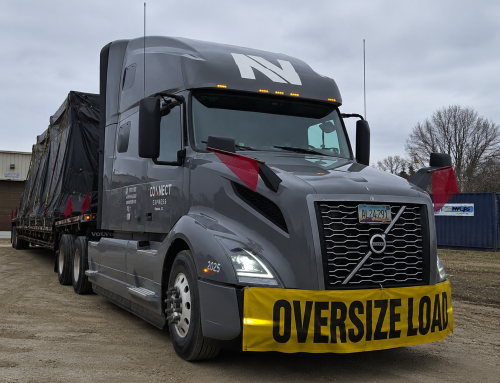
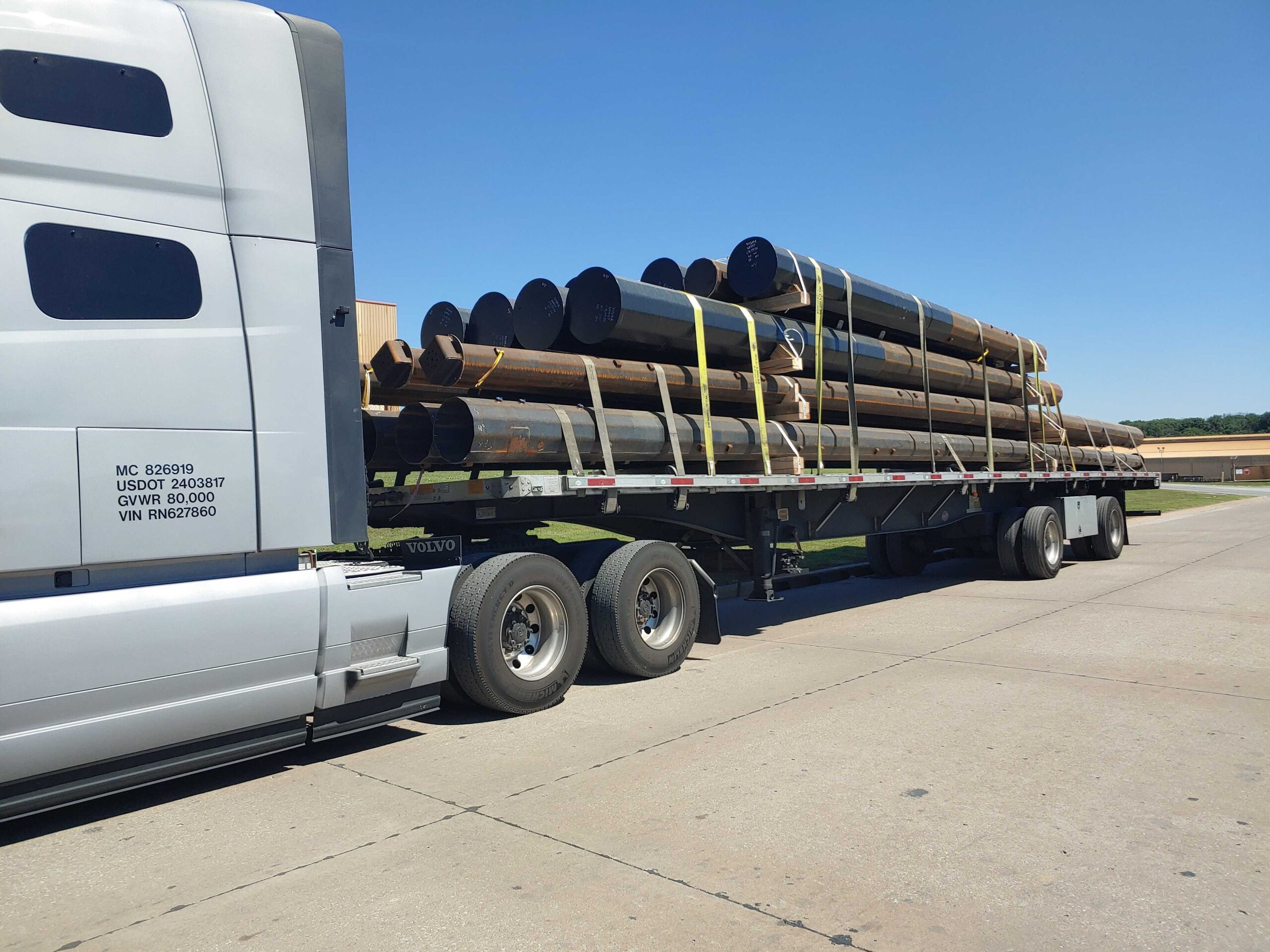
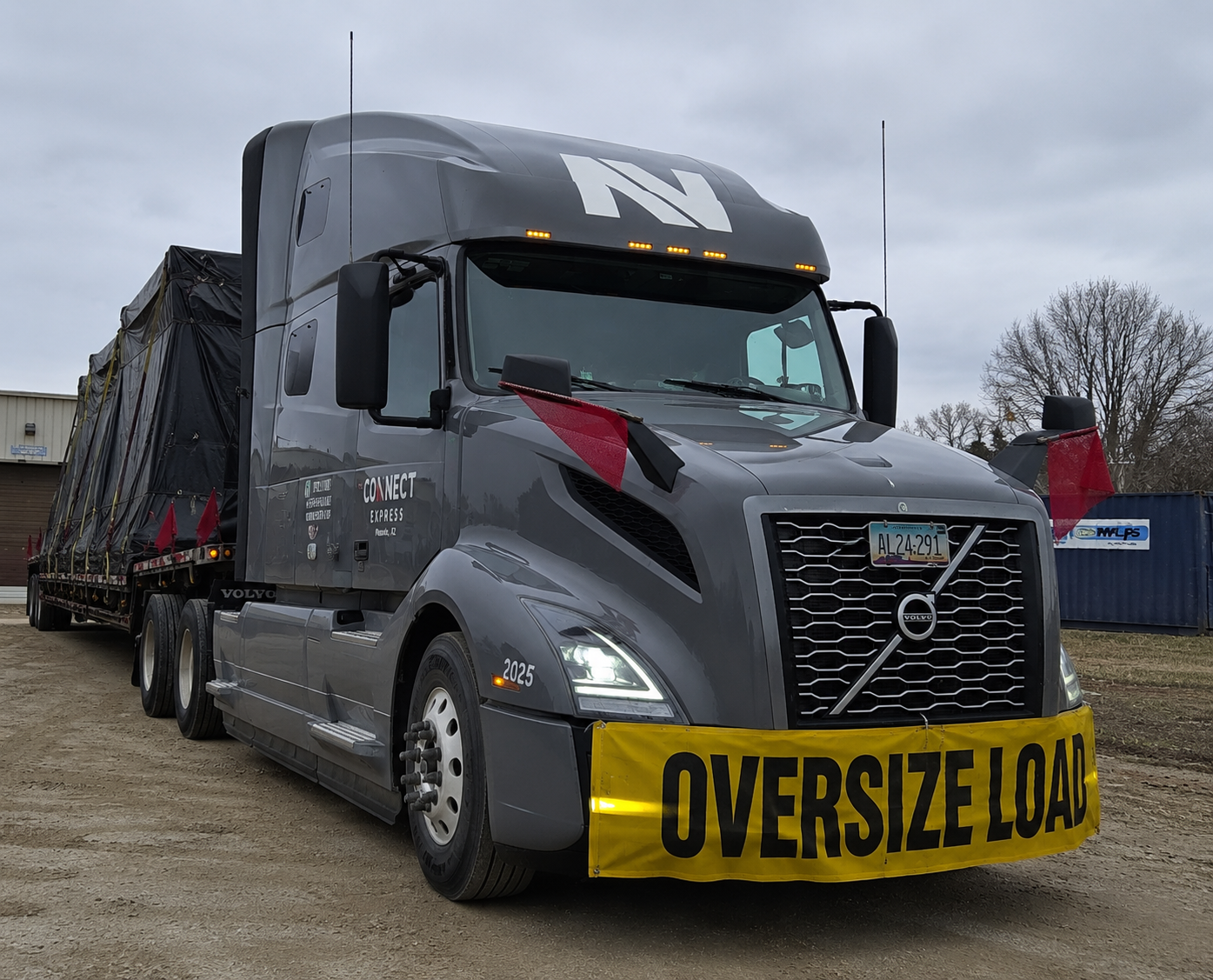
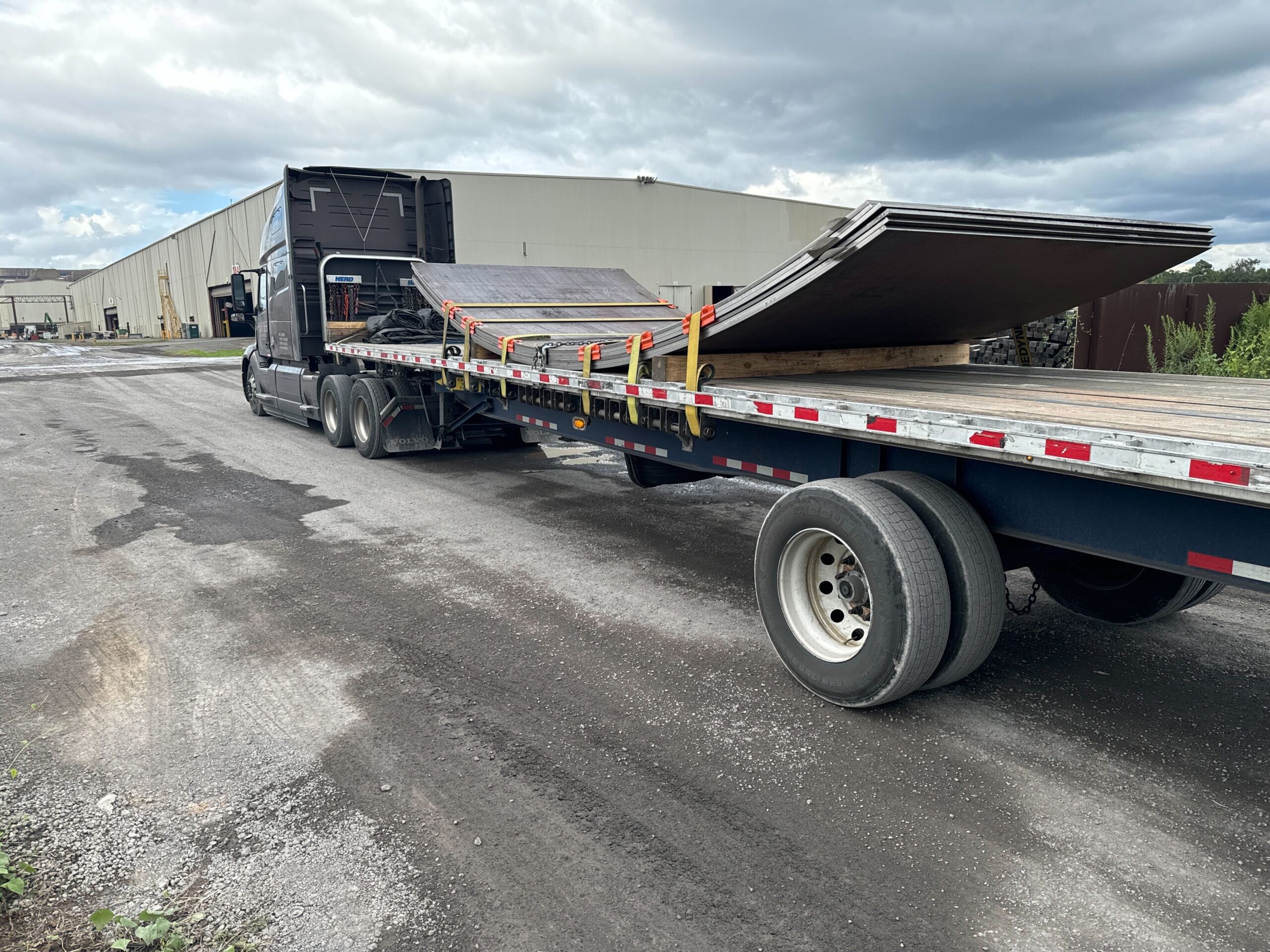
A good setup starts with a lane review. The carrier needs to know where the freight picks up, where it delivers, how often it moves, what commodity is on the trailer, how long loading takes, and whether there are seasonal spikes. Reefer freight, flatbed freight, and dry van freight all have different operating realities. Oversized loads add permit and routing issues. Those details shape the plan.
Then comes capacity planning. The carrier decides how many trucks and trailers the lane needs, whether drop trailers make sense, and how dispatch will cover delays or overflow. If the route is tight on transit time, the margin for error is small. That means the lane needs tighter communication and cleaner execution.
This is also where expectations get set. Real dedicated service is not just “we will do our best.” It is pickup windows, delivery targets, communication rules, and escalation steps when something goes off schedule.
Why shippers choose dedicated freight lanes
The main reason is consistency. If you move the same freight every week, dedicated capacity reduces the guesswork. You are not waiting to see who accepts the load or whether the truck will show up on time. The route is already part of the carrier’s operating plan.
That consistency helps in a few ways. First, service usually gets tighter because the driver and dispatch team know the lane. They know the shipper’s dock, the receiver’s schedule, and the usual traffic points on the route. Second, communication gets better because there is a standing process behind the lane, not a last-minute handoff. Third, planning gets easier for the shipper’s production and warehouse teams.
There is also a risk control factor. Some freight cannot sit. Some customers do not tolerate missed appointments. Some facilities need the same trailer type at the same time every week. Dedicated lanes are often built for those situations.
That said, dedicated freight is not the right answer for every account. If your shipping pattern changes constantly, or if volume is too thin to support reserved capacity, a flexible routing model may make more sense. The lane has to be consistent enough to justify the commitment.
How dispatch and drivers handle a dedicated lane
From the outside, a dedicated lane can look simple. Load picks up here. Load delivers there. Repeat. On the operations side, there is more to it.
Dispatch is watching timing, hours of service, trailer position, customer updates, and the next turn on the route. If the lane runs multiple times a week, every delay affects the next load. A late unload today can create a late pickup tomorrow. That is why dedicated freight needs active management, not passive scheduling.
Drivers also make a difference. On a well-run dedicated route, drivers learn the lane. They know which docks run fast, which receivers are strict on appointments, and where delays usually happen. That lane knowledge saves time and cuts down mistakes. It also helps communication. A driver who runs the same route regularly can often spot a problem early enough for dispatch to adjust before it becomes a service failure.
For brokers needing capacity, this matters too. A true asset carrier running dedicated freight is working from equipment control, not just load coverage. That is a different level of accountability.
Trade-offs to understand before moving to a dedicated model
Dedicated service brings stability, but it also asks for discipline. If a shipper books dedicated capacity and then tenders inconsistent freight, the lane becomes hard to support. Empty turns, canceled loads, and constant schedule changes create waste quickly.
There is also less flexibility than some people expect. A dedicated lane is designed around a certain pattern. If your freight suddenly shifts to a different origin, different transit need, or different trailer type, the original plan may not fit anymore. That does not mean the model failed. It means the operation changed.
Another trade-off is that dedicated lanes need clear communication from both sides. If a facility starts holding drivers for hours and no one addresses it, service will slip. If delivery appointments tighten without notice, transit planning gets harder. Dedicated freight works best when the shipper and carrier treat the lane like a standing operation, not a series of random loads.

Signs a dedicated freight lane may be the right fit
Usually, the signs are obvious. You have recurring shipments on the same route. Missed pickups are causing problems. Your team is spending too much time finding trucks for predictable freight. Customers expect consistent delivery windows. Or your freight needs a carrier that already understands the handling requirements.
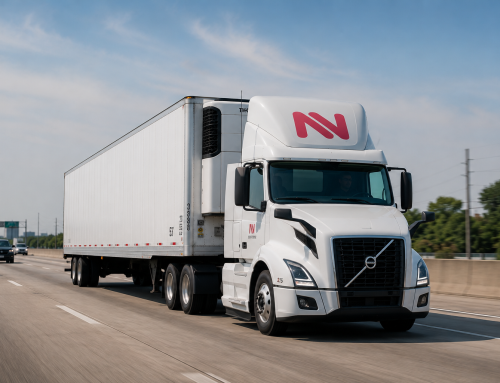
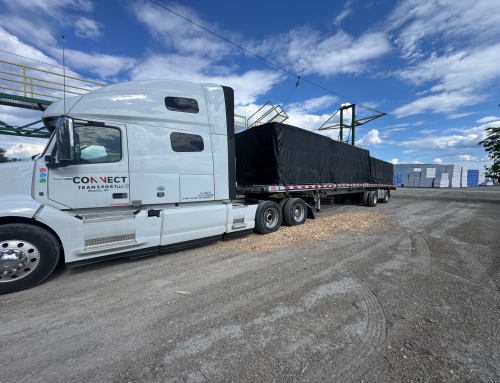
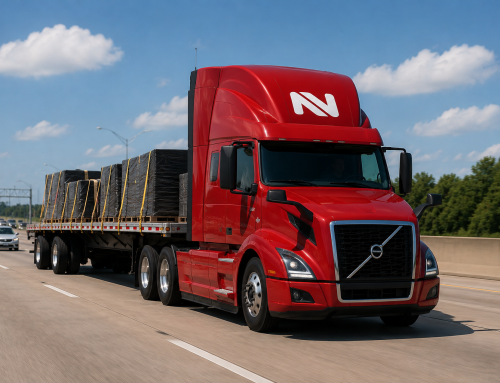
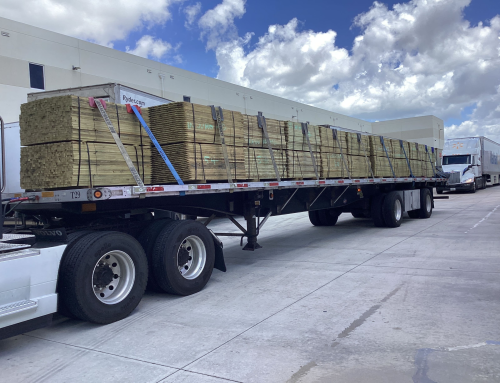
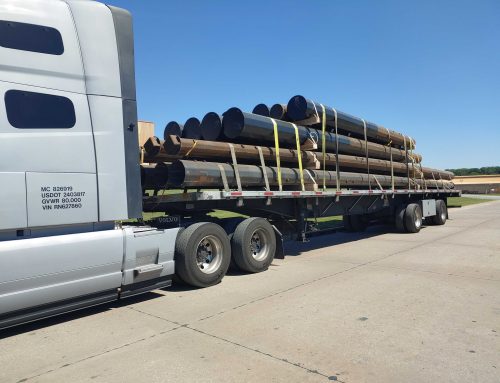
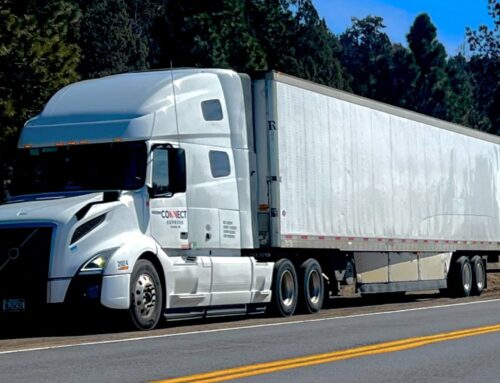
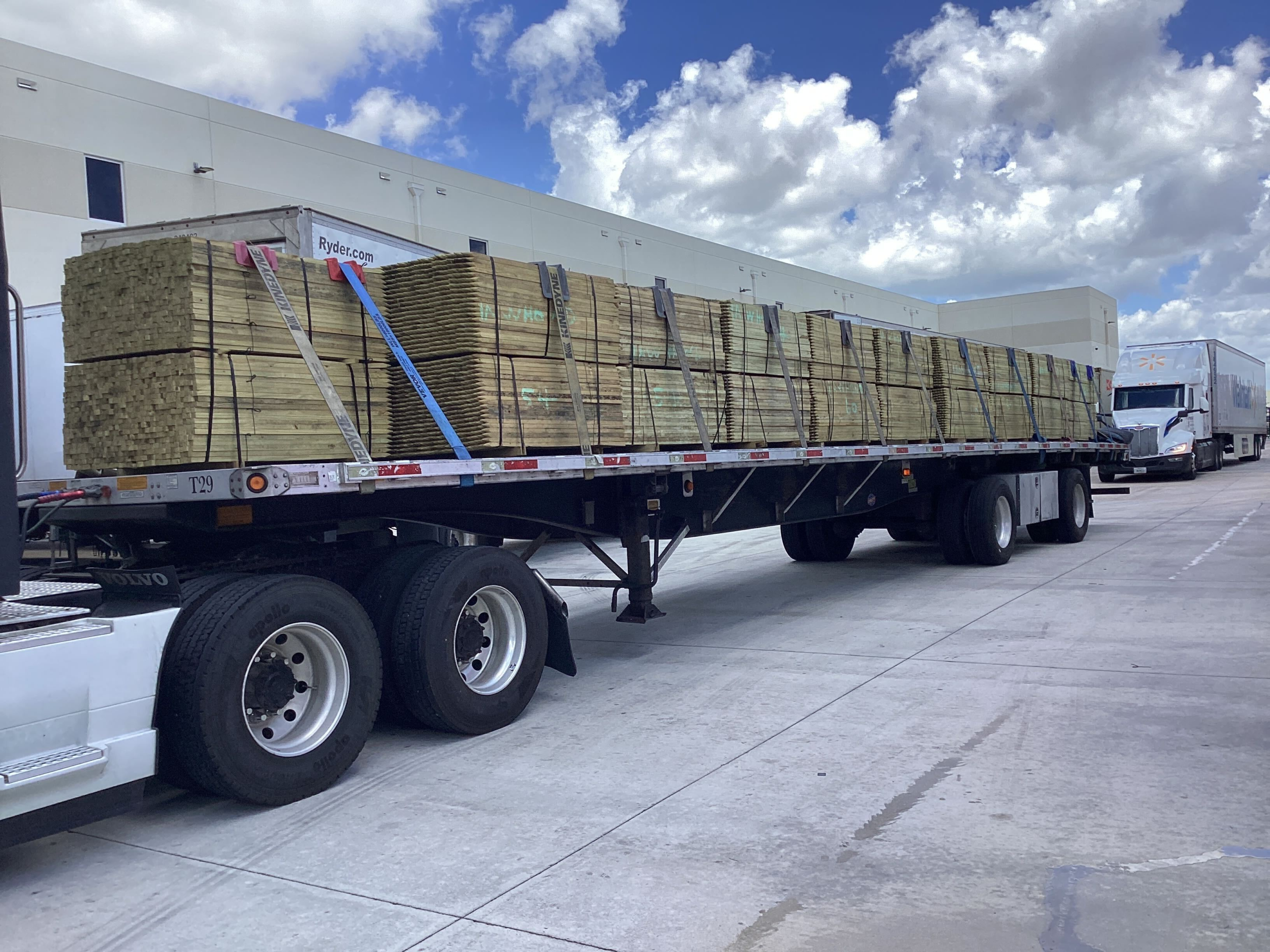
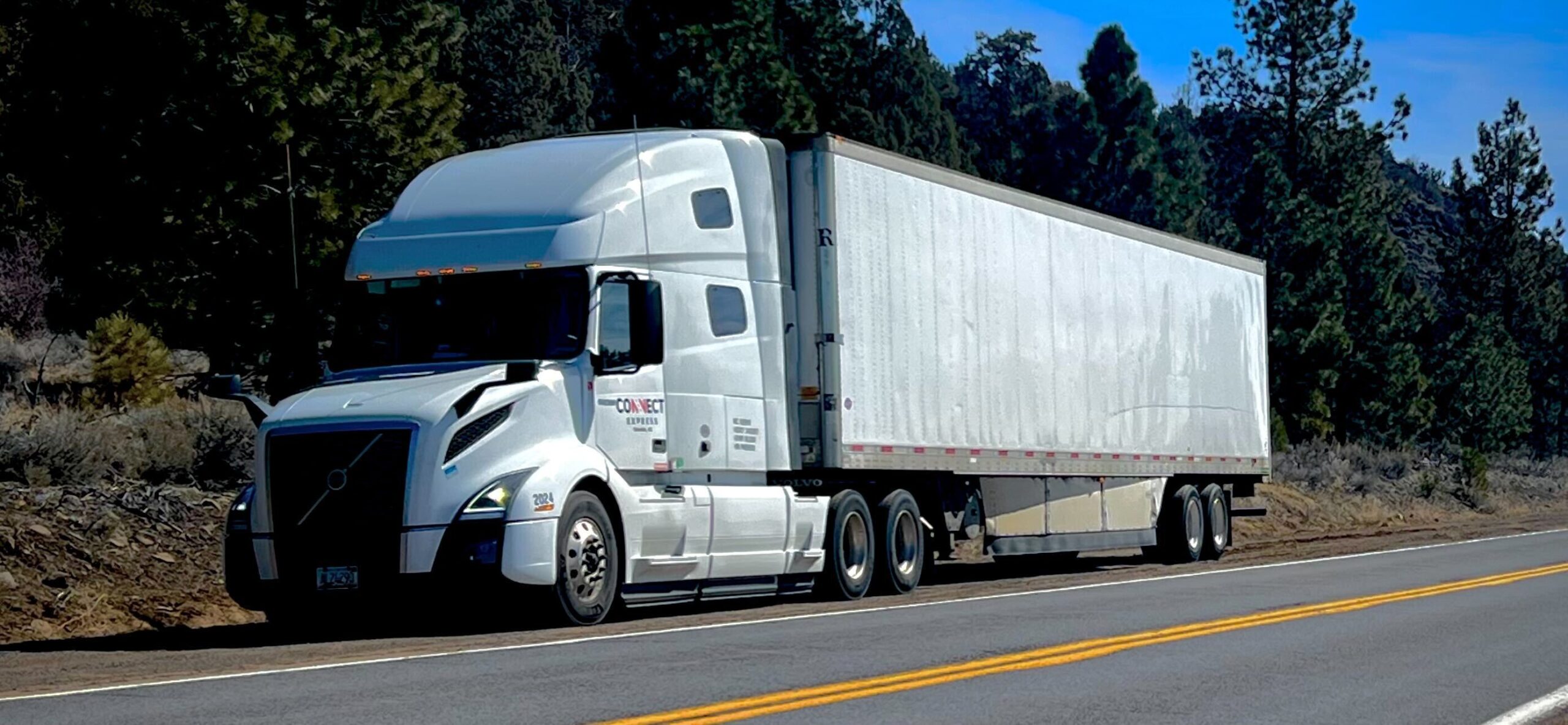
This applies across equipment types. A manufacturer with repeat dry van shipments may need stable outbound capacity. A food shipper may need reefer coverage with tighter temperature control and tighter appointment performance. A construction supplier may need flatbed capacity on regular regional moves. Different freight, same need. Show up on time. Move it safely. Keep the lane under control.
For a Phoenix-based carrier running the Southwest and beyond, dedicated lanes often make the most sense where freight is repetitive and service cannot be left to chance. Not every load needs that structure. The ones that do usually make it clear fast.
What good dedicated freight service looks like
It looks steady. Trucks arrive when expected. Pickups are not missed. Drivers know the route. Updates are real, not vague. When something changes, you hear about it early enough to react.
That is the real answer to how dedicated freight lanes work. They work because the lane is planned before the problem starts. Capacity is assigned. Communication is defined. The same route is handled with the same level of attention every time.
If your freight runs the same path week after week, the goal is not to keep solving the same problem over and over. The goal is to put a dependable plan behind it and keep the freight moving without excuses.