A missed pickup at 3:00 p.m. does not stay a 3:00 p.m. problem. It rolls into production, warehouse space, customer appointments, and the next day’s schedule. That is why nationwide truckload shipping is not just about finding a truck. It is about getting the right equipment, the right timing, and real communication from pickup to delivery.
For shippers, the biggest problem is usually not the linehaul itself. It is the uncertainty around it. Will the truck arrive when promised? Is the driver running on schedule? If something changes, who is calling first? Those questions matter more on long-haul freight because small delays at the start can grow fast across multiple states.
What nationwide truckload shipping really means
At a basic level, nationwide truckload shipping means one shipper’s freight moves on one truck from origin to destination, often across several regions. The trailer is dedicated to that load. It is not being broken apart at terminals or mixed with other shipments along the way.
That matters when timing is tight or the freight needs consistent handling. A full truckload gives you more control over pickup windows, transit planning, and delivery appointments. It also reduces extra touches on the freight, which can be a big deal for packaged goods, food products, building materials, and high-volume manufacturing loads.
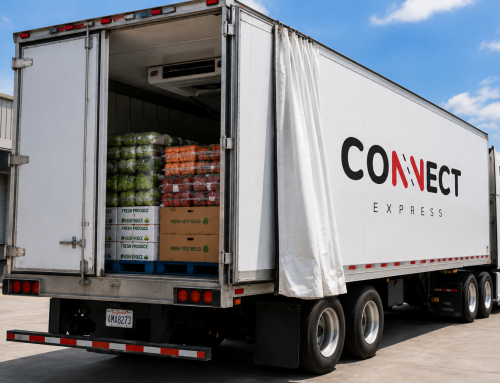
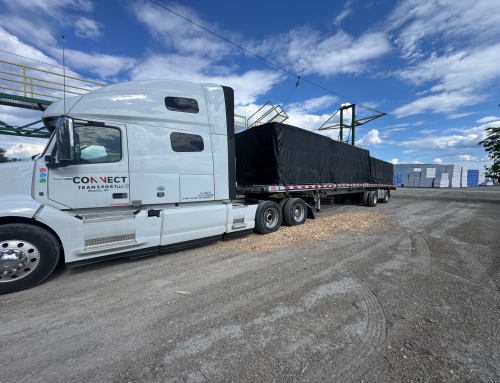
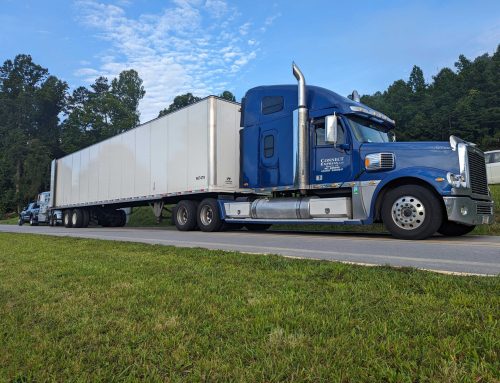
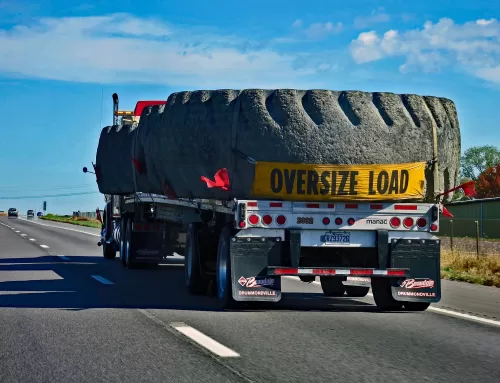
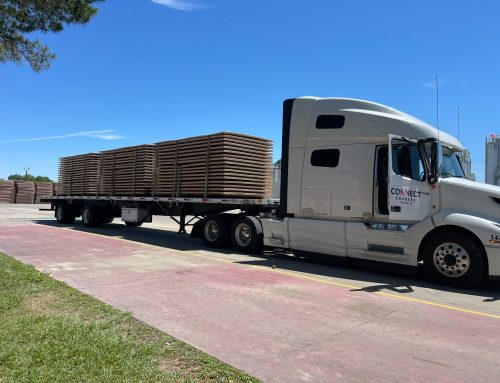
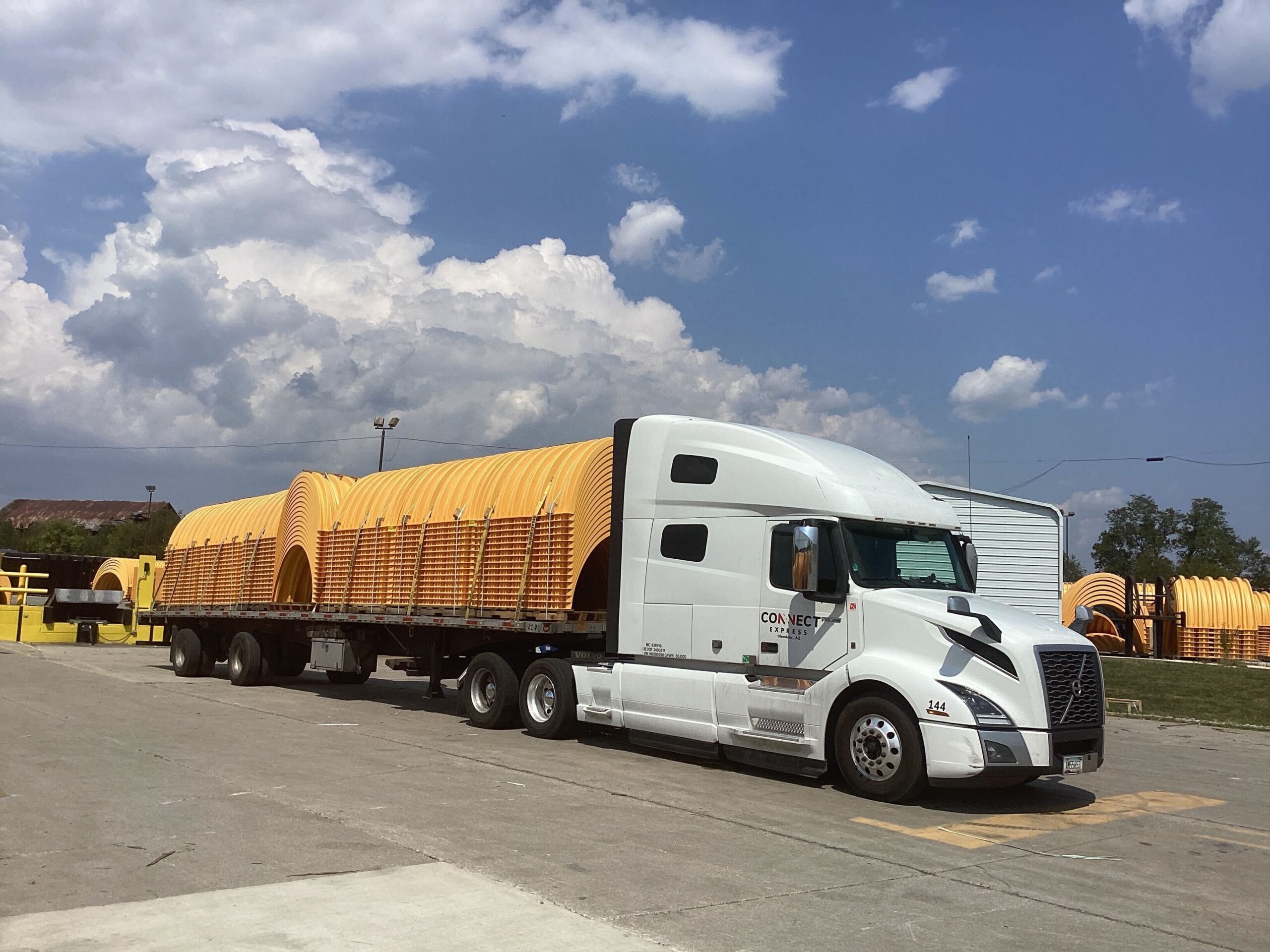
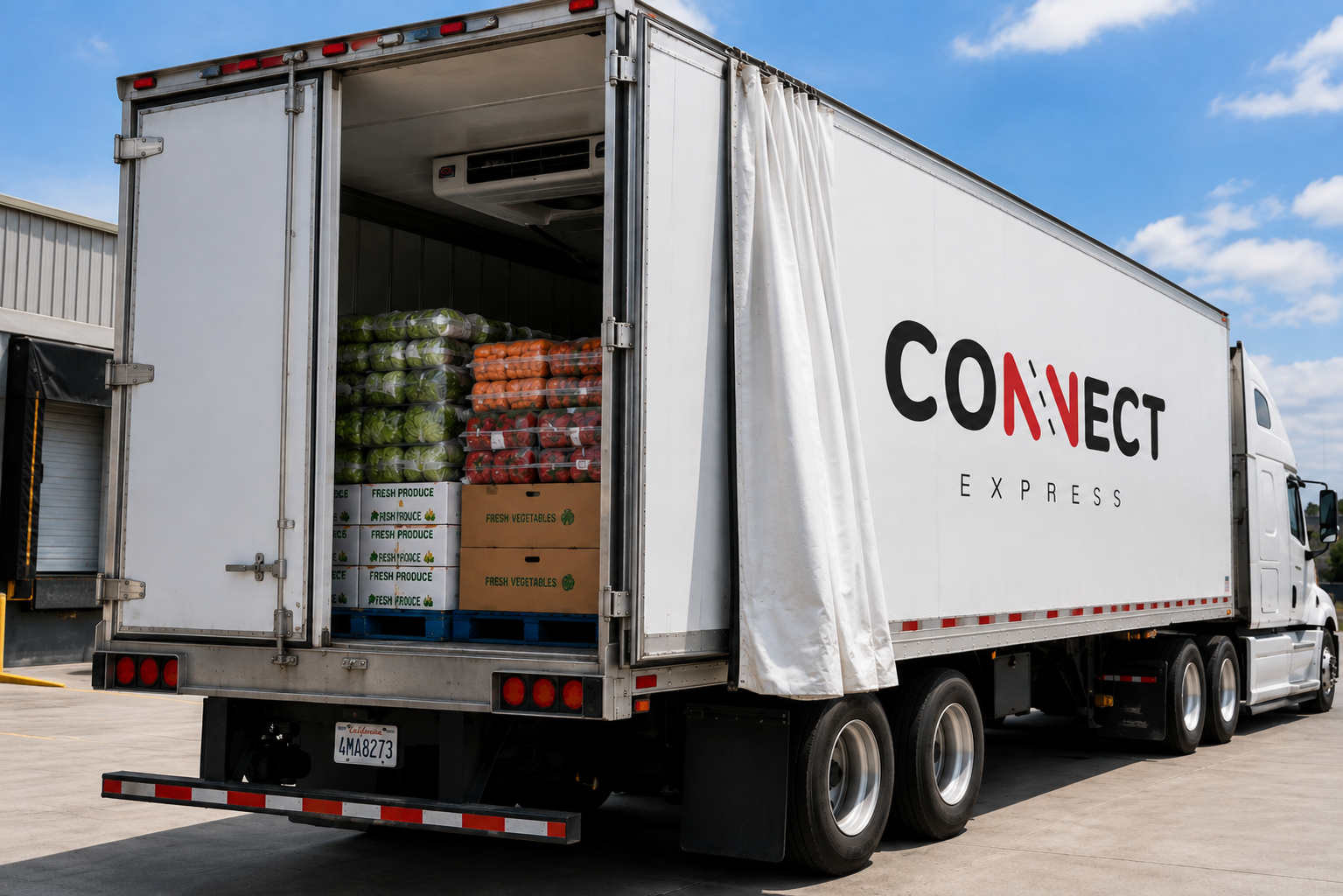
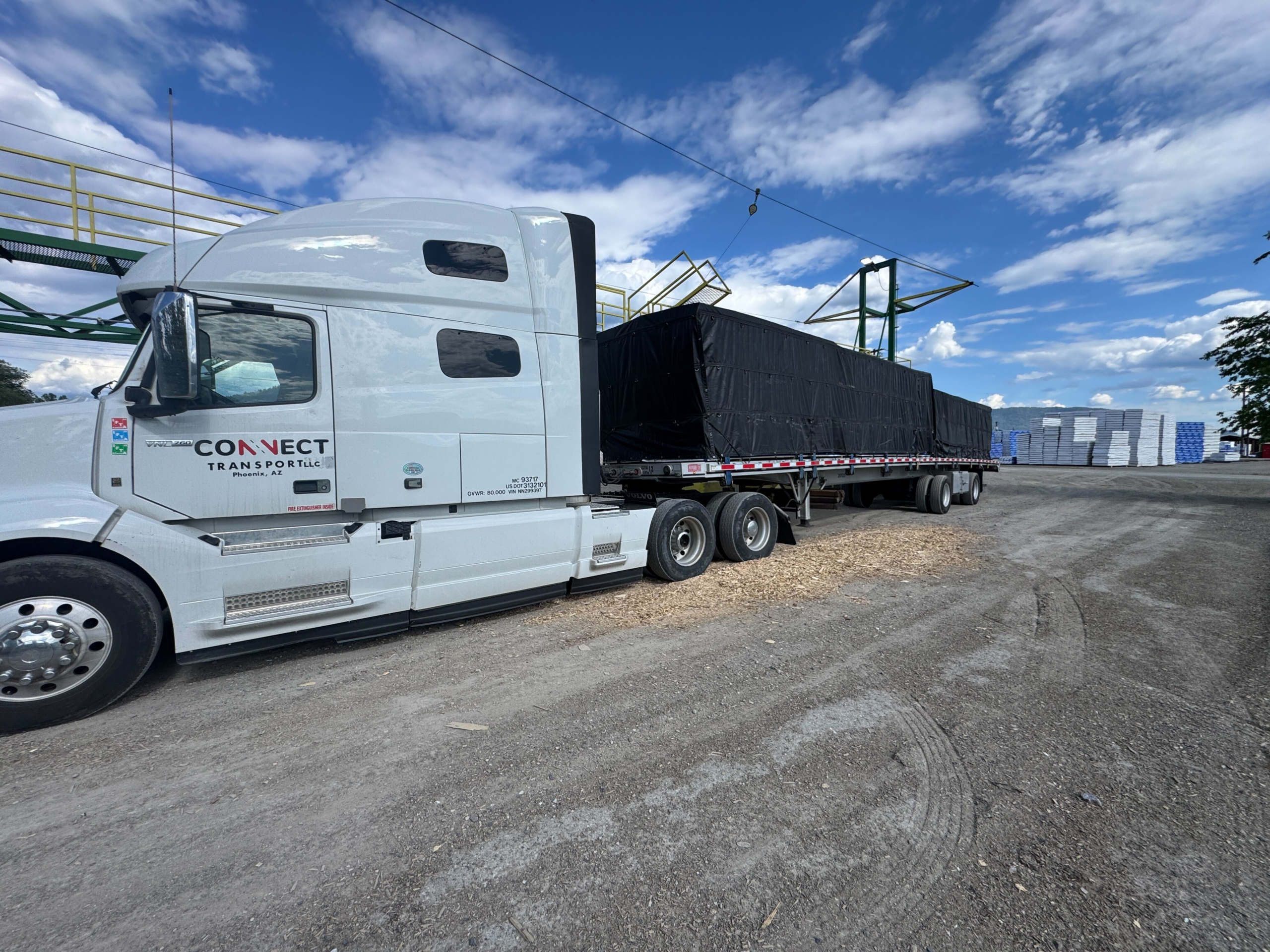
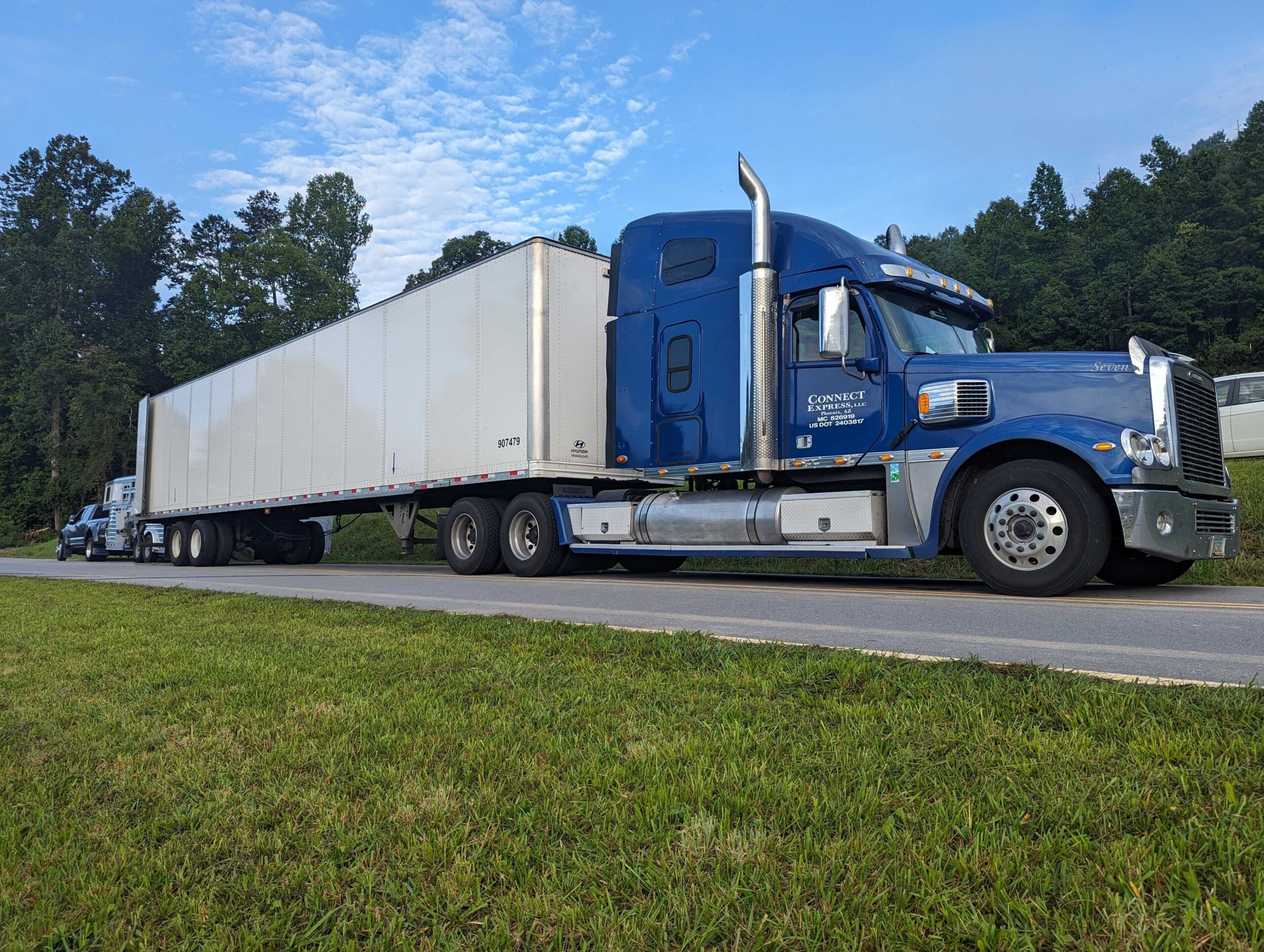
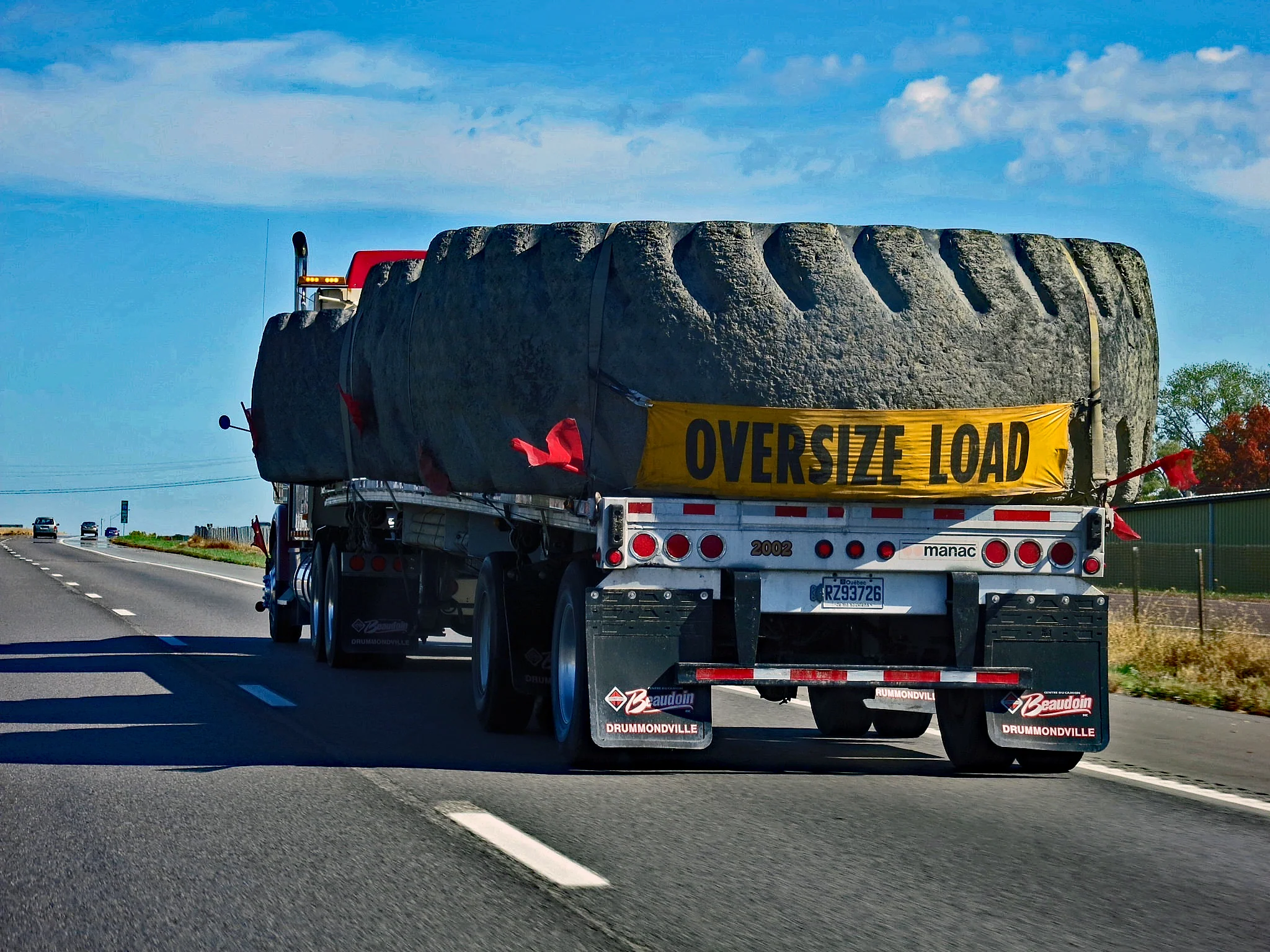
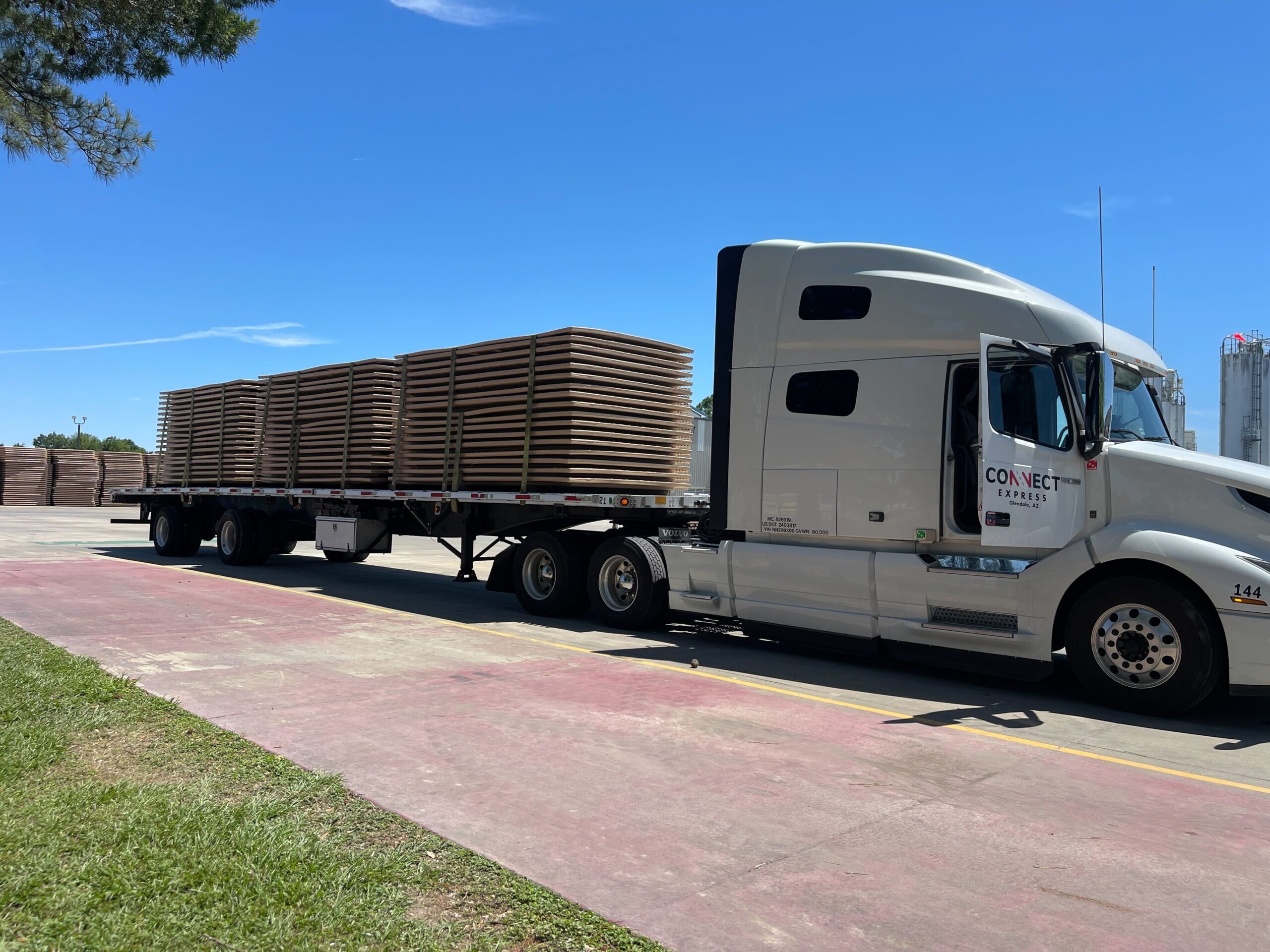
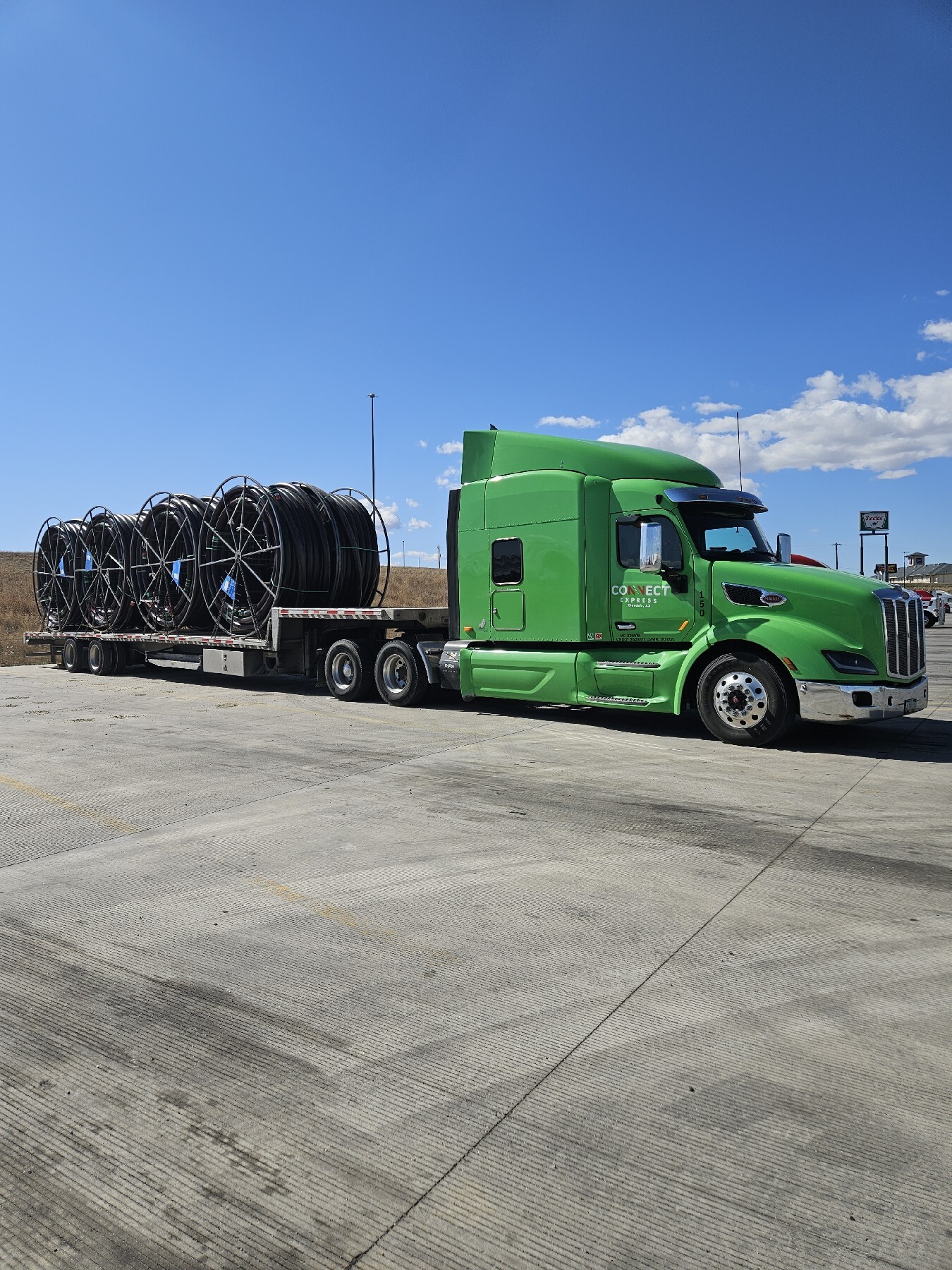
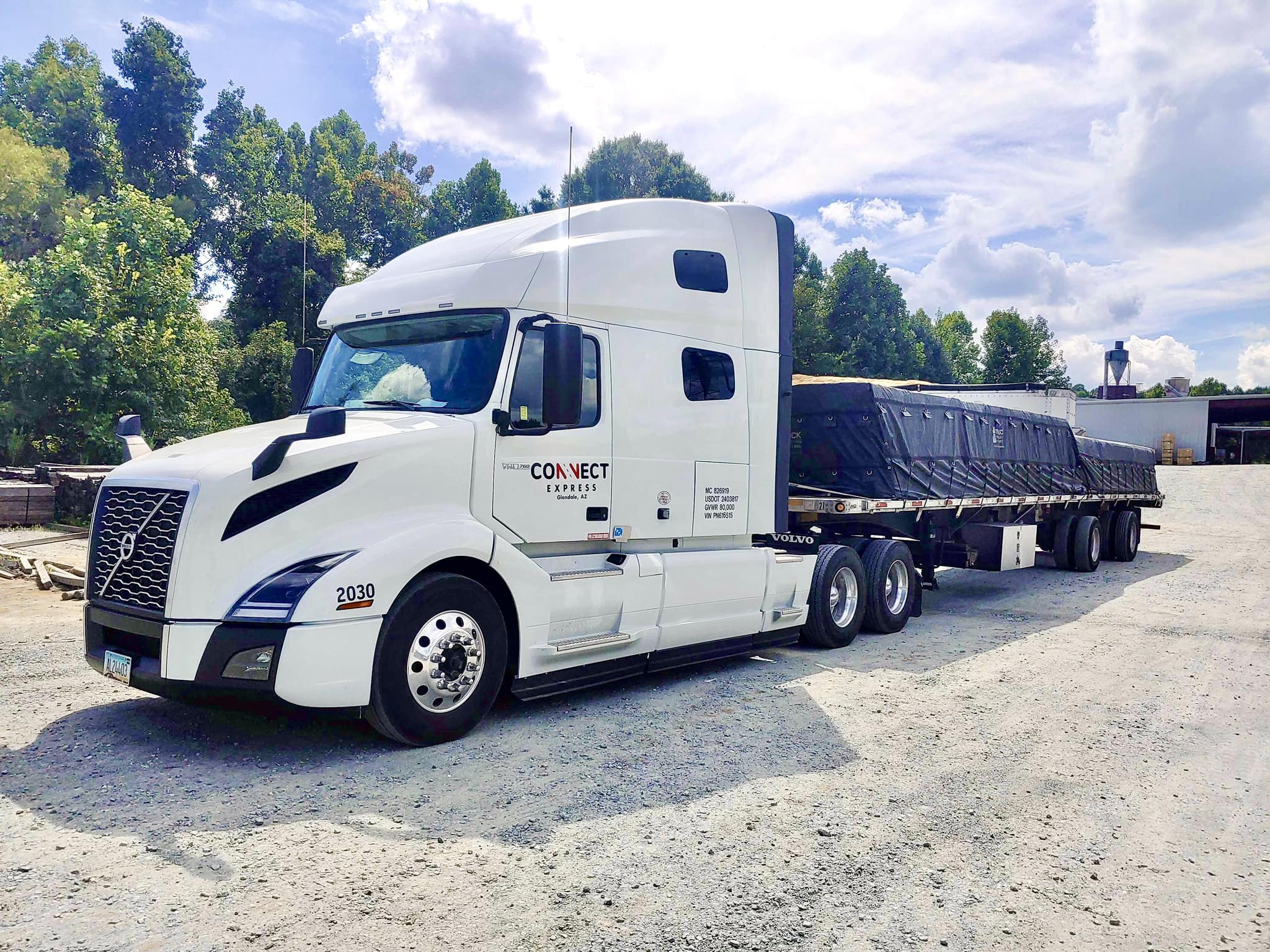
But not every truckload move looks the same. A dry van load from Arizona to Ohio is one type of operation. A reefer load with strict temperature requirements is another. Flatbed and oversized freight bring a different set of problems, from securement to routing to permit timing. The job is still truckload shipping. The execution changes based on the cargo.
Where nationwide truckload shipping usually goes wrong
Most failures do not start on the road. They start before dispatch. The pickup window is loose. The commodity details are incomplete. The shipper assumes a standard dock delivery, but the receiver needs a different appointment process. The wrong trailer type gets assigned. Nobody catches the issue until the truck is already burning hours.
Communication breaks down in simple ways too. A shipper asks for an update and gets silence. A driver gets delayed at a shipper and nobody resets the delivery expectation. A load is technically still moving, but the customer has no clear picture of what is happening.
That is where a lot of freight managers get frustrated. They do not need dramatic promises. They need basic execution. Show up on time. Give accurate updates. Handle the freight correctly. If something changes, say it early.
What good truckload service looks like in practice
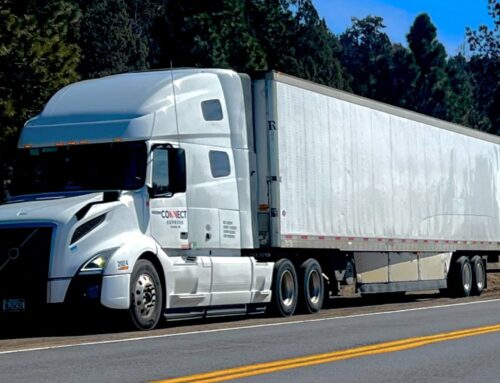
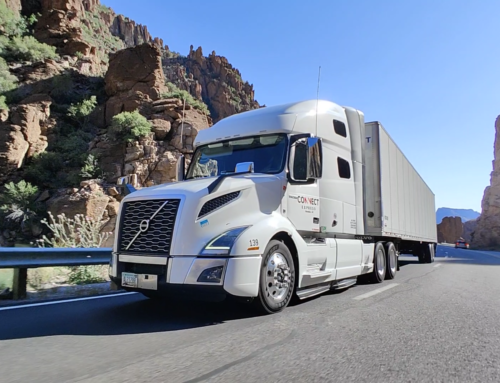
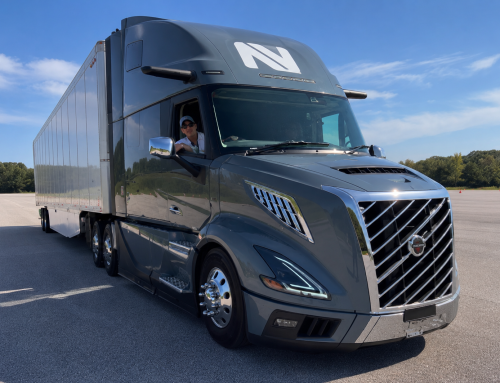
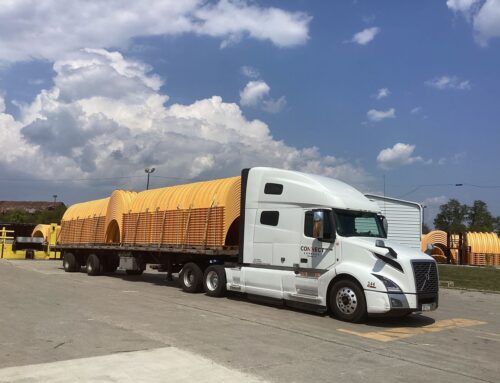
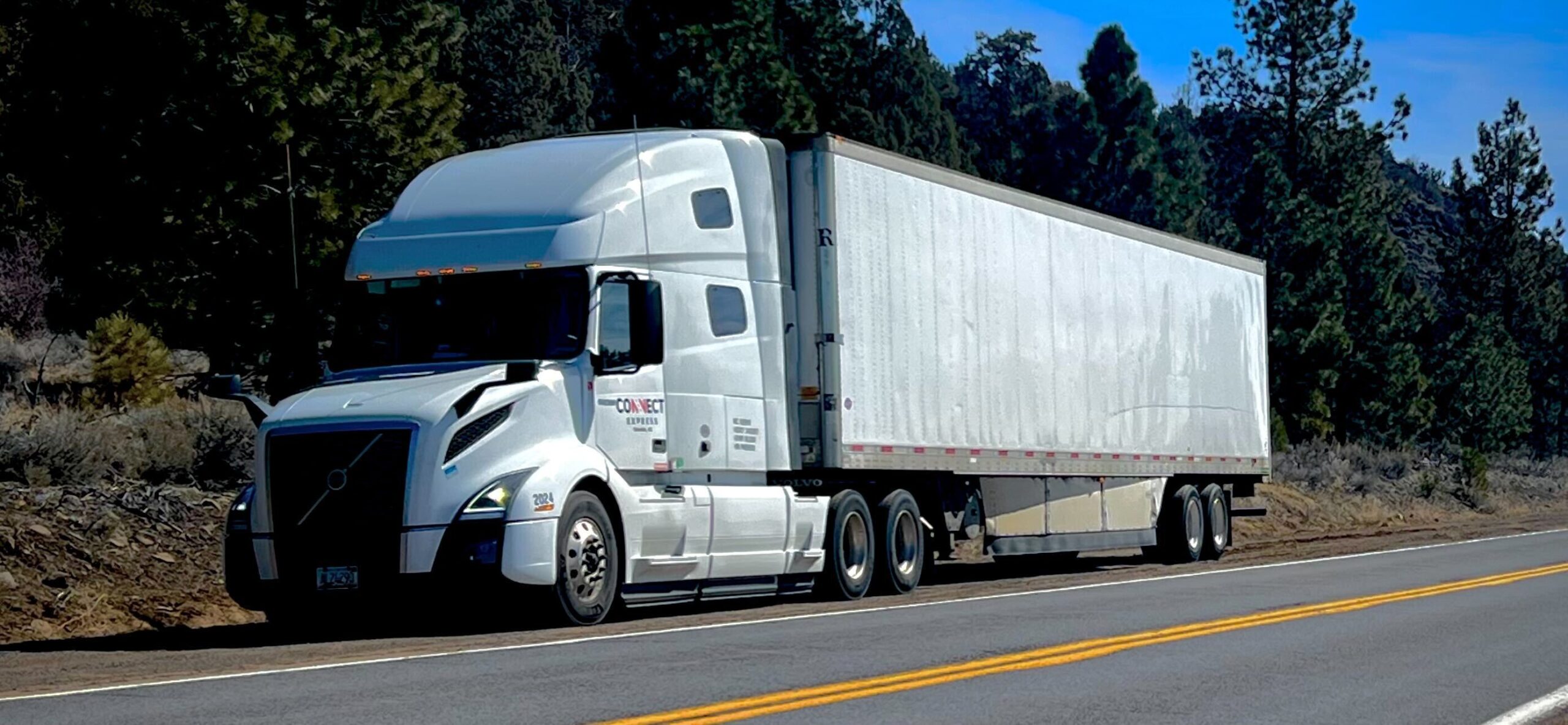
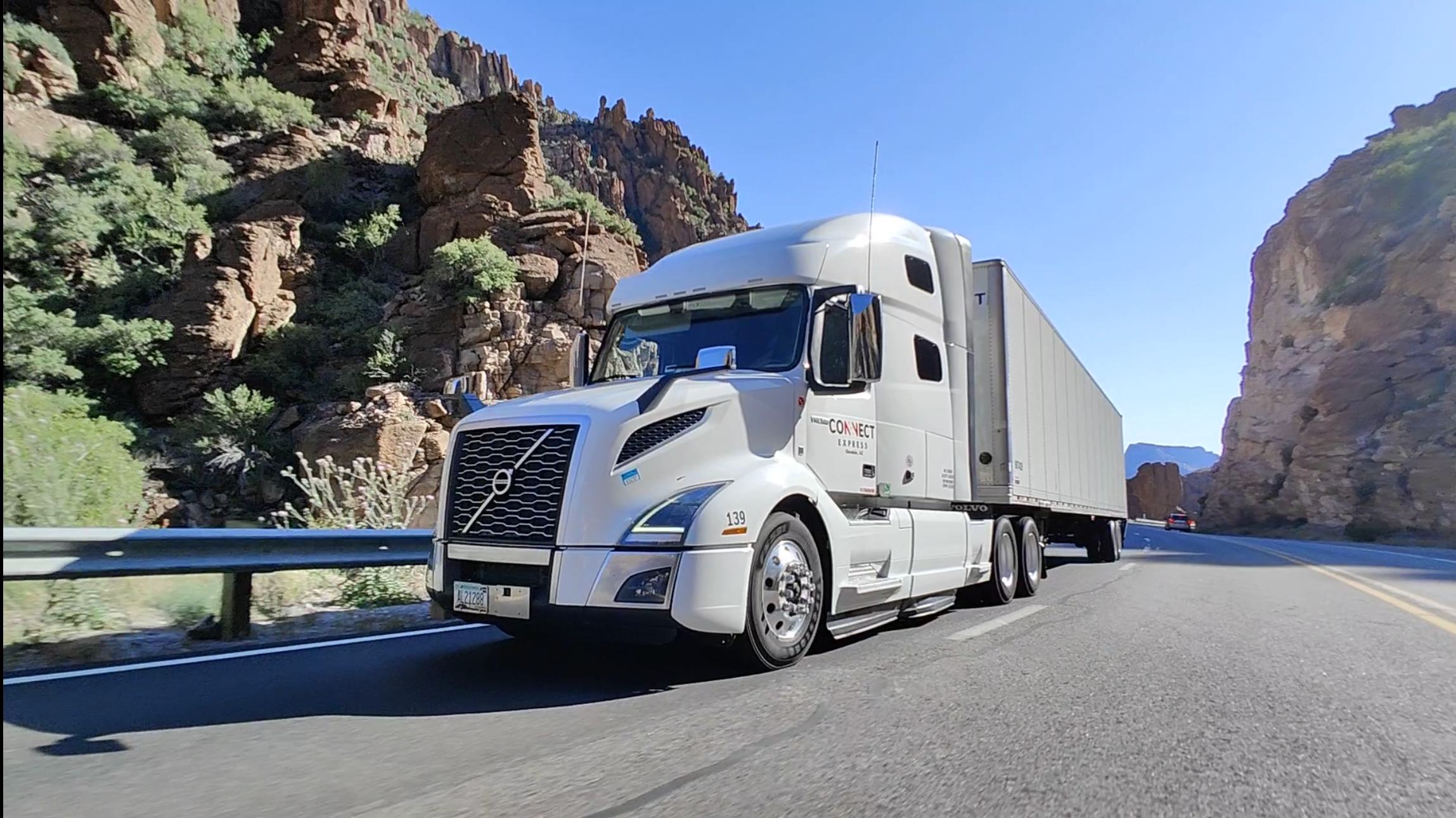
Good service starts with matching the equipment to the freight. Dry van works for a wide range of consumer goods, palletized freight, and packaged materials. That is the kind of freight our dry van trucking team moves every day. Reefer is needed when temperature control is part of the shipment requirement, not an afterthought. Flatbed is right for freight that cannot be loaded into an enclosed trailer or needs crane or side loading access.
After that, it comes down to planning. Pickup times should be realistic. Transit should be built around legal hours, traffic patterns, weather risk, and receiver constraints. If the load is high-value or time-sensitive, that should shape the plan from the start.
Then there is communication. Real updates are not a luxury on nationwide freight. They are part of the service. A shipper should not have to chase down the status of a truck moving a critical load across the country. If the truck is on time, say it. If it is delayed, say that too. No guessing where your load is.
Dry van, reefer, and flatbed are not interchangeable
This sounds obvious, but a lot of service problems start when people treat trailer types like they are close enough. They are not.
Dry van freight is often straightforward, but that does not mean it is easy. Load securement still matters. So do pallet counts, weight distribution, and dock timing. A simple consumer goods shipment can turn into a service failure if the paperwork is wrong or the appointment is mishandled.
Refrigerated freight has less room for error. Temperature settings, pre-cooling, product sensitivity, and receiver expectations all have to line up. If any of that is unclear at dispatch, the risk goes up fast. Reefer freight needs tighter coordination because the freight itself can degrade if the details are wrong.
Flatbed and oversized hauling require even more attention up front. The securement plan matters. So does route planning. Depending on the dimensions, permits and escort requirements may come into play. You cannot treat that like a standard dock-to-dock move and hope it works out on the road.
Why capacity matters more on long-haul freight
A local or regional load can sometimes be recovered if the original truck falls off. Nationwide truckload shipping is less forgiving. The longer the haul, the more damage a bad handoff can do to the schedule. Once a shipment misses its planned start, everything behind it gets tighter.
That is why dependable capacity matters. Not theoretical capacity. Actual trucks, actual drivers, actual equipment. Shippers moving full truckloads across the continental United States need to know the carrier can cover what they commit to, not just post it and hope.
This is also where relationships matter. When a carrier knows your freight profile, your docks, your appointment standards, and your problem lanes, the operation gets smoother. There are fewer surprises because the basics are already understood.
Communication is part of the load, not extra service
Some carriers act like updates are optional unless there is a problem. That does not work for freight managers who are balancing warehouse schedules, customer commitments, and internal reporting.
A good update does not need to be long. It needs to be accurate. Picked up on time. Loaded and rolling. Delayed at shipper for two hours. ETA updated for 9:30 a.m. Receiver checked in. Delivered. That kind of communication keeps everyone calm because it replaces guessing with facts.
The other side of communication is escalation. If a problem shows up, it should be addressed while there is still time to adjust. Waiting until the delivery appointment is missed helps nobody. The best carriers do not hide bad news. They get in front of it.
Why home base matters and why it does not
A carrier’s home base can matter if it lines up with your freight flow. For companies moving freight through the Southwest, a Phoenix, Arizona base can be useful because it puts equipment near key lanes into California, Nevada, New Mexico, Texas, Utah, and Colorado. That can help with consistency on recurring routes.
But on nationwide truckload shipping, home base is not the whole story. Execution is. A truck in the right market does not mean much if dispatch is weak, updates are late, or pickup commitments are loose. The map matters. Operations matter more.
What shippers should ask before handing over the load
The right questions are usually simple. What trailer is assigned? Has the pickup window been confirmed? Are there any appointment or handling issues at the receiver? Who sends updates? If this load is delayed, when will I hear about it?
You do not need a sales pitch. You need clarity. If the answers are vague before the truck is loaded, they will probably stay vague once the freight is moving.
For brokers needing capacity, the same rule applies. Clear communication and realistic planning matter more than flashy language. A missed pickup still belongs to someone, and it usually lands on the person trying to explain it to the customer.
The loads that benefit most from truckload service
Not every shipment needs a full trailer. But some freight clearly does. High-volume replenishment loads, plant transfers, food shipments, retail freight with fixed delivery windows, and oversized materials are all strong truckload candidates. The more the freight depends on timing, handling, or trailer-specific requirements, the more truckload service makes sense.
Dedicated lanes are another good example. If the same shipment moves week after week, consistency becomes a bigger priority than shopping around every time. Familiar drivers, stable schedules, and repeatable communication usually outperform constant resets.
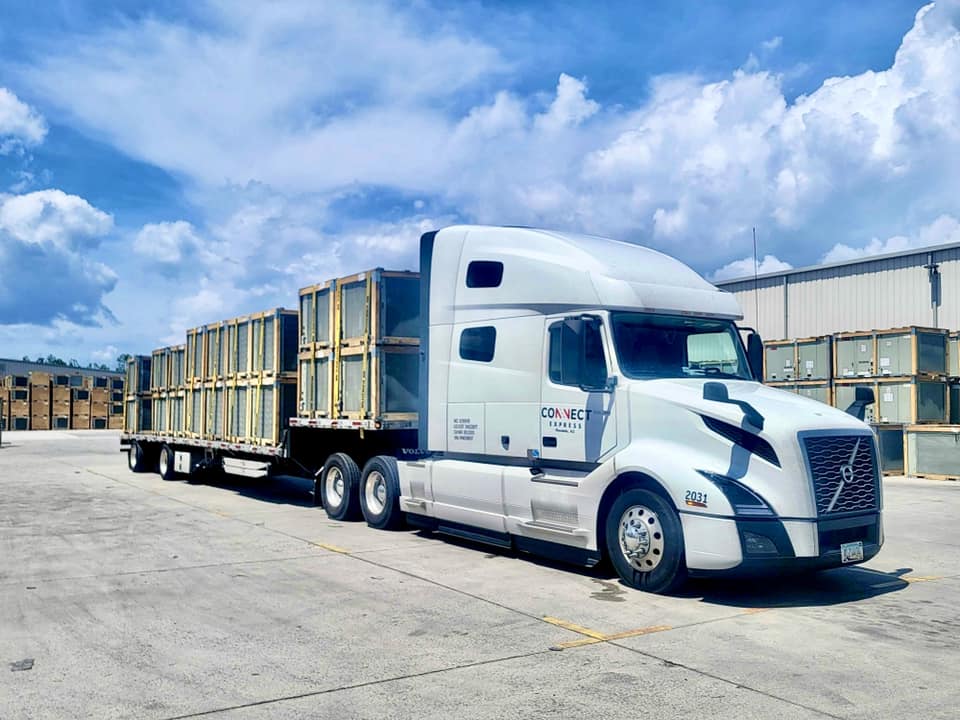
That is one reason carriers like ConnectExpress LLC focus on execution over talk. Real trucks and real drivers solve more problems than big promises do.
When you are moving freight across the country, the best setup is usually the simplest one: the right trailer, a solid plan, and a carrier that tells you the truth before you have to ask.
Request a truckload quote: Contact Connect Express or call 480-401-1998.