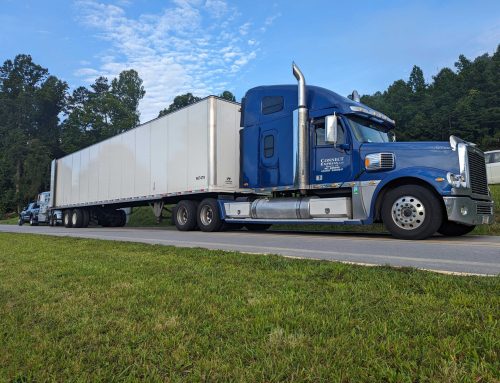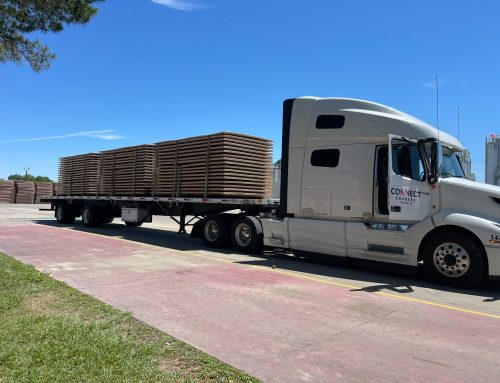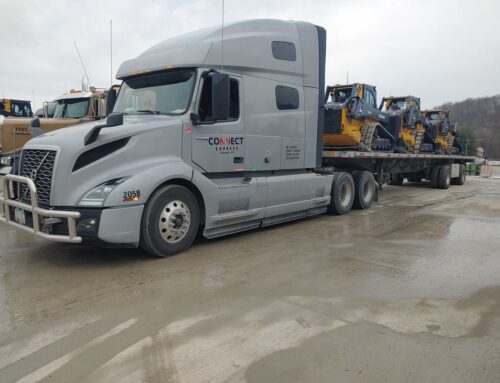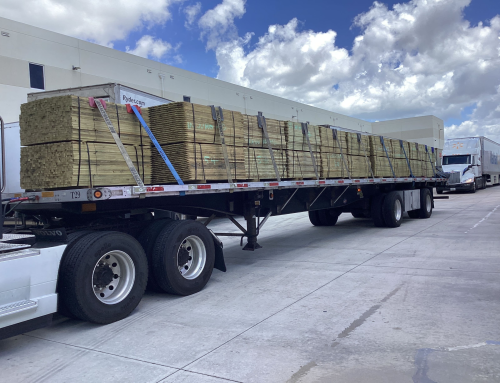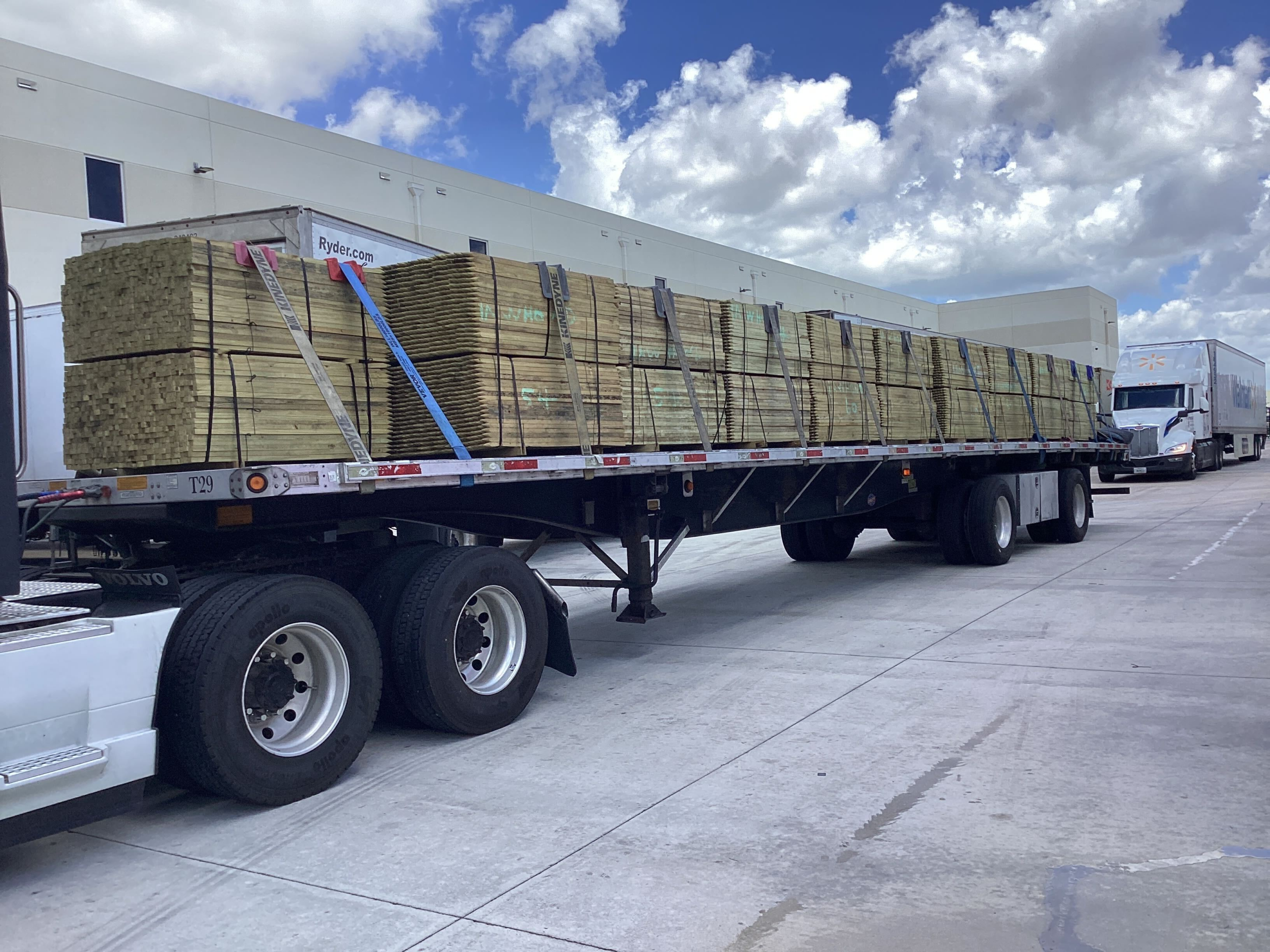
A truck can arrive at the consignee on time and still create a bad shipment. Maybe it missed the pickup window, the shipper had no update for six hours, or the receiver found damaged freight. That is why the best trucking KPIs for shippers measure more than final delivery time. They show whether a carrier can execute the full move without creating extra work for your team.
A useful carrier scorecard should be simple enough to review every week. If it takes an analyst to explain the numbers, it will not help a freight manager solve a problem before the next load moves. Track the KPIs that affect your dock, your customer, and your freight.
1. On-Time Pickup Percentage
On-time pickup is where a shipment either starts clean or starts behind. A late truck can disrupt production schedules, fill up a dock, delay an outbound order, or force your team to reschedule labor. Delivery performance cannot fully make up for a missed pickup.
Calculate it by dividing pickups made within the agreed appointment window by total pickups, then multiplying by 100. The key is defining the window before the load tenders. A facility may allow a 30-minute window. Another may allow two hours. Use the actual appointment requirement, not a loose definition that makes the number look better.
Also separate carrier-caused misses from shipper-caused delays. If freight is not ready, paperwork is incomplete, or the loading dock is backed up, record that honestly. A good KPI identifies the cause. It should not turn every delay into an argument.
2. On-Time Delivery Percentage
On-time delivery is still one of the most important trucking KPIs for shippers. Your customer may not care that traffic was heavy, a relay ran late, or a driver lost time at the previous stop. They care whether their freight arrived when promised.
Measure delivery against the confirmed appointment, not against a broad delivery date if an appointment was set later. For live unloads, arrival time matters. For drop freight, use the time the trailer is placed and available to the receiver when that is the agreed service standard.
Look at this number by lane, equipment type, and customer location. A carrier can perform well on a steady Phoenix-to-Texas dry van lane and struggle on a multi-stop refrigerated run. One overall percentage can hide the lane that needs attention.
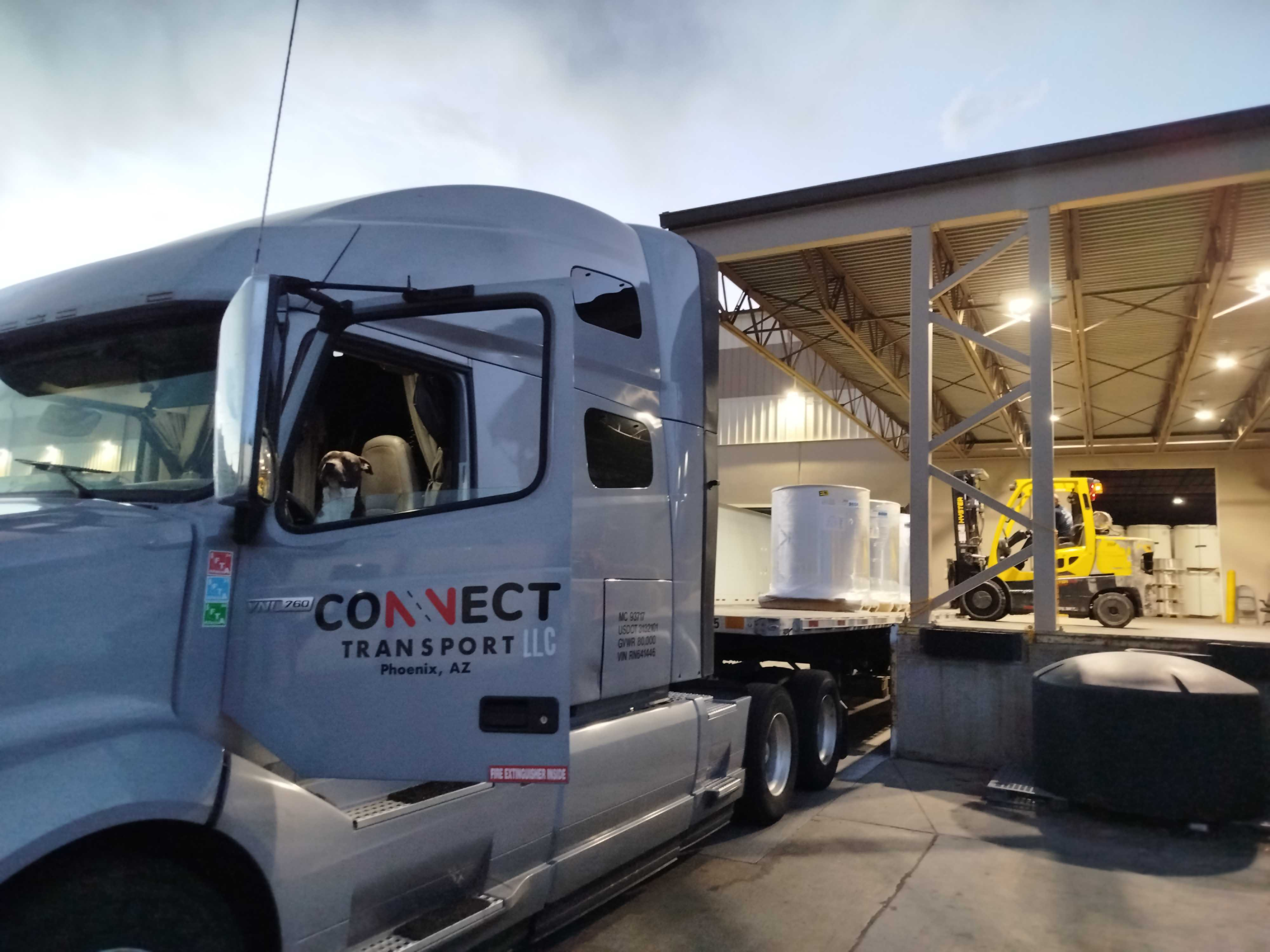
3. Pickup and Delivery Appointment Compliance
This KPI is related to on-time performance, but it deserves its own review. A truck can technically arrive on the correct day while missing a strict appointment by several hours. That may trigger detention, missed receiving labor, a rejected delivery, or a customer complaint.
Appointment compliance answers a direct question: Did the carrier meet the scheduled time requirement? Track early arrivals too when they cause problems. Some facilities cannot take a truck before the appointment because of yard rules, limited dock space, or product controls.
For carriers, this number depends on clear dispatch information. The pickup number, facility hours, check-in instructions, product requirements, and delivery appointment need to be correct before the truck rolls. Bad information creates bad performance data.
4. Status Update Compliance
No one wants to call three times to find out whether a truck picked up. Communication is a service metric, not a courtesy. When a load is delayed, shippers need a real update early enough to make a decision.
Set required milestones for each shipment: dispatch confirmation, pickup, loaded departure, delay notice when needed, arrival at delivery, and proof of delivery. Then measure the percentage of loads with complete, timely updates.
Do not reward empty tracking messages. “Moving as planned” is not useful if the truck is parked and the appointment is at risk. A quality update states what happened, what the new estimated arrival time is, and what action is being taken. If a reefer alarm occurs or a flatbed load needs a securement check, the shipper should hear it from the carrier first.
5. Tender Acceptance and Capacity Coverage
A carrier that performs well only when freight is easy to cover is not giving you dependable capacity. Tender acceptance measures the percentage of offered loads a carrier accepts. Capacity coverage goes a step further. It asks whether the carrier actually provides equipment as committed, especially on dedicated lanes or recurring freight.
Review this KPI by lead time. Same-day freight is different from a scheduled weekly lane. A carrier may have a strong acceptance rate on planned loads and limited flexibility for short-notice requests. That is not automatically a failure, but it needs to be clear before a shipment becomes urgent.
For dedicated freight, track truck availability against the committed schedule. If a truck is supposed to cover Monday through Friday, the measure is not just whether it accepted the load. The measure is whether the truck was ready when your freight was ready.
6. Dwell Time at Pickup and Delivery
Dwell time is the time a truck spends waiting at a shipper or receiver beyond normal loading and unloading. Long dwell costs everyone time. It can cause a driver to miss the next appointment, reduce available capacity, and make a clean route turn into a late load.
Track average dwell time at both ends of the shipment, but do not stop at the average. Review the locations with repeat delays. A single four-hour delay can be buried inside a good average if most loads move quickly.
This KPI is not only for judging carriers. It helps shippers find facility problems. Maybe appointment spacing is too tight. Maybe paperwork is held until the truck arrives. Maybe a receiver regularly unloads refrigerated freight late. The purpose is to fix the handoff, not just assign blame.
7. Freight Claims and Damage Rate
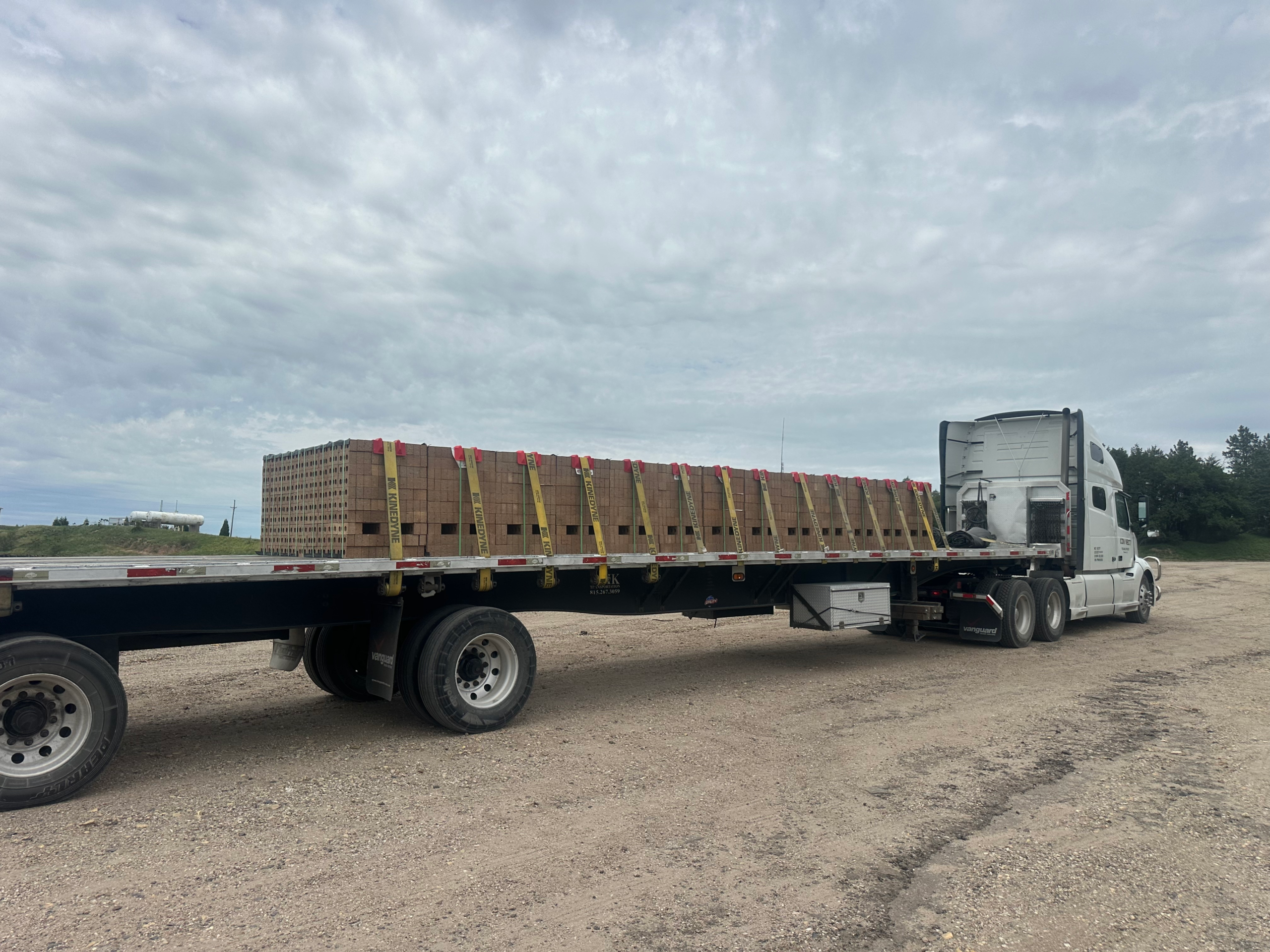
A shipment delivered on time is not successful if the freight arrives damaged. Claims frequency measures how often freight issues occur. Claims severity measures how serious those issues are. You need both.
Track the number of claims per shipment and review the cause: trailer condition, loading method, blocked and braced freight, securement, temperature exposure, handling, or a delivery-side issue. For flatbed freight, securement and weather protection may be the central concern. For dry van freight, loading practices and trailer condition may matter more. For reefer loads, add temperature compliance to the scorecard.
Do not wait for a formal claim to record an incident. Rejected pallets, shifted freight, broken seals, temperature excursions, and delivery exceptions should be reviewed while the details are fresh. A carrier that communicates an issue quickly gives the shipper more options to protect the customer.
8. Invoice and Documentation Accuracy
Freight paperwork should not become a second job for your team. Invoice accuracy tracks whether the billing matches the agreed load details. Documentation accuracy tracks whether bills of lading, proof of delivery, lumper receipts, scale tickets, permits, and other required documents are complete and submitted on time.
This matters most when loads have special requirements. Oversized freight may require permit documents and route-specific records. Refrigerated loads may require temperature records. Multi-stop shipments need clear delivery paperwork for each stop.
Measure the percentage of loads that close without a billing correction or missing document request. Then identify where the errors start. Sometimes the problem is carrier paperwork. Sometimes the load tender did not include the right accessorial instructions. Either way, recurring exceptions are a process problem worth fixing.
How to Use These KPIs Without Creating More Work
Start with a scorecard for each carrier and review it on a regular schedule. Monthly works for steady freight. Weekly may be better for high-volume lanes, sensitive product, or a carrier that is new to your network. Keep the definitions consistent. Changing the rules after a bad month makes the scorecard useless.
Do not judge every carrier by the same standard without considering the freight. A dry van shipment with flexible delivery hours is not the same as a temperature-controlled load with a strict grocery appointment. An oversized move may involve permits, escorts, route limits, and weather constraints that require different performance measures.
The goal is not to demand perfect numbers on a spreadsheet. The goal is to know where execution breaks down and whether the carrier owns the issue. Real trucks and real drivers operate in real conditions. Good partners communicate early, protect the freight, and handle problems directly.
At ConnectExpress LLC, that is the standard we work from: show up prepared, give real updates, and keep the shipment moving. Start with the KPIs tied to your biggest service failures, then use the results to build better lanes instead of repeating the same surprises.
Need capacity on this type of freight? Connect Express LLC provides asset-based logistics services across the Southwest and nationwide.
Request a truckload quote: Contact Connect Express or call (844) 474-8963.