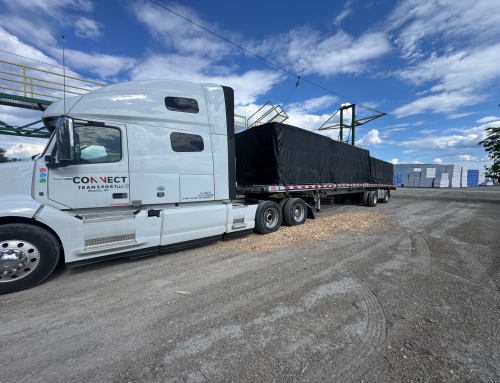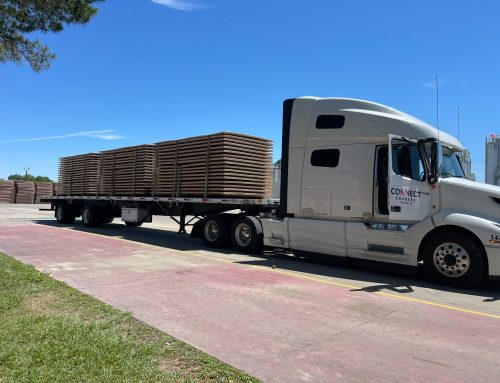
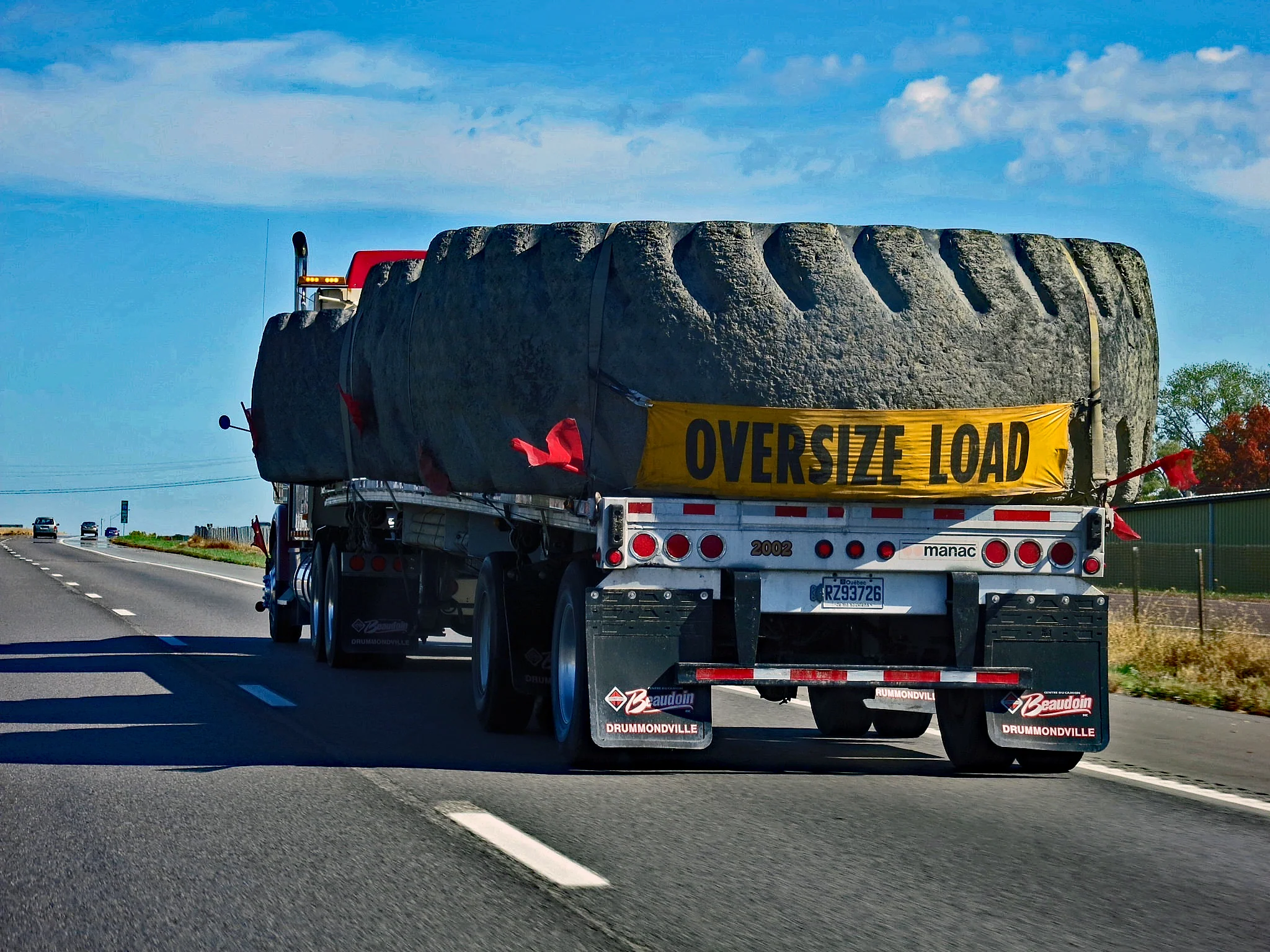
A 12-foot-wide load can look simple on a dispatch board. It stops being simple when the trailer arrives and the load is wider than the dimensions provided, the permit route misses a low bridge, or the crane is not ready to load. Knowing how to schedule oversized transport starts with getting the facts right before a truck is assigned.
Oversized freight needs more planning than a standard flatbed shipment. The equipment, permits, route, loading site, and delivery appointment all have to line up. When one piece changes, the whole move may need to change with it. Equipment condition is part of that plan too, so review these flatbed truck maintenance tips before a big move.
How to Schedule Oversized Transport Before Pickup
Start with the actual load, not an estimate. Ask the shipper or manufacturer to provide confirmed dimensions after the freight is packaged, blocked, crated, or mounted for transport. A piece of equipment may fit a trailer by itself, then become overheight once it is set on dunnage or loaded onto a step deck.
Give the carrier the full loaded dimensions: length, width, height, and weight. Also provide the weight distribution if it is available. Total weight matters, but where that weight sits matters too. A machine with most of its weight at one end may require a different trailer, axle setup, or loading position than a balanced load of the same total weight.
Do not leave out attachments, overhangs, loose parts, or shipping frames. If a boom, counterweight, bucket, or removable component travels with the main piece, it needs to be included in the load plan. The carrier also needs clear photos from all sides. Photos often catch problems that a dimension sheet does not.
For a clean dispatch, send these details at the beginning:
- Confirmed loaded length, width, height, and total weight
- Pickup and delivery addresses, including site contacts and hours
- Loading and unloading method, such as crane, ramp, forklift, or customer assistance
- Equipment requirements, including securement points and any special handling instructions
This is not paperwork for paperwork’s sake. It determines whether the right truck can legally and safely move the freight.
Match the Trailer to the Load
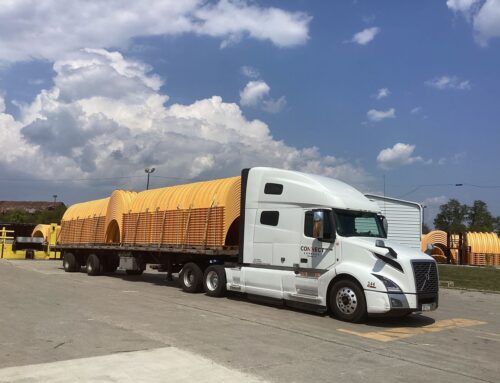
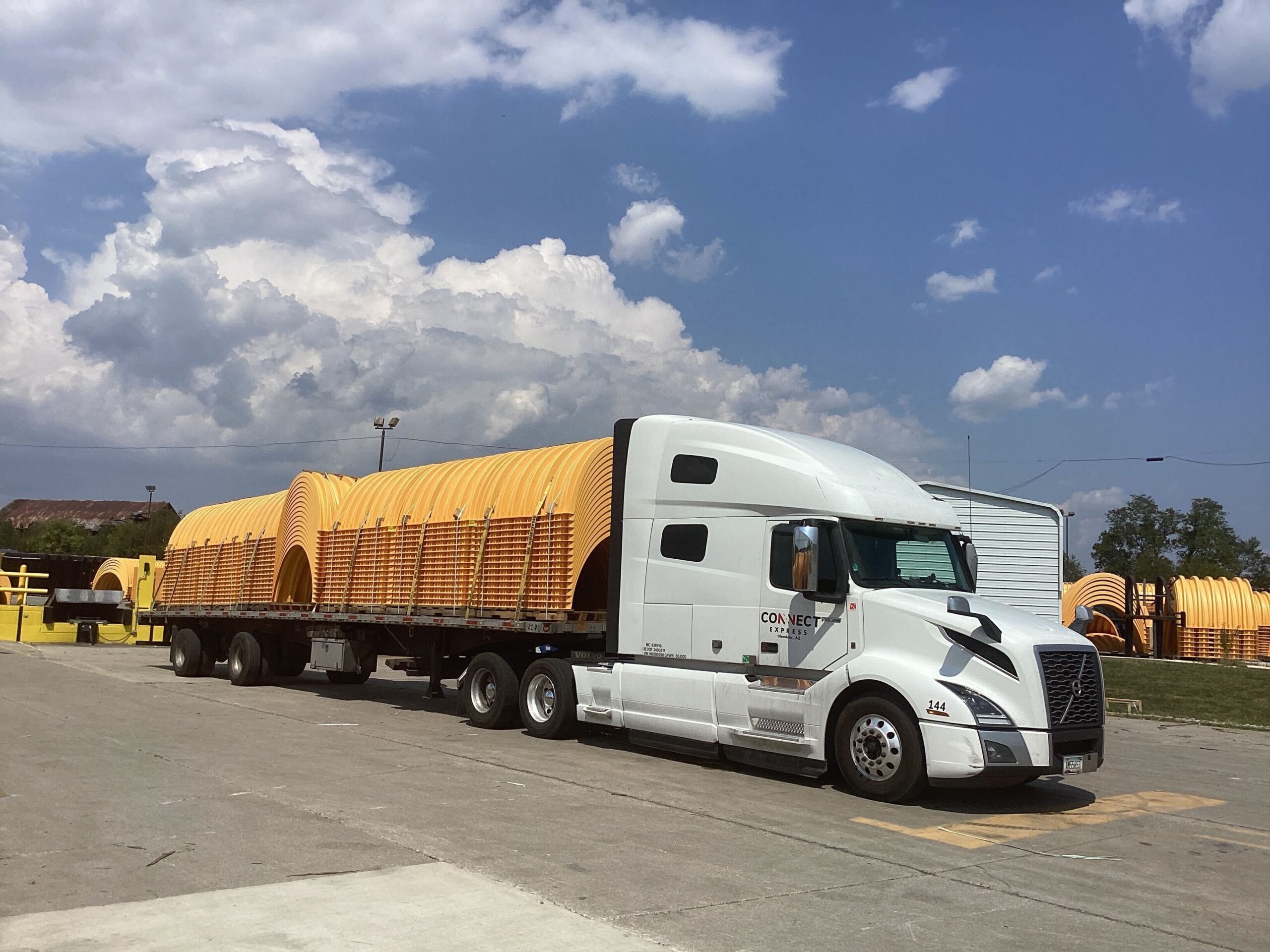
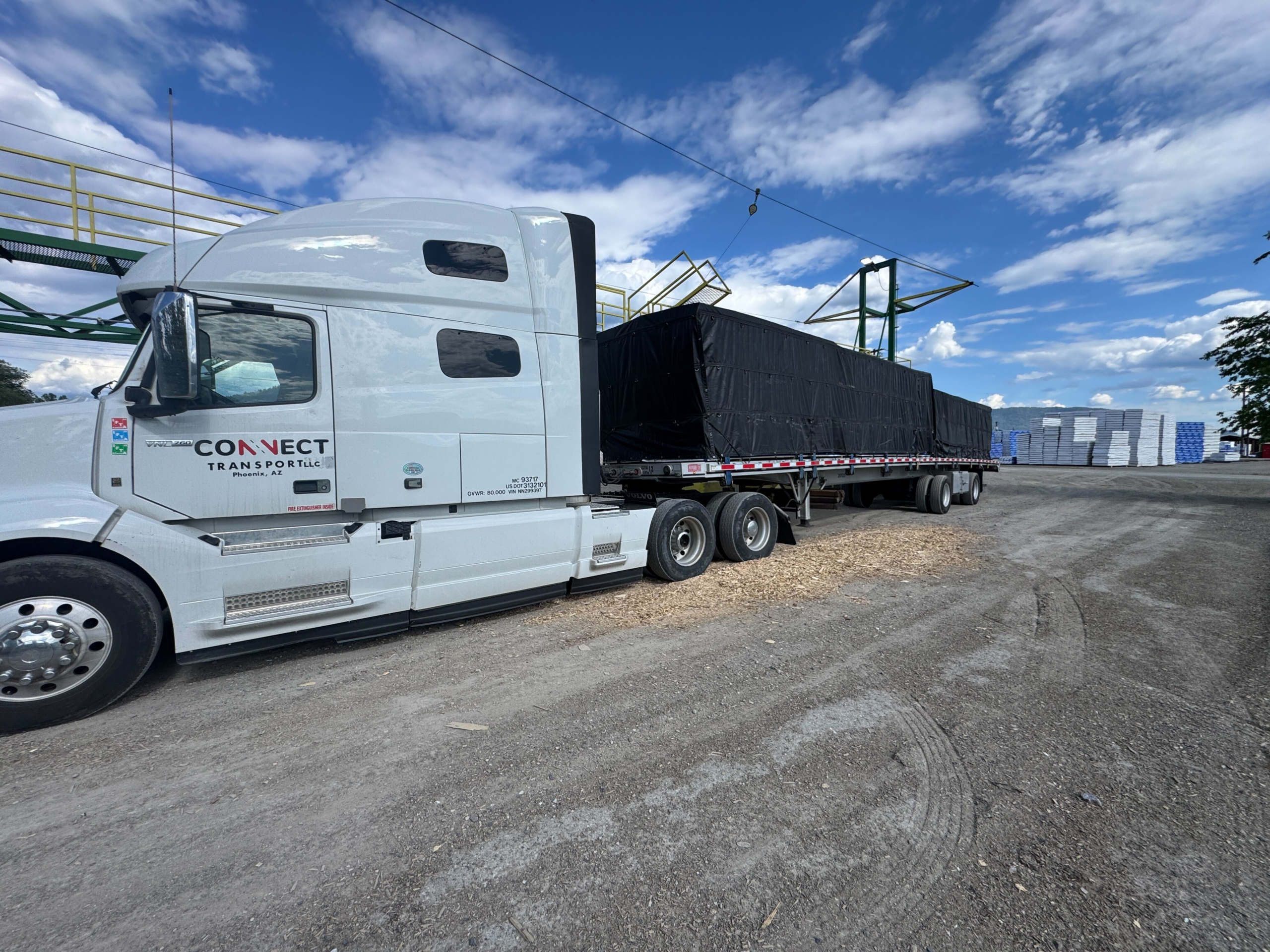
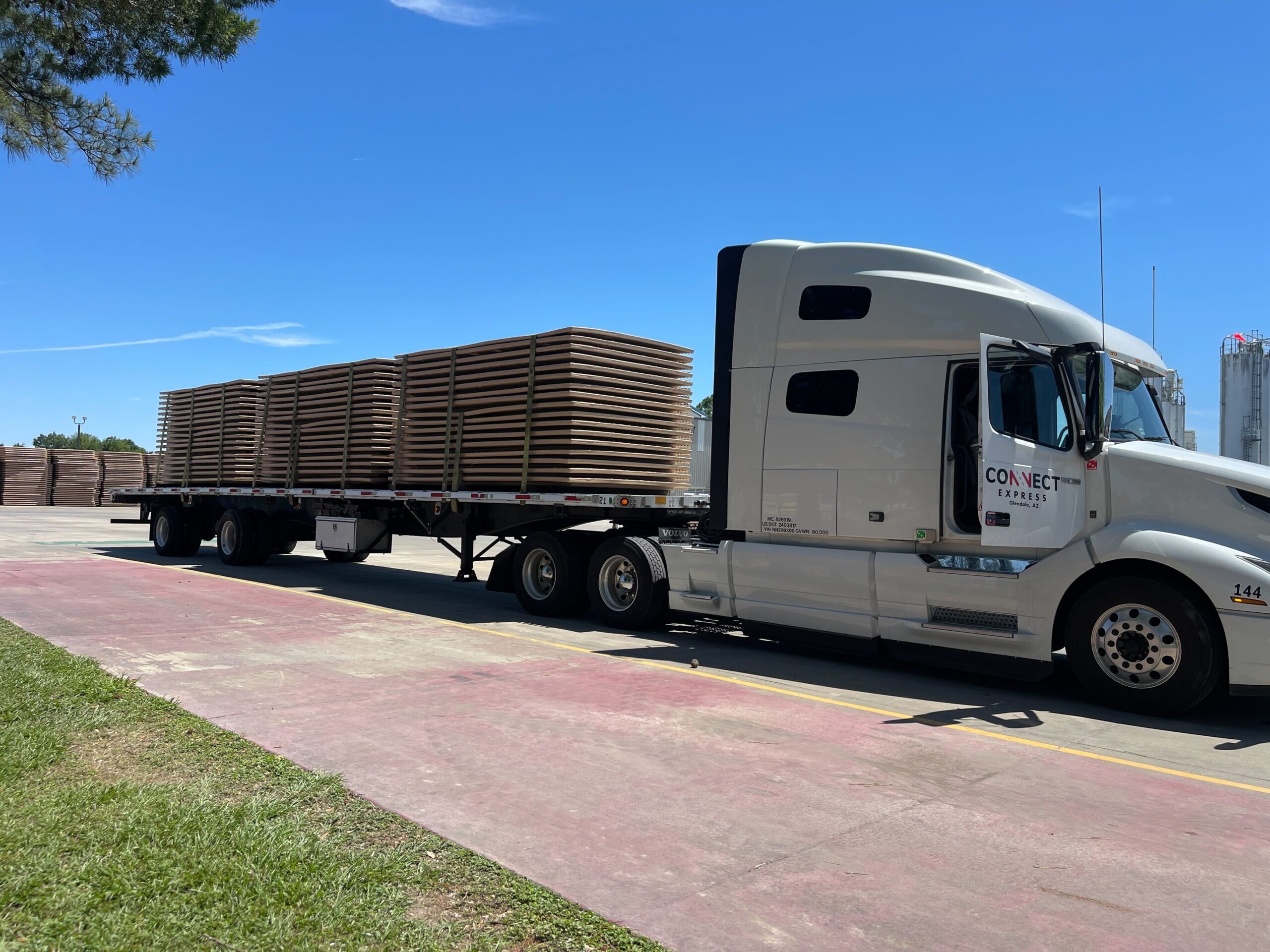
Oversized transport is not one trailer type. A legal-height load may move on a standard flatbed. A taller piece may need a step deck or double drop to stay under bridge clearances. Heavy equipment may require a lowboy, removable gooseneck trailer, or a multi-axle configuration that spreads the weight correctly.
Trailer selection also depends on how the freight gets loaded. A machine that can be driven onto a trailer has different needs than a vessel that must be lifted by crane. A loading dock, yard surface, turning radius, and available crane capacity can all affect the equipment choice.
Tell the carrier if the freight can be loaded from the rear, side, or top. Mention whether the load can be turned, whether it must stay upright, and whether it has a high center of gravity. Those details affect securement and trailer placement.
Do not assume the lowest trailer is always the answer. A lower deck can solve a height issue, but it may create problems with ground clearance at the pickup site or along the route. The best equipment is the one that fits the load, the locations, and the legal route.
Build Enough Time for Permits and Route Review
Oversize permits are issued by the states the truck will travel through. Requirements vary by state and by load size. Some moves need only permits. Others need pilot cars, restricted travel hours, route surveys, utility coordination, or approval for bridge crossings.
This is why same-day oversized scheduling is rarely a good plan. A permit may be routine for one shipment and take longer for another, especially if the load is unusually tall, wide, heavy, or long. A route that works for a 10-foot-wide load may not work for a 14-foot-wide load.
Give the carrier as much lead time as possible. For a straightforward move, several business days may be enough. Loads that are very heavy, unusually large, or moving through multiple states should be planned earlier. If the delivery date is fixed, work backward from that date instead of waiting until the freight is ready to ship.
Permit requirements can also change after the load is measured. If the final height is higher than expected, the carrier may need a new route and new permits. That is why verified dimensions should come before permit applications whenever possible.
Check the Pickup and Delivery Sites
A legal route does not fix a bad jobsite. The truck still has to enter the facility, get positioned, load safely, and exit without getting stuck or damaging property.
Before scheduling, confirm the site has room for the equipment. Ask about gate width, overhead wires, parked trailers, tight turns, soft ground, and traffic patterns. If a crane is loading the freight, confirm the crane time and operator are locked in before the truck arrives. A driver waiting on a crane can miss a permit travel window or the next appointment.
The same applies at delivery. Make sure the receiver knows the truck’s expected arrival range and has the crew, unloading equipment, and space ready. Oversized loads may be restricted from traveling at night, during peak traffic periods, or on certain holidays. A receiver that closes at 3:00 p.m. can turn a planned same-day delivery into an overnight delay.
Site contacts need to answer their phones. Give the driver a person who knows the yard, not a general office number that routes to voicemail.
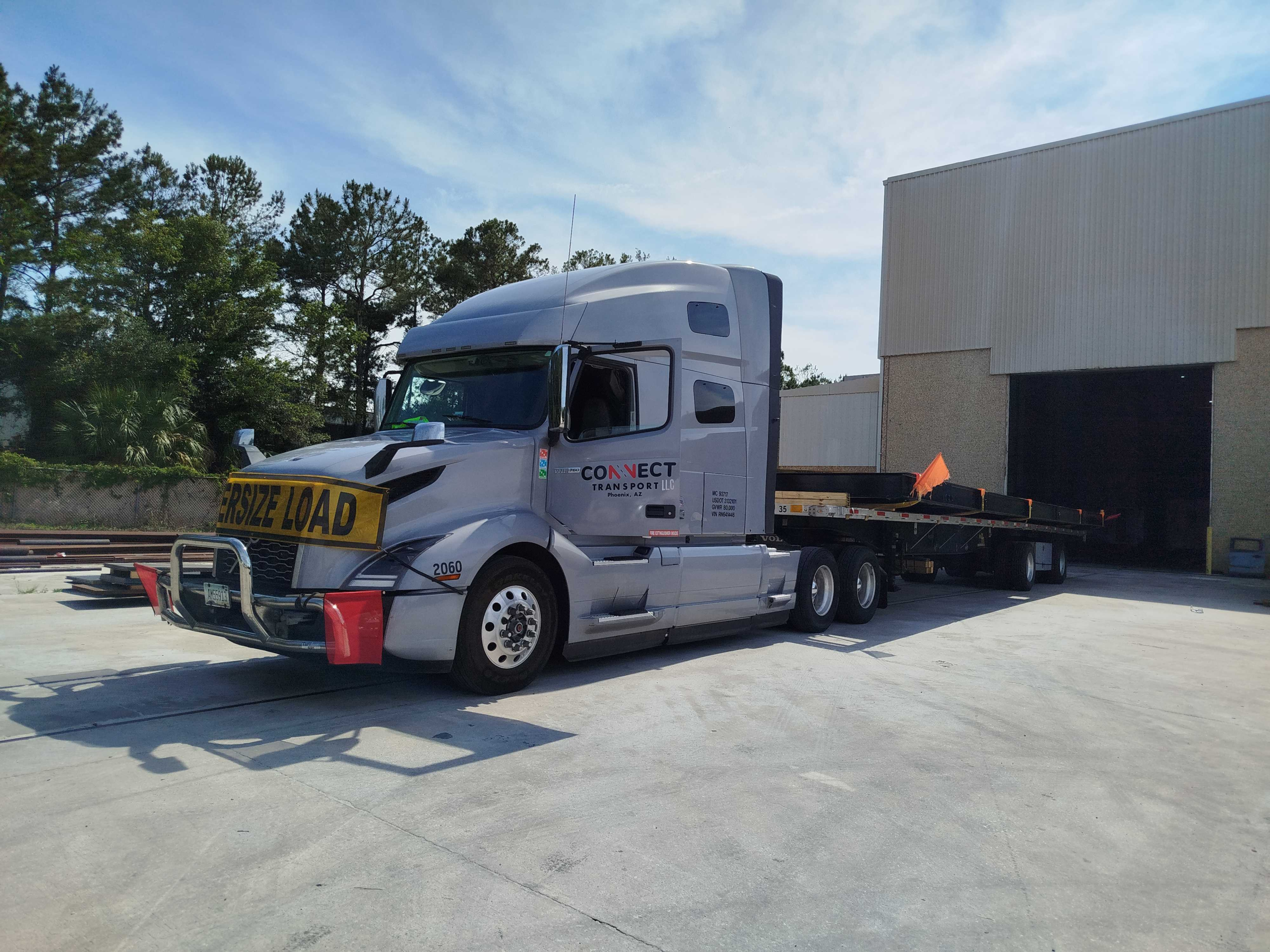
Set a Realistic Delivery Window
Oversized freight does not always move at standard transit speed. Permit rules may limit travel to daylight hours. Pilot-car requirements, weather, construction, traffic restrictions, and routing around low clearances can add time.
Build the delivery appointment around the legal operating plan. It is better to schedule a realistic delivery window than to promise a tight appointment that depends on everything going perfectly. If the move crosses several states, allow room for inspections, permit checks, and normal road conditions.
Communication matters most when the plan changes. The carrier should provide real updates, not vague status messages. If weather, a road closure, or a site problem affects the schedule, the shipper and receiver need to know early enough to adjust crews and equipment.
Confirm Who Handles What
Before the truck is dispatched, make responsibilities clear. The carrier normally handles transportation planning, equipment, securement, and permits for the planned route. The shipper is responsible for accurate freight details and a safe, ready pickup location. The receiver needs to be ready to accept and unload the load.
There are exceptions. Some shippers provide pilot cars, arrange cranes, or have a preferred permit process. Some projects require coordination with a construction manager or government agency. Put those details in writing before pickup day. A verbal assumption is how loads end up waiting in a yard.
Also confirm cargo value, required documentation, and whether the freight has special regulations. Equipment containing fuel, batteries, or other regulated materials may need additional review. If a component can be removed to make the load smaller or easier to permit, decide that before the truck arrives.
Keep One Version of the Plan
Oversized moves often involve several people: the shipper, project manager, crane operator, carrier dispatcher, driver, escorts, and receiver. Problems start when each person has a different pickup time, dimension sheet, or delivery instruction.
Use one confirmed load sheet with the final dimensions, weight, addresses, contacts, loading method, trailer type, and schedule. If anything changes, send the update to everyone who needs it. Do not rely on an old email thread or a phone call passed through three people.
ConnectExpress LLC is based in Phoenix, Arizona, and handles flatbed and oversized freight across the Southwest and throughout the continental United States. The same rule applies whether the load is moving across Arizona or several state lines: the plan has to match the freight that is actually on the trailer.
A well-scheduled oversized move does not depend on luck. Measure the load correctly, allow time for permits, confirm the sites, and keep the people involved informed. When the truck rolls in, the goal is simple: the right equipment, the right paperwork, a ready crew, and no guessing where the load is going next.