A lane looks good on paper until it fails on a Thursday afternoon. The rate may be fine. The mileage may work. But if trucks disappear every time produce spikes, weather hits, or a market tightens, it is not one of the best freight lanes for consistent capacity. Shippers do not need a lane that works only when freight is soft. They need lanes that hold together when the week gets busy.
That is the real test.
Consistent capacity comes from repeatable freight, balanced demand, manageable dwell time, and realistic transit expectations. It also comes from working with carriers that actually run the lane, not carriers that say yes first and figure it out later. If you are trying to stabilize service, reduce missed pickups, and stop chasing coverage every week, lane selection matters more than most people admit.
What makes the best freight lanes for consistent capacity
A strong lane is not just high volume. Volume helps, but consistency matters more. The best freight lanes for consistent capacity usually have freight moving in both directions, enough density to keep trucks in the market, and pickup and delivery patterns that drivers can plan around. Shippers weighing outside help on these lanes can review how third-party logistics partnerships work alongside a direct carrier.
Balance is a big part of it. If a truck can deliver and find a solid reload without sitting for a day and a half, carriers will stay interested. If one side of the lane is strong and the return side is weak, capacity gets expensive fast, or it disappears when another market offers better turns.
Facility performance matters too. A good lane can turn into a bad one if shippers or receivers waste half a day at the dock. Drivers remember that. Dispatchers remember that too. The lanes that keep capacity usually have cleaner appointment windows, fewer surprises, and freight that is ready when the truck arrives.
Seasonality is another factor. Some lanes look stable for eight months, then tighten up hard during produce season, retail peaks, or weather disruptions. That does not make them bad lanes. It just means they are not equally dependable year-round.
Lanes that usually hold capacity better
There is no universal list that fits every shipper, freight type, and trailer. Dry van behaves differently than reefer. Flatbed has its own rhythm. Oversized freight is a different conversation entirely. Still, some patterns hold up across the market.
Regional freight tends to be more stable than long-haul freight when service is the priority. Shorter and medium-length lanes often give carriers more control over hours, planning, and driver home time. That makes it easier to commit trucks week after week.
In the Southwest, freight moving between Arizona, Southern California, Nevada, New Mexico, Texas, Utah, and Colorado often gives carriers more routing options than isolated one-way markets. A Phoenix-based fleet, for example, can cover a lot of these lanes with more predictable turns than a truck bouncing into low-density markets. That does not mean every Southwest lane is easy. It means the network gives carriers more ways to stay productive.
Freight between major distribution and manufacturing centers also tends to hold capacity better than freight to remote destinations. The reason is simple. More outbound freight means more reload options. When a truck knows it can deliver and stay moving, that lane stays attractive.
Dedicated lanes are often the most stable of all. If volume is consistent and pickup times are clear, dedicated freight removes a lot of the daily guessing. That is especially true for shippers with repeat schedules, same-day patterns, or customer commitments that leave little room for service failures.
Dry van lanes
Dry van capacity is usually strongest on lanes with year-round consumer goods, food products that do not require temperature control, packaging, industrial materials, and retail replenishment. Freight moving between distribution-heavy regions tends to attract steady truck supply, especially when loads are drop-friendly or easy to live load within a reasonable window.
The trouble starts when a lane has strong outbound demand but weak inbound freight, or when facilities load late and expect carriers to absorb the delay. Those lanes may still move, but they are harder to keep covered consistently.
Reefer lanes
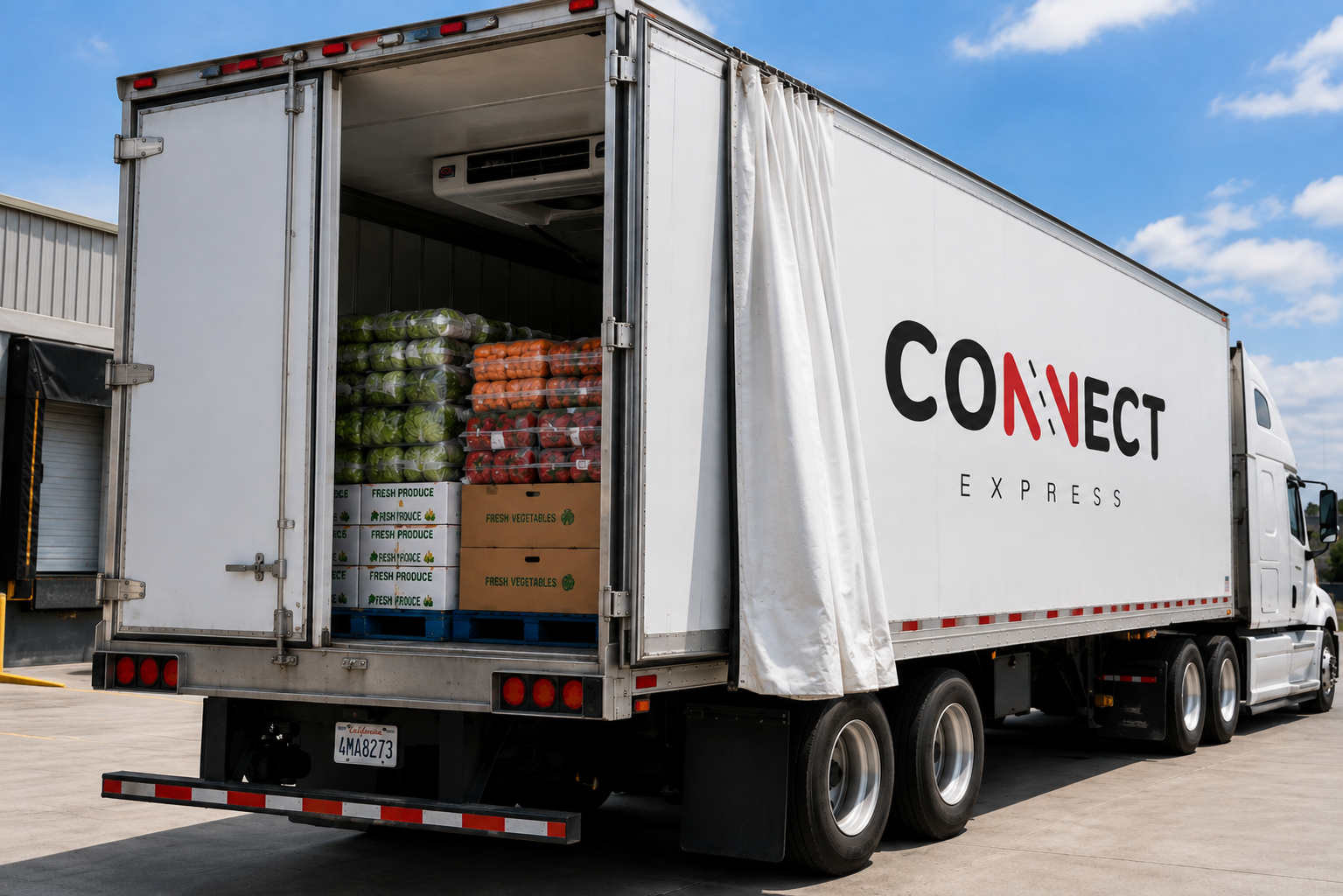
Reefer capacity can be stable, but seasonality hits harder. Produce harvests, holidays, and temperature-sensitive demand can change a reefer market fast. A lane that works well in January may be tight in June.
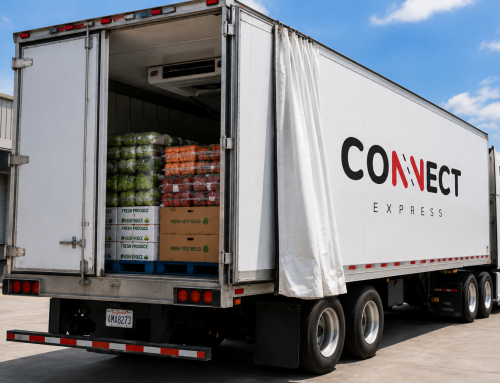
The better reefer lanes usually involve regular food distribution, grocery replenishment, or manufacturing inputs with steady volume. The harder lanes are the ones tied too heavily to seasonal swings. If you ship reefer, you need to know whether your lane is steady freight or surge freight. They are not the same thing.
Flatbed and oversized lanes
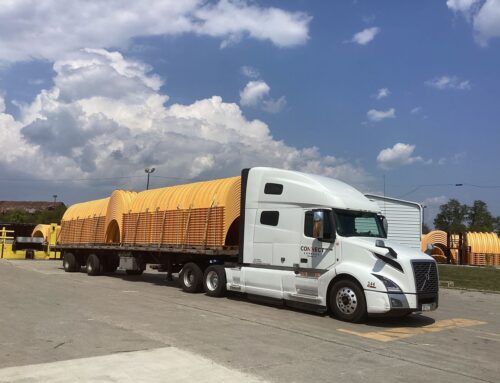
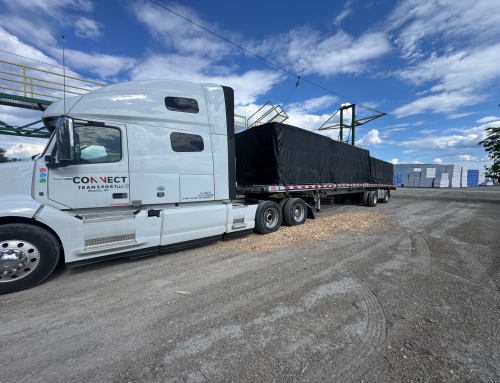
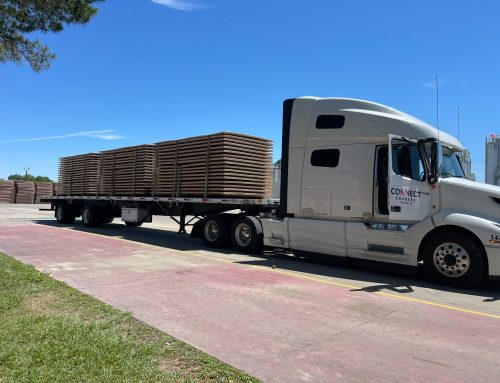
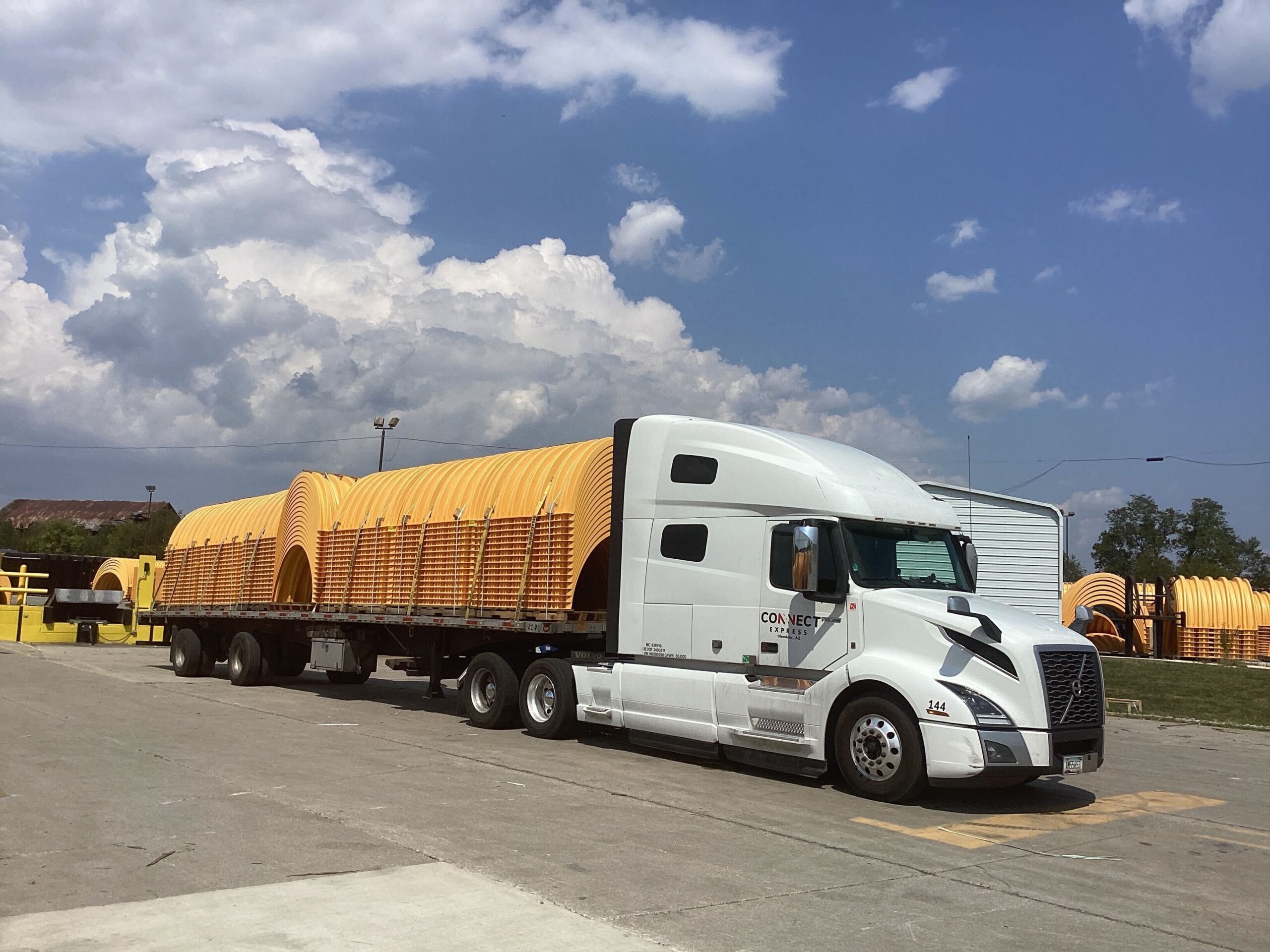
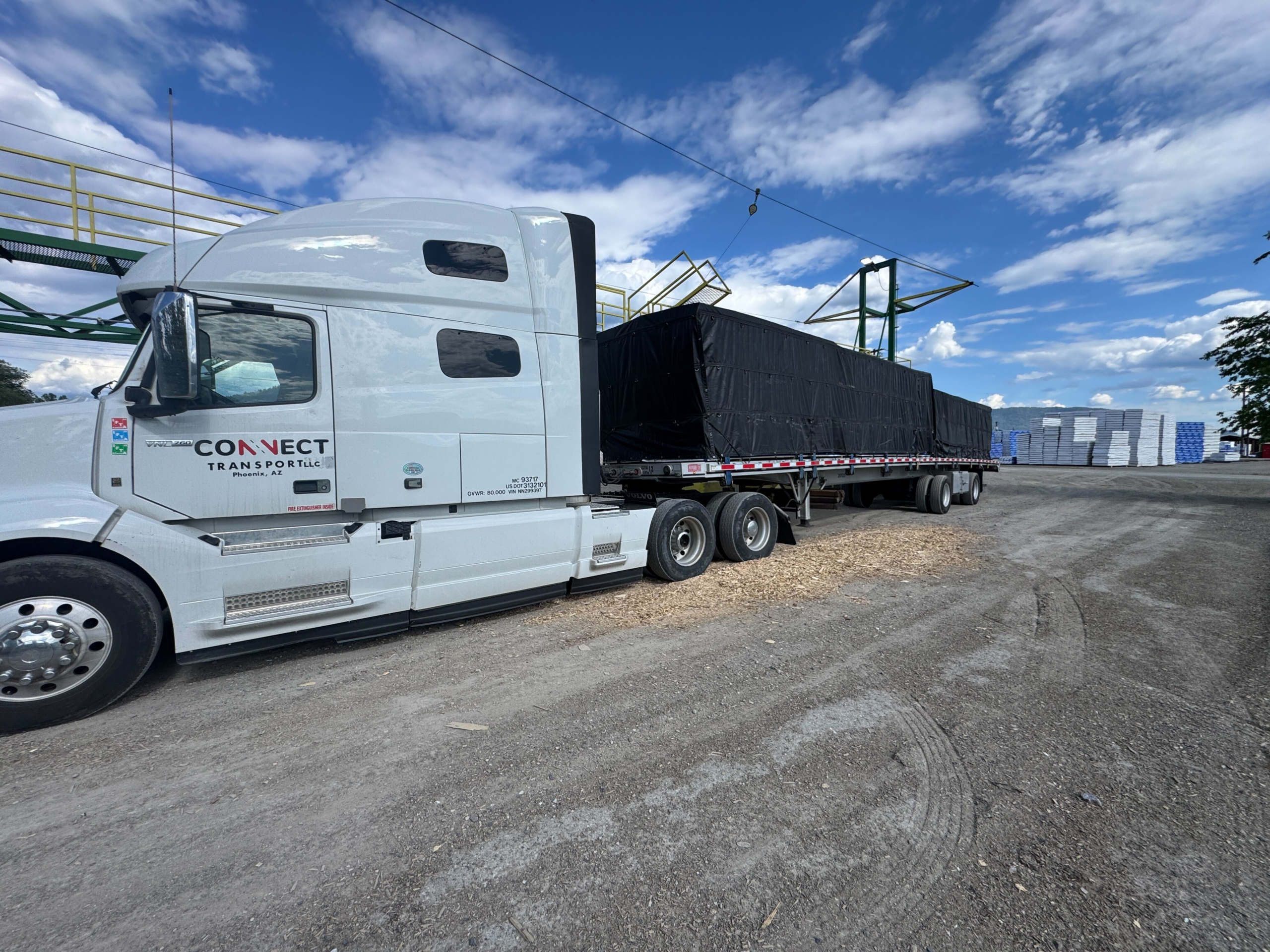
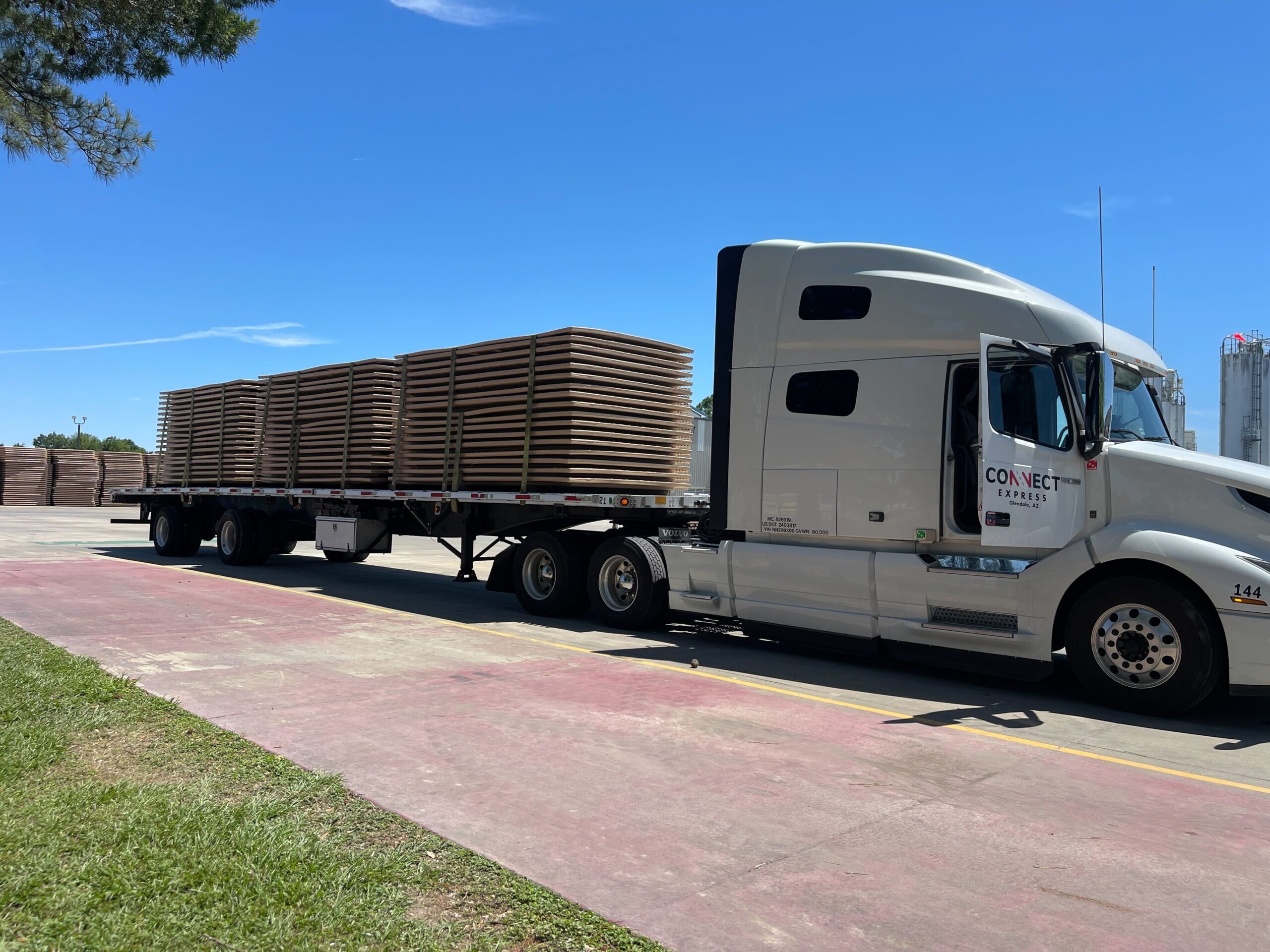
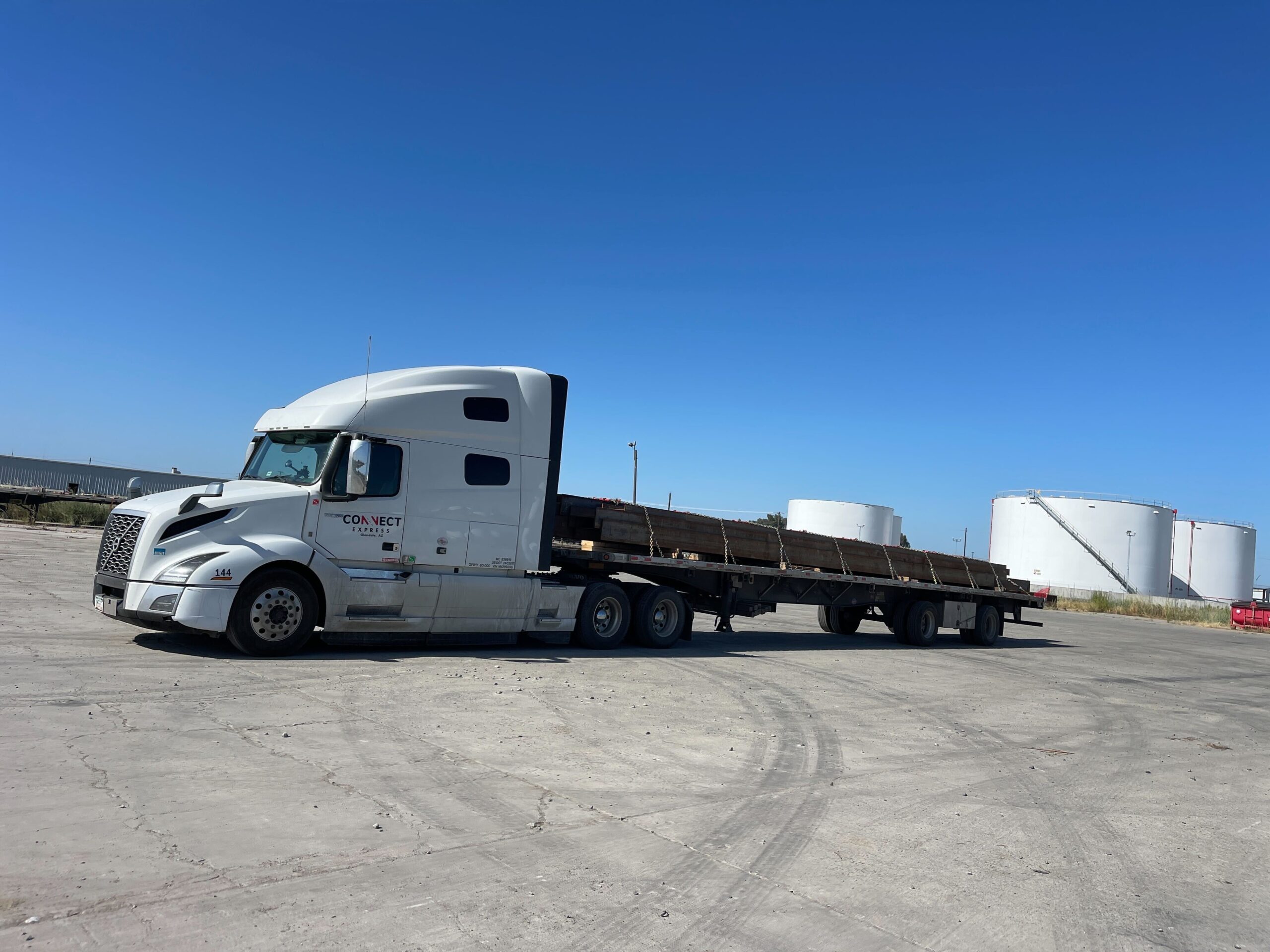
Flatbed capacity depends heavily on region, commodity, and project timing. Construction materials, steel, machinery, and energy-related freight often move in waves. The lanes with better consistency usually support ongoing industrial demand, not one-off project freight.
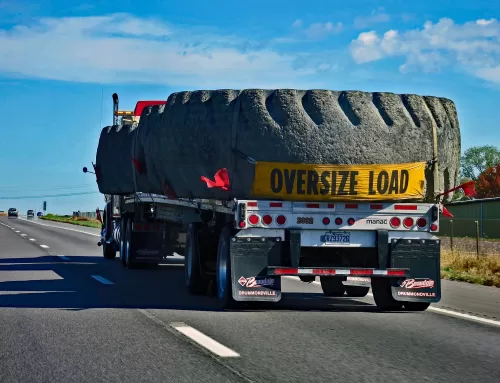
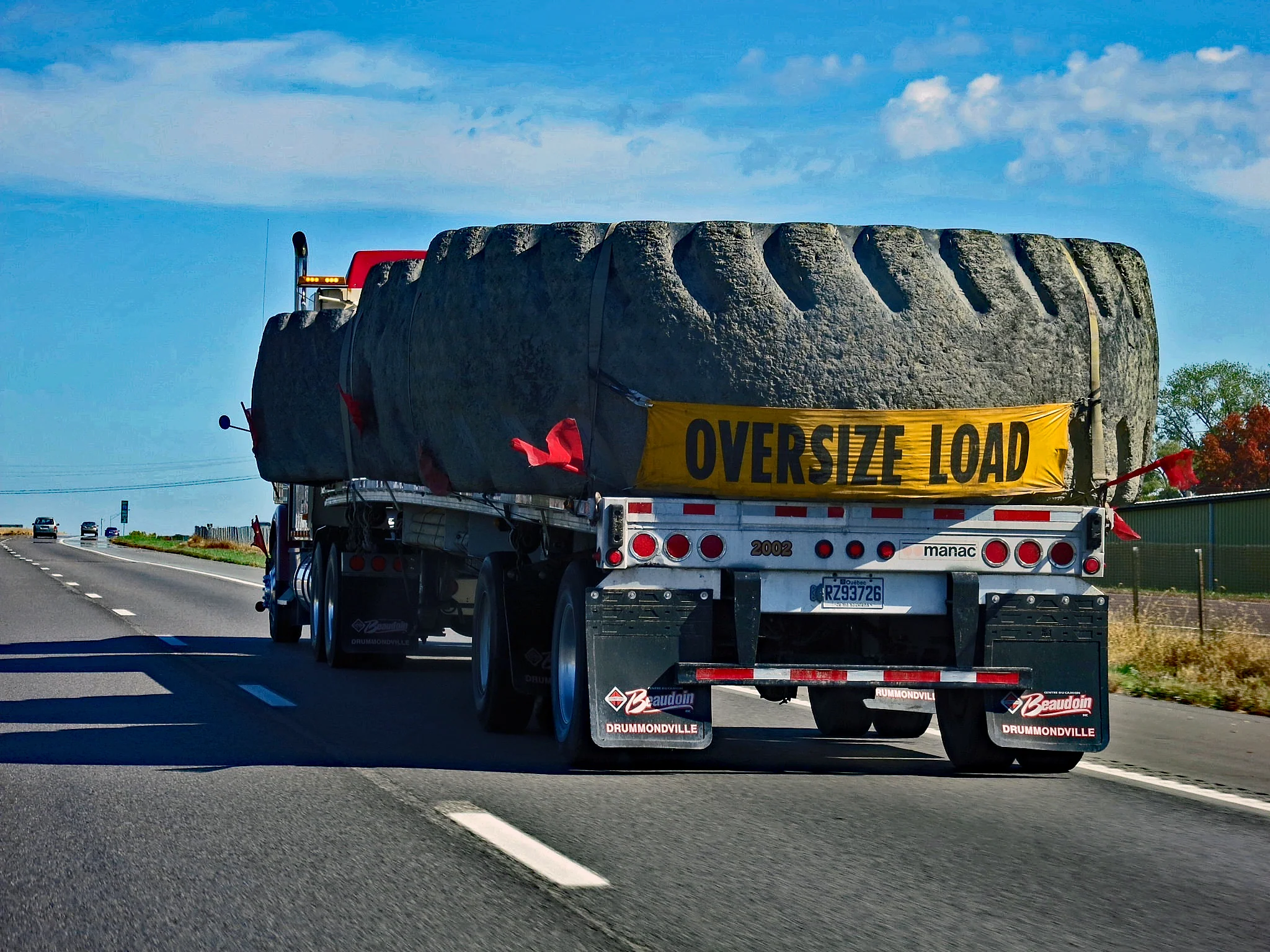
Oversized freight adds another layer. Permits, routing restrictions, escort needs, and appointment coordination all affect capacity. A lane may look fine by distance, but if permit timing or local restrictions slow every move, available trucks tighten quickly.
Why some lanes fail even when demand is high
High demand does not always mean dependable capacity. In fact, some of the hottest markets are the least stable. When too many loads chase too few trucks, coverage becomes transactional. That is when service slips.
The common failure points are familiar. Pickup times are too loose. Detention piles up. Appointment changes come late. The commodity is hard to handle. Communication breaks down. Or the lane depends on spot coverage every time instead of building repeat truck patterns.
Another problem is unrealistic planning. A shipper may treat a difficult lane like an easy one and expect the same lead time, same flexibility, and same recovery options. That usually ends with missed pickups and rushed updates.
If your lane needs constant rescues, it is not really a capacity problem alone. It may be a lane design problem.
How to build more consistency on the lanes you run
You cannot always change your customers or delivery points. But you can improve how attractive your freight is to real carriers.
Start with schedule discipline. If your freight tenders late and your appointments move around, you shrink your carrier pool. The more notice a carrier gets, the easier it is to position equipment and protect service.
Next, look at dwell time. If trucks lose half a shift at shipping or receiving, that lane will always be harder to cover than it should be. Shippers sometimes focus on linehaul and ignore time loss. Carriers do not. Time loss is one of the first things that pushes a truck to another account.
Freight consistency matters too. A shipper offering three loads every Tuesday and Thursday is easier to plan around than a shipper offering random volume with no pattern. Even if total volume is lower, repeatability often wins.
Communication is a bigger factor than many teams think. Real updates keep small problems from turning into service failures. If there is a delay, say it early. If product is not ready, say it before the truck checks in. Good carriers can work through a lot. What they cannot work through is silence.
When dedicated freight lanes make more sense
If a lane is critical to your operation, you may be past the point where ad hoc coverage makes sense. Dedicated freight lanes are often the right move when volume repeats, service windows are tight, or customer penalties make failure expensive.
Dedicated does not fix a broken process by itself. If shipping times are chaotic, even a dedicated truck will struggle. But when the operation is organized, dedicated capacity gives you more control. The same carrier learns the dock, the product, the appointment flow, and the common issues. Service gets steadier because the lane stops being a one-time transaction.
That matters for manufacturers, food shippers, and freight managers dealing with repeat customer deliveries. It also matters in regional networks where the same loads move every week and there is no margin for missed pickups.
What shippers should ask before calling a lane stable
A lane is not stable because it moved last week. It is stable when trucks want it in different market conditions. That means asking better questions.
Can carriers reload easily after delivery? Does the lane stay active during peak seasons? Are the docks driver-friendly, or do they burn hours? Is the freight consistent enough for repeat planning? Are you giving enough lead time for coverage? And maybe the biggest question – are you working with asset-based capacity that actually runs the lane?
That last point matters. There is a difference between a truck being available and a truck being committed. Real trucks with real drivers on familiar lanes usually outperform one-off coverage, especially when the market gets tight.
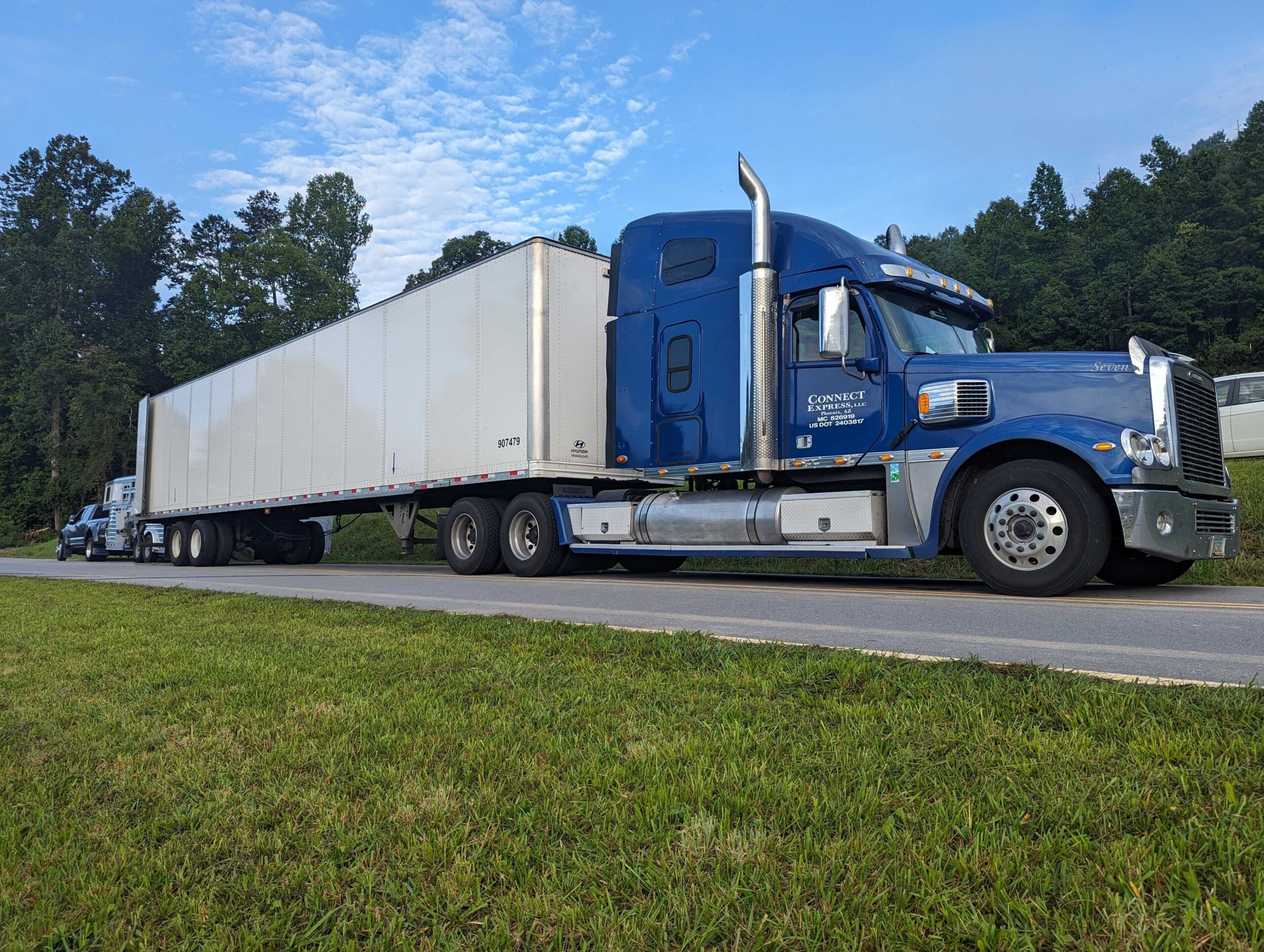
At ConnectExpress LLC, based in Phoenix, that is how we look at lane planning. Not by what sounds good on a rate sheet. By what can actually be covered cleanly, updated honestly, and delivered on time.
If you want more reliable capacity, stop chasing the loudest market and start looking for the lanes that drivers can run again next week without excuses. Those are the lanes that hold up when things get busy.