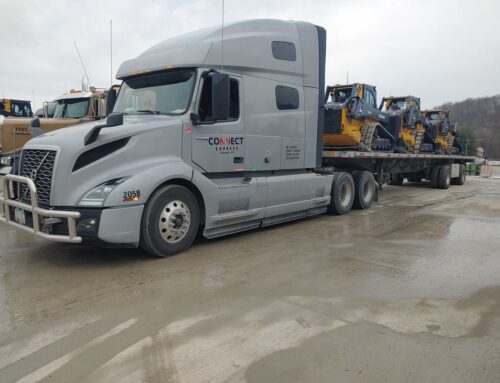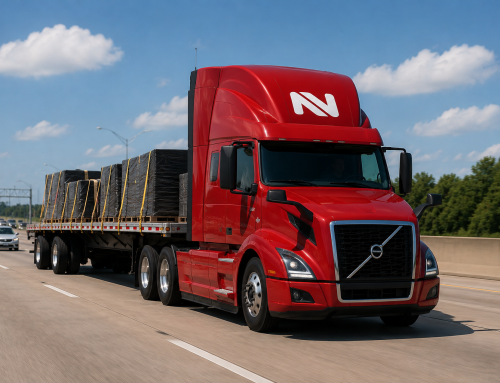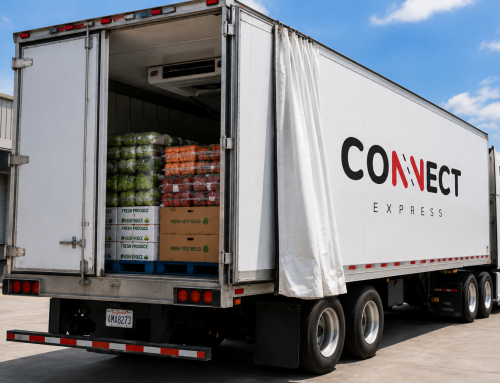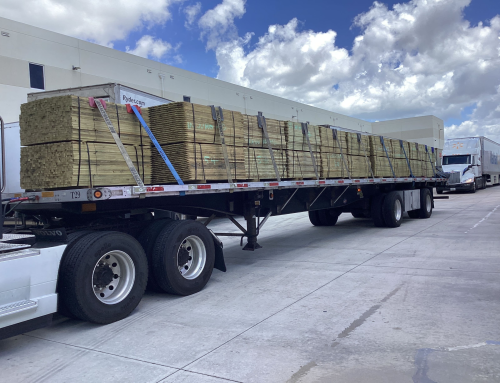
A construction load can look simple on a rate sheet and become a problem at pickup. A pallet of bagged cement, a 12-foot excavator bucket, and a 50,000-pound dozer are all construction freight, but they do not belong on the same equipment. Choosing the best trailer types for construction freight starts with the actual load, the jobsite, and the route – not the lowest line-item option.
The right trailer protects the freight, keeps the driver legal, and helps the crew receive the load without delay. The wrong one can mean a missed appointment, a rejected load, damaged material, or a driver stuck at a site with no room to unload.
Best Trailer Types for Construction Freight by Load
Construction freight usually falls into a few groups: palletized materials, steel and long products, machinery, oversized components, and weather-sensitive supplies. Each group has different loading, securement, clearance, and delivery needs.
Flatbeds for standard building materials
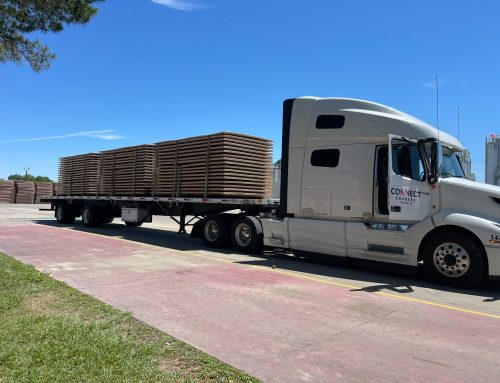
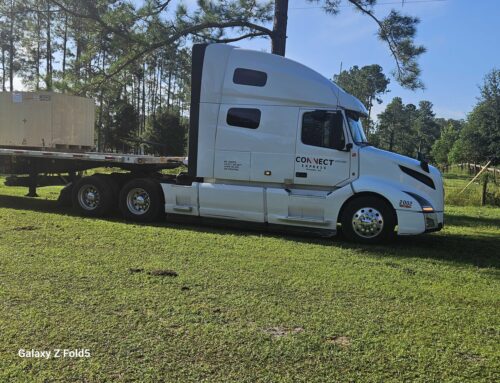
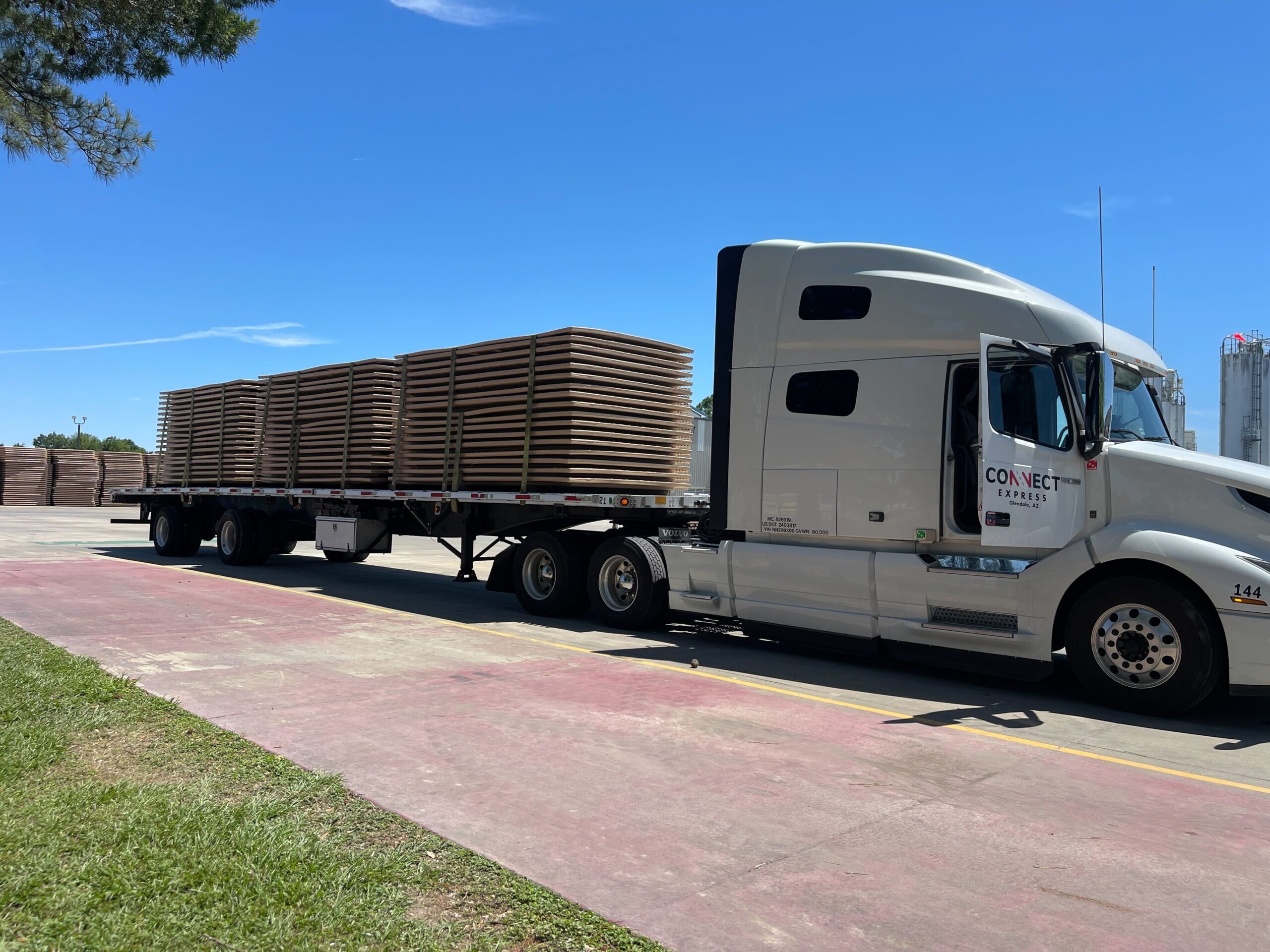
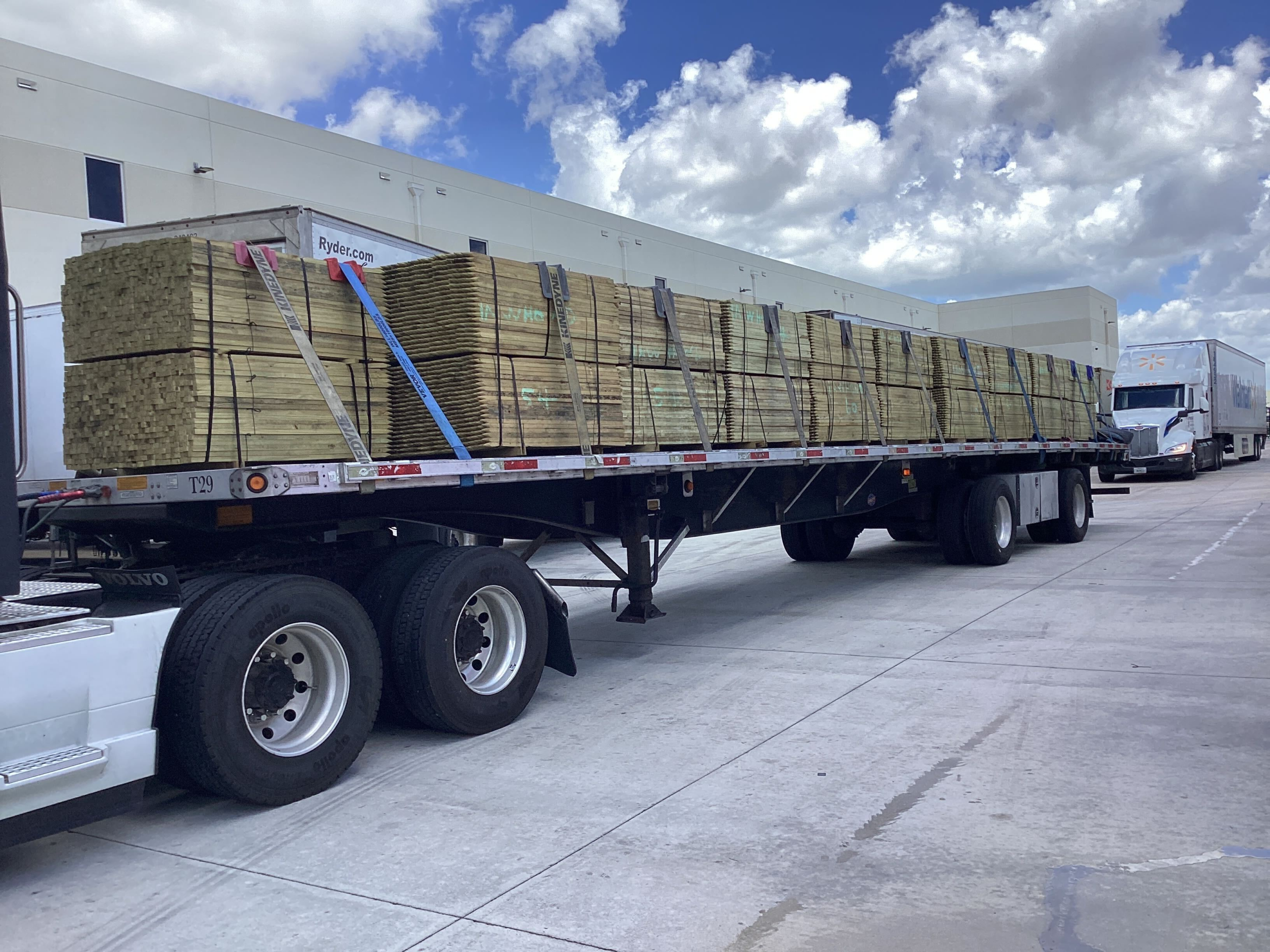
A standard 48- or 53-foot flatbed is often the first choice for freight that needs side loading or top loading. It works well for lumber, rebar, structural steel, pipe, bundled roofing materials, concrete forms, scaffolding, and palletized products that can handle exposure during transit.
Flatbeds give shippers and receivers access from either side. That matters when a forklift is working in a tight yard or a crane needs to lift material from above. They also make it easier to haul freight that is too wide or too tall for a dry van, as long as the load remains within legal dimensions.
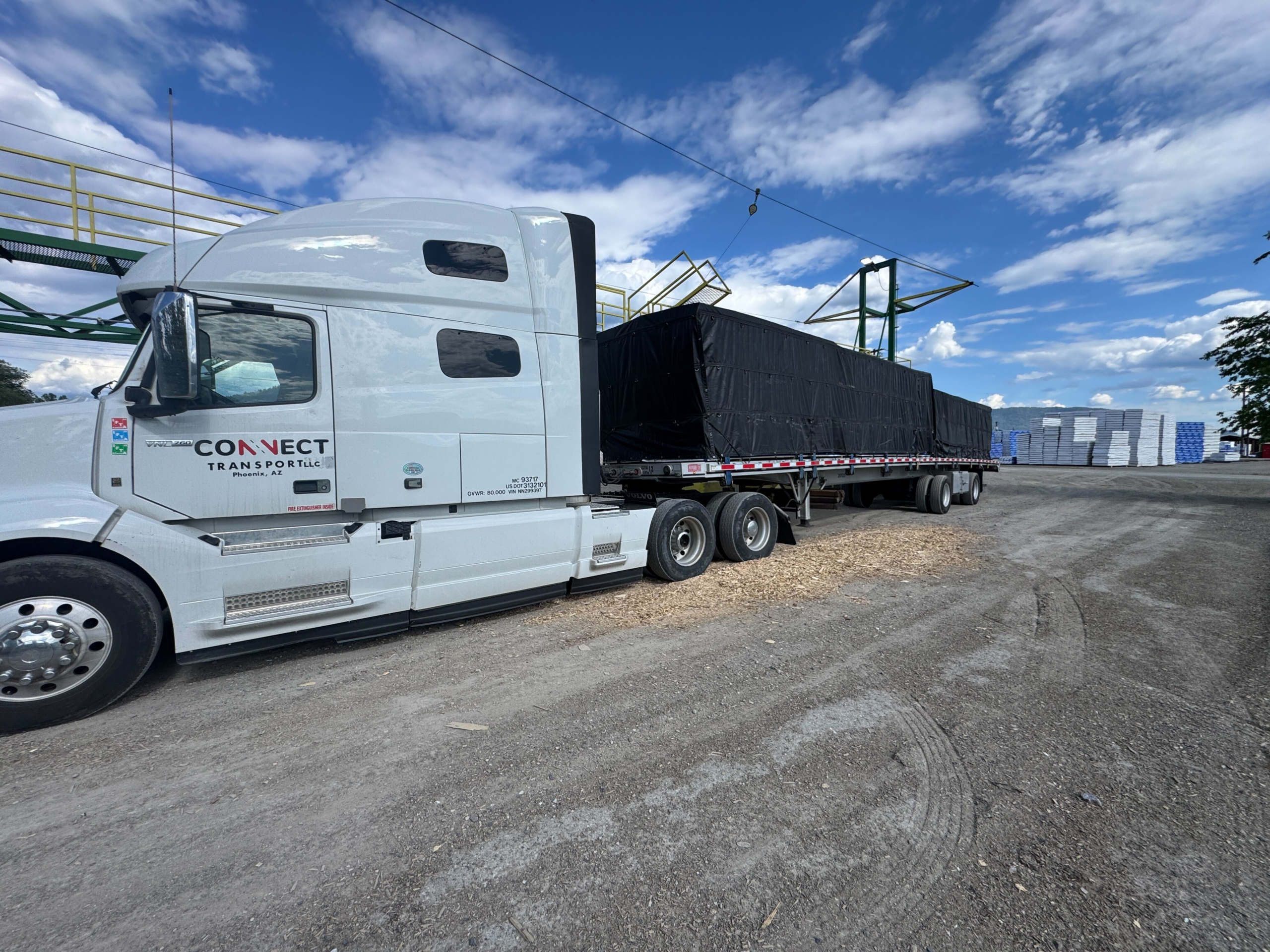
The trade-off is exposure. Tarps may be needed for materials that cannot get wet, and the shipper needs to provide accurate dimensions before dispatch. A load that seems to fit can become an overheight issue once it is sitting on the deck.
Step decks for taller equipment and materials
A step deck, also called a drop deck, has a lower main deck than a standard flatbed. That lower deck creates more height clearance for equipment, fabricated steel, tanks, bundled materials, and jobsite machinery that would sit too tall on a standard flatbed.
This trailer is a practical option when a load is legal in width and weight but needs extra vertical room. It can also be easier to load equipment that has limited ground clearance, depending on the ramp setup and loading location.
Step decks are not a fix for every tall load. The upper deck, lower deck, and transition area all affect usable space. A shipper should provide the full length, width, height, weight, and loading method before equipment is assigned. A single overall measurement is not always enough.
Lowboys for heavy construction equipment
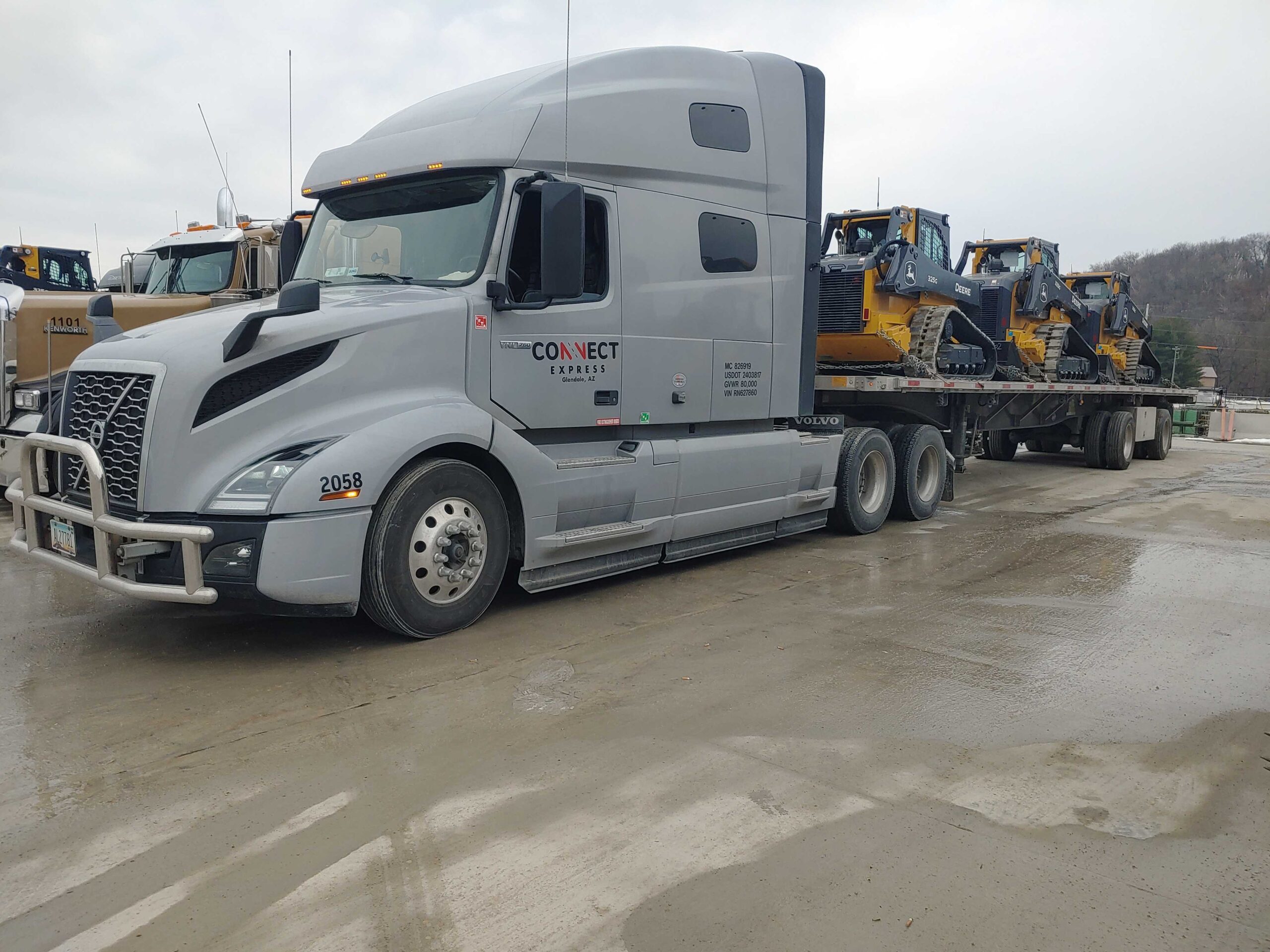
Lowboy trailers are built for machinery that is heavy, tall, or both. Excavators, bulldozers, loaders, cranes, graders, and large drilling equipment commonly move on lowboys. The deck sits much lower than a standard flatbed or step deck, which helps keep tall equipment under bridge clearance limits.
Weight distribution is the main issue here. A machine may be within total gross weight but still overload an axle group if it is positioned incorrectly. The trailer configuration, axle count, machine dimensions, and route all need to match before the truck arrives.
Lowboy freight also requires a real loading plan. The machine may need ramps, a qualified operator, chains sized for the equipment, and clear space to load and unload. Soft ground, steep site access, and narrow gates can stop a delivery even when the trailer itself is correct.
RGNs for oversized and difficult machinery
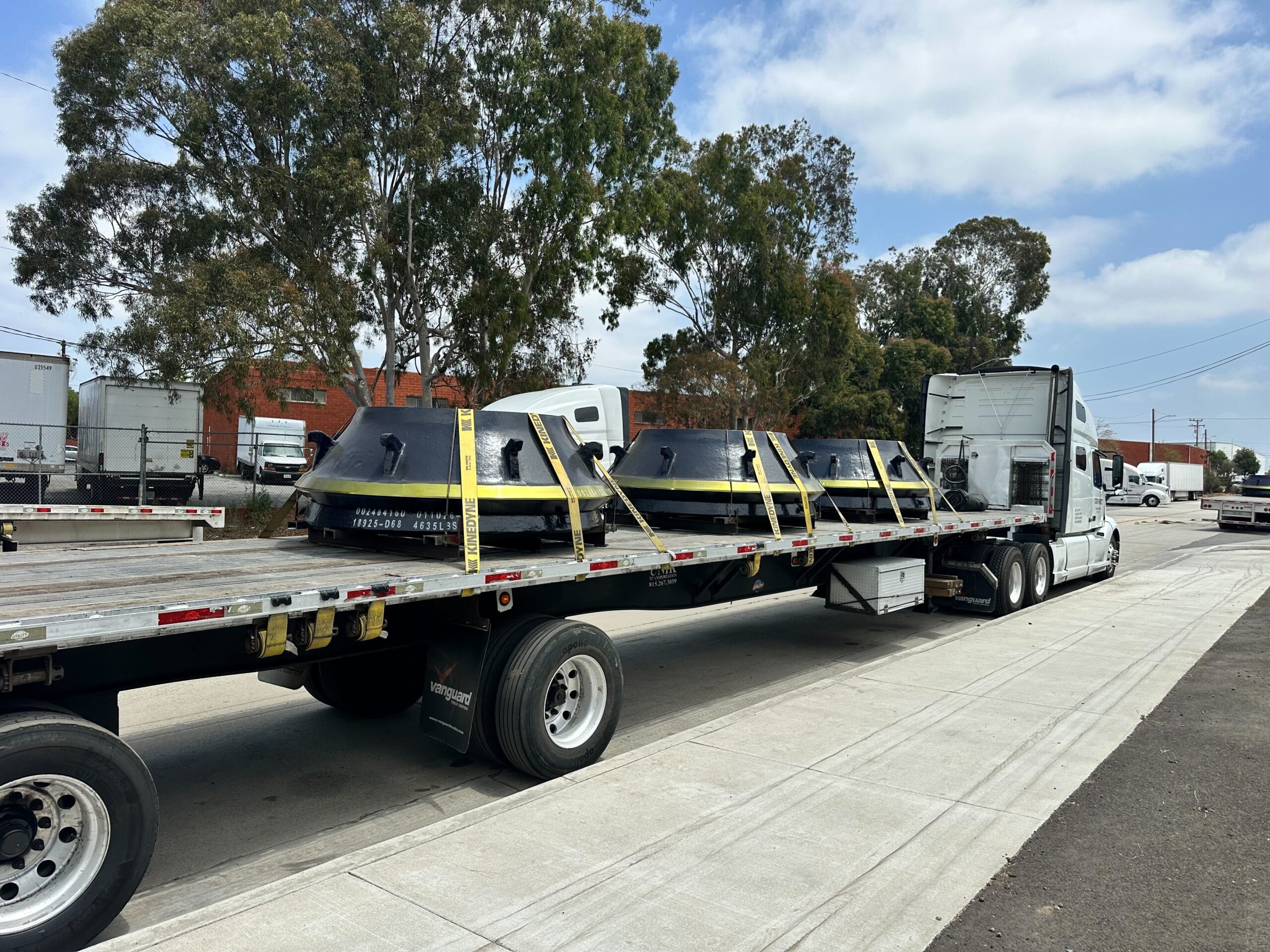
A removable gooseneck trailer, usually called an RGN, is used when equipment needs to be driven directly onto the trailer or when the load is especially tall or heavy. The front section detaches, allowing the trailer deck to sit close to the ground for loading.
RGNs are common for large excavators, pavers, crushers, mining equipment, and other machinery that is not practical to load from a dock or lift with a crane. They are also useful when ramp angle matters. Some equipment cannot safely climb the ramps used with a standard lowboy.
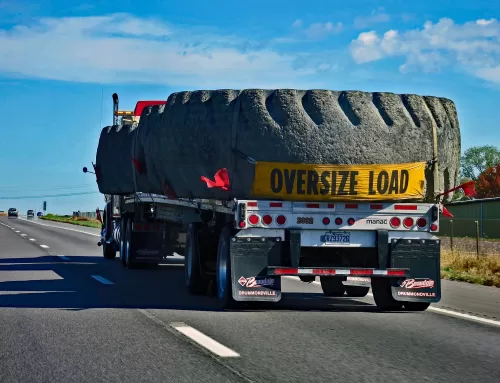
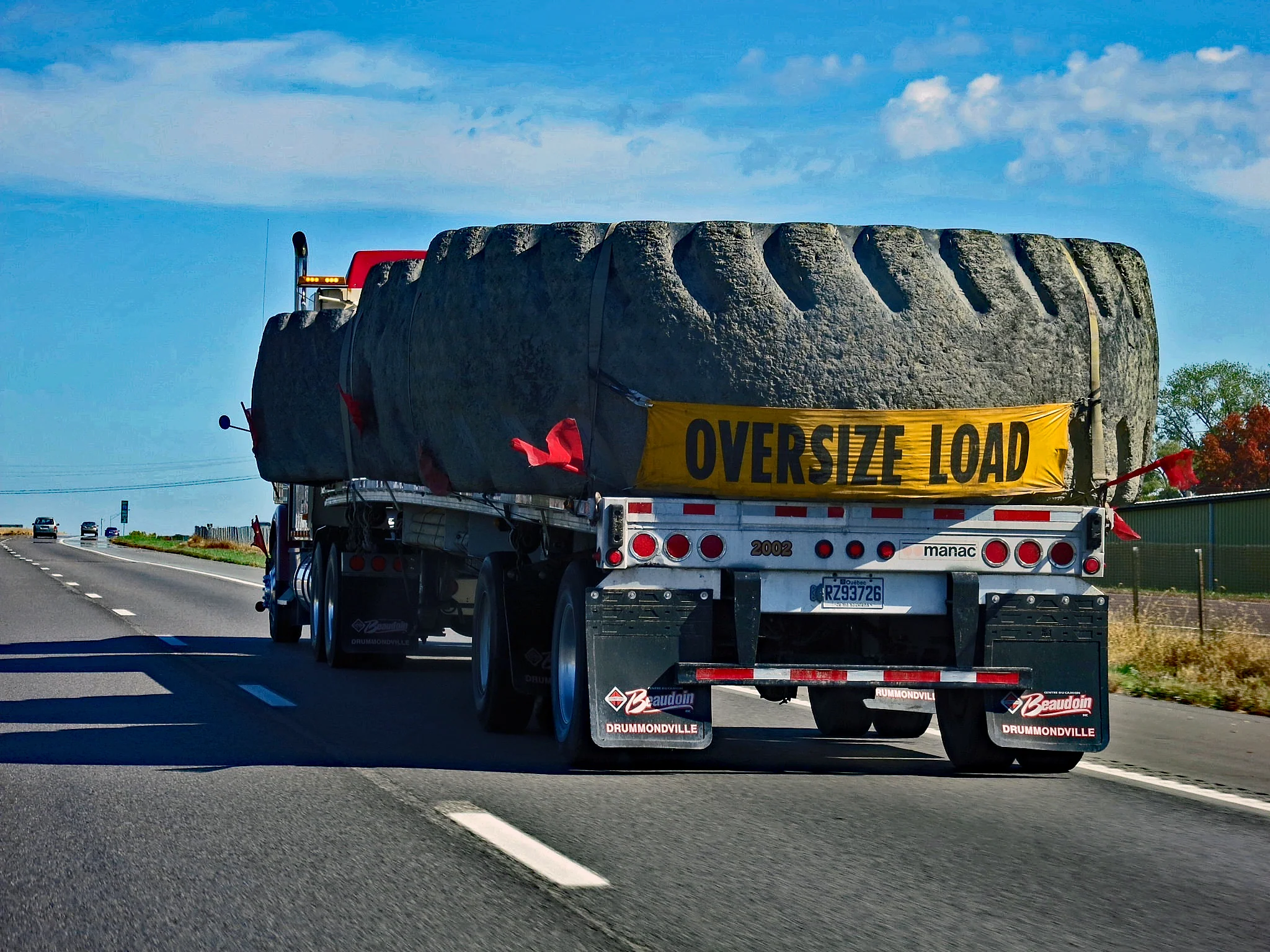
This equipment requires more planning. Oversize permits, escorts, axle spacing, route restrictions, and appointment timing may all be part of the move. If the load crosses state lines, permit requirements can change along the route. A shipper should not wait until pickup day to share complete dimensions and axle weights.
Extendable trailers for long freight
Construction projects often need long materials moved in one piece. Bridge beams, long pipe, precast components, steel members, utility poles, and crane sections may require an extendable flatbed or extendable step deck.
Length is not just a paperwork detail. Long freight changes turning radius, route selection, loading position, and jobsite access. A delivery site may have enough room for a regular flatbed but not for an extended trailer to turn around or back in.
If a load overhangs, the carrier needs the exact loaded length. Measure the freight as it will travel, including cradles, dunnage, and any components that extend beyond the trailer deck.
Dry vans for protected construction supplies
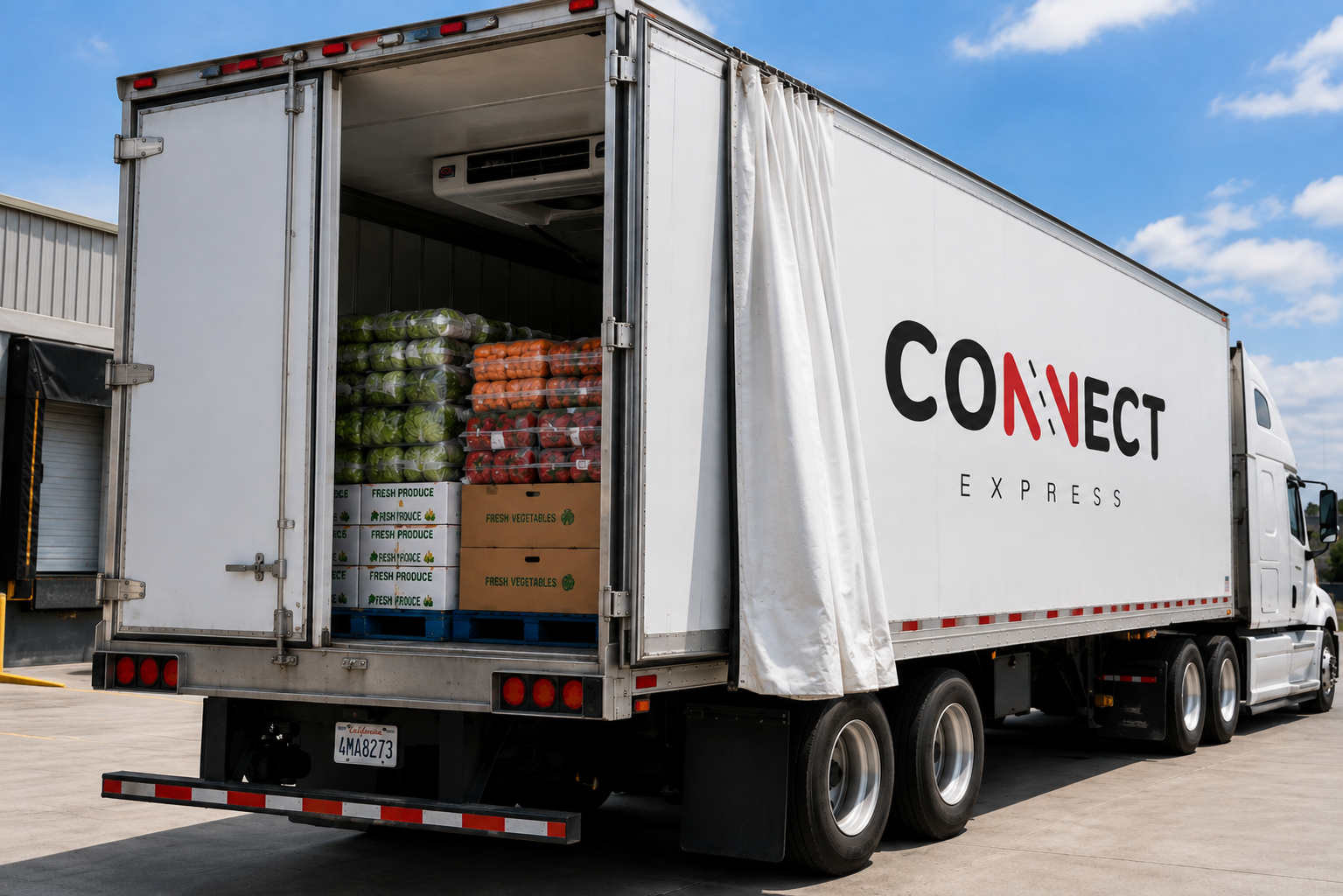
Not every construction shipment belongs on an open trailer. Dry vans are a better fit for boxed hardware, tools, electrical components, flooring, insulation, adhesives, fixtures, cabinets, fasteners, and materials that need protection from weather and road debris.
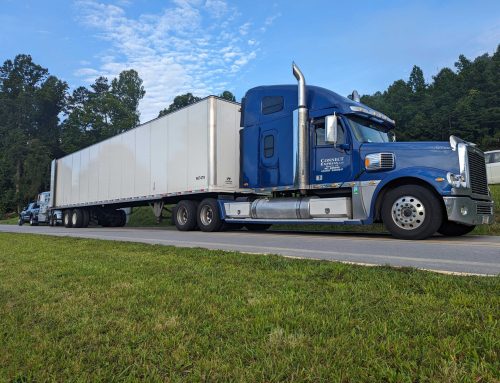
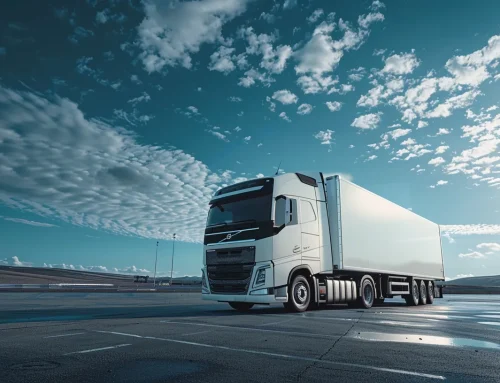
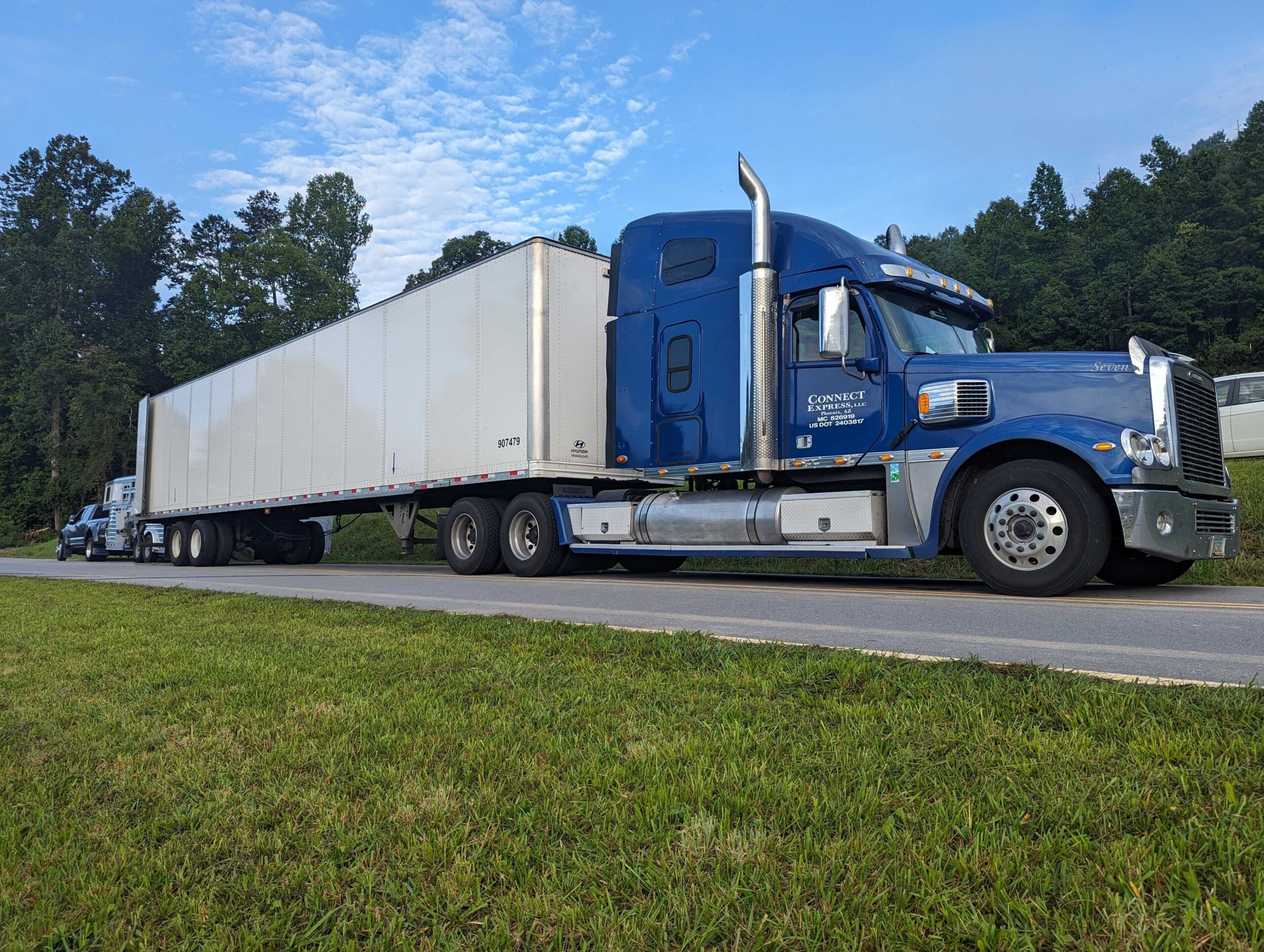
A dry van adds security and keeps the load covered. It can also be the better choice for deliveries to distribution centers, suppliers, or sites with dock access. The limitation is access. A dry van cannot be side loaded, and a jobsite without a dock, forklift, or suitable unloading equipment may not be able to receive it.
For palletized construction products, confirm whether the receiver can unload from the rear. If they need side access or a crane unload, an open-deck trailer is usually the better call.
Trailer Selection Starts Before Dispatch
The best trailer is decided by facts, not by a general description like heavy equipment or building supplies. Before scheduling construction freight, confirm the commodity, piece count, total weight, dimensions of every piece, and how the freight will be loaded and unloaded.
You also need to know whether the load can be tarped, stacked, turned on its side, or loaded with other freight. Some materials have handling limits that affect both trailer choice and securement. Precast products, finished steel, and machinery with exposed components need special attention.
For oversized loads, provide the dimensions after the freight is on its shipping supports. Dunnage can add several inches of height. Attachments on machinery can add width or length. Those details affect permits and route clearance.
Securement Is Part of the Equipment Decision
Construction freight moves under real road conditions. It sees hard braking, sharp turns, wind, rough access roads, and uneven jobsites. The trailer has to provide enough anchor points and deck space for proper securement.
Steel, pipe, machinery, concrete products, and lumber do not secure the same way. Chains, binders, straps, edge protection, blocking, and dunnage must match the load. The driver also needs safe access to inspect and adjust securement during transit.
Weather matters too. Tarps are not decoration. They protect freight when the product requires it, but they take time to install correctly and can be damaged by sharp edges. Tell the carrier early if tarping is required so the truck arrives prepared.
Jobsite Access Can Change the Plan
A trailer that works at a supplier yard may not work at a jobsite. Check the gate width, turning room, overhead lines, ground conditions, delivery hours, and unloading equipment. Ask whether the driver will need to back in, whether the site has a spotter, and whether other equipment will block access.
This is especially relevant across Arizona and the Southwest, where remote sites, unpaved roads, heat, and long distances between services can affect a move. A heavy load on soft ground or a tall load under temporary power lines needs a plan before the truck rolls.
ConnectExpress LLC operates real trucks and handles flatbed, oversized, dry van, and dedicated freight moves nationwide. Clear load information before dispatch helps us send the right equipment, communicate the plan, and avoid surprises at pickup or delivery.
The useful question is not simply, What trailer do I need? Ask how the load will be loaded, secured, routed, and unloaded. Get those answers early, and the trailer choice becomes clear before a small detail turns into a missed delivery.
Need capacity on this type of freight? Connect Express LLC provides asset-based flatbed transportation across the Southwest and nationwide.
Request a truckload quote: Contact Connect Express or call (844) 474-8963.