Temperature failures usually start before the truck arrives. Product is staged too long, a trailer is loaded warm, or the shipping team and driver are working from different instructions. Knowing how to prepare refrigerated shipments means controlling those details before the doors close.
A reefer trailer maintains the temperature of properly prepared freight. It is not designed to pull a warm load down to temperature during transit. If the product, packaging, paperwork, and loading plan are right at pickup, the load has a much better chance of arriving in spec.
Start With the Product Temperature
The first question is simple: What temperature must the product be when it loads?
That number should come from the product requirements, customer specifications, or applicable food safety procedures. Do not assume a trailer setpoint tells you what the product temperature should be. A trailer may be set at 34°F, for example, while the product needs to be loaded at 36°F or below. Those are related numbers, but they are not the same thing.
Check product temperature before loading. Use a calibrated probe when the product and process allow it. For palletized freight, verify the temperature of representative cases or cartons, especially product that was staged near dock doors or moved from another storage area.
If product is above its required shipping temperature, address it before loading. Loading it anyway creates a problem that may follow the freight for hundreds of miles. It also puts the driver and carrier in a position they cannot fix after pickup.
Document the reading when your process requires it. A clear record at origin helps everyone understand the condition of the shipment if questions come up later.
Confirm the Right Reefer Setpoint and Mode
The setpoint is the temperature the reefer unit is instructed to maintain. It needs to be listed clearly on the rate confirmation, bill of lading, shipping instructions, or all three. The shipper, carrier, receiver, and driver should not be relying on a verbal assumption.
Be specific. State the setpoint in Fahrenheit, whether the load is chilled or frozen, and whether continuous run is required. For some shipments, the unit can cycle on and off as needed. Other freight needs continuous airflow and more consistent temperature control. It depends on the product, packaging, weather, route, and receiver requirements.
Some loads also have fresh-air requirements. Produce may need a specified vent setting to manage respiration and moisture. Other products must remain sealed from outside air. If vents need to be open, closed, or set to a certain position, put that instruction in writing.
Pre-cooling matters too. The trailer should be at the requested setpoint before loading begins, when the product requirements call for it. This is especially important in hot weather. At a Phoenix-area pickup in the summer, dock time and trailer temperature need close attention. Hot air enters quickly when doors are open.
Use Packaging That Supports Airflow
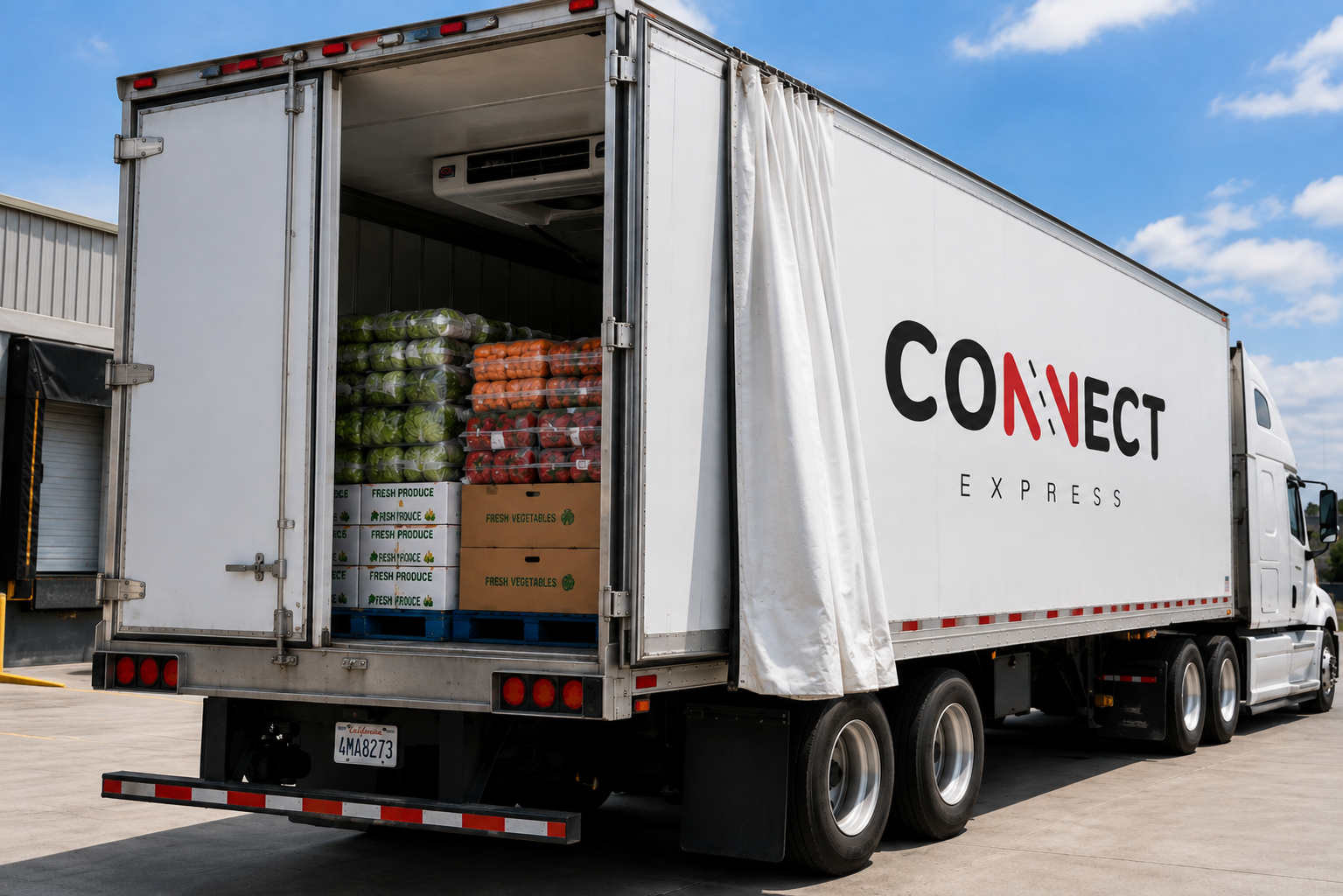
A reefer unit moves conditioned air through the trailer. Packaging and pallet configuration must allow that air to circulate.
Do not pack pallets so tightly that airflow is blocked around the product. Leave appropriate clearance from the trailer walls and ceiling. Keep freight off the front wall where required. The exact pattern depends on the commodity and trailer, but the goal stays the same: air needs a path to move.
For frozen freight, torn wrap, crushed cartons, or broken pallets can become a bigger problem than they appear at the dock. Damaged packaging can expose product, reduce stability, and make it harder to maintain an even load condition. Inspect pallets before they are loaded.
Use clean, dry pallets whenever possible. Wet cardboard, leaking cases, and loose debris can create issues during transit and at delivery. If the product has special handling requirements, such as slip sheets, pallet covers, insulated liners, or specific stacking limits, communicate those before the truck is assigned.
Build a Loading Plan Before the Truck Backs In
A good refrigerated shipment is not just loaded. It is loaded in the right order.
Plan the freight around stops, product compatibility, pallet weights, and receiver unloading needs. For a multi-stop load, freight for the final stop usually goes in first. The first delivery should be accessible without the receiver moving or exposing freight that is not ready to unload.
Keep incompatible products separated. Food items, chemicals, strong odors, raw products, and finished goods may have different requirements. Do not assume a clean trailer alone solves compatibility concerns. Confirm what can travel together and what must be separated.
Weight distribution matters as well. A trailer can be under its gross weight limit and still be loaded poorly. Uneven axle weights can delay a truck at the scale or force a reload. Provide accurate pallet counts and weights before pickup. If pallets are unusually heavy, tall, or nonstandard, tell the carrier early.
Securement is part of temperature control and product protection. Pallets that shift can block airflow, damage cartons, or make unloading unsafe. Depending on the load, use load locks, straps, dunnage, or other approved methods. The method should fit the freight and the trailer, not just what happens to be available at the dock.
Keep Dock Time Under Control
Every minute with trailer doors open affects the trailer environment. That does not mean rushing the crew or skipping checks. It means having freight ready before the truck arrives.
Stage the shipment in the correct temperature-controlled area. Have labels, pallet counts, paperwork, and loading instructions ready. Confirm the dock appointment and make sure the receiving crew knows whether the driver needs to check in at a specific gate or office.
Avoid leaving a loaded reefer sitting with doors open while paperwork is being found or a final pallet is being wrapped. Finish the shipping work first, then load with purpose. If there is a delay, communicate it right away so the driver and dispatcher can adjust.
Get the Paperwork and Instructions Straight
Paperwork should match the load on the trailer. That sounds basic, but pallet count errors, wrong consignee details, missing temperature instructions, and unclear pickup numbers cause real delays.
Before release, confirm the bill of lading includes the correct shipper and receiver names, addresses, contact information, commodity description, pallet or piece count, weight, pickup number, and delivery appointment details. Add the required temperature and handling instructions in a clear place.
If seals are required, record the seal number. If the receiver requires a temperature recorder, pulp readings, or specific delivery documents, tell the carrier before pickup. A driver cannot bring a required document or follow a special check-in rule if nobody shared it.
For food-grade loads, trailer cleanliness should be checked before loading. If the trailer condition does not meet your requirements, stop and address it before freight goes on board. It is easier to resolve at the dock than after the truck is loaded.
Communicate the Details That Can Change the Load
The best updates are the ones that happen before there is a problem. Send the carrier the appointment times, pickup and delivery numbers, temperature instructions, loading requirements, and receiver rules before dispatch.
Then communicate changes quickly. A changed delivery appointment, product hold, partial shipment, rejected pallet, or added stop can affect transit planning and temperature management. The sooner the driver and dispatcher know, the more options they have.
Be direct about what matters most. If a receiver has a strict appointment policy, say so. If the product cannot tolerate extended door-open time, say so. If the shipment must deliver with a specific seal intact, say so. Clear instructions prevent guessing.
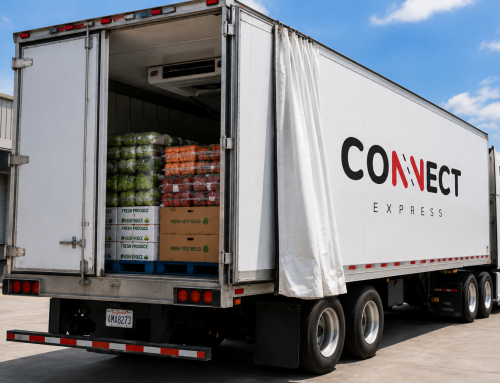
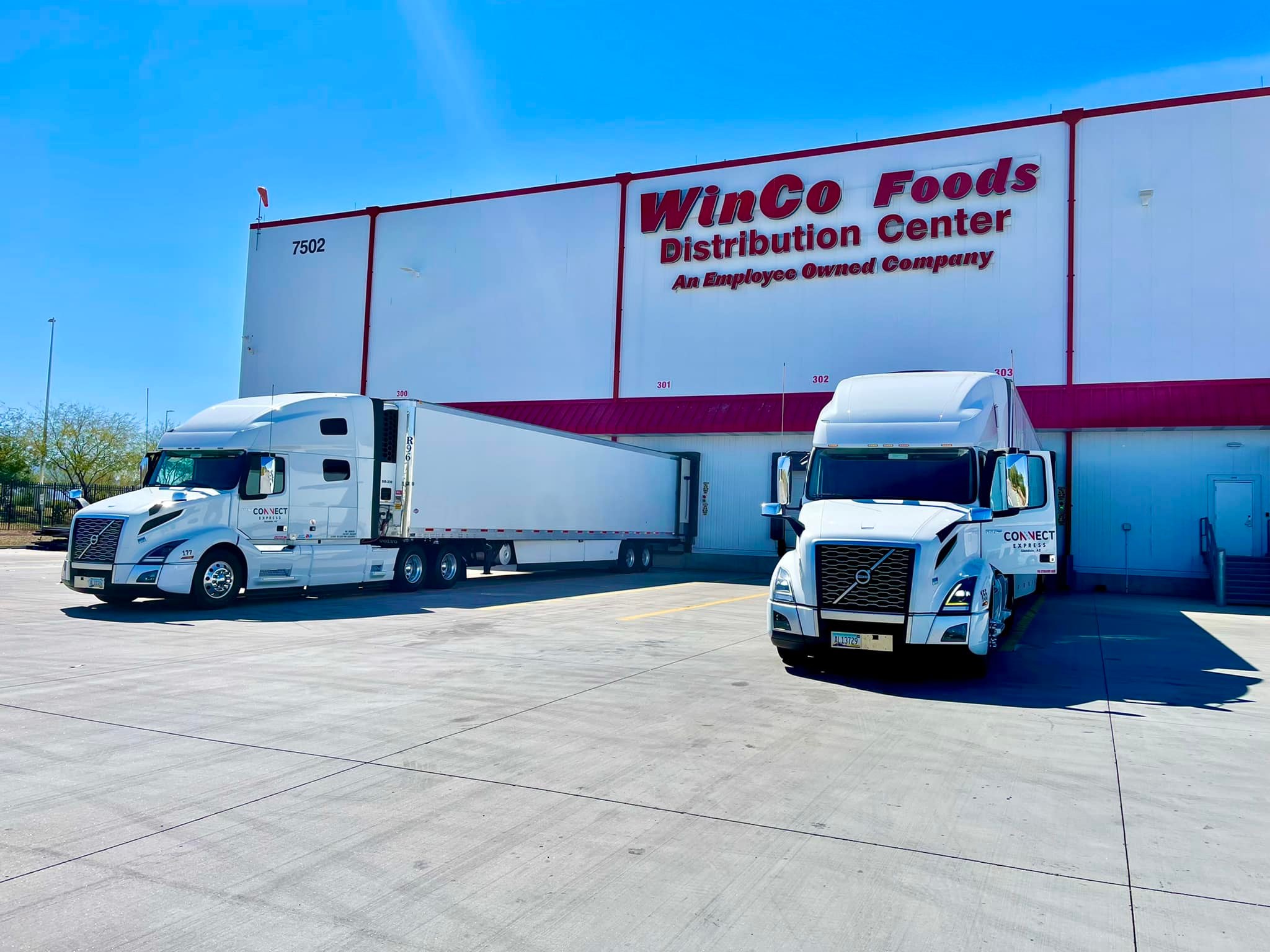
ConnectExpress LLC operates real reefer equipment and works with shippers across the Southwest and nationwide. Our drivers need accurate load details so they can do their job: arrive on time, protect the freight, and keep you updated.
Final Check Before Departure
Before the truck leaves, verify the freight count, the setpoint, the reefer operating mode, the seal if used, and the signed paperwork. Make sure the driver has the correct delivery address, appointment, and contact instructions.
One final check at the dock can prevent a temperature dispute, missed appointment, or rejected load later. Refrigerated freight does not leave much room for assumptions. Prepare it right, communicate the facts, and give the truck a clean start.