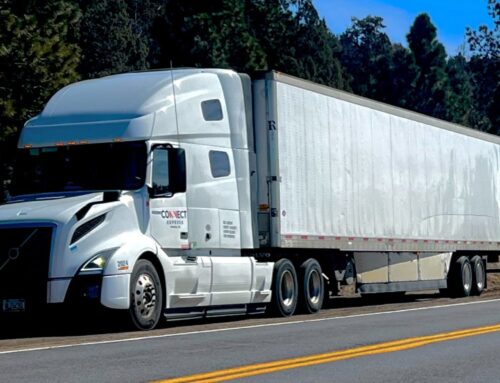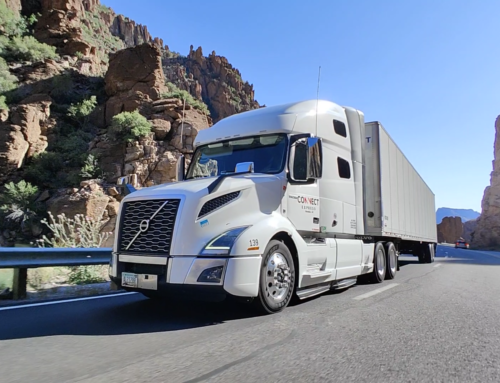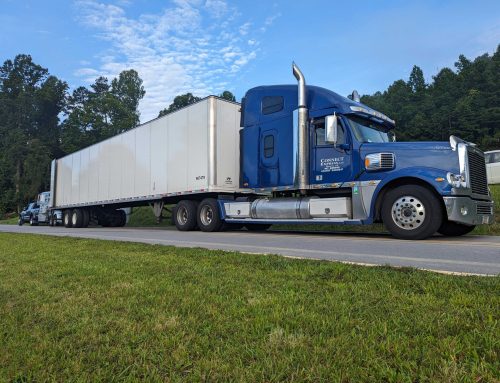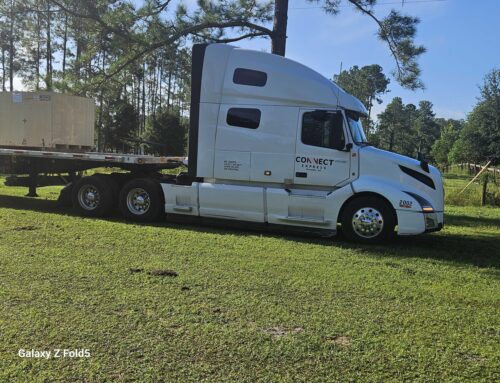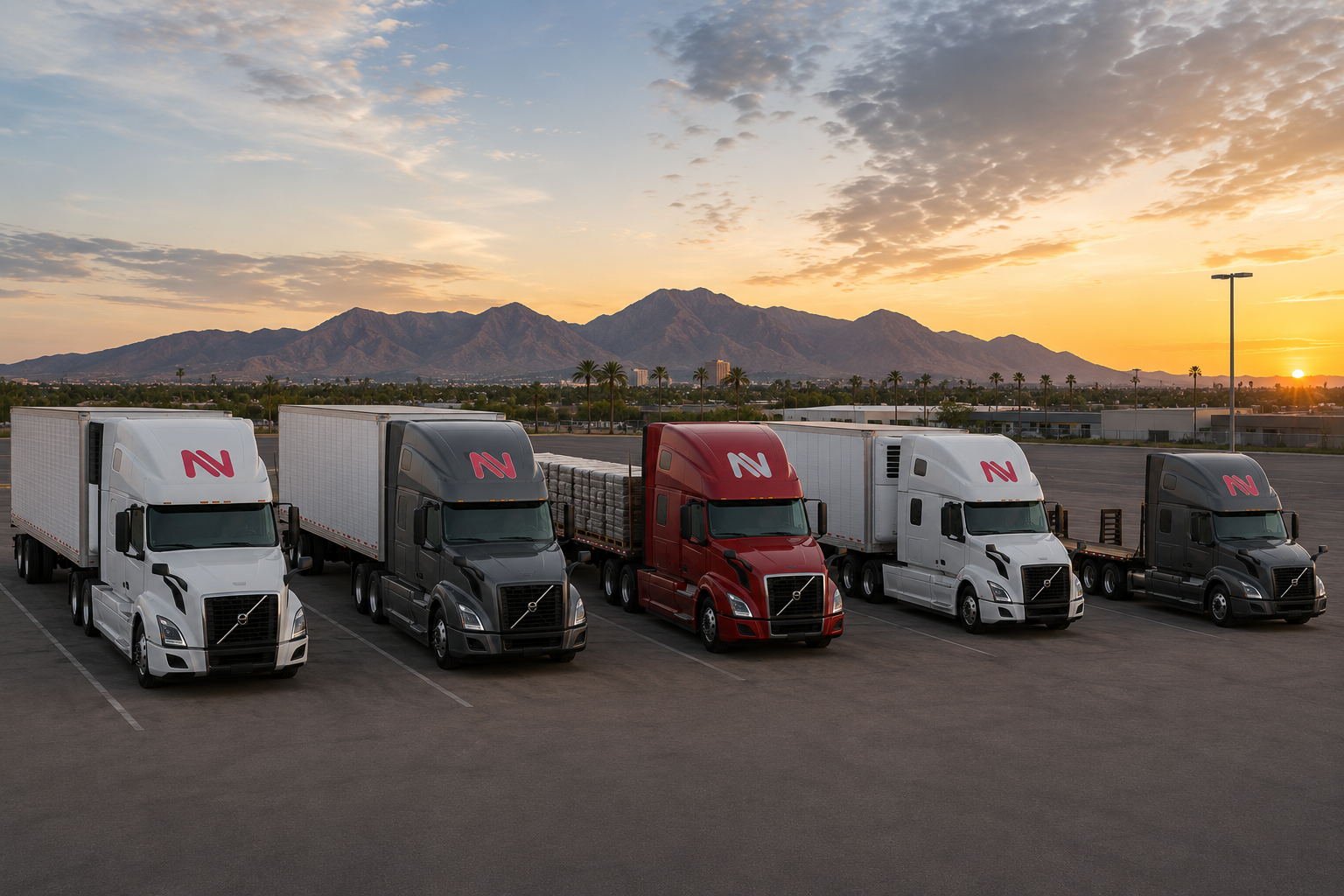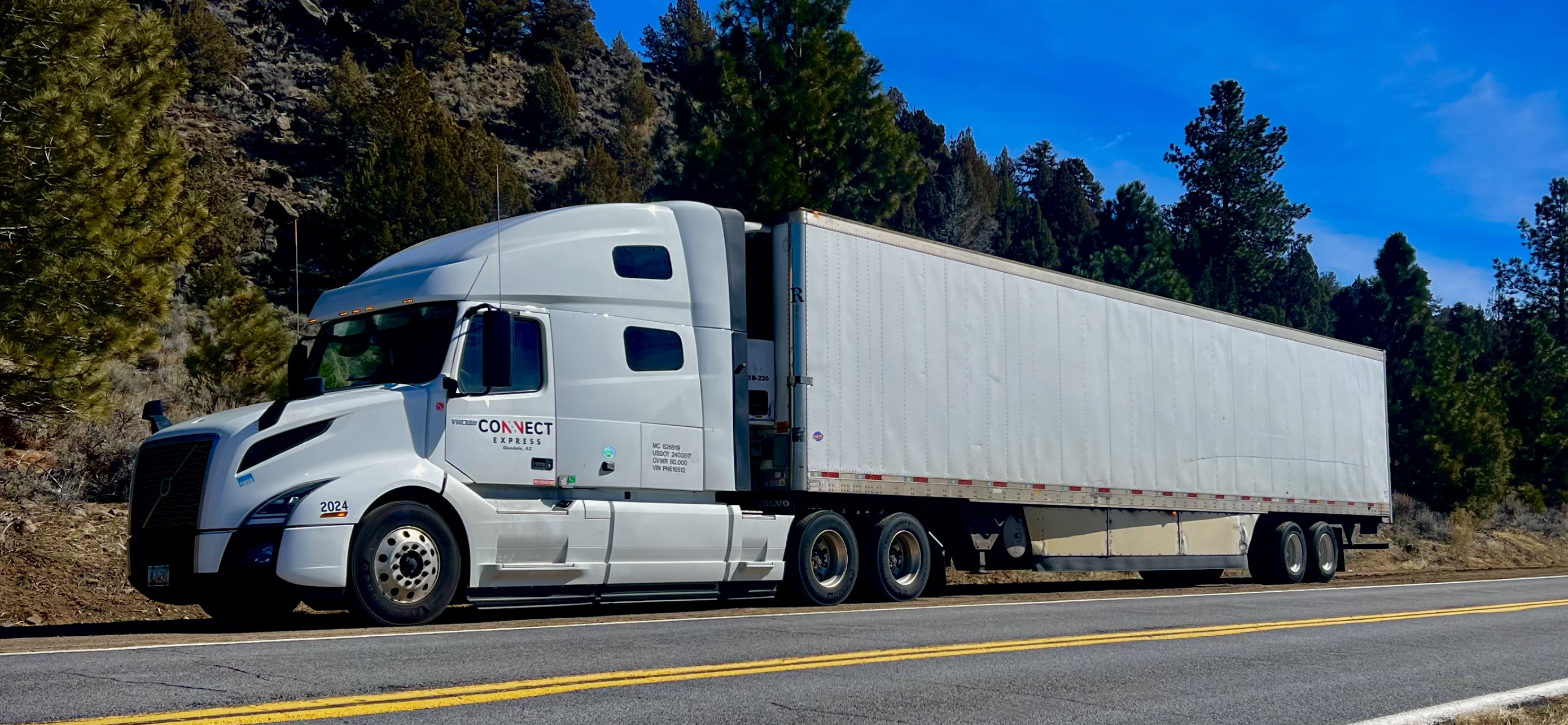
Phoenix to Southern California trucking is one of the most common lanes Valley shippers book, whether the freight is headed to a Los Angeles basin customer, an Inland Empire distribution center or a port terminal. This guide covers how the lane is usually run, what makes California deliveries different, and what to have ready before you request a load. If you are still choosing a carrier for Arizona freight, start with our overview of Phoenix truckload shipping.
What the Phoenix to Southern California lane looks like
Main routes
Most loads between Phoenix and the Los Angeles basin or the Inland Empire run on Interstate 10 west through the Arizona desert, across the Colorado River and on through the Coachella Valley. Freight bound for San Diego often uses Interstate 8 instead. Because conditions change, it pays to check live road information before a load moves: AZ511 from the Arizona Department of Transportation covers the Arizona side, and Caltrans QuickMap covers California closures and incidents. For a look at another Arizona lane we write about, see our guide to Texas to Arizona freight lanes.
Common Southern California delivery zones
Deliveries on this lane usually fall into a few zones: retail and grocery distribution centers in the Inland Empire, customers spread across the Los Angeles basin and Orange County, San Diego County receivers, and port-area facilities around San Pedro and Long Beach. Each zone has its own traffic patterns and dock habits, so the delivery address and appointment window matter as much as the miles.
Planning transit time under hours-of-service rules
A property-carrying truck driver works within the federal hours-of-service limits. Under the FMCSA hours-of-service rules, a driver may drive up to 11 hours after 10 consecutive hours off duty, may not drive beyond the 14th hour after coming on duty, and must take a 30-minute break after 8 cumulative hours of driving (49 CFR 395.3). Time spent waiting at the shipper or receiver counts toward that 14-hour window, so a long wait at pickup can push a delivery to the next appointment slot. Treat any transit estimate as a plan, not a promise, and build in room for loading time, traffic and dock waits.
Freight that moves on this lane
Dry van retail and distribution freight
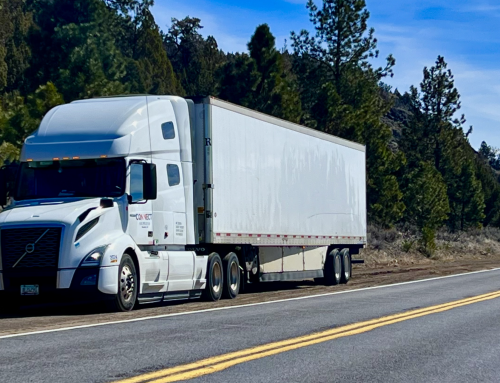
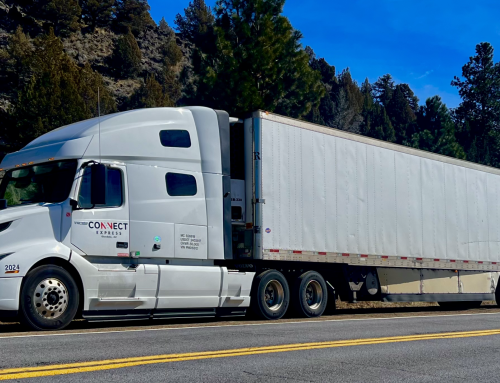
Palletized consumer goods, packaging, building products in boxes and other freight that needs to stay dry and secure usually moves in a 53-foot dry van. If your freight is going to a distribution center with tight receiving rules, read more about how dry van trucking works for Arizona shippers.
Refrigerated produce and food
Food, beverages and other temperature-sensitive products need a reefer with a set point that stays steady through the desert. Desert heat makes pre-cooling and clear temperature instructions especially important. Our reefer shipping checklist walks through what to confirm before pickup, and our refrigerated trucking page explains the service. Not sure which trailer you need? Compare reefer vs dry van.
Flatbed and building materials
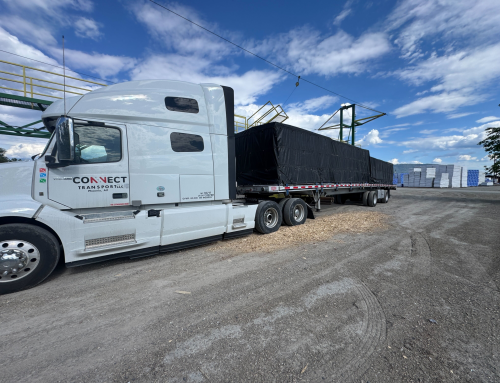
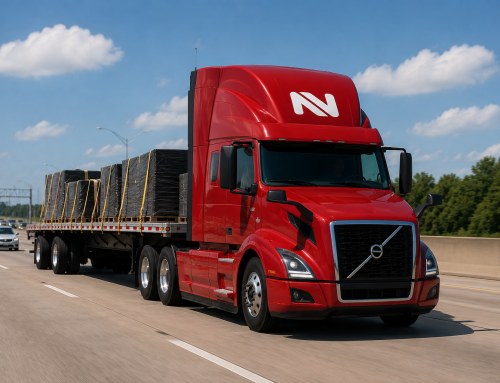
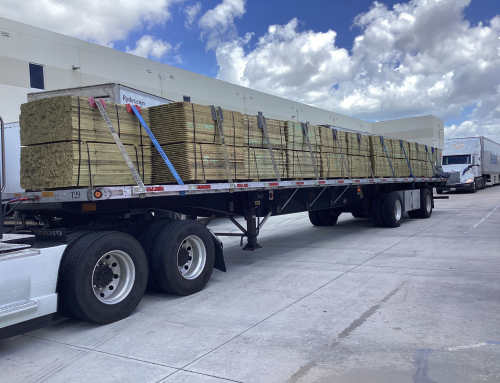
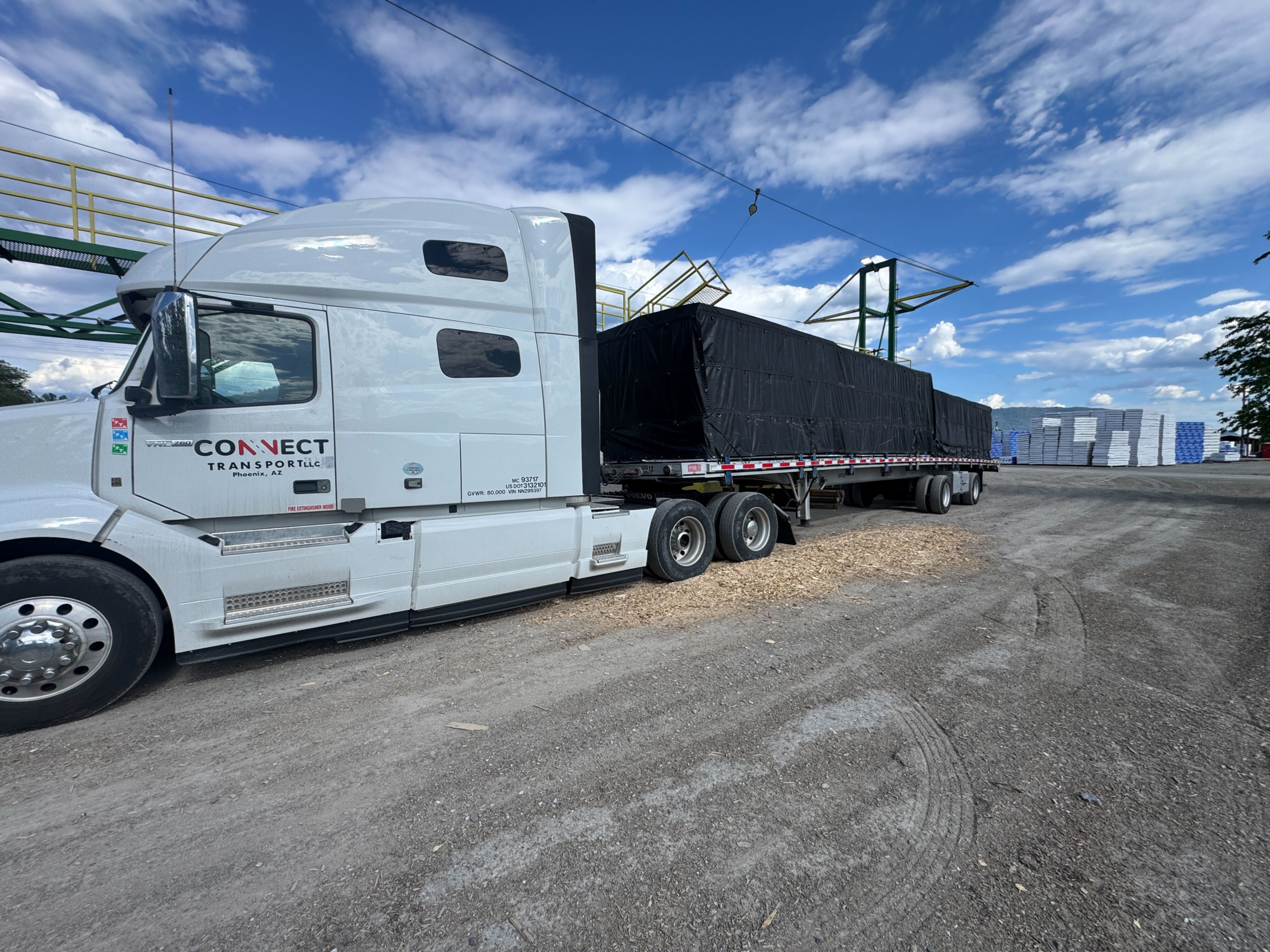
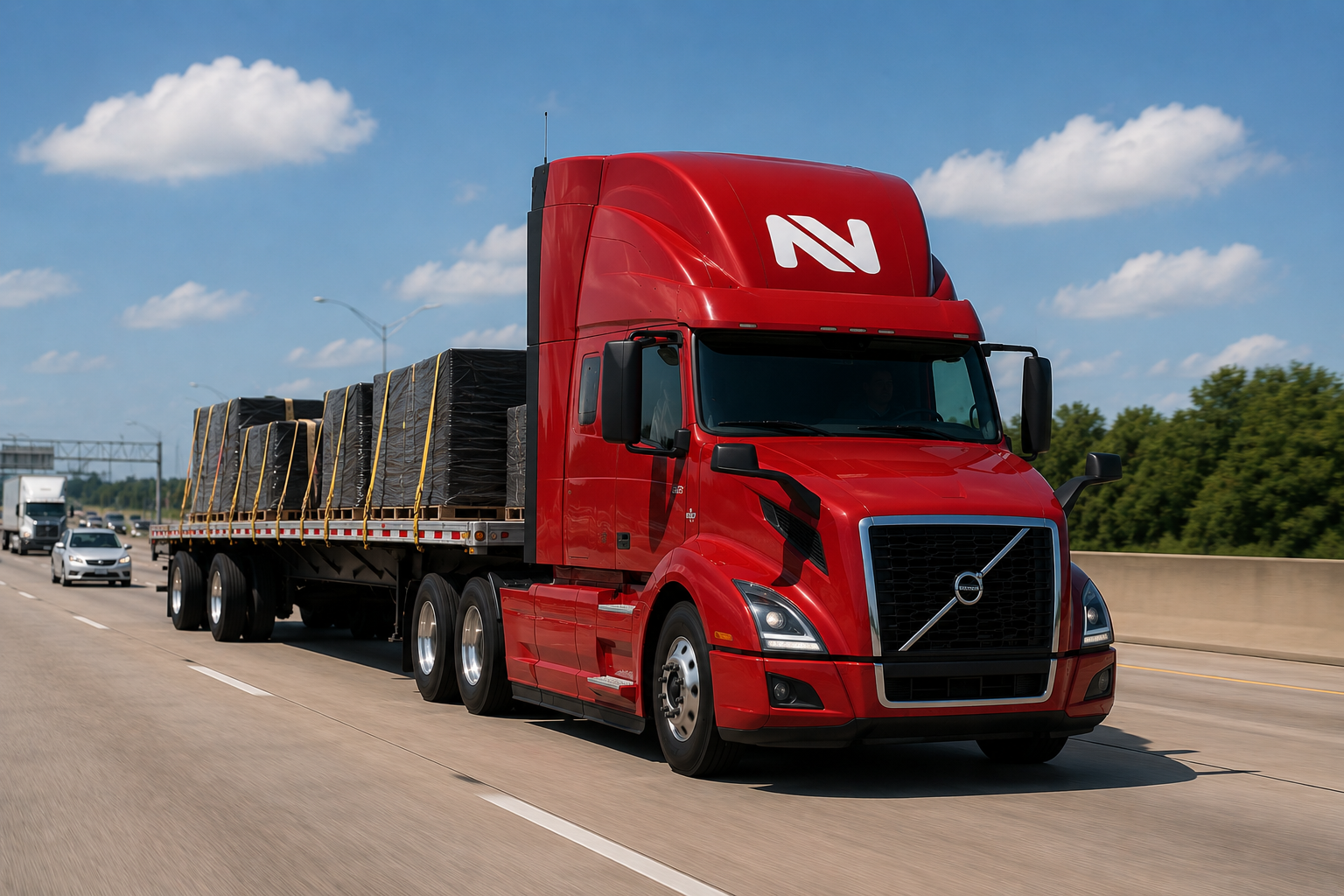
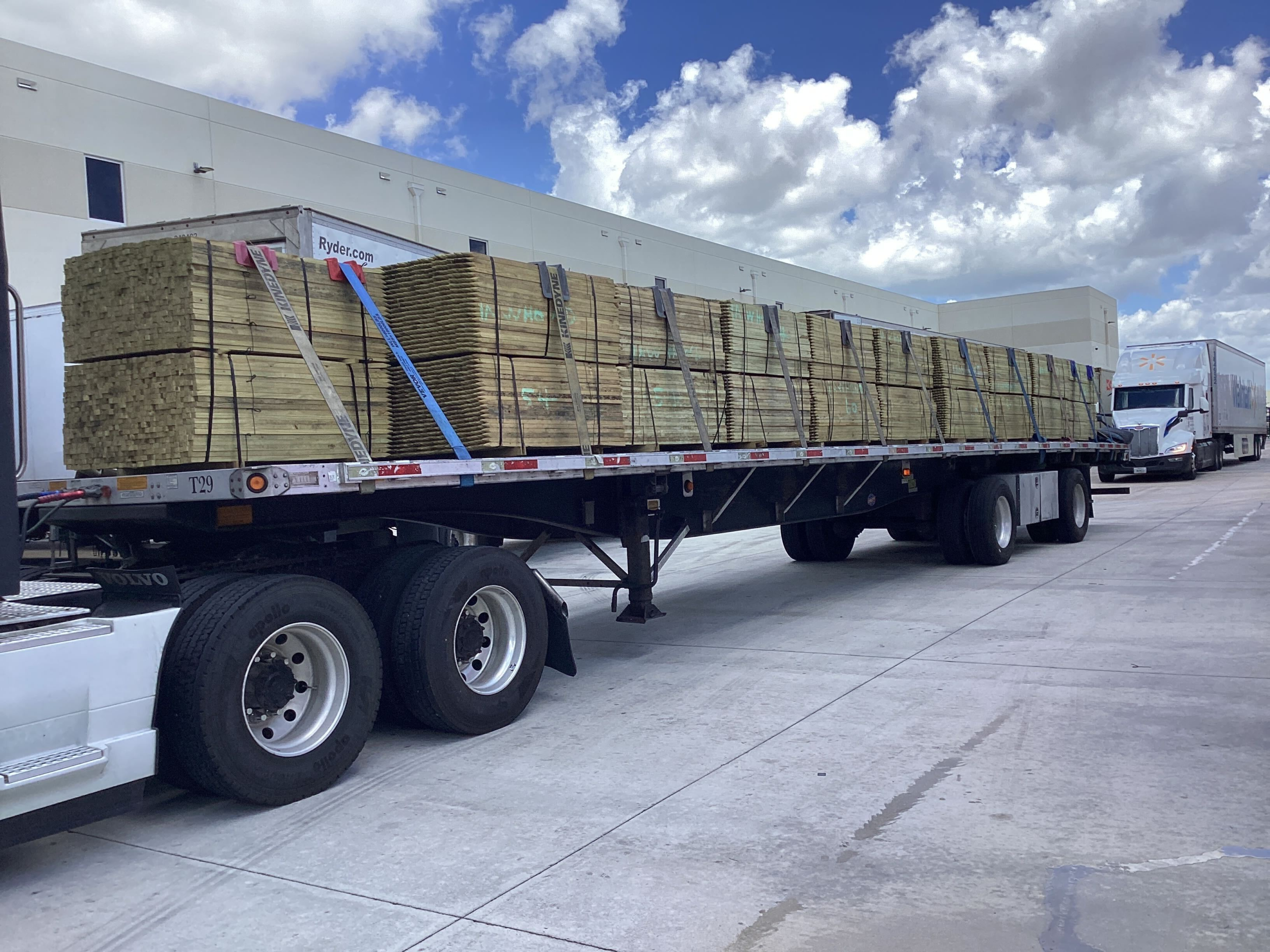
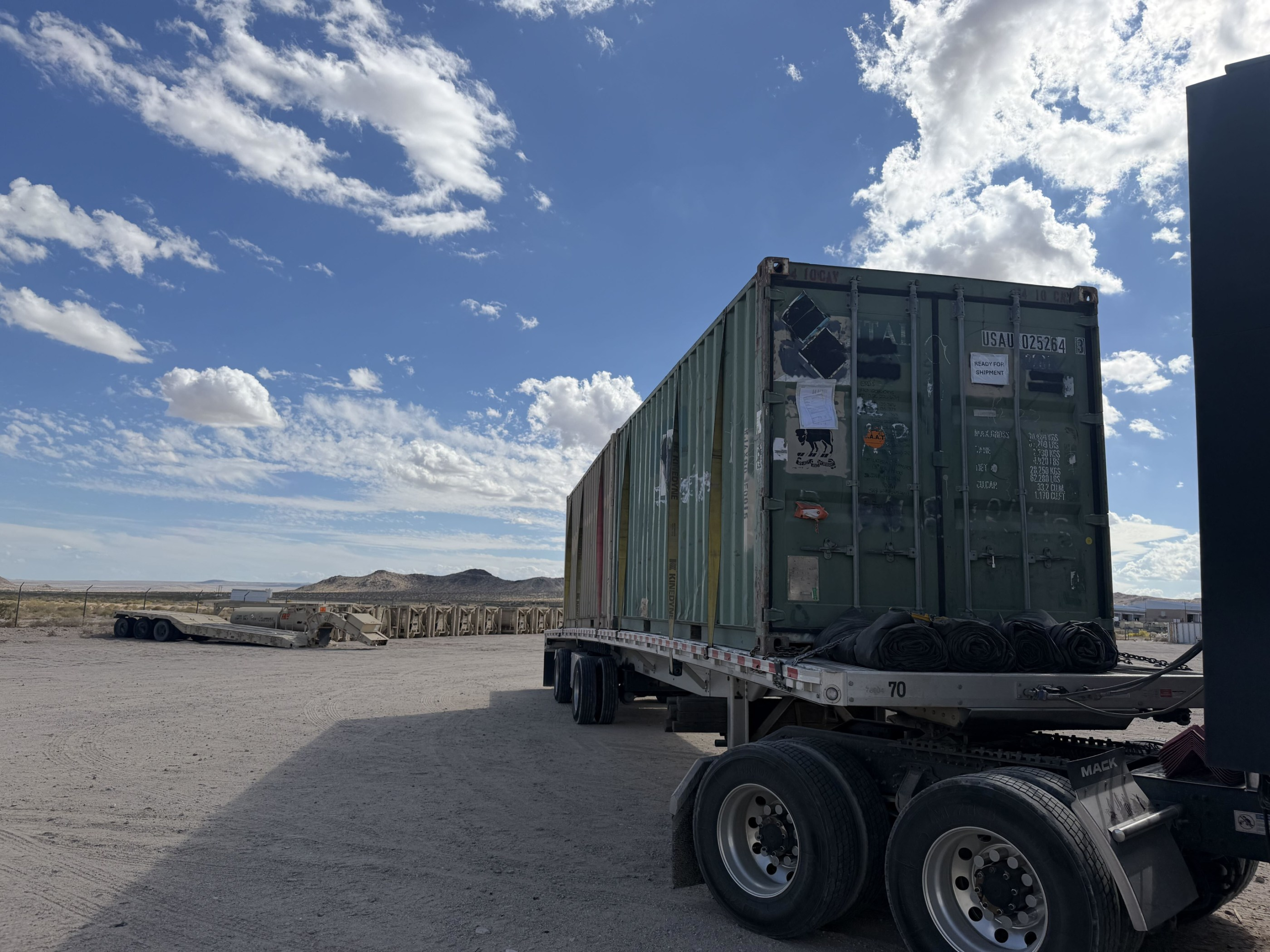
Steel, lumber, pipe, machinery and other freight that loads from the side or top often needs an open deck. Securement, tarping needs and load dimensions all affect planning. See our flatbed transportation page for the details we ask for.
What makes California deliveries different
CARB rules: what shippers should ask about
California sets its own air-quality rules for trucks, and they apply to many out-of-state vehicles operating in the state. According to the California Air Resources Board, under the Truck and Bus Regulation, as of January 1, 2023, diesel vehicles operating in California with a gross vehicle weight rating over 14,000 pounds must have a 2010 or newer engine, with few exceptions. CARB’s Clean Truck Check program also requires subject vehicles, including vehicles registered outside California when they operate in the state, to report, pay an annual compliance fee and submit passing emissions tests. Reefer units are covered by CARB’s separate Transport Refrigeration Unit (TRU) rules.
What this means for you as a shipper: before you tender a California load, ask any carrier to confirm that the truck, and the reefer unit if there is one, meets current CARB requirements. Rules and deadlines change, so check the CARB pages above for the latest status rather than relying on an old rate sheet or email.
Dock appointments and detention in the Inland Empire
Many large Southern California distribution centers run on strict appointment windows. A truck that arrives late may be rescheduled, and a truck that arrives early may wait. Send accurate appointment times and receiving contacts with the load. Our post on the top causes of missed delivery appointments covers the most common problems and how to avoid them.
Port and drayage congestion
Freight moving to or from the San Pedro Bay ports competes with heavy container traffic. One change to plan around: Caltrans has announced a full closure of the Vincent Thomas Bridge (State Route 47) between San Pedro and Terminal Island starting November 7, 2026, expected to last about 16 months while the deck is replaced. The Port of Los Angeles project page has detour information. We summarized what it means for freight in our Vincent Thomas Bridge closure update.
Westbound vs eastbound: planning both directions
Freight on this lane moves both ways. Westbound loads leave the Valley for California customers, ports and distribution centers. Eastbound loads bring imports, retail restocks and other goods back to Arizona. Truck availability can differ by direction, day of week and season, so the earlier you share a recurring schedule, the easier it is to plan. If you ship on a regular rhythm, our guide to freight lanes with consistent capacity explains why steady volume helps.
What to send before you book
A clean request gets a faster, more accurate answer. Have these ready:
- Pickup and delivery ZIP codes, with full addresses if known
- Pickup and delivery dates, plus any appointment windows
- Commodity description
- Total weight and pallet count, or piece count and dimensions
- Trailer type: dry van, reefer or flatbed
- For reefer loads, the required temperature and whether it is continuous or cycle
- Any special needs such as liftgate, lumper, tarps or securement requirements
- Shipper and receiver contacts
For more detail, see our checklist of dry van shipping quotes and what dispatch needs.
Road and fuel factors on I-10
Construction on the Phoenix end of I-10 can add time on either side of the trip; our update on I-10 construction in Phoenix covers current work. Fuel costs also move freight pricing, and we track diesel prices in Arizona in a regular news post. In the hot months, desert heat is a real factor for reefer loads and for equipment in general, so confirm temperatures and pickup times carefully in summer.
Frequently Asked Questions
How long does a truck take from Phoenix to Los Angeles?
It depends on the exact pickup and delivery addresses, traffic, loading time and dock waits. Drivers also have to follow federal hours-of-service limits, including an 11-hour driving limit and a 14-hour on-duty window (FMCSA). Ask your carrier for a plan based on your actual appointments.
What route do trucks take from Phoenix to Southern California?
Most trucks headed to the Los Angeles basin or the Inland Empire use Interstate 10 west. Loads for San Diego often use Interstate 8. Check AZ511 and Caltrans QuickMap for current conditions.
Do trucks going into California need to meet CARB rules?
Many do. CARB’s Truck and Bus Regulation and Clean Truck Check program apply to many vehicles operating in California, including some registered in other states. Ask your carrier to confirm the truck and any reefer unit meet current requirements.
What should I send for a Phoenix to California truckload quote?
Send pickup and delivery ZIP codes, dates and appointment windows, commodity, weight, pallet count, trailer type, any temperature requirements and special handling needs. The more complete the request, the faster the answer.
Plan your next Phoenix to Southern California load
Ready to move freight between the Valley and Southern California? Request a truckload quote from Connect Express or call 480-401-1998. Connect Express is located at 5701 W Maryland Ave, Glendale, AZ 85301.