Texas Arizona freight lanes look simple on a map. They are not always simple to run. Long stretches of open road, extreme heat, tight delivery appointments, and changing weather can turn a routine load into a problem if the carrier is not prepared. Shippers need trucks that arrive for the pickup, communicate clearly, and deliver without a string of excuses.
For freight moving between Arizona and Texas, execution matters more than promises. The right equipment, a realistic transit plan, and a driver who knows the route all make a difference.
What Makes Texas Arizona Freight Lanes Different
The distance between Phoenix and major Texas markets is workable for many freight types, but it is not a short run. Phoenix to El Paso is a different operation than Phoenix to Dallas, Houston, San Antonio, or Austin. Appointment times, hours of service, fuel stops, and reload planning need to be considered before the truck is dispatched.
Interstate 10 is the main corridor for much of this traffic. It connects Phoenix with El Paso, San Antonio, and Houston, while other routes feed freight toward Dallas-Fort Worth and North Texas. The road is familiar, but conditions are not always predictable. High winds, monsoon storms, construction, border traffic near El Paso, and heavy congestion around Texas cities can affect a schedule.
Heat is another real factor. Arizona and West Texas summers are hard on equipment, especially refrigerated units. A reefer load cannot wait around because a trailer was not checked before dispatch. Pre-trip inspections, fuel planning, and temperature monitoring need to happen before the truck leaves the yard.
There is also a difference between moving a one-time shipment and supporting a regular lane. A single load may have flexibility. A dedicated shipper with scheduled pickups does not. If a plant has freight ready every Tuesday and Thursday, the carrier needs capacity that is actually available on those days.
Freight Types That Move Well Between Arizona and Texas
Arizona and Texas support a broad mix of freight. Manufacturing, construction, food distribution, consumer goods, industrial supply, and agricultural products all move through this corridor. That means the equipment decision should be based on the load, not on what happens to be available.
Dry Van Freight
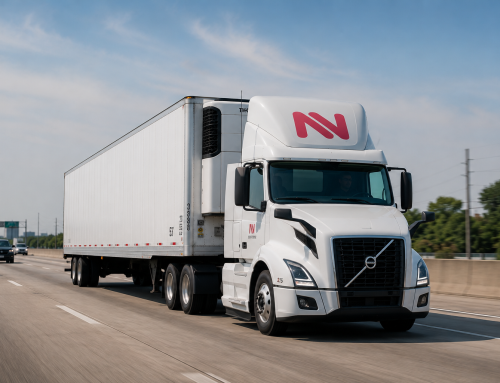
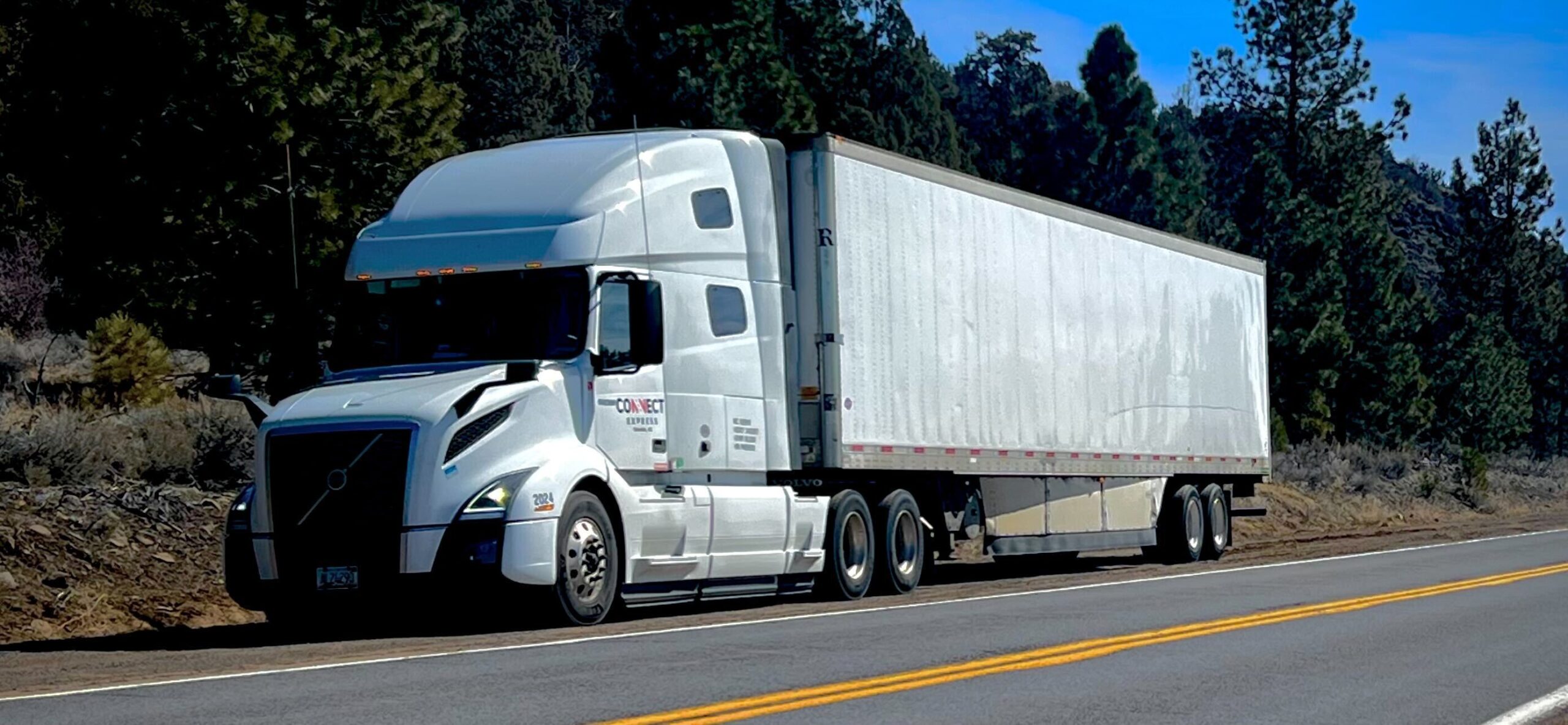
Dry vans are a common fit for packaged goods, retail freight, building materials that do not need open-deck loading, and general manufacturing shipments. The key is protecting the appointment. A dry van load can still fail if the truck arrives late, misses a receiving window, or cannot provide a status update when the shipper asks.
For recurring dry van freight, consistent drivers and dispatch communication help reduce surprises. The shipper should know when the truck is assigned, when it is loaded, and when it is expected at delivery. No guessing where the load is.
Refrigerated Freight
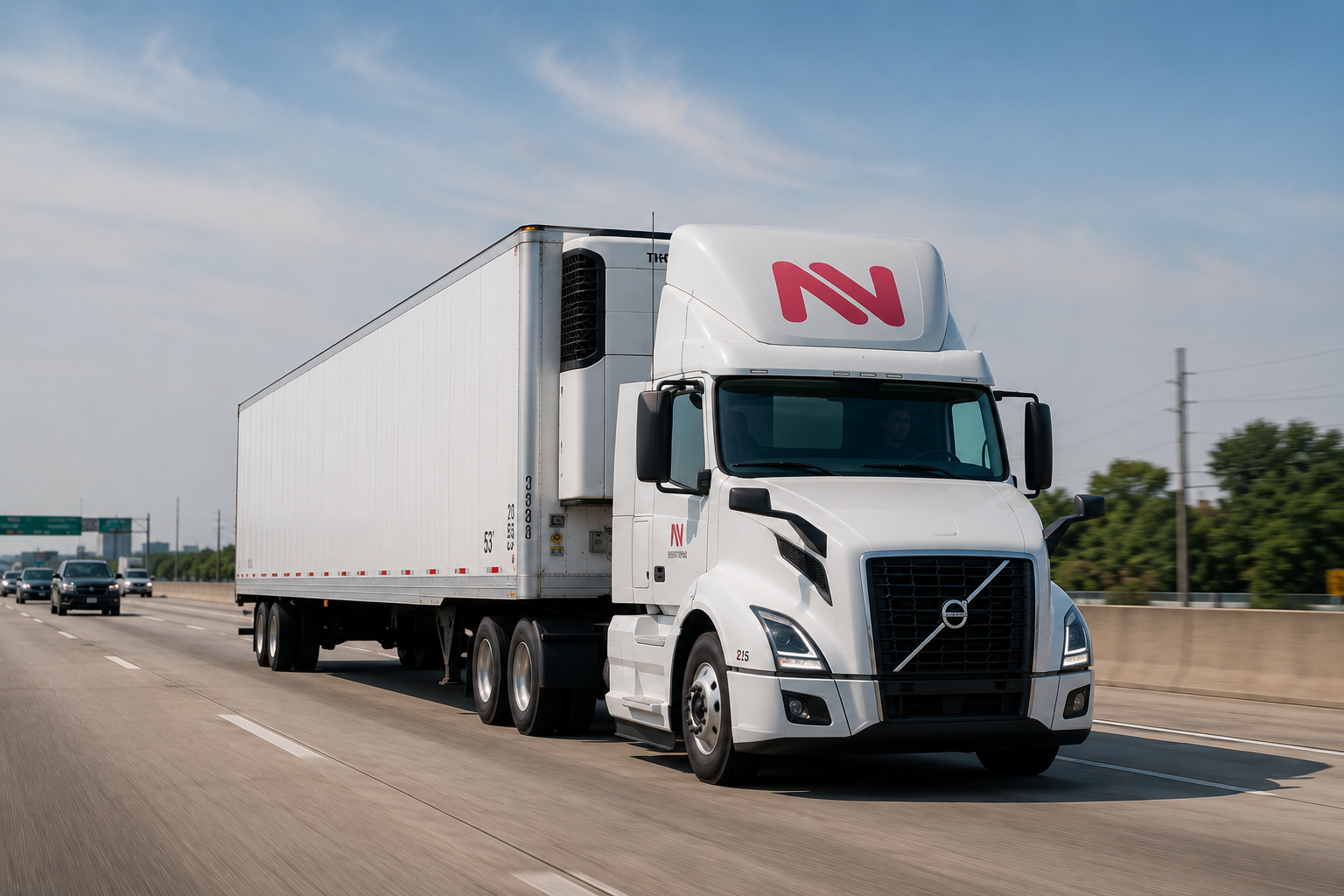
Reefer freight requires more attention from the start. Produce, frozen food, dairy, beverages, and temperature-sensitive products need equipment that is clean, fueled, and set to the correct temperature before loading. The temperature requirement should be confirmed clearly. So should the receiver’s rules for seals, pulp temperature, detention, and delivery appointments.
A refrigerated shipment from Arizona into Texas can face long periods of high ambient temperature. That is normal for this lane. It is also why reefer maintenance and driver checks matter. A temperature issue is not something to explain after delivery. It needs to be caught early.
Flatbed and Oversized Loads
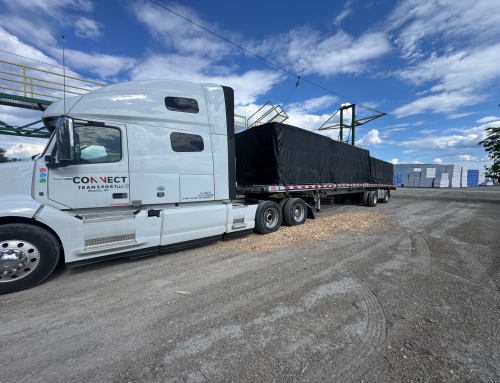
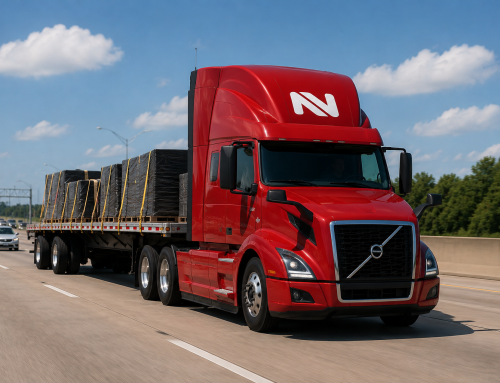
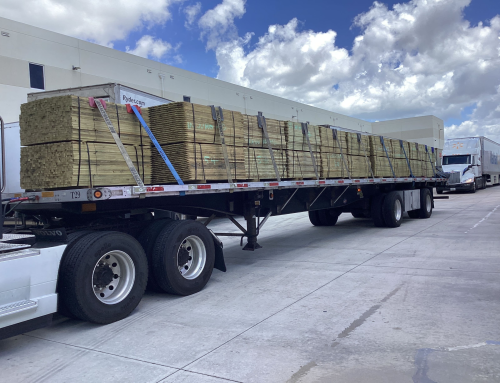
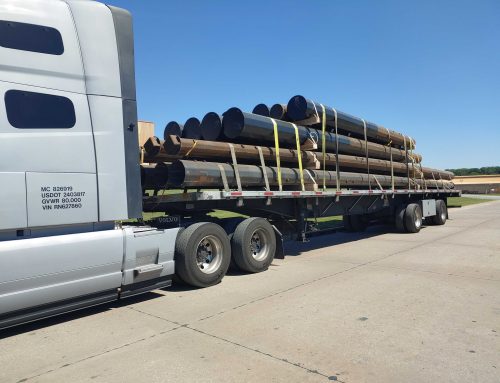
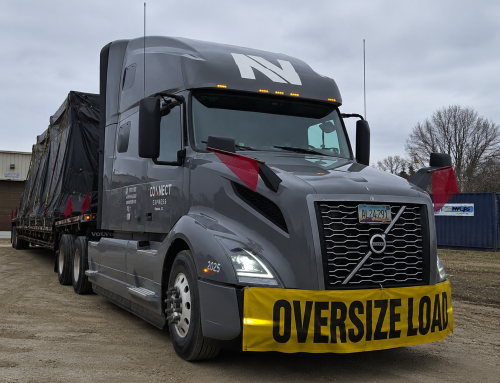
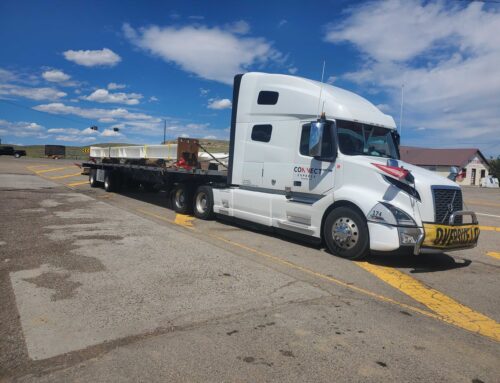
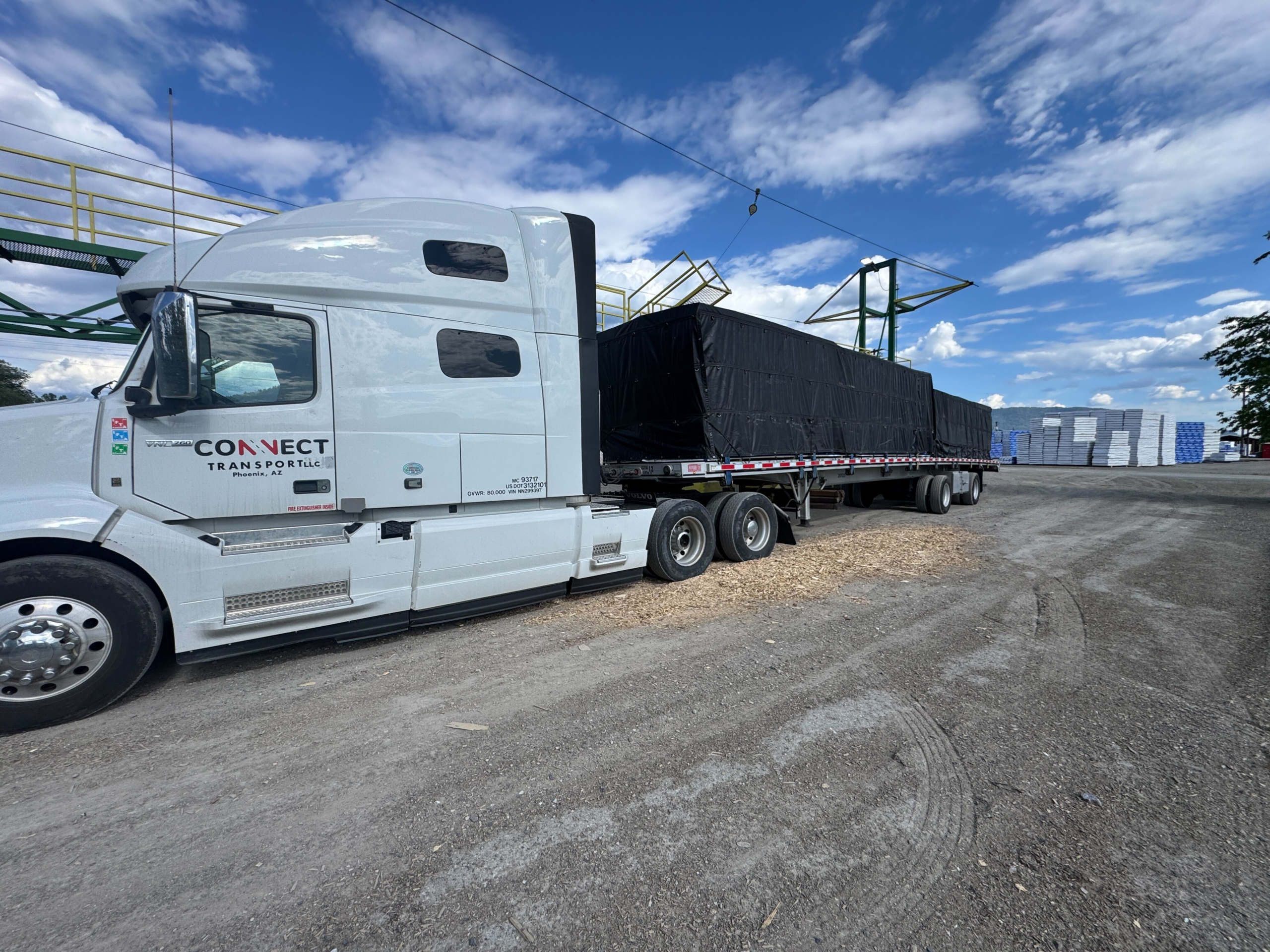
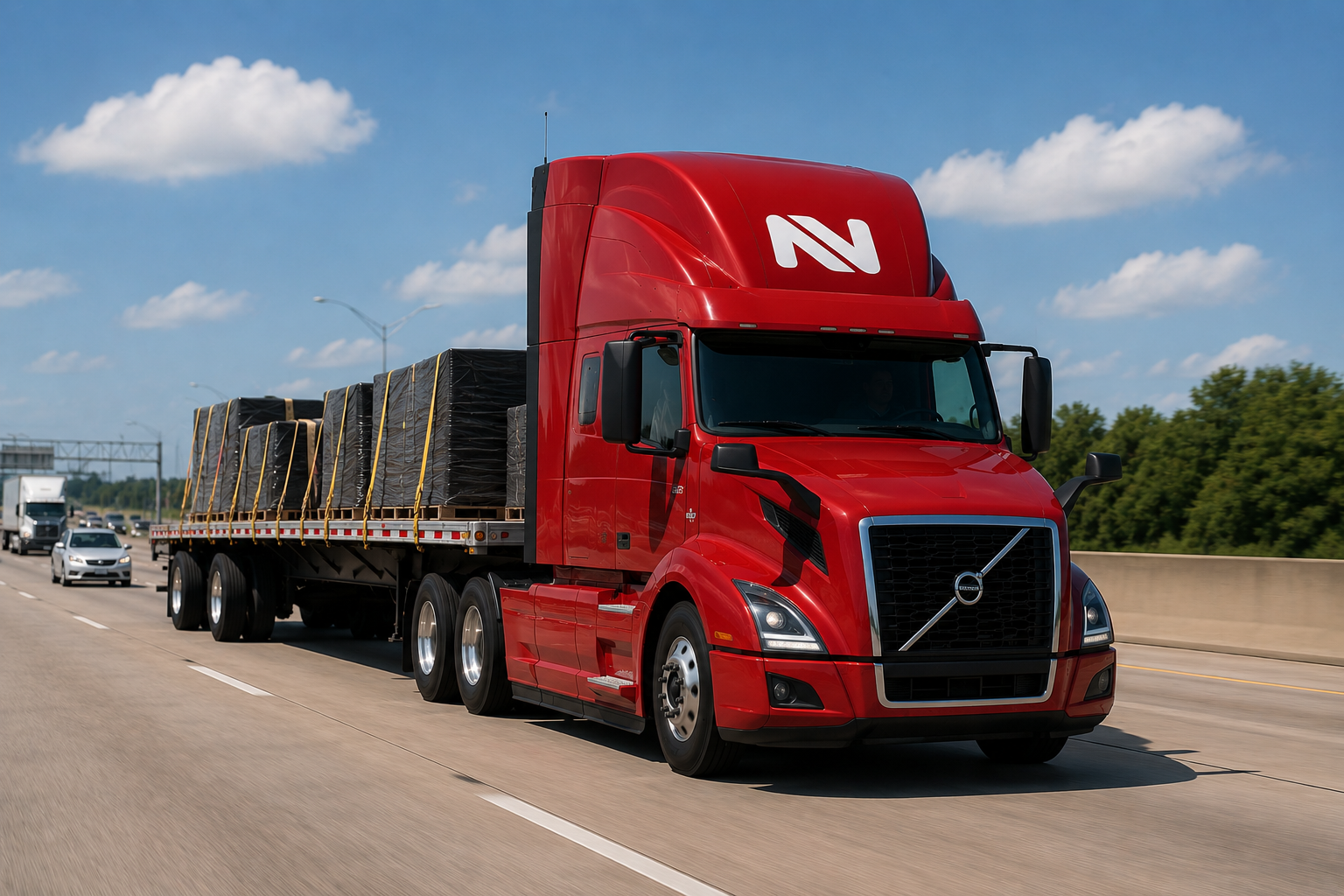
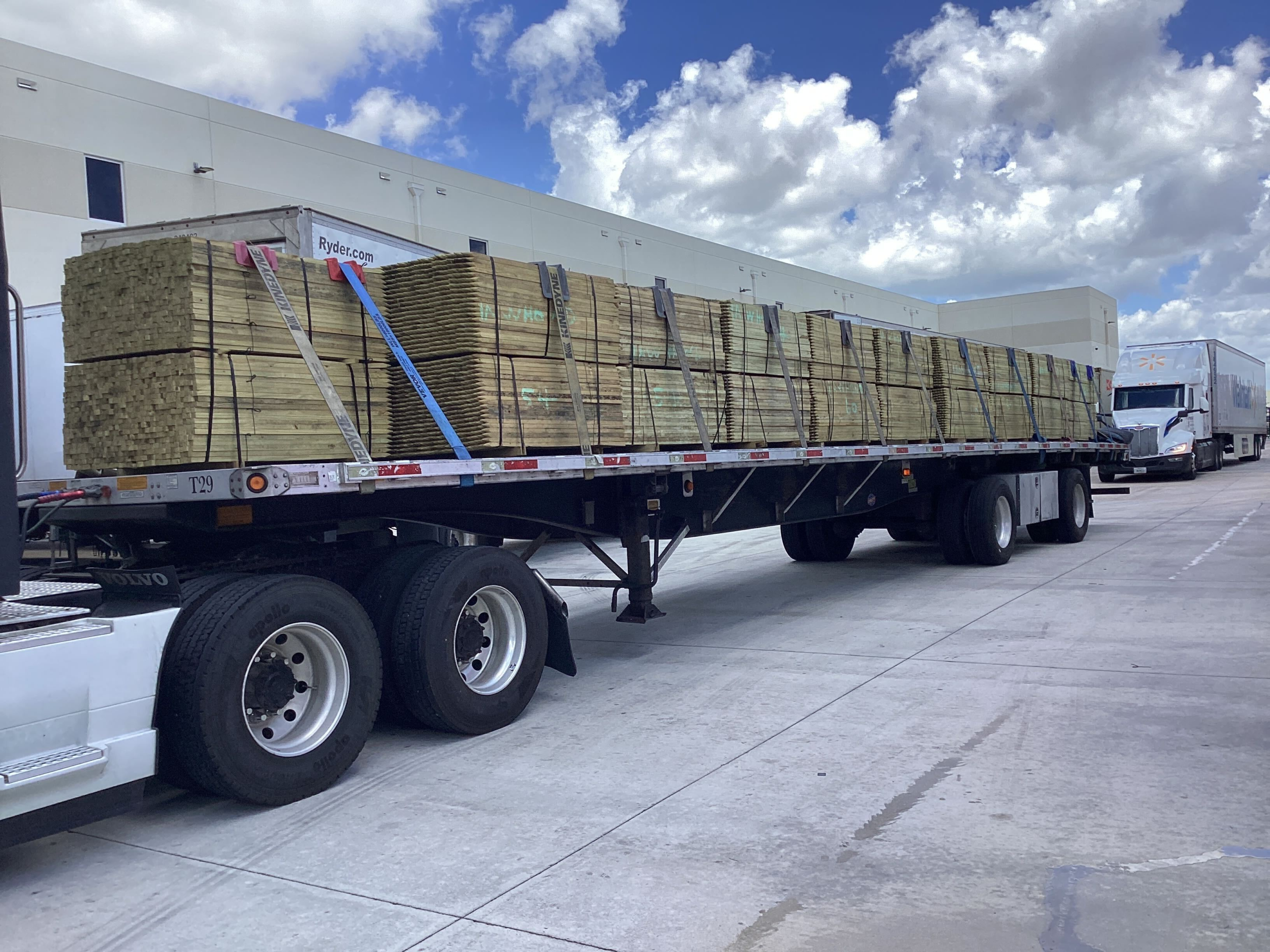
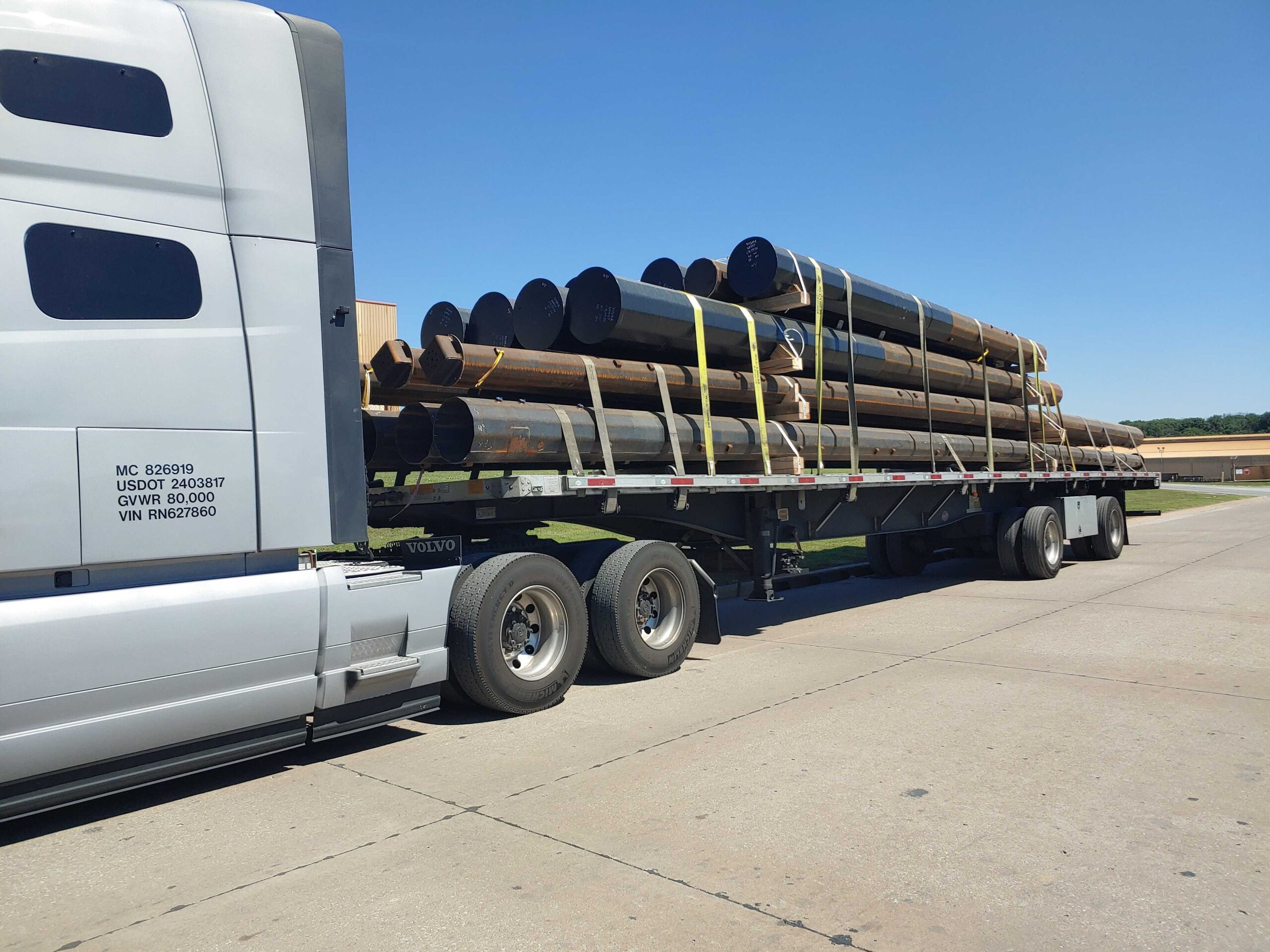
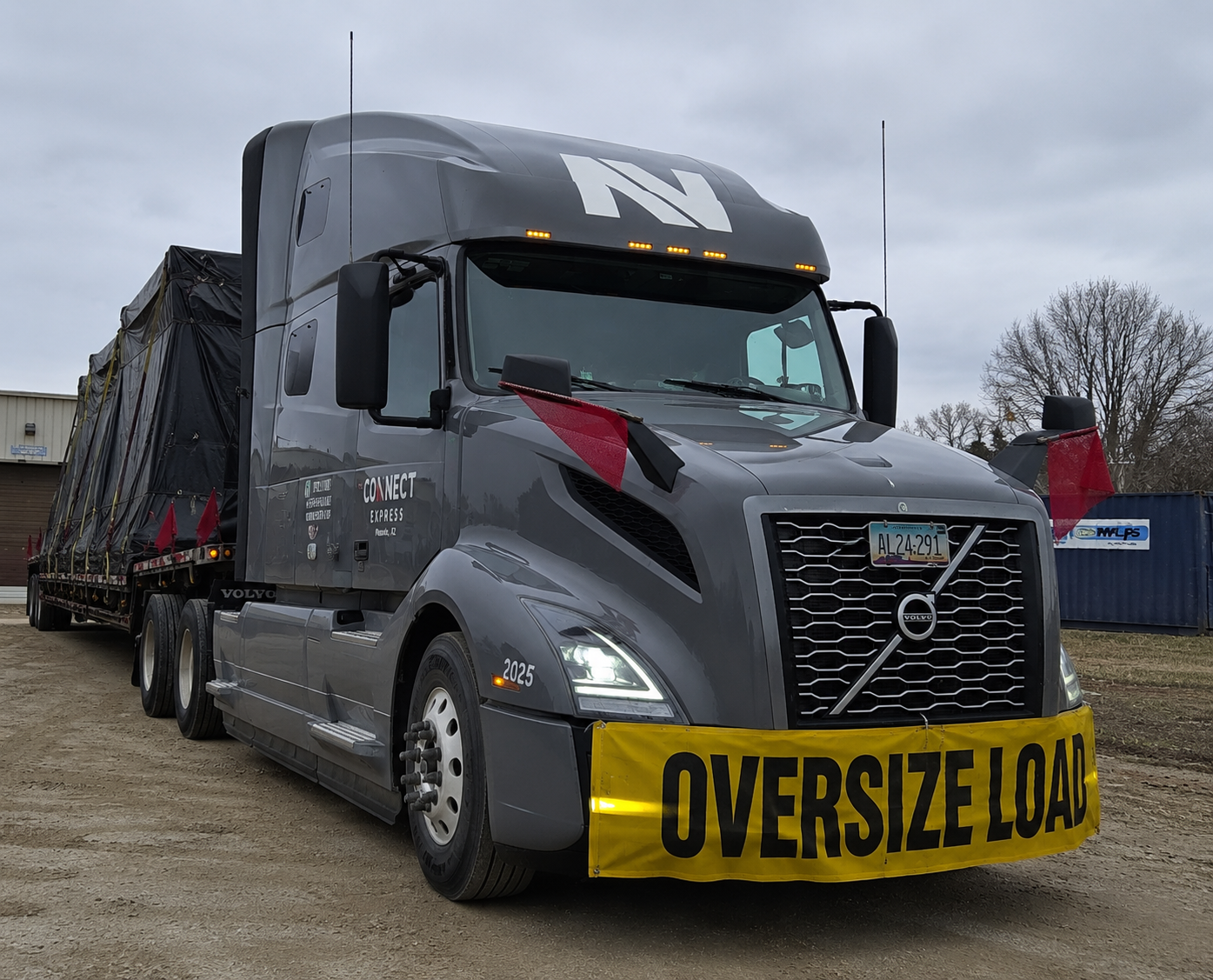
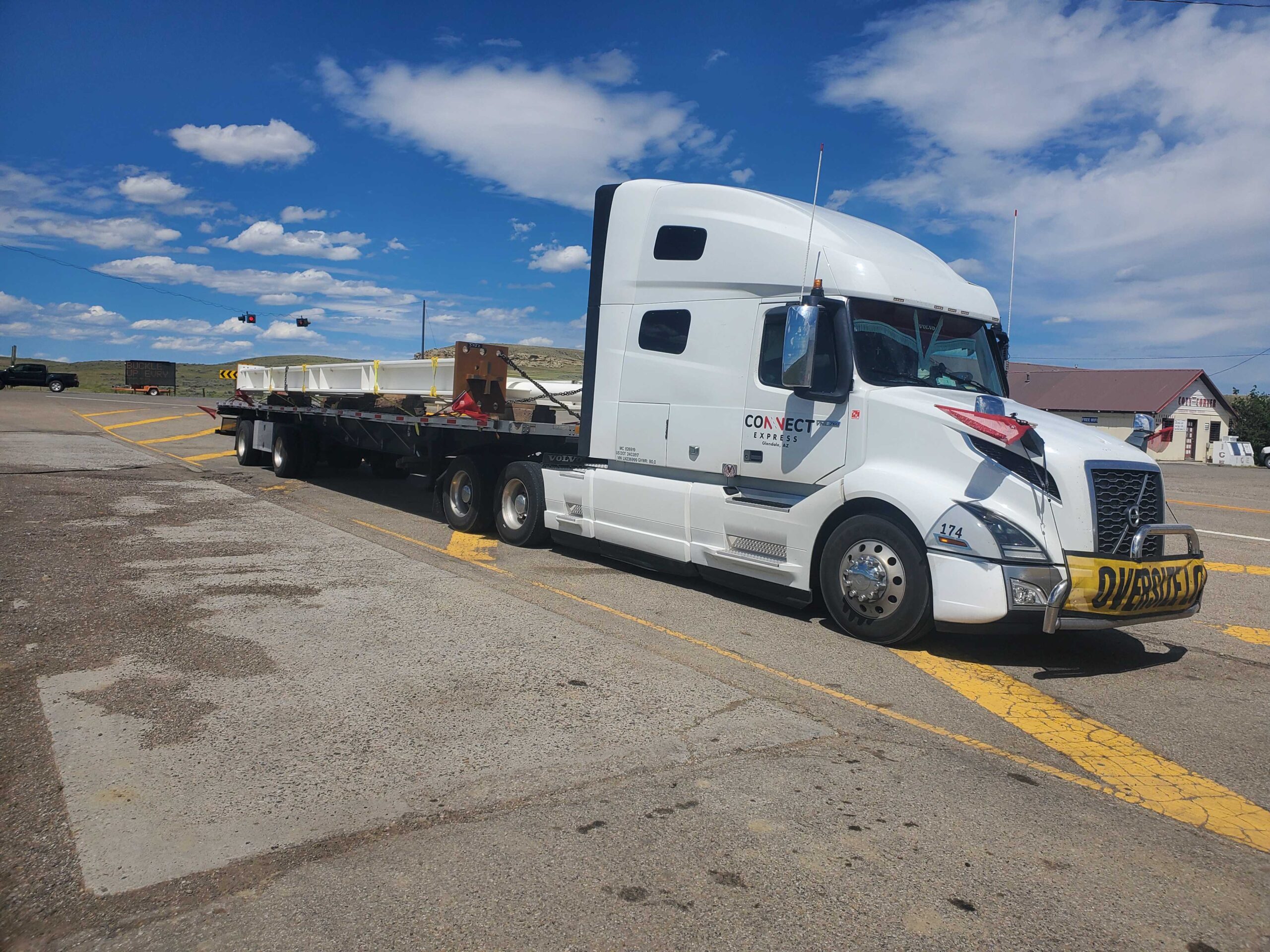
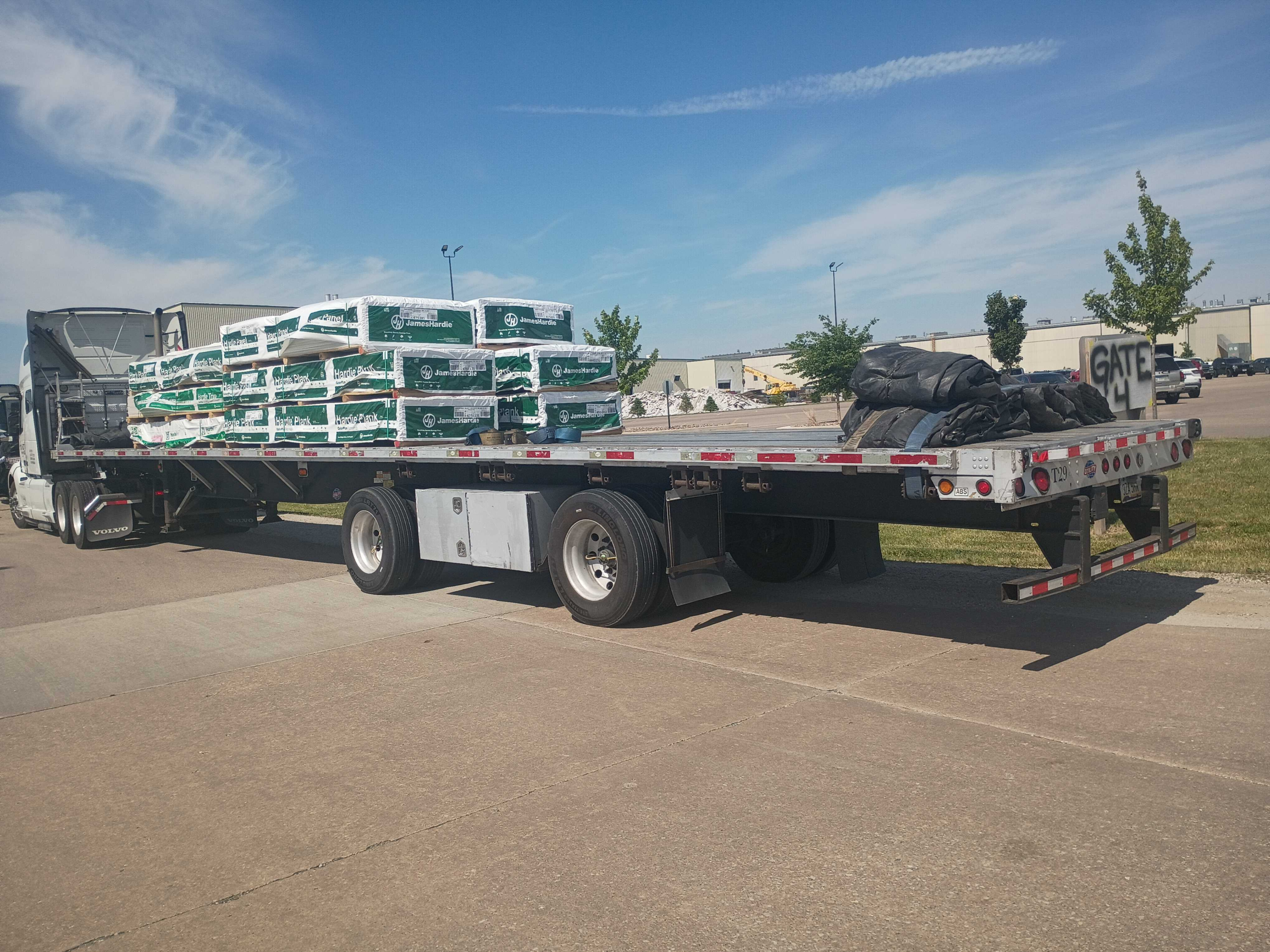
Texas Arizona freight lanes also handle machinery, steel, construction materials, equipment, and oversized freight. These loads need more than a truck and trailer. They need the correct securement, route review, permits when required, and a driver who understands open-deck work.
Oversized moves may require a different route than standard freight. Bridge limits, lane restrictions, permit rules, and travel-time limitations can change the plan. The fastest-looking route is not always the route the load can legally take. Good planning prevents a loaded truck from sitting because a detail was missed.
How to Build a More Reliable Lane
A dependable lane starts with accurate information. The pickup and delivery addresses are only part of the job. Shippers should provide commodity details, piece count, weight, dimensions, equipment needs, appointment requirements, and any site rules before dispatch.
If a load needs a liftgate, straps, tarps, food-grade equipment, or a specific temperature setting, say so early. If the shipper has a strict no-early-arrival policy, that matters too. Drivers can plan around clear requirements. They cannot plan around missing details.
The best lanes also have realistic timing. A carrier can run hard and still be delayed by weather, traffic, a receiver backlog, or an extended loading process. Building reasonable lead time into the schedule gives everyone more room to solve a problem before it becomes a missed appointment.
Communication should be direct. A useful update tells the shipper what happened, where the truck is, and what comes next. It does not bury the issue in vague language. If loading is delayed, the shipper needs to know. If the driver is on track for delivery, the shipper should know that too.
For regular freight, it helps to establish a repeatable operating plan. Confirm the usual pickup days, the equipment type, the loading hours, the delivery schedule, and the main points of contact. Then review what changes during seasonal peaks, holidays, or plant shutdowns. That is how a lane becomes easier to manage over time.
Capacity Is Only Useful If It Is Real
Freight managers hear plenty of capacity promises. What matters is whether a truck is assigned and ready when the freight is ready. A carrier operating its own equipment has direct control over the truck, driver, and dispatch plan. That makes a difference when the pickup window is tight or a customer needs an answer now.
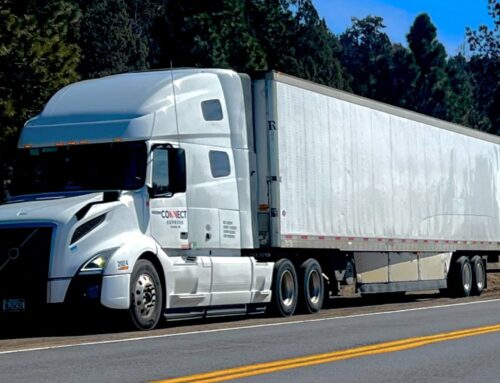
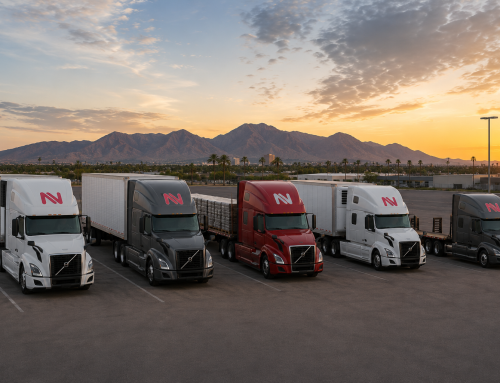
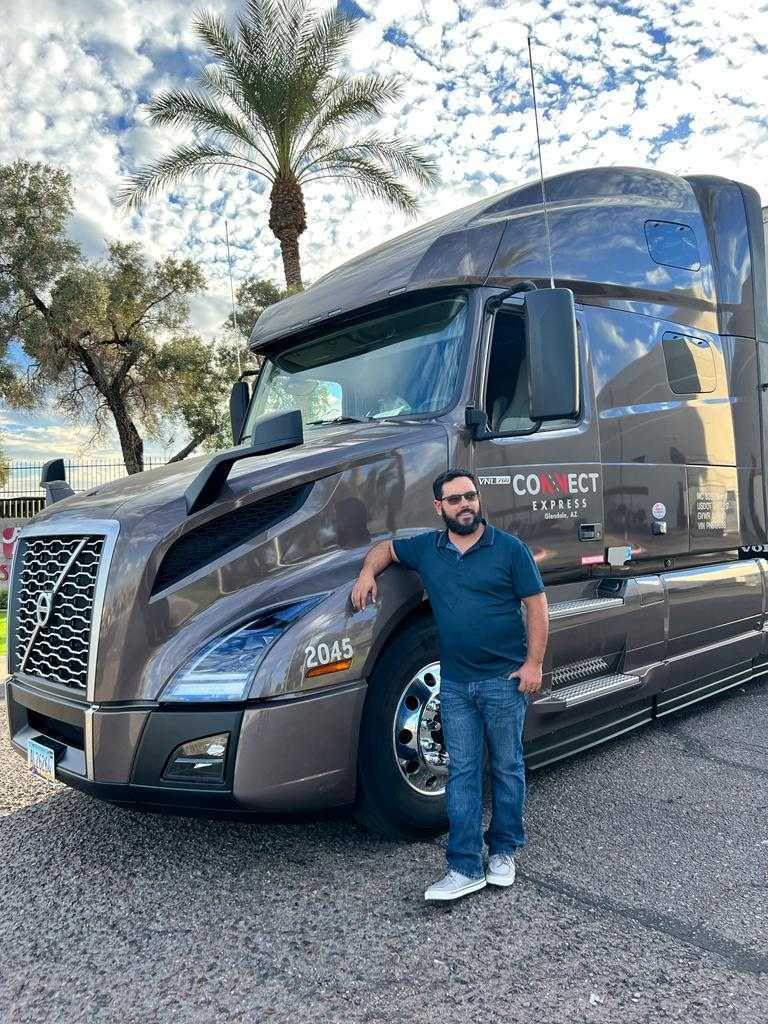
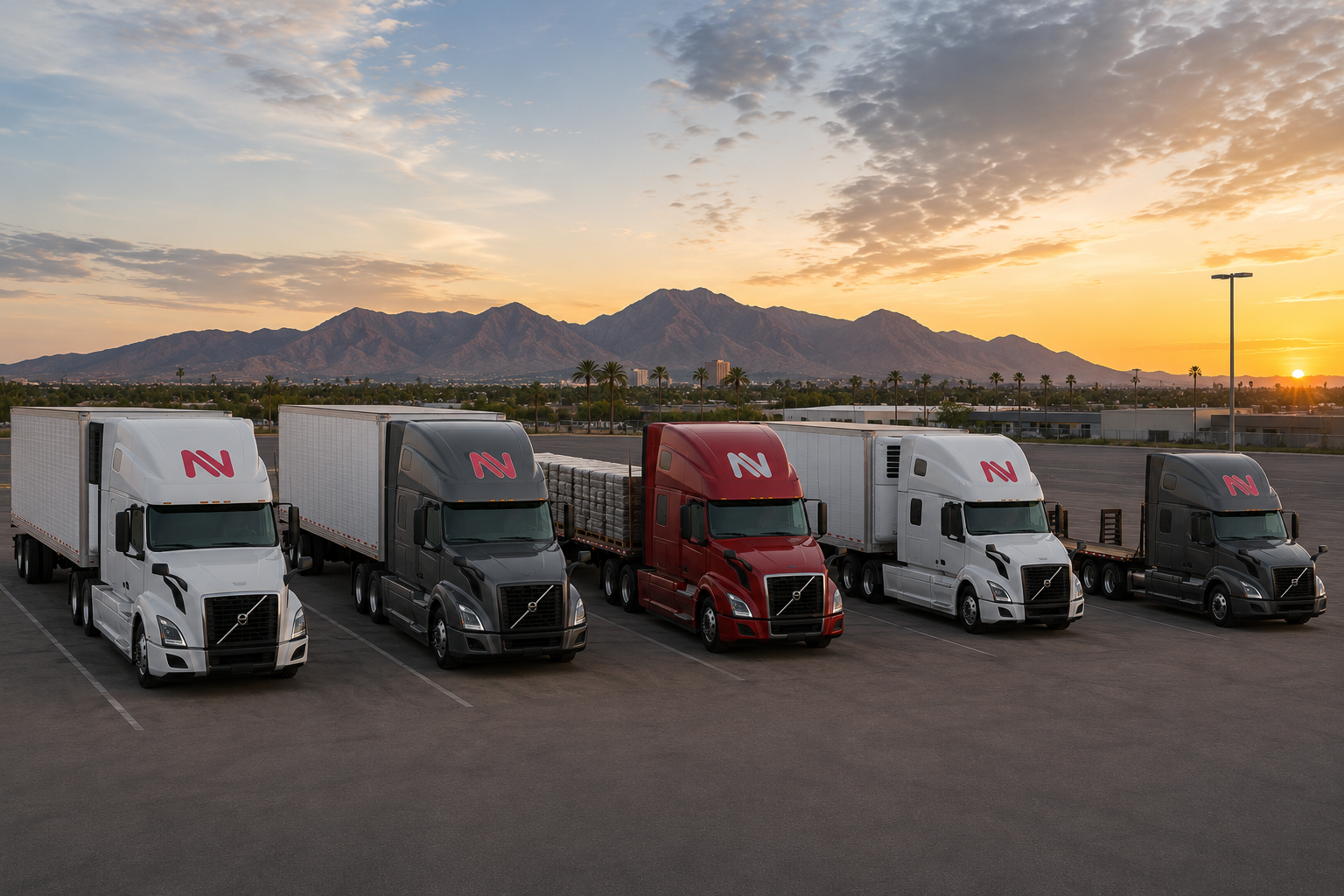
At ConnectExpress LLC, we run real trucks with real drivers from our Phoenix, Arizona home base. We handle dry van, reefer, flatbed, oversized, and dedicated freight across the Southwest and beyond. The focus is straightforward: show up on time, handle the freight safely, and give the customer real updates.
That does not mean every load needs the same solution. A full truckload from Phoenix to Houston may need a different schedule than a flatbed load into El Paso or a refrigerated shipment headed to Dallas. The right plan depends on the commodity, receiver requirements, and how often the lane runs.
Questions to Ask Before Tendering the Load
Before booking a Texas-to-Arizona or Arizona-to-Texas shipment, confirm the basics that affect execution. Is the freight ready at the stated pickup time? Is the weight accurate? Does the shipper need dry van, reefer, flatbed, or specialized equipment? Are there appointment numbers, temperature requirements, securement needs, or site restrictions?
It also helps to ask what happens if the receiver is backed up. Some facilities have strict appointment policies. Others work on a first-come basis. Some allow overnight parking, while others do not. Those details affect driver planning and should not be treated as an afterthought.
For dedicated freight, review lane volume honestly. A carrier can plan better when it knows whether the shipment is truly steady or whether volume changes each week. Consistent freight creates better opportunities for consistent truck coverage. Last-minute volume changes can still be handled, but they need clear communication.
Keep the Lane Moving
The strongest Texas Arizona freight lanes are built on simple habits: accurate load information, proper equipment, realistic schedules, and dispatchers who answer the phone. The route may be familiar, but every pickup and delivery still has to be handled correctly.
When your freight is ready, the truck should be ready too. That is what keeps a regular lane from becoming a daily problem.