
Core Strategies for Freight Logistics Management
Table Of Contents:
- Mastering Commercial Freight Logistics Management Strategies
- Key Takeaways
- Understanding Core Commercial Freight Logistics Management Principles
- Developing Effective Commercial Freight Logistics Management Strategies
- Leveraging Technology in Commercial Freight Logistics Management
- Optimizing Costs Within Commercial Freight Logistics Management
- Enhancing Efficiency in Commercial Freight Logistics Operations
- Future Trends Shaping Commercial Freight Logistics Management
- Final Thoughts
- Frequently Asked Questions
Mastering Commercial Freight Logistics Management Strategies
Key Takeaways
- Effective commercial freight logistics management relies on clear definitions, performance measures, and integrated supply chain practices.
- Developing robust strategies includes optimizing routes, selecting appropriate transport modes, and establishing reliable carrier partnerships.
- Leveraging technology such as TMS and IoT improves visibility and operational efficiency.
- Cost optimization focuses on reducing transportation expenses, utilizing load consolidation, and minimizing additional charges.
- Future trends emphasize sustainability, autonomous vehicles, and blockchain innovations in freight logistics.
Understanding Core Commercial Freight Logistics Management Principles
Understanding the fundamentals of commercial freight logistics management begins with defining the concept and understanding its scope. Freight logistics involves transporting goods by various modes of transport coupled with managing inventories, warehousing, and regulatory compliance. The management principles include measuring key performance indices, integrating the supply chain, and ensuring regulatory adherence, all of which support cost effective and efficient delivery processes.
Defining Commercial Freight Logistics and Its Scope
Commercial freight logistics encompasses the planning, execution, and oversight of goods transportation from one point to another. This involves coordinating between suppliers, transporters, and customers. Techniques include tracking shipments, managing inventory levels, and ensuring timely delivery. The scope also covers international shipping processes, air freight, and cargo transportation which are integral in maintaining competitive advantage in supply chain operations.
Key Performance Indicators in Freight Logistics Management
Key performance indicators (KPIs) such as on-time delivery rates, transit times, freight cost per mile, and load utilization provide measurable data that guide management decisions. These metrics aid businesses in identifying inefficiencies and highlight areas needing improvement. Consistent KPI monitoring ensures that shipments achieve the desired speed and cost efficiency while meeting quality standards. Some shippers extend that discipline through third-party logistics partnerships that share the same KPIs.
The Role of Supply Chain Integration in Commercial Freight
Supply chain integration acts as the backbone of efficient freight management. When carriers, shippers, and warehouses operate in a seamless network, it translates into reduced delays and increased responsiveness to market conditions. Integration supports enhanced communication between all parties, thereby reducing errors and enabling centralized control over shipment processes.
Regulatory Compliance in Commercial Freight Movements
Adhering to local and international regulations is critical in freight logistics. Compliance requirements cover vehicle specifications, driver qualifications, hours of service, and environmental standards. Ensuring that all regulatory mandates are met not only helps avoid fines and legal issues but also builds trust with stakeholders and customers.
Cost Components Within Commercial Freight Logistics Management
Cost components include transportation fees, fuel expenses, tolls, labor costs, and cargo handling charges. A clear understanding of these expenses helps businesses formulate strategies to reduce costs while maintaining service quality. Identifying areas where costs can be minimized, such as through load consolidation or improved routing, is essential for maintaining profitability.
Developing Effective Commercial Freight Logistics Management Strategies
Developing strategies for commercial freight logistics necessitates a thorough understanding of various operational aspects from routing to carrier relationships. Strategic planning involves long-term analysis and tactical adaptations that improve freight movement efficiency and cost effectiveness.
Route Optimization Techniques for Commercial Shipments
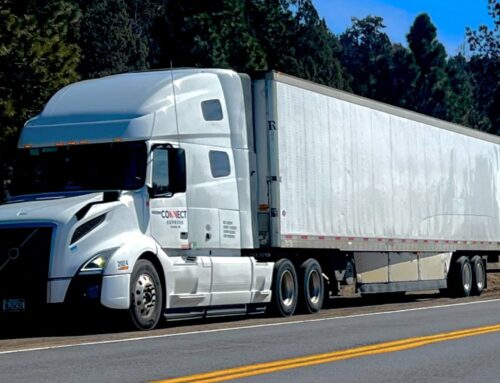
Route optimization is fundamental for reducing delivery times and fuel consumption. By utilizing software tools, companies can plan efficient routes that bypass heavy traffic and adverse weather conditions, thereby lowering operational costs. Optimized routing ensures that shipments reach their destination faster and with reduced carbon footprints. That same planning discipline is what keeps our dry van freight on schedule from pickup to delivery.
Mode Selection Strategies in Commercial Freight Transport
Choosing the appropriate transport mode—whether road, rail, air, or sea—depends on the cargo’s nature, budget, and urgency. For time-sensitive items, air freight offers speed but at a premium cost, whereas rail or sea freight may be more affordable for bulky cargo. Balancing these factors ensures optimal resource utilization and customer satisfaction.
Warehouse and Inventory Management for Freight Flow
Efficient warehouse operations and inventory management are integral to maintaining uninterrupted freight flows. Businesses that invest in automated warehouse systems and real-time inventory tracking experience fewer delays. Accurate stock management supports on-time dispatch and minimizes holding costs.
Building Strong Carrier Relationships for Reliable Freight Services
Strong partnerships with carriers ensure reliable service and often result in better rates and priority handling. Establishing long-term agreements and clear communication channels fosters mutual respect and accountability.
Implementing Risk Mitigation in Freight Logistics Operations
Risk mitigation strategies include diversifying carrier options, maintaining contingency plans, and obtaining comprehensive insurance coverage. Proactive risk management minimizes disruption and secures business continuity in unpredictable conditions.
Leveraging Technology in Commercial Freight Logistics Management
Technology plays a pivotal role in enhancing the overall visibility and efficiency of commercial freight logistics. Modern solutions such as transportation management systems (TMS) and IoT devices provide real-time data that empower decision-makers to monitor shipments and address issues promptly.
Transportation Management Systems (TMS) for Freight Oversight
A robust TMS integrates various logistical functions to optimize routing, scheduling, and freight payments. These systems offer centralized control and data analytics that help in forecasting trends and making informed adjustments.
Real-Time Tracking and Visibility Solutions for Commercial Freight
Real-time tracking devices coupled with software analytics offer live updates on cargo status. This visibility ensures proactive management, quick response to delays, and enhanced customer communication.
Data Analytics for Improving Freight Logistics Performance
Through data analytics, companies can identify trends, optimize cost structures, and improve overall delivery metrics. Data-driven decisions ensure that each shipment aligns with operational excellence.
Automation in Freight Handling and Documentation
Automation reduces manual errors by streamlining documentation processes such as invoicing, bill of lading generation, and compliance reporting. This efficiency minimizes processing times and lowers administrative costs.
The Impact of IoT on Commercial Freight Logistics Management
The integration of IoT devices into freight management allows for the continuous monitoring of vehicle conditions and environmental factors. Enhanced connectivity aids in predictive maintenance and improved asset tracking.
Optimizing Costs Within Commercial Freight Logistics Management
Cost optimization is achieved by identifying and reducing unnecessary expenses while maintaining service quality. By implementing smart cost-saving strategies, companies can achieve competitive freight rates and improved profit margins.
Strategies for Reducing Transportation Expenses in Commercial Freight
Transportation expenses can be reduced by optimizing routes, consolidating loads, and negotiating better rates with carriers. Thorough analysis of expense components helps in identifying cost-cutting opportunities without sacrificing delivery performance.
Fuel Efficiency Measures for Freight Fleets
Investing in fuel-efficient vehicles and employing techniques such as eco-driving can significantly reduce fuel consumption. Implementing scheduled maintenance routines contributes to maintaining optimal vehicle performance and reducing operational costs.
Negotiating Favorable Freight Rates and Contracts
Building long-term relationships with carriers and leveraging technology for real-time market insights can lead to more favorable contract negotiations. Transparent pricing models and periodic reviews ensure that freight costs remain competitive.
Minimizing Demurrage and Detention Charges
Efficient planning and timely cargo handling reduce idle times and avoid additional charges like demurrage or detention fees. Rapid documentation and improved dock management facilitate smoother transitions at terminals.
Utilizing Load Consolidation for Cost-Effective Freight Management
By combining multiple shipments into a single load, businesses can reduce transportation costs and limit empty miles. This strategy not only optimizes fuel usage but also improves overall fleet efficiency.
Enhancing Efficiency in Commercial Freight Logistics Operations
Efficiency in commercial freight logistics is crucial for maintaining a competitive edge. Streamlining processes, reducing bottlenecks, and ensuring timely cargo movements lead to improved service quality and cost savings.
Streamlining Documentation Processes for Faster Freight Clearance
Automated documentation and electronic data interchange (EDI) systems simplify processes such as customs clearance and invoicing. This reduction in manual paperwork accelerates freight movement through ports and borders.
Improving Load and Unload Times at Docks
Optimized scheduling and advanced dock management techniques help reduce turnaround times at loading and unloading zones. Faster processes enhance productivity and reduce labor costs.
Cross-Docking Strategies for Commercial Freight Agility
Cross-docking minimizes storage times by transferring goods directly from inbound to outbound transportation. This method reduces handling costs and speeds up inventory turnover.
Workforce Training for Superior Freight Logistics Management
Investing in comprehensive training programs for drivers, logistics coordinators, and warehouse staff develops skills required for efficient freight handling. A well-trained workforce contributes significantly to operational efficiency and safety.
Continuous Improvement Cycles in Freight Operations
Regular reviews of performance metrics and feedback loops enable companies to refine their processes continually. Implementing lean management principles fosters a culture of ongoing improvement.
Future Trends Shaping Commercial Freight Logistics Management
Staying ahead in freight logistics requires embracing future trends that promise to transform operations. Innovations in sustainability, automation, and digitalization are setting new industry benchmarks.
Sustainable Practices in Commercial Freight Transportation
Sustainability has become a key focus, with companies investing in alternative fuels, energy-efficient vehicles, and green technologies. Reducing the environmental impact while maintaining efficiency is essential for long-term viability.
The Rise of Autonomous Vehicles in Freight Logistics
Autonomous trucks promise to revolutionize freight transport by enhancing safety and reducing labor costs. Pilot programs and trials are paving the way for broader adoption, which could significantly transform fleet operations.
Predictive Analytics for Proactive Freight Management
By leveraging predictive analytics, companies can anticipate maintenance needs and optimize load planning. Preemptive strategies based on historical data and real-time inputs improve decision-making and reduce downtime.
Blockchain Applications for Secure Commercial Freight Logistics
Blockchain technology ensures secure, transparent documentation throughout the supply chain. This innovation reduces fraud, simplifies contract management, and improves trust among stakeholders.
Adapting Commercial Freight Strategies to E-Commerce Growth
The surge in e-commerce demands faster, more efficient freight solutions. Adapting strategies to meet increased delivery volumes while ensuring quality and speed is paramount for capturing market share.
Final Thoughts
In summary, mastering commercial freight logistics management involves a layered understanding of its principles, strategies, and emerging trends. Companies must focus on integrating technology, optimizing costs, and enhancing operational efficiency to remain competitive. The continuous evolution of digital solutions and sustainable practices will further shape the logistics landscape. Businesses that adopt these strategies are well positioned to achieve enhanced efficiency and profitability in their freight operations.
Frequently Asked Questions
Q: What defines commercial freight logistics management? A: It involves coordinating and optimizing end-to-end freight transportation and supply chain processes while ensuring regulatory compliance and cost efficiency.
Q: How does technology improve freight logistics? A: Technologies such as TMS, real-time tracking, and IoT provide increased visibility, automate documentation, and optimize routing, which lead to faster and more reliable freight movement.
Q: What strategies help reduce transportation costs? A: Strategies include route optimization, load consolidation, negotiating better carrier contracts, and adopting fuel-efficient practices to minimize expenses.
Q: How are future trends impacting freight logistics? A: Trends like autonomous vehicles, predictive analytics, blockchain, and sustainable practices are transforming operational models by enhancing security, efficiency, and environmental responsibility.
Q: Why is workforce training important in freight operations? A: A well-trained workforce ensures effective handling, adherence to safety protocols, and contributes significantly to operational efficiency through reduced errors and improved service quality.
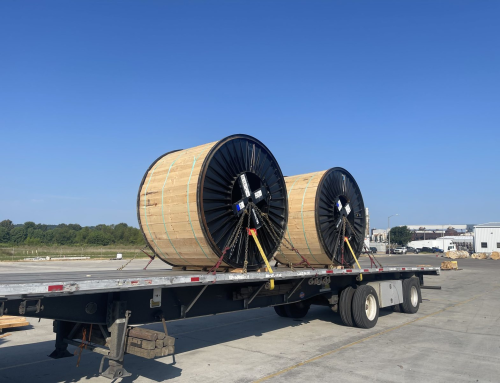
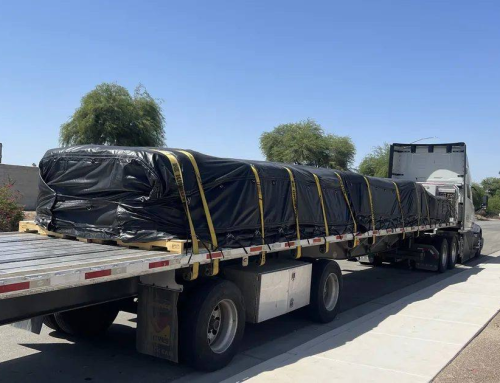
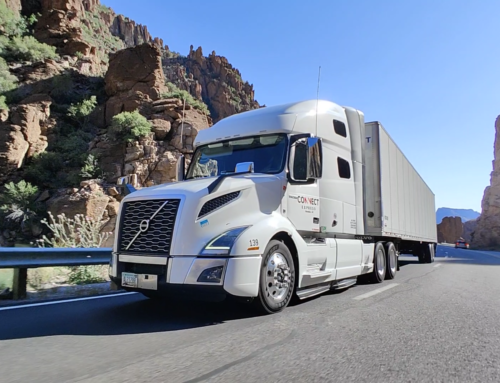
Need capacity on this type of freight? Connect Express LLC provides asset-based logistics services across the Southwest and nationwide. Request a truckload quote: Contact Connect Express or call 480-401-1998.