

Table Of Contents:
- Freight Transportation Services Near Me: What You Need to Know
- Key Takeaways
- Understanding Types of Local Freight Transportation Services
- Full Truckload (FTL) Options Available in Your Area
- Locating Less-Than-Truckload (LTL) Shippers Nearby
- Expedited Freight Services for Urgent Local Deliveries
- Specialized Freight Handling Solutions Near You
- Intermodal Freight Transport Choices in Your Region
- Key Factors for Selecting a Nearby Freight Transportation Provider
- Assessing Reliability and Reputation of Local Freight Companies
- Comparing Quotes for Freight Services in Your Vicinity
- Understanding Insurance Coverage and Liability Policies
- Evaluating a Provider’s Local Network Capabilities
- Checking Carrier Safety Records and Compliance
- Benefits of Using Freight Transportation Services Close to You
- How to Find Dependable Freight Transportation Services Near Me
- Ensuring Accurate Labeling for Shipments With Nearby Carriers
- Frequently Asked Questions
- Final Thoughts
Freight Transportation Services Near Me: What You Need to Know
Key Takeaways
- Freight transportation services offer diverse shipping solutions including full truckload, less-than-truckload, expedited, specialized, and intermodal options.
- Key factors in selecting a provider include reliability, insurance, cost, and local network strength.
- Using local freight services can lead to faster transit times, reduced shipping costs, and improved communication.
- Proper shipment preparation and research will help businesses optimize the transport of their heavy freight.
Understanding Types of Local Freight Transportation Services
Understanding the various types of local freight transportation services is essential for businesses looking to optimize their shipping strategies. Freight services are tailored to different shipment sizes, urgency levels, and specific handling requirements. One primary type is Full Truckload (FTL), ideal for large shipments that require an entire truck. This service eliminates the risks of multiple stops and transfers, ensuring a direct, secure delivery. Less-than-truckload (LTL) shipping, on the other hand, is perfect for smaller shipments or when the volume does not justify a full truckload. This method involves combining shipments from multiple customers, which can lower costs significantly.
Expedited freight services address the need for urgent deliveries where time is critical and standard transit times do not meet operational deadlines. Specialized freight handling is designed for cargo that requires extra care—such as hazardous materials or fragile items—and further ensures that regulatory compliance and safety protocols are met. Lastly, intermodal freight transport combines two or more transportation modes, offering flexibility and sometimes cost savings by integrating trucking with rail or maritime shipments.
Each option caters to different needs in the supply chain, and understanding these differences can support better decision-making when selecting a local provider.
Full Truckload (FTL) Options Available in Your Area
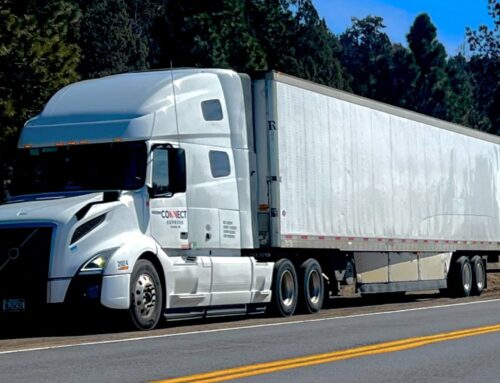
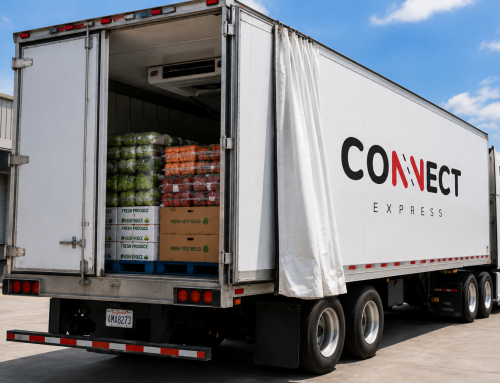
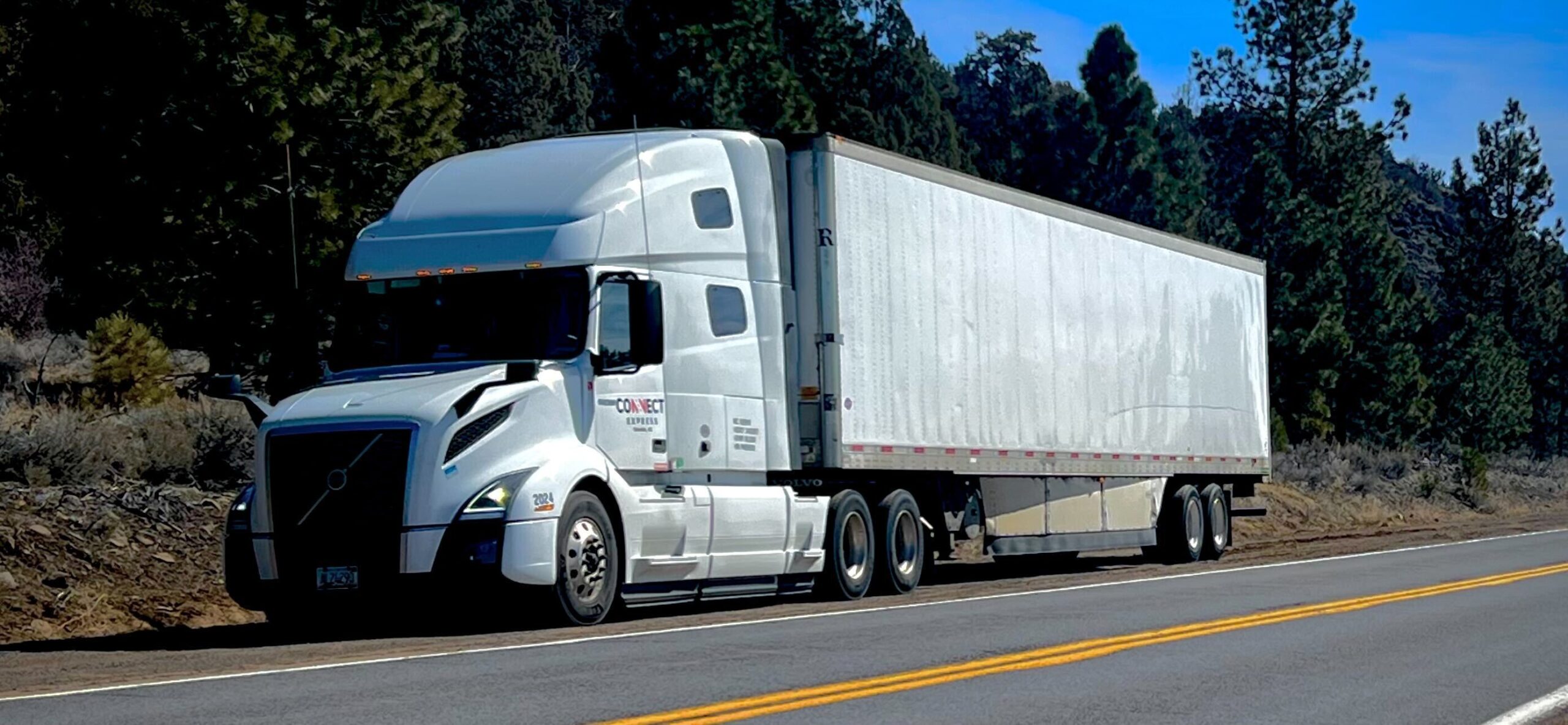
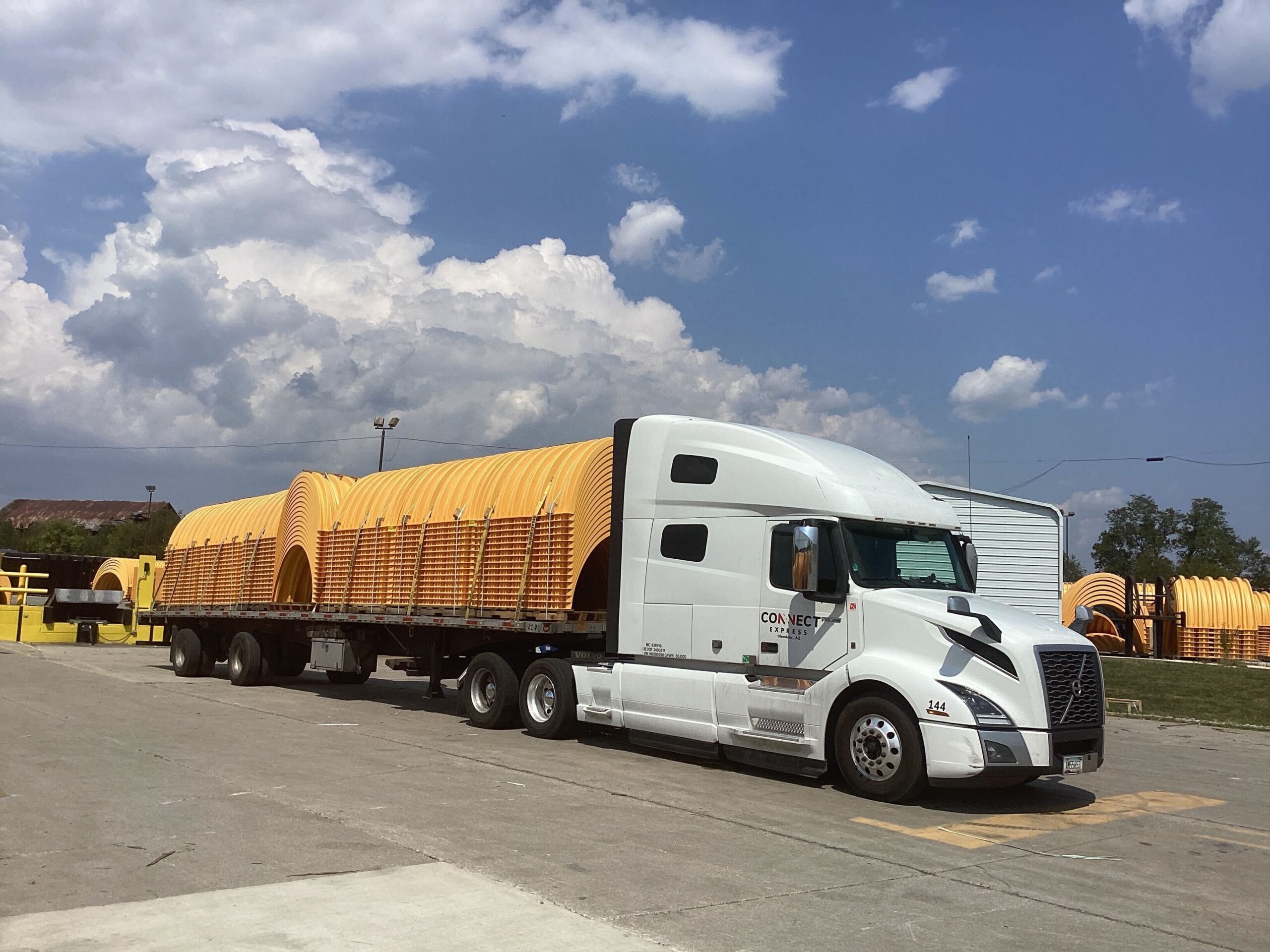
Full truckload (FTL) freight transportation services are best suited for large shipments that can fill an entire truck, ensuring a direct and dedicated delivery route. FTL services minimize the risk of damage caused by handling errors that often occur during multiple transfers. This service frequently reduces transit time and improves overall delivery reliability because the truck is not shared among multiple customers, limiting stops and potential delays. Moreover, FTL providers often invest in state-of-the-art tracking systems and maintenance programs, ensuring that transit is executed with high standards of safety and efficiency. For full truckloads that need weather protection, our dry van services keep freight enclosed from dock to dock.
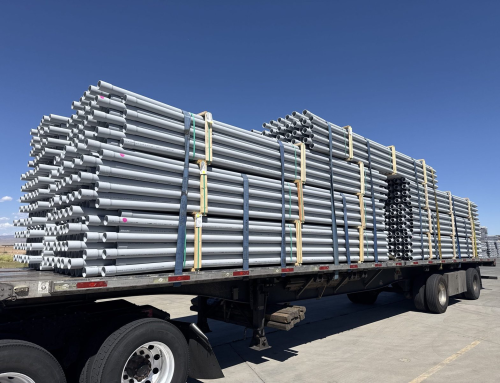
Businesses with heavy freight and bulk shipments typically benefit from FTL because it can streamline the shipping process and reduce the complexities associated with LTL logistics. FTL is particularly efficient in North America, where long distances and heavy cargo are common. Providers that offer instant quotes through modern transportation management systems (TMS) can further enhance the customer service experience by providing clear pricing structures and on-demand updates. Understanding the local FTL options enables businesses to choose the best service provider based on cost efficiency, reputation, and delivery speed.
Locating Less-Than-Truckload (LTL) Shippers Nearby
Less-than-truckload (LTL) shipping services are designed for businesses that do not have enough freight to fill an entire truck. By consolidating shipments from multiple customers, LTL services offer cost-effective transportation options without sacrificing service quality. LTL shippers are particularly advantageous for businesses requiring regular, smaller deliveries, as sharing the space of a truck can significantly lower the overall freight cost. Moreover, modern LTL providers use advanced tracking and logistics technology, ensuring real-time updates and seamless integration with a business’s supply chain management system.
Local LTL shippers are strategically located to cater to regional and community needs, ensuring quick pick-up and delivery times. In terms of customer service and sustainability, many providers are adopting greener practices and energy-efficient fleets, which not only reduce environmental impacts but also improve reliability. For businesses shipping heavy freight on a smaller scale, LTL services represent the perfect balance between cost, speed, and quality, ultimately supporting efficient cargo transport and maintaining an agile supply chain.
Expedited Freight Services for Urgent Local Deliveries
Expedited freight services offer fast and reliable transit for urgent shipments where every minute counts. These services are designed to meet the needs of businesses that operate under tight schedules and require immediate shipping solutions. Expedited shipments leverage dedicated vehicles and optimized routes to minimize transit times and ensure timely arrivals. With an emphasis on reducing delays, providers specializing in expedited services often employ well-maintained fleets and experienced drivers to manage time-sensitive cargo.
Additionally, expedited freight services frequently use real-time tracking technology to monitor shipments closely and provide instant notifications throughout the journey. This degree of monitoring helps mitigate risks associated with delays, damages, or route deviations, ensuring that customer expectations are met even under demanding schedules. For businesses across North America, combining expedited services with advanced logistics platforms enables the management of urgent freight tasks while maintaining quality service and adherence to regulatory requirements.
Specialized Freight Handling Solutions Near You
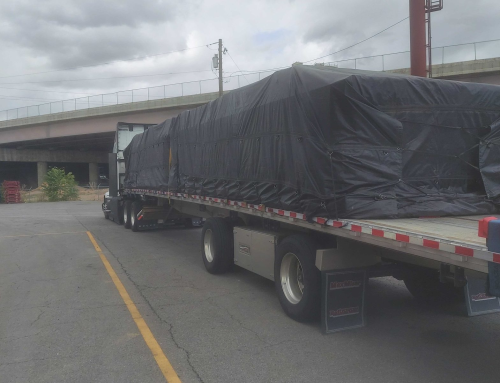
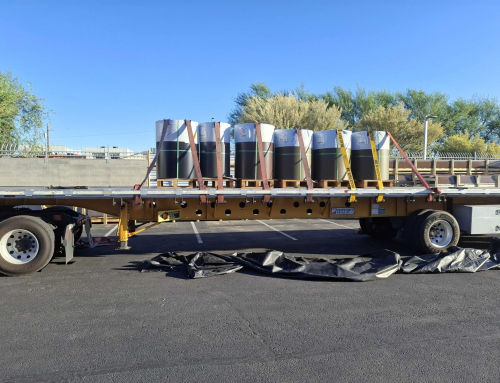
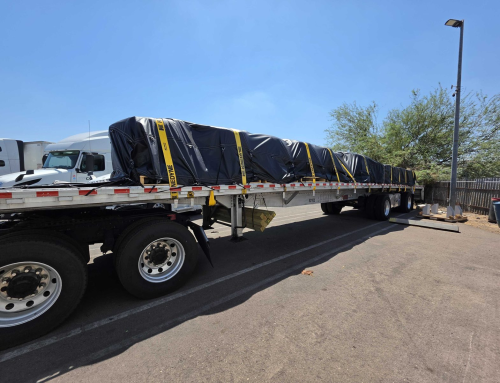
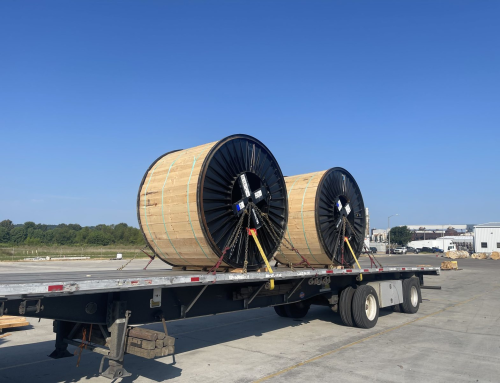
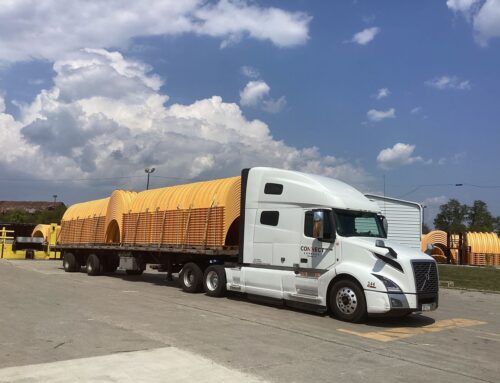
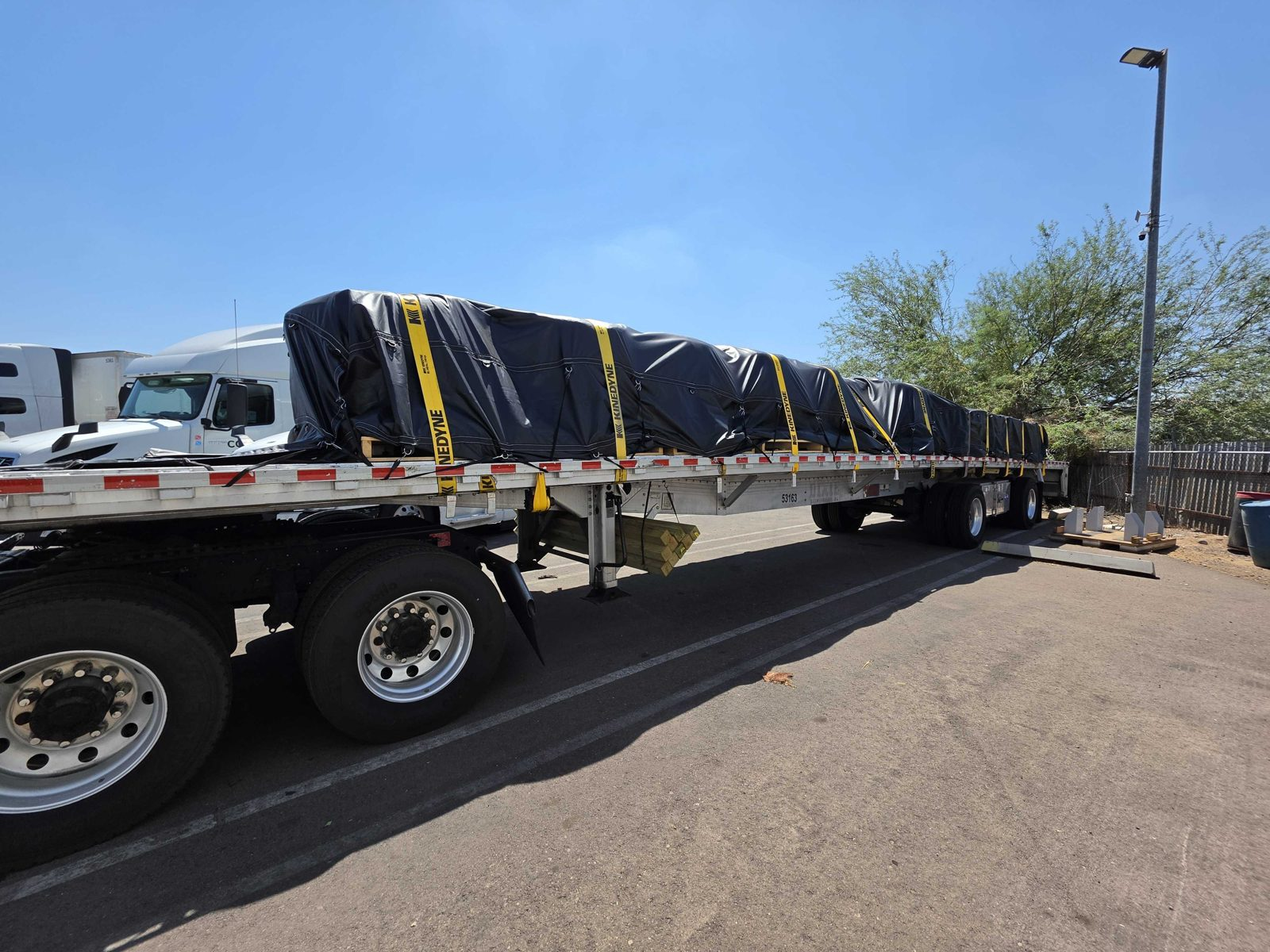
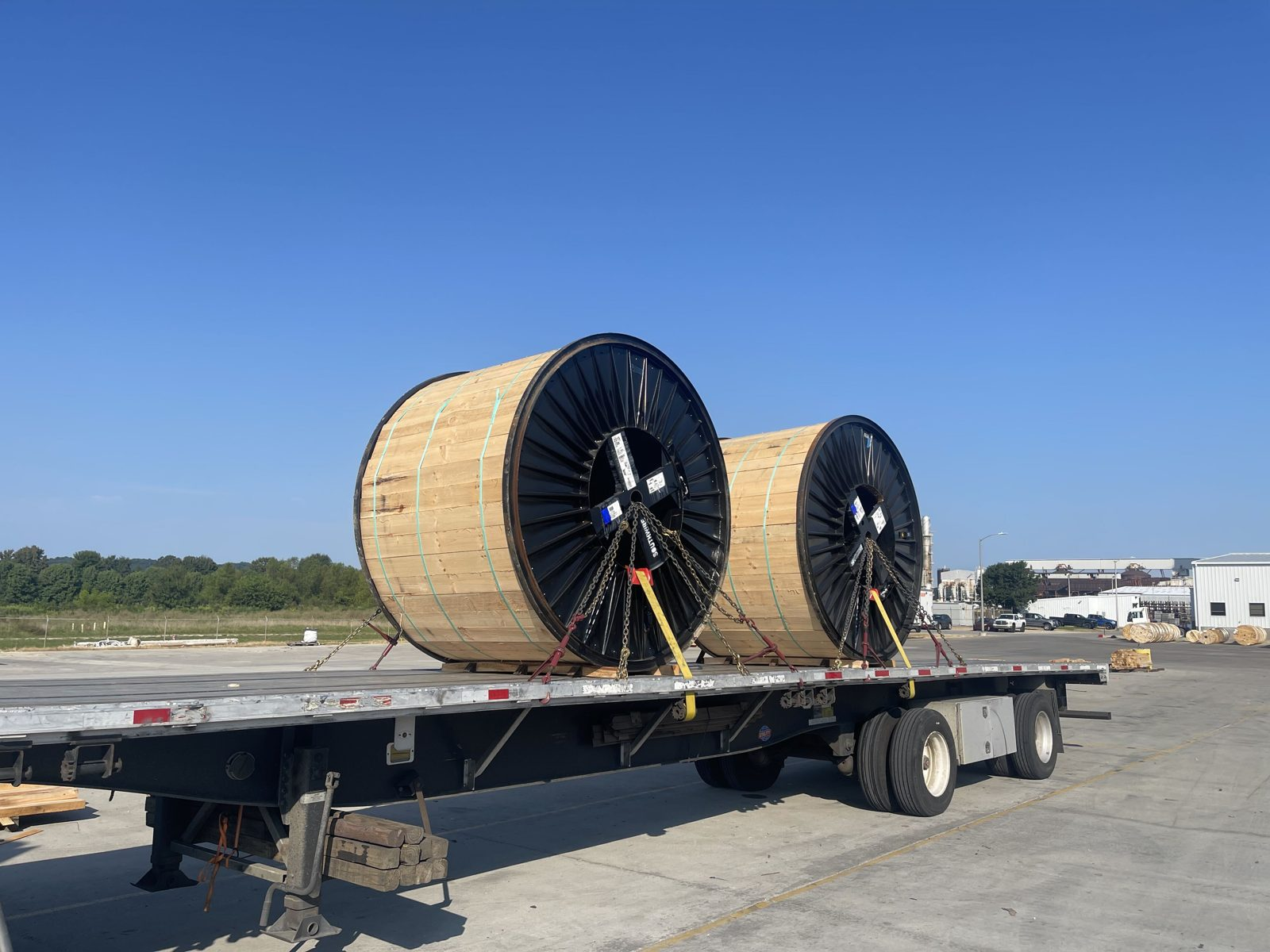
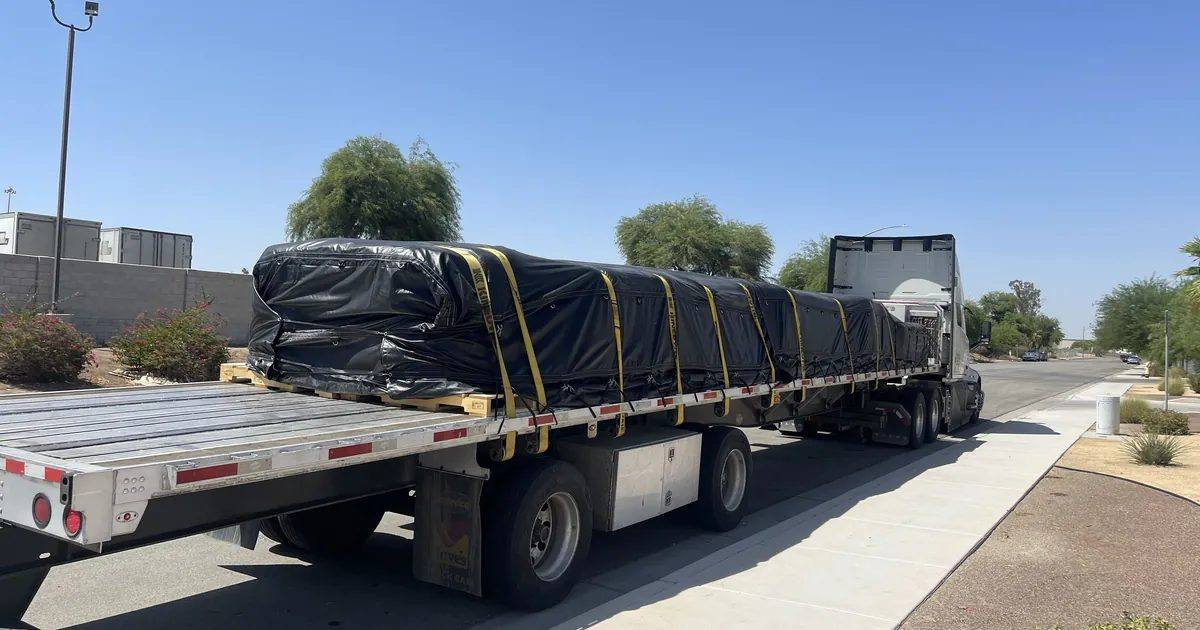
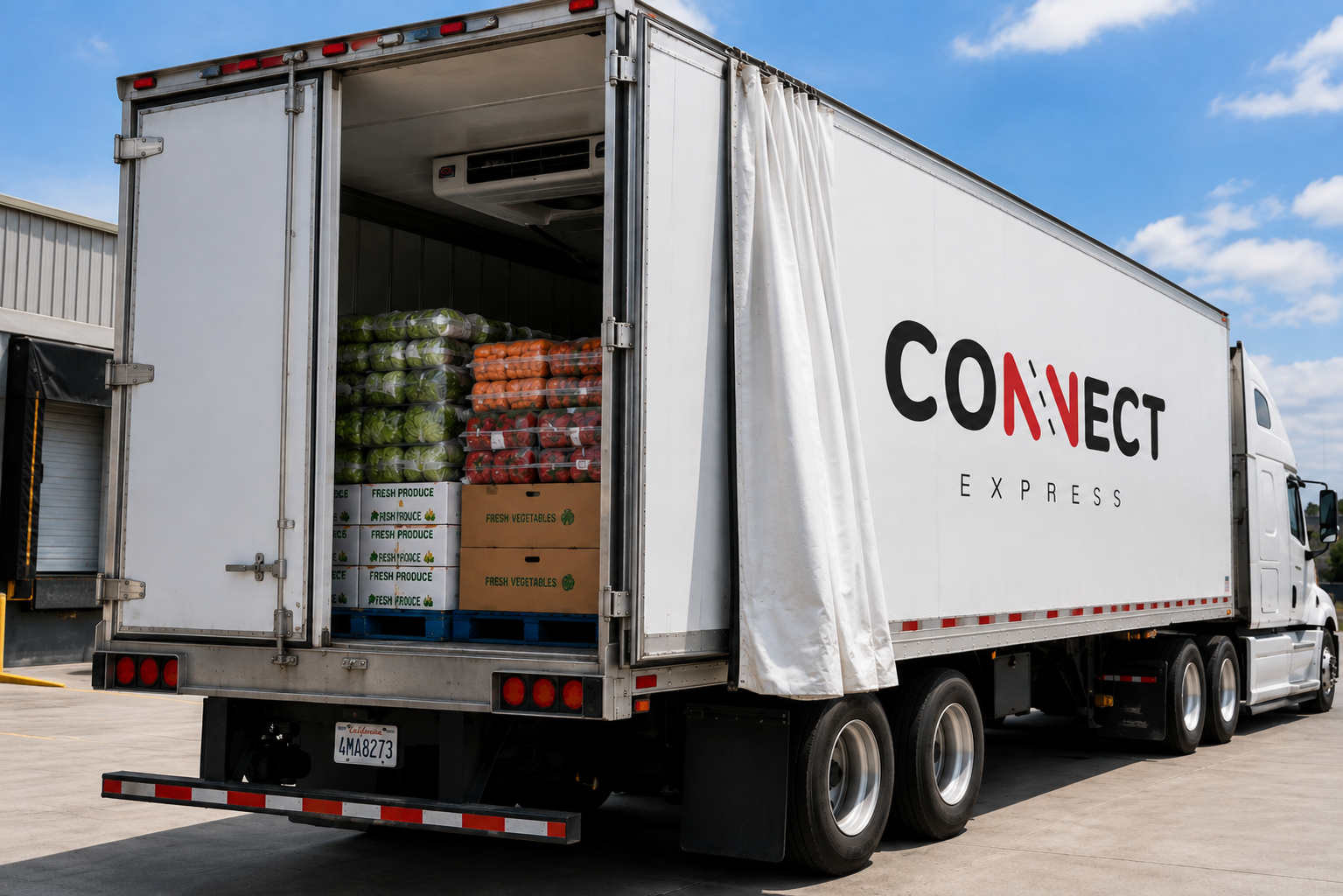
Specialized freight handling solutions are essential for transporting items that require extra care due to their size, fragility, or regulatory restrictions. These services include handling of hazardous materials, oversized cargo, temperature-sensitive products, and other specialized items. Providers specializing in these solutions have the necessary training, equipment, and certifications to ensure that commodities are transported safely and meet industry standards. This specialization reduces the risks of damage and delays that can occur when using standard freight services for non-standard cargo types.
For businesses that ship critical components or sensitive items, specialized freight handling guarantees that the cargo is correctly packaged, secured, and transported in compliance with strict safety protocols. Moreover, local providers often offer tailored solutions that can adapt to the specific needs of a shipment, including custom crating, temperature control, and white-glove service. With the integration of modern technology and customer-centric practices, these services significantly enhance the reliability and accuracy of specialized freight movements, ensuring that businesses can depend on local expertise to transport valuable goods efficiently.
Intermodal Freight Transport Choices in Your Region
Intermodal freight transport integrates multiple modes of transportation—such as truck, rail, and sometimes maritime or air—offering flexibility and cost efficiency for complex shipments. By leveraging the strengths of each mode, intermodal services allow businesses to optimize their supply chain while reducing overall transit costs. Using intermodal transport, a shipment might begin by truck from the origin, transfer to rail for long hauls, and conclude with a final truck delivery at the destination. This method maximizes efficiency and takes advantage of the competitive pricing of rail and the flexibility of trucking.
Local intermodal freight carriers are particularly adept at coordinating these transfers, ensuring that each phase of the journey is executed smoothly with minimal delays. In regions where North American logistics infrastructure is robust, integrating intermodal solutions into the supply chain can significantly enhance sustainability by reducing fuel consumption and emissions. Moreover, these services support the growing demand for efficient, environmentally responsible transportation solutions that also meet high customer service standards. Businesses that harness intermodal transportation can benefit from advanced tracking technologies, higher reliability, and the potential for scalable capacity to handle varying shipment sizes.
Key Factors for Selecting a Nearby Freight Transportation Provider
Selecting the right freight transportation provider is crucial for ensuring timely, safe, and cost-effective delivery of goods. One major factor is the provider’s reliability and reputation. Providers with a proven track record in customer service, safety, and adherence to strict delivery schedules instill confidence and reduce the risk of shipment delays. Comparing quotes from different local freight companies is also important; businesses should request instant quotes and detailed breakdowns of costs to avoid hidden fees. Another critical aspect is understanding the insurance coverage and liability policies offered by the provider. Comprehensive insurance gives businesses peace of mind, knowing that their heavy freight is protected against damage or loss during transit.
Evaluating a provider’s local network capabilities, such as their number of hubs and regional depots, is equally important as these factors affect transit times and overall service quality. Additionally, businesses should review carrier safety records and regulatory compliance history to ensure that the selected provider meets all industry standards and operational guidelines. With a strong emphasis on sustainability and efficient supply chain management, choosing a provider who utilizes modern TMS and real-time tracking can further enhance transparency and customer satisfaction. These factors combined build a solid foundation for a successful freight transportation partnership.
Assessing Reliability and Reputation of Local Freight Companies
When evaluating local freight companies, assessing their reliability and reputation is paramount. Feedback from previous customers, track records of on-time deliveries, and transparent communication practices are strong indicators of a dependable partner. Businesses often request client testimonials or case studies that demonstrate the company’s capability in handling freight efficiently under various conditions. These companies usually maintain high safety standards and invest heavily in driver training and technology. Such investments ensure an experienced, well-equipped team that can handle complex shipments while minimizing risks. For more on choosing outside partners, see these third-party logistics partnerships tips.
Digital reviews and industry ratings also provide insight into a provider’s operational performance and customer service quality. Moreover, a well-established local network, including multiple regional depots and dedicated service teams, enhances operational reliability by ensuring prompt resolution of any issues. Thus, thorough research combined with direct communication with potential service providers is essential for selecting a partner capable of managing both routine and exceptional freight transportation needs.
Comparing Quotes for Freight Services in Your Vicinity
Obtaining and comparing quotes is a critical step in the process of selecting a freight provider. Accurate quotes allow businesses to evaluate cost-effectiveness, service reliability, and any additional fees or surcharges that may apply. When requesting quotes, it is important to provide detailed shipment information, including cargo dimensions, weight, required urgency, and any special handling requirements. Transparent providers will offer clear pricing models that break down costs for fuel surcharges, extra handling, and insurance. This ensures businesses avoid unexpected budget overruns.
Comparing multiple quotes enables companies to determine the average market rate for services in their region. Providers offering instant quotes through online platforms or customer service centers tend to deliver a more streamlined and efficient quoting process. Furthermore, some local freight companies may offer volume discounts or customized pricing packages for regular shipments considering long-term partnership benefits. A comprehensive comparison helps businesses balance cost savings with service quality, ensuring that they secure optimal freight transportation services that align with their operational needs.
Understanding Insurance Coverage and Liability Policies
Insurance coverage and well-defined liability policies are essential for protecting shipments during transit. Freight transportation providers typically offer various insurance packages, from basic cargo protection to comprehensive policies covering potential damages, theft, or unforeseen delays. Understanding the extent of coverage helps businesses mitigate financial risks associated with loss or damage. It is important to review the terms and conditions to ensure that the policy aligns with the value and nature of the cargo. Providers with strong insurance reputations tend to invest in up-to-date technology and rigorous safety protocols, enhancing their overall reliability.
Additionally, liability policies clarify which party is responsible in case of incidents during transit. This transparency helps build trust between the provider and the shipping business. Evaluating the provider’s claims history and customer support responsiveness further informs the decision-making process. Ultimately, securing a provider with robust insurance offerings and clear liability guidelines offers peace of mind throughout the freight journey.
Evaluating a Provider’s Local Network Capabilities
The strength and reach of a provider’s local network directly influence transit times and service efficiency. Local carriers with multiple depots and established distribution centers often offer faster and more reliable delivery services. An extensive network enables companies to reduce transfer times and optimize route planning. When a provider can manage a strong local presence, it reflects their commitment to serving regional freight needs with consistency and timeliness.
Furthermore, modern tracking and logistics management systems integrated with local networks provide real-time updates on shipment status. This proactive approach allows businesses to plan better and manage any potential disruptions swiftly. Providers with a robust local network capability demonstrate their capacity to support businesses through diverse routes and changing demand scenarios. This adaptability is especially critical in sectors requiring heavy freight transportation with minimal delays.
Checking Carrier Safety Records and Compliance
Ensuring carrier safety records and regulatory compliance is a vital factor when choosing a freight transportation partner. Safety records provide crucial insights into a provider’s operational discipline, driver training standards, and equipment maintenance practices. Companies with excellent safety records are less likely to experience delays due to accidents or breakdowns. Transparency regarding safety statistics, such as on-time delivery percentages and incident rates, helps businesses gauge the reliability of a provider.
Moreover, adherence to local and national regulations is essential. Compliance with safety regulations not only prevents legal issues but also builds trust with customers concerned about the secure transport of heavy, valuable freight. Providers that regularly update their compliance protocols and invest in safety technologies signal a commitment to operational excellence. These factors ultimately contribute to smoother freight transportation and reduce the risk of costly interruptions.
Benefits of Using Freight Transportation Services Close to You
Utilizing local freight transportation services offers numerous advantages that can significantly improve a business’s supply chain efficiency. One of the principal benefits is quicker transit times; local carriers have shorter routes and can provide faster deliveries in urgent situations. Reduced shipping distances often lead to lower fuel consumption and, consequently, reduced shipping costs. Moreover, working with nearby providers improves communication, as businesses can interact more directly with the freight carrier for prompt updates and rapid issue resolution.
Supporting local businesses also contributes to strengthening the regional economy, which can lead to improved community relations and long-term partnerships. Local freight specialists typically offer tailored, flexible solutions that meet the unique demands of regional industries. This personal touch, combined with cost efficiencies and sustainability benefits, makes local freight services an attractive option for companies looking to optimize their heavy freight transportation needs.
How to Find Dependable Freight Transportation Services Near Me
Finding dependable freight transportation services that meet specific business needs involves a combination of digital research, customer recommendations, and industry networking. Online directories and freight service platforms allow businesses to filter local companies based on service type, coverage area, and customer ratings. These tools significantly streamline the process of identifying potential providers. In addition to digital research, seeking recommendations from local business associations and industry peers can provide firsthand insights into carrier performance and reliability.
Examining customer reviews and testimonials on multiple platforms further helps verify the provider’s credibility. Direct communication via phone or email is also recommended, as it allows businesses to discuss their shipment requirements and gauge the quality of customer service. Contacting local carriers directly to request detailed quotes and service portfolios ensures transparency and sets the stage for establishing a strong business partnership. With these strategies, businesses can confidently select providers who offer comprehensive, dependable freight transportation solutions.
Ensuring Accurate Labeling for Shipments With Nearby Carriers
Preparing shipments for local freight transport goes beyond selecting the right carrier—it also involves ensuring accurate packaging and labeling. Proper labeling is critical for timely and accurate delivery, especially when working with multiple carriers. Each package should have clear and consistent information including destination, handling instructions, and contact details. This minimizes the risk of misdelivery and streamlines the logistics process. Moreover, standardized documentation such as bills of lading, invoices, and shipment manifests should accompany the cargo, reinforcing a professional and reliable image.
Accurate labeling is a fundamental component of freight shipping that supports safety, compliance, and efficiency. Local freight providers value clear labeling as it reduces potential delays at checkpoints and enhances communication among drivers and logistics teams. By consulting the carrier’s guidelines on packaging and labeling, businesses can ensure that their shipments are ready for seamless transit, further bolstering customer satisfaction.
Frequently Asked Questions
Q: What types of freight transportation services are available locally? A: Local services include full truckload, less-than-truckload, expedited, specialized handling, and intermodal freight options, each designed for various shipment needs.
Q: How do I compare quotes from local freight providers? A: Businesses should request detailed quotes, review breakdowns of costs, and compare services such as insurance and tracking, to determine the best value and reliability.
Q: What should I consider regarding insurance coverage with freight providers? A: Evaluate the extent of coverage, liability policies, and any extra fees. Comprehensive insurance protects against damage and loss during transit.
Q: How can local freight services improve shipping efficiency? A: Local providers often offer faster transit times, lower costs, streamlined communication, and personalized service due to their established regional networks.
Q: Why is accurate shipment labeling important? A: Proper labeling ensures correct delivery, minimizes transit delays, and supports compliance and communication, making it crucial for efficient freight transportation.
Final Thoughts
Connect Express LLC’s expertise in freight transportation services underscores the value of local solutions in achieving efficient, reliable shipping. By understanding the various service types and key selection factors such as cost, reliability, and insurance, businesses can optimize their supply chain. Efficient preparation, accurate documentation, and proper packaging further enhance the benefits of local freight services, ensuring cargo safety and timely delivery. As companies continue to prioritize quality customer service and sustainable practices, utilizing dependable, regionally focused providers is a smart strategy that supports both operational excellence and economic growth.