A load is not just “oversize” because it looks big on the dock. In overdimensional freight transport, a few extra inches can change the route, the permit, the trailer choice, the delivery window, and the risk level. That is where a lot of shipments go sideways. Not because the freight could not move, but because someone treated it like a standard load until the last minute.
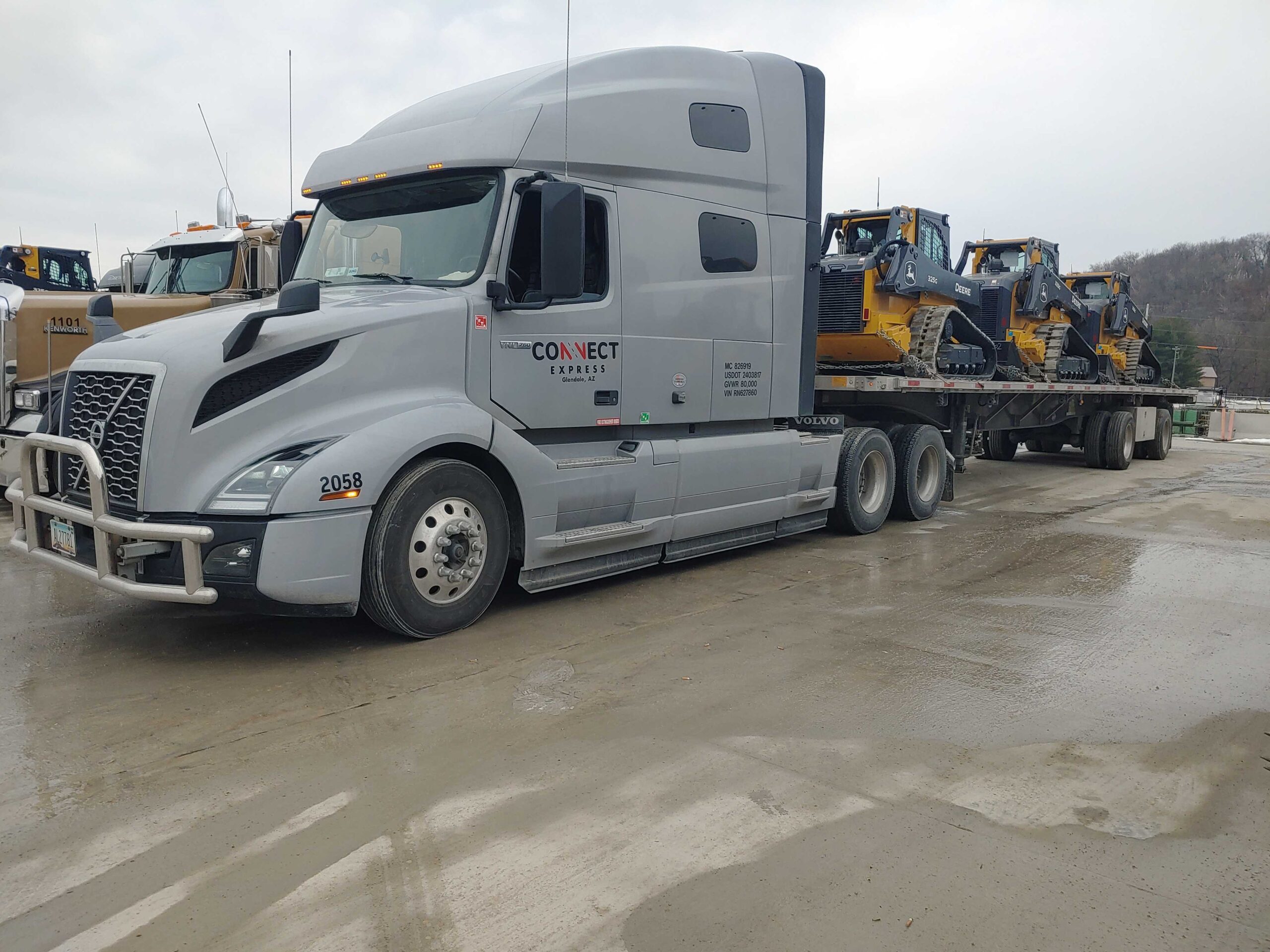
If you are moving machinery, structural steel, tanks, pre-cast material, or other large freight, the job starts well before a truck shows up. You need exact dimensions, confirmed weight, securement planning, and a carrier that knows how to move the load without guessing. That is the difference between a smooth haul and a missed pickup, bad route, or permit problem.
What overdimensional freight transport really means
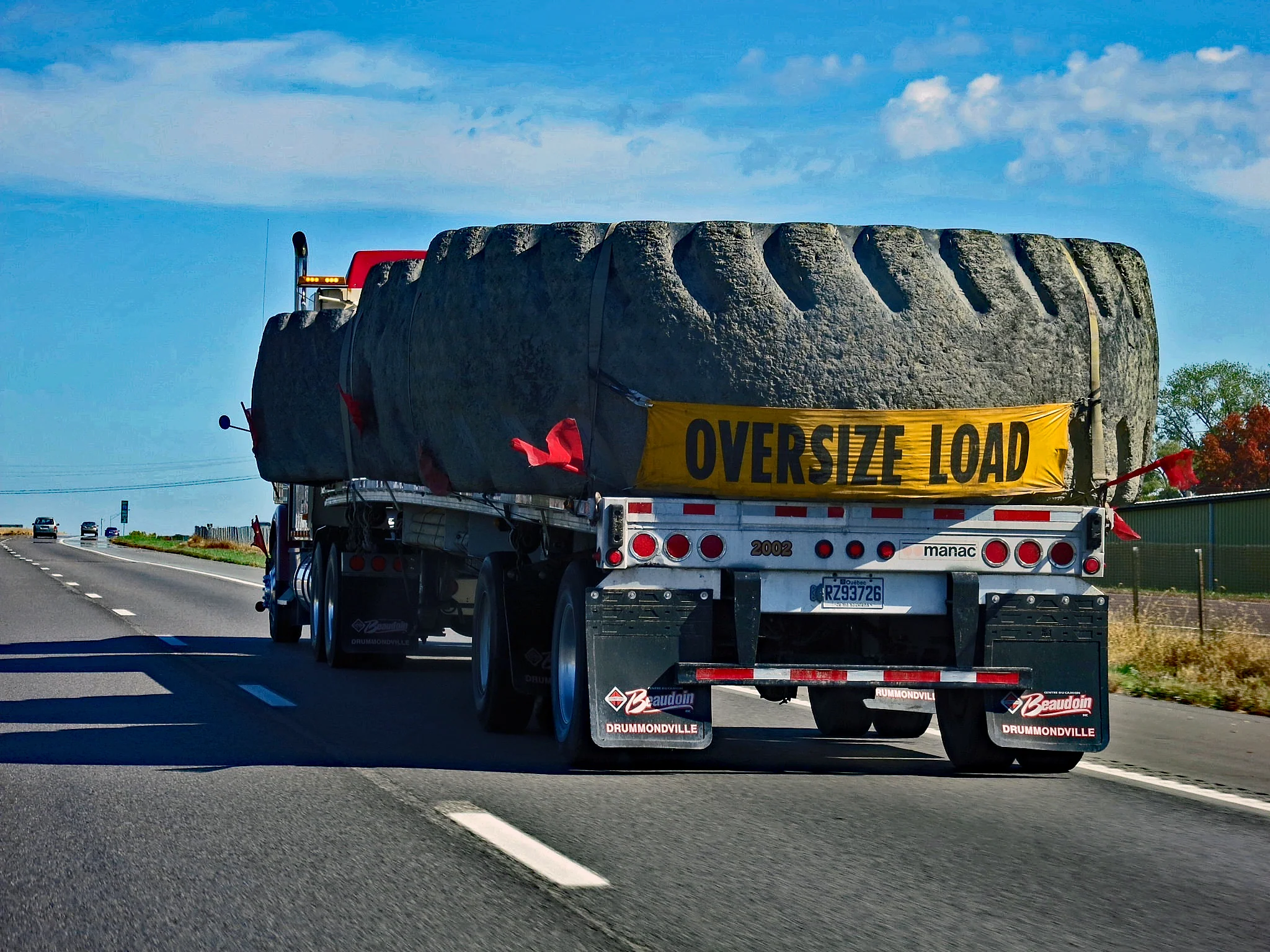
Overdimensional freight transport covers loads that exceed legal size or weight limits for standard highway movement. That can mean excess width, height, length, or gross weight. In some cases, the freight clears legal weight but still needs special handling because of its shape, center of gravity, or loading requirements.
That distinction matters. A load can be manageable on paper and still be difficult in the real world. A tall piece may need a lower deck height. A wide load may limit travel times. A long load may require a different trailer setup to handle turns safely. Good planning starts with the freight itself, not with whatever trailer happens to be open.
For shippers, the main issue is simple. The more a load exceeds standard limits, the less room there is for mistakes. You cannot fix bad measurements once permits are in process and a truck is dispatched. Accurate measurements are also one of the key factors in oversized transport costs.
Why these loads fail before they move
Most problems start with bad information or incomplete information. That sounds obvious, but it happens every day. A shipper gives outside crate dimensions instead of loaded dimensions. The weight excludes dunnage or attachments. The pickup site has limited access, but nobody mentions overhead clearance or soft ground.
Then dispatch builds a plan around numbers that are not right. Permits get pulled for the wrong configuration. The wrong trailer is sent. The driver arrives and finds out the load is taller, wider, or harder to secure than expected. Now the shipment is late before it even leaves.
The other issue is timing. Overdimensional loads do not move on standard assumptions. You may be dealing with permit lead times, route restrictions, daylight-only travel, weather holds, holiday travel bans, or escort requirements. If a receiver wants a tight delivery appointment, that needs to be built into the plan early.
This is why communication matters more on oversized freight than on routine freight. You need real updates. You need direct answers. No guessing where your load is, and no silence when something changes.
Equipment choice matters more than people think
The right trailer is not a detail. It is the job.
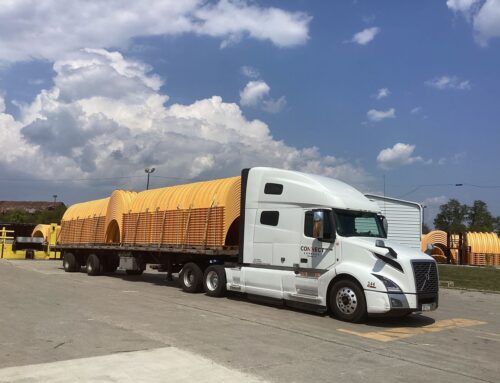
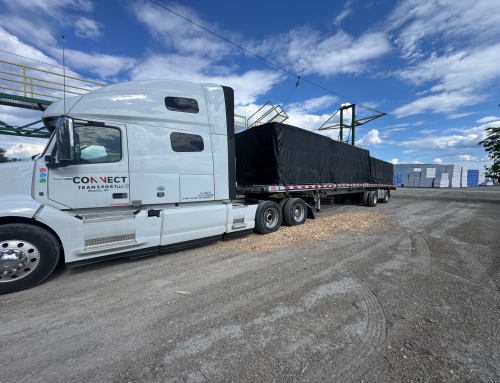
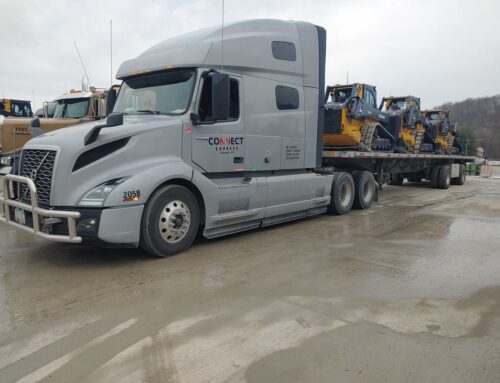
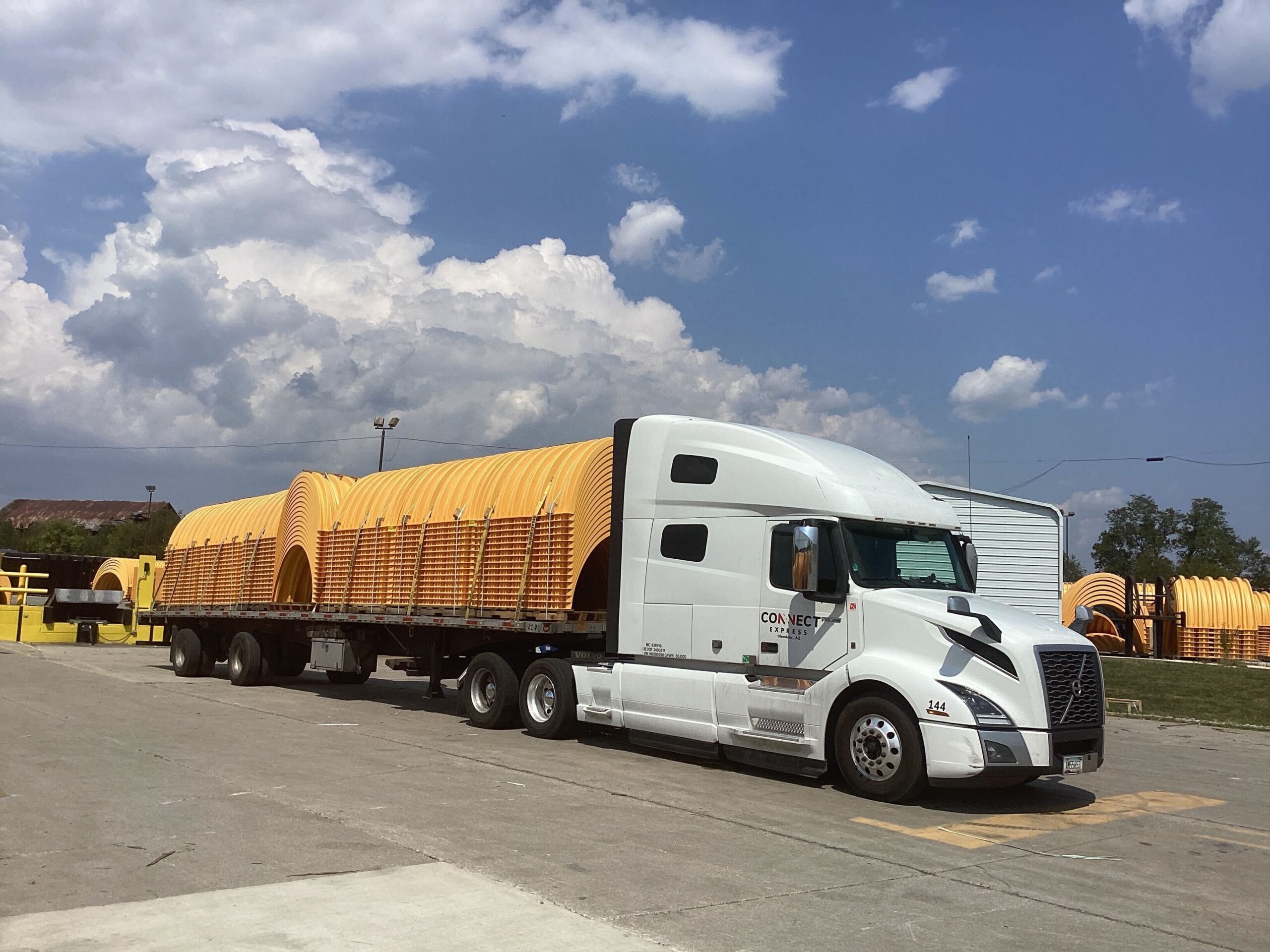
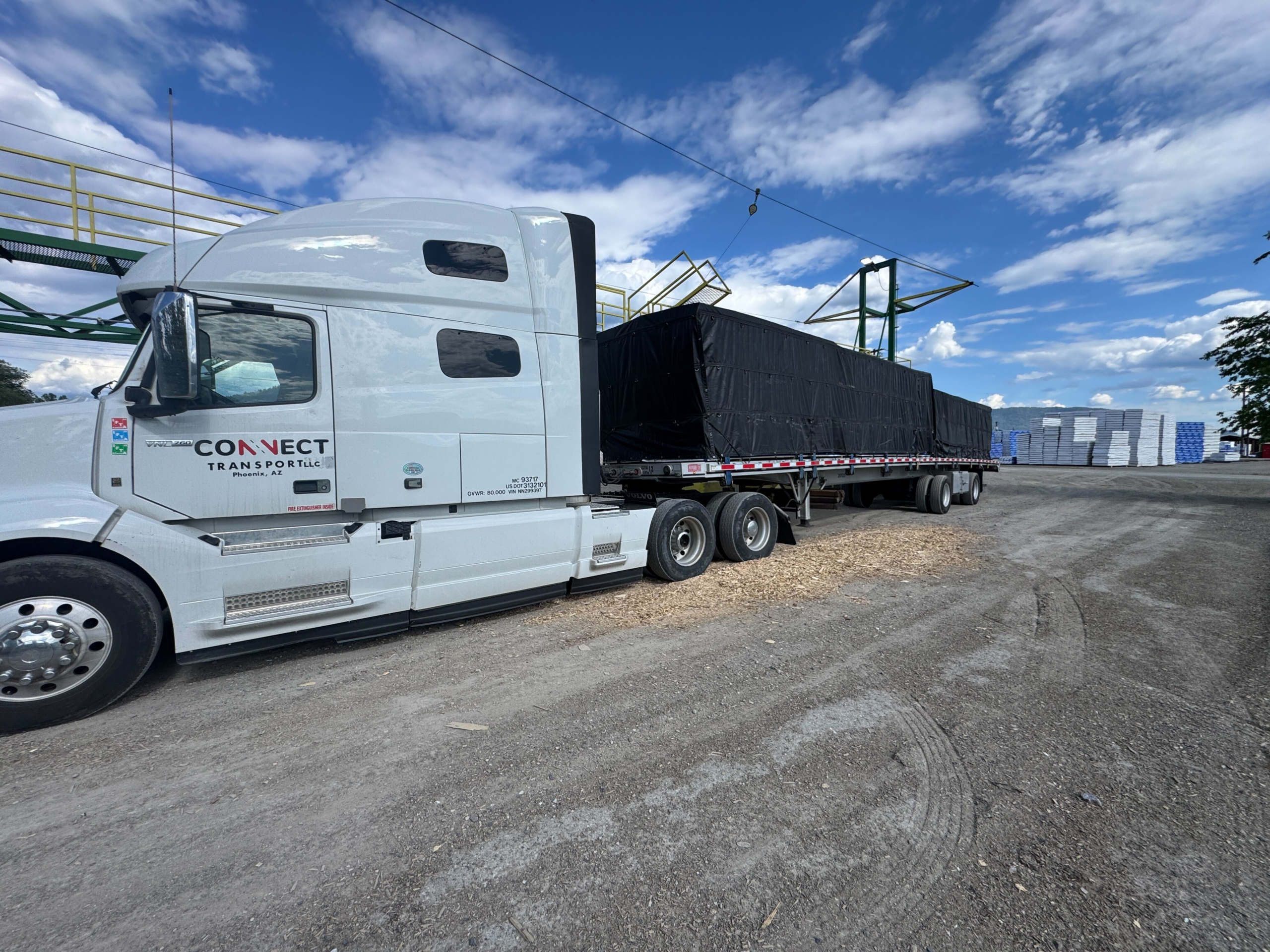
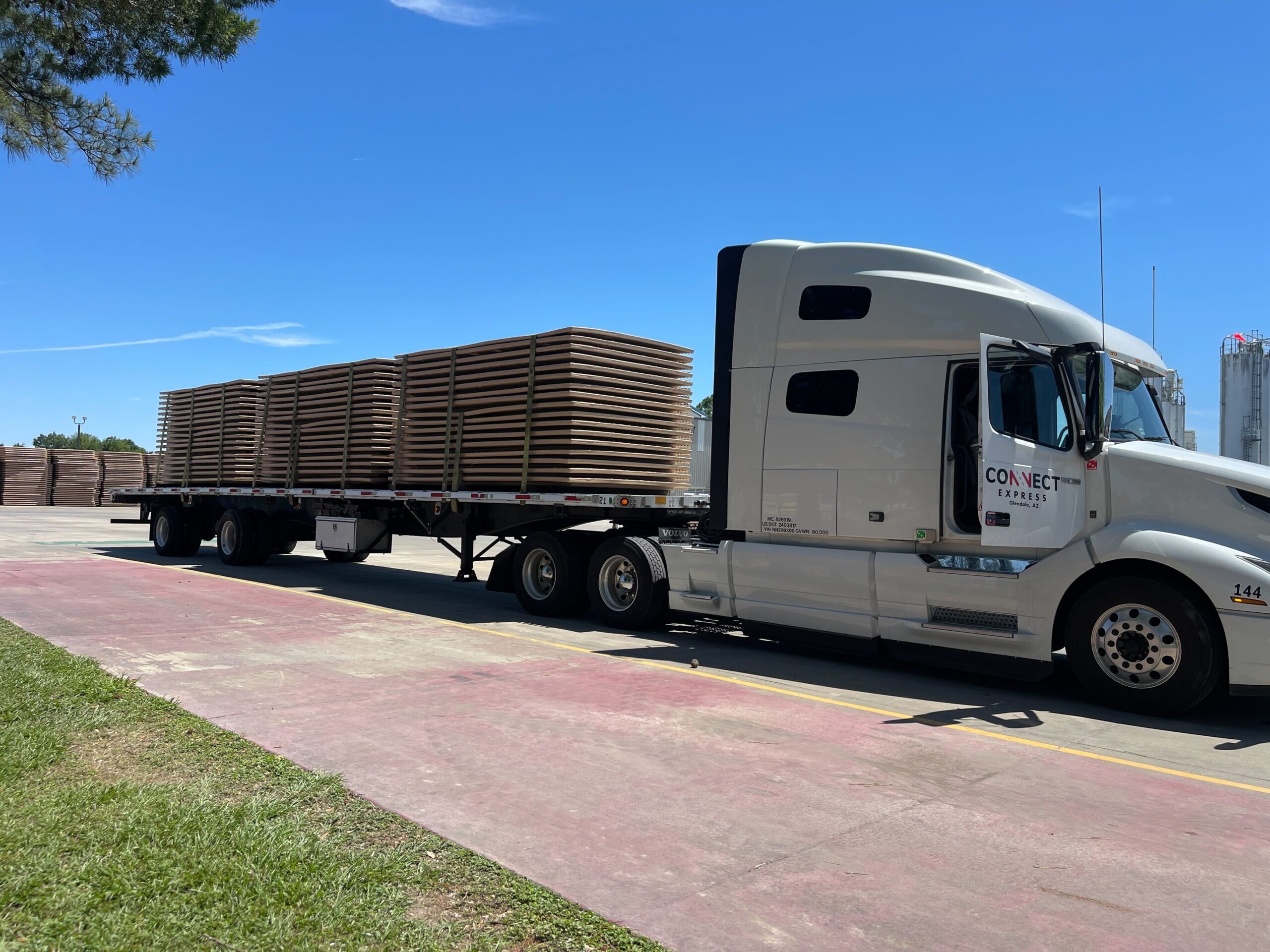
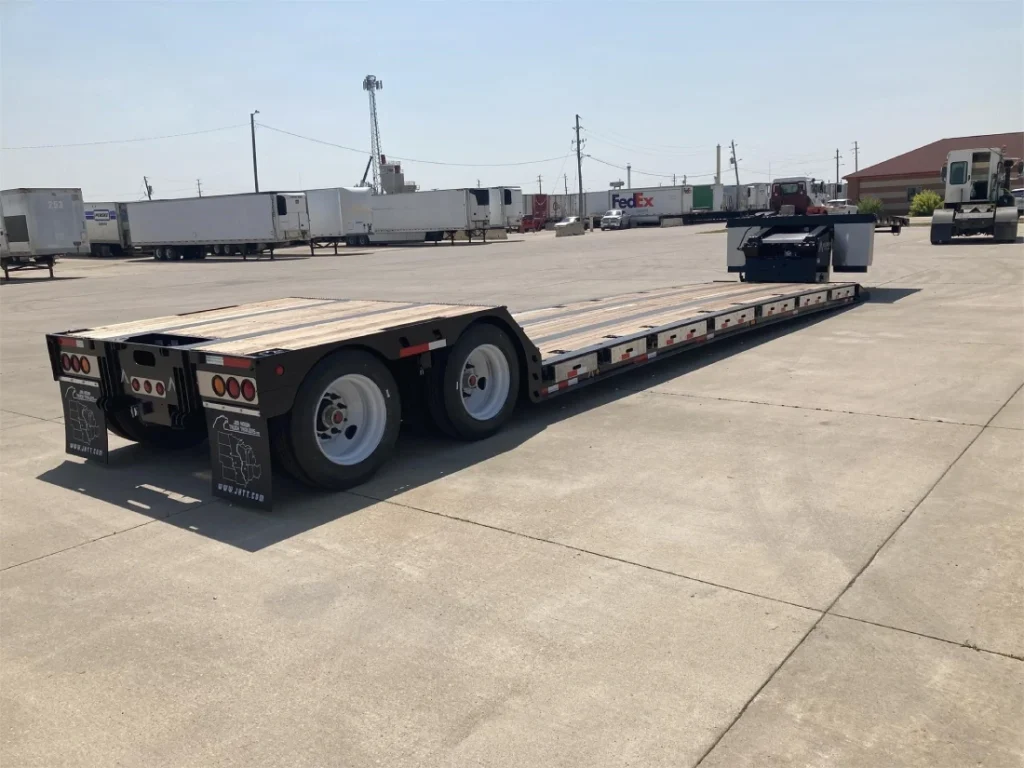
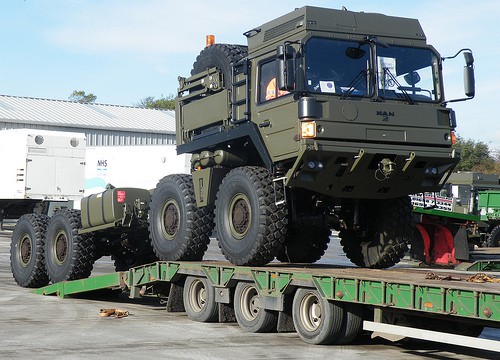
A flatbed may work for some overdimensional freight transport, but not for every load. A step deck helps when height is the issue. An RGN or lowboy makes more sense for taller or heavier equipment that needs a lower center of gravity or drive-on loading. If the freight has awkward weight distribution, axle placement becomes part of the conversation, not an afterthought.
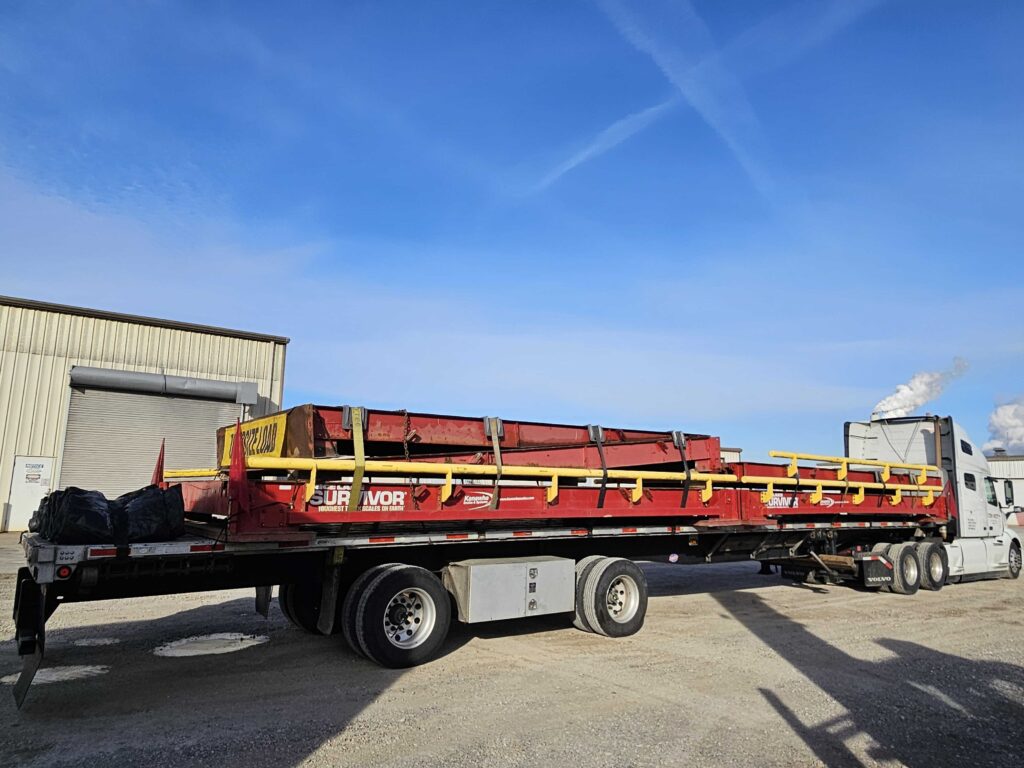
Securement matters just as much. Large freight often has fewer good tie-down points than standard freight. Some pieces can handle chain pressure. Others cannot. Some need blocking, edge protection, or custom securement planning to avoid damage in transit.
From the shipper side, this is where details save time. If a machine has lifting points, say so. If it cannot be chained over a certain section, say that too. If loading requires a crane, forklift, or ramp access, that should be known before the truck is assigned.
Permits and routing are not paperwork for the sake of paperwork
Permits exist because road limits are real. Bridge weights are real. Clearance issues are real. So are local rules that differ from one state to the next.
A load moving across Arizona, New Mexico, Texas, or farther out across the continental United States may face different permit rules in each state. Travel hours can change. Escort rules can change. Weekend movement may be allowed in one area and restricted in another. That is why route planning cannot be copied from the last load just because the freight looks similar.
Good route planning also looks beyond state lines. It accounts for construction zones, urban congestion, mountain grades, narrow turns, and delivery-site access. The legal route to a metro area is one thing. Getting into the plant yard without tearing up equipment or losing time is another.
That is why carriers that actually run this freight are worth more than carriers that just say yes on a load board. Overdimensional freight is not a place for assumptions.
What shippers should have ready before booking
If you want the move to go clean, the best thing you can do is give complete load information up front. Exact dimensions should include total loaded height if the freight sits on skids, saddles, or supports. Weight should reflect the actual shipping condition, not a spec sheet from when the equipment was new.
Photos help. So do pickup and delivery notes that mention dock conditions, yard access, loading method, and contact names. If the freight can only be loaded from one side, that matters. If it has a high center of gravity, that matters too.
The goal is not to create extra paperwork. The goal is to prevent avoidable delays. A five-minute conversation before dispatch can save a full day later.
Communication is part of execution
Large loads draw attention because they are hard to move. What shippers really care about is whether the load moves when it is supposed to move and whether they know what is happening while it is in transit.
That is where many carriers lose trust. They take the load, miss a step, and stop communicating when the schedule starts slipping. That does not work on overdimensional freight. If there is a permit delay, weather issue, escort timing change, or site access problem, you need that update right away.
The standard should be simple. We show up on time. You get real updates. No missed pickups. No guessing where your load is.
For a company like ConnectExpress LLC, based in Phoenix, Arizona, that operational mindset matters most on flatbed and oversized work. The freight is demanding. The communication has to be better than average, not worse.
Safety is not a slogan on these loads
Every carrier says safety matters. On overdimensional freight transport, safety shows up in the details.
It shows up in proper trailer selection, legal routing, securement checks, and realistic scheduling. It shows up when a driver is given the right information before arrival. It shows up when pickup is delayed because the load is not actually ready, instead of forcing a rushed securement job to make up time.
There are trade-offs here. The fastest plan is not always the safest one. The shortest route is not always the right route. A pickup window that works for the plant may not work for permit timing. Good carriers will tell you that early instead of pretending everything is fine.
That kind of honesty saves problems later. It may mean adjusting the schedule, using different equipment, or changing the loading plan. But that is still better than improvising with an overdimensional load on the trailer.
When overdimensional freight transport goes smoothly
These shipments go well when the basics are handled right from the start. The dimensions are accurate. The equipment matches the freight. The route is planned for the real-world move, not just the legal map. Pickup and delivery contacts know the plan. Updates are clear and consistent.
That does not mean nothing will change. It means when something does change, the response is fast and practical. That is what good execution looks like in this part of trucking.
If you are shipping overdimensional freight, the safest move is usually the simplest one. Work with a carrier that treats the details seriously before the wheels start rolling. That is how you keep a large load from becoming a large problem.
Need capacity on this type of freight? Connect Express LLC provides asset-based overdimensional transport across the Southwest and nationwide.
Request a truckload quote: Contact Connect Express or call 480-401-1998.