Updated October 21, 2026: added a checklist for when to use a reefer trailer instead of a dry van, what the FDA sanitary transportation rule asks of shippers and carriers on food loads, and an FAQ.
A missed trailer choice can wreck a load before the truck even leaves the dock. That is why reefer trailer vs dry van is not a small detail. If you ship food, beverages, pharmaceuticals, retail goods, or packaged freight, the trailer type affects product condition, transit planning, claims risk, and delivery timing.
Shippers usually know the product. The problem is matching that product to the right equipment under real operating conditions. A load may look fine on paper for a dry van, then fail because of heat, cold, humidity, customer requirements, or long dwell time. On the other side, booking a reefer when you do not need one can limit capacity and complicate loading for no real gain.
This comes down to freight protection, not guesswork.
Reefer trailer vs dry van at a glance
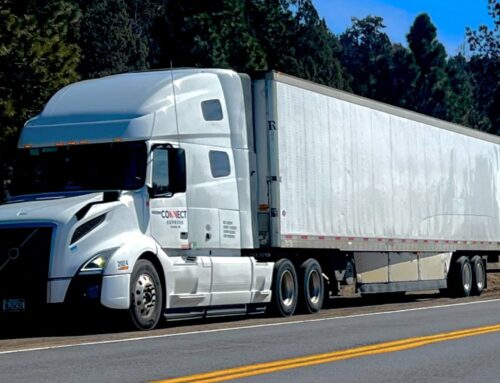
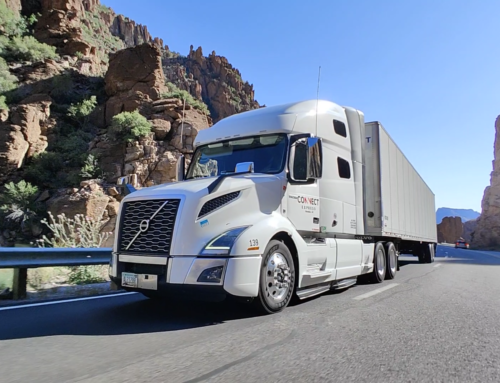
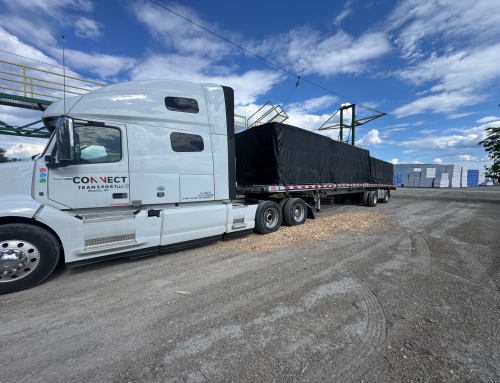
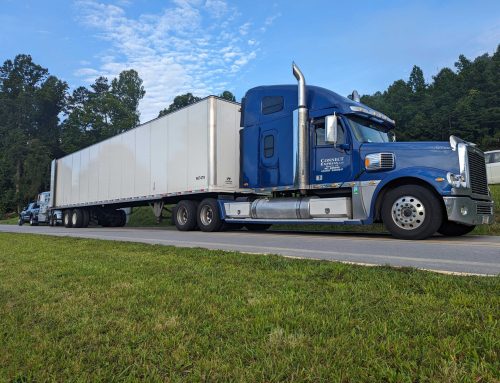
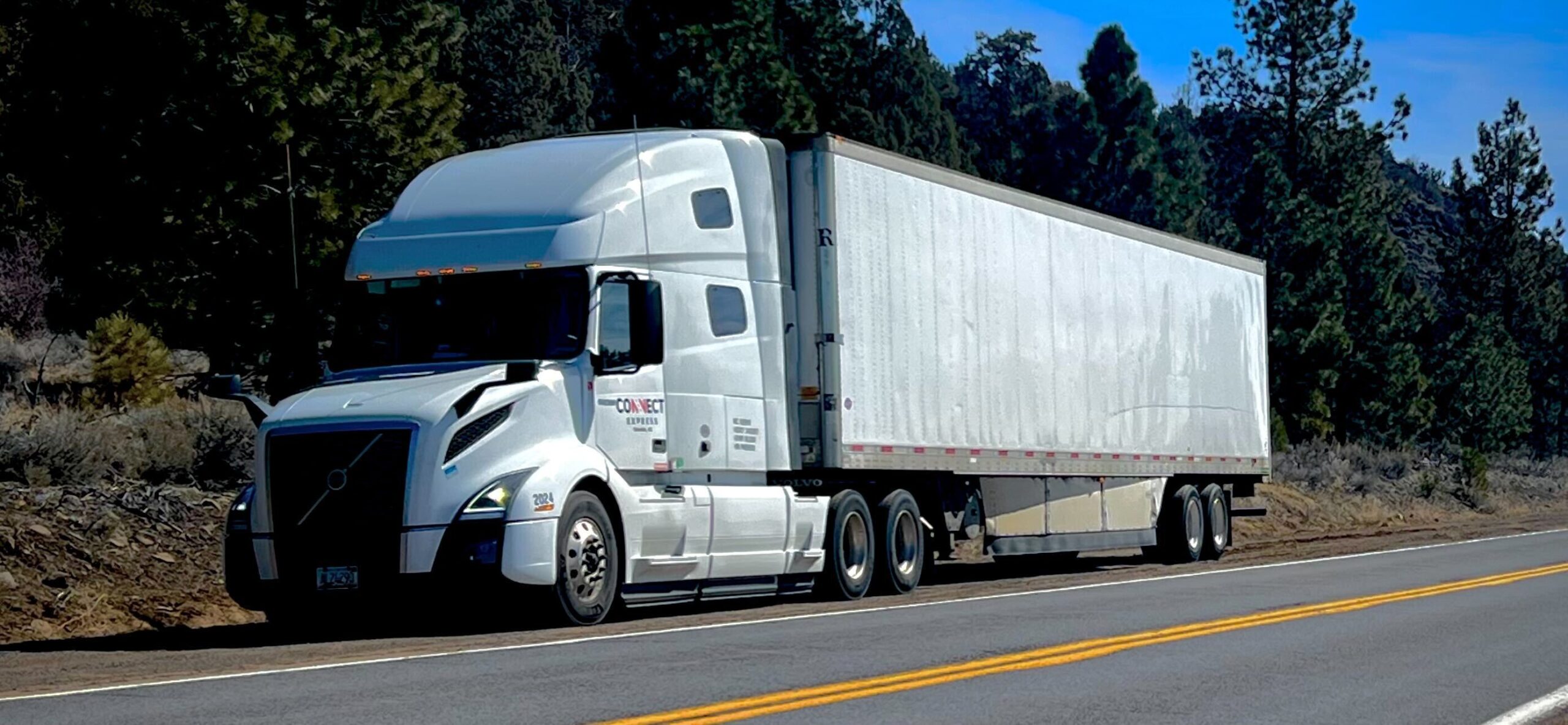
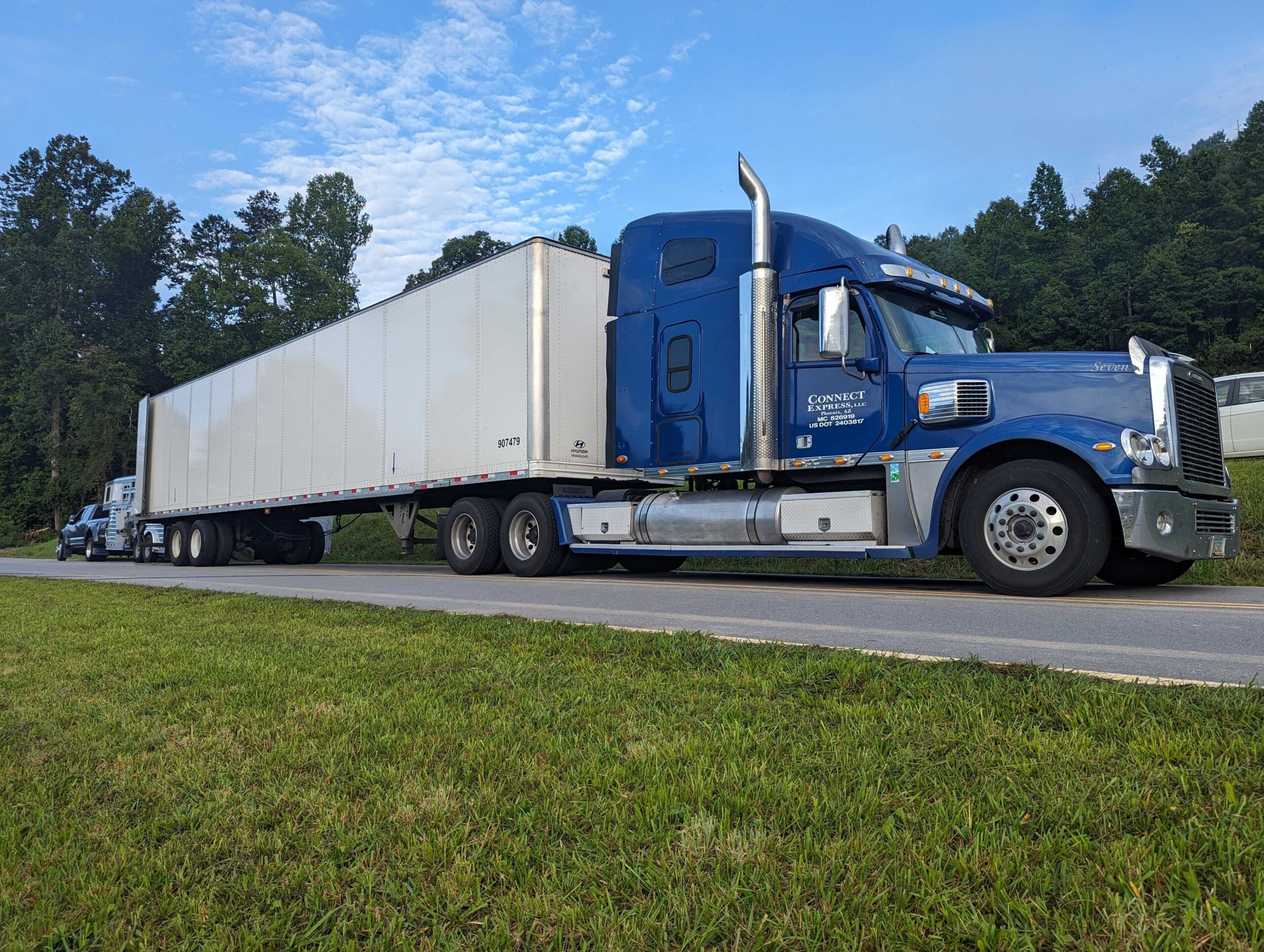
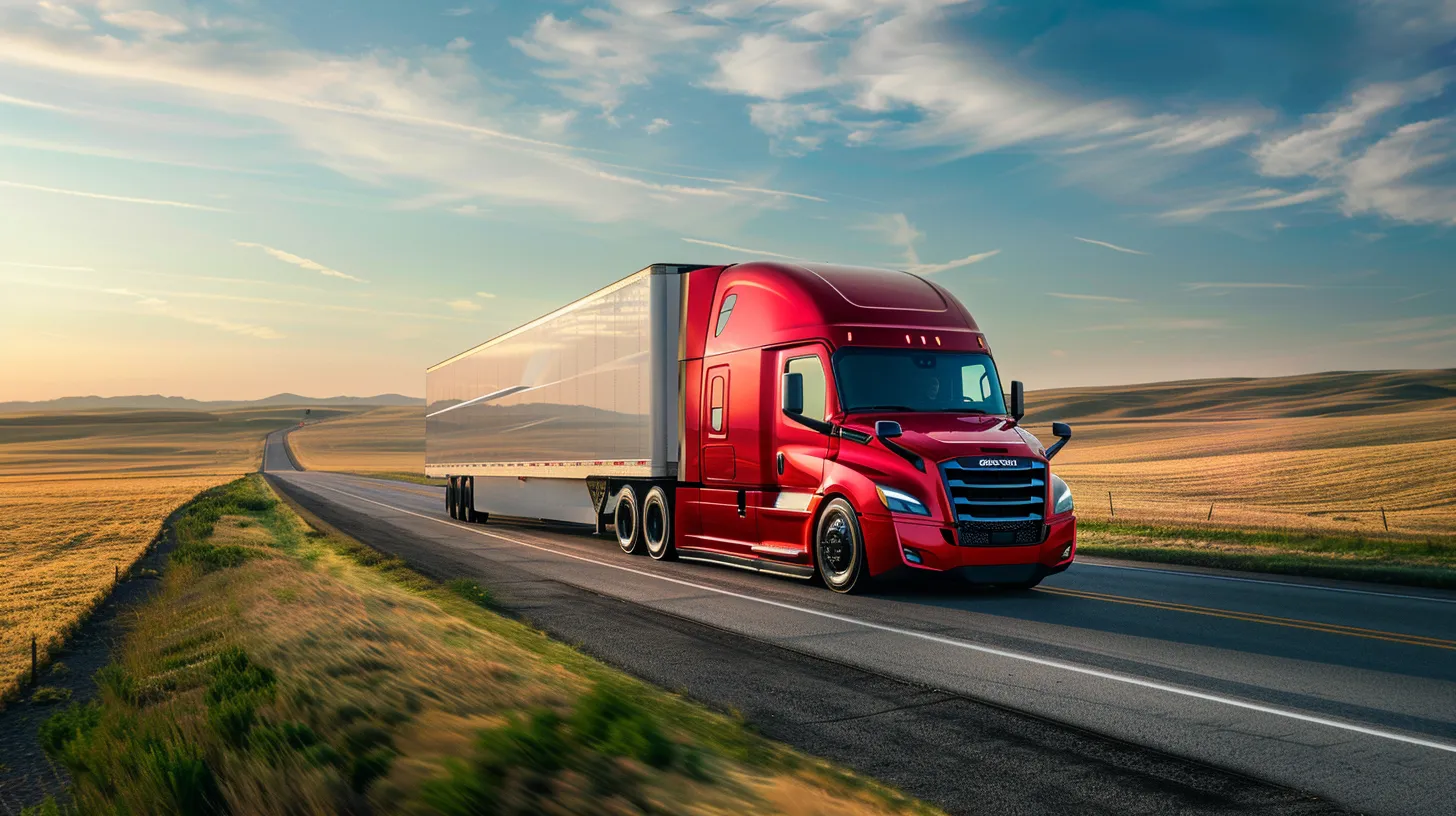
A dry van is a standard enclosed trailer. It protects cargo from weather, road debris, and theft better than open-deck equipment. It is the common choice for palletized freight, boxed goods, paper products, consumer goods, and many non-temperature-sensitive shipments.
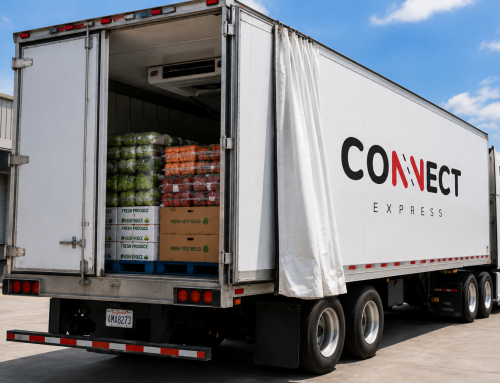
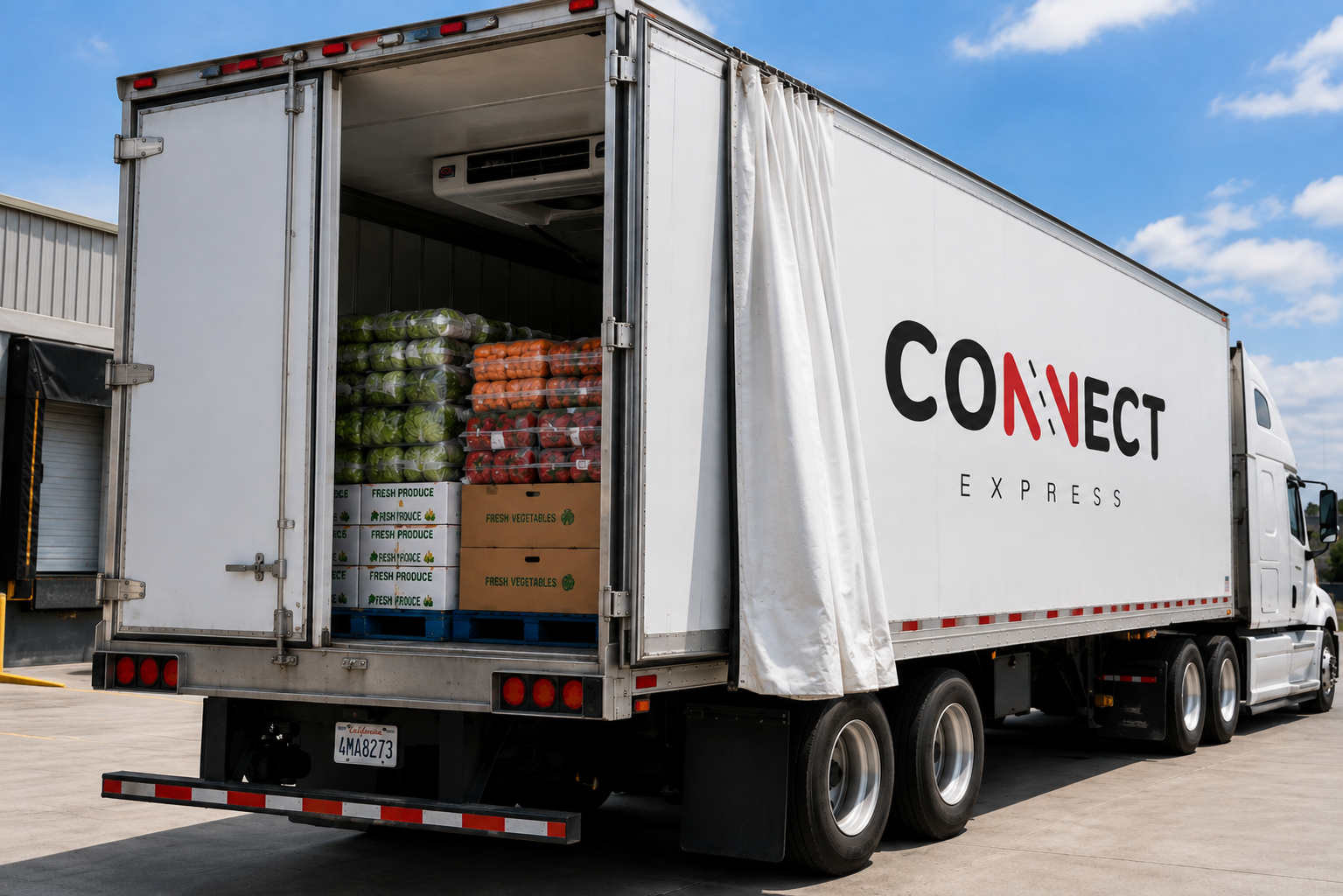
A reefer is also an enclosed trailer, but it has a refrigeration unit and insulated walls. That gives it the ability to hold a set temperature range during transit. It can cool, and in some cases protect against freezing depending on the shipment setup and outside conditions.
From the dock, they can look similar. Operationally, they are not the same.
A reefer has tighter handling requirements. Product often has to be loaded at the right pulp temperature. See how to prepare refrigerated shipments. Airflow matters. Our refrigerated transportation drivers check those details before every load leaves the dock. Door openings matter. Setpoint matters. The unit has to be running correctly, and the driver has to monitor it. A dry van is simpler. That makes it the right tool for many loads, but only when temperature control is truly unnecessary.
When a dry van makes sense
If the freight can ride enclosed without active temperature management, a dry van is usually the cleanest option. It works well for shelf-stable packaged goods, building materials that need weather protection, apparel, paper goods, furniture, and general retail freight.
Dry vans also make sense when the shipper needs straightforward loading and unloading with minimal special handling. There is no reefer unit to fuel, no temperature settings to verify, and fewer moving parts that affect planning. For many manufacturers and distributors, that simplicity matters.
That said, “non-perishable” does not always mean “safe in a dry van.” Some goods are technically shelf stable but still react badly to heat or freezing conditions. Candles, certain adhesives, canned products, beverages, electronics, chemicals, and health products can all have seasonal sensitivity. If a trailer sits in summer heat in Arizona, Nevada, or Texas, inside temperatures can climb fast. In winter, the opposite problem shows up.
If the product has a temperature range in the shipping instructions, do not assume a dry van is fine just because it is not food.
When a reefer is the right call
A reefer is the obvious choice for produce, frozen foods, dairy, meat, seafood, floral loads, and pharmaceuticals that require controlled temperatures. But reefer freight goes well beyond fresh and frozen food.
A lot of shipments need protection from temperature swings, not just cooling. Chocolate, beverages, nutraceuticals, medical supplies, and some industrial products may need a stable environment to avoid spoilage, separation, melting, or packaging damage.
This is where shippers get into trouble. They think, “The product only needs to stay under 75 degrees,” and treat that as a soft requirement. It is not. If the route runs through the Southwest in peak summer, or the trailer has multiple stops with repeated door openings, the risk changes. A reefer gives you control that a dry van does not.
It also helps with customer compliance. Some receivers will not accept products like food-grade items or sensitive materials unless they moved in temperature-controlled equipment with documented settings. If your consignee has those rules, the decision is already made.
The biggest operational difference is temperature discipline
The real split in reefer trailer vs dry van is not just the trailer itself. It is the level of process behind it.
With a dry van, the focus is securement, weight distribution, dock timing, and clean enclosed transport. With a reefer, all of that still matters, but now temperature management becomes part of execution. The shipper, carrier, and receiver all need to be aligned.
Was the product pre-cooled before loading? Is the setpoint correct? Continuous run or start-stop? Are pallets loaded to allow airflow? Is the freight stacked too close to the chute? How long will the trailer doors stay open at each stop?
These are not small details. A reefer can maintain temperature. It does not fix product that was loaded warm, loaded wrong, or delayed too long at the dock.
That is why communication matters more on reefer loads. You need real updates. No guessing where your load is. No guessing if the unit is holding temp. No missed pickups because the product window is tight.
Cargo claims usually start with bad assumptions
A lot of freight problems come from one bad call at booking.
The first assumption is that enclosed means protected. It only means protected from outside exposure. It does not mean protected from heat or cold.
The second assumption is that a reefer automatically solves everything. It does not. If the commodity requires a specific range and the instructions are vague, or the product is loaded at the wrong temperature, the claim risk is still there.
The third assumption is that the route does not matter. It does. A two-day run through mild weather is one thing. A longer transit with layovers, cross-dock exposure, or weekend holds is something else.
Shippers who move the same freight year-round know this already. The right trailer in April may not be the right trailer in August.
Dry van is simpler. Reefer is stricter.
That does not mean reefer is better. It means reefer has more control and more responsibility attached to it. For a side-by-side comparison, see our guide to dry van vs reefer.
A dry van gives you broad freight flexibility. It is efficient for general cargo and easier to deploy across many lanes. If the freight does not need active temperature management, that simplicity is a strength.
A reefer is built for freight that cannot take chances with ambient conditions. It gives you another layer of cargo protection, but it also requires tighter execution from dispatch, driver, shipper, and receiver.
For freight managers, that trade-off matters. If your product is borderline temperature-sensitive, the question is not just “Can it move in a dry van?” The better question is “What happens if this load sits, gets delayed, or runs through extreme weather?”
That is the difference between making a plan and hoping one works.
How to decide between reefer trailer vs dry van
Start with the product itself. If the manufacturer, shipper, or receiver specifies a temperature range, use a reefer. If the freight is fully stable at ambient temperatures across the route and season, a dry van may be the right fit.
Next, look at the lane. A short regional move is different from a multi-state run. Weather, transit time, and stop count all matter. From Phoenix, for example, summer heat can push a borderline load out of tolerance before it reaches the first delivery if it is sitting in a dry van too long.
Then check the receiver requirements. Some facilities have strict equipment rules. If they require sealed temperature records or refrigerated transport, there is no reason to force a dry van conversation.
Finally, think about the handling environment, not just linehaul. How long will the trailer wait to load? Will it sit in a yard? Is there live unload delay? Does the load have multiple stops with frequent door swings? Those factors can turn a “maybe dry van” shipment into a reefer shipment fast.
When to Use a Reefer Trailer Instead of a Dry Van: A Shipper Checklist
If you answer yes to any of these questions, plan on a reefer, or at least talk it through with the carrier before you tender the load:
- Is there a temperature range on the spec sheet, label or purchase order? If the manufacturer or receiver names one, the decision is made.
- Is it food that needs temperature control for safety? If so, federal food transportation rules apply (see below).
- Will the trailer sit? Long dwell at the shipper, a weekend hold, a layover or a live unload delay all give heat or cold more time to reach the product.
- Does the lane cross extreme weather? A load that rides fine in a dry van in spring can fail the same lane in an Arizona summer or a mountain winter.
- Are there multiple stops? Every door opening changes the trailer’s inside temperature.
- Does the receiver require temperature records? Some won’t accept product without documented settings or time and temperature data.
- Would a claim cost more than the reefer? For high-value or hard-to-replace product, the extra cost of temperature control is often the cheaper risk.
If every answer is no, a dry van is usually the simpler and more flexible choice.
Food loads: what the FDA sanitary transportation rule requires
For human and animal food that needs temperature control for safety, the FDA’s Sanitary Transportation of Human and Animal Food rule sets out who is responsible for what. Under 21 CFR 1.908:
- Unless it takes other measures to make sure the food stays under adequate temperature control, the shipper must give the carrier an operating temperature in writing, including the pre-cooling phase if one is needed.
- Where the shipper and carrier have a written agreement that makes the carrier responsible for sanitary conditions, the carrier must pre-cool each refrigerated compartment as the shipper specified before offering the trailer. If the receiver asks, the carrier must provide the operating temperature the shipper specified, and if the shipper or receiver asks, show that temperature was maintained during the trip, for example with temperature readings at loading and unloading or time and temperature data.
- If anyone in the chain learns of a possible material failure of temperature control, the food can’t be sold or distributed unless a qualified individual decides the deviation didn’t make it unsafe.
In practice, that means the temperature setting should be on your paperwork, not just in a phone call. Our guide to what shippers should specify for refrigerated trucking covers the rest of the tender details, and this post on how to book reefer capacity without delays helps when the season gets tight.
Reefer Trailer vs Dry Van FAQ
Can a dry van protect freight from heat?
A dry van protects freight from rain, dust and road debris, but it doesn’t control temperature. When a trailer sits in summer heat, inside temperatures can climb fast, so heat-sensitive freight needs a reefer or a plan to keep dwell time short.
Does reefer freight always have to be frozen or chilled?
No. A reefer holds a set temperature range. Some loads need cooling, and others, like beverages or some chemicals, mainly need protection from freezing or from big temperature swings.
Who sets the temperature on a reefer load?
The shipper. For food that needs temperature control for safety, 21 CFR 1.908 requires the shipper to give the carrier the operating temperature in writing, including pre-cooling if needed, unless it takes other measures to ensure adequate temperature control.
What should I tell the carrier when I book?
The commodity, the temperature range, whether the product is pre-cooled, whether the unit should run continuously, how the freight is palletized, the number of stops, and any receiver rules about seals or temperature records.
What shippers should tell the carrier upfront
If you want the right trailer the first time, the details need to be clear at tender.
Commodity is first. Then give the acceptable temperature range if there is one, whether the product is pre-cooled, whether continuous run is required, how the freight is palletized, and whether the receiver has any temperature or seal expectations.
For dry van freight, call out anything seasonally sensitive even if it does not normally move refrigerated. That saves time and avoids bad assumptions.
A good carrier will ask these questions anyway. Real trucks and real drivers only help if the load is matched to the right equipment from the start.
The right trailer is the one that protects the freight, fits the lane, and leaves no room for excuses. If there is any doubt, make the call based on product risk, not convenience.
Need capacity on this type of freight? Connect Express LLC provides asset-based dry van shipping across the Southwest and nationwide.
Request a truckload quote: Contact Connect Express or call 480-401-1998.