A late food load does not just miss an appointment. It can shorten shelf life, throw off production, and create claims nobody wants to fight about later. That is why food and beverage freight shipping has to be handled with tighter planning, better communication, and less room for error than a lot of other freight.
If you move packaged foods, bottled drinks, ingredients, or temperature-sensitive products, the carrier matters. So does the trailer type, the pickup timing, the paperwork, and the condition of the equipment. Small mistakes turn into rejected loads fast.
What makes food and beverage freight shipping different
Food freight is not forgiving. A dry van load of canned goods and a reefer load of dairy both need on-time service, but the risk profile is different. With food and beverage freight shipping, the product can be affected by temperature swings, trailer contamination, late arrivals, rough handling, and poor seal control.
This freight also moves on stricter schedules. Grocery warehouses, distributors, processors, and retail receivers usually run tight appointment windows. If a truck is late, the load may sit. If it sits too long, shelf life shrinks. That matters even on products that are not technically perishable.
Then there is compliance. Shippers need carriers that understand clean trailers, pre-cooling when required, seal integrity, and clear records. If a receiver questions the condition of the load, bad communication from the carrier only makes it worse.
Dry van or reefer depends on the product
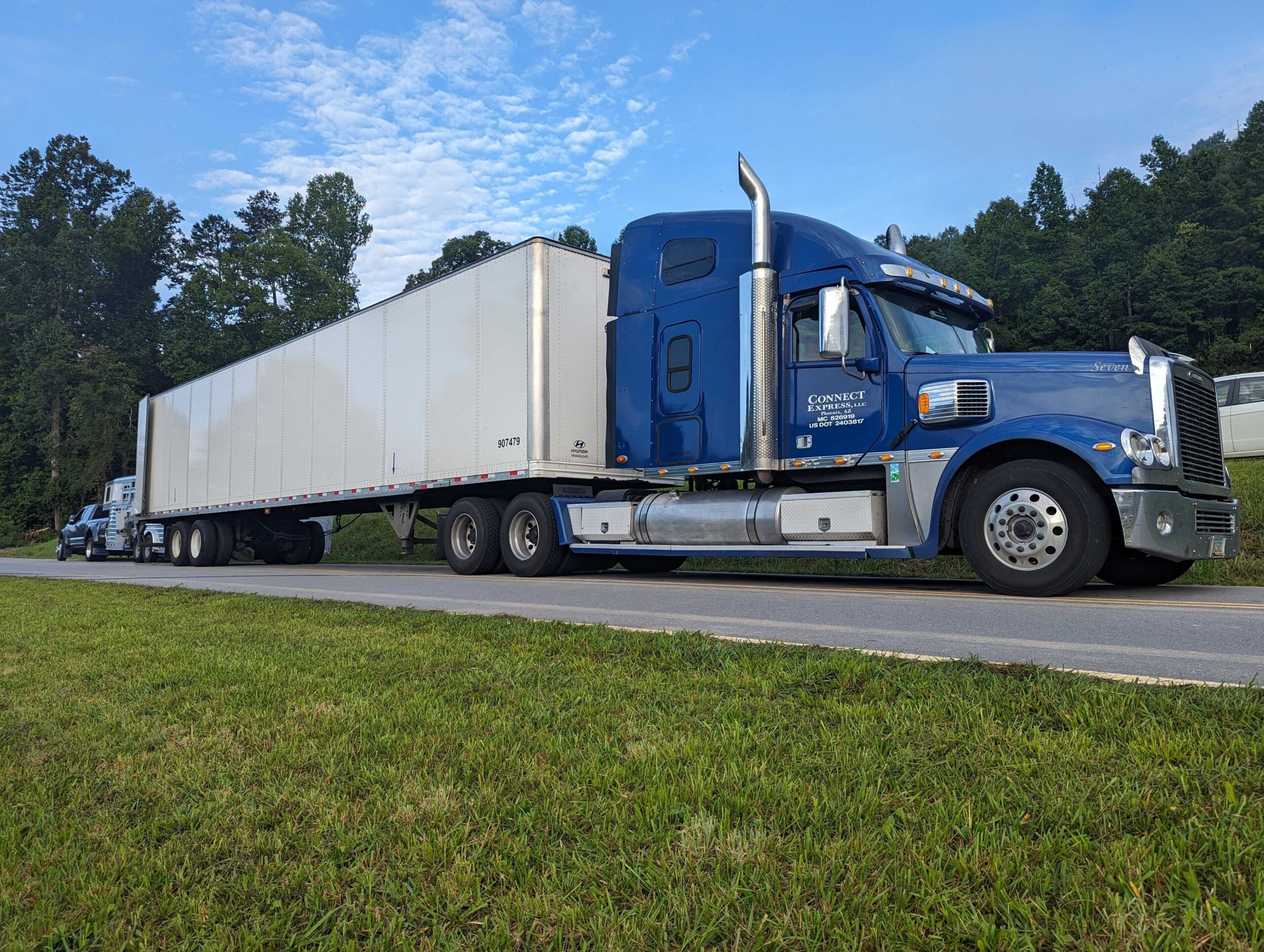
A lot of food and beverage freight does not need refrigeration. Dry grocery, canned goods, shelf-stable beverages, paper-packaged ingredients, and sealed products often move fine in a clean dry van. But clean means clean. No odor, no debris, no moisture, no leftover pallet scrap from the last run.
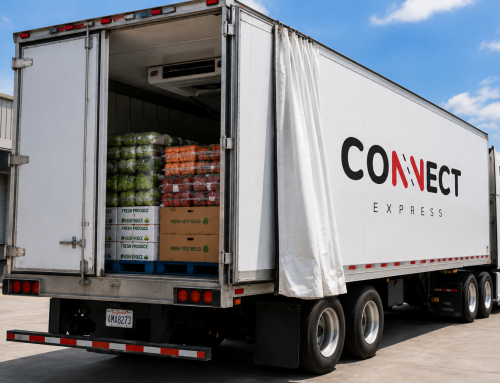
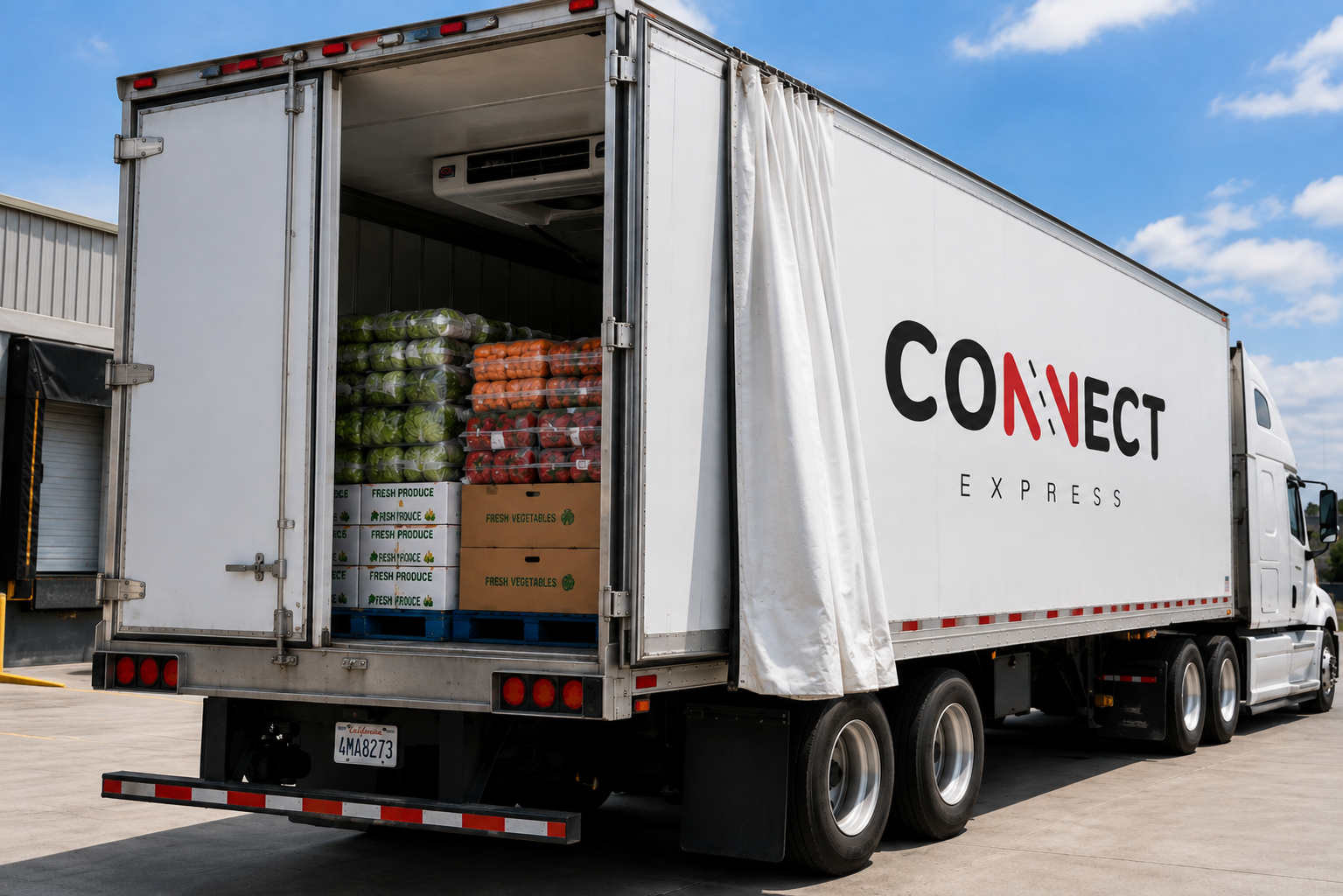
Reefer freight is a different operation. Frozen products, dairy, fresh produce, certain concentrates, chocolate, and some beverage loads need temperature control from pickup to delivery. That does not mean every load runs at the same setting. Some need continuous run. Some can use start-stop. Some need strict pulp temperature support from the shipper side. The details matter.
This is where mistakes happen. A shipper may assume the trailer setting is obvious. A driver may get a rate confirmation that says one thing while the bill of lading says another. If the instructions are not confirmed before loading, you are already behind.
Timing matters more than most people admit
In food shipping, on-time pickup is only the start. What matters is whether the load stays on schedule through the whole trip. That includes check calls, detention handling, route planning, fuel stops, and arrival timing at the receiver.
A lot of service problems come from carriers accepting food freight without treating it like appointment freight. They book the load, then try to fit it around other stops. That is how pickups get pushed, transit time gets squeezed, and deliveries turn into excuses.
Reliable carriers plan food loads backwards from the delivery appointment. They look at traffic, hours of service, reefer fuel, and facility delays before the truck ever gets dispatched. That is basic execution, but it is not always happening.
For shippers, this means a lower claim risk and fewer update requests. You should not have to chase a truck all day to find out whether your load is still making the appointment.
Trailer condition is not a small detail
For food and beverage freight shipping, trailer condition can decide whether a load gets accepted. Receivers look at cleanliness. So do shippers with quality control standards. If the floor is dirty, the walls smell like the last load, or there is visible damage inside the trailer, you have a problem before the doors close.
Reefers add another layer. The unit has to hold the setpoint. Air chute condition, door seals, fuel level, and airflow all matter. So does how the load is packed. A good reefer trailer cannot fix bad loading patterns that block airflow.
This is one reason shippers prefer carriers running real equipment and keeping track of it. If a carrier cannot tell you the trailer condition, reefer setting, or whether the unit was pre-cooled, that is a red flag.
Communication should be simple and constant
Most freight issues get worse because of silence. In food shipping, silence is expensive.
If a truck is running late to pickup, the shipper needs to know. If the receiver changes the appointment, dispatch needs to know. If the reefer throws an alarm, that cannot wait until delivery. Real updates prevent bigger problems.
Good communication is not a fancy dashboard. It is a carrier answering the phone, confirming instructions, and sending accurate status updates without being chased. Freight managers do not need long stories. They need to know where the truck is, whether the load is on temperature, and if the appointment is still safe.
That matters even more on longer runs. A load leaving Phoenix, Arizona for a multi-state delivery should not disappear once it hits the road. You need real updates and a real person who can fix problems if something changes.
Common failure points in food and beverage shipping
Some issues come up again and again. The trailer arrives dirty. The reefer is set wrong. The driver gets to the shipper without the right pickup number. The load is delayed at a warehouse and nobody updates the receiver. The seal number is missing. The carrier says the truck is empty, then misses the pickup.
None of that is complicated. It is just poor execution.
Food freight exposes weak carriers quickly because the margin for error is smaller. There is less time to recover from bad planning, and the receivers tend to be stricter. If your product moves through grocery, retail, foodservice, or production channels, you need a carrier that treats the details like part of the job, not an extra.
What shippers should expect from a carrier
You should expect a clean trailer, on-time pickup, and clear communication. That is the baseline. For reefer freight, you should also expect confirmed temperature settings, fuel checks, and status updates that mean something.
You should also expect honesty. Sometimes an appointment is tight. Sometimes weather or warehouse delays create risk. A dependable carrier says that up front. They do not stay quiet and hope it works out.
This is especially important when capacity gets tight. During produce season or around peak beverage demand, some carriers overcommit. Then they start shifting trucks around and service slips. A carrier with its own trucks and drivers has more control over execution than one that is just passing the load around.
Food and beverage freight shipping works best with consistency
One good load does not prove much. Food shippers need consistency over time.
That means the same standard on a short run or a long haul. It means the truck shows up when scheduled. The trailer is ready. The driver has the right information. The dispatch team stays in touch. If something changes, you hear about it right away.
For companies shipping across the Southwest or moving freight nationwide, that consistency matters more than sales talk. Every missed pickup creates extra work on your side. Every bad update forces someone in shipping or logistics to stop what they are doing and start tracking down answers.
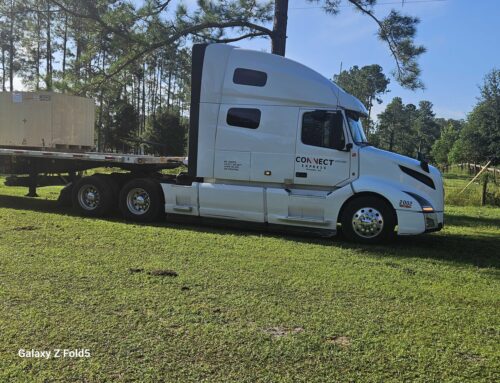
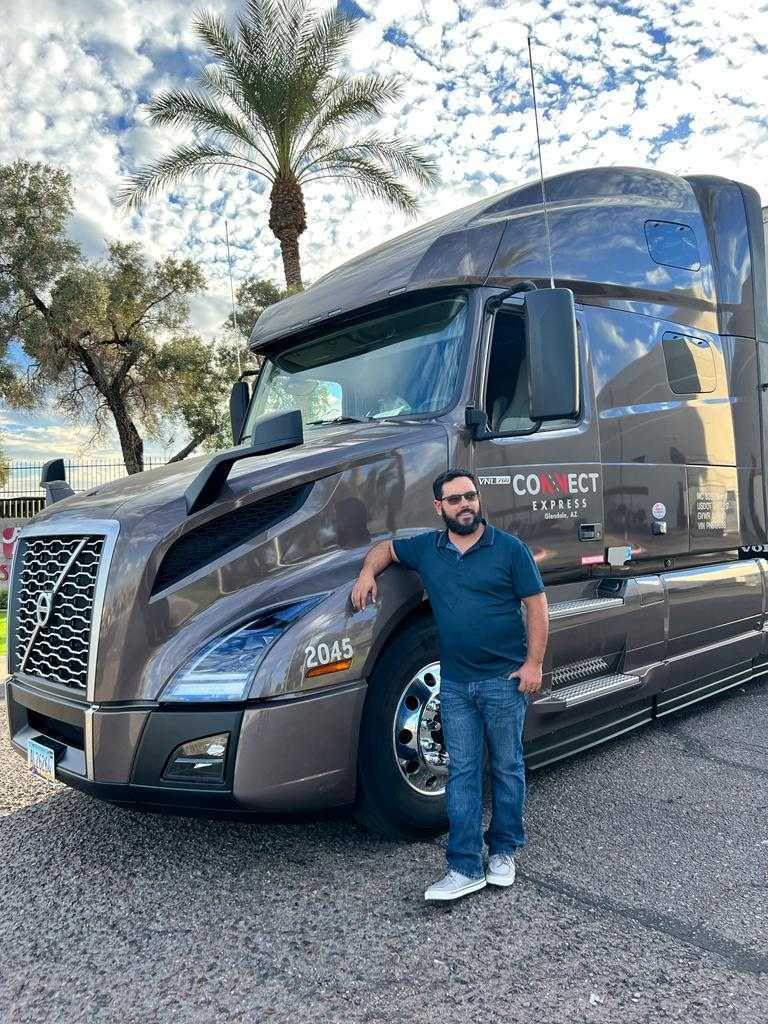
At ConnectExpress LLC, that is the part we take seriously. Real trucks. Real drivers. Real updates. No guessing where your load is.
The carrier choice affects more than transit
A food shipment is not just freight on a trailer. It connects to inventory, production schedules, retail commitments, and customer service. If the carrier misses, your team absorbs the problem.
That is why carrier selection should be based on execution, not promises. Ask how they handle trailer inspections. Ask who sends updates. Ask how reefer settings are confirmed. Ask what happens when a pickup is delayed. The answers tell you a lot.
Food and beverage freight shipping is simple when the basics are done right. Clean equipment. Tight scheduling. Clear communication. Drivers who show up ready. If your carrier can do that load after load, your shipping day gets a lot easier.
Request a truckload quote: Contact Connect Express or call (844) 474-8963.