If your freight moves through Arizona, California, Nevada, New Mexico, Texas, Utah, or Colorado, the wrong carrier shows up fast. Missed pickup windows turn into dock backups. Bad updates turn into check calls you should not have to make. And one equipment mismatch can throw off the whole day. That is why choosing a southwest freight carrier is less about promises and more about execution.
In the Southwest, freight does not move under easy conditions. Heat matters. Distance matters. Traffic around major metros matters. Appointment freight, produce seasons, construction demand, and cross-state routing all put pressure on capacity. A carrier that works this region every week understands those patterns. A carrier that does not will usually learn on your load.
What a southwest freight carrier should handle well
A good southwest freight carrier should be able to do the basic things right every time. Pickup on schedule. Deliver on schedule. Send updates before you ask. Put the right trailer on the right load. None of that sounds complicated, but that is where most service problems start.
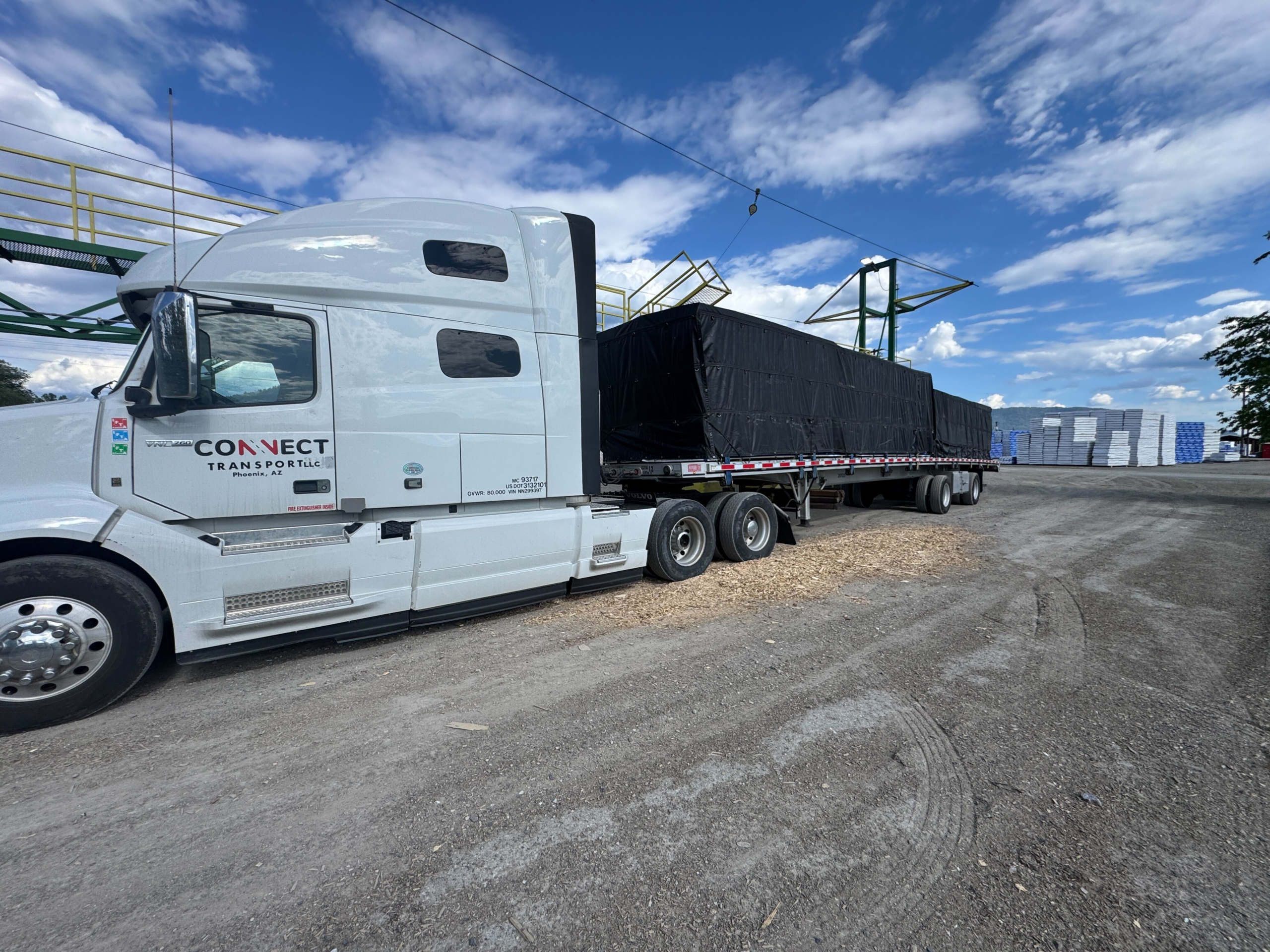
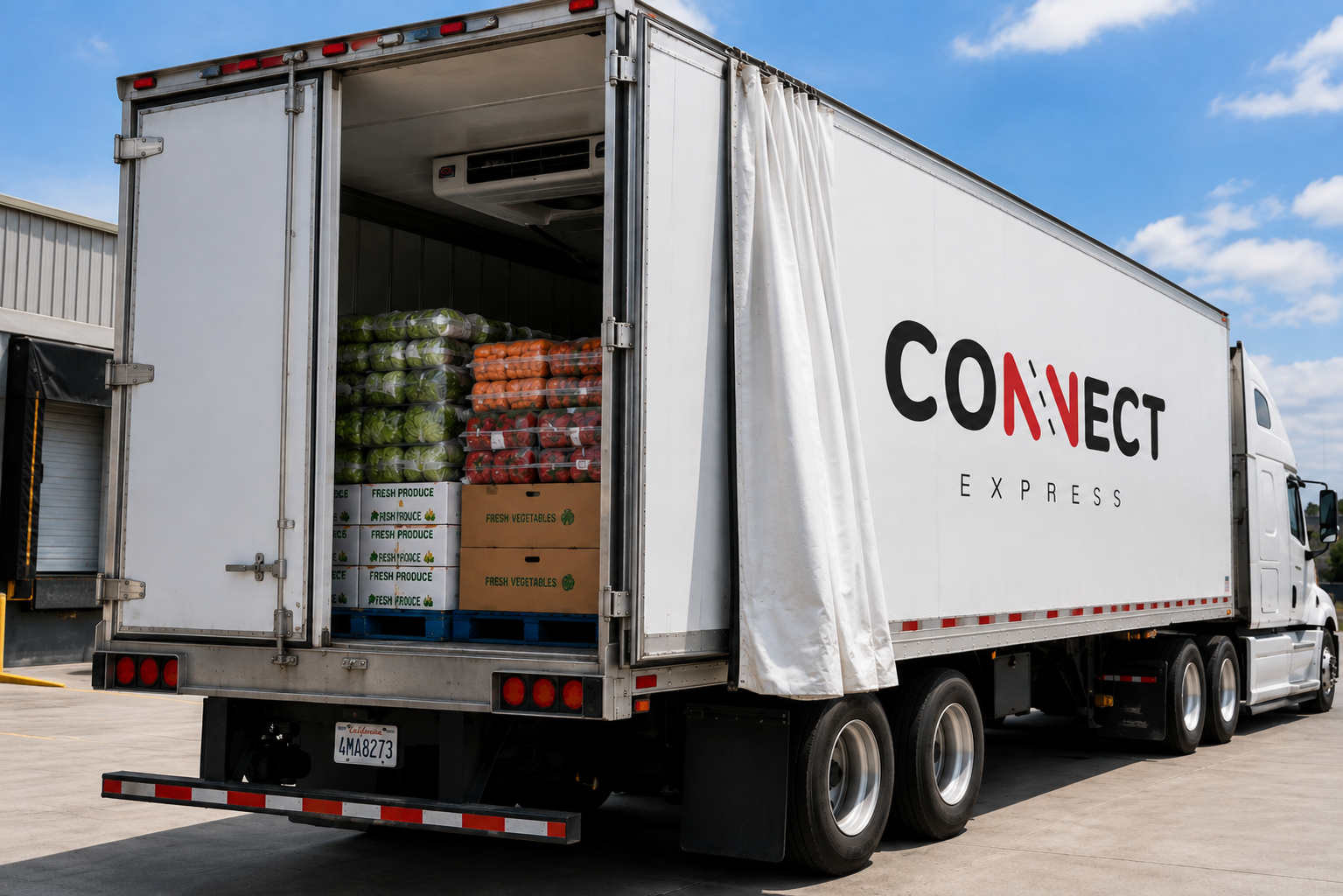
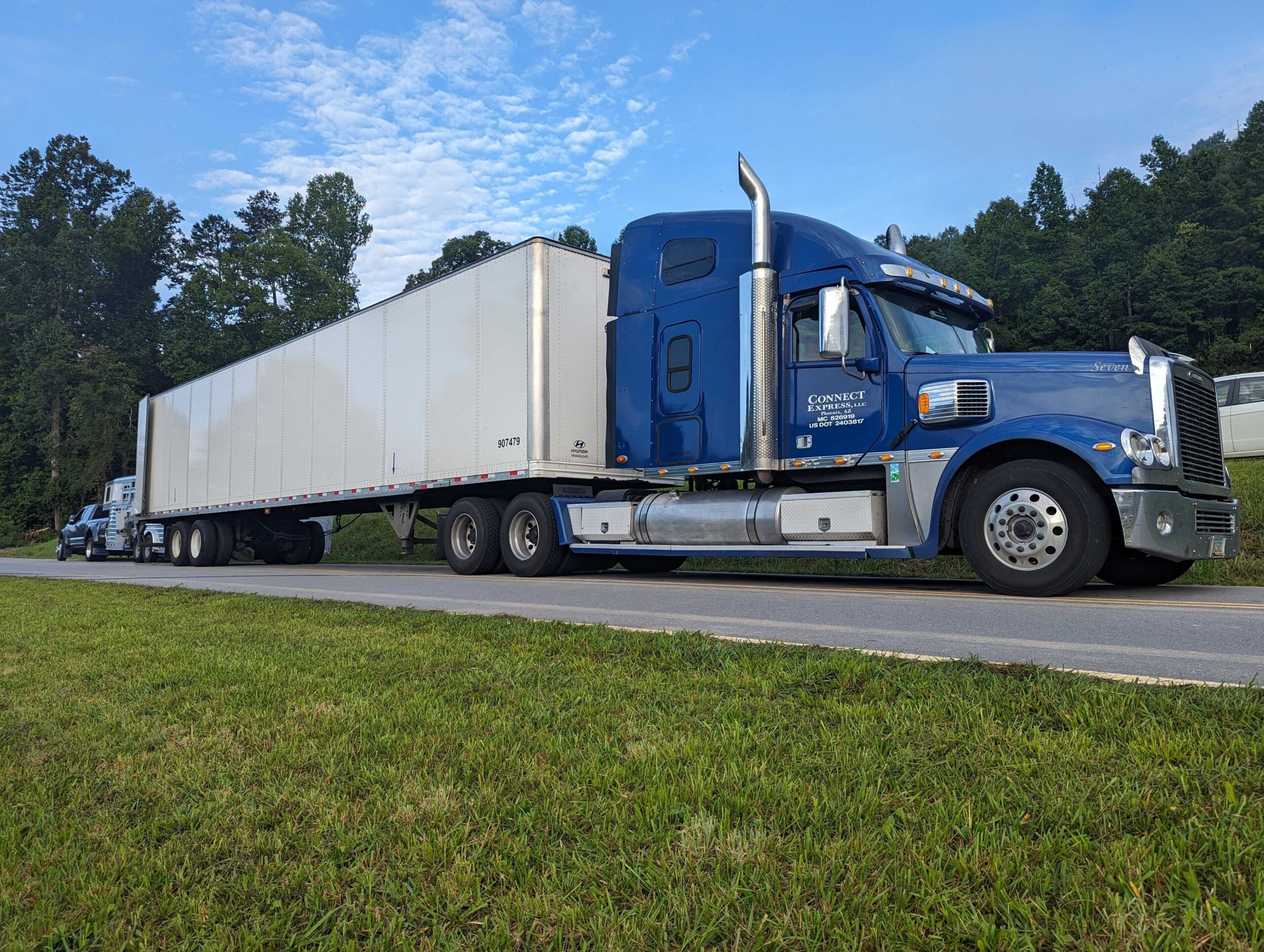
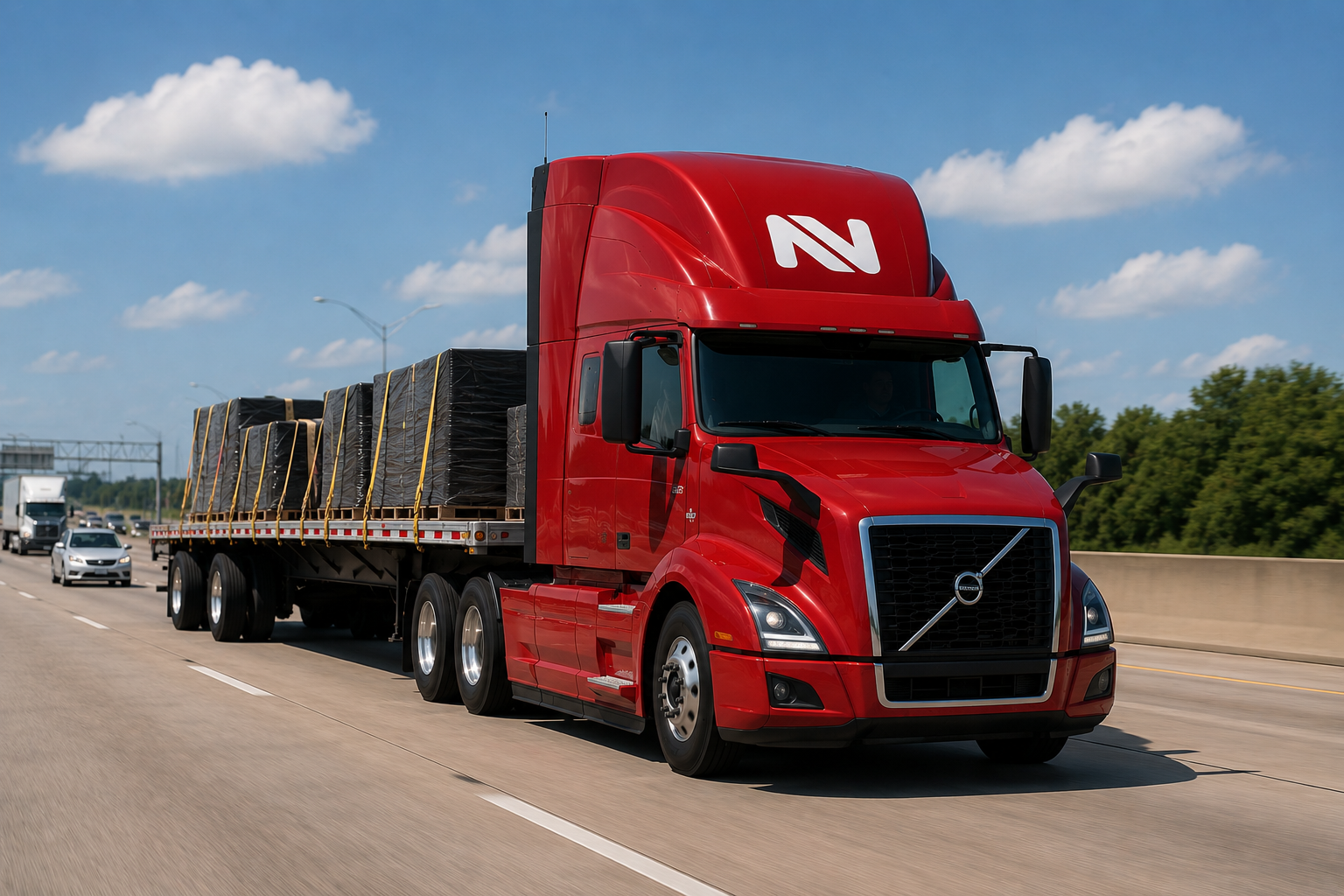
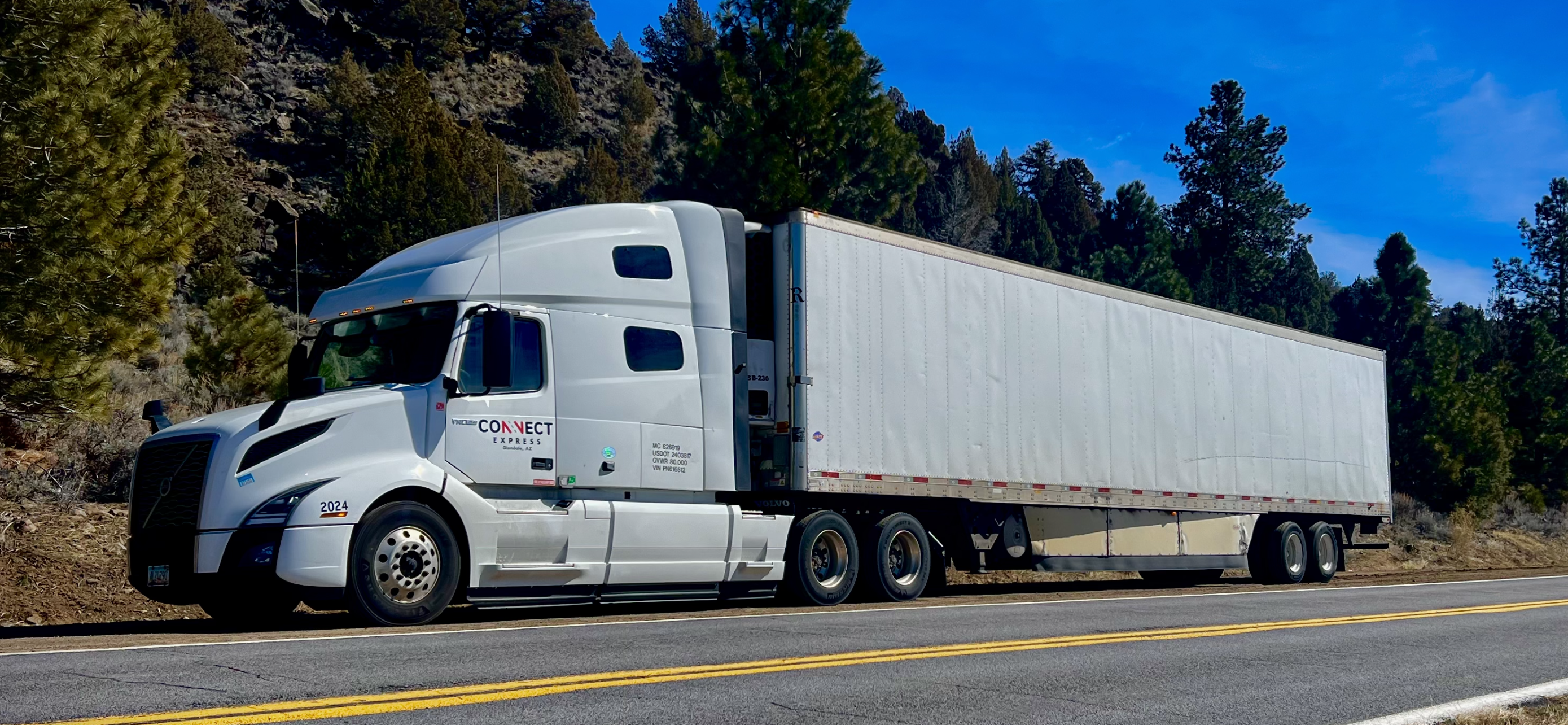
The Southwest is not one type of freight market. It is dry van freight into distribution centers, reefer loads with tight temperature requirements, flatbed freight that needs securement done right, and dedicated lanes that only work when the same standards are repeated every day. If a carrier says yes to everything but struggles with execution, that creates more work for your team.
What you want is straightforward. Real capacity. Real dispatch. Real drivers. If there is a delay, you hear about it early. If there is an issue at pickup, someone calls with the facts. No guessing where your load is.
Why the Southwest is different
This region covers a lot of ground. A pickup in Phoenix can feed freight west into Southern California, east into Texas, or north through Utah and Colorado. Those are not small lane changes. They affect transit planning, hours of service, fuel timing, weather exposure, and appointment risk.
Summer heat changes how equipment performs. Reefer freight needs closer attention. Tires, cooling systems, and trailer condition matter more when the pavement is hot and transit times are long. Flatbed freight has its own issues. Wind, route restrictions, and securement checks can all change timing.
Then there is density. Some lanes are strong and consistent. Others tighten up fast around produce, retail pushes, or regional construction demand. A carrier with steady freight in the Southwest usually plans better because they know where trucks are coming from and where they are going next. That helps shippers because it improves pickup reliability instead of relying on last-minute scrambling.
Equipment matters more than the sales pitch
Most load problems do not start on the road. They start when the wrong equipment gets assigned.
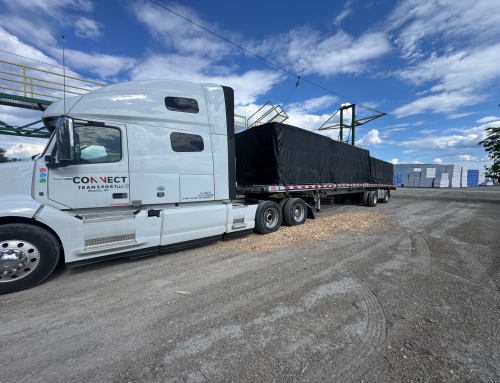
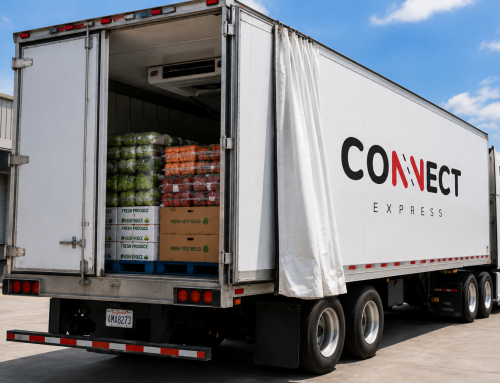
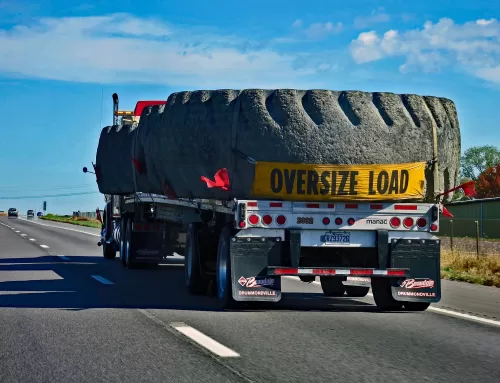
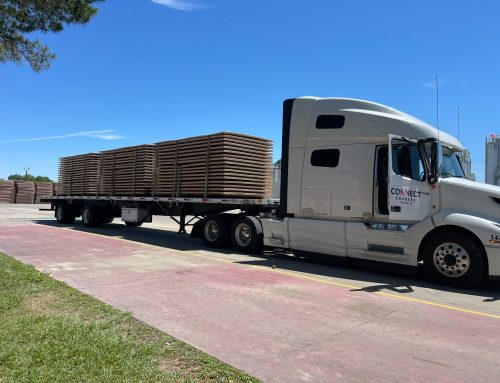
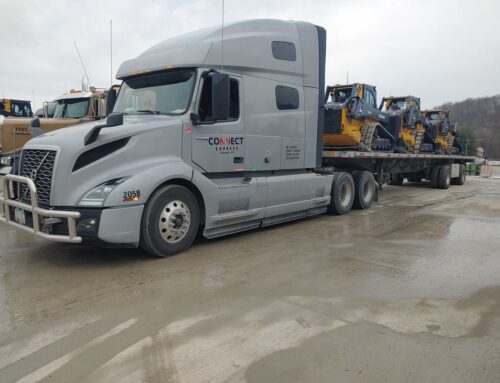
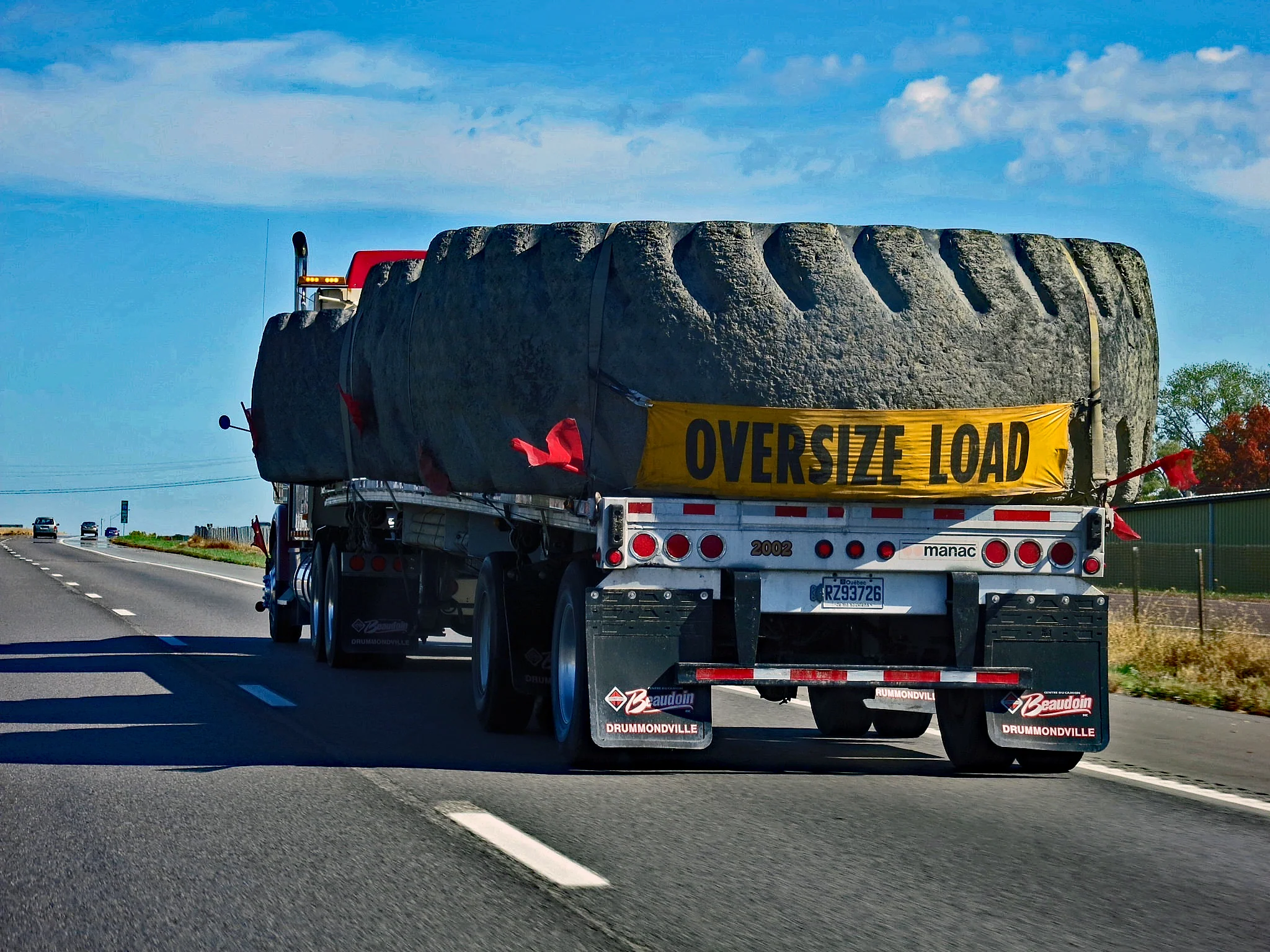
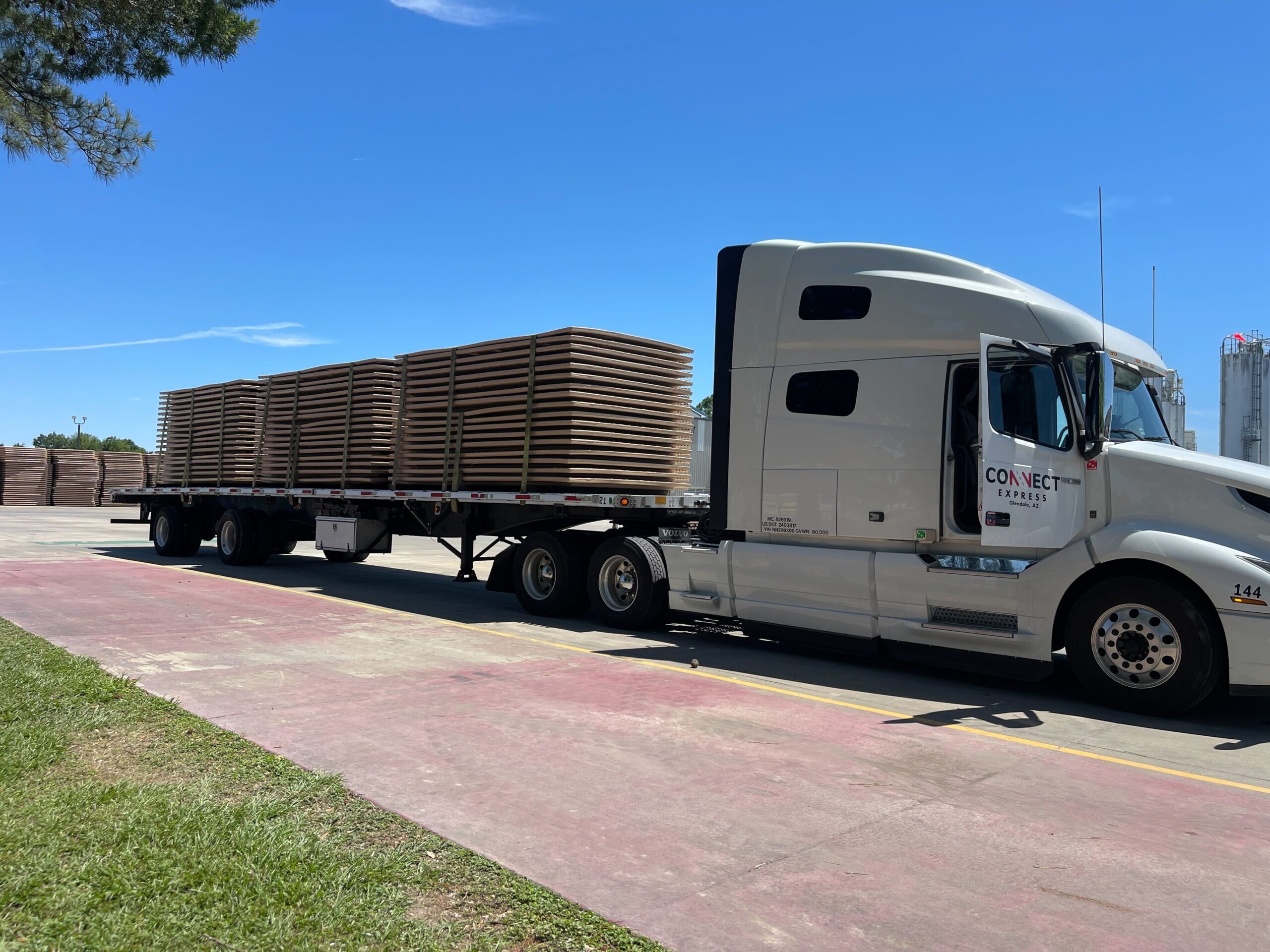
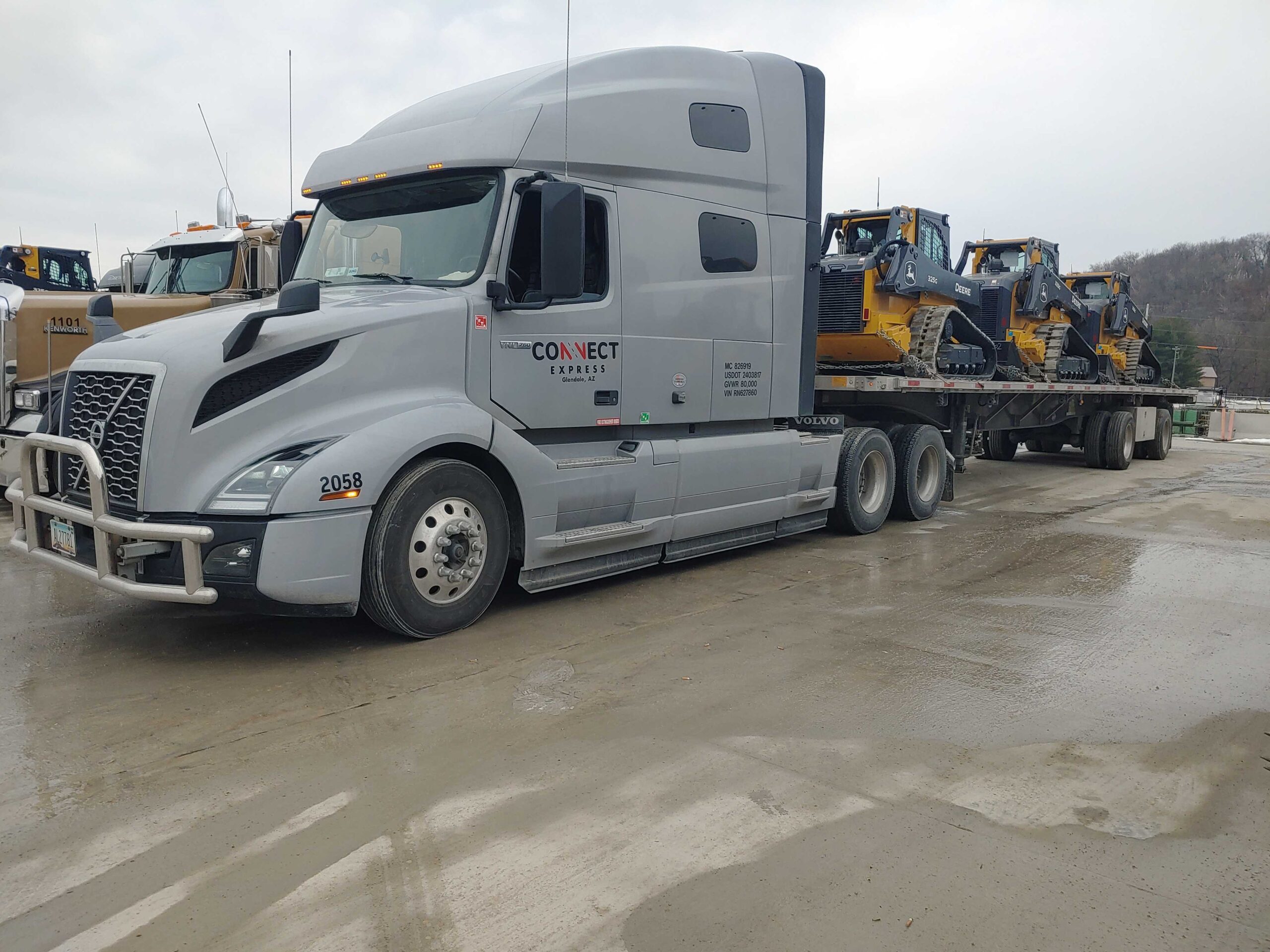
Dry van freight sounds simple until the commodity, dock setup, or appointment schedule says otherwise. Reefer freight needs clean trailers, working units, and dispatch that understands temperature requirements are not a suggestion. Flatbed and oversized freight require more than a truck and trailer. They require route planning, securement knowledge, and drivers who know how to handle open-deck freight without shortcuts.
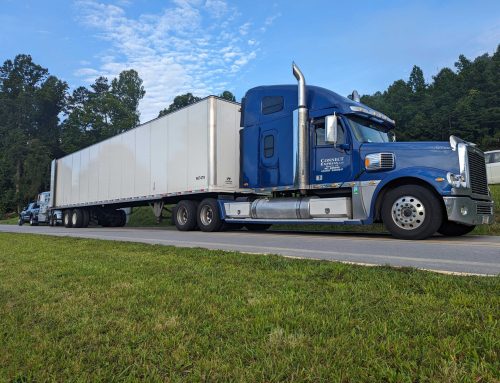
That is one reason some shippers prefer working with asset-based carriers. If the company runs its own trucks and equipment, there is usually less confusion about who is handling the load. Communication gets cleaner. Expectations are clearer. When something changes, the answer comes from operations, not from three different middle points trying to piece it together.
That does not mean every asset carrier is a fit for every shipment. It does mean you should ask direct questions. What trailer type is being assigned? Does the driver handle this freight type regularly? How will updates be sent? Who do you call after hours? Simple questions. Useful answers.
Communication is part of the service
Freight managers do not need extra noise. They need real updates.
A dependable carrier does not wait until a delivery is late to say something. They update when the truck is empty and heading in. They confirm pickup. They report in transit status without being chased. If an appointment is at risk, they say it early enough for your team to react.
That sounds basic because it is. But in real operations, that level of communication saves time across the board. Your shipping team knows what is arriving. Your customer service team is not making blind promises. Your receiving side can plan labor better. Good communication is not just about keeping people informed. It cuts down preventable problems.
The same goes for paperwork. Bills of lading, temperature records when needed, POD timing, and any exception notes should be handled cleanly. Sloppy paperwork creates avoidable disputes. Strong carriers know that the load is not finished when the truck backs into the dock. It is finished when the shipment is delivered and documented correctly.
When dedicated capacity makes more sense
Some freight should not be covered one load at a time.
If you have repeat lanes, fixed shipping days, or customers who expect the same service every week, dedicated capacity can remove a lot of friction. You get more consistency in pickup timing, driver expectations, and communication flow. It also helps when your freight has specific handling needs that random coverage does not always manage well.
This matters in the Southwest because swings in demand can tighten capacity quickly. If your freight is critical, waiting to find a truck every time can create unnecessary risk. Dedicated service is not the answer for every shipper, but for repeat freight, it often reduces misses and last-minute surprises.
From an operations side, dedicated freight also gives the carrier a better chance to plan around your needs instead of reacting to them. That usually shows up in better service, not because the lane is easier, but because everyone knows what the standard is.
Red flags to watch before you tender the load
You can usually spot trouble early.
If a carrier cannot explain how they handle updates, that is a problem. If they are vague about equipment, that is another one. If nobody seems to own the shipment from dispatch through delivery, expect confusion later.
Pay attention to how they talk about service. Carriers that speak clearly about pickups, communication, and equipment usually operate clearly too. Carriers that hide behind big claims often get thin when details matter.
You should also look at how they handle exceptions. Freight does not move in a perfect straight line every day. Appointments shift. Shippers run late. Weather hits. Mechanical issues happen. The real test is not whether a problem exists. It is whether the carrier communicates early, gives you options, and stays on the load until it is resolved.
What shippers in the Southwest usually need most
Most shippers are not asking for anything fancy. They want a truck that shows up when it says it will. They want freight handled safely. They want updates that make sense. They want the delivery made without a long list of excuses.
That is especially true for freight moving in and out of Phoenix, where regional and long-haul lanes often connect. A Phoenix-based carrier that runs the Southwest regularly can be a strong fit because the network is already built around the region. That does not solve every problem by itself. But it often improves consistency because trucks, dispatch, and lane planning are not being improvised load by load.
For shippers with dry van, reefer, flatbed, or dedicated freight, the best carrier relationship is usually the one that gets quieter over time. Fewer check calls. Fewer surprises. Fewer service recoveries. Just clean execution.
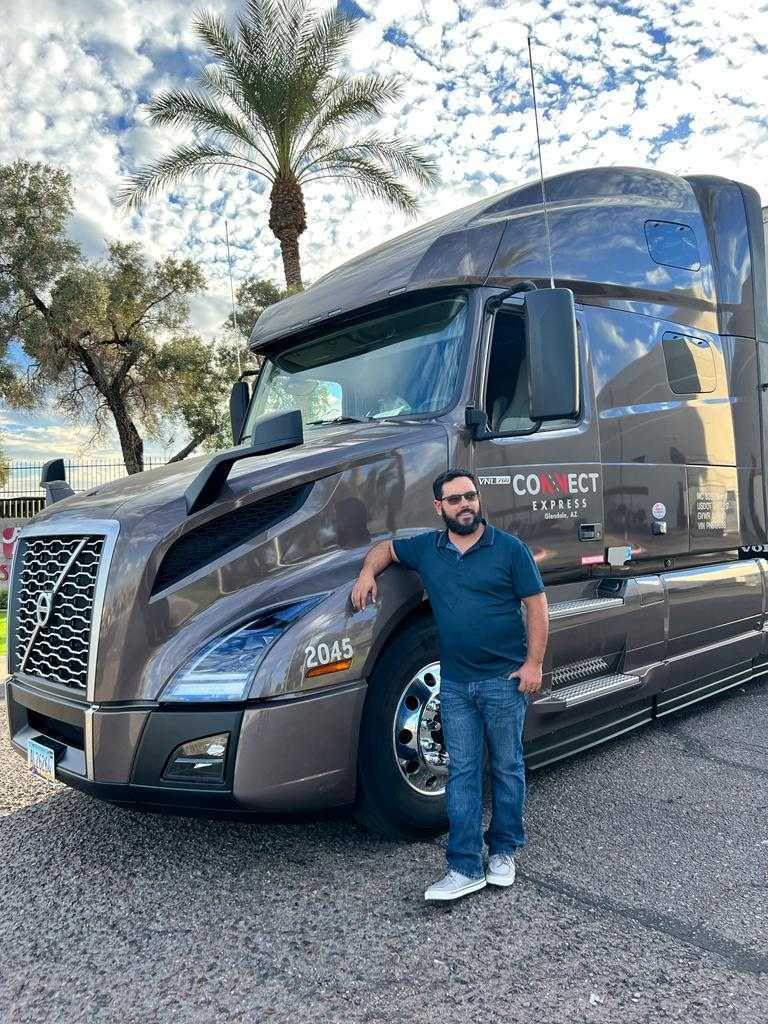
ConnectExpress LLC operates that way. Real trucks. Real drivers. Real updates. For shippers, that means less chasing and more confidence when the freight has to move.
A southwest freight carrier should make your day easier, not busier. If the load matters, work with a carrier that treats basic execution like the standard, not the sales pitch.
Need capacity on this type of freight? Connect Express LLC provides asset-based logistics services across the Southwest and nationwide.
Request a truckload quote: Contact Connect Express or call (844) 474-8963.