If you are looking at the best freight visibility tools, you are probably trying to fix a real problem. A load gets picked up, then the updates slow down. Your customer asks where it is. Your team starts calling, texting, and chasing answers. That is not a visibility system. That is a fire drill.
Good visibility should reduce noise, not add to it. It should help you know where the freight is, whether it is on schedule, and what needs attention before a delay turns into a service failure. For shippers, logistics coordinators, and brokers covering real freight every day, that is the standard.
What the best freight visibility tools should actually do
A lot of platforms promise the same thing. Real-time tracking. Better communication. Fewer blind spots. The problem is that those claims are too broad to be useful.
What matters is how the tool performs when freight is moving across multiple states, appointments are tight, and the carrier is dealing with normal road issues like weather, traffic, detention, or receiver delays. If a system only looks good on a demo screen, it is not helping operations.
The best freight visibility tools usually do a few things well. They pull location data consistently. They turn that data into usable status updates. They flag late loads early enough for someone to act. And they make it easier to share updates with the shipper, consignee, or internal team without ten extra calls.
That does not mean every company needs the same setup. A shipper moving high-volume dry van freight on set lanes has different needs than a team managing reefer loads, flatbed shipments, or time-sensitive retail deliveries. Visibility is not one-size-fits-all.
Why visibility fails even when the software looks good
Most visibility issues are not caused by software alone. They come from a gap between the tool and the actual operation.
A platform can only work with the data it gets. If the carrier does not keep tracking active, if the driver turns off location sharing, or if the integration with the transportation management system is weak, the updates will be incomplete. Then the shipper ends up with a dashboard full of stale information.
This is why execution still matters more than branding. Real trucks, real dispatch, and real communication still carry the load. A visibility tool should support that work. It should not cover for poor planning or weak follow-through.
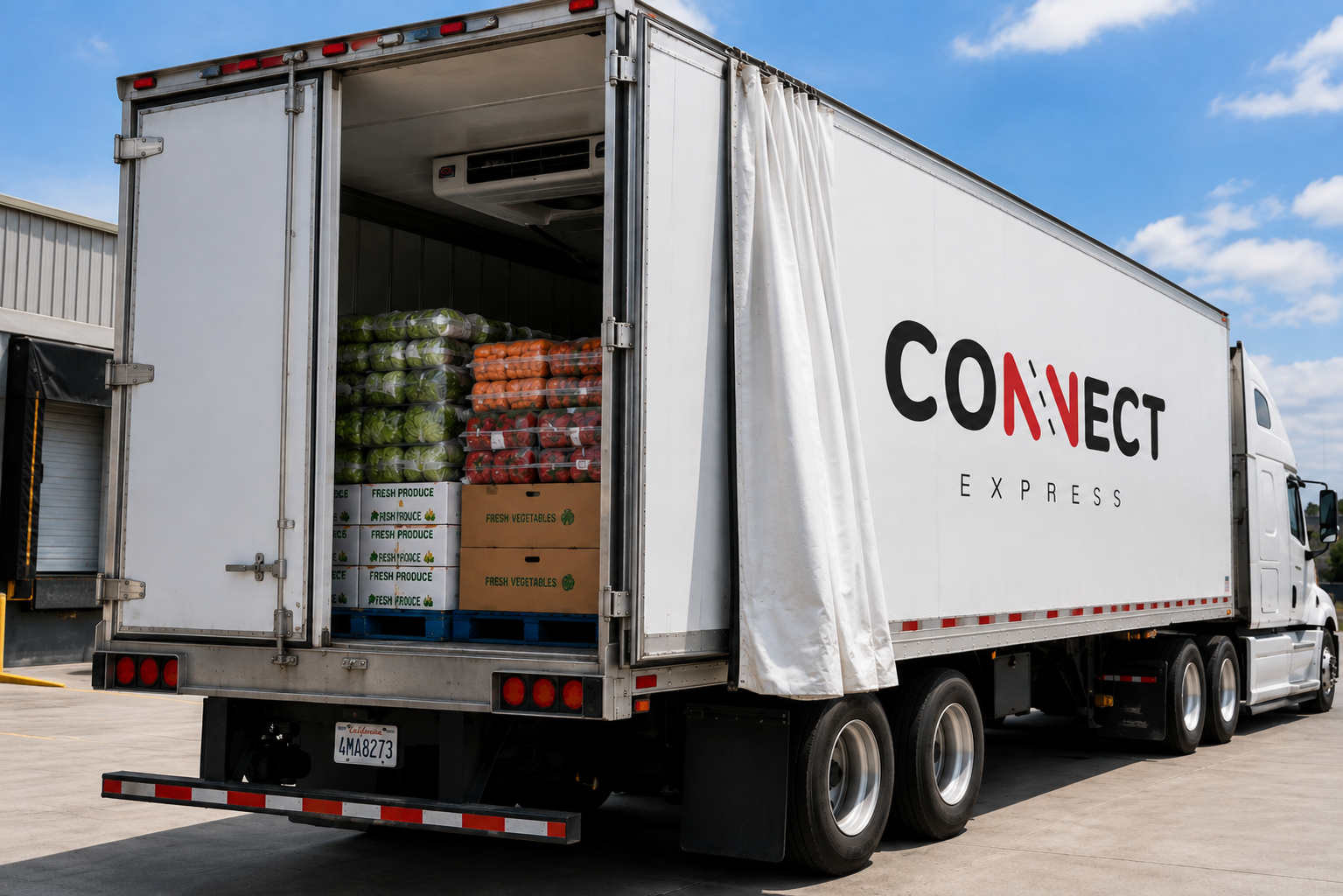
That is especially true on reefer and specialized freight. A map ping is useful, but it does not tell you if the temperature is holding, if the appointment was pushed, or if the driver is waiting on a lumper. The best systems help surface those exceptions, but they still depend on a carrier that communicates clearly.
9 best freight visibility tools worth knowing
Project44 is one of the most recognized names in freight visibility. It is widely used by larger shippers that need broad carrier connectivity and multimodal coverage. Its strength is scale. If you are managing freight across a large network, that matters. The trade-off is that some smaller operations may find it heavier than they need.
FourKites is another major platform that shows up in enterprise shipping environments. It is built for deep visibility across shipments and milestones, and many larger companies use it to track performance trends as well as load status. It can be a strong fit when the goal is network-wide oversight, not just load-by-load updates.
Descartes MacroPoint is common because many carriers and brokers already work with it. That familiarity helps with adoption. It is often used for truckload visibility and check calls, and it can be practical for teams that need broad coverage without rebuilding their whole process.
Trimble Visibility, which came from Kuebix, is often part of a larger transportation management workflow. For shippers already working inside that ecosystem, it can make sense to keep visibility tied closely to planning and execution. That said, the fit depends on how much of your operation already runs through Trimble tools.
Motive is known more for fleet operations, driver tracking, and telematics, but it plays a role in visibility too. For asset-based carriers, it can provide direct truck-level information instead of relying only on shipment updates. That can be valuable when you want to know what the equipment is doing, not just what the load status says.
Samsara sits in a similar lane. It is often stronger on fleet visibility, ELD data, and operational tracking than on shipper-facing shipment workflows. For a carrier managing its own trucks, that can be enough. For a shipper trying to monitor loads across many carrier partners, it may need to be paired with another platform or process.
Uber Freight’s visibility tools are often used within its broader freight platform. For some users, the benefit is convenience. Booking and tracking can sit in one place. The limitation is simple. If your carrier network is broad and not centered there, it may not cover your full operation the way a neutral visibility platform would.
Blue Yonder offers visibility as part of a much larger supply chain software environment. This is usually more relevant for large enterprise shippers with complex planning needs. It can be powerful, but it is not always the right answer for teams that just need clean, reliable shipment updates and exception management.
Shipwell combines transportation management with visibility functions, which can be useful for mid-market shippers that do not want separate systems for every task. The upside is a more connected workflow. The question is whether the visibility side is strong enough for the freight complexity you handle every day.
How to choose the best freight visibility tools for your operation
The right choice starts with your freight, not the sales pitch.
If you run mostly repeat lanes with trusted carriers, you may not need the deepest platform on the market. You may need clean ETA updates, exception alerts, and a simple way to share status with customers. If you manage a larger network with mixed modes, drop trailers, cross-border issues, or tight retailer appointments, the bar is higher.
You also need to look at who will use the tool. A system that makes sense for an analyst may be frustrating for a shipping team that needs answers fast. Dispatchers and logistics coordinators do not want to click through five screens to find one late load. They want to see what is at risk and what action needs to happen now.
Carrier compliance matters too. Some platforms have broad adoption, which helps. Others depend more heavily on app downloads, manual check-ins, or integrations that are uneven across carriers. If your network includes smaller carriers or owner operators, that can affect tracking consistency.
Then there is the issue of false confidence. A dashboard can make it look like everything is under control when the data is delayed or incomplete. That is why you should test how a tool handles exceptions, not just normal shipments. Late pickup. Missed appointment. Driver swap. Trailer issue. Weather delay. Those are the moments that expose whether the platform helps operations or just reports history.
Visibility tools are not a replacement for carrier communication
This part gets missed too often. Tracking software does not replace a carrier that answers the phone, gives real updates, and handles problems early.
The strongest setup is a good tool backed by a good carrier. You want automated visibility for speed and consistency. You also want a dispatch team that can confirm what is happening on the ground when plans change. That is how you avoid guessing where your load is.
For shippers moving freight out of Phoenix or across the Southwest, this matters even more on long runs, heat-sensitive reefer loads, and appointment-driven freight. The map matters. So does the person managing the load.
What to ask before you commit
Before choosing from the best freight visibility tools, ask simple operational questions. How does the platform collect data from carriers? How often do updates come through? What happens when tracking drops? Can your team spot an at-risk load without digging? Can customers get useful updates without your staff rewriting every status message?
Also ask what the tool will not do. No system solves poor scheduling, bad handoffs, or a carrier that stops communicating after pickup. If a provider acts like software fixes all of that, be careful.
A good visibility platform helps you stay ahead of problems. It should save time, reduce check calls, and give your team cleaner information. But the freight still moves because drivers show up, dispatch follows through, and someone takes responsibility when the day does not go as planned.
That is the real test. If the tool helps your operation run tighter and keeps your customers from wondering where the load is, it is doing its job.
Need capacity on this type of freight? Connect Express LLC provides asset-based logistics services across the Southwest and nationwide.
Request a truckload quote: Contact Connect Express or call 480-401-1998.